GAF Commercial Roofing in Quincy, MA
Thaw water reaching a low curb can expose a GAF roof detail that needs reconstruction even while its EverGuard field remains useful. For commercial GAF roofing in Quincy, MA, we assess the installed system and receiving geometry before choosing local repair or renewal. The membrane, insulation and equipment clearance are separate parts of that decision. Another field layer can change height at the curb without restoring the vulnerable connection. The complete scope should identify how the final assembly closes there.
Quincy's preparedness includes flooding and winter storms. We connect those conditions to the requested roof's water routes, attachment and exposed work stages. GAF's commercial materials include thermoplastic single-ply roofing and other assembly components. We inspect, repair and install commercial roofing with the selected system's requirements and actual condition in view, allowing the owner to compare compatible construction rather than rely on the manufacturer's name as a full roof description.
Select the EverGuard construction for the receiving task
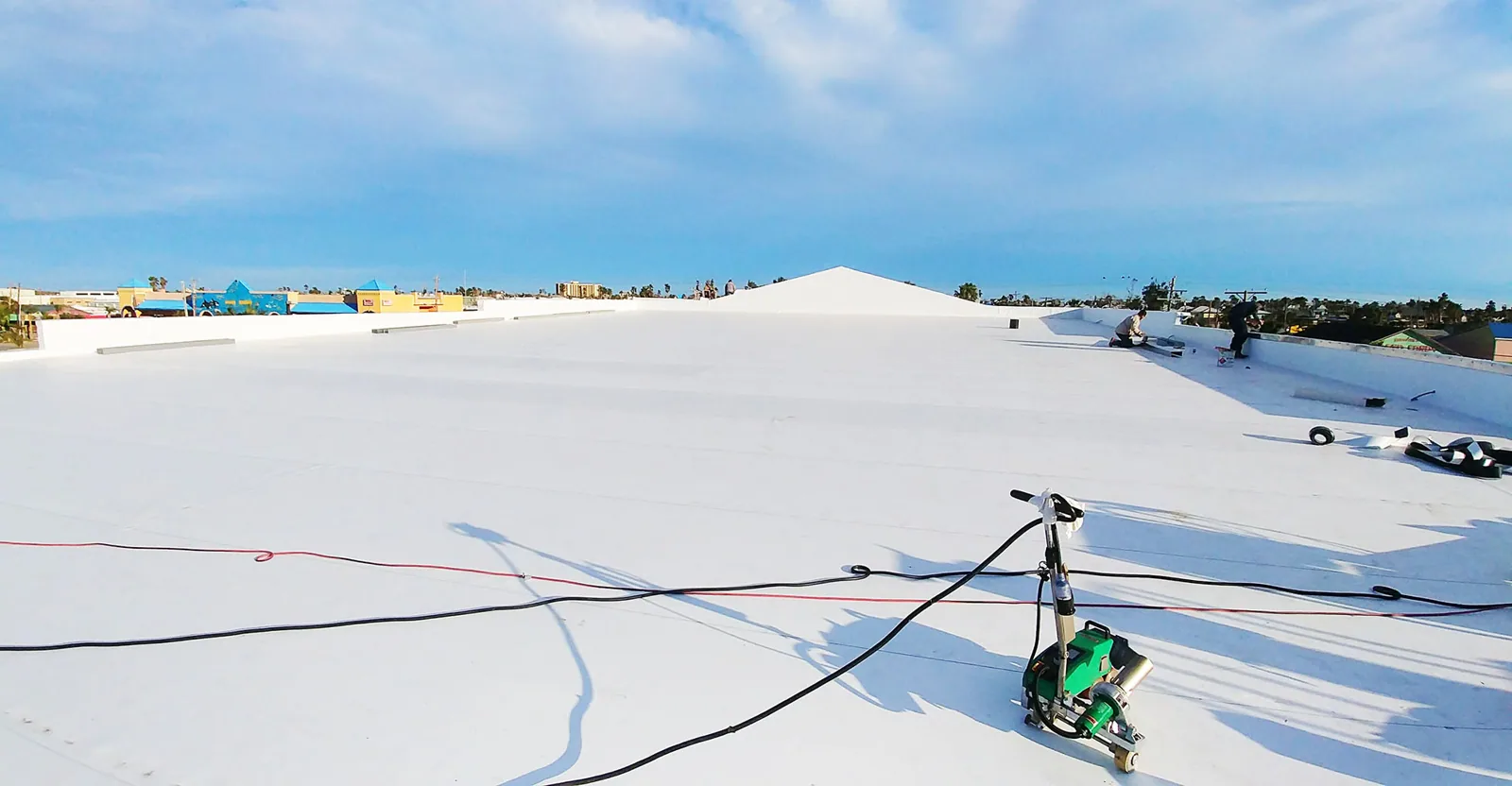
GAF's EverGuard TPO range includes smooth and fleece-backed membranes, together with EverGuard Extreme TPO and EverGuard SA self-adhered material. Those names identify different product options, not one interchangeable roof installation. We assess the proposed receiving assembly and applicable system requirements before selecting material. Deck condition, attachment, insulation and detail geometry belong in that comparison. The selected covering needs useful construction beneath and around it.
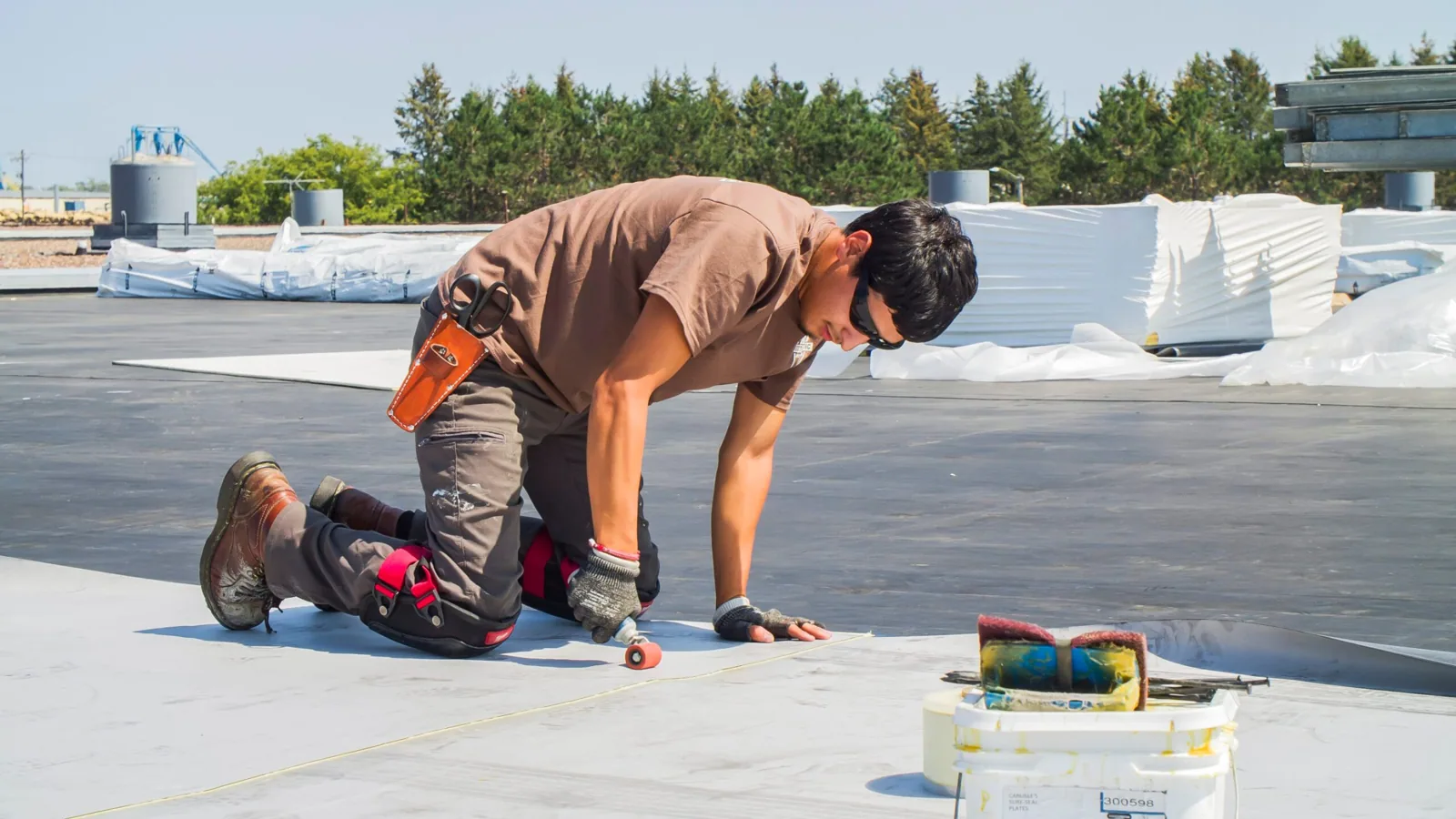
TPO roof assessment examines the thermoplastic membrane and its heat-welded connections. A local joint repair needs appropriate surface preparation and receiving material for the selected method. Contamination or previous treatments can alter that preparation. A membrane lying continuously across the field does not establish every joint and equipment detail is sound. We inspect those interfaces before treating local work or a new field as complete restoration.
A fleece-backed product can be considered within a suitable specified receiving arrangement, including a recover comparison where appropriate. We examine retention condition rather than select recover from the product's backing alone. Wet or unstable layers need their own scope. For self-adhered material, the receiving surface and installation conditions also need to suit the particular system. The proposal should identify those tasks instead of describing only a roll of membrane.
Examine exposure before choosing the membrane family
GAF also offers commercial PVC roofing materials. When PVC construction is considered, we evaluate the actual equipment discharge, material contact and receiving details with the selected system in view. A roof above food service can need a different local exposure assessment from a roof serving ordinary office equipment. The material decision should follow those interfaces rather than assign the same membrane to every property under a shared renewal program.
GAF's wider commercial range includes asphaltic membranes, insulation and cover boards. The assembly choice needs support, attachment and project requirements assessed alongside the exposed covering. Replacing a surface while leaving deteriorated receiving material unresolved is not the same construction as rebuilding those layers. We describe the components retained and restored so the owner can compare complete interventions through their physical content.
Quincy Center combines downtown office and retail activity with civic uses. On a requested property in Quincy Center, we examine the actual unit, wall and occupied-room relationships before selecting work. A mixed-use setting can affect protection and equipment intervals. The assembly condition establishes the scope, while the use below establishes the arrangements needed to perform it.
Reach useful material around the defect
A GAF roof repair should identify the installed membrane and any later treatments before selecting preparation and closure. A bounded opening can support compatible local work where receiving construction is suitable. Torn material, damaged support or moisture below the covering can require a different boundary. We examine the opening and affected layers separately. Closing the visible defect should not be mistaken for restoration of every component damaged through it.
Installed-system and warranty review can identify requirements relevant to the proposed repair or alteration. Coverage terms and current condition answer different questions. We assess the physical connection and applicable project information without treating a warranty document as proof the assembly is sound. The repair still needs suitable receiving preparation, useful retained material and coherent final continuity.
For owners comparing Carlisle SynTec assemblies with a GAF option, the receiving support, attachment and joint construction should be identified under each proposal. A welded thermoplastic interface and an adhered rubber detail can require different methods. Manufacturer choice does not remove the need to establish which materials remain and how final connections are formed around the installed equipment.
Compare the completed elevation at outlets and curbs
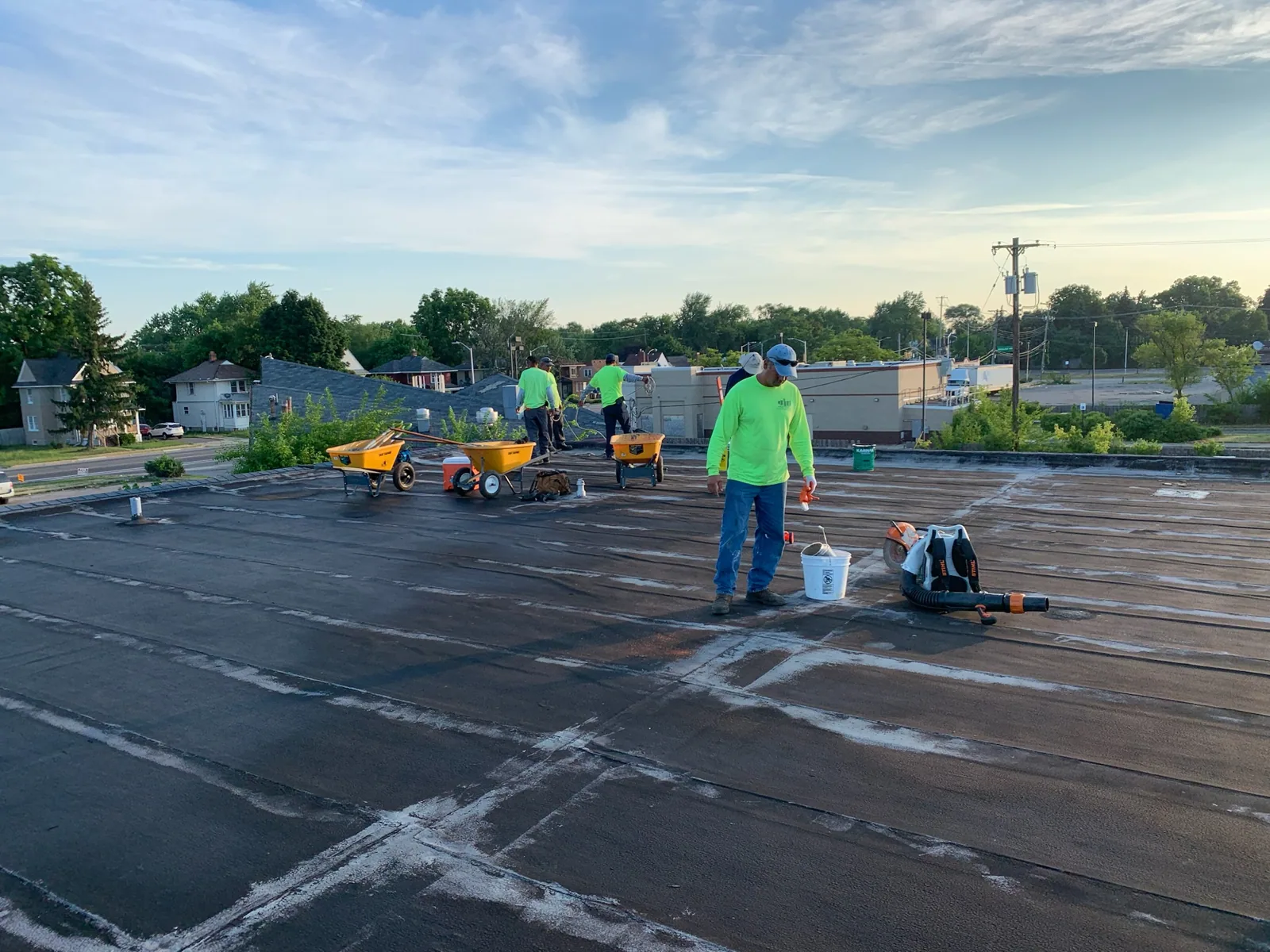
GAF roof renewal assessment examines removal, insulation, support and rebuilt details with the final geometry considered. Added layers can alter drain relationships and reduce available flashing height. Removing unsuitable construction can provide a different receiving arrangement. We describe those interface tasks as part of the proposed assembly, not leave them outside a field-only scope that appears simpler before installation.
When Johns Manville roofing options are compared, receiving-board preparation and attachment should remain explicit along with the selected covering. The owner needs to see the deck and insulation construction each option relies on. A similar-looking final field can sit on materially different retained layers. That distinction is useful when comparing local restoration with a wider reconstruction supported by condition.
Residential and assisted-living uses share Marina Bay with offices and restaurants. On a requested roof above care or food-service activity, we assess the room arrangement and equipment dependencies before removal. A curb replacement can need a defined unit interval, while opening affected layers can need suitable interior protection. The permanent GAF connection should follow the receiving task and close around the actual equipment remaining, rather than leave a finished field beside a support still awaiting alteration.
Leave the selected system accessible for upkeep
A practical installation stage needs suitable application conditions, protected occupied use and a secured boundary with retained roofing. We define the daily opening around receiving work and detail effort. Curbs and wall transitions can require more completion work than their field area suggests. Temporary divisions and material positions should preserve runoff, avoiding water directed toward unfinished construction while the roof is being renewed.
After completion, drains and vulnerable details should remain reachable for inspection. Compatible traffic protection can reduce concentrated technician contact where useful, without obstructing the water route. The component description identifies the installed materials, reconstructed connections and retained layers. Later service can then follow the GAF assembly actually present, with routine cleaning and inspection distinguished from damaged construction requiring compatible repair.
Commercial Roofing Questions
Does the EverGuard name describe the full roof assembly?
Identify the specific membrane option and the insulation, support, attachment and details beneath and around it. Different EverGuard products can belong to different specified installations. We assess the receiving construction and project requirements before selecting work. The owner should compare complete assemblies rather than treat one familiar product name as every component's condition or construction method.
Can fleece-backed TPO make an existing roof suitable for recover?
The retained assembly still needs examination. We assess moisture, support, attachment and the final height at equipment and outlets before recommending retention. A product backing alone does not restore unsuitable layers. The proposed recover should identify useful receiving construction and related detail work, allowing comparison with removal where physical findings support a different approach.
What should be assessed before repairing an older GAF membrane?
Examine the installed material, receiving surface and any previous treatments. Compatible preparation and closure need a useful boundary around the defect. We also assess concealed damage where it affects retention. The repair should distinguish restoring the membrane from underlying work supported by moisture or receiving findings, rather than automatically stop at the visible opening.
How does planned equipment replacement affect GAF roof renewal?
Review the changed support, penetration and curb geometry with the proposed roof height. The relevant task should precede final waterproofing where it changes the connection. We coordinate operating intervals and occupied protection with that sequence. The renewed field should finish at suitable interfaces around the equipment that will actually remain in service.