Built-Up Roofing in Quincy, MA
Prolonged winter wetting can test a built-up roof at its flashing long before the aggregate-covered field shows an obvious defect. For a Quincy, MA, asset, the decision starts with those transitions and the layered construction beneath the surface. We examine where water can enter, whether it has moved between plies and what remains serviceable below. A roof with several waterproofing layers still needs a sound connection at each drain, wall and equipment opening. Layer count alone does not establish remaining service. A deteriorated termination or poorly bonded repair can bypass otherwise sound field construction. We distinguish those connection defects from more extensive ply separation so the owner can compare a defined repair with a renewal that removes damaged supporting material.
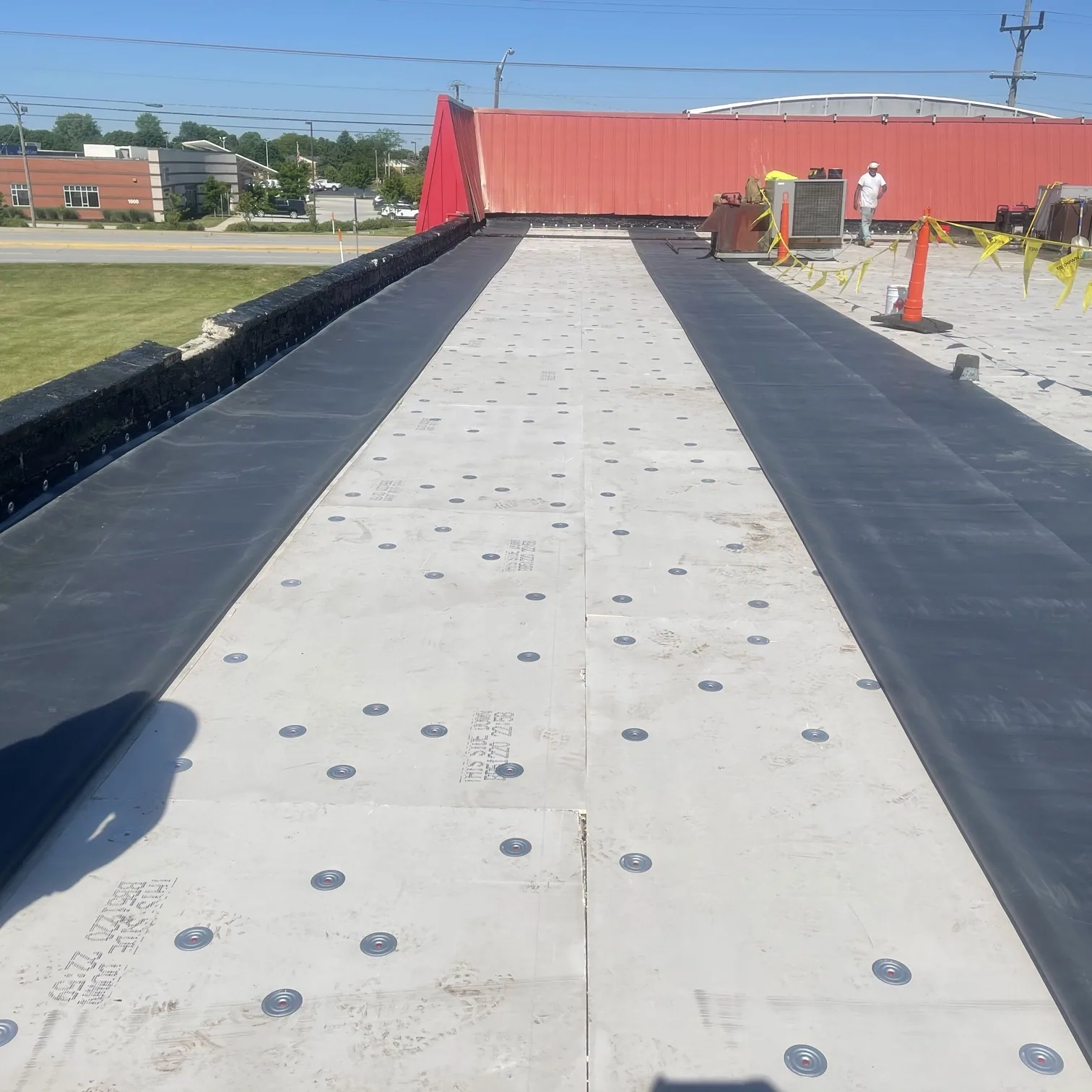
Built-up construction uses multiple reinforcing plies joined with bituminous material, with a suitable protective surface. Existing roofs may have aggregate or another surfacing arrangement that changes access to the waterproofing. We assess the actual assembly rather than infer its condition from the visible covering. Roof owners considering renewal can compare modified bitumen construction where a different layered approach fits the property's geometry and operating needs.
Expose the relevant surface
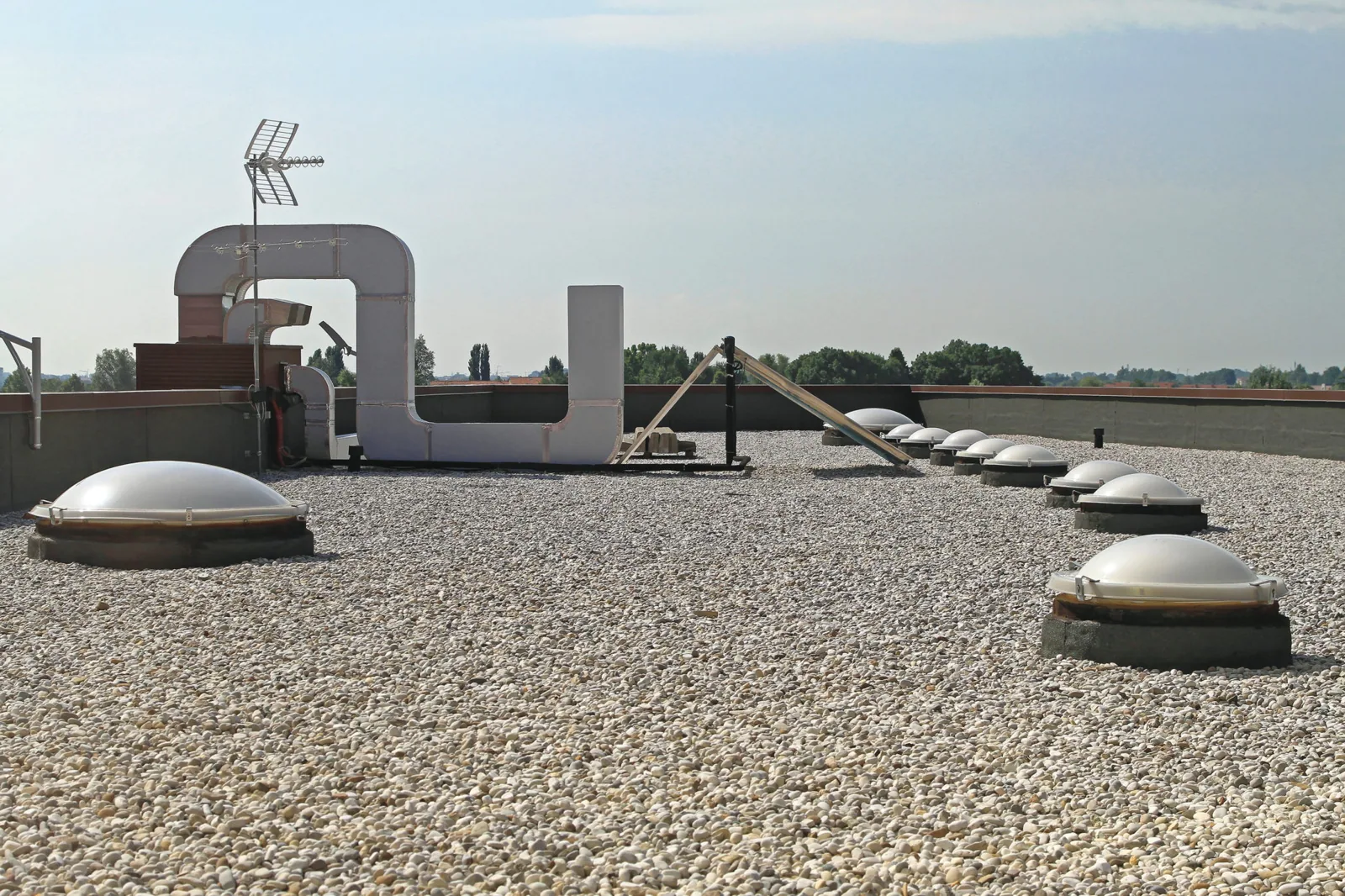
Loose aggregate can hide a split, debris accumulation or a deteriorated flashing edge. We clear appropriate inspection areas carefully so the underlying construction can be examined without unnecessary damage. The roof should not be judged only from the accessible strip beside the hatch. Drain zones, changes of plane and reported leak areas may require closer access. Aggregate condition also deserves attention where displacement has left the waterproofing less protected.
A repair boundary must extend into sound material. We examine the relevant plies, preparation requirements and the receiving surface before choosing a compatible repair. Replacing only the visible top layer may leave separated or damaged material below. The completed repair should restore the affected construction and provide a useful transition to the retained roof. An unplanned mound of patch material can obstruct flow or leave a new stress point beside the original defect.
Investigate wet layers separately
A soft area beneath the surfacing can indicate insulation damage, but the assessment needs to establish what is present. We investigate suspicious areas with suitable survey methods and selective openings where required. Water can occupy one portion of a layered assembly while the adjacent area remains serviceable. Defining that boundary matters. Removing every layer everywhere and retaining every layer everywhere are different decisions, neither of which should follow from a single surface observation.
Our infrared moisture investigations are selected for appropriate conditions and paired with physical checks when the findings need confirmation. Surfacing and roof construction can affect the technique's usefulness. We explain those constraints through the investigation method and resulting removal scope, rather than treating an image as a complete description of the roof. Moisture-damaged insulation and deteriorated deck areas require a construction decision beyond surface sealing.
Plan application above active space
Quincy Center includes downtown offices and retail, with City Hall and the Thomas Crane Public Library among its civic uses. Work above an occupied commercial or public room needs an application plan appropriate to the roof and the activity below. Bituminous roofing methods differ in heat, odor, material handling and preparation requirements. We assess the selected assembly and building conditions before deciding how removal and installation should proceed.
Loading and staging also affect the plan. Materials should not be concentrated on a deck without considering its capacity and the intended handling route. We establish workable delivery and disposal arrangements alongside daily weather closure. For public-building roofing, maintaining required access and protecting interior activity can shape the work boundary. Those operating constraints belong in the proposed sequence rather than being assumed to disappear after the project begins.
Keep low-point details readable
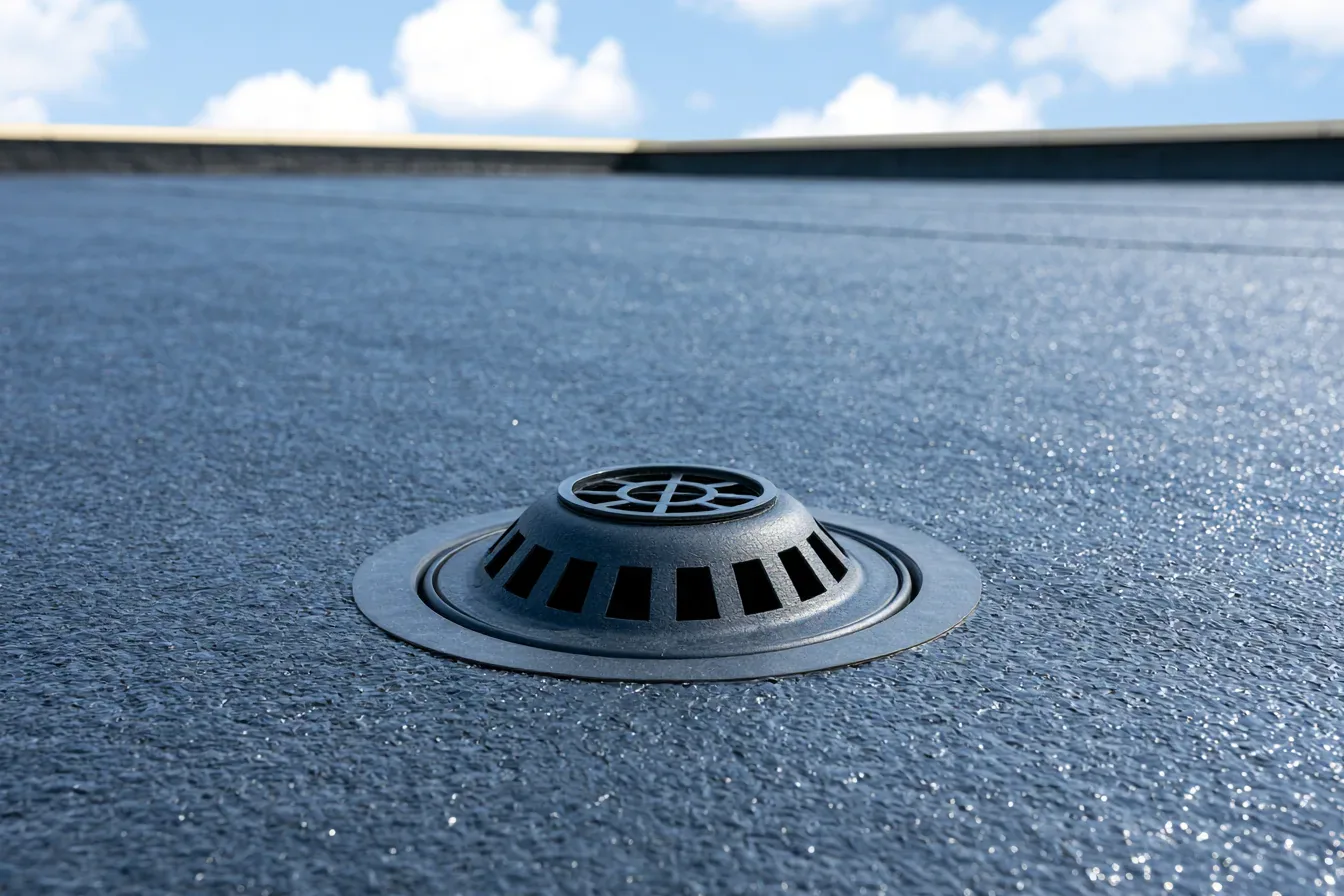
Debris mixed into aggregate beside an outlet can be harder to recognize than an open obstruction on a smooth sheet. We examine the approach to the drain, the bowl connection and any surrounding repair build-up. Quincy prepares for blizzards and flooding as well as other severe weather. After a thaw, a low area with impaired drainage can remain wet while the surrounding field dries. Flashing defects in that area therefore deserve a different service priority from surface wear on a freely drained section.
We connect outlet and scupper work with insulation geometry and the actual water path. A new surfacing layer should not raise the roof around a drain without addressing the transition. West Quincy includes restaurant and function uses at the Common Market, making roof work over active dining an example of an operating constraint to assess carefully. The drainage repair itself still follows the building's elevations and assembly condition.
Compare removal with retained value
Several generations of roofing can complicate fastener selection, removal and moisture assessment. We establish the existing construction before recommending retention. A dry, well-supported section may offer useful retained value, while a loose or saturated area calls for removal. Applicable requirements and structural considerations also affect the decision. The proposal should describe those boundaries rather than treat the existing roof as one uniform layer.
Where a different construction is appropriate, rubber membrane roofing offers another assembly to compare. That comparison includes supporting boards, insulation, attachment and flashing, not merely the new surface. For an asset in Quincy Center, equipment density and interior use can make the construction sequence a substantial part of the scope. We explain how each approach resolves present defects and which existing components it leaves in service.
Replacement also allows a deliberate review of curb heights and perimeter geometry. Increasing insulation can reduce flashing clearance, and removing multiple layers can reveal deck elevations that were obscured by previous construction. We examine those dimensions before final detailing. The revised roof should finish at stable, maintainable connections. A new field with inherited weak transitions leaves too much of the water-entry problem unresolved.
Commercial Roofing Questions
Does gravel make a built-up leak harder to locate?
It can conceal surface defects and restrict inspection access. We clear targeted areas and examine flashings, outlets and suspected water paths rather than remove covering indiscriminately. Moisture investigation may also be useful when water has spread beneath the field. The aim is to establish a defensible repair boundary, including damaged underlying layers where the findings support removal.
Can we retain dry built-up roofing during renewal?
Retention needs to satisfy the assembly condition and applicable project requirements. We assess moisture, attachment, deck support and the proposed new construction before recommending it. Previous layers and repairs matter because they affect separation, loading and fastening. A retained dry area can be considered differently from an adjacent wet section, provided the new transitions are properly detailed.
Should blistering determine the replacement schedule?
A blister's location, integrity and underlying condition influence its priority. We examine whether it is damaged, affects a connection or sits in a service path. Widespread separation with wet materials has different consequences from a stable isolated raised area. The renewal schedule should follow that assessment along with active leaks and drainage, rather than use visible blister count alone.
What should a built-up replacement proposal explain about application?
The proposal should identify the assembly and installation method, receiving-surface preparation, material handling and daily closure approach. It should also address the activities below and any heat or odor constraints relevant to the selected method. We compare those details with removal and retained-layer choices so the owner can judge both the finished roof and the practical construction sequence.