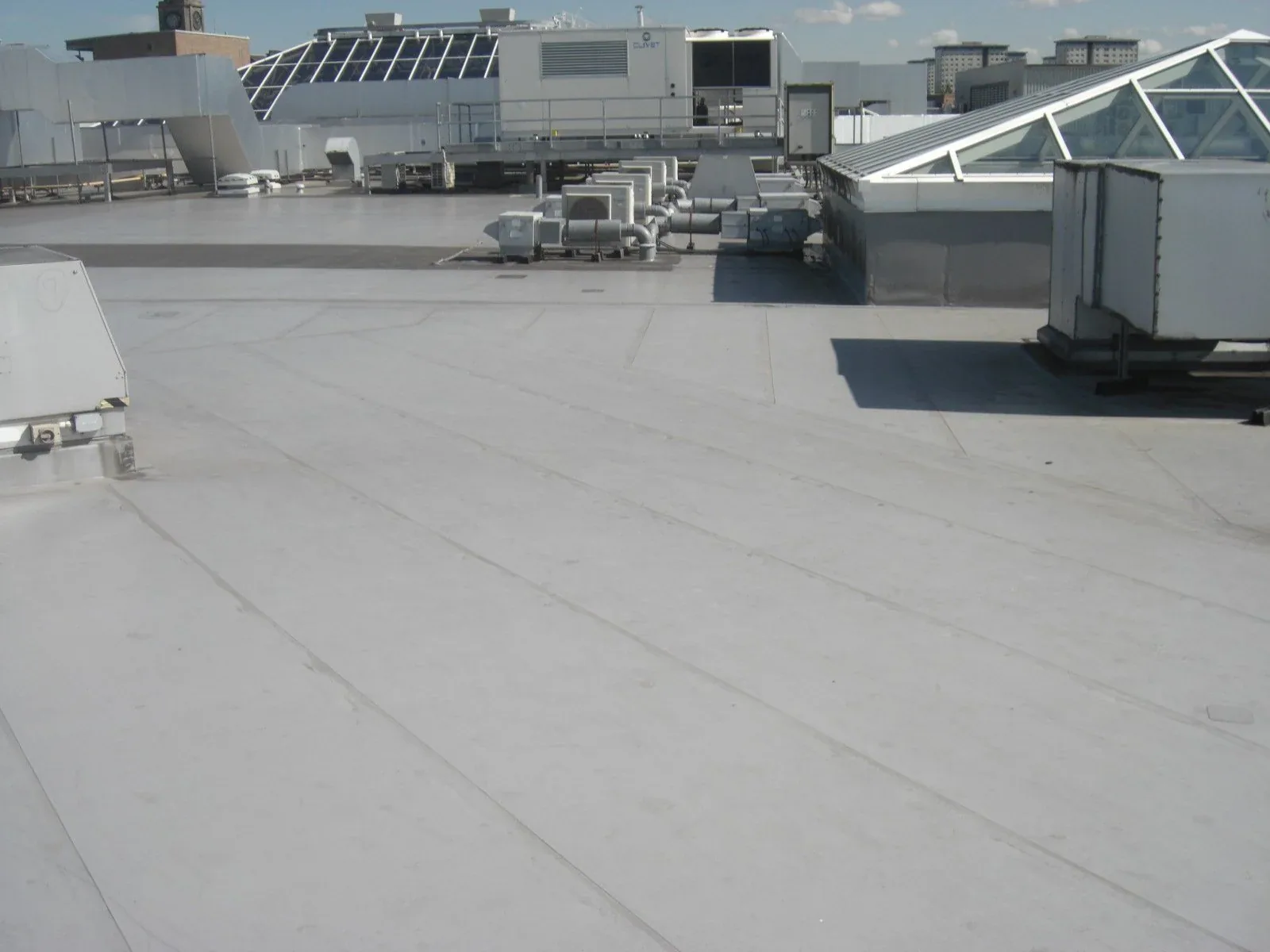
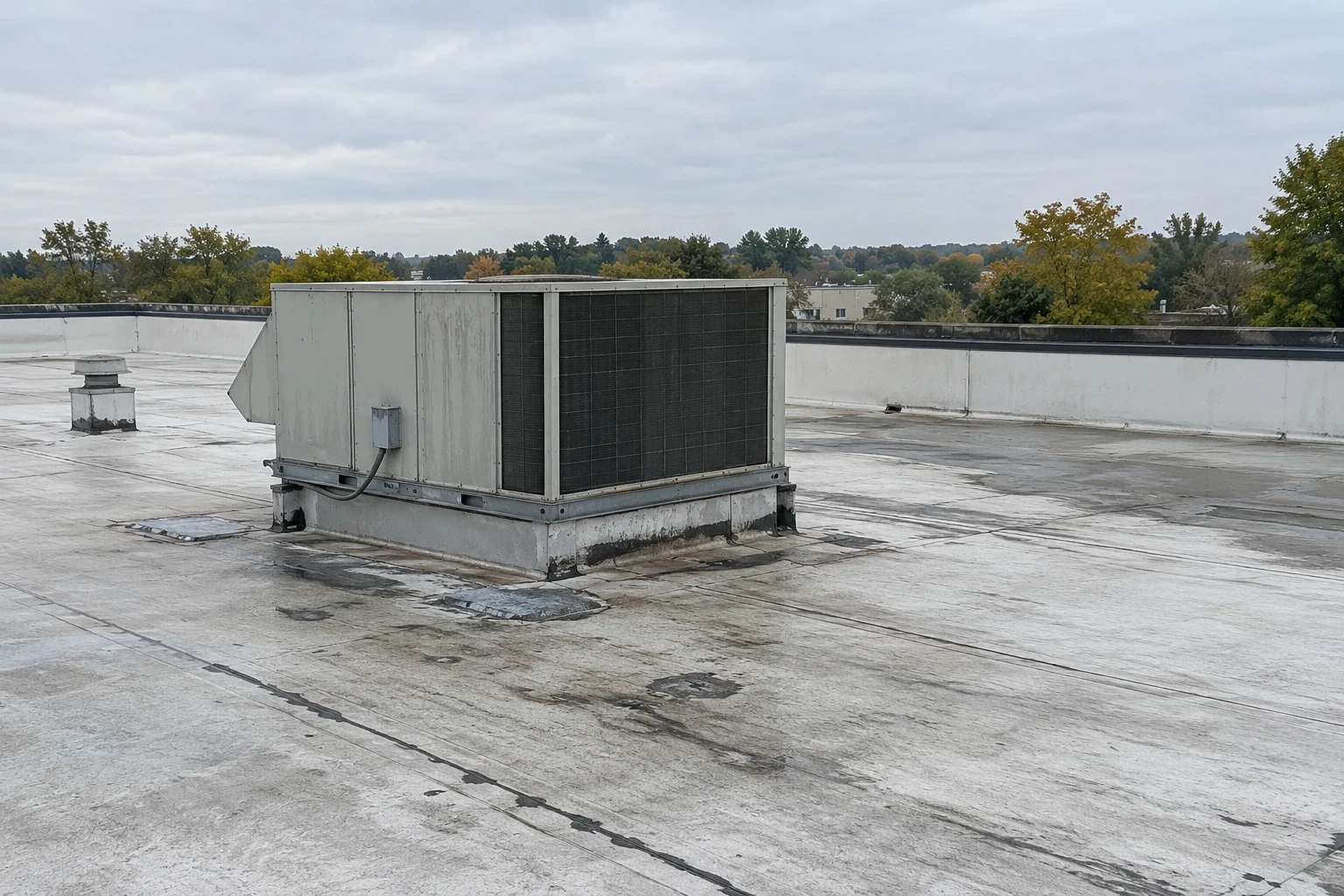
Hands-On Commercial Roof Inspection in Quincy, MA
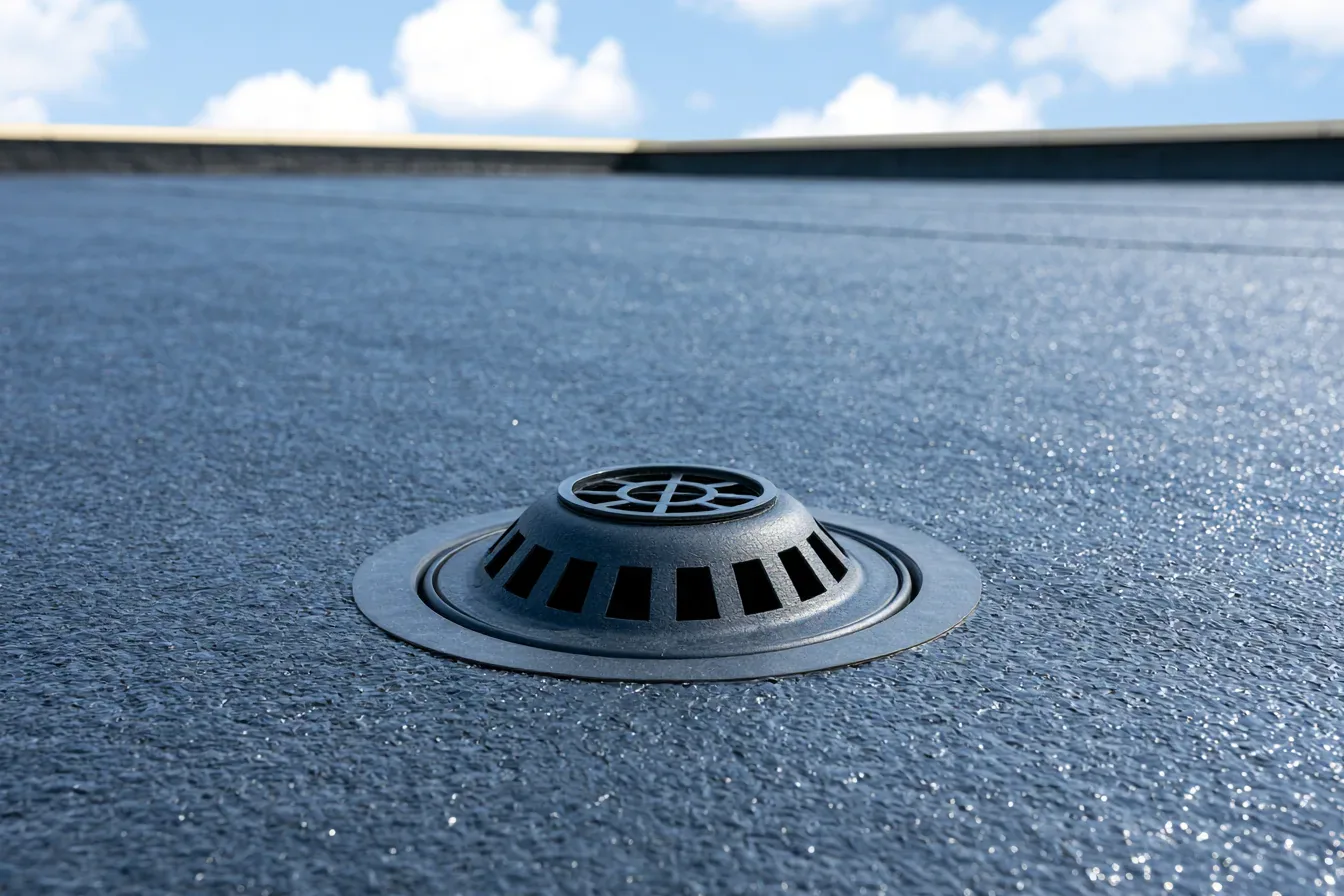
Debris held beside a drain can become a winter obstruction after wet material freezes in place. On a Quincy, MA, commercial roof, a hands-on inspection should examine that outlet and the adjoining membrane while also checking whether similar restrictions occur across other drainage areas. The owner needs a condition comparison that separates immediate correction from work requiring further investigation. We inspect the physical roof connections and evaluate how weather exposure affects each observed defect.
Commercial Roofing Quincy performs roof walks, photographs condition findings and identifies practical next actions. We assess accessible seams, flashing, penetrations, drainage and service paths, with attention to the assembly’s remaining service. For an asset manager weighing several buildings, that examination provides a basis for ranking actual defects rather than giving identical renewal priority to roofs that merely share an installation year.
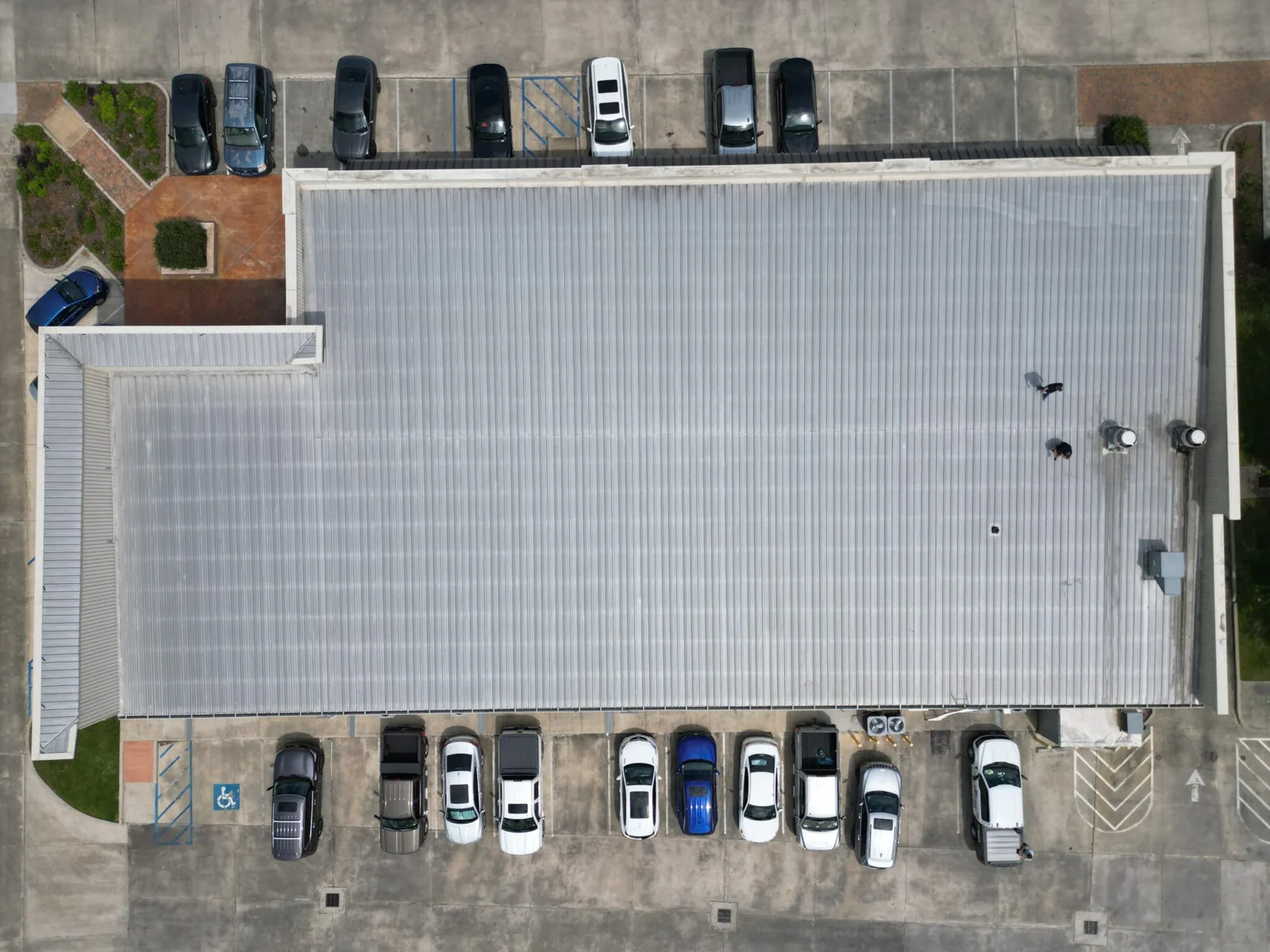
Examine the working details
A visual sweep of the membrane field can miss a loose termination hidden behind equipment or an open lap beside a curb. We follow accessible roof areas through their field seams, perimeter connections and penetrations. Different systems need different examination methods. A thermoplastic lap may be checked with suitable probing where appropriate, while a rubber flashing detail requires attention to its connection, movement and surface condition. We avoid damaging otherwise sound material during inspection.
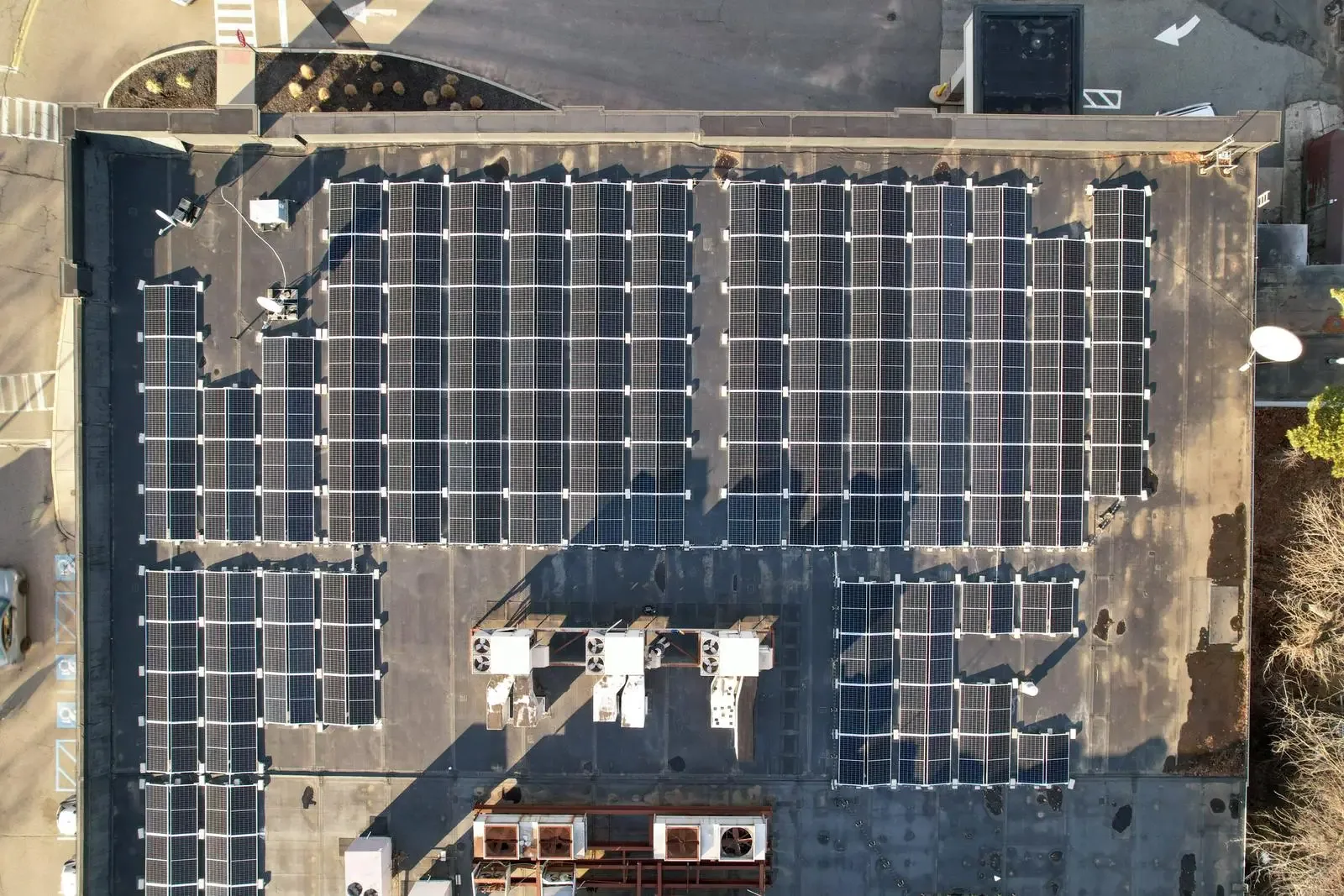
Signs of repeated foot traffic, displaced walkways or unprotected equipment service routes help explain local wear. The inspection distinguishes a puncture from a broader attachment problem and identifies contamination that can affect future repairs. Where an area cannot be reached safely, we identify its location and the access needed to assess it. Overhead roof imaging can supplement that view, especially for areas obscured by roof geometry, but we retain a clear distinction between an image observation and a tested connection.
Follow water to the outlet
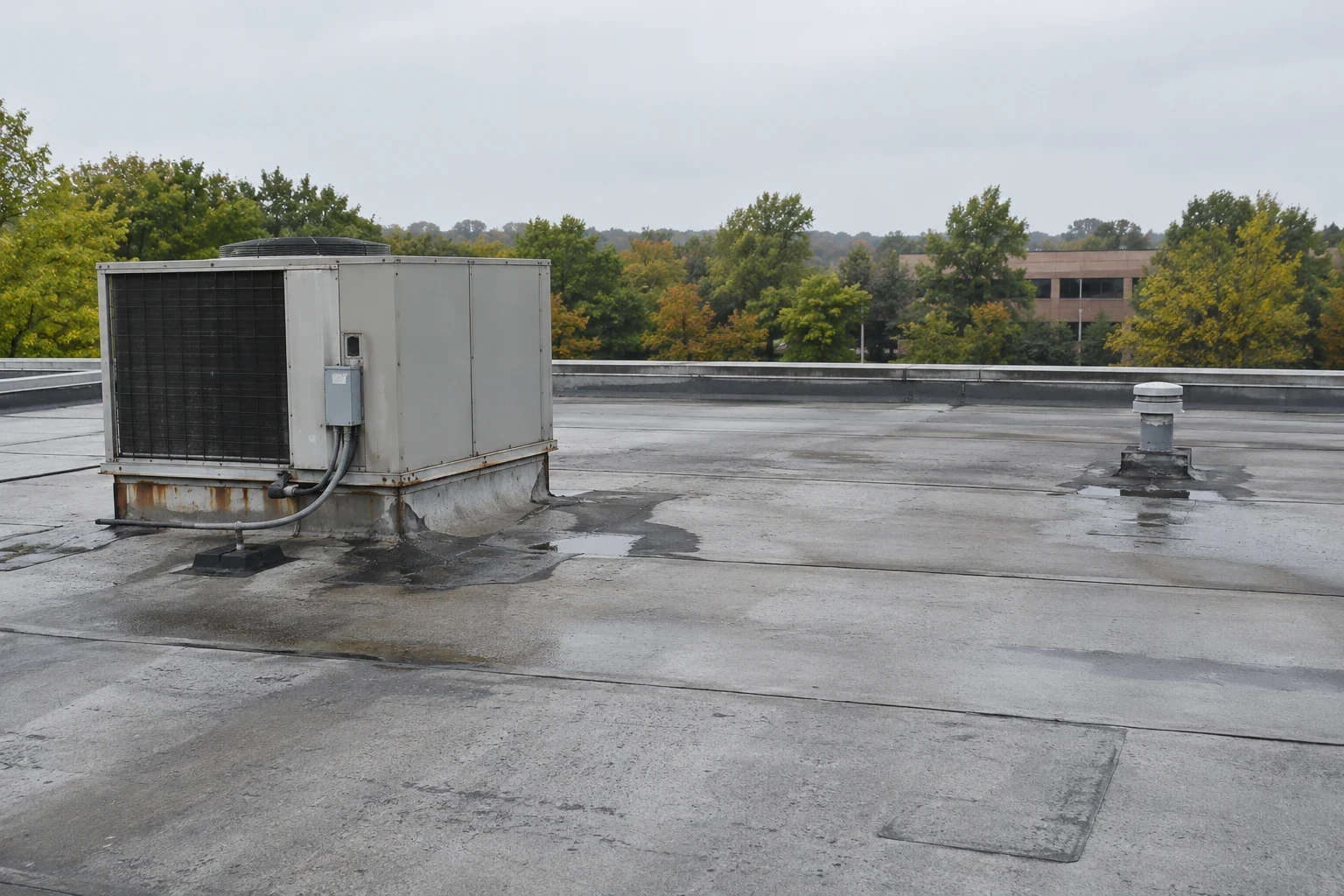
Ponding marks, sediment trails and membrane distortion can indicate where water stays after other areas have drained. We compare those observations with outlet location, drain flange elevation and overflow arrangements. An accessible obstruction may be straightforward to address; a persistent depression needs a different recommendation. The inspection should determine which condition is present before a maintenance action is confused with a drainage redesign.
Snow and thaw exposure matter in a city preparing for blizzards and nor'easters. Meltwater may reach a detail that has not been subjected to prolonged rain contact in warmer months. We examine drains and scupper connections for damage and restrictions and identify further evaluation where outlet piping or capacity is in question. Downstream drainage and structural loading require the appropriate disciplines when the roof observations point beyond a membrane repair.
Connect use with wear
Roof condition needs to be interpreted against the work occurring above and below it. Frequent equipment servicing may explain a damaged access route, while added penetrations can create new inspection priorities. We compare equipment changes with the observed flashing and identify unsupported pipes, disturbed connections or materials incompatible with the surrounding system. The manager then has a specific coordination issue to resolve with the responsible trade.
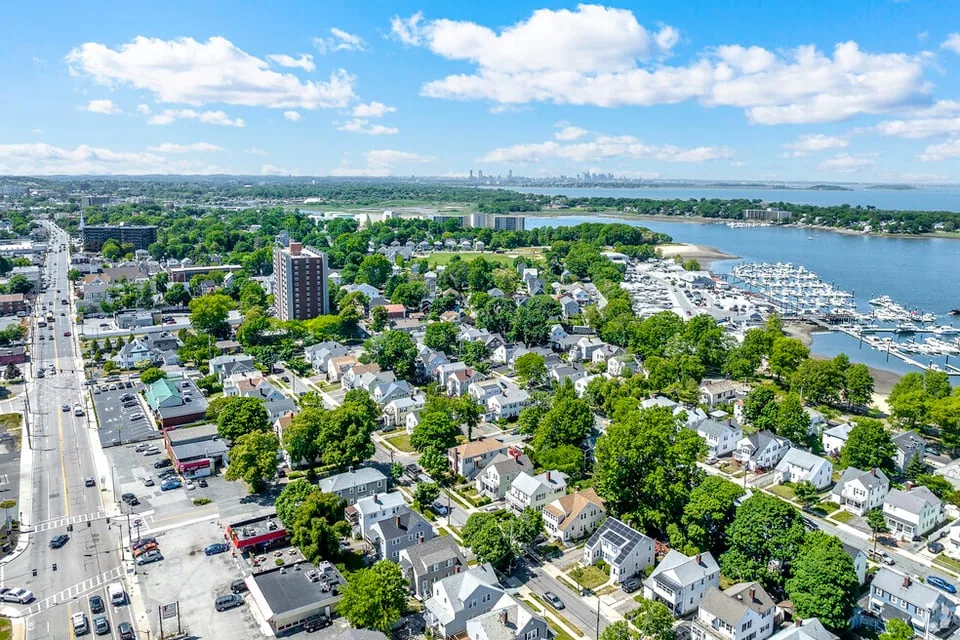
South Quincy includes Crown Colony Office Park near the I-93 and Route 3 crossroads. For an occupied office roof, ventilation equipment and tenant use can affect when closer investigation or repair should occur. South Quincy property assessments also need to distinguish separate roof levels and their water paths. One well-kept field does not establish the condition of a concealed equipment area or an adjoining lower roof.
Escalate the moisture question
Soft areas, recurring interior wetting and distorted insulation can suggest damage beneath the covering. A roof walk identifies those warning signs but may not establish their full extent. We recommend appropriate further investigation, which may include moisture testing and openings to examine layers and decking. The additional work should answer a defined question, such as whether a leak has affected enough insulation to change a recover recommendation.
An infrared survey supported by direct checks can assist where the roof and weather produce interpretable thermal differences. Core openings can also help establish construction when the assembly record is missing. We distinguish surface observations from those additional findings so the owner can understand the confidence behind a repair or renewal recommendation. Uncertainty that changes the project scope deserves a planned investigation step rather than an assumed condition hidden in the proposal.
Rank the specific defects
A loose flashing admitting water deserves different timing from surface discoloration on sound material. We classify findings by active exposure, likelihood of deterioration and the practical action available. A service priority should explain the defect and its consequence. It should also distinguish routine cleaning from repair, further investigation and renewal work so the manager can allocate the right kind of response.
North Quincy’s institutional stock includes North Quincy High School. For a school or other occupied institutional asset, access restrictions can influence the work window without changing the technical defect. We identify where delayed work will leave an opening exposed and where a scheduled repair is reasonable. Ongoing preventive maintenance can address recurring outlet debris and service-path concerns, while a damaged seam needs a repair method suited to the membrane. The priorities should remain understandable to both the property manager and the maintenance contact.
Make later comparison possible
Photographs are most useful when tied to a recognizable roof area, detail and recommended action. We identify the condition observed and retain enough context to locate it again. A close-up alone may show a split without making its position clear. The manager should be able to compare a later photograph with the same detail and determine whether the condition changed, was repaired or was disturbed by subsequent equipment work.
A written condition record connects those images to scope decisions and inspection limits. We describe areas not accessed and testing not performed so future work can fill the gap where needed. The record also supports a more useful conversation about renewal timing: actual moisture, drainage and attachment concerns receive attention before a decision is reduced to the roof’s age. An inspection baseline should remain usable after the immediate maintenance request has been resolved.
Commercial Roofing Questions
Can one inspection support a recover decision for a leased office?
A roof walk establishes accessible surface condition, but a recover decision can require layer identification, moisture confirmation and deck or attachment evaluation. We identify those additional checks where they affect eligibility. The result should distinguish what the initial inspection established from the work still needed before design. Tenant schedules can guide access without substituting for those physical checks.
How should we handle a roof section the crew cannot reach safely?
Record it as an unexamined area and decide what access will resolve the omission. We may recommend coordinated equipment access, suitable fall-protection arrangements or supplemental imaging depending on the obstruction. The report should not rate a hidden area as sound based on its neighbors. An access limitation matters most when that area contains a leak, outlet or critical transition.
Will an inspection tell us why repairs keep failing near equipment?
Repeated damage near a unit merits examination of movement, support, traffic and flashing construction. We compare the failed repair with those surrounding conditions and identify any mechanical coordination needed. Some problems require opening the detail or examining concealed materials. The useful recommendation addresses the recurring cause rather than simply prescribing a larger patch over the same area.
What makes findings comparable across several managed roofs?
Use consistent descriptions of defect location, observed condition, action and urgency while keeping each assembly’s differences clear. We separate cleaning, repair and investigation items and identify inspection limits. Similar priority labels should refer to similar operating exposure. That lets the manager compare a wet roof area with another property’s maintenance need without treating them as equivalent work.