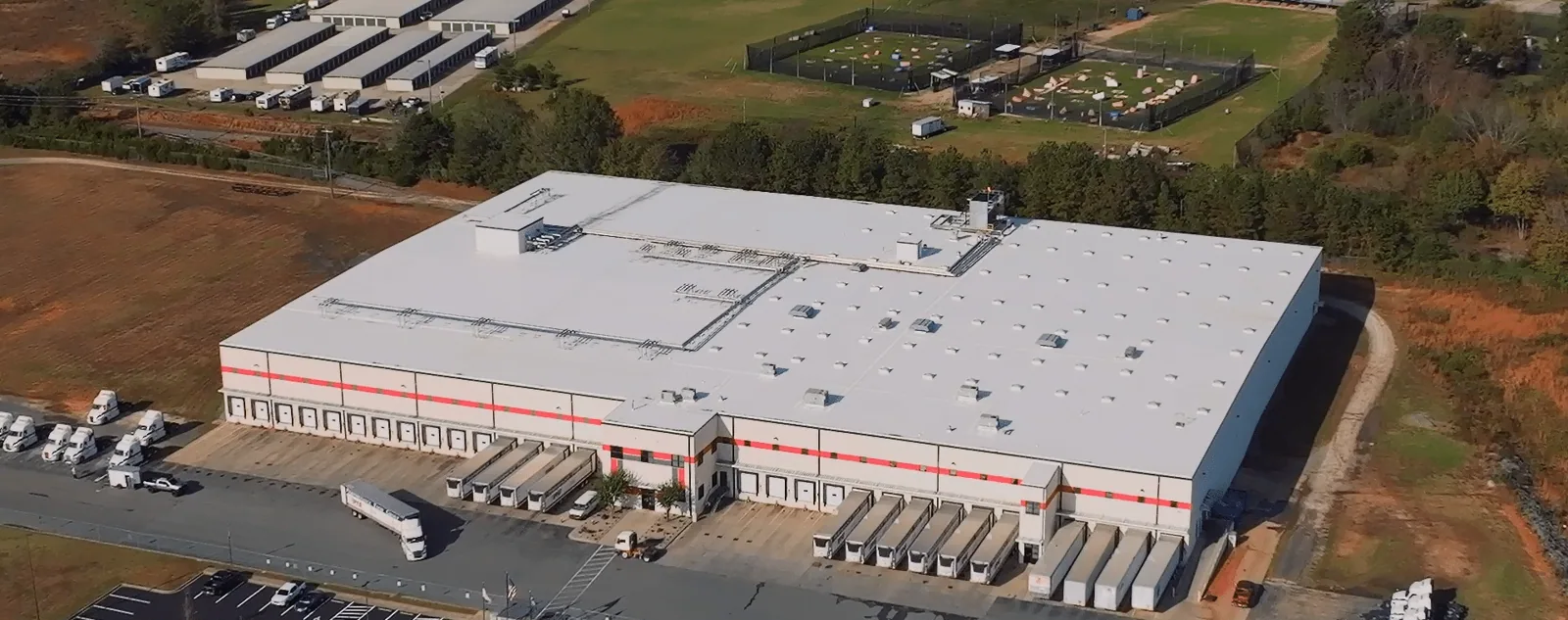
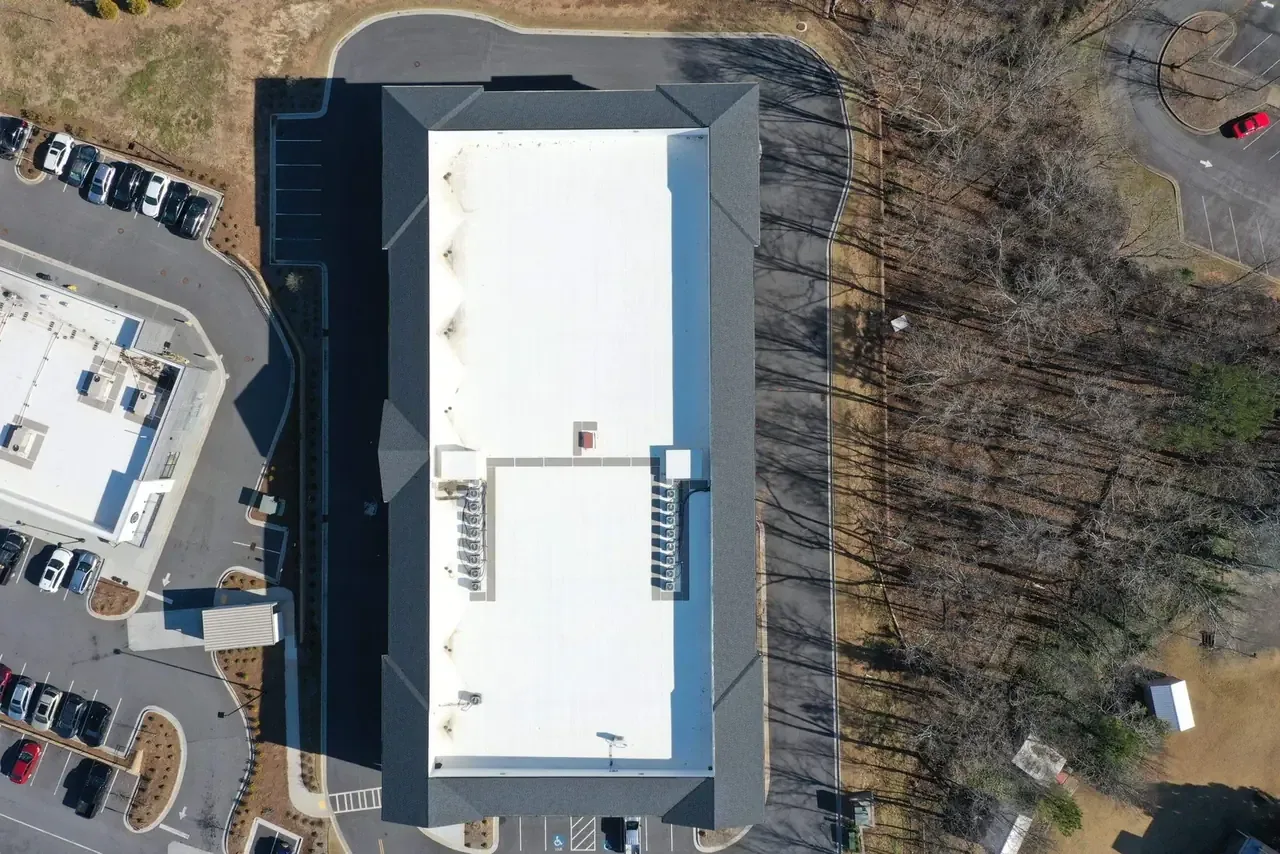
Commercial Roofing in South Quincy, MA
Crown Colony Office Park sits in South Quincy near the Braintree Split, where I-93 meets Route 3; Burgin Parkway, Centre Street, Independence Avenue and Water Street also serve the district. For an office property, the roof decision has to account for mechanical equipment, interior schedules and access across an active site. We inspect the assembly, trace reported leaks, check drainage and note the condition of seams, curbs and edges. The resulting record separates a repair that can be closed locally from moisture investigation or a broader renewal. That helps an owner compare roof work across buildings without treating the office park as a single roof or service call.
Treat Each Roof Area as Its Own Record
An office park may contain multiple buildings and roof sections with different systems, equipment layouts and maintenance histories. We label each area and identify its membrane or metal assembly before recommending a repair. On one roof, open seams may be the immediate issue; on another, water at a curb or drain may deserve attention first. Roof age by itself does not show whether insulation is wet or the deck is sound. We check those conditions where they affect the scope, then tell the asset manager what was observed and what remains to confirm.
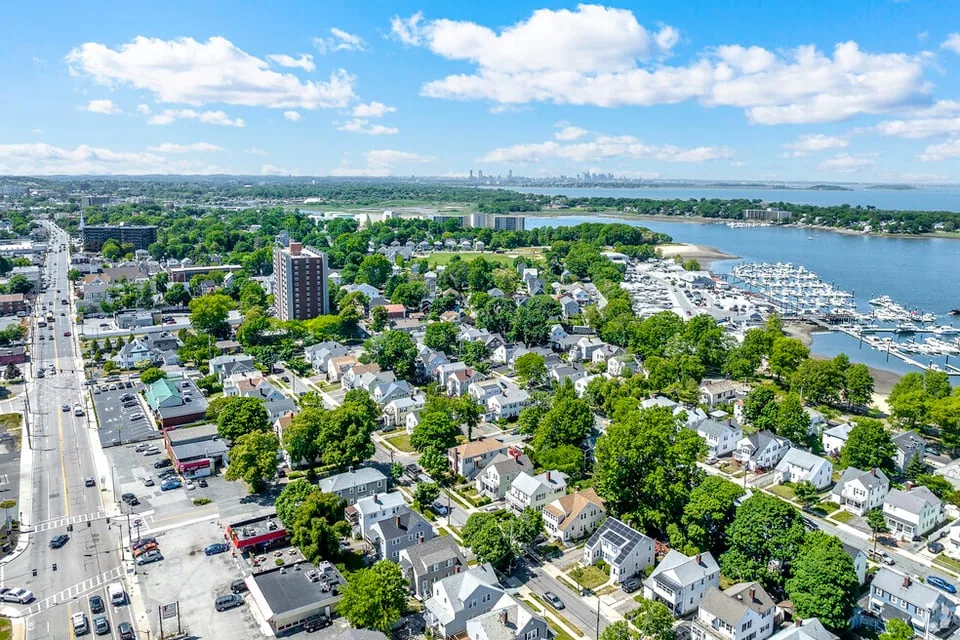
South Quincy's Burgin Parkway, Centre Street, Independence Avenue and Water Street connect neighborhood activity around the office district. Vehicle and pedestrian routes matter when materials move through an occupied property. We confirm delivery points, loading rules, roof access and where a work zone can sit without blocking routine operations. If the portfolio also includes Quincy Center, the same roof-zone labels and condition categories make later comparison easier while keeping each property's findings separate.
Separate Equipment Issues From Membrane Failure
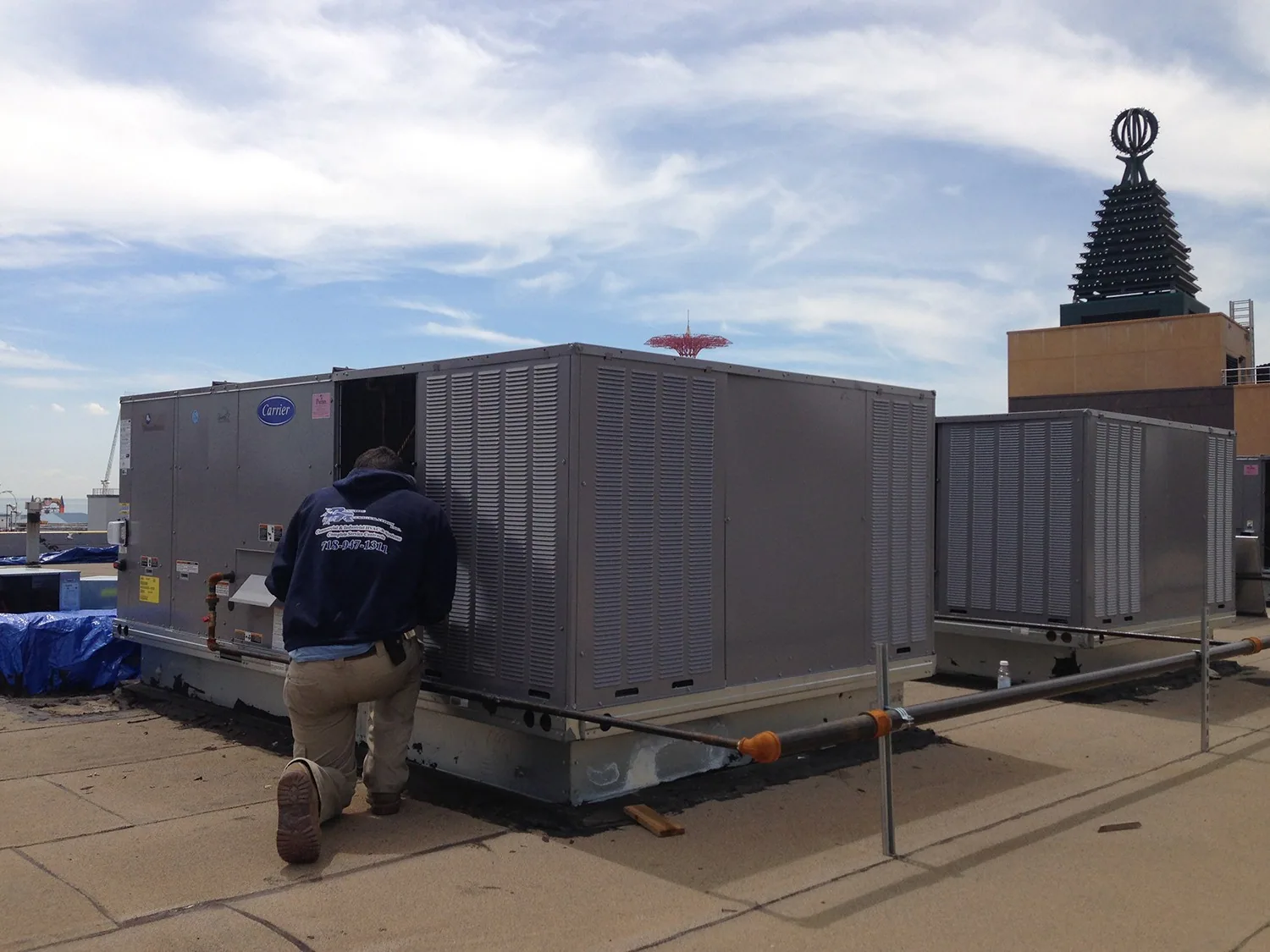
Office roofs often carry units, supports, conduits and service paths that create transitions through the membrane. A leak near equipment can come from the curb flashing, a penetration, a seam or an altered detail. We inspect how the component meets the roof, whether the flashing remains bonded or welded, and whether service work has changed the connection. A patch should not block access or drain flow. If equipment needs to be moved, the scope identifies the mechanical coordination required so roofing work and system service happen in the right order. At an office property with several roof sections, we also compare the route between the reported room and each possible outlet. A roof plan or equipment schedule can narrow the inspection area, while field conditions determine whether that path is correct. We record which drain, curb or joint was checked so a later visit can return to the same point instead of repeating an undefined search.
Drain bowls and overflow paths need separate review. Water that remains around a curb can keep an otherwise small defect wet; adding coating does not fix a blocked outlet. We inspect strainers, scuppers, local slope and the path leading to each drain. When water has moved beneath the membrane, readings or a selective opening can establish whether insulation is affected. Our curb and support service addresses roof connections, while drain work is scoped to the discharge details we find.
Use the Site Route to Set a Work Sequence
South Quincy is served by Quincy Adams subway station and parking facilities. Those transit and parking facts do not define a particular property's staging area or roof path. We confirm the office manager's rules for deliveries, reserved parking, loading areas and building entry. A lift placement can affect circulation differently from a crew using an approved roof hatch. If several buildings share a campus route, daily access needs to be communicated before materials arrive. The plan records the people responsible for approvals and any hours when loud or disruptive work should be avoided.
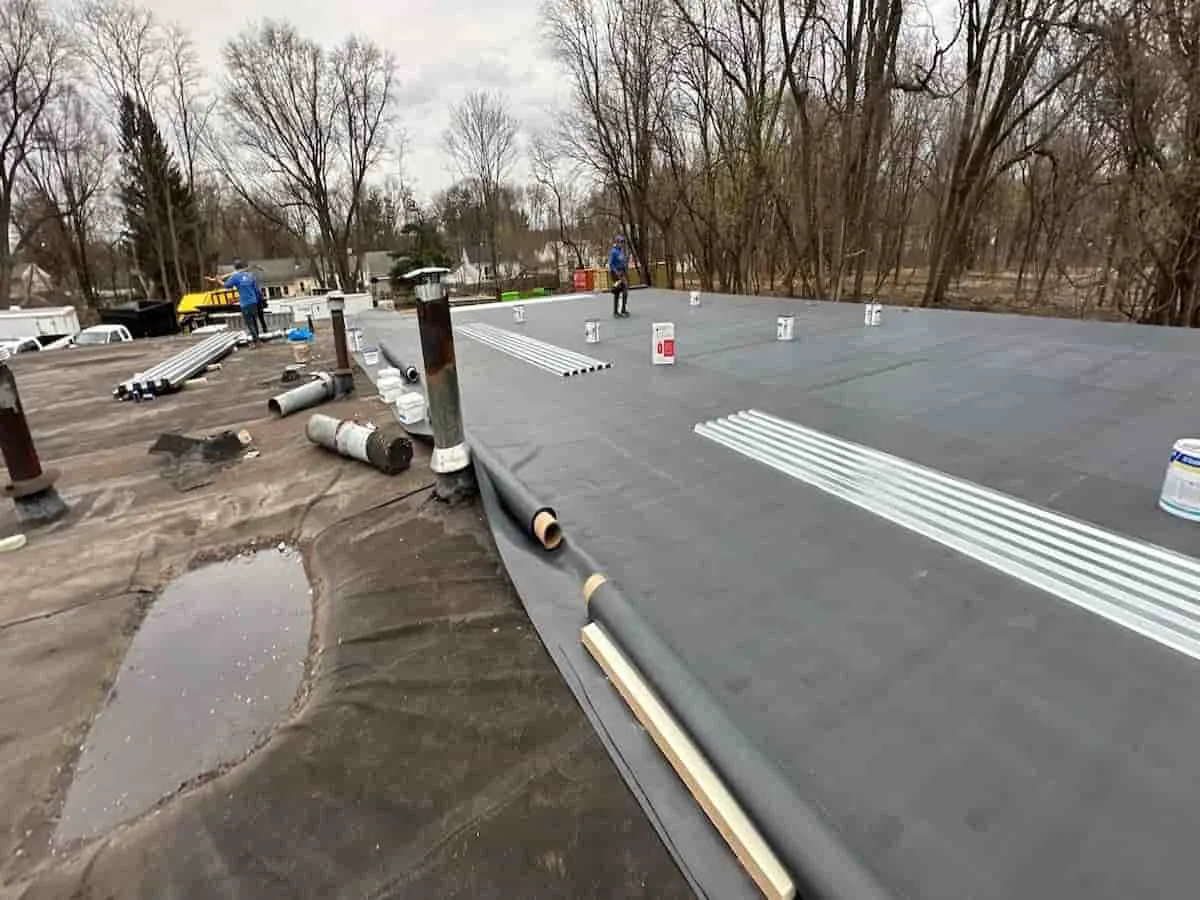
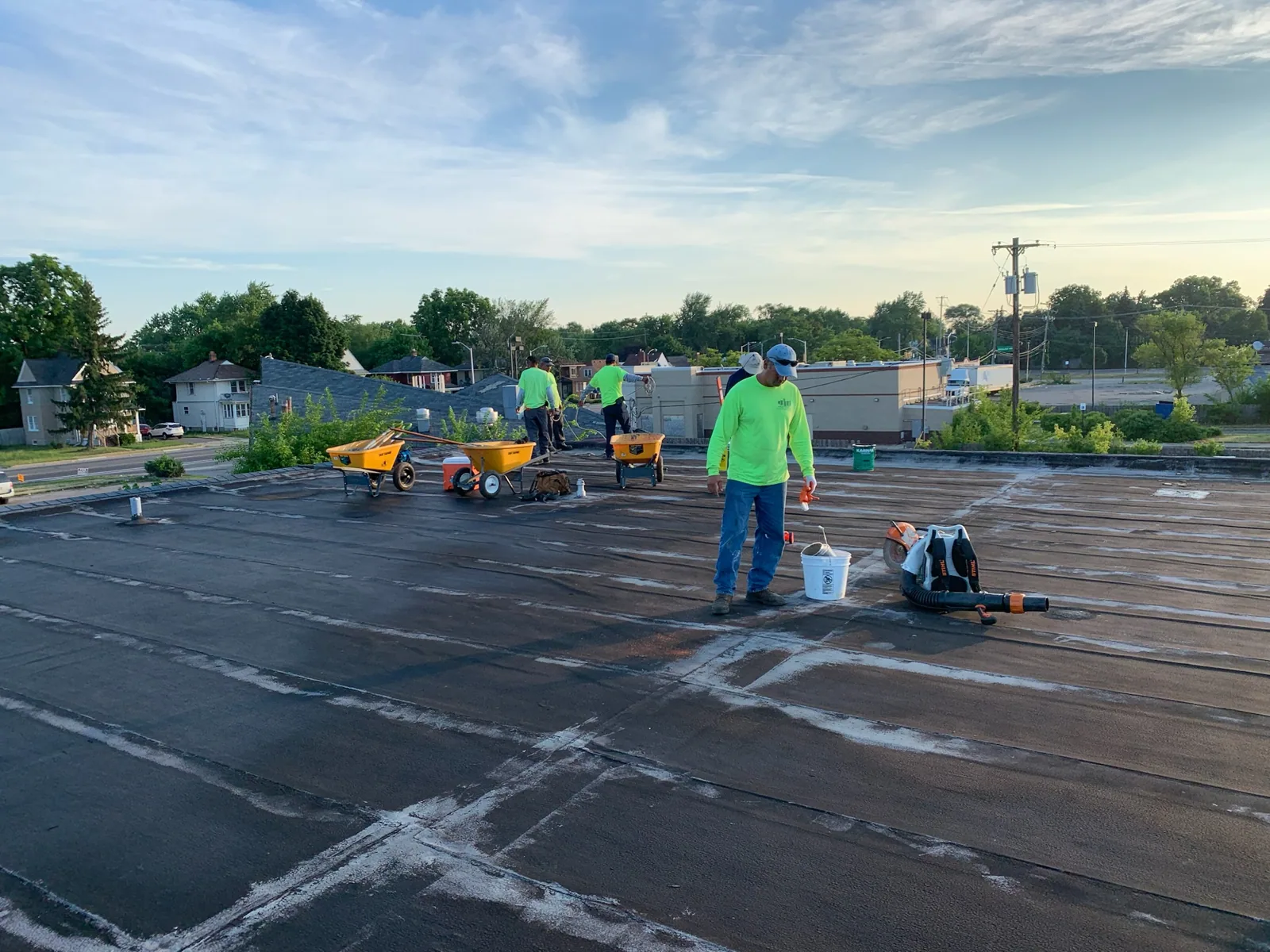
Replacement introduces a longer sequence than a local repair because removal exposes insulation and deck. We divide work into sections that can be protected and secured before crews advance. Roofs with dense equipment may require more coordination than open membrane fields. At each shift boundary, the property representative can see what was completed, what remains exposed and how water protection is maintained. If the roof work could require a unit shutdown, a qualified mechanical contact handles that step and restart. This is how a scope accounts for the property rather than assuming an empty construction site.
Choose the Boundary That Findings Support
When only one seam or flashing detail is open and adjacent material is sound, a focused repair can preserve service. Repeated leaks, broad moisture or movement across several connections may show that the boundary needs to widen. We map the defects, compare their locations and determine whether the substrate supports a patch. If conditions are concealed, we specify the survey or opening that would settle the question. That gives the asset manager a reasoned threshold for proceeding, not a guess based on a ceiling mark.
A recover may be possible when the existing layers are dry and stable, final height works at edges and drains, and project requirements permit retaining the assembly. Tear-off exposes the deck and insulation but expands protection and weather risk during construction. We compare these options through a repair scope and replacement review. Where the installed roof is modified bitumen, seams and surfacing need system-appropriate treatment. A different membrane calls for its own compatible detail and preparation.
Keep Service Priority Tied to Use
An office property with active water over an occupied floor may need attention before a larger but dry roof area. We record the affected room, operating consequence, roof condition and repair status so that a capital review can compare urgency with remaining service. Photos have more value when they identify the same roof zone each time. We note whether a patch is completed, whether moisture remains unconfirmed and what the next inspection should test. That avoids counting a suspected issue as a confirmed replacement need. A nearby Marina Bay property can share the review cycle without inheriting a South Quincy condition score. The manager can group calls by access window, then keep the findings and repair thresholds attached to each address. This supports portfolio sequence and retained-value comparisons.
For a South Quincy owner managing several office buildings, a multi-site program can consolidate condition records and planned maintenance. We can add findings to a capital plan that distinguishes immediate leak control, further investigation and future renewal. Preventive maintenance checks drains, edge metal, exposed flashing and prior repairs before a new weather period. The condition record remains a property-level baseline, not a claim that roofs across an office park have the same service life.
Commercial Roofing Questions
Does a building near the Braintree Split have special roof damage?
The interchange location does not establish roof condition. We inspect the property's assembly and exposure, then document any wind, water or movement finding that changes the repair or renewal decision.
Can office equipment stay online during roof repairs?
Some work can be staged around operating equipment, while other details require a planned shutdown or technician coordination. We identify the affected unit and coordinate the sequence before work begins.
How do you compare several office roofs fairly?
Use a consistent record of roof zones, active defects, moisture status, repair history and operational effect. We keep each building's findings separate, then compare service priority and renewal timing.
Can an existing South Quincy roof be recovered?
Potentially, if the current layers are dry and stable and the final height works at drains, walls and equipment. We inspect the assembly and confirm project requirements before recommending another layer.