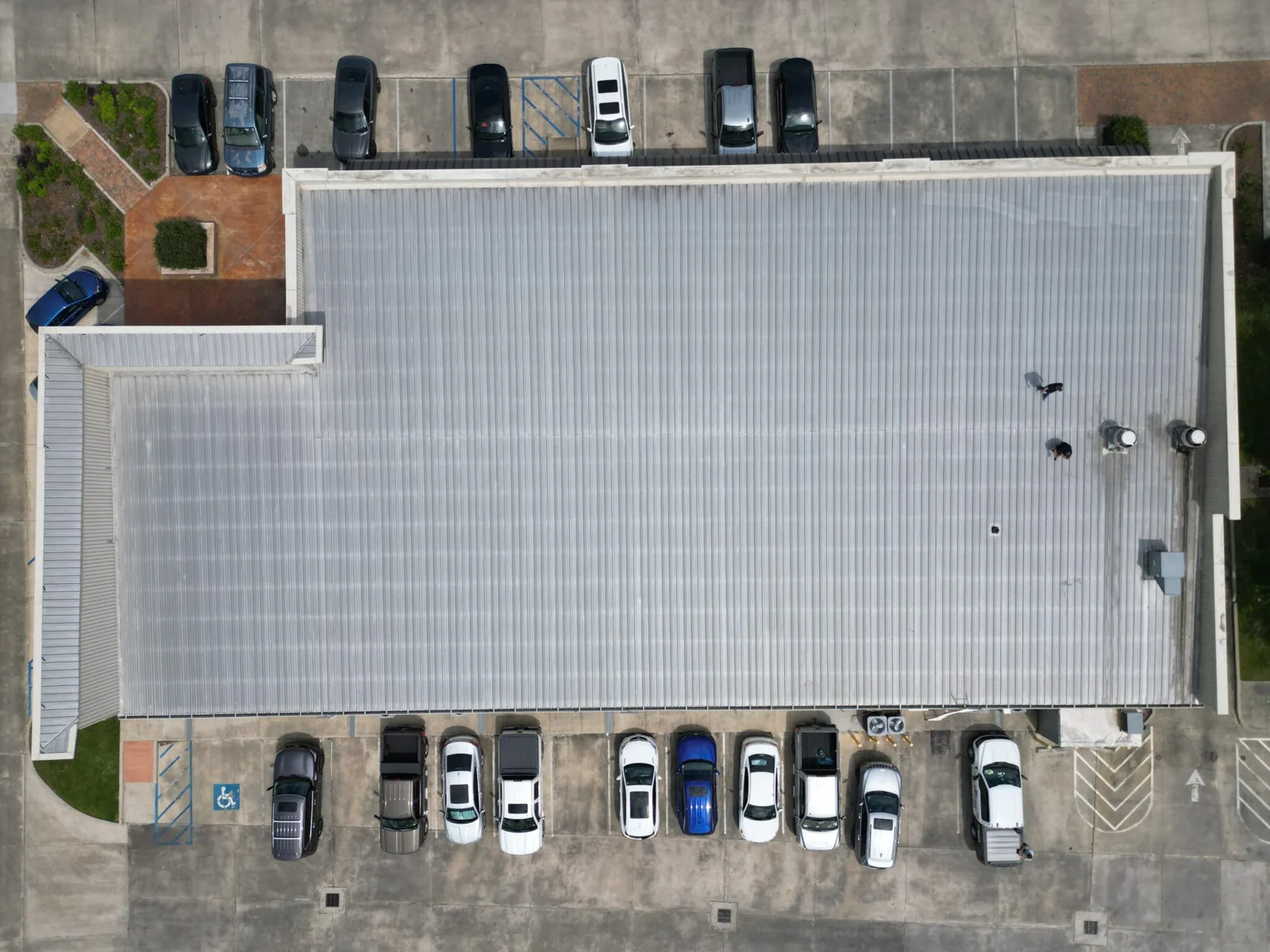
PVC Roofing in Quincy, MA
Rain washing residue away from a kitchen exhaust can carry that residue toward seams and drains on a Quincy, MA, commercial roof. The membrane decision therefore includes what lands on the surface between storms, not only what falls from the sky. PVC can be a useful option where the specified material is suitable for the actual exposure. We examine discharge arrangements, membrane compatibility and drainage together. A sheet with appropriate resistance still needs sound welded connections and a controlled water path.
Wollaston's commercial districts include businesses along Hancock Street, Beale Street and Newport Avenue. A roof serving food preparation in that setting needs a different exposure assessment from one serving office equipment alone. We connect those operating demands to the installation rather than carrying the same specification across unlike tenants. Owners comparing materials can also consider KEE membrane construction, including how the selected formulation and detailing suit the roof's use.
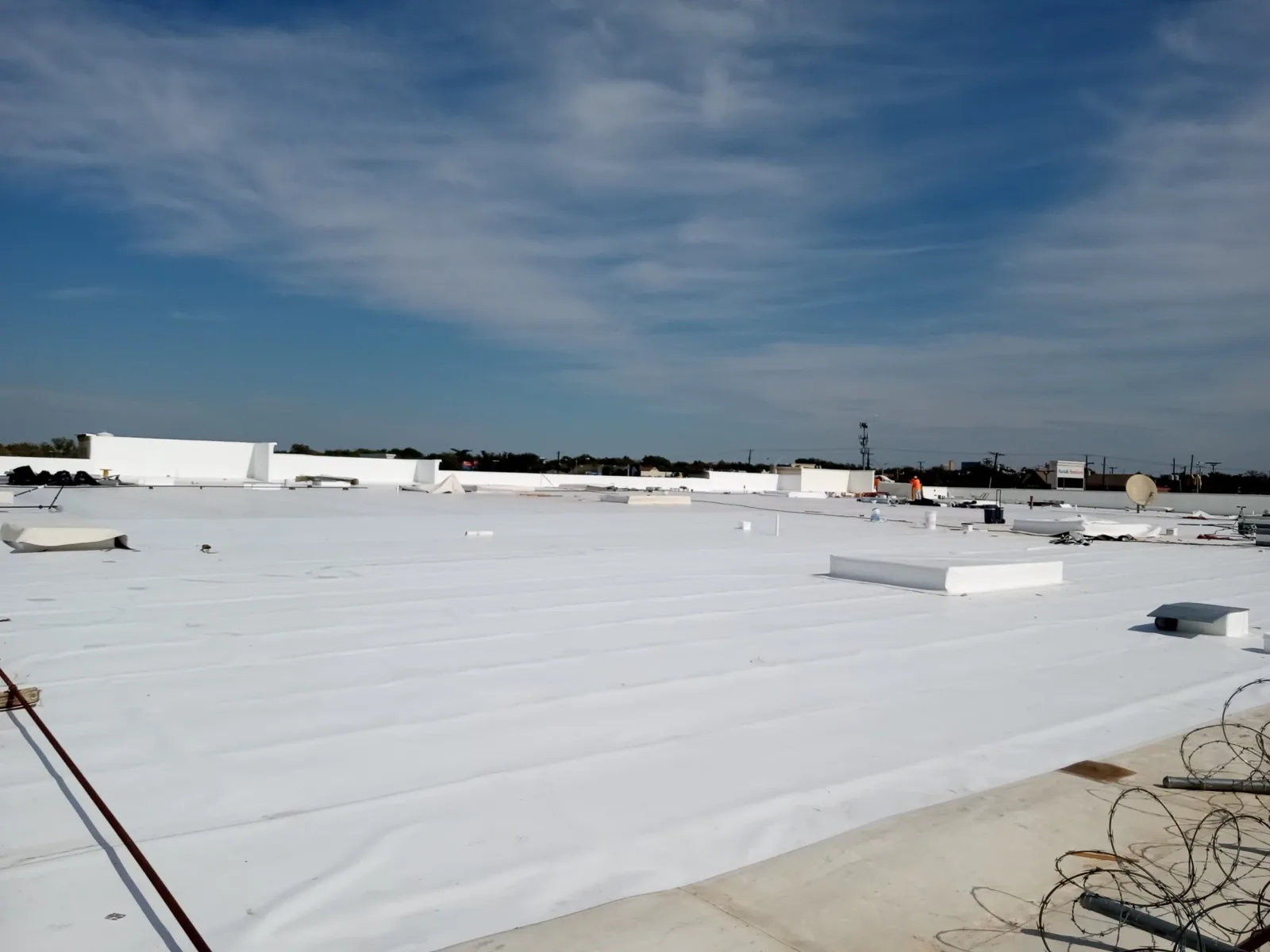
PVC Needs Compatible Connections
Grease deposits concentrated beside an exhaust fan can affect maintenance safety, drainage and repair preparation. We examine the discharge point and the material condition around it before attributing every discolored area to failed waterproofing. Suitable collection arrangements and equipment servicing can reduce repeated contamination. The roofing scope then addresses damaged sheet, vulnerable flashings or an unsuitable transition. Coating over residue does not resolve the operating cause of the problem.
West Quincy includes the Common Market's restaurant, cafe, pub and function uses. The practical concern on a dining property is continuity of ventilation as well as protection of occupied rooms. We plan roof work alongside the required equipment work so a fan connection can be made weather-tight without creating an uncontrolled interruption. Restaurant roof repairs also account for exhaust access, spill-prone service areas and the boundary between roofing and mechanical responsibilities.
Thickness Changes Need Closer Review
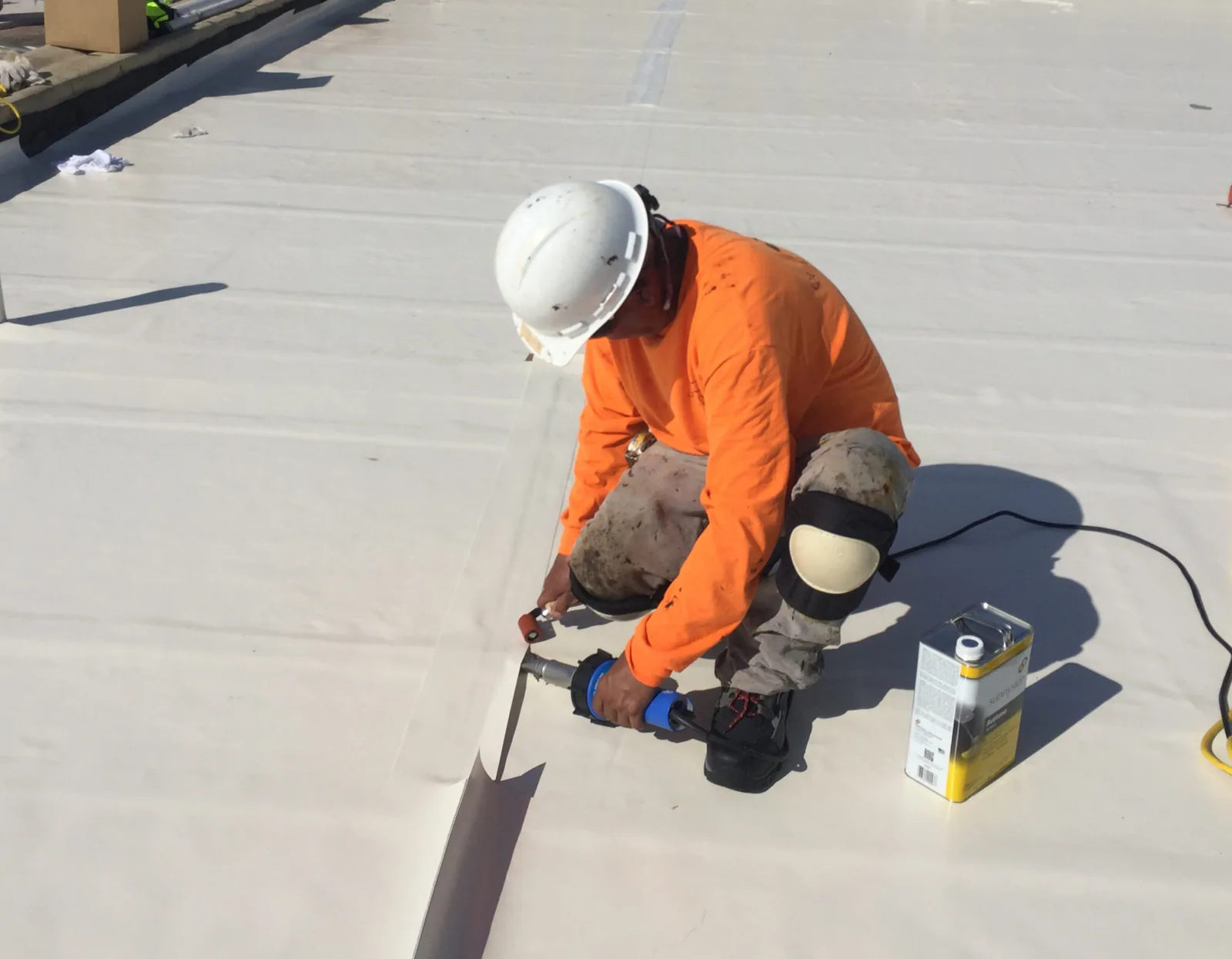
A welded overlap beside a reinforced corner contains more changes in thickness than a straight field seam. That geometry can leave small openings if the connection is not completed carefully. We inspect corners, pipe flashings, drain details and the ends of older repairs in addition to the broad membrane field. Weld checks focus on the joining area itself. A smooth upper surface gives limited information about the quality of a hidden overlap.
On an existing PVC assembly, we assess the sheet's condition and prepare the repair area to suit compatible welding methods. Membrane aging and surface contamination can narrow the useful repair options. A suitable patch must join to sound material, with enough clear working area to form the connection. Where those conditions are absent, we expand the removal boundary. Repeatedly attempting a weld on degraded material can leave the owner paying for work that does not achieve a dependable repair.
Water Needs a Clear Route
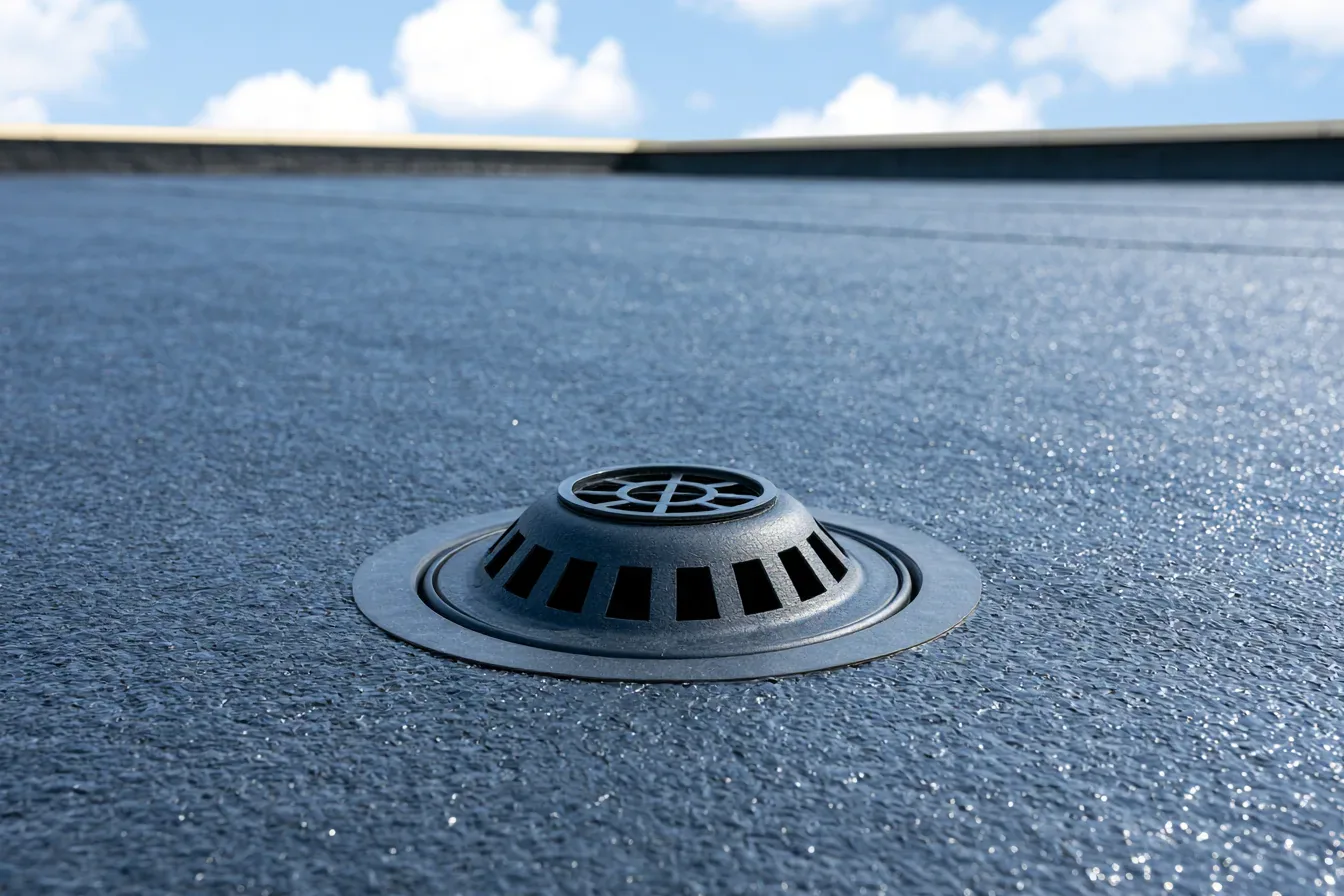
Winter debris and ice can delay drainage even where the membrane remains intact. Quincy identifies blizzards and nor'easters among its preparedness concerns, making meltwater behavior relevant to low-slope roof decisions. We examine channels behind equipment, drain strainers and changes in elevation that trap water. Ponding can prolong contact with contaminated runoff and expose defects that remain quiet during a short shower. The outlet and membrane connection need to work together.
During drain and scupper corrections, we consider the finished roof elevation, accessible cleaning space and overflow arrangements. Adding insulation changes the relationship between the field and the drain bowl. That transition needs a deliberate detail rather than an improvised depression after the main sheets are laid. We also check that walk protection and equipment supports do not divide the roof into unintended water-holding pockets.
Retained Layers Need a Reason
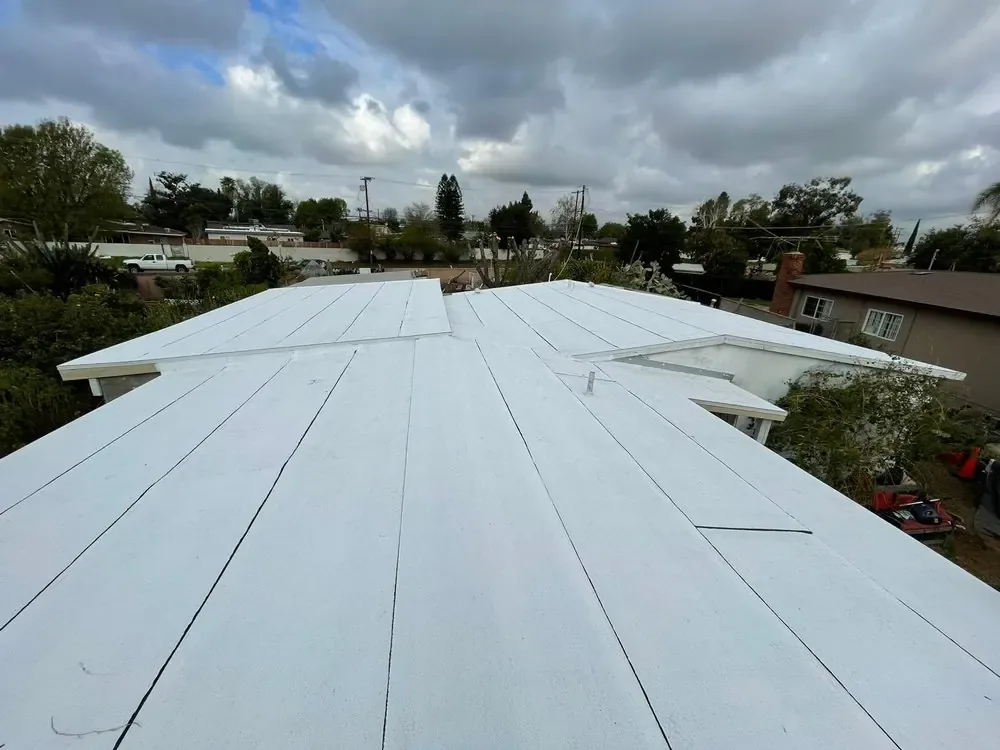
Wet insulation discovered beneath an apparently sound PVC surface changes the replacement scope. The decision is no longer limited to new sheet thickness or color. We establish removal limits, examine the deck and compare the condition of retained layers before selecting a new assembly. A recover may be practical where the existing construction and applicable requirements allow it, but concealed deterioration should not be carried forward merely because removal is inconvenient.
We evaluate insulation, separation materials, fastening and perimeter construction as parts of the selected system. Different membranes and accessory components require compatible details. A comparison with TPO roof assemblies should therefore include operating exposure and repair methods, not only surface appearance. Roof equipment, occupied-space protection and the difficulty of replacing damaged substrate are meaningful scope drivers. Those differences deserve a clear explanation before the owner chooses the renewal approach.
A retained roof can contain multiple generations of repairs whose materials differ from the original field. We identify those interfaces before specifying separation and attachment. Old asphaltic components, exposed sealants or incompatible accessories can require removal or an appropriate separating layer. The proposed construction also needs secure attachment through the intended substrate, not through an assumed deck condition. Selective investigation helps distinguish a sound retained layer from a loose or moisture-damaged one. That distinction limits uncertainty in the new assembly and avoids treating previous repairs as uniform construction.
Repairs Must Remain Accessible
A pipe cluster that prevents effective cleaning can also prevent a reliable welded repair. We examine working clearance around equipment and penetrations when judging remaining service. Some problems can be resolved by repairing a localized connection. Others call for coordinated equipment adjustments or a larger reconstruction of the flashing zone. Access is part of the waterproofing decision because the installed detail must remain inspectable and maintainable after construction ends.
For property in Wollaston, we compare the immediate leak problem with the demands of the roof's current use. A tenant change can alter exhaust exposure without changing the original membrane specification. An inspection of the commercial roof can identify where that change affects drains, flashings and material condition. The owner receives a repair boundary tied to actual deterioration, with a separate explanation of any operating changes needed to prevent recurrence.
Commercial Roofing Questions
Is PVC suitable beside a commercial kitchen exhaust?
The selected product and the actual discharge determine suitability. We examine the substances contacting the roof, their concentration and the condition of the equipment arrangement. Appropriate membrane selection can be part of the answer, but it does not replace grease collection or regular equipment servicing. Damaged adjacent material and difficult flashing connections belong in the same repair assessment.
Can an older PVC roof receive new welded flashings?
A usable welding surface is the first requirement. We assess the existing membrane, prepare representative areas and check the proposed connection before defining the full repair. Severe aging or contamination can require removal beyond the visible defect. The objective is a repair joined to sound material, with compatible components and room to complete the work properly.
What changes if we raise the insulation level during replacement?
Higher insulation affects curb clearance, drain elevations and perimeter transitions. We compare those dimensions before finalizing the assembly so the new roof does not reduce flashing height or leave outlets above surrounding water. Equipment connections may require adjustment as well. The insulation benefit should be delivered through a roof detail that remains serviceable, rather than through a layer increase considered in isolation.
Should discoloration near an exhaust trigger immediate replacement?
Discoloration alone does not establish a replacement threshold. We examine whether the membrane is softened, cracked, poorly bonded at seams or affected by repeated contamination. A localized defect may justify repair and improved discharge control. Distributed deterioration, unreliable repair welding or wet underlying materials can support broader renewal. We explain the physical findings behind that distinction.