Commercial Roofing in Brockton, MA
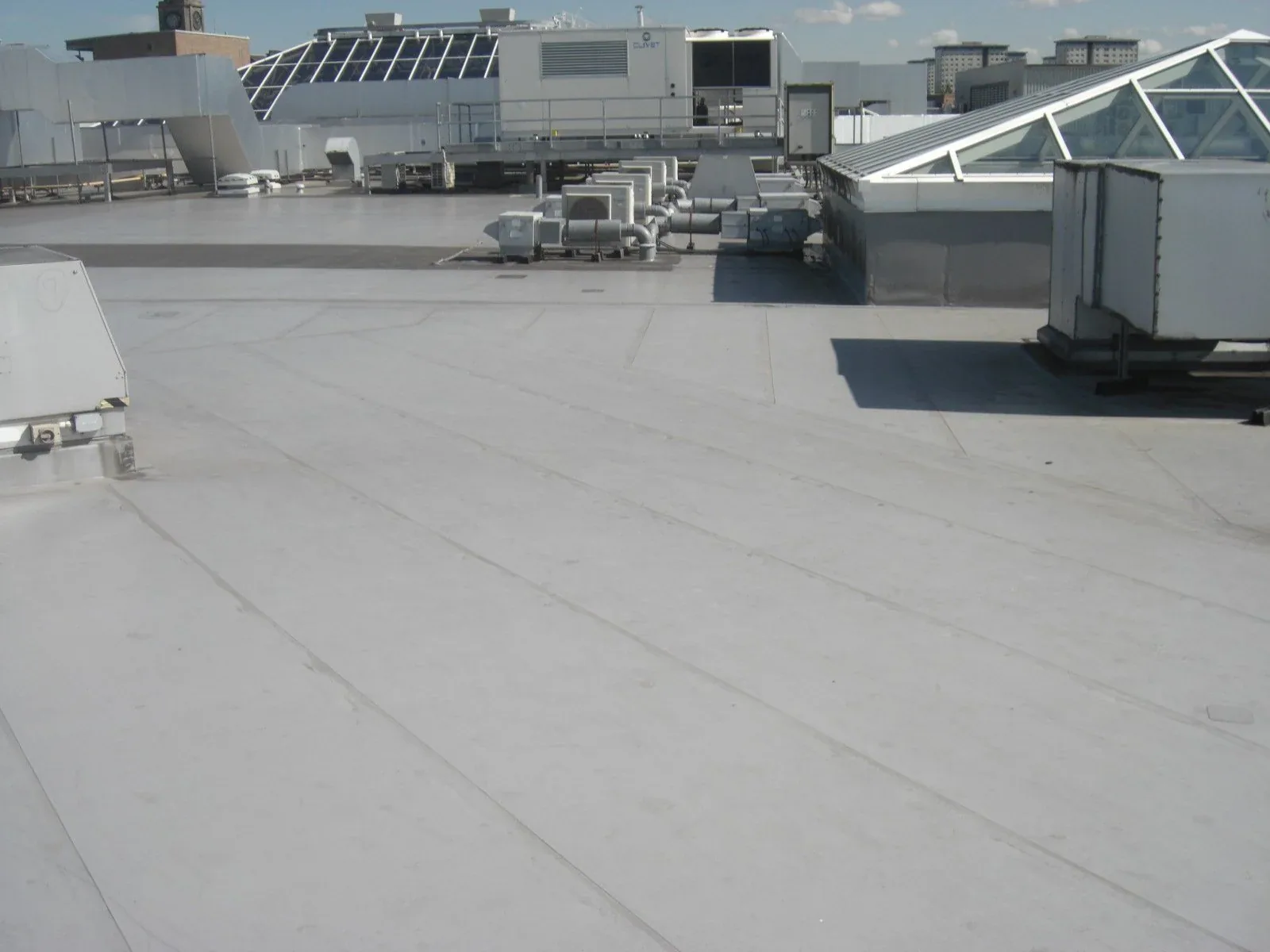
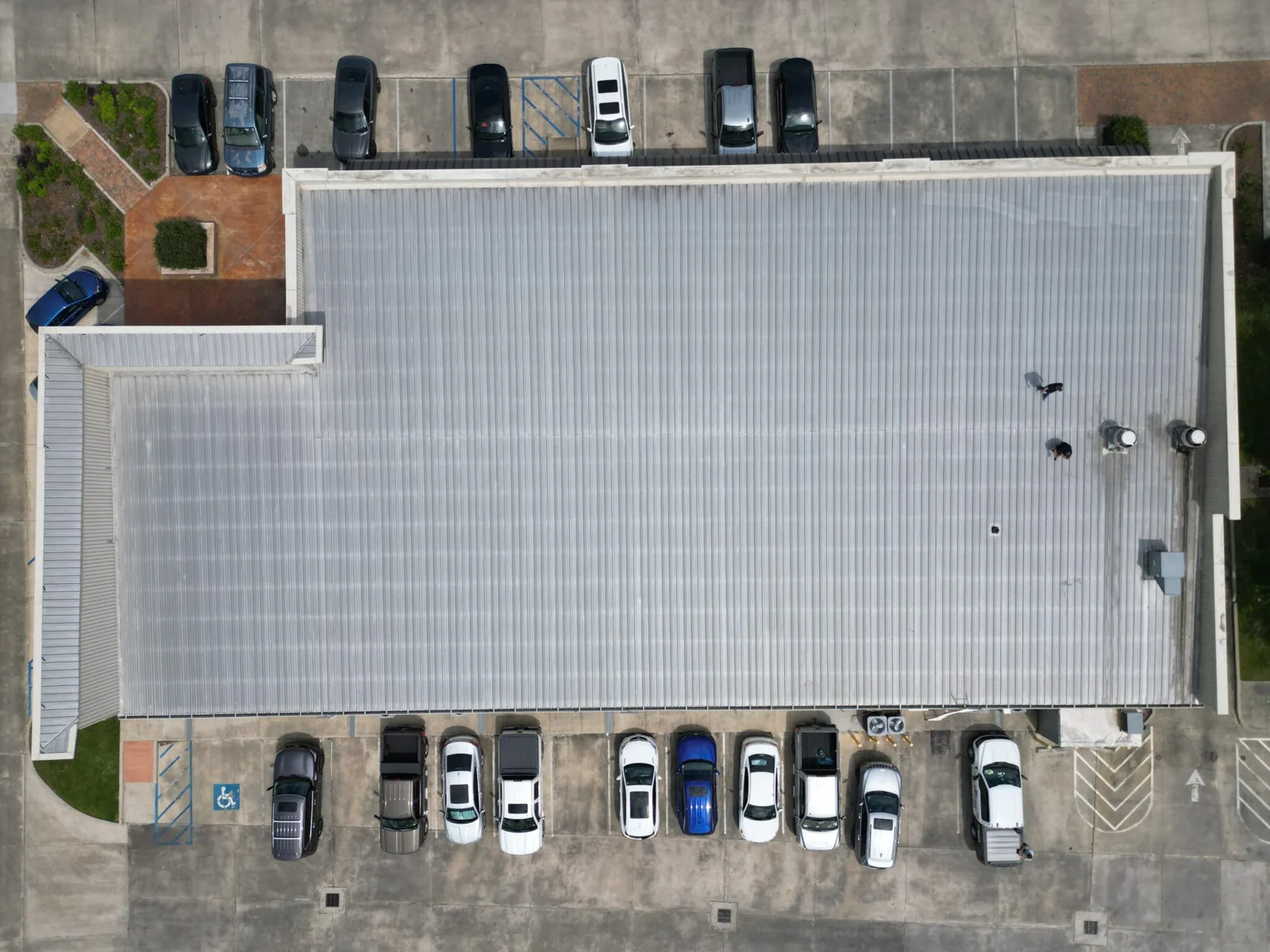
Brockton's employment areas call for roof plans that account for both the assembly and the route to the work zone. Coweeset Brook Industrial Area spans Pearl, Manley, Liberty and West Chestnut streets, while Oak Hill Way and Sargents Way form another employment district. A leak report from one property does not identify the roof defect by itself. We inspect the membrane, seams, wall transitions, drains and penetrations, then relate each finding to interior evidence and operating constraints. That produces a repair boundary the property team can use, with concealed moisture marked for further testing instead of treated as confirmed.
Start With the Industrial Property
A facility near Coweeset Brook may have loading, production or warehouse activity that must continue while roof work is staged. We confirm how vehicles reach the property, where deliveries can pause and which roof access points are approved. The inventory of Pearl, Manley, Liberty and West Chestnut streets helps identify the district, not the construction of an individual roof. Our inspection records the installed assembly and its current condition before we select materials or plan a sequence.
Properties around Oak Hill Way and Sargents Way sit in a separate employment area. That distinction matters for organizing inspections across a portfolio, but each roof keeps its own record. We note whether the system is thermoplastic, EPDM, modified bitumen, built-up, coated or metal, and we photograph transitions and prior patches. If a facility has multiple roof sections, we label each area so an operations lead can compare findings without assuming a single failure spans the whole property.
Trace the Water Path
Routes 123 and 106 connect Brockton's employment districts with Route 24. The road connections help plan arrival and material movement; they say nothing about roof drainage. On the roof, we trace slope toward each drain or scupper, inspect strainers and overflow openings, and look for low points where water remains after surrounding areas dry. A blocked outlet, failed seam and wet insulation need different work. We document which condition is visible and which question would require a moisture survey or selective opening.
The ceiling mark inside a warehouse can be offset from its entry point above. Air movement, deck slope, insulation and structural framing can redirect water before it appears. We compare the reported timing with nearby curbs, wall transitions, fasteners and penetrations, then mark the roof-side area that merits attention. When the pathway remains uncertain, our infrared moisture survey can help map temperature patterns for follow-up, while commercial leak repair addresses a confirmed defect with materials compatible with the existing assembly.
Keep Production and Access in View
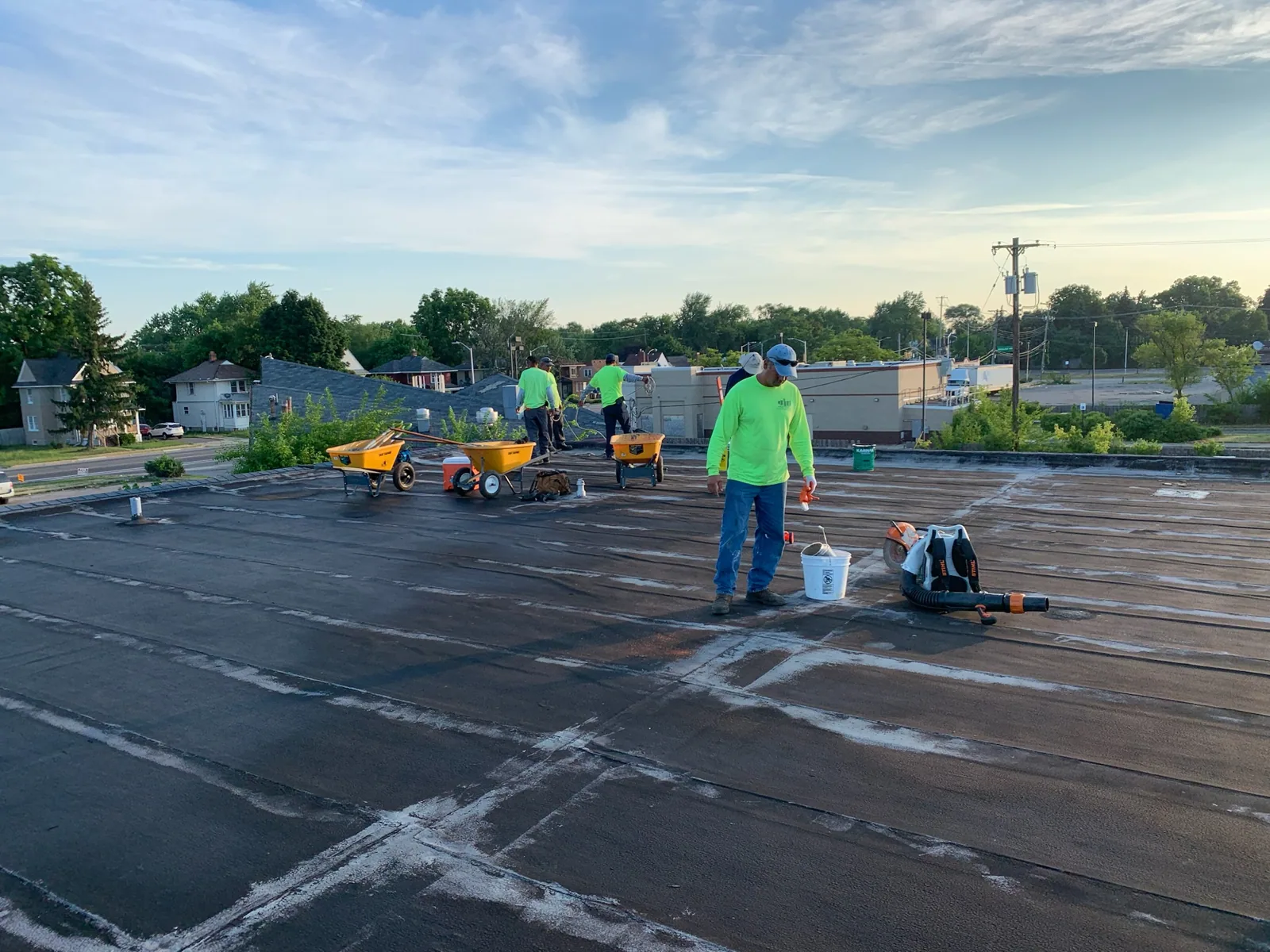
A repair window may need to avoid shift changes, receiving hours or sensitive interior work. Before removal begins, we confirm whether equipment must remain powered, whether a hatch requires an escort and how debris can leave without crossing a critical route. For a roof replacement, these operating facts shape the daily work area and weather protection plan. We phase only as the roof and schedule allow, securing each exposed area before the crew closes for the day.
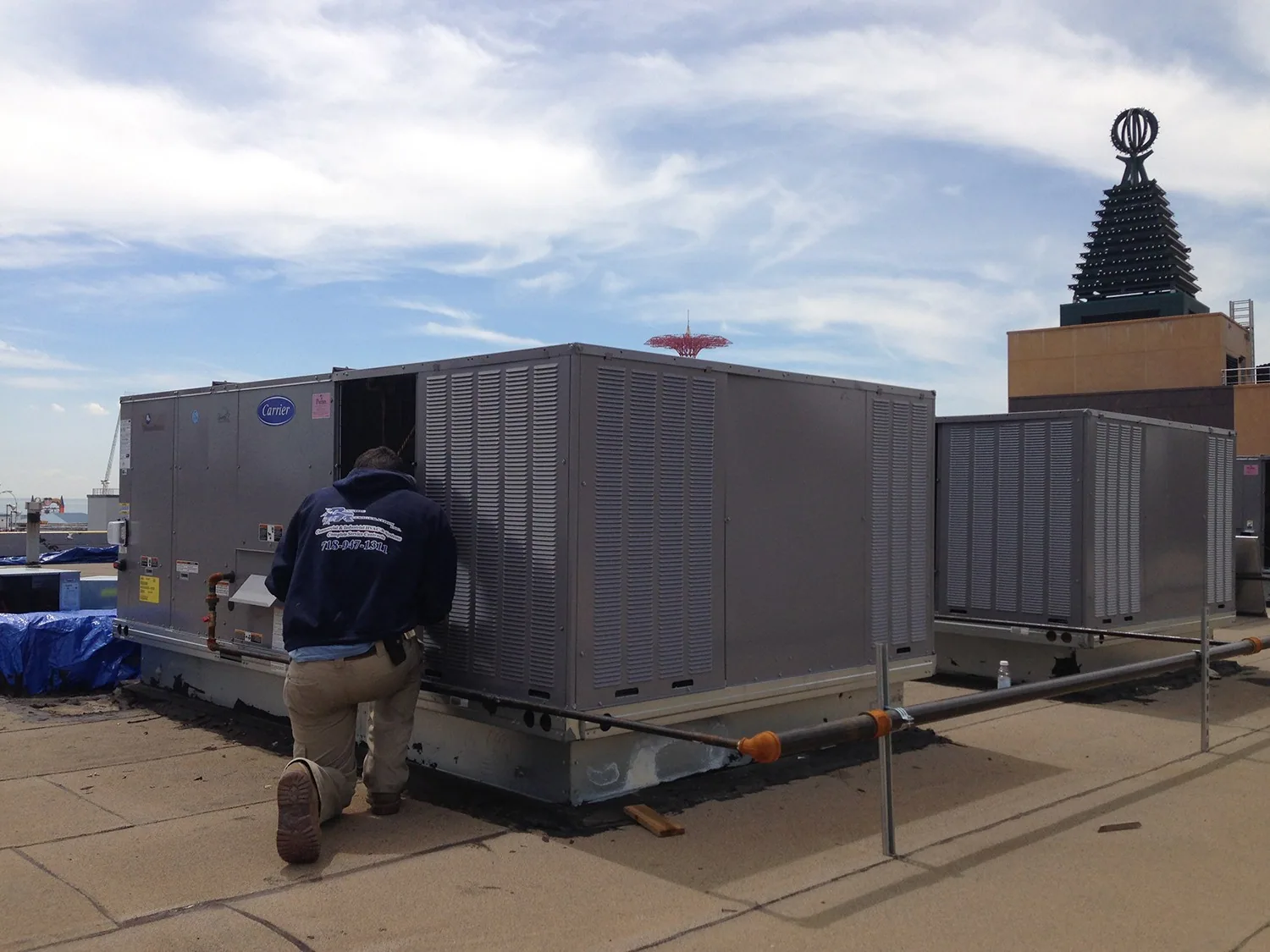
The scope also needs to account for mechanical trades. Curbs, conduit, exhausts and service paths can interrupt membrane work if they are not identified before material arrives. We record the penetrations and explain which trade coordination affects the sequence. A curb and equipment detail review can address support and flashing conditions as part of broader work. When the building remains occupied, occupied-property reroofing considers staging, noise and protection rather than treating production as an afterthought.
Compare the Repair Boundary
A localized repair makes sense when the surrounding membrane is stable and the failure is confined to a detail or puncture. Repeated separation at seams, broad wet insulation or deterioration across multiple roof zones changes the comparison. We identify the evidence for each condition, then explain what can be corrected now and what needs additional confirmation. The choice is not based on the district or the type of business. It follows the actual assembly, substrate, water path and the owner's planning window. Preventive roof maintenance can track smaller condition changes.
A recover may be possible when the existing layers, moisture condition and final height permit another system. Replacement can expose the deck and allow insulation corrections, while it creates more tear-off and temporary protection. We compare these implications beside the commercial replacement scope and evaluate an appropriate TPO assembly or another compatible option. A sequence of small defects can also be managed with planned roof maintenance, keeping service priority separate from future capital work.
Build a Record for the Next Decision
A useful condition record pairs each photograph with a roof zone, observed detail and recommended next action. We note open questions, such as whether moisture continues beneath an apparently dry surface, rather than assigning an unsupported boundary. If management needs a capital comparison, we separate urgent water control, investigation and long-range renewal. That lets a facility lead review present exposure without turning an uncertain item into a confirmed replacement quantity.
The portfolio can include Canton, Randolph or other South Shore locations, yet access and roof findings remain property-specific. Consistent labels help compare condition and timing across those records. Our roof capital planning can organize the sequence, while photo-backed condition reporting preserves what was directly observed. The next inspection can return to a drain, seam or patch with a clear baseline instead of relying on a remembered ceiling stain.
Seasonal review is useful when the building has a history of recurring water entry or the owner is preparing a larger capital request. We compare dated photographs at the same drain, curb and perimeter transition, then distinguish changed conditions from a prior repair that is holding. After a weather event, an inspection records what is visible at this Brockton property and gives the manager a practical service priority. Owners coordinating other South Shore buildings can use consistent photo labels for scheduling while keeping each roof assessment tied to its own assembly and observed condition.
For an owner staging work across the south corridor, the Randolph roof record gives a neighboring service-area comparison, while the Brockton report stays tied to its own roof. Where a patch cannot be bounded confidently, a commercial roof inspection can document the assembly. We compare a replacement scope with recover feasibility, and check whether a modified bitumen assembly fits the existing deck. For management, capital planning can translate those separate findings into a sequence.
Commercial Roofing Questions
Can Route 24 access tell us where to stage materials?
The route connection helps with regional arrival, not the building's loading rules. We confirm the property entrance, truck path, delivery window and any restrictions before setting a staging plan. At the roof, the approved hatch or ladder route is checked separately so material movement does not cross active receiving or production zones.
When should we test beyond the visible ceiling mark?
We compare the mark's timing and location with roof seams, curbs, drains and wall transitions. If readings or visible conditions suggest moisture may extend beneath the membrane, we explain whether infrared mapping or a selective opening can resolve the question. The report keeps confirmed damage apart from areas that still need a test.
What changes when a facility must stay open?
Work boundaries, deliveries, noise windows and temporary protection are set around the operation. We identify equipment that cannot be interrupted and routes that must remain clear, then phase roof removal only as daily weather protection allows. The building representative sees the proposed sequence before a section is opened.
How do repair and replacement compare for a production property?
The assembly and substrate decide the boundary. A stable field with a localized failure may support repair; recurring seam trouble or wet insulation found during testing can justify broader work. We document both the immediate correction and any investigation needed before comparing recover or replacement, including access, trade coordination and schedule effects.