Commercial Roofing in Canton, MA
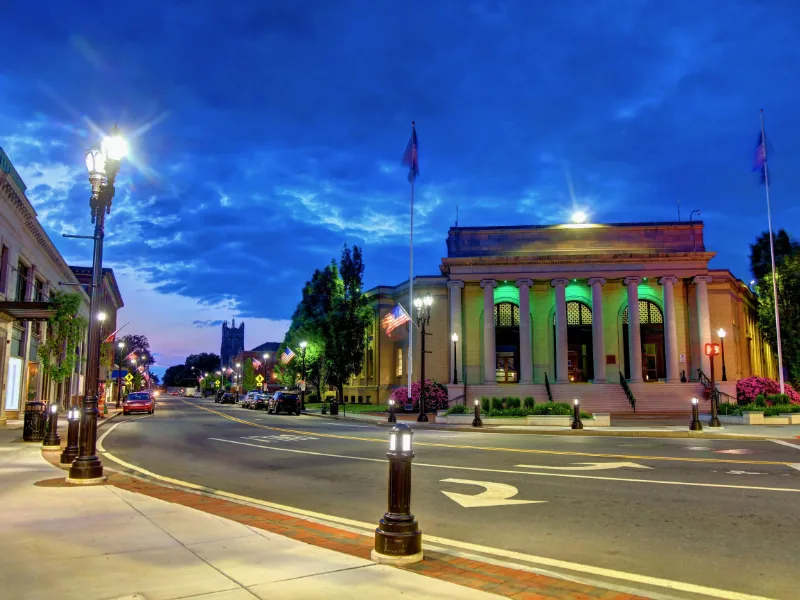
Canton Center's mixed-use redevelopment overlay places commercial property within an evolving town-center setting, where a roof decision has to fit the building and the project schedule. Route 138 is a principal commercial arterial, but road access does not establish a membrane's condition. We document seams, drains, edges, penetrations and any evidence of prior repairs, then connect those observations to interior reports. That record distinguishes active water control from a question about hidden moisture. A manager can compare repair, investigation and renewal without carrying an unverified defect into the next capital review.
Keep Each Center Building Distinct
Canton Center's mixed-use designation makes coordination important when a property has retail, office or residential activity beside one another. We confirm which entrances remain in service, how roof access is controlled and what hours allow noisy removal. The district's planning status is not a statement about the construction or age of any specific roof. Our field record identifies the actual assembly, roof zones, transitions and drainage details at the property being inspected.
Route 138 is a principal commercial arterial in Canton. That corridor context helps schedule arrival and staging, while roof work still depends on the owner's approved loading area and service routes. We ask about deliveries, shared parking and any adjacent operation that cannot be blocked. A marked roof plan then separates the work area from areas that need observation. For multiple buildings in Canton Center, each report keeps its own photographs and remaining-service view rather than combining them by neighborhood.
Investigate the Detail Before the Surface
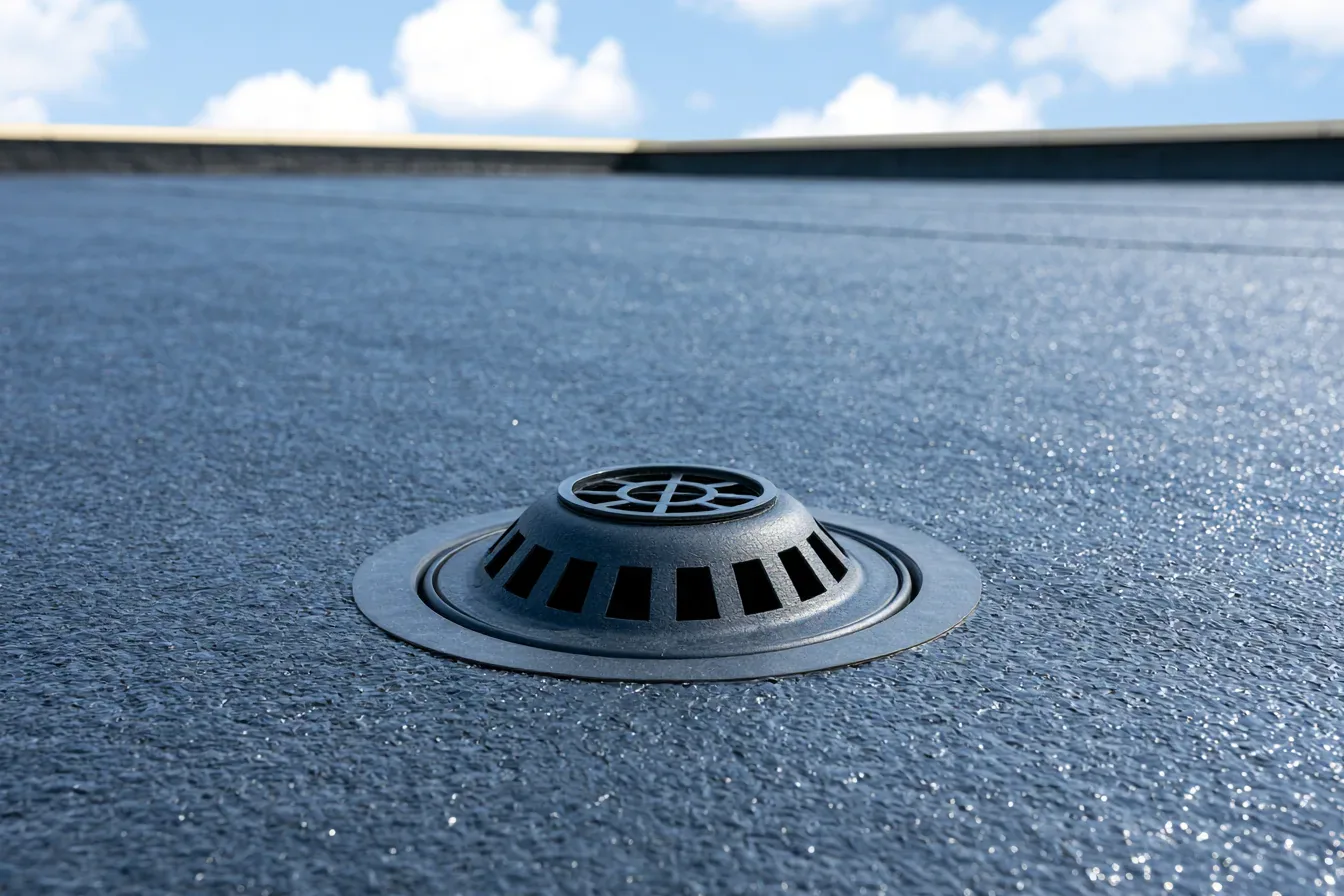
Water near a curb, parapet or interior wall can enter through a nearby connection that is not directly above the stain. We inspect wall flashings, equipment curbs, metal transitions and fastener rows along with the field membrane. Drain strainers and overflow openings receive separate attention because a maintained surface cannot compensate for obstructed discharge. The report shows where the water path is confirmed, where it remains uncertain, and whether an additional test is justified.
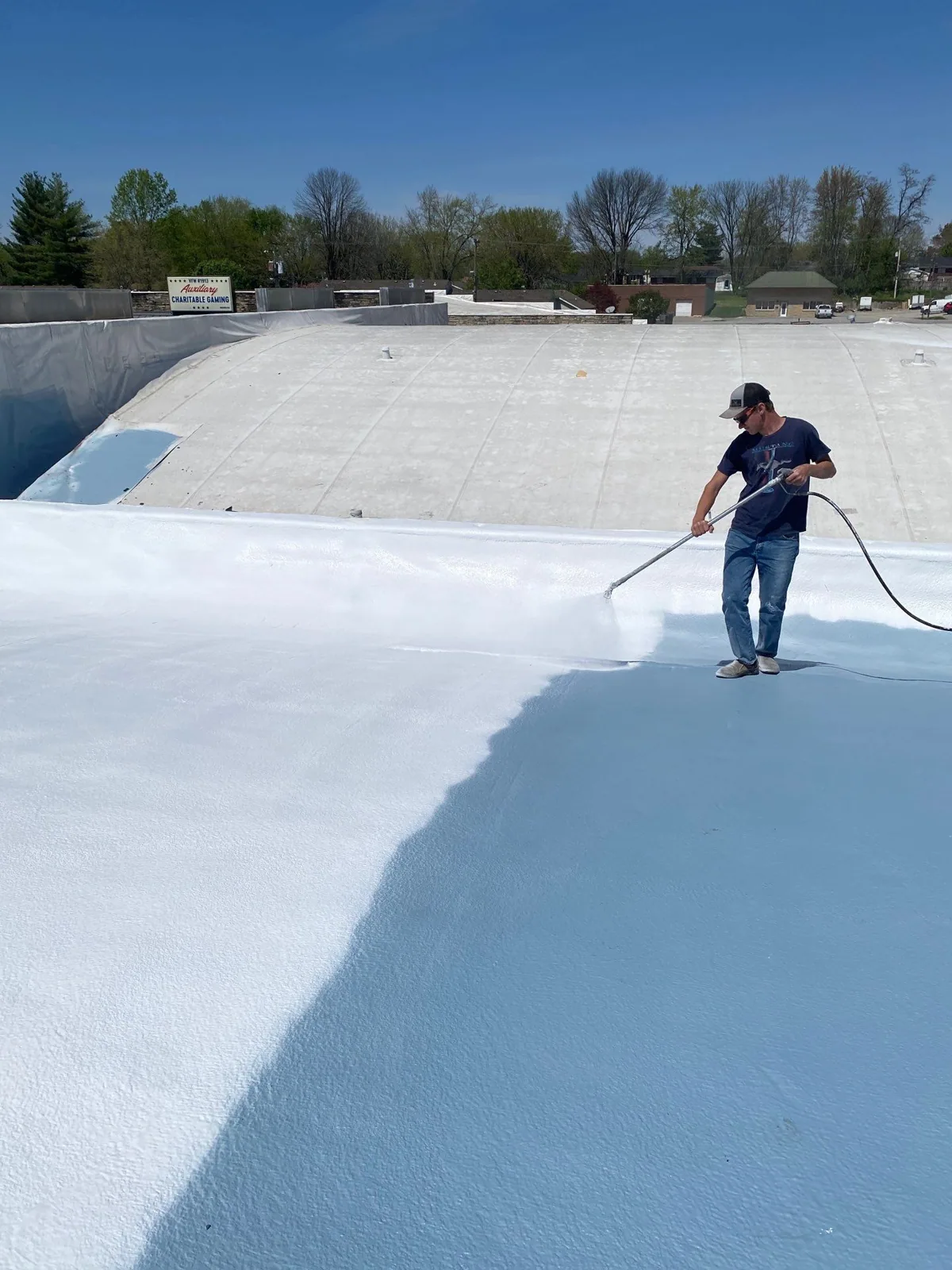
A coating is a surface treatment, not a correction for wet insulation or failed slope. Before recommending restoration, we check adhesion, substrate condition and compatibility with existing materials. If a targeted repair can restore a sound area, the boundary should be small enough to document and durable enough to inspect later. Our roof coating restoration and drain and scupper work address different conditions, so the inspection record separates them instead of bundling both into a broad cosmetic scope.
Fit Access to the Business Day
For a property with customers or residents, roof access can intersect with an active entrance, shared corridor or secure back-of-house route. We map the delivery path, identify where a lift or material drop could affect circulation, and set barriers around the work area. A schedule matched to the actual operation reduces conflicts without pretending every Canton Center building has the same hours or access rules.
Canton Junction has been the subject of redevelopment studies. Studies do not establish that proposed projects are complete, so we focus on existing property and actual conditions. For active renovations, the owner or project team can coordinate roofer access alongside other trades. A phased occupied-building scope can sequence removal and temporary weather protection; the details are set by the particular building, roof layers and site rules. We also confirm whether ventilation equipment or a penetration needs a trade present before flashing work proceeds.
Set a Defensible Project Scope
A repair recommendation should identify the defect, material, location and preparation required. A thermoplastic seam, EPDM splice and metal panel joint respond to different repair methods. We check whether the substrate is dry and stable, whether a prior patch has separated, and whether movement or contamination may explain the failure. When the repair would only mask a broader condition, we state what evidence supports further investigation and how that changes the budget discussion. Preventive roof maintenance can track smaller condition changes.
For a larger decision, we compare repair, recover and replacement against roof layers, moisture, edge height and project requirements. Replacement allows deck access but expands removal, protection and coordination; a recover may limit tear-off where conditions permit. The replacement review and recover feasibility check keep those scopes distinct. We may compare a compatible modified bitumen system or another assembly after documenting the roof, rather than selecting by neighborhood label.
Tie Findings to the Capital Calendar
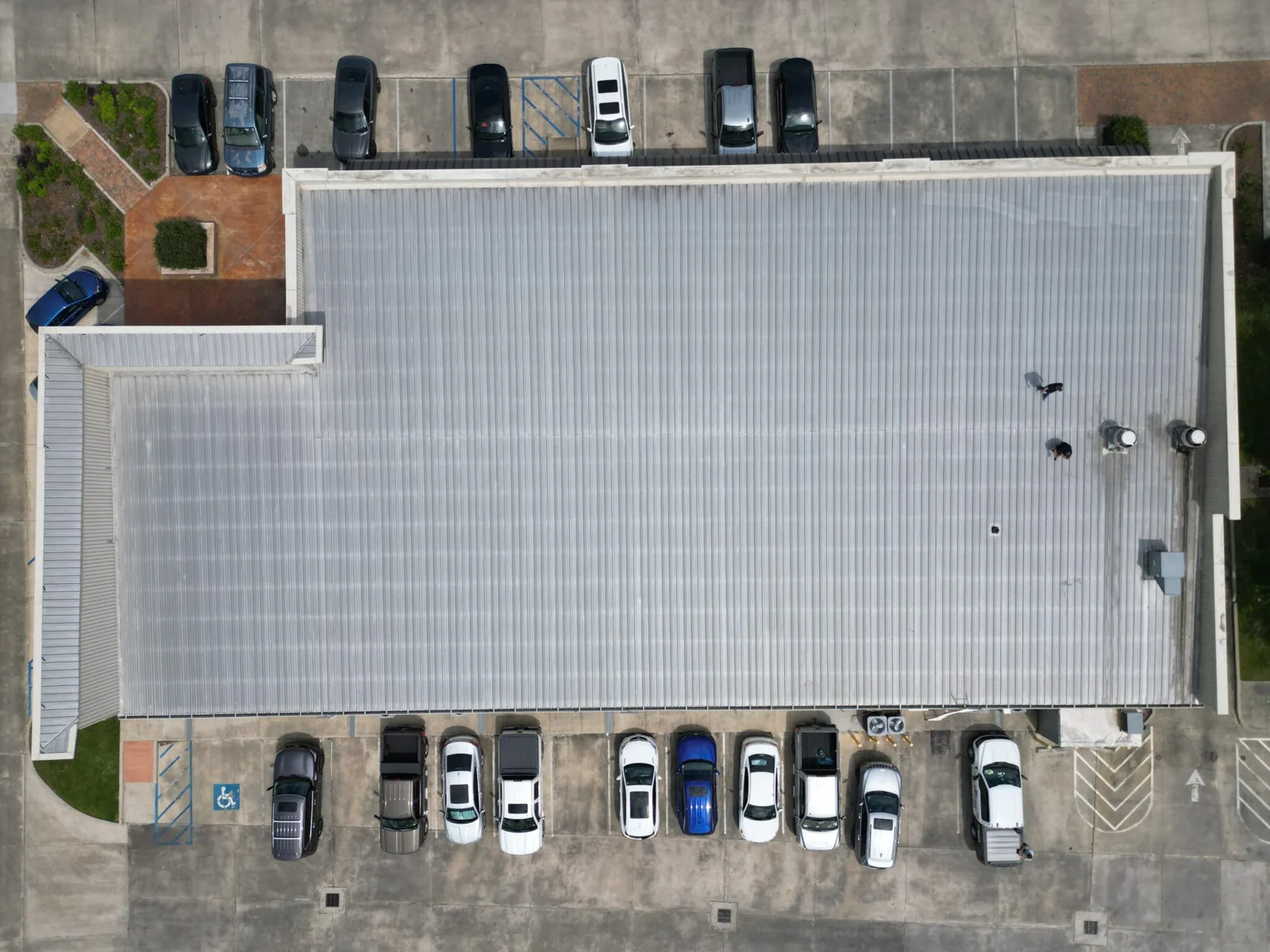
A condition report is most useful when the next manager can locate the same seam, drain or edge. We number roof zones, label photographs, record owner-supplied leak dates and rank recommendations by service priority. The record also notes what a visual inspection cannot confirm. If insulation condition is unresolved, that item stays separate until a survey or opening provides evidence. This prevents an open question from becoming a renewal assumption.
Canton's work can be reviewed beside nearby Brockton or Stoughton properties while retaining a separate assembly record for each. Our condition reporting provides the comparison, and capital planning organizes the sequence for the owner. As permits and energy requirements change, project-specific code applicability should be confirmed with local officials; we identify roof scope assumptions so the design team can resolve them before procurement.
Maintenance has a narrow purpose: it can clear accessible outlets, note loose details and preserve a dated view of a roof zone. It does not replace an inspection when a leak recurs or a ceiling assembly remains damp. Quincy’s preparedness planning names nor’easters, blizzards, hurricanes and flooding as regional hazards; that context supports a readiness review, not a claim that a Canton property sustained damage. After a weather event, we photograph the perimeter, penetrations and drainage points that can be reached safely, then prioritize any open water path. The owner can use that record to decide whether an immediate repair or a broader condition test is justified.
For comparison, the Stoughton condition record can share the same roof-zone labels without implying similar assemblies. On this property, a detailed commercial inspection can refine a repair boundary; a recover review can test whether another layer is suitable. A PVC roof assembly may be relevant only if design needs and substrate allow. We document condition reporting alongside a separate capital decision.
Commercial Roofing Questions
Does a Route 138 address change the roofing scope?
Route 138 helps with arrival and delivery planning, but the roof's layers, drainage and transitions set the scope. We verify the loading area, site restrictions and access route, then inspect the assembly and connect findings to the repair boundary. The road alone is not evidence of roof condition.
Can the roof work around a mixed-use schedule?
We identify active entrances, tenant hours, service routes and periods when noise or deliveries create a conflict. Those constraints guide staging and daily work zones. The roof condition and weather window still determine how much removal can be safely completed before temporary protection is installed.
What does a redevelopment study mean for a roof project?
A study does not prove a project has been built or approved. We inspect the existing building and coordinate with the owner's design and permitting team when future work is planned. The roof record states present findings and the assumptions that affect a repair, recover or replacement decision.
When is restoration appropriate instead of replacement?
We look at membrane compatibility, adhesion, moisture and the condition of flashings, edges and drains. A restoration can protect a sound, compatible assembly after preparation, but it cannot dry concealed insulation or correct drainage design. Where those conditions are uncertain, testing precedes a broader recommendation.