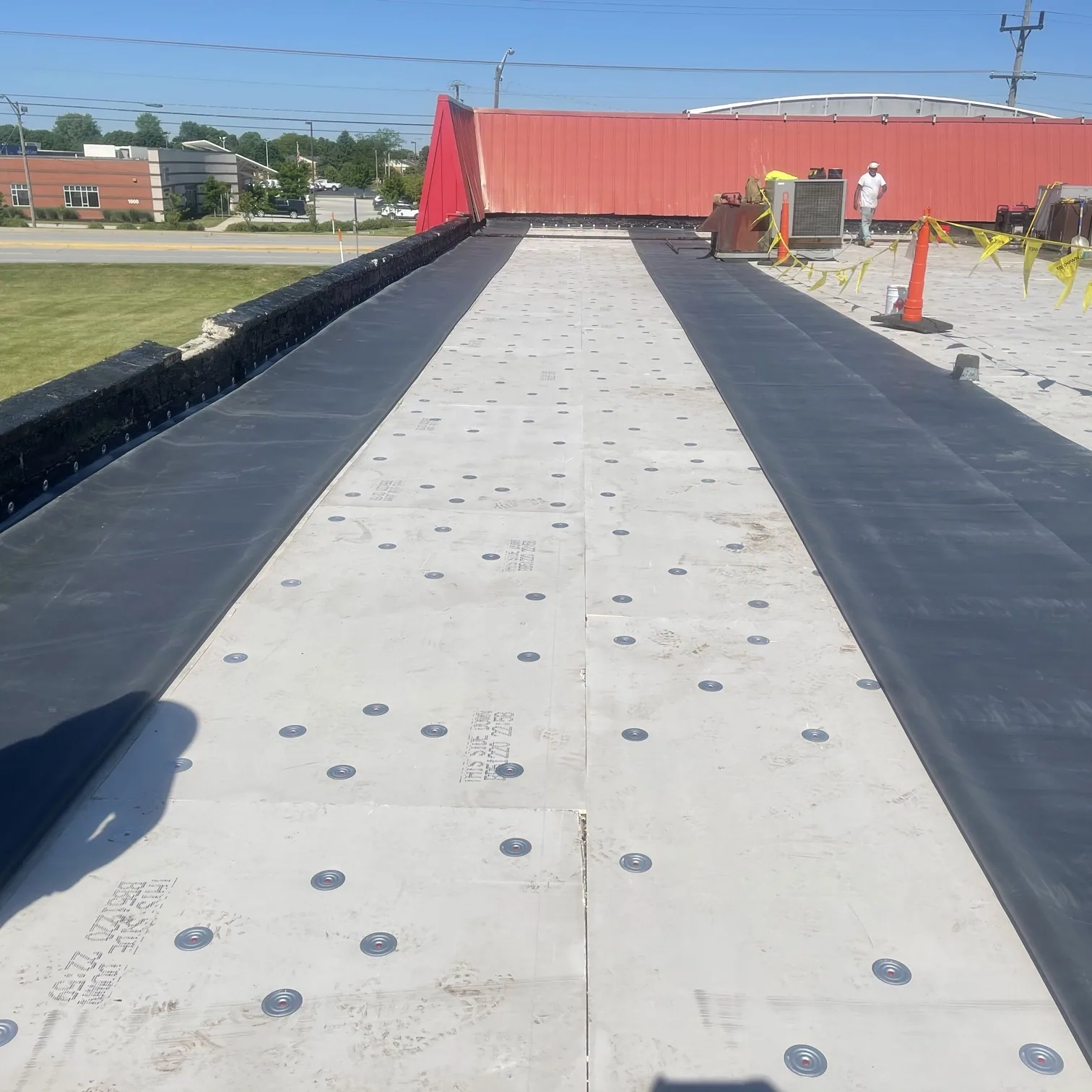
Commercial Roofing in Stoughton, MA
North Stoughton's technology and employment areas make a roof decision part of a larger property calendar. Stoughton Technology Center includes office, commercial, retail, housing and restaurant properties; the industrial inventory also separates Turnpike and Page Street, Tosca Drive and AMB Business Park. A roof record should keep those settings distinct. We map the assembly, water path, prior work and access needs at the building under review, then rank immediate corrections apart from investigation and renewal. That gives the asset manager a condition comparison based on field evidence, not the district name or a neighboring property's use.
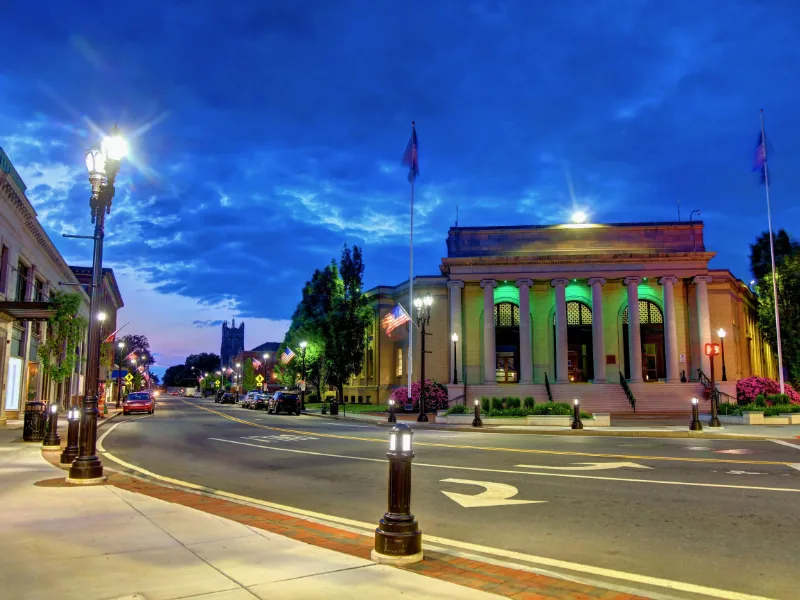
Districts Need Separate Records
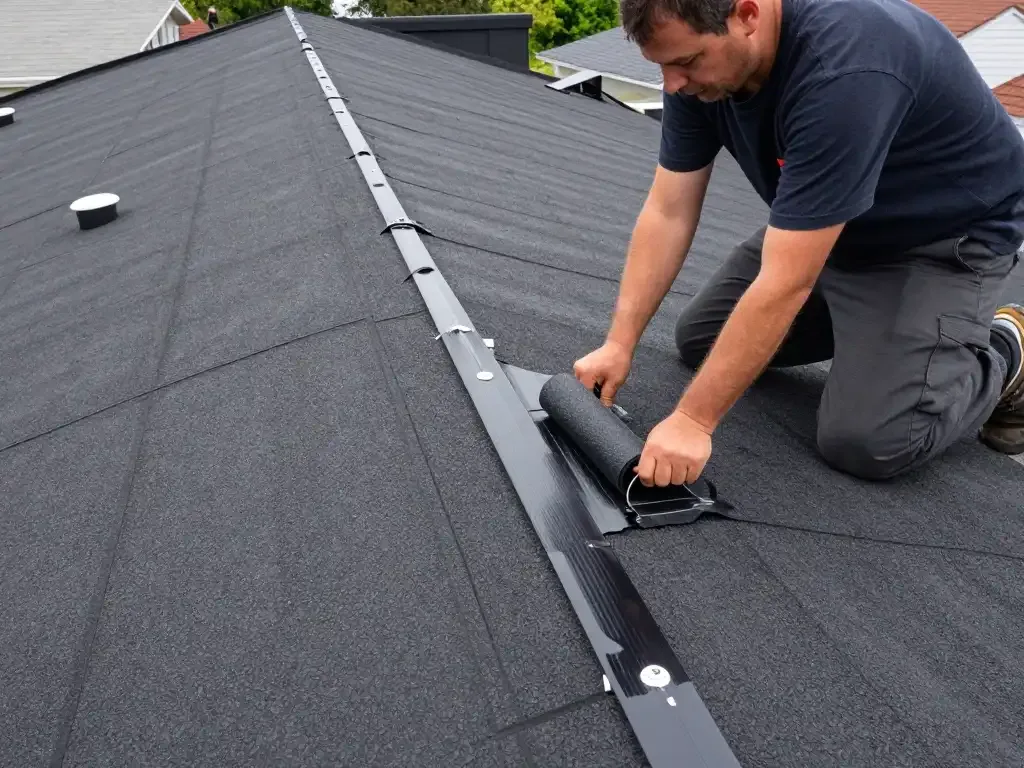
At Stoughton Technology Center, retail, office and residential uses can place different activity beside the same work zone. We confirm active entrances, delivery windows and where materials can be received before choosing a roof access route. The town's revitalization activity is a planning direction, not evidence that a particular building changed. We inspect its present membrane, drainage, edge metal and previous patches and label each roof section so later approvals follow observed condition. A small seam defect can be scoped through repairing a roof leak after the entry point is established.
Turnpike and Page Street, Tosca Drive and AMB Business Park are separate employment areas in the regional inventory. The owner can group inspections by district, while each property receives its own photos and service priority. A business listing does not reveal the roof assembly. We inspect seams, curbs, outlets and transitions directly, then state which item calls for immediate correction and which belongs on a future capital calendar.
Water Paths Begin Above the Stain
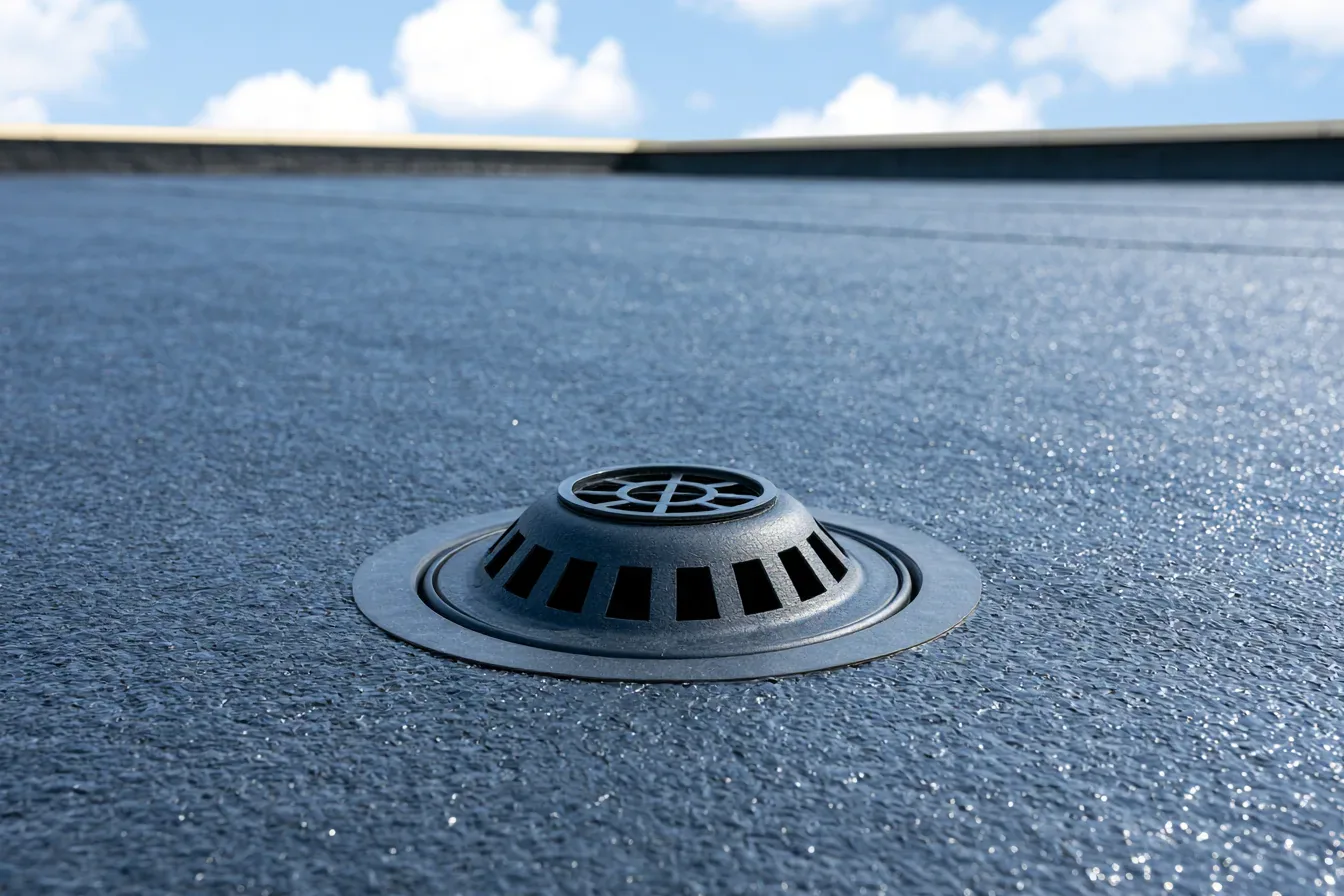
Warm surfaces and freezing cycles place different demands on seams, flashings and outlet details across the year. Boston's 1991 to 2020 climate normals list 49.2 inches of snow and 43.59 inches of precipitation a year, a regional pattern to keep in view as we inspect those details. On the roof itself, we look for open joints, punctures, poorly terminated edges and low spots where water can remain around a drain. Material choice follows the existing system and substrate condition; repair temperature limits and the owner's work window belong in the schedule. The outlet can receive a separate work item for a drain correction.
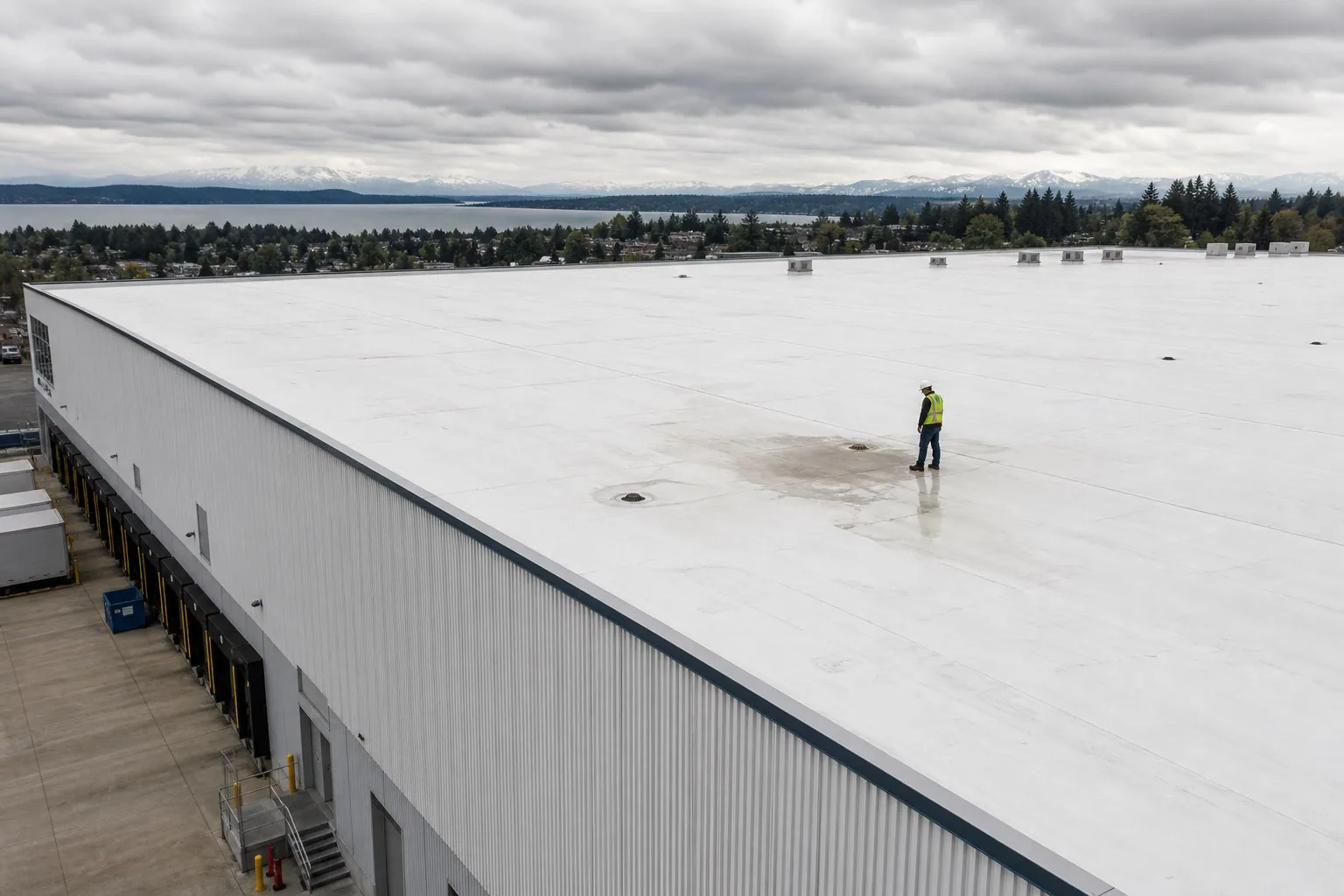
A ceiling mark can be offset from its entry point. We compare its timing with slope, parapets, wall flashings, curbs and penetrations, then mark the roof area that warrants a closer look. If a temperature survey suggests a broader pattern, selective opening may be needed to confirm the boundary. The report separates that question from a confirmed leak. It also notes whether the surrounding membrane can accept a localized repair or whether the failure repeats beyond one detail.
Occupancy Sets the Work Window
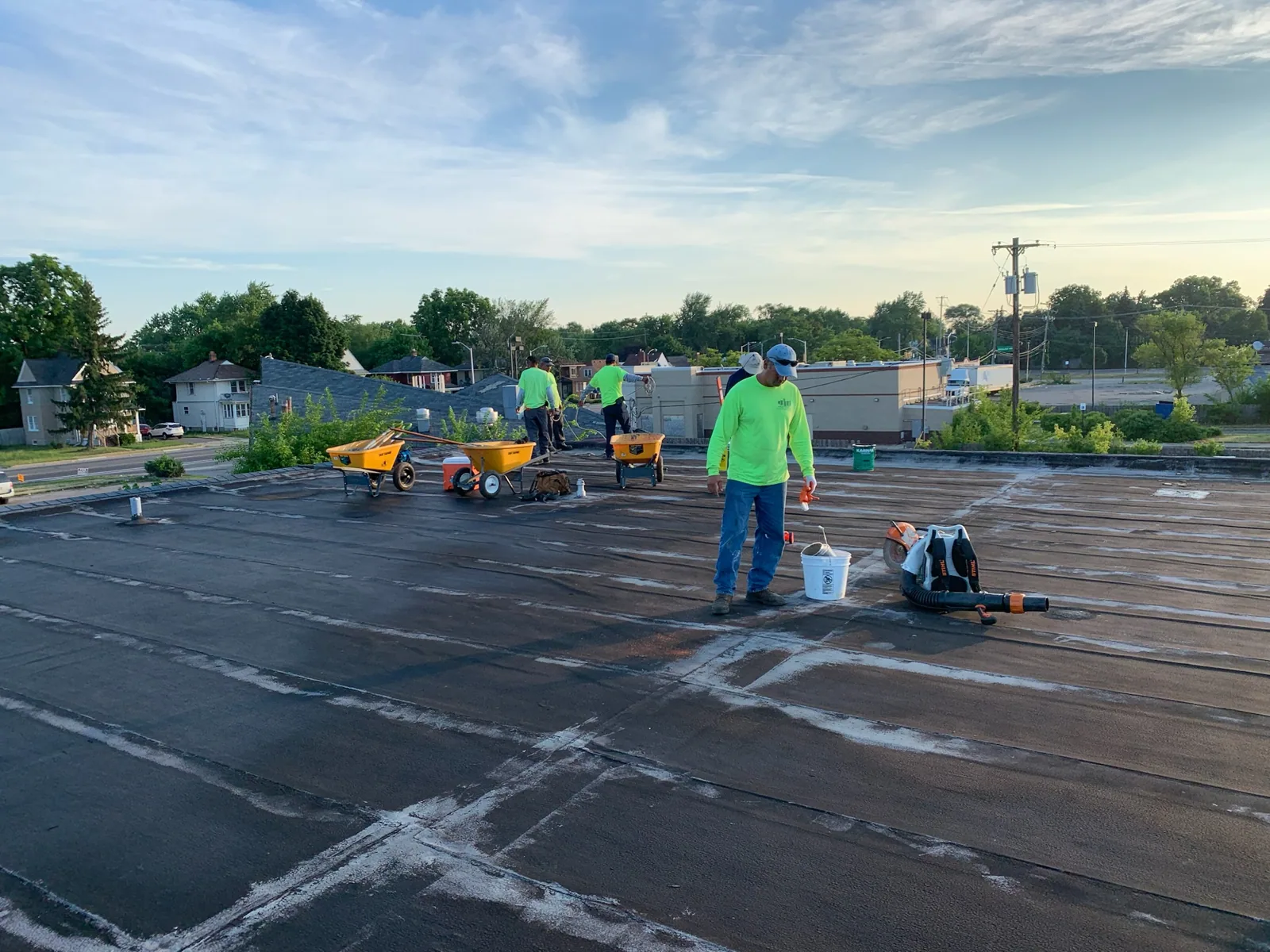
A property with food service or retail may receive goods on a different schedule from an office tenant. We ask when trucks arrive, which entrance has to remain open and whether a lift would affect a shared route. For a localized repair, the boundary can stay close to a proven defect. For replacement, we determine how much roof can be removed and secured in a daily cycle. The property representative sees the staging route and protection plan before work starts. The capital comparison can weigh replacement planning against recover feasibility after moisture and layer count are known.
Rooftop equipment creates another coordination point. HVAC curbs, conduit and exhausts can interrupt membrane work if a trade is not scheduled before the roofer reaches that detail. We document current support and flashing conditions and identify any required shutdown or temporary move. This makes the sequence easier to review before materials arrive. Noise, debris control and the time needed to close each exposed section are set against the building's actual use, rather than a generic start date.
Repair or Renewal Follows Condition
One failed curb on a stable roof field may support a targeted repair. Several open seams, recurring water or wet insulation found during testing can change the boundary. We photograph each condition, distinguish what is visible from what remains unknown, and explain what survey or opening would settle the uncertainty. That helps the owner authorize immediate water control without treating an untested area as confirmed damage or a replacement quantity. When compatible with the deck and design, EPDM roofing may be reviewed with other assemblies.
A recover depends on layer count, moisture, deck condition, drainage and finished height. Replacement permits broader access to insulation and substrate but requires more tear-off and weather protection. We compare those implications and set out the next review step if the decision is not ready. A membrane or coating is considered only after the assembly is inspected. Maintenance can track a sound system's drains and edges, but it cannot erase evidence of active leakage or a wet substrate.
Records Preserve the Roof Baseline
An asset manager reviewing North Stoughton offices beside industrial buildings needs comparable fields, not blended conclusions. We label roof zones, tie each photo to its location and keep owner-supplied leak dates with the relevant section. A future visit can return to the same outlet or seam and see whether its condition changed. The report also flags unresolved moisture separately, so a question does not become a renewal assumption by repetition. Dated condition reports preserve the findings for a later manager.
A record can note how access or tenant scheduling affects the next scope without describing proposed town-center work as completed construction. We state the finding, service priority and evidence that would move it forward. Roof records for Canton and Randolph can share the same report format, while their assemblies remain separate. The capital review can sequence work by condition and operating calendar, while a later inspection can compare only like-for-like roof zones. A portfolio including Randolph and Canton can share report labels without merging roof conditions. A seasonal visit can record whether a previously corrected detail remains intact, whether leaves or service debris have collected at a drain, and whether a new mark appeared below a roof zone. Those observations support maintenance decisions only when they are tied to date and location. They do not replace a full inspection after active leakage or establish moisture beneath a dry surface. The owner can ask for a focused follow-up that checks the same detail and reports what changed, keeping the remaining-service view current without overstating the evidence.
Commercial Roofing Questions
Does the technology center need one shared roof plan?
One reporting format can help coordinate the portfolio, but each building has its own assembly, drainage, tenant schedule and access constraints. We label roof zones consistently while keeping photographs and repair boundaries tied to the property inspected. That allows a manager to compare service priority without assuming the buildings share a defect or roof type.
Can restaurant deliveries continue during repair?
We confirm receiving hours, truck routes and any shared entrance before materials move. A localized repair may keep its work area small; broader removal needs a daily sequence that accounts for weather closure. We identify barriers and interior protection with the property contact before the first roof section is opened.
What makes a recover unsuitable?
Layer count, trapped moisture, substrate condition, drainage or finished height can rule out an overlay. We inspect the assembly and explain what each condition means for feasibility. If moisture extent remains uncertain, a survey or opening comes before a broader recommendation, with its scope listed separately from repair.
How do I compare urgency among several Stoughton roofs?
The report separates an open water path, a test needed to define concealed moisture and future renewal. Each photo is tied to a roof zone and the action it supports. The owner can then compare current service priority with the capital calendar without converting uncertain areas into confirmed quantities.