TPO Roofing in Quincy, MA
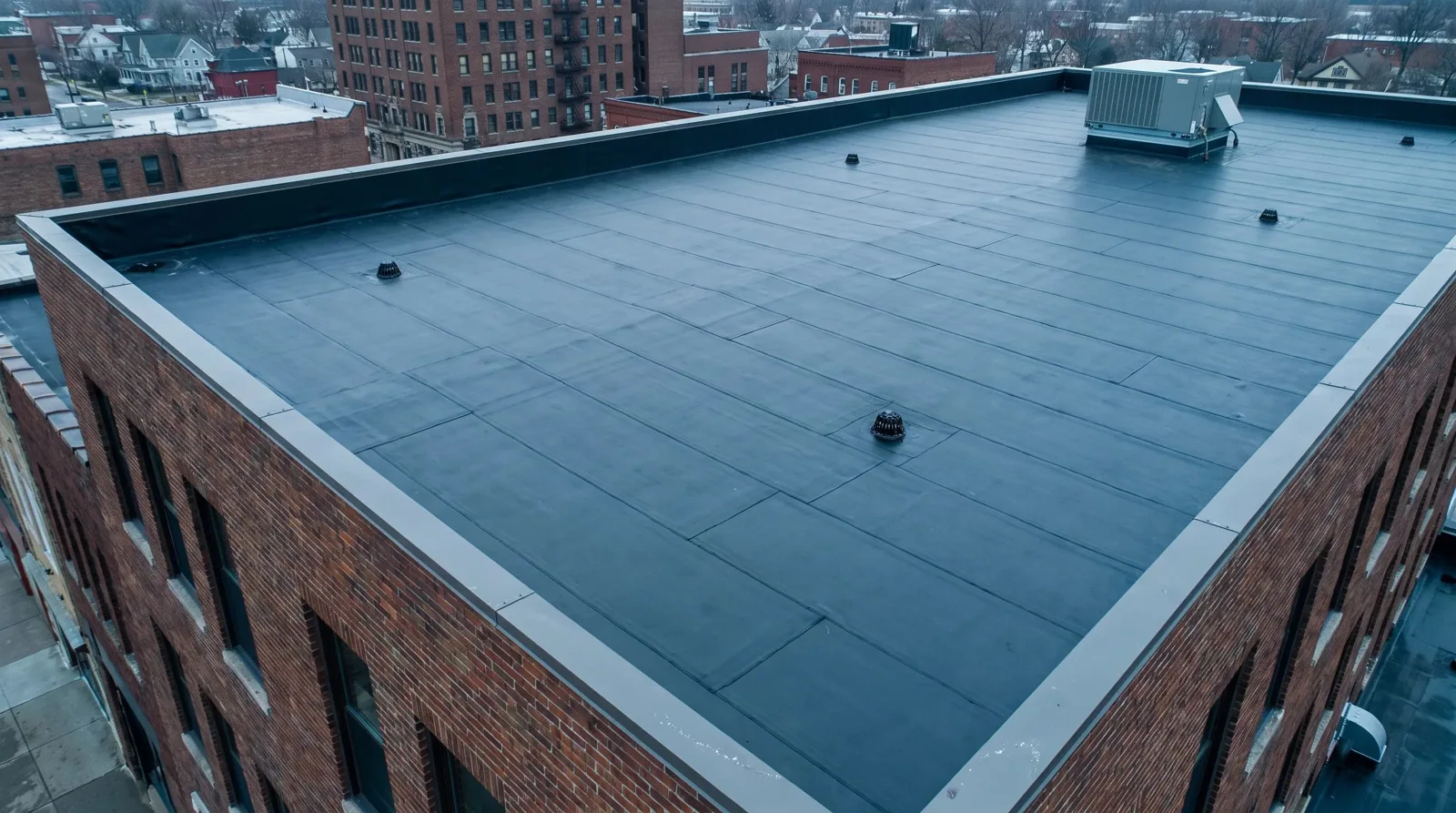
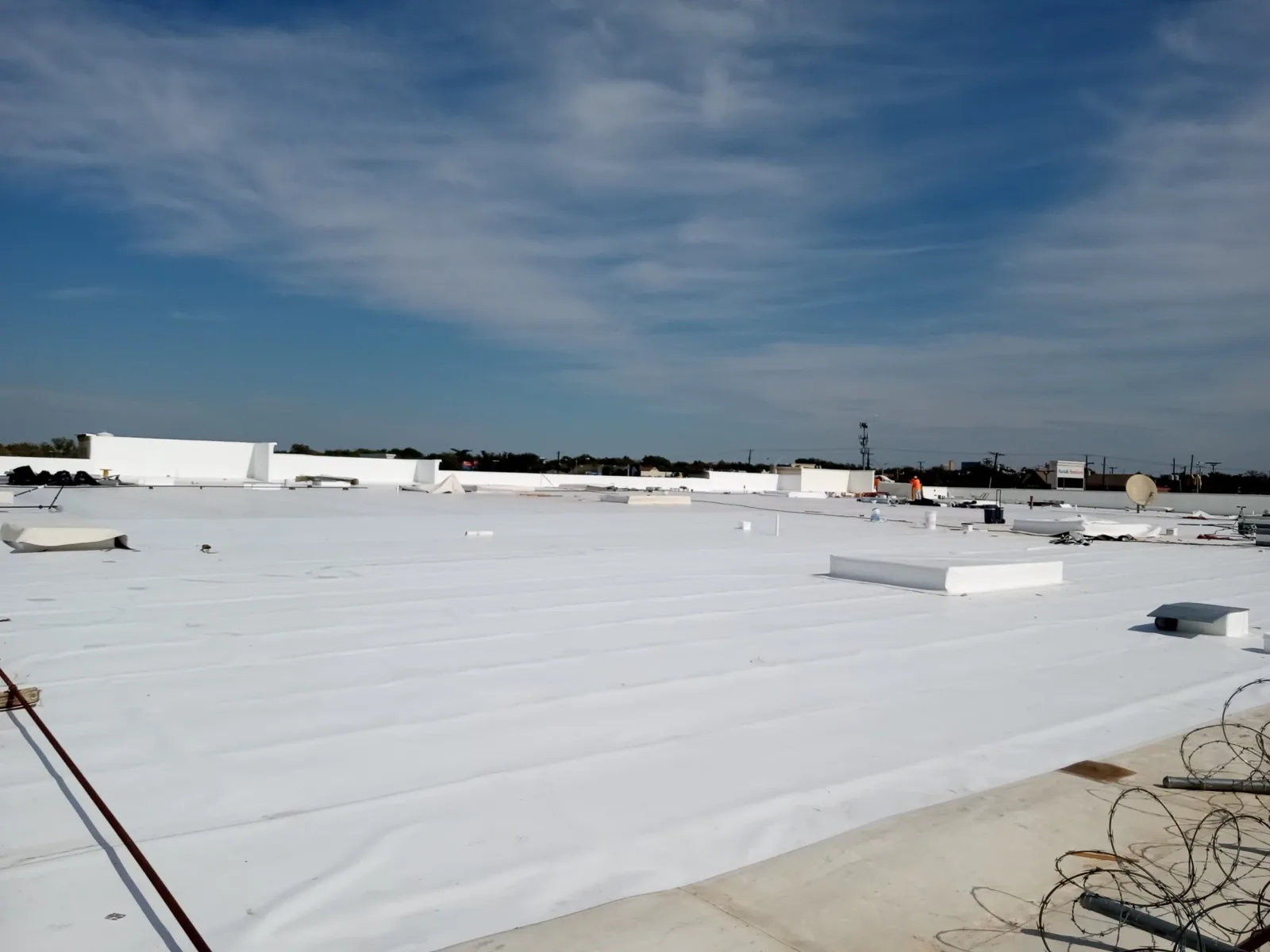
A thaw that leaves standing water across a TPO lap puts weld quality ahead of surface appearance in a Quincy, MA, roof decision. A clean white field can conceal a narrow opening at a patch or an unfinished connection beneath equipment. We examine those connections alongside the insulation and attachment beneath the sheet. The distinction changes the scope. A repairable weld on a dry, stable assembly has a different renewal consequence from repeated seam separation above saturated insulation, even if both roofs present a similar view from the access hatch.
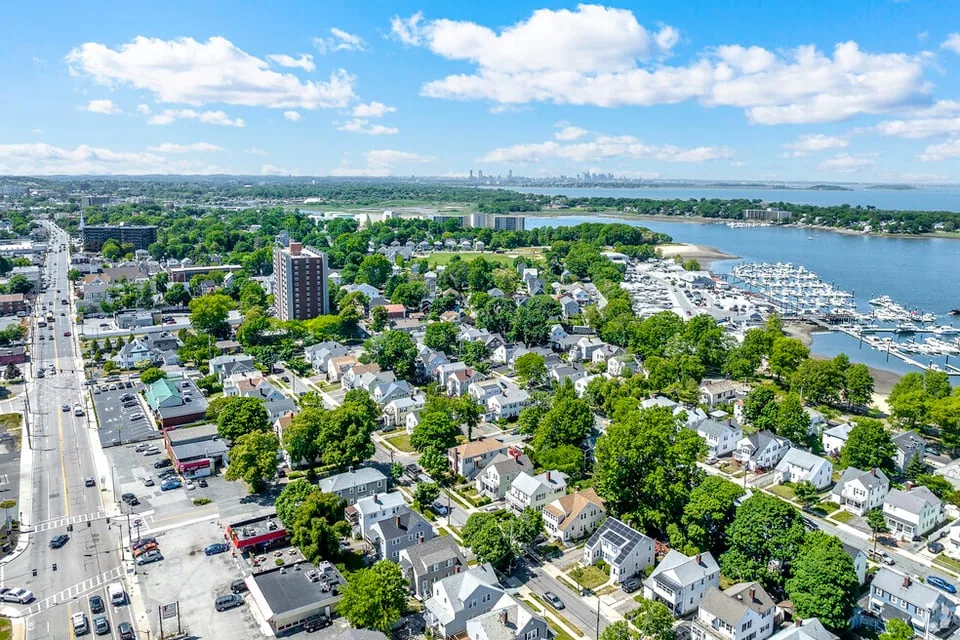
Quincy prepares for blizzards, nor'easters, hurricanes and flooding. For a TPO roof, that regional exposure makes drainage recovery and secure perimeter transitions practical priorities. We install new assemblies, investigate leaks and repair compatible existing membranes. Material selection begins with the building rather than the color of the sheet. Owners can compare rubber membrane construction where detailing or roof geometry suggests a different approach.
Welds carry the water boundary
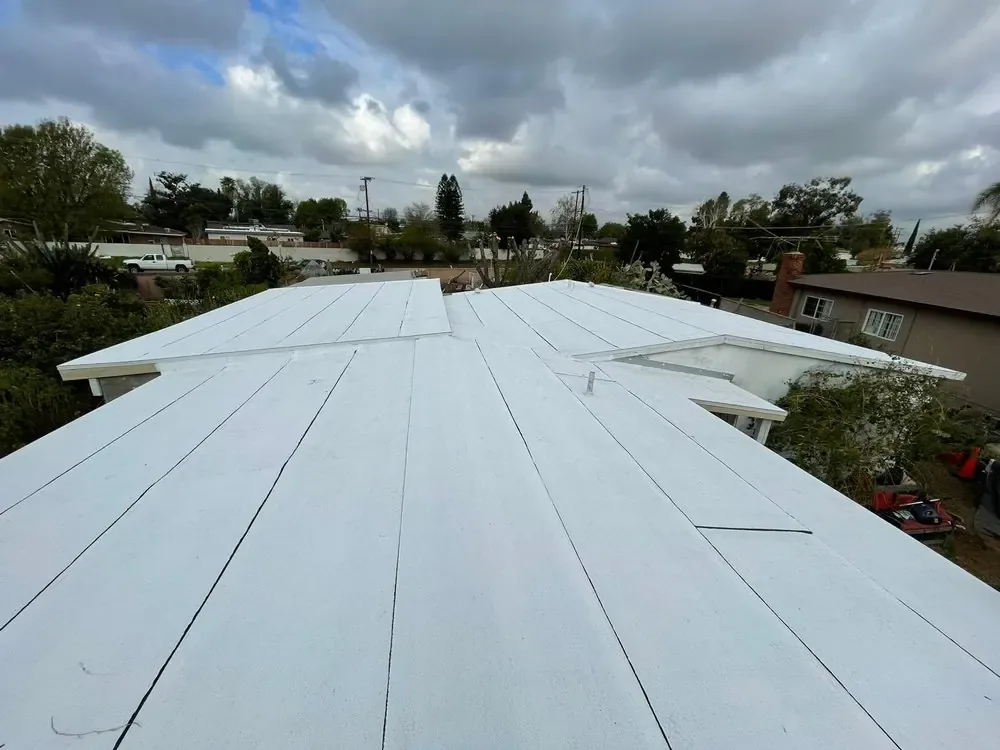
A lap with a lifted edge deserves closer examination before it is pressed down and forgotten. Heat-welded TPO connections depend on the correct preparation, welding conditions and effective joining width. Dirt, moisture or poorly controlled heat can leave a joint that looks continuous without providing a dependable water boundary. We examine suspect laps with appropriate seam checks, identify open ends and inspect intersections where several sheets or flashing pieces meet. Those changes in thickness require particular care. An intact field sheet does not compensate for a weak transition. We also inspect the ends of previous patches and changes at vertical surfaces, where a small unsealed corner can admit water without leaving a broad visible tear.
Repairs also depend on the condition of the older material. We clean and prepare a suitable welding surface, assess its response and use compatible repair components rather than treating every pale membrane as interchangeable. A brittle, heavily degraded area may not accept a useful local repair. Our seam failure repairs distinguish a specific workmanship defect from wider membrane deterioration so the owner can compare a bounded repair with broader renewal.
The sheet needs firm support
Footprints that remain as soft depressions can indicate a problem below the waterproofing. Wet insulation loses useful thermal performance, and damaged boards can leave the membrane unsupported around seams or traffic paths. We look at those symptoms alongside drainage patterns and, where needed, investigate moisture through selective openings or suitable survey methods. Water held below the sheet changes the remaining service assessment. Covering that condition with new membrane would preserve the defect rather than resolve it.
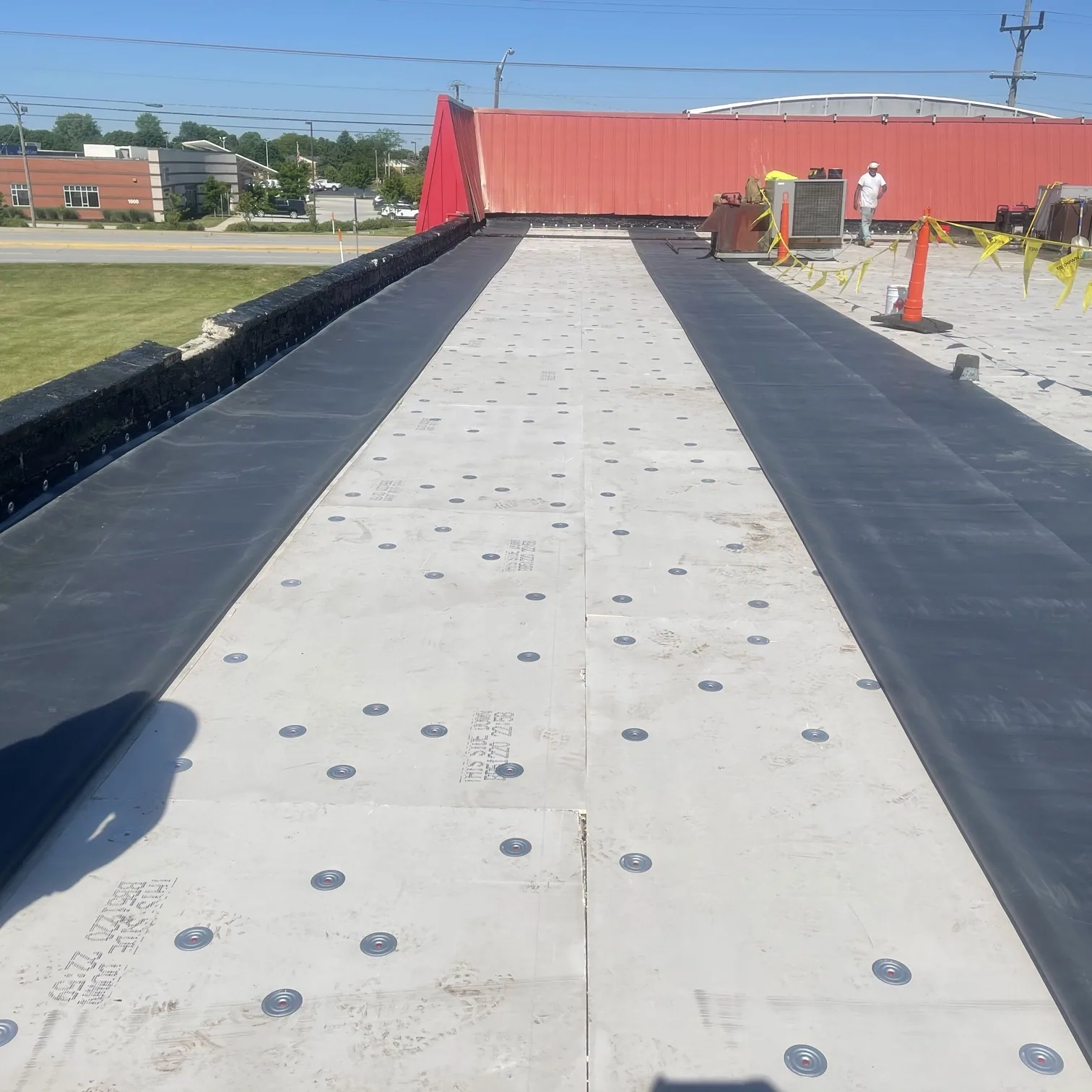
On a replacement, the insulation layout, attachment and cover board are selected as an assembly. Roof deck condition matters to fastener holding and to the finished plane. We assess low areas before deciding whether tapered insulation or drain changes should address them. The objective is a roof that sheds water without creating inaccessible channels around equipment. Insulation and protective board work can therefore be a larger part of the decision than the visible membrane itself.
Traffic changes the detail
Crown Colony in South Quincy brings office uses near the regional highway junction. On an office property with rooftop mechanical equipment, the path between the access point and serviceable components can receive concentrated foot traffic. We examine that path for abrasion and unsupported areas, then position compatible walk protection without obstructing water movement. The roof should support required maintenance. It should not force a technician to step through a vulnerable flashing joint to reach a panel.
Marina Bay combines offices with restaurants, assisted living and residential uses. Work above those activities calls for controlled exposure and a workable daily closure plan. During reroofing above occupied space, removal areas follow the conditions that can be secured before weather changes. We also separate roofing work from equipment disconnection and reconnection so an unfinished curb does not become the weak point in an otherwise complete membrane. The operating requirement belongs in the installation sequence, not in a last-minute adjustment.
Compare exposure before specification
Grease discharge, unusual chemical contact or a difficult rooftop exhaust arrangement can change membrane selection. We identify what actually reaches the roof and examine the proposed assembly against that exposure. A familiar TPO specification should not be carried across different tenants without that check. Where resistance to particular exposures becomes central, PVC membrane options may warrant a closer comparison. Compatibility extends to sealants, flashing components and equipment interfaces as well as the field material.
A reflective surface can reduce absorbed sunlight under suitable conditions, but surface reflectance alone does not establish building energy performance. Insulation, air leakage, mechanical operation and seasonal use remain relevant. We compare those factors with the physical condition of the roof. A sound sheet over poor drainage or deficient insulation is not a complete asset assessment. The selection should answer the building's water, temperature and maintenance demands together.
Set a practical repair boundary
Several isolated punctures near a service route can support a focused repair scope if the surrounding membrane remains weldable and the underlying assembly is dry. Open seams distributed across the roof require a different investigation. We consider the extent of deterioration, previous patching, attachment condition and concealed moisture before setting the repair threshold. Repeating patches without examining why they fail can consume the next workable renewal window while leaving occupied space exposed.
For an asset in South Quincy, the condition comparison can separate immediate waterproofing repairs from insulation or drainage work that should accompany replacement. We explain which components can remain and which need removal. Access difficulty, penetrations, deck repairs and protection of activities below are substantive scope drivers. A useful proposal describes those decisions clearly enough for the owner to compare assemblies rather than merely compare rolls of membrane.
Commercial Roofing Questions
Does a chalky TPO surface rule out another welded repair?
Surface aging calls for a weldability assessment rather than an automatic replacement decision. We prepare a representative repair area and examine whether a compatible patch can form an effective bond. The result is considered with membrane flexibility, existing defects and moisture beneath the sheet. Where repair adhesion remains unreliable, we recommend a wider replacement boundary instead of depending on repeated surface patches.
Should we change the drains while installing new TPO?
An outlet that sits above a persistent low area can justify drainage corrections during renewal. We examine elevations, flow paths and the drain connection before deciding whether tapered insulation, outlet work or another adjustment is appropriate. A new sheet follows the existing geometry unless the scope changes it. Drainage improvements should therefore be decided before materials and flashing details are finalized.
Can a TPO roof stay in service after a mechanical contractor damages it?
Localized damage can be repairable when the affected assembly is otherwise sound. We examine the puncture, surrounding sheet and any water entry, then replace wet or damaged underlying material as needed. Service-path protection and the equipment connection also deserve attention. Closing the hole without correcting the contact that caused it leaves the same failure mechanism in place.
How should we compare TPO proposals for an office property?
Compare the whole installed assembly: removal limits, insulation, cover board, attachment, edge details, penetrations and drainage corrections. Then check how the work protects tenants and closes exposed areas. A thinner scope may retain components that another proposal replaces. We identify those differences so the owner can assess remaining service and operating exposure alongside the selected membrane.