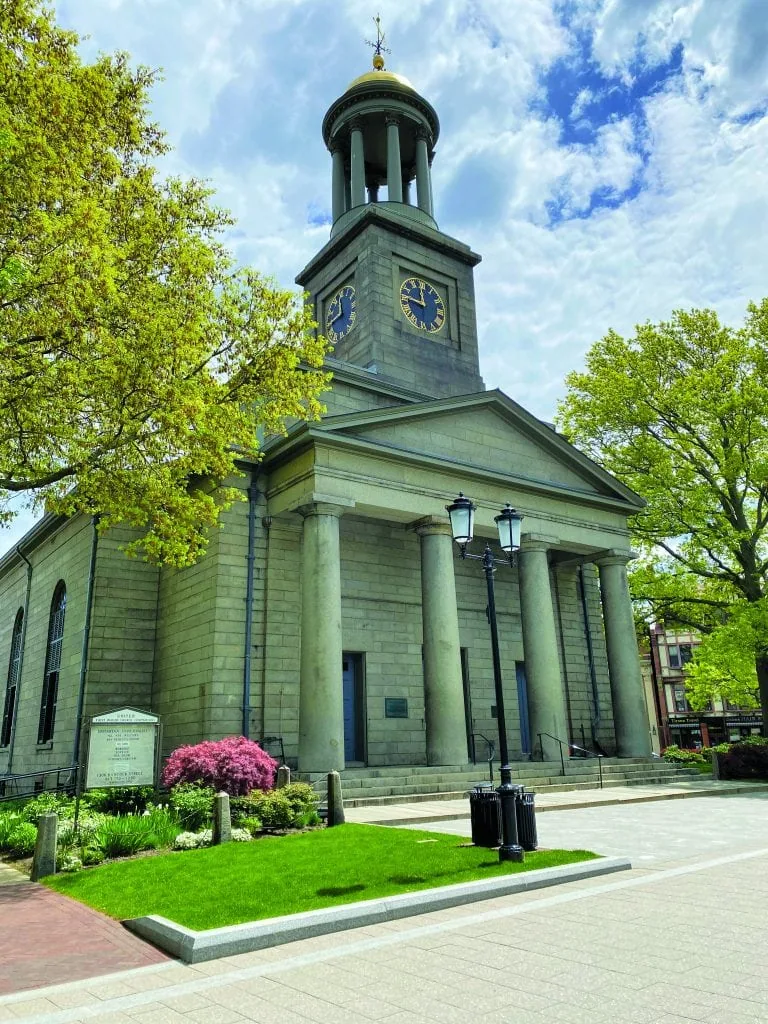
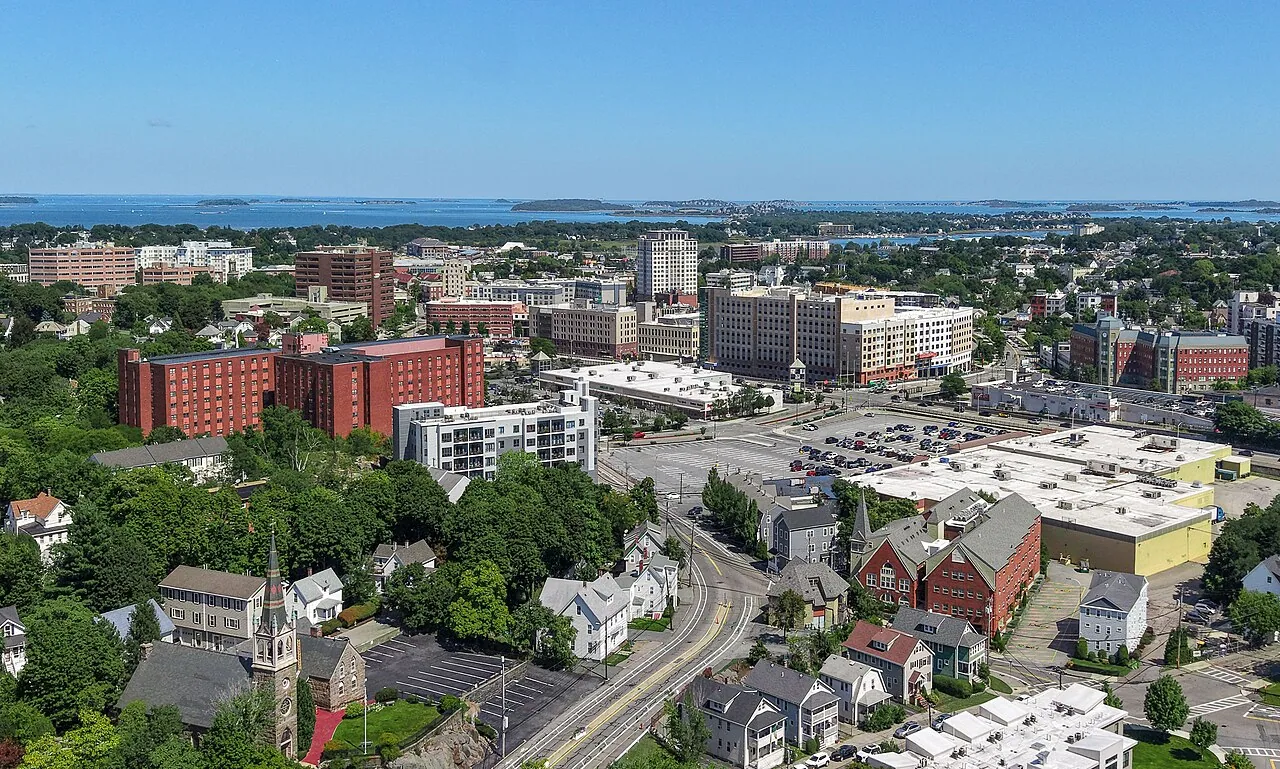
Commercial Roofing in Quincy, MA
Quincy, MA, puts office, healthcare, biotechnology and robotics properties on different renewal schedules, even when two roofs sit a short drive apart. A leak in a medical office affects different rooms and operations than water at a retail property or office property. We identify the roof area, trace the water path and record the condition that changes the repair decision. We compare membrane, seams, penetrations, drains and edge details as one assembly. That gives an owner a choice: address a defined defect, investigate concealed moisture or plan broader renewal. The answer should fit the building and its capital calendar.
Different Properties Need Separate Baselines
Quincy supports financial-services, healthcare, biotechnology and robotics businesses, and the city works with developers on mixed-use property. Those uses create different roof records and operating constraints. A financial office may need access coordinated around staff and building services. Healthcare rooms can make interior protection a first-order scope question. A laboratory may depend on rooftop equipment whose supports and service routes deserve attention during inspection. We do not infer the membrane or condition from the property's use. We document assembly, repair history, penetrations and drainage, then connect each observation to a decision the owner can fund and schedule.
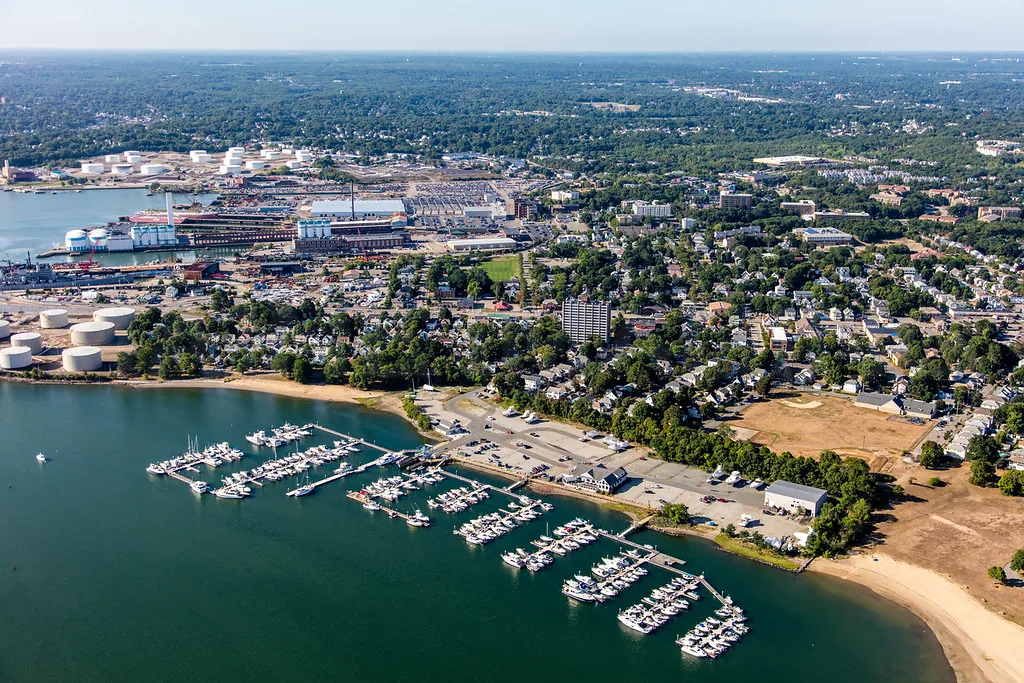
Quincy Center and North Quincy show why one citywide assumption does not help. The Hancock Street downtown district includes retail and office uses, while North Quincy combines institutional buildings and commercial activity near Route 3A. A multi-property owner should compare active water entry, the area that can remain in service after repair and any system needing investigation before a renewal window closes.
Quincy Weather Changes the Drainage Review
Quincy Emergency Management prepares for hurricanes, blizzards, nor'easters and flooding. That does not establish damage to a particular roof, but it makes water controls worth recording before disruptive weather. We check low areas, drain strainers, scuppers, overflow paths, seams and flashing transitions. A blocked outlet can hold water after adjacent areas clear. Ice can make access unsafe or delay a drainage repair. After wind or heavy rain, interior photographs help locate the affected zone; the roof review still traces the path from entry to likely source.
Boston station normals provide regional winter context, not Quincy measurements. The NWS report lists 49.2 inches of normal annual snowfall and 91.6 days with minimum temperatures at or below freezing. We then inspect the property itself. Roof height, drainage layout, insulation, shade and maintenance history determine whether ponding or freeze-thaw movement matters there.
Access Belongs in the Scope
Quincy connects with the I-93, I-95, Route 128, Route 24 and Route 3 highway network. Access still needs property-level planning. A roof hatch, loading zone, tenant entrance and equipment area may have different controls. We confirm the route to the work area, where materials can be staged and which interior spaces need protection. On an occupied building, an unclear boundary can interrupt operations. The project plan records access, work hours, temporary protection and daily closeout alongside the roofing detail.
Replacement exposes insulation and deck conditions a surface inspection may not reveal. We sequence sections that can be secured and weather-protected before advancing. Around rooftop equipment, the scope accounts for curb height, service clearances and flashing connections. If several buildings share a site, the owner can compare access and interruption risks before selecting a sequence. Repair, recover and replacement then have distinct places on the capital calendar.
Set a Repair Threshold Before Renewing
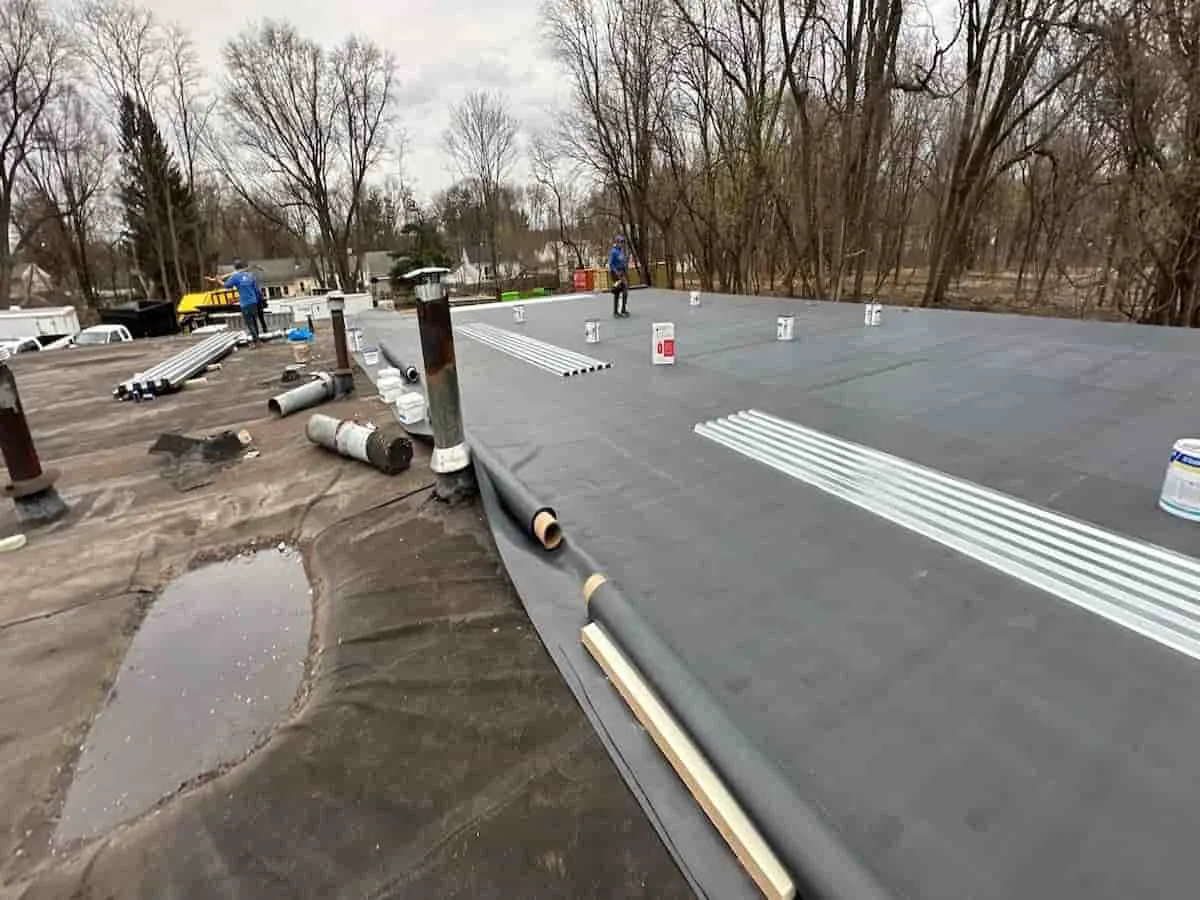
A localized seam opening, puncture or flashing separation can support repair when the surrounding membrane and substrate remain sound. We inspect beyond the mark, check nearby laps and penetrations, and look for soft insulation or deck movement. If moisture extends past the damaged area, a surface patch may close the entry while leaving wet material. A moisture survey or selective opening can show whether the scope should stay local or expand. Repair materials and weld or adhesive methods must suit the installed system; a mismatch can fail at the patch edge.
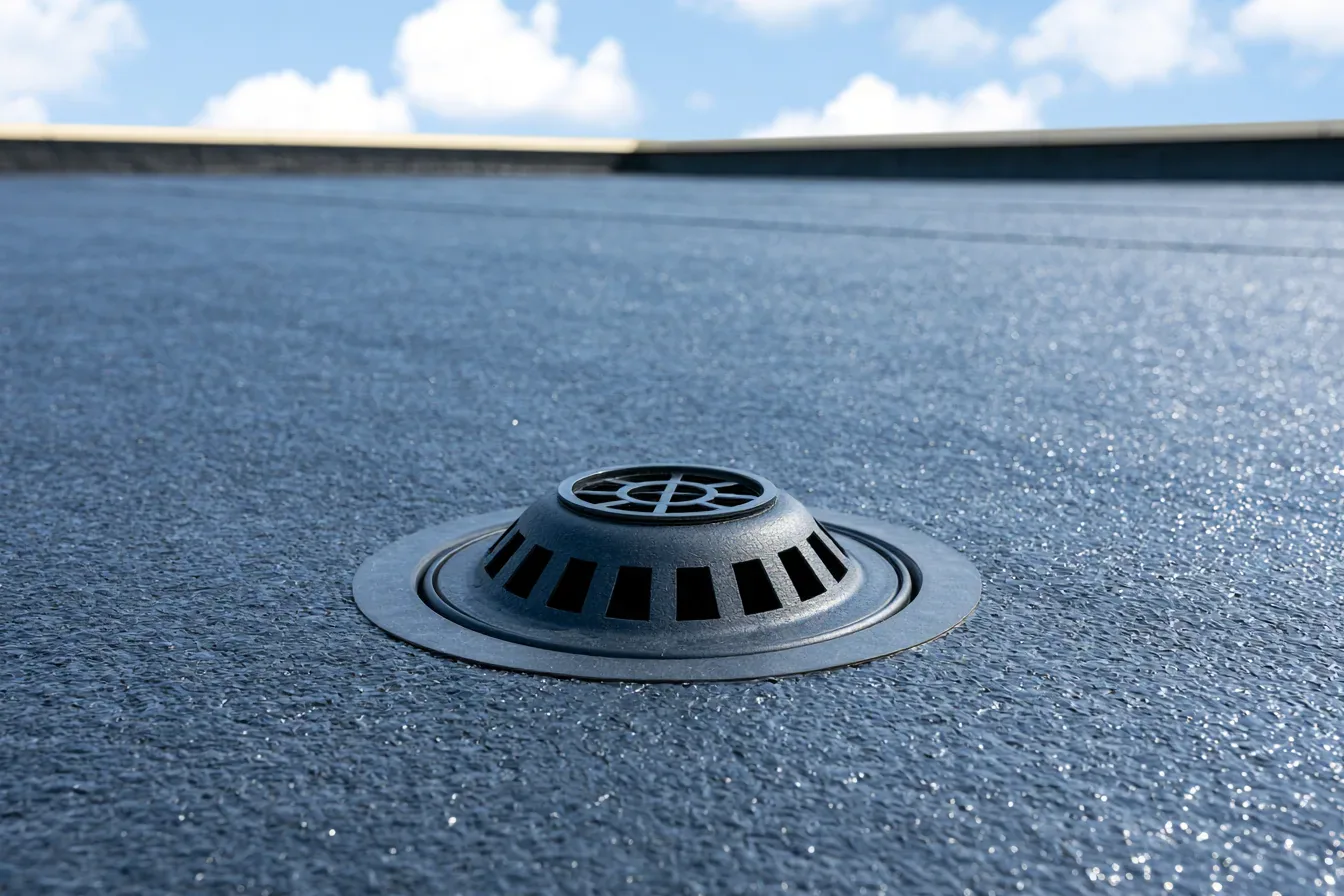
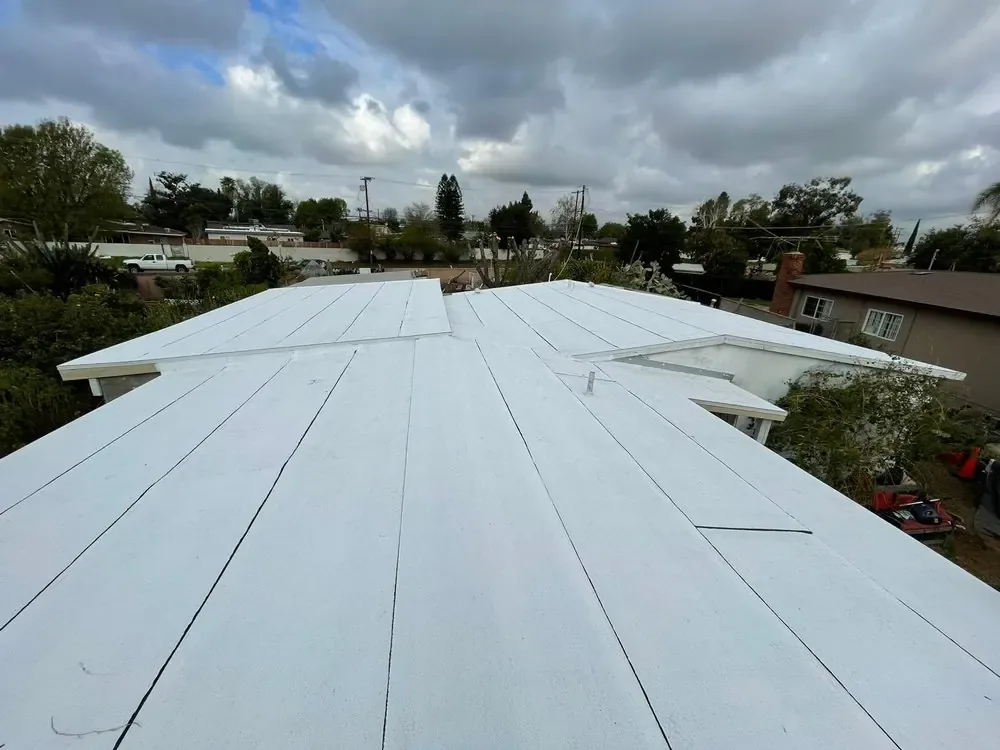
Owners comparing options can review commercial roof repair work beside a broader replacement scope. Drain concerns call for a closer look at roof drains and scuppers, while low-slope membranes differ in seam construction and attachment. We assess an existing TPO assembly before recommending a compatible repair or renewal.
Keep the Condition Record Usable
A roof condition report should help an asset manager compare property decisions later, not merely preserve photographs. We identify roof areas, label visible defects, show the relation between a leak report and the assembly, and separate observed conditions from items that need opening or further testing. A drone survey can help map broad areas that are difficult to view from a hatch. Infrared readings can help locate possible moisture patterns when conditions support that method. Neither replaces confirmation of the roof layer where the result could change a repair or replacement scope. The report states what was observed, what remains uncertain and what work would resolve the uncertainty.
For buildings in Quincy Center, North Quincy or other city districts, a repeatable record lets the owner compare condition and service priority across properties. Photos tied to roof zones, drain locations and penetrations make future change easier to assess. We can also review roof condition reporting and connect findings to a capital plan. The goal is a defensible sequence: correct active water entry, investigate hidden conditions where needed, then schedule renewal around funding, access and the building's operating calendar.
Choose the Next Work Window
Repair, recover and replacement each change the roof in a different way. A recover may retain an existing layer only when the assembly, moisture condition, code review and added height allow it. A full tear-off exposes the deck and permits insulation corrections, but it also expands the work boundary and interior protection plan. Coating can be considered only after confirming that the existing surface, adhesion, drainage and detail conditions support it. We record the conditions that decide the choice rather than starting with a preferred system. For a multi-property owner, that comparison helps put immediate service, investigation and renewal into distinct budget periods.
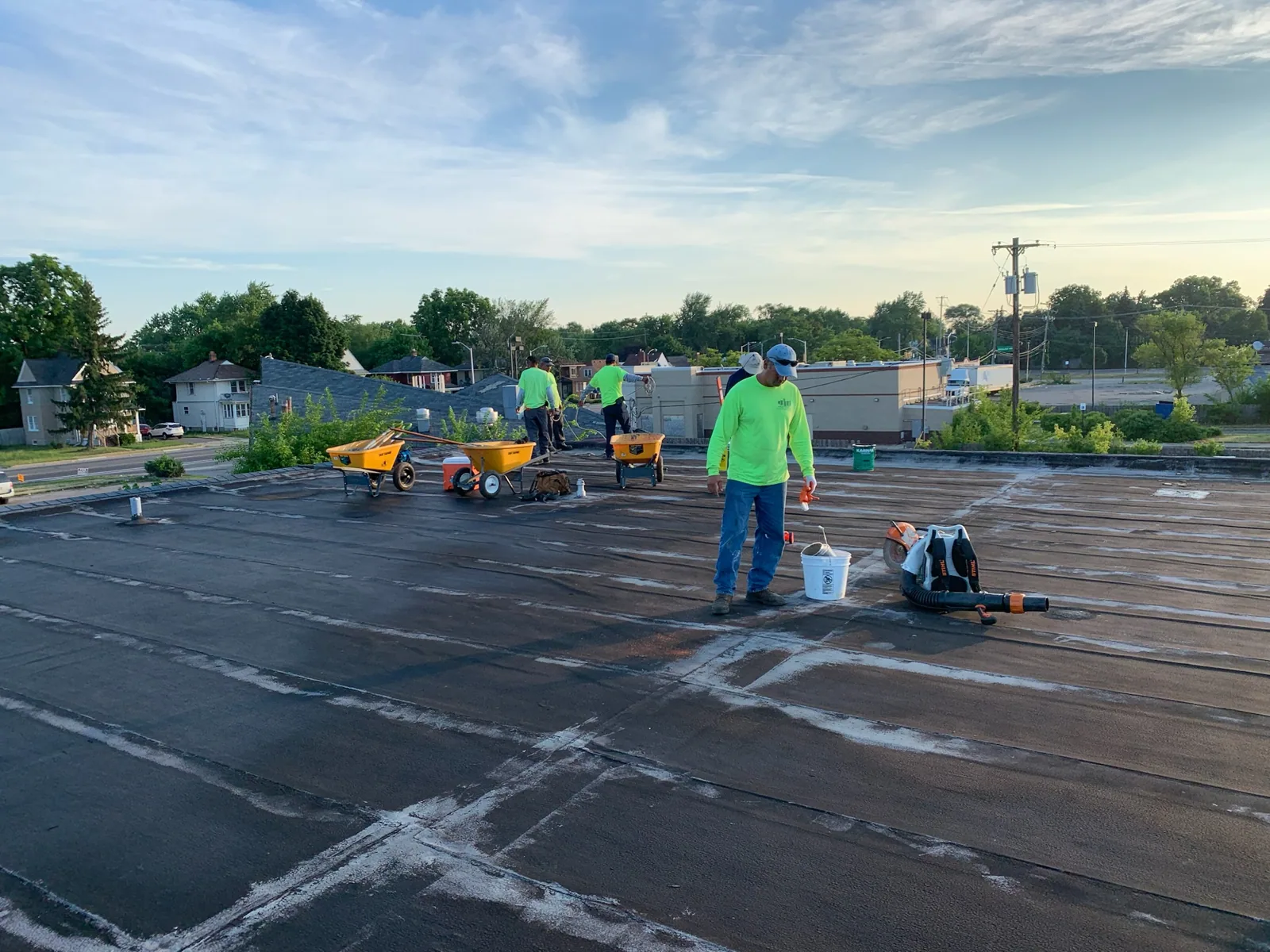
We can coordinate work on occupied properties, protect interior areas and document the assembly as crews move through defined sections. A maintenance visit can catch open seams, loose edge metal, drain debris and worn sealant before those conditions combine into an interior leak. The right interval depends on the roof's age, exposure, use and repair record. When water is active, a call for urgent roof service can begin with temporary protection and an assessment of what must be secured first. We then define the permanent repair separately so that the immediate response does not become an unexamined replacement decision.
Commercial Roofing Questions
What should Quincy owners document after a nor'easter?
Start with the interior location, date, operating effect and photographs, then record any safe observations of drains, edges or penetrations. We inspect the roof when conditions allow and distinguish storm-related damage from pre-existing wear before defining a repair.
Can one capital plan compare office and healthcare roofs?
Yes, when each property has its own assembly record and condition rating. We keep roof-level findings separate, then compare service priority, access limits, repair thresholds and renewal windows across the group.
When is a moisture survey useful before replacement?
A survey is useful when suspected wet insulation could change the scope. We review the readings with roof conditions and use selective openings where needed to confirm the layer before the owner chooses recover or tear-off.
How do you handle work above an occupied building?
The property team identifies sensitive rooms and access rules first. We divide the roof into sections, coordinate protection below and close each exposed area before advancing, with any required interruption agreed in the work plan.