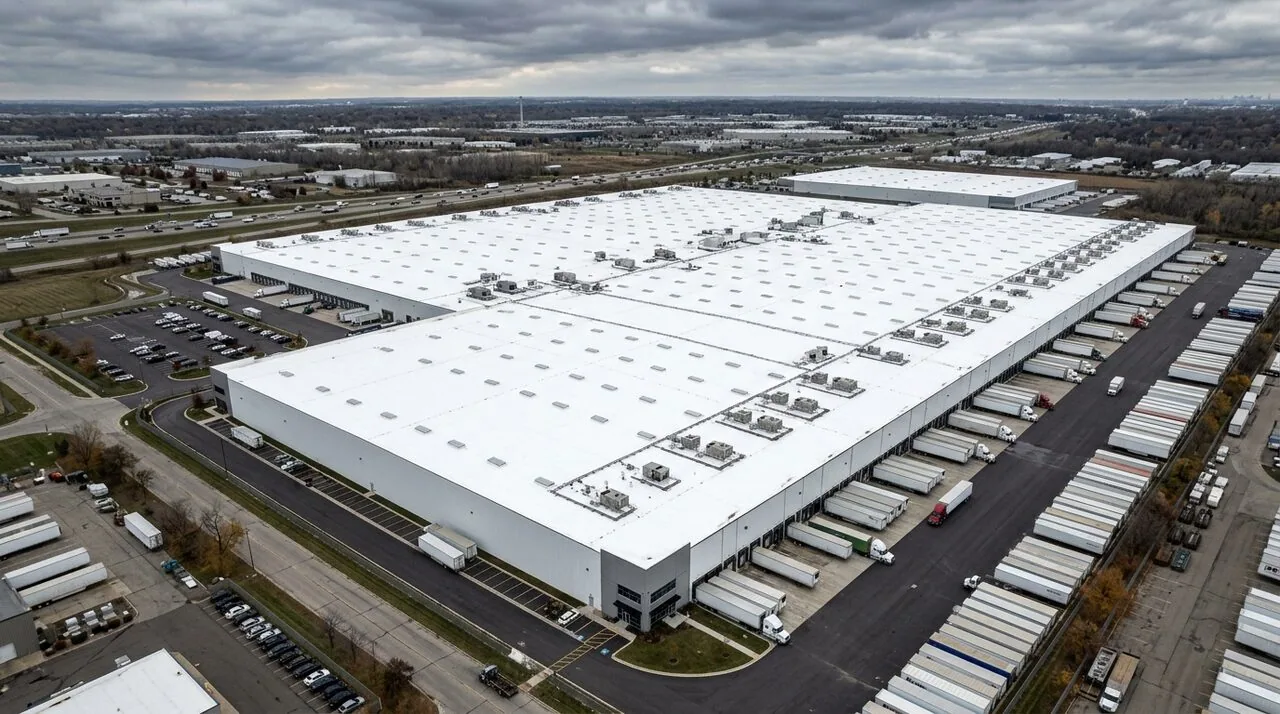
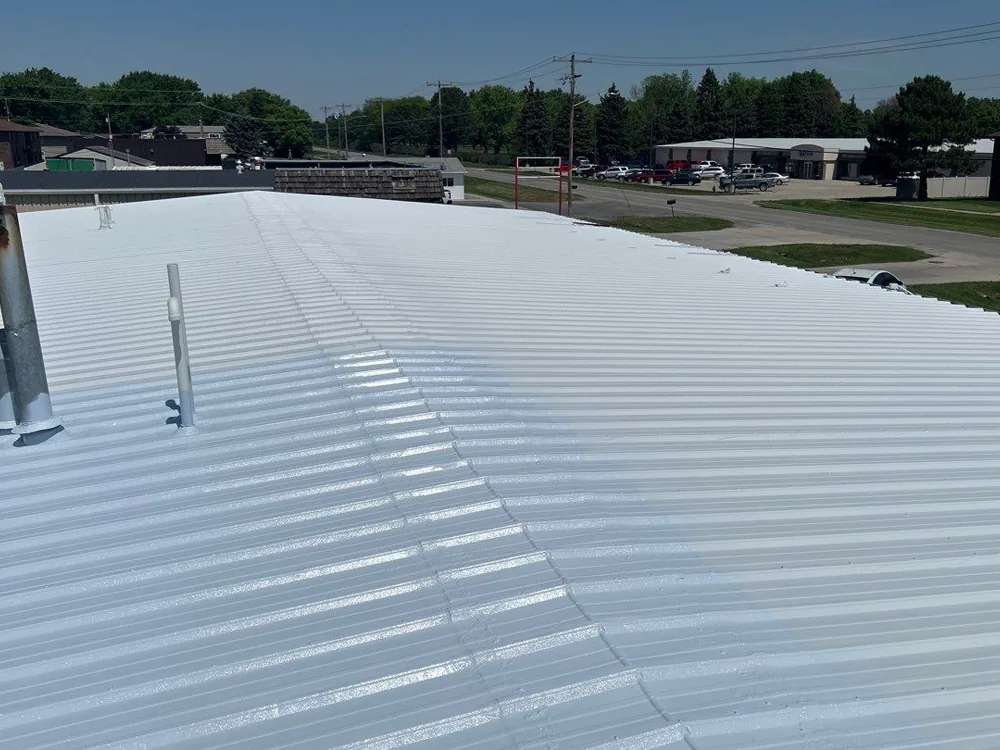
Commercial Roof Coating Restoration in Quincy, MA
Cold, damp weather can close the installation window for a coating before it closes the decision window for the roof. In Quincy, MA, restoration planning needs to establish substrate condition, drainage and curing requirements early enough to place the work in suitable weather. We assess those conditions before proposing a liquid-applied treatment. A sound roof may retain value through restoration, but the coating needs compatible, prepared construction beneath it and repaired details at its boundaries.
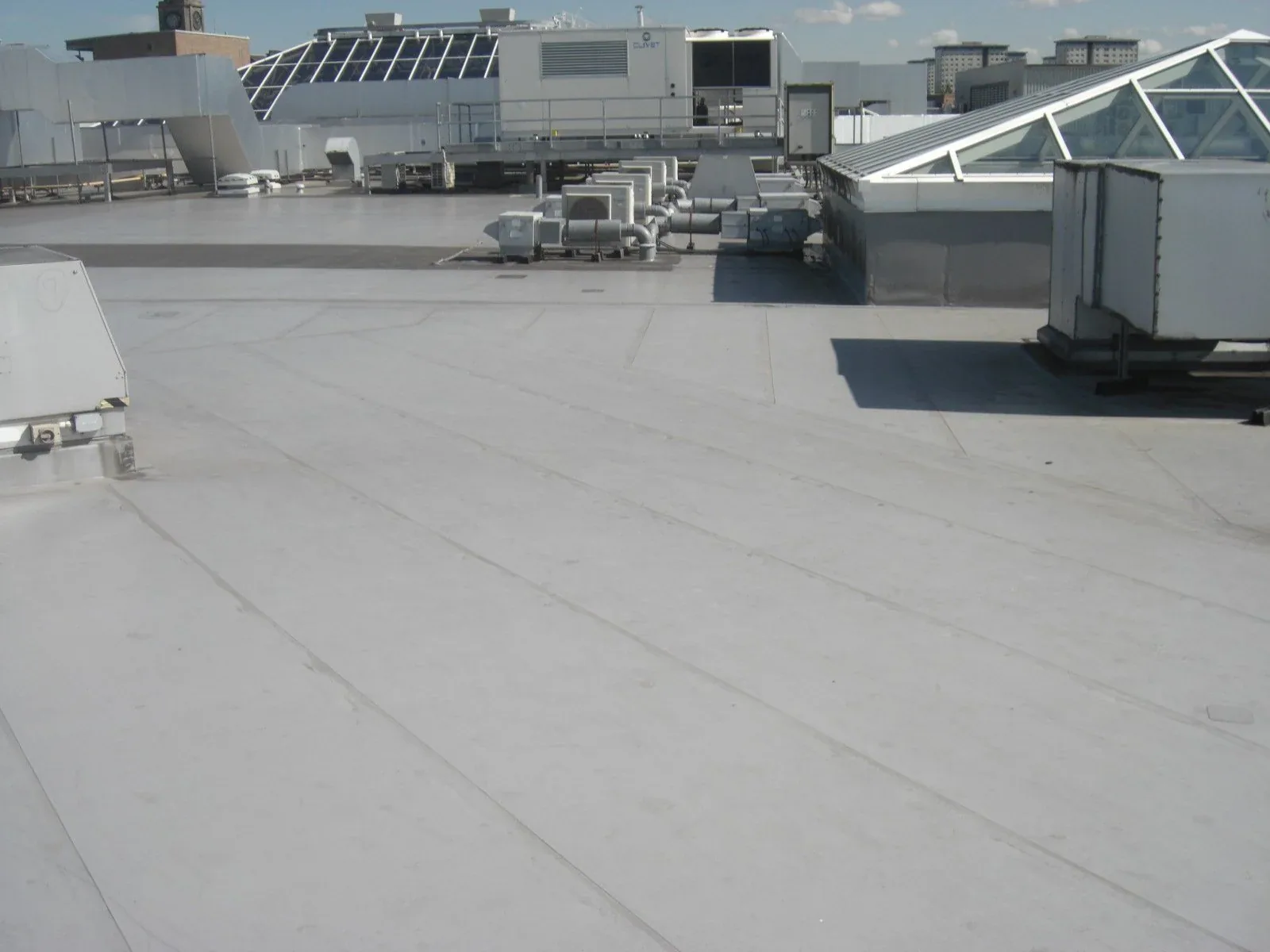
Commercial Roofing Quincy restores suitable commercial roofs with coating systems and the preparation their condition requires. We compare the existing surface with the intended treatment, then define cleaning, testing, repairs and application. The asset manager should be able to distinguish a complete restoration scope from an application that would leave the earlier leaks or wet insulation beneath a new surface.
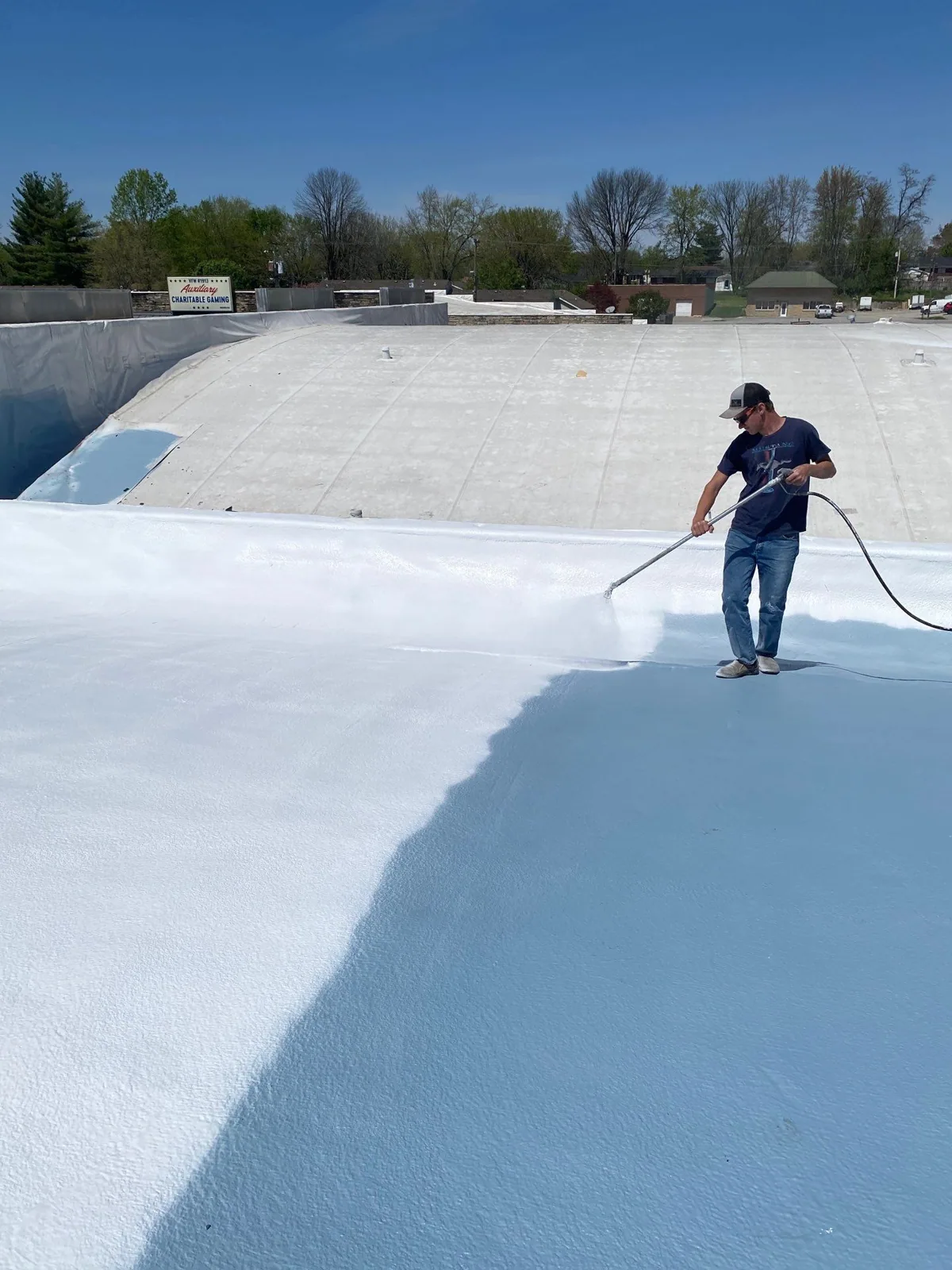
Establish a sound foundation
Loose material, contamination and moisture can prevent a coating from forming a useful connection to the existing roof. We inspect the assembly and identify areas requiring repair or removal before application. Existing coatings and repair products also need compatibility evaluation. A roof with scattered surface wear may be a candidate; deteriorated insulation, failed attachment or extensive unstable material can lead to a different recommendation.
Where water has entered the assembly, a moisture investigation with direct confirmation can help establish affected areas before restoration is considered. Suitable local removal may preserve the rest of the roof, while widespread deterioration may favor renewing the full assembly. We explain that boundary using the materials and condition found. A treatment should not be chosen solely because it avoids initial tear-off when the retained construction cannot support it.
Prepare the bonded surface
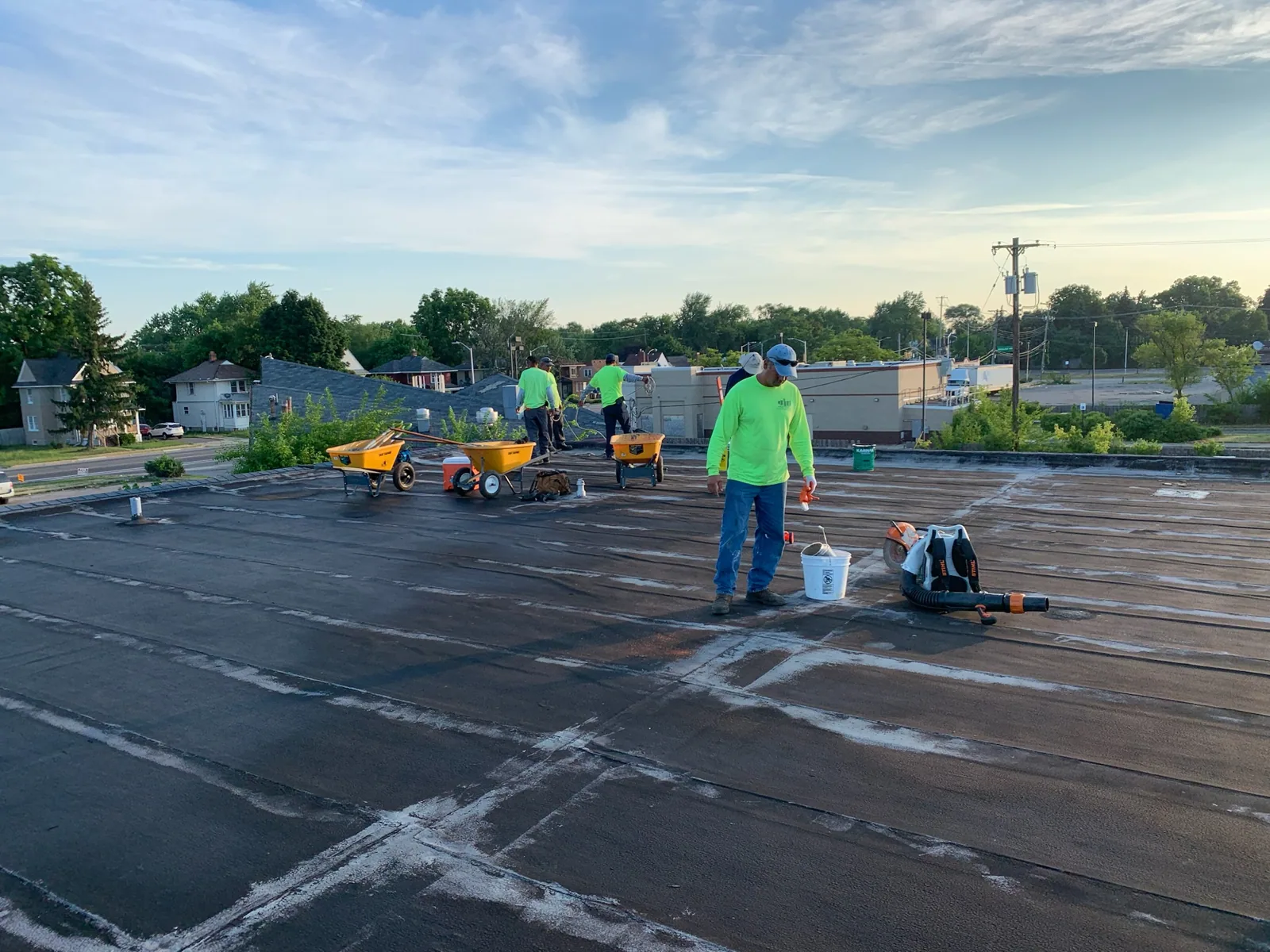
Cleaning needs to remove material that would interfere with adhesion without damaging the roof or allowing water into defective details. We select the preparation method for the substrate and address openings before introducing wash water where necessary. Dirt, grease, loose earlier coating and incompatible treatments can require different attention. The roof should reach the condition required by the selected product before application begins.
Adhesion testing at representative locations helps evaluate the proposed connection and any primer requirement. One clean test area should not substitute for assessing a contaminated service zone. We examine differences across the roof and identify where preparation needs to change. West Quincy includes dining businesses with café, pub and food-court uses. At a property with food-service exhaust, discharge contamination and material compatibility can materially affect the preparation scope.
Rebuild the vulnerable connections
Field coating does not automatically repair an open seam, loose termination or distorted curb flashing. We identify those defects and specify the appropriate repair or reinforcement before the main application. Some systems use reinforced treatment at seams and penetrations; other failures need removal and reconstruction of the detail itself. The work should restore the connection the water crosses, not simply disguise its surface.
A corner stretched by equipment movement may continue to split beneath an otherwise intact coating. We assess supports, securement and compatible repair methods so the cause is addressed. Reconstruction at penetrations and curbs can therefore be a separate part of restoration preparation. Drain and perimeter details need the same scrutiny. The owner should see those tasks identified individually rather than discover that a proposed coating area excluded the defects already responsible for leakage.
Compare the exposure
Silicone and acrylic systems have different application and service requirements. We compare drainage, substrate, slope, service traffic and the product’s suitability for the expected conditions. Silicone roof treatment may warrant consideration where intermittent standing-water exposure is relevant and the product permits it. An acrylic system needs particular attention to drainage and the application window. Neither option removes the need for a suitable assembly beneath it.
Hingham’s broad Route 3A shipyard corridor combines mixed-use development with office and manufacturing activity. On a property in that area, we compare coating suitability with equipment access, rooftop discharge and the condition of the existing materials. Frequent servicing may require defined walkways and suitable wear protection. We include those operating details in the selection so routine roof access does not repeatedly damage the restored surface.
Allow the cure window
Temperature, surface moisture, dew and forecast rain can affect whether a coating can be installed and cure correctly. We plan application around the selected product’s requirements and the conditions at the roof. A dry-looking surface early in the day may still be unsuitable if moisture remains at seams or temperatures approach the dew point. The installation sequence needs enough time for preparation, treatment and curing without exposing uncured material to unsuitable weather.
Quincy’s blizzard and nor'easter preparedness makes seasonal scheduling important, but the work window is established by the actual forecast and material requirements. We also coordinate outdoor-air intakes and access during application. West Quincy commercial properties with dining or private gathering spaces may need a sequence that protects those operations. The manager should understand which restrictions apply during preparation and cure before tenant events or equipment work are scheduled over the same area.
Maintain the restored assembly
A coating system needs inspection and appropriate upkeep after installation. We identify areas requiring protection from equipment traffic, debris accumulation or continued discharge. Future repair products must remain compatible with the restored surface. An unrelated contractor cutting a penetration or dragging equipment across the roof can create a new defect even where the coating remains sound elsewhere. Maintenance planning should account for those foreseeable disturbances.
We record the preparation and detail work as well as the installed treatment so later inspections can evaluate the correct assembly. Application thickness and coverage must meet the system requirements; a uniform color alone does not establish either. The restoration decision also has a limit: extensive concealed deterioration or recurring defects beyond a workable repair boundary may shift the next recommendation toward removal. We connect continued service with those physical conditions instead of promising a fixed extension regardless of the roof’s use.
Commercial Roofing Questions
Can coating work proceed before the wet areas are removed?
Confirmed wet or unsuitable materials need attention before the restoration assembly is installed over them. We establish the removal and rebuilding scope, then evaluate the prepared roof for treatment. A coating that conceals compromised insulation can leave the underlying problem unresolved. The repair boundary and the coating area should be clearly connected in the proposal.
Why does the quote include seam and curb work separately?
Those connections may require reinforcement or reconstruction beyond the field application. We identify the failed detail and choose a repair suited to its movement, material and condition. Treating the whole roof with the same application does not resolve every loose lap or low flashing. Separate detail items make the restoration scope more complete and easier to compare.
Should we choose the coating by its reflectivity alone?
Reflective performance is one consideration, alongside drainage, adhesion, contamination and future service traffic. We compare the complete system against the building’s actual exposure and the substrate it must bond to. A visually bright surface does not compensate for poor preparation or incompatible materials. The selection should first meet the roof’s physical and operating requirements.
What could delay a restoration project after preparation starts?
Unresolved moisture, failed adhesion checks or a forecast unsuitable for curing can require the sequence to change. We identify those conditions and protect any opened detail while the next step is determined. The manager should also keep equipment work clear of prepared or newly treated areas. Completing the application under unsuitable conditions can undermine the work already invested in preparation.