Infrared Roof Moisture Surveys in Quincy, MA
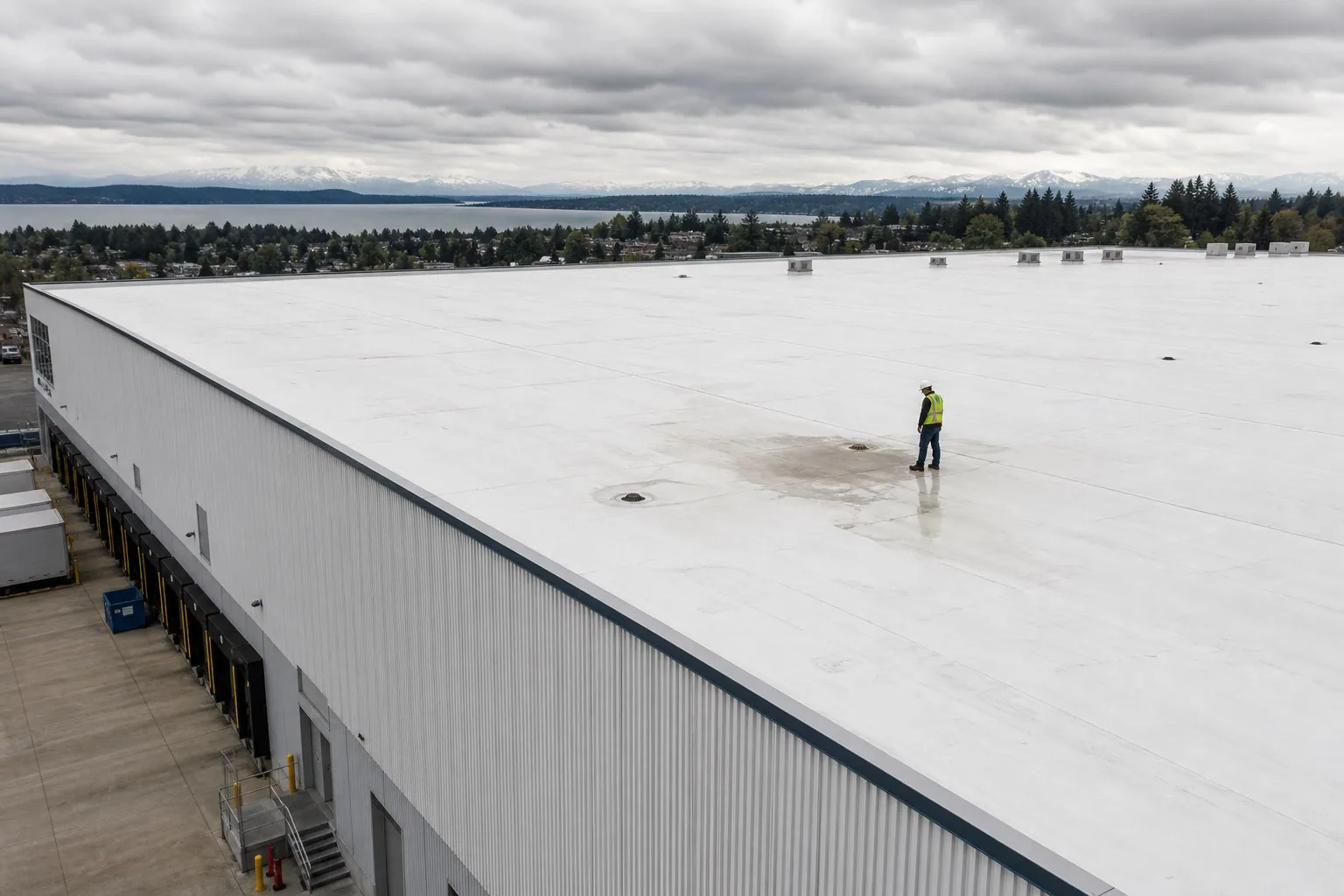
A clear break after prolonged wet weather can provide the heating and cooling contrast needed to investigate moisture beneath a commercial roof. For an asset in Quincy, MA, that opportunity can change the decision between replacing wet sections and retaining suitable construction. We first evaluate whether the assembly and weather will produce useful thermal information. An infrared survey needs a roof-specific method, a planned confirmation step and a clear question about the materials the owner proposes to keep.
Commercial Roofing Quincy performs infrared moisture investigations and core-cut checks for commercial roof assessments. The survey identifies thermal patterns for further examination; direct checks help determine what those patterns represent. We connect the findings to a proposed roof recover, repair boundary or replacement scope so the manager can make a retention decision based on the assembly rather than its surface appearance.
Use the cooling contrast
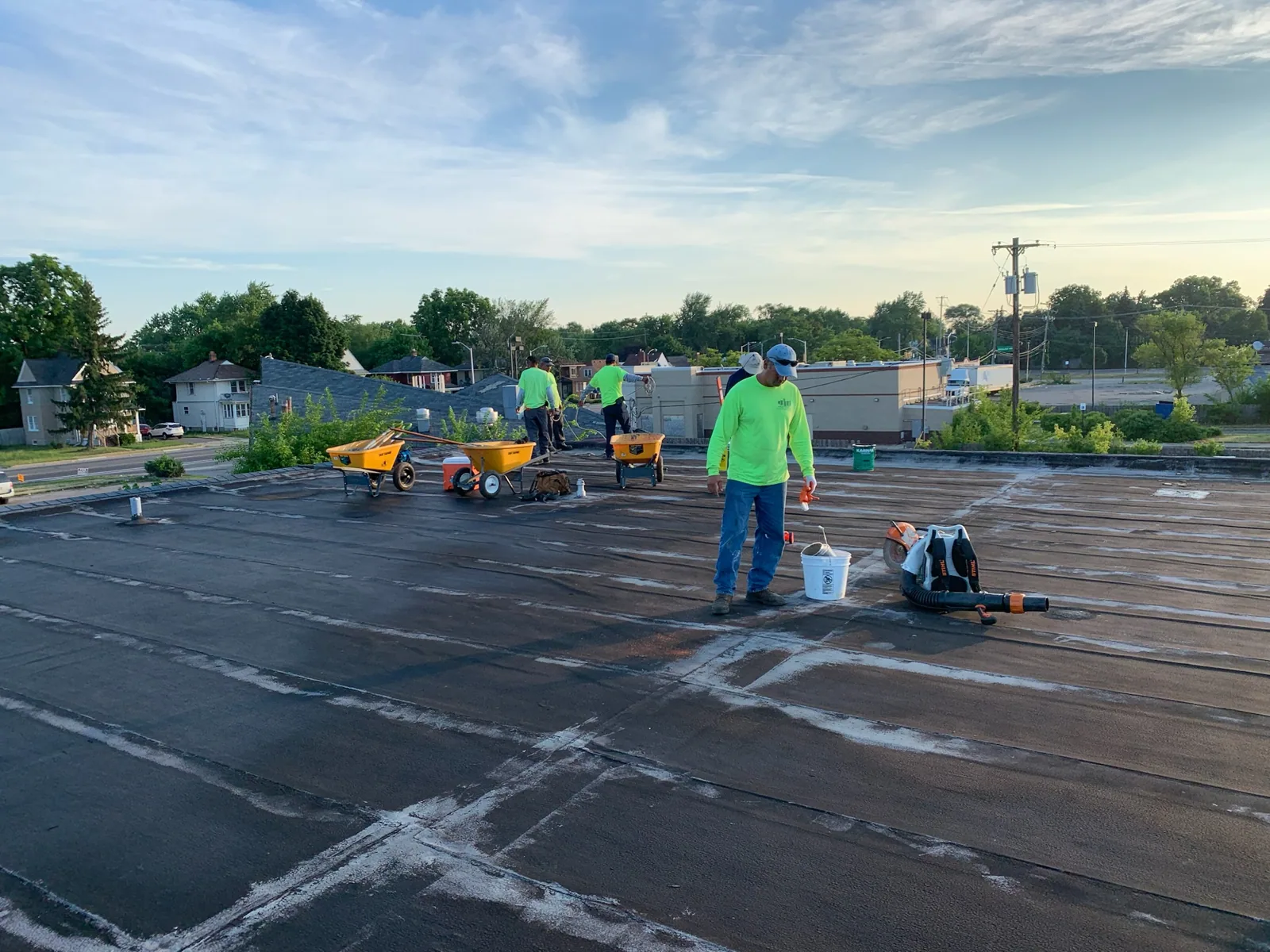
Moisture within suitable roof insulation can affect how an area stores and releases heat. After the roof receives enough solar heating, a wet area may cool differently from neighboring dry construction. Infrared equipment records surface temperature patterns associated with that difference. It does not look through the membrane like an open cut. We interpret the pattern against the assembly, surroundings and weather rather than treating every warm area as wet insulation.
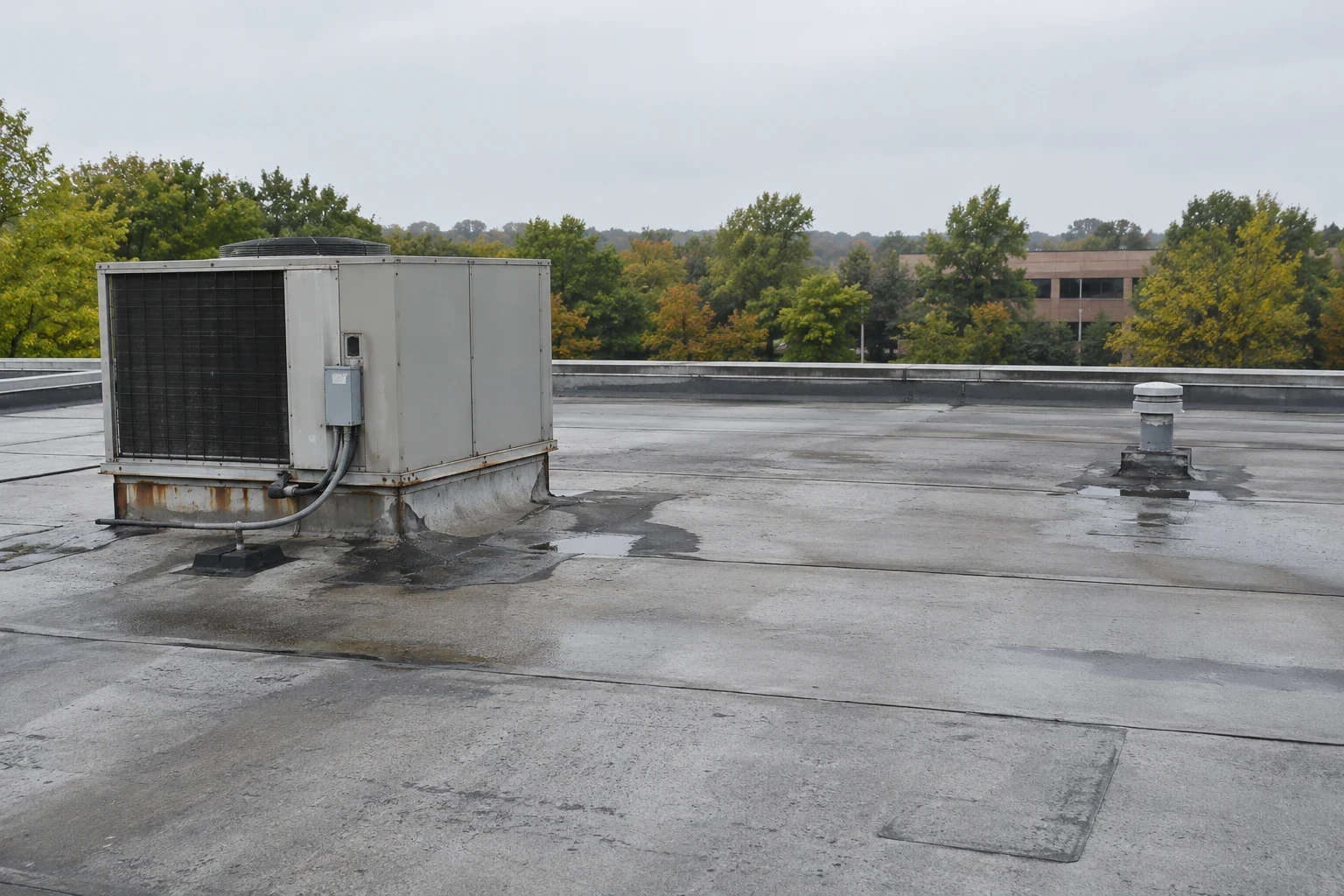
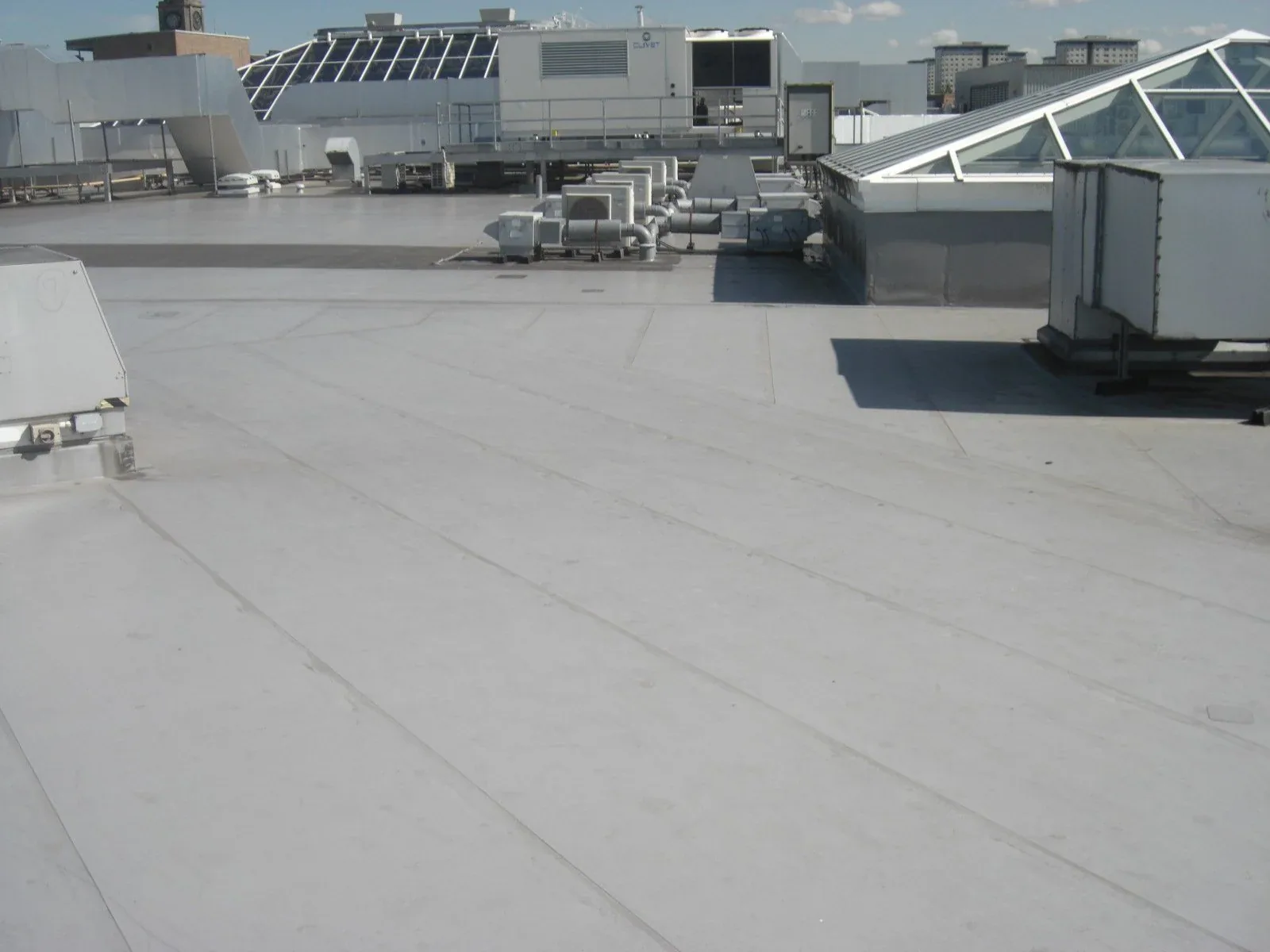
Insulation type, membrane properties, ballast and other layers can change the signal or limit the method. Roof equipment, shadows and earlier repairs can also create thermal contrasts unrelated to moisture. We examine the construction and identify those features before planning the scan. A roof with several different build-ups may need separate interpretation by area. The manager should know which areas are suitable for the method and where another investigation approach would provide a more reliable condition comparison.
Wait for a useful window
Surface water, insufficient solar exposure or changing wind can reduce the usefulness of a thermal survey. We assess the forecast, recent precipitation and the condition of the roof surface before selecting a work window. Appropriate heating followed by cooling is part of the investigation, not a scheduling inconvenience to be ignored. Performing a scan under unsuitable conditions can leave important areas indistinct or create patterns that are difficult to interpret.
Quincy’s preparedness concerns include nor'easters and blizzards, which can leave surfaces wet or snow-covered. The survey may need to wait until those conditions clear and the assembly can be evaluated safely. During active interior wetting, leak investigation and entry repair may take priority. Thermal mapping can follow to assess the moisture remaining beneath the closed opening. The two tasks have different timing and answer different questions for the occupied building.
Open the representative areas
A core opening provides a direct view of the layer sequence and condition at that location. We select confirmation points to compare suspect thermal areas with apparently different surrounding construction. The sample can help establish insulation type, moisture and substrate condition. One opening cannot describe every hidden area, so the selection should respond to the pattern and the decision being made. We explain the significance of each sampled location.
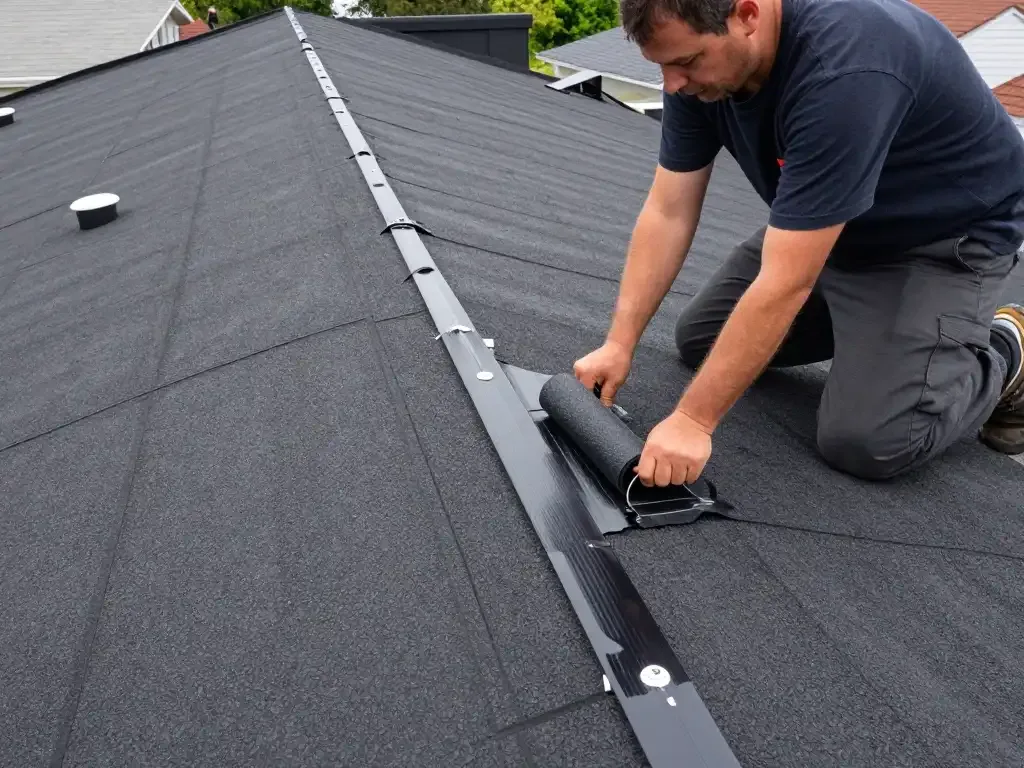
Openings need permission, suitable access and compatible closure. We plan them so the investigation does not leave an unprotected penetration in the covering. Samples and field observations are then compared with the thermal map. Where the results disagree, the investigation may need more checks or a revised interpretation. Physical roof examination provides Diligence Notes from seams, flashing and drainage, helping connect the confirmed moisture with a likely entry or persistent exposure.
Define the removal boundary
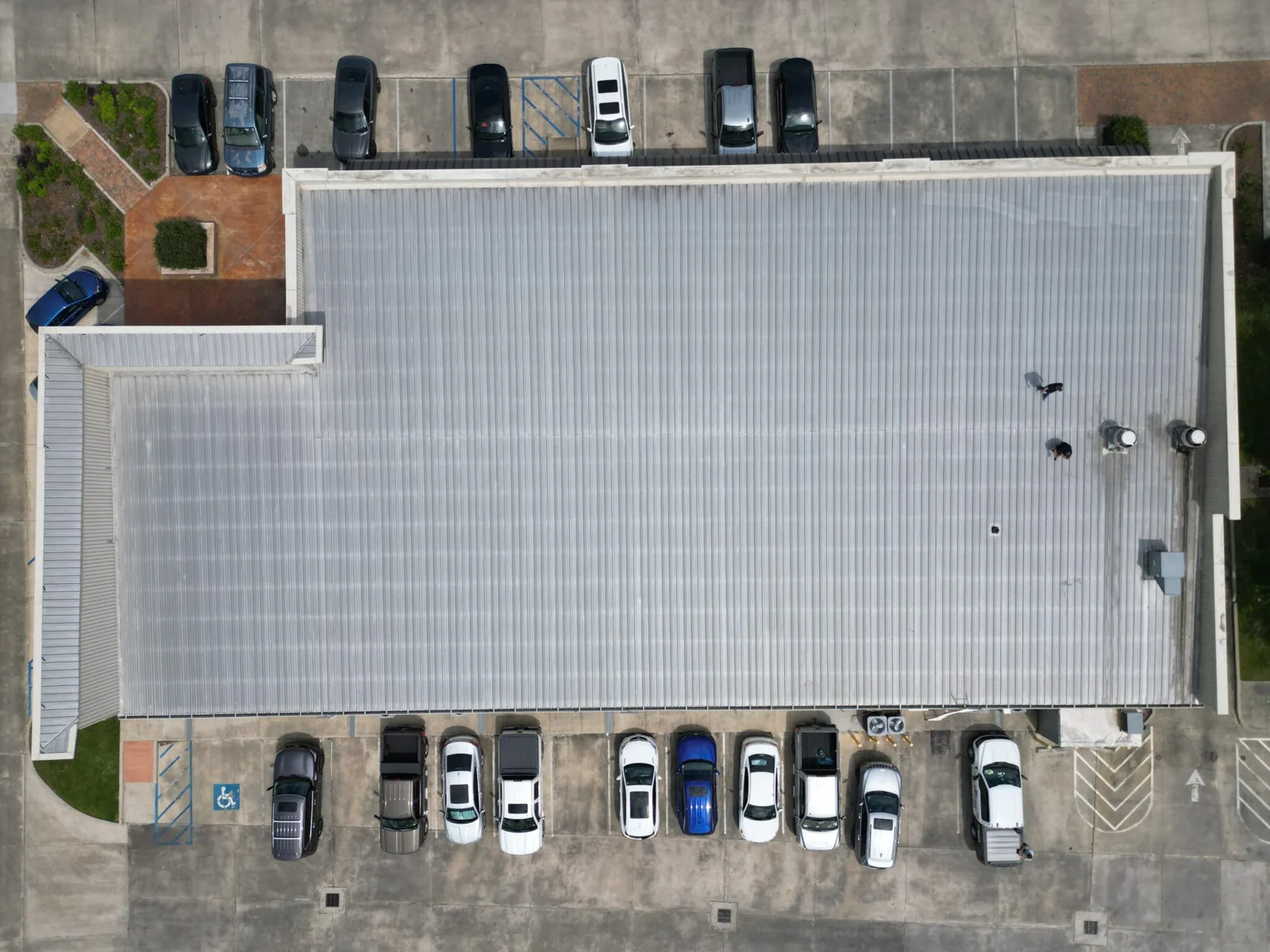
A moisture finding becomes a scope decision when it is tied to an identifiable roof area. We map suspect and confirmed conditions and identify the limits of the investigation. The proposed removal perimeter should allow new material to meet suitable retained construction. A thermal pattern may guide that boundary, while field confirmation and conditions exposed during work establish whether it needs adjustment. The repair should reach dry, serviceable material rather than stop at an arbitrary outline.
For an office property in Quincy Center, the manager may be comparing roof areas over different tenant spaces. The downtown includes office and retail uses as well as civic buildings. We connect the mapped area with access and interior operating needs so selective removal can be planned. A condition drawing also helps avoid confusing one roof level’s findings with an adjoining section that has a different assembly or drainage exposure.
Separate retention from renewal
Confirmed wet insulation can change an apparently economical surface treatment into a removal project. We assess how widely moisture extends, whether the deck is affected and what can remain useful. Confined wet areas may support selective replacement, while extensive saturation or unsuitable underlying construction can favor a broader scope. The assessment should distinguish those outcomes before the owner commits to an overlay or coating that would conceal the same compromised material.
Marina Bay has office, assisted-living, dining and residential properties. The operating cost of opening a roof above occupied rooms matters alongside the condition found beneath it. We help compare selective removal with full assembly replacement using the same moisture findings and protection requirements. A treatment decision should also account for attachment and drainage. A silicone coating system requires a suitable existing roof; moisture mapping alone does not establish every condition needed for its use.
Keep the interpretation attached
Thermal images need location, timing and an explanation of the observation to remain useful. We retain the relationship between the image, roof-area map and confirmation checks. The manager should be able to tell which locations were sampled and how they relate to the recommended work. A dramatic color pattern without that context can be difficult to use during design or to compare with conditions found when removal begins.
Condition findings that distinguish confirmed moisture from suspect areas support a better scope comparison between bidders and trades. We also identify construction or access that limited the survey. Later work may expose more information and require the removal boundary to change. The purpose of the assessment is to make that decision informed and traceable, while avoiding an unsupported claim that the first scan established every concealed condition across the roof.
Commercial Roofing Questions
Can a moisture survey justify keeping most of a leaking roof?
It can help identify confined wet areas where the remaining construction is suitable, but retention also depends on attachment, deck condition and project requirements. We compare the thermal findings with direct checks and the leak history. A repair or recover proposal should identify what remains and why. Moisture distribution is an important part of that decision, not the only eligibility test.
Why might a bright thermal area turn out to be dry?
Equipment heat, shade patterns, different insulation and earlier repairs can create temperature differences. We compare the image with those physical features and use confirmation checks to test the interpretation. The purpose is to distinguish likely moisture from other thermal behavior. A color difference should not become a removal quantity until its meaning has been adequately investigated.
Should core samples be taken only where the camera shows a concern?
Comparison points outside suspect areas can help evaluate the pattern and establish how apparently dry construction behaves. We select the locations for the assembly and the project question. An isolated sample may need further investigation if it conflicts with surrounding evidence. All openings are planned for suitable closure so the moisture investigation does not introduce a new entry point.
What changes if the survey cannot produce a clear thermal pattern?
We identify the limitation and recommend another suitable approach rather than assigning wet or dry condition from an unreadable image. Additional direct checks, another weather window or a different assessment method may resolve the question. The next step should be proportionate to the retention decision. A coating or recover commitment should wait where unresolved moisture could materially change its scope.