Rooftop Equipment Curbs and Supports in Quincy, MA
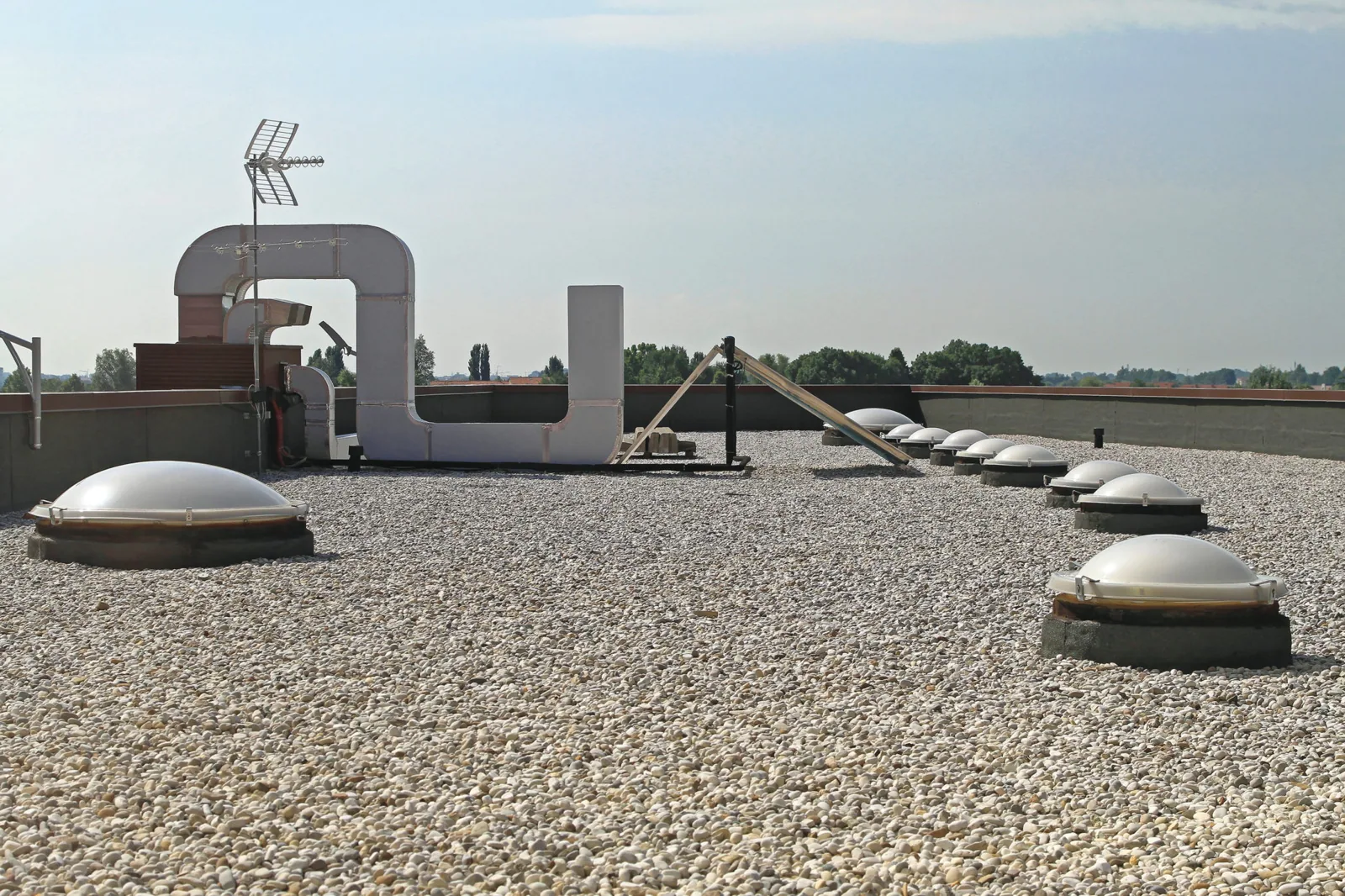
Freeze-thaw wetting around a displaced pipe support can turn equipment access into a membrane repair problem. On a Quincy, MA, commercial building, the next equipment change should account for how the load reaches the structure and how water moves past the support. We assess those relationships with the roof connection. A unit that operates correctly can still sit on a curb or support arrangement that compromises the covering beneath it.
Commercial Roofing Quincy installs and repairs roof-related curb, equipment-support and pipe-support details in coordination with the appropriate mechanical and structural trades. We identify the existing assembly, the planned roof height and the flashing work required. The asset manager can then compare the equipment project with the roof’s remaining service instead of approving a new unit while leaving its support and water connection unresolved.
Establish the load path
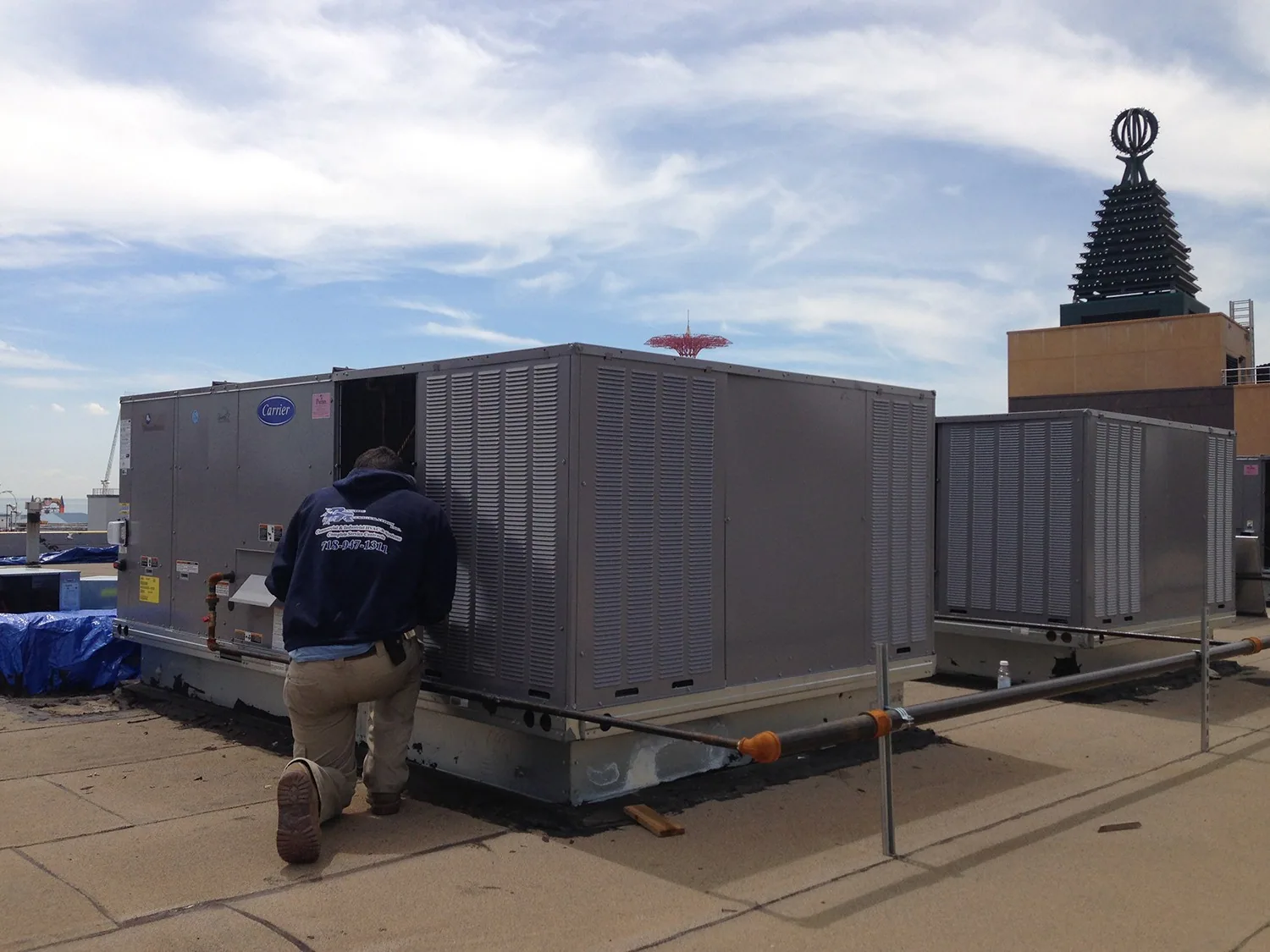
Equipment weight needs suitable structural support. The membrane and insulation cannot be assumed to carry a unit merely because there is enough visible roof space for it. We coordinate the roofing detail with the structural requirements and examine accessible signs of compressed material, displaced supports or deterioration. New or changed loading needs the appropriate engineering assessment before installation. The roofing scope then follows the approved support arrangement.
Support systems can spread load, connect through the roof to structural framing or use other designed approaches. Each has different implications for flashing, movement and access. We identify how the proposed assembly meets the roof and which materials need removal or rebuilding. At a manufacturing property with changing rooftop equipment, this coordination can determine the order of the equipment and roof work. A functioning support should protect the structure and leave the surrounding assembly maintainable.
Measure the finished height
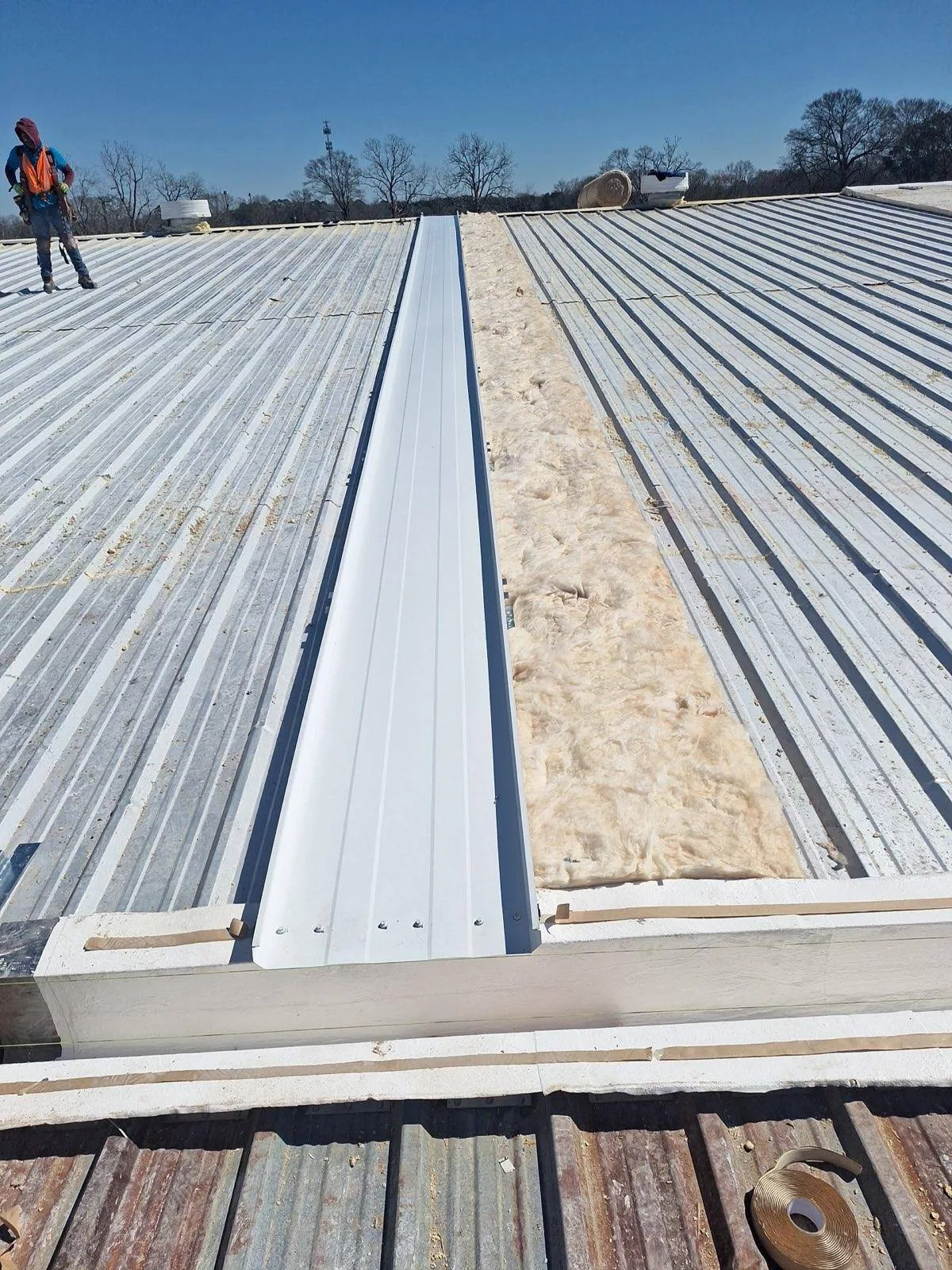
An equipment curb needs enough usable height for the roof flashing and its termination, with a suitable connection to the unit or curb adapter above it. Added insulation during renewal can reduce that available height. We compare the planned finished surface with the curb and identify extensions or reconstruction where required. The equipment installation and roofing detail should be resolved together before the new build-up is placed.
Insulation and cover-board changes affect more than the central roof field. They can alter curb steps, drainage approaches and access beneath equipment. We identify those interfaces in the scope so a manager can see why a curb adjustment accompanies the thermal or membrane upgrade. Reusing an unsuitable low connection can leave the new covering exposed to the same water entry even where the surrounding field has been replaced.
Support lines without abrasion
Pipe and conduit supports need to hold service lines without concentrating damage at the membrane. Movement, a sharp contact point or a loose support can wear the covering as temperatures and equipment conditions change. We inspect the contact arrangement and any protective separation required by the roofing system. Supports also need to remain stable while accommodating the movement their design permits. The correction should not simply glue a shifting component to the membrane.
Water should be able to pass the support rather than collect behind it. We assess spacing and the route to nearby outlets, then coordinate with the responsible service trade where repositioning is needed. Flashing at service penetrations receives separate examination because support adjustment can change the load at that connection. A pipe boot that has repeatedly split deserves evaluation of the line’s movement as well as repair of the roof material.
Regular service access can also disturb loose supports. We identify practical routes and protection so technicians can reach valves and connections without dragging equipment across the covering. A support correction should leave those components accessible, not bury them in a location that makes the next maintenance visit damage the same roof area.
Clear the uphill side
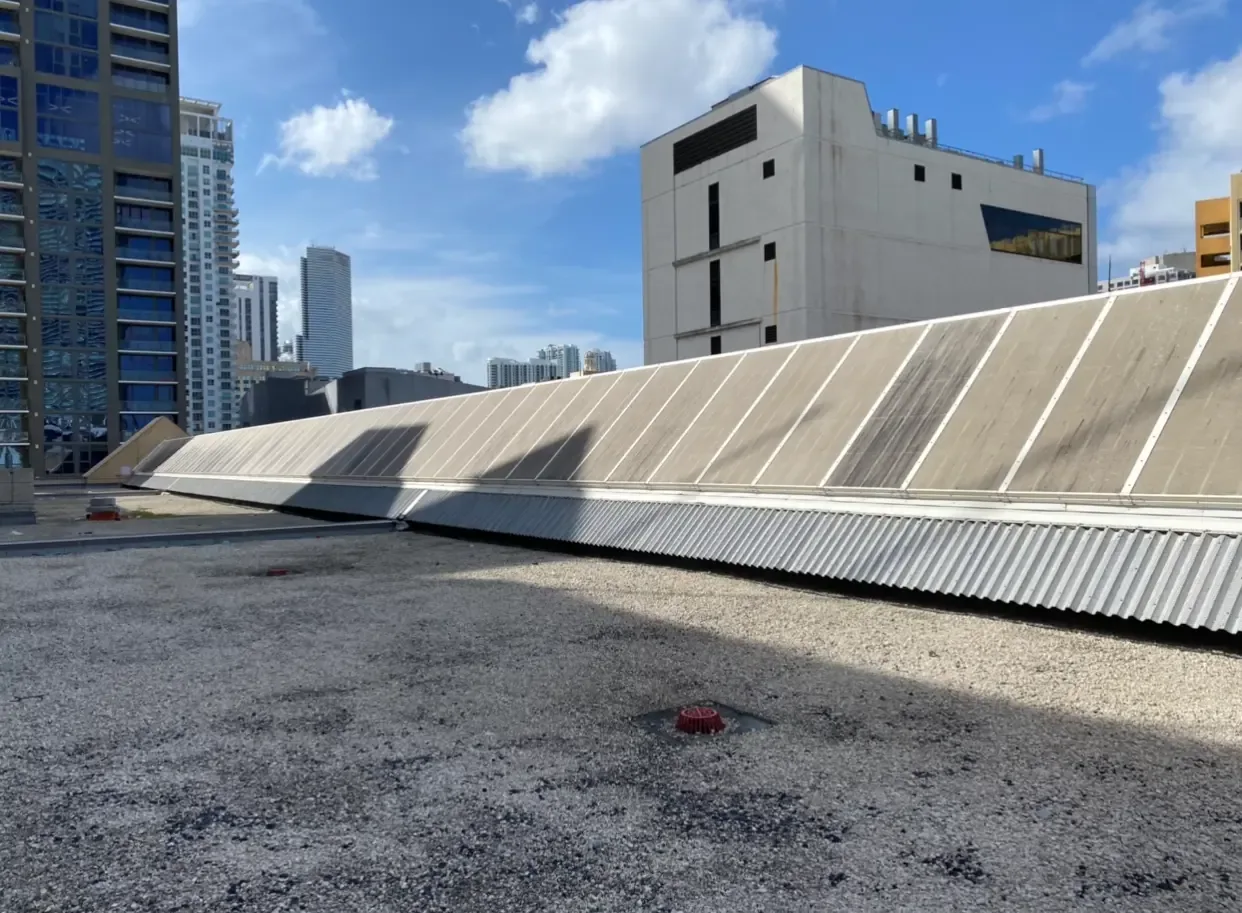
A broad curb can interrupt runoff and hold water against its uphill flashing. We examine the approach and consider a cricket or tapered transition where that can direct flow toward a suitable outlet. The correction needs appropriate transitions into the surrounding assembly. Creating a ridge without evaluating the wider route can shift the pool rather than remove it.
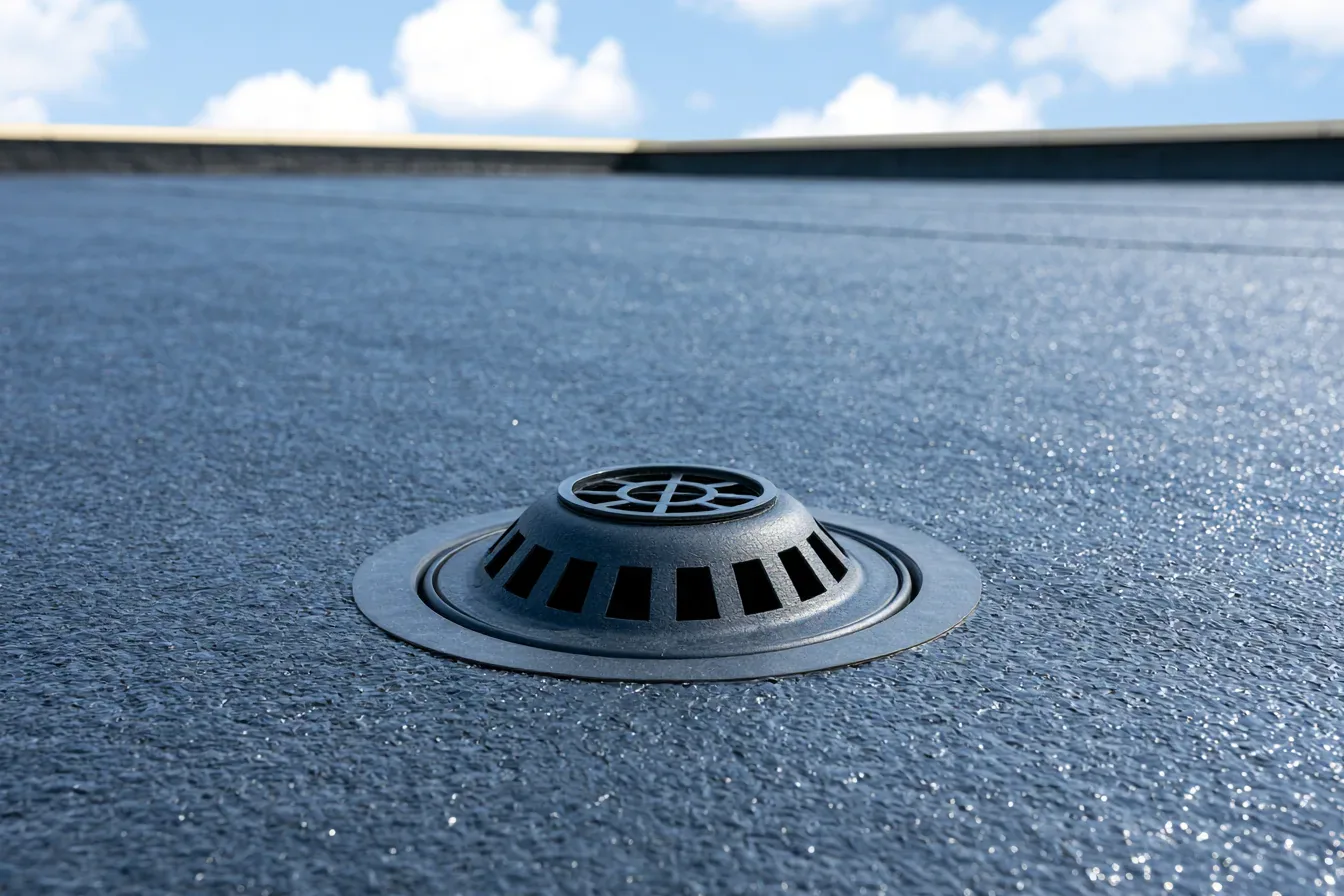
Drainage evaluation around equipment helps establish where the water should go. Quincy’s winter-storm preparedness includes blizzards and nor'easters, making safe winter access and meltwater movement practical considerations. At an occupied roof, a persistent wet area near service equipment can also increase foot-traffic damage. We identify both the drainage condition and the access issue instead of repeatedly repairing punctures while the obstruction remains.
A built-up roof assembly and other layered systems need compatible reconstruction where supports or curbs are altered. Removal may expose wet or loose underlying material, which changes the workable tie-in. We evaluate that condition before treating the equipment adjustment as a surface-only detail.
Coordinate the equipment interruption
South Hingham has offices and manufacturing activity, including power-control and food-production uses. For an operating property there, lifting a unit or changing a support may require a planned mechanical interruption as well as a roof work window. We identify the trades and steps needed to complete the connection. The roof should not be opened before the equipment work required for closure can proceed.
South Quincy contains Crown Colony Office Park near I-93 and Route 3. On an office asset, the manager may need to coordinate ventilation and occupied rooms beneath the curb work. We define temporary weather closure, intake protection and access restrictions for the actual scope. During roof renewal above active operations, equipment changes can be sequenced with the section being rebuilt so completed roofing is not immediately reopened for a separate installation.
Following the work, we identify the repaired flashing and support arrangement for future service visits. Equipment contractors should know where the roof connection can be disturbed and what access protection is intended. That helps preserve the new detail while keeping the mechanical installation usable.
Commercial Roofing Questions
Can a heavier replacement unit use the existing curb?
Its support and the structure need evaluation for the changed load and connection requirements. We coordinate the roofing work with the appropriate engineering and mechanical decisions, then assess curb height and flashing condition. Physical fit alone does not establish suitability. The proposal should distinguish equipment support from the roof detail needed to keep the completed opening watertight.
Why do pipe supports leave damaged spots in the covering?
Movement, concentrated pressure or unsuitable contact material can abrade or compress the assembly. We examine the support and surrounding membrane to identify the mechanism. The correction may involve relocation, protective separation or another designed support arrangement, with the service trade involved where needed. Repairing the damaged surface without addressing the contact can repeat the same defect.
Should curb work happen before a roof replacement?
Coordinate it with the replacement sequence and the planned finished roof height. Extensions or support changes may need to precede insulation and flashing, while equipment lifting can require another trade’s schedule. We identify those dependencies early. Completing the new roof first and reopening it for an unresolved curb change can add exposure and disrupt finished work.
What should be inspected after equipment servicing?
Check the service route, supports and flashing for disturbance, debris or new openings. We identify the relevant details during the roofing assessment so the manager knows where repeated work can affect the assembly. A moved pipe or loosened support deserves follow-through. Keeping the equipment operational and keeping its roof connection intact require attention to both systems.