Commercial Roofing in Wollaston, MA
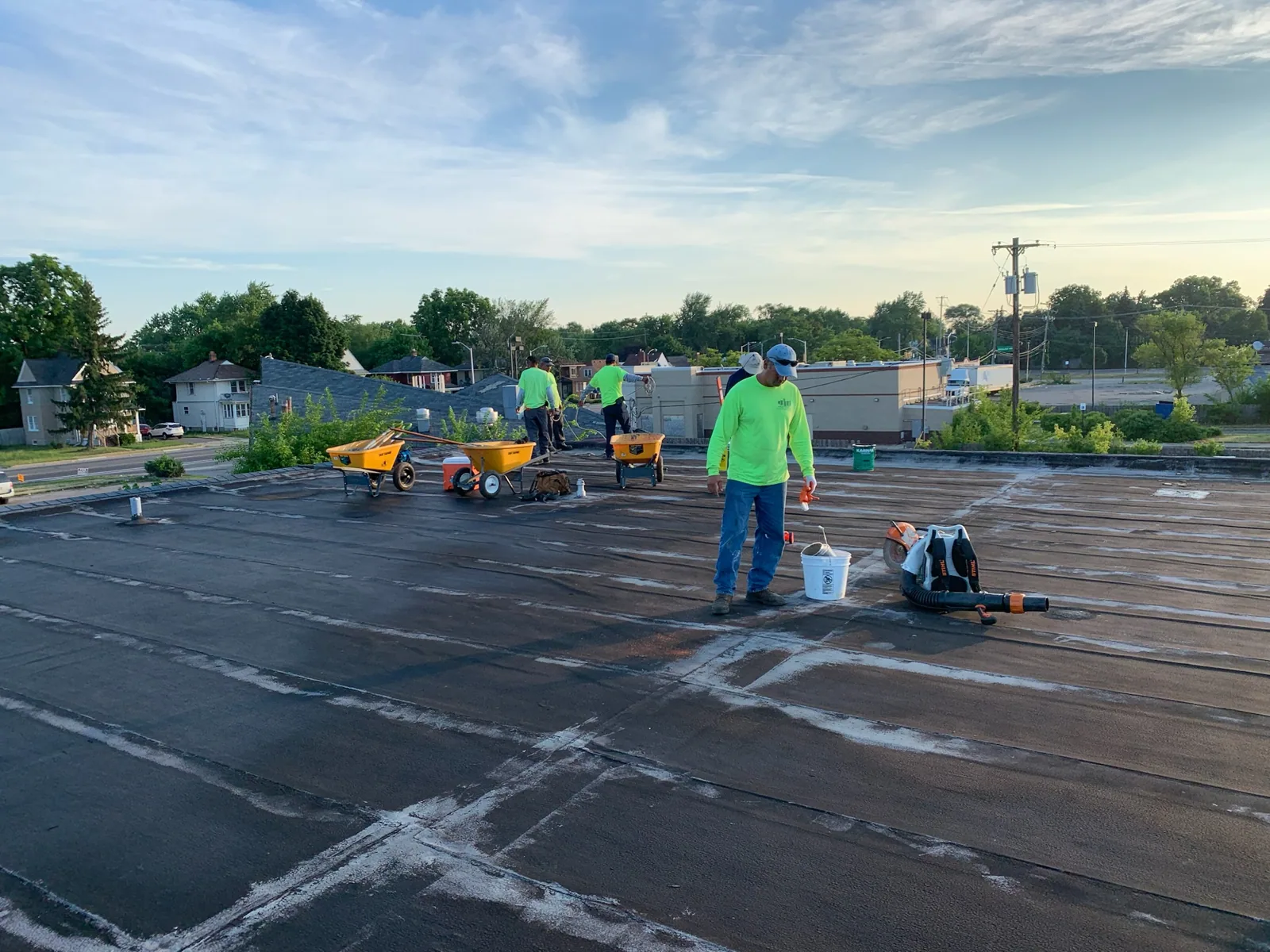
A commercial roof in Wollaston may sit above a neighborhood shop, civic use or a mixed commercial property, so the first useful comparison is the building's actual assembly and operating schedule. Hancock Street, which carries Route 3A, divides Wollaston Park from Wollaston Heights. A leak along either side still has to be traced on the roof. We inspect seams, penetrations, drains, edge metal and transitions at adjoining construction, then link each finding to the decision it changes. The owner can separate immediate water control from concealed-moisture testing and long-term renewal planning rather than treating every ceiling stain as the same scope.
Follow the Commercial Corridors
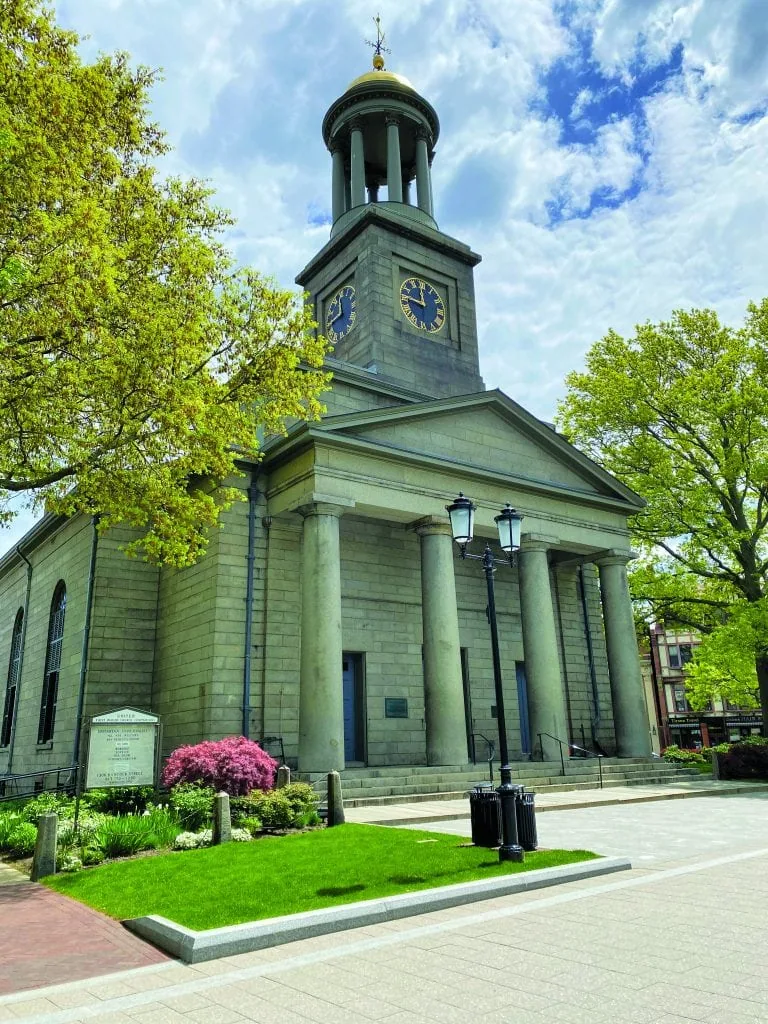
Neighborhood-serving businesses line Newport Avenue, Beale Street and Hancock Street, with Wollaston Branch Library and the fire department among the district’s civic uses. Commercial and retail properties bring different roof and access questions. Those uses create different roof and access questions. A shop entrance cannot share an uncontrolled work zone with material handling; a civic building may require continued access and coordination with its facilities staff. We confirm the route from staging to the roof, roof hatch rules, interior spaces that need protection and any hours when noisy removal would interrupt operations.
Each commercial property deserves its own condition record. We do not infer roof type from the corridor or the age of nearby storefronts. The inspection identifies the actual membrane or metal assembly, past patches, drainage details and condition at the edge. For a portfolio that also includes Quincy Center or North Quincy, a common reporting method makes comparisons easier while leaving each repair recommendation tied to its own roof.
Map Drainage Before Surface Work
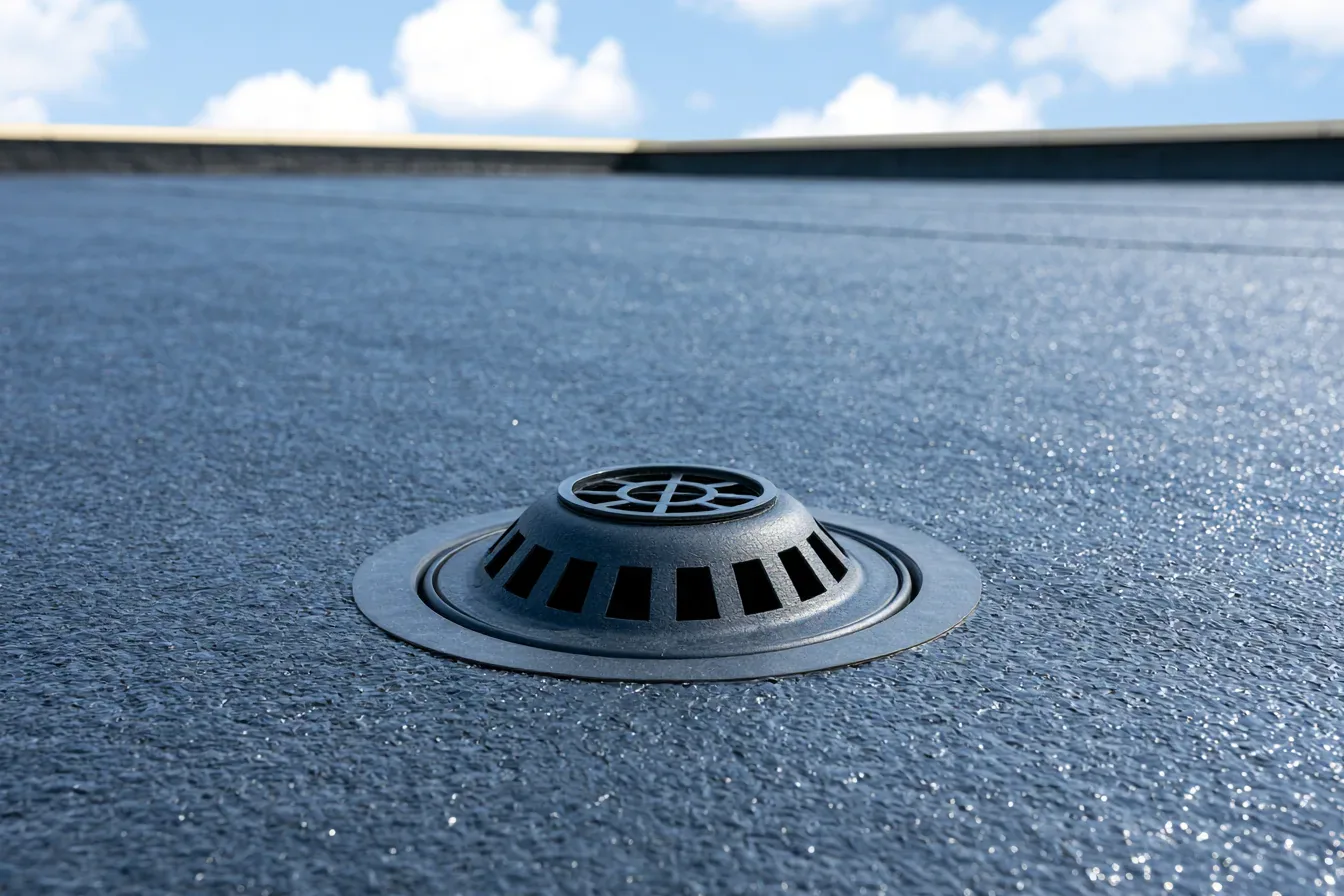
Route 3A on Hancock Street is a defining corridor, but a roof's drainage path begins at its own slope and outlets. We check whether water reaches the designed low point, whether strainers are clear and whether overflow openings can discharge. Ponding near a parapet, curb or seam can keep a defect under water for longer than nearby areas. That condition can accelerate deterioration, yet a coating will not correct an obstructed drain or reverse a poorly sloped deck. We document the outlet, surrounding membrane and any insulation or deck concerns before selecting a repair method.
When a leak is active, the interior location helps us choose where to begin, not where to stop. We compare the reported path with rooftop equipment, wall transitions and adjacent penetrations. If readings suggest moisture below the surface, an appropriate survey or selective opening can define the area for removal. Our drain and scupper service addresses outlet details, while leak repair connects interior evidence with a roof-side diagnosis.
Plan Around Weather and Occupancy
Quincy prepares for nor'easters, blizzards, hurricanes and flooding. We translate those seasonal concerns into roof checks: clear drain bowls, verify overflow routes, document edge terminations and inspect exposed flashing after severe weather when access is safe. A condition record should separate temporary protection from permanent repair and identify any area that still needs closer examination.
Occupied property adds another schedule. A work zone might need to stay clear of customer access or civic services. For replacement, we phase removal so open areas can be secured before crews leave. The team coordinates materials, daily weather protection and any mechanical work that must be paused. In a smaller roof repair, we keep the boundary close to the proven defect while still checking nearby details. A plan based on the actual use of the Wollaston building is easier to execute than one borrowed from a different property.
Compare Repair and Renewal on Findings
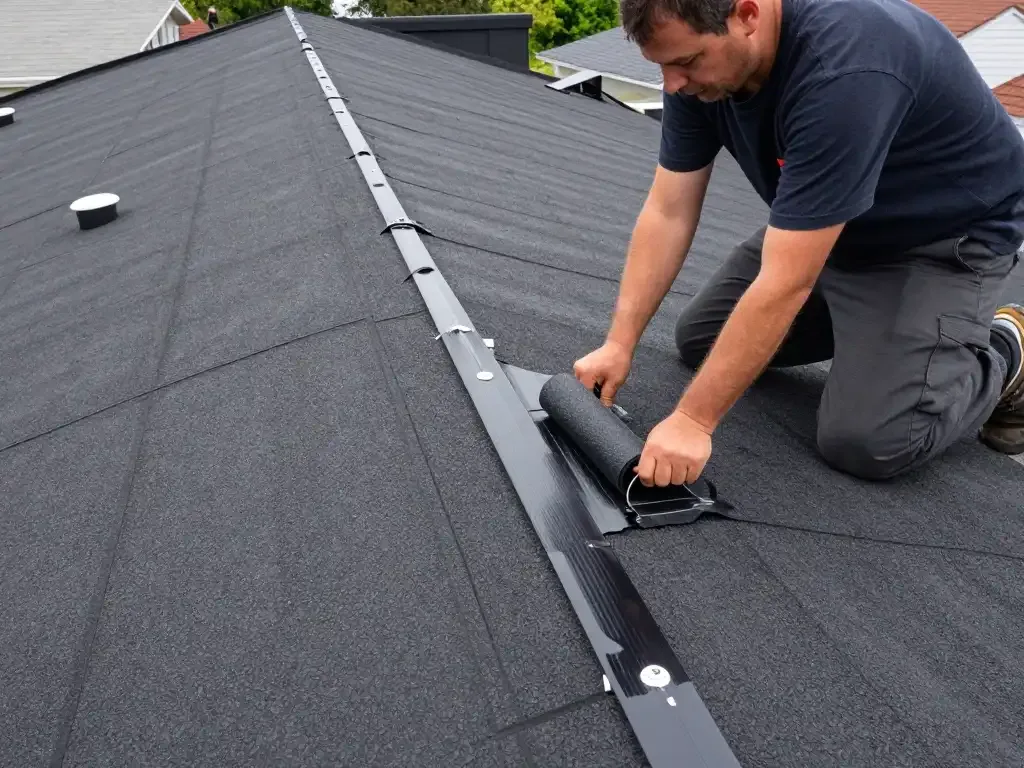
A sound membrane around a puncture can support a localized repair; repeated seam failure or wet insulation may call for broader work. We determine which condition exists by checking the assembly around the reported defect. An EPDM splice, welded thermoplastic seam, metal panel joint and coating transition each need compatible materials and preparation. The substrate must be dry and stable enough for the selected repair. If a previous repair separated, the cause may be movement, moisture, contamination or an incompatible patch. We document that condition before repeating the same work.
Budget review also benefits from separating the near-term repair threshold from a future renewal date. We note which items should be corrected now to prevent interior exposure, which require monitoring, and which can wait until a larger construction window. That keeps a cracked sealant joint from becoming a false reason to replace a broad roof area. Conversely, recurring water at several details can show that isolated patches are no longer containing the condition. We give the owner the observed pattern and the work that would test it, then compare the cost and disruption drivers of each path without promising a savings figure.
A recover may reduce tear-off, but the roof layers, moisture, final height and project requirements must allow it. Replacement exposes the deck and permits insulation work while requiring a larger area to be opened and protected. We compare these choices with replacement planning and inspect the assembly before selecting a modified bitumen system or another option. For properties with a maintained service record, preventive maintenance can address small changes before a larger scope becomes necessary.
Keep Future Decisions Connected
A roof report has value when another manager can understand what happened and where. For repeat inspections, the roof-zone map can retain fixed labels for edges, drain groups, equipment clusters and prior repair boundaries. That lets a manager compare findings without treating each new photograph as a new defect. We label roof zones, pair images with specific observations, include leak dates when the owner has them, and list recommended next steps. The report also identifies what a visual review cannot settle. If the owner needs to know whether insulation is wet beneath a broad area, we explain the test that would confirm it. If the question is an isolated edge detail, we document that connection and the repair boundary. This distinction prevents uncertain items from being counted as confirmed damage.
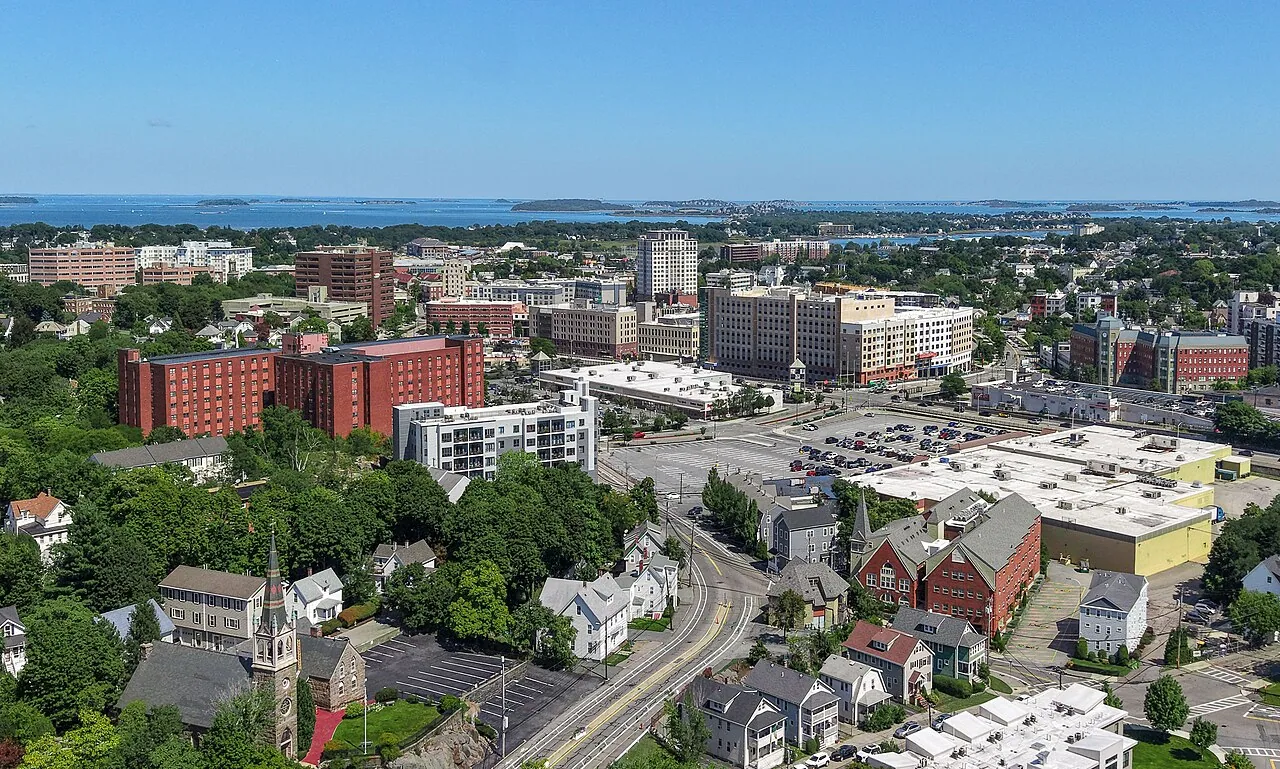
Wollaston sits beside North Quincy, Quincy Center, Quincy Bay, Merrymount and Milton. The district relationships help an owner group inspection scheduling, while actual findings determine each property's service priority. We can place the report in a capital-planning review or a multi-site roof program without blending unrelated assemblies together. A later visit can compare each drain, seam and patch with its prior condition and update the remaining-service view.
Commercial Roofing Questions
Does Route 3A traffic affect the roof itself?
No, roadway activity does not establish a roof condition. It can affect staging and deliveries, so we confirm the building's approved loading and access plan separately from the roof inspection. We confirm curb space and building approvals as separate constraints before choosing the material route.
Are older Wollaston storefronts always candidates for replacement?
No. Nearby architectural age does not reveal a roof's layers, moisture or remaining service. We inspect the actual assembly and compare repair, recover and replacement against its condition.
How do you keep civic access open during roofing?
The property representative identifies public routes and service hours. We set material movement, protection and work boundaries around those requirements before the first roof section is opened. If a public entrance must remain available, we sequence material movement and temporary protection to preserve the agreed route.
Can a coating fix ponding near a parapet?
A coating may protect a compatible, prepared surface, but it does not correct blocked drainage or deck slope. We inspect the water path and outlet first, then decide whether coating belongs in the scope.