Preventive Commercial Roof Maintenance in Quincy, MA
Leaves and service debris left through autumn can restrict an outlet before the first sustained freeze. A maintenance program in Quincy, MA, should address that developing condition while also tracking membrane damage and flashing movement through the year. We connect each visit with the roof’s construction and the activity above it. Cleaning a drain preserves a water path; repairing an opening preserves the assembly. Both matter, but they are different tasks with different materials and work windows.
Commercial Roofing Quincy provides scheduled commercial roof maintenance and identifies defects needing separate repair or investigation. The program gives an asset manager a recurring view of changing conditions and a practical service priority. It should help preserve remaining service without allowing repeated cleaning visits to obscure a roof area that now requires more extensive work.
Time the useful visits
A visit before colder weather can address accumulated debris and details likely to remain difficult to access during freezing conditions. Another examination after winter can evaluate displacement, newly opened connections and drainage restrictions left by thawing weather. We set the frequency according to the assembly, equipment activity and observed deterioration. A heavily serviced roof with frequent debris exposure may need a different arrangement from one with little rooftop traffic.
Quincy prepares for blizzards and nor'easters. Those hazards also justify additional checks after significant weather where conditions permit safe access. Scheduled maintenance and a storm-related damage assessment should work together without treating every post-weather visit as a replacement project. We identify the specific change, then decide whether cleaning, a compatible repair or closer investigation will address it. The program should make that distinction clear to the maintenance contact.
Keep outlets accessible
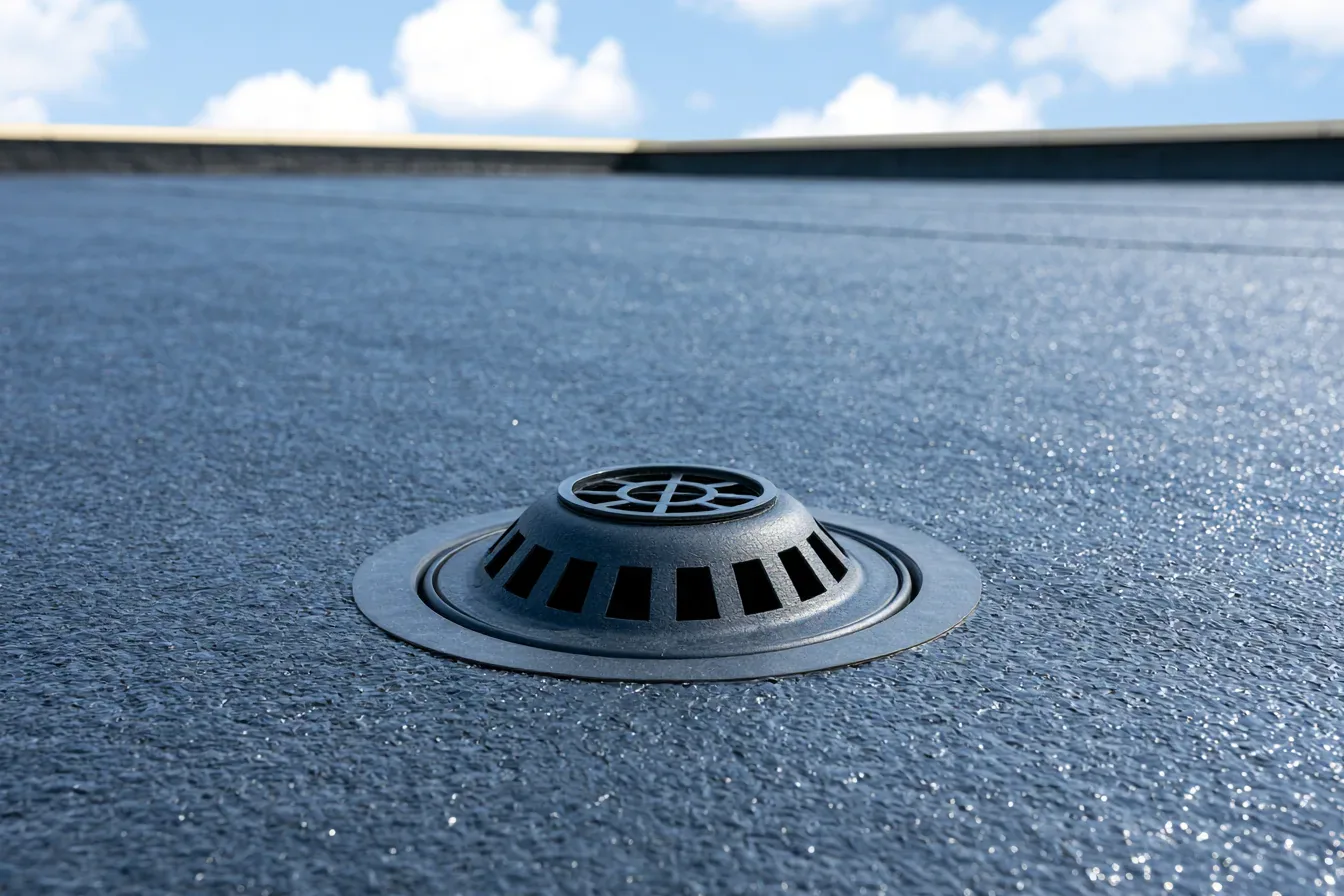
Drain strainers and scupper openings need to remain clear of debris that can restrict runoff. We inspect their accessible connections and examine the surrounding surface for sediment or ponding marks. Debris removal can resolve an obstruction, but water remaining in a persistent low area may need elevation or drainage investigation. A useful visit does not close the item as routine cleaning when the same depression remains after the outlet has been cleared.
Drainage detail repairs may be required where the clamping connection, flashing or scupper lining is damaged. We separate those repairs from the scheduled service tasks and explain the effect on water movement. Outlet piping concerns need the appropriate drainage trade. Overflow openings also deserve inspection: keeping the primary drain clear does not eliminate the need for an independent route when a future obstruction occurs during heavy rain or snowmelt.
Protect the service route
Repeated equipment visits can leave punctures, loose walkway pads and material scraps near curbs or access points. We inspect those routes and identify where protection or housekeeping needs improvement. The damaged location often matters more than the overall surface appearance. A small opening beside a frequently serviced unit can receive repeated foot pressure and water exposure unless both the repair and the access arrangement are addressed.
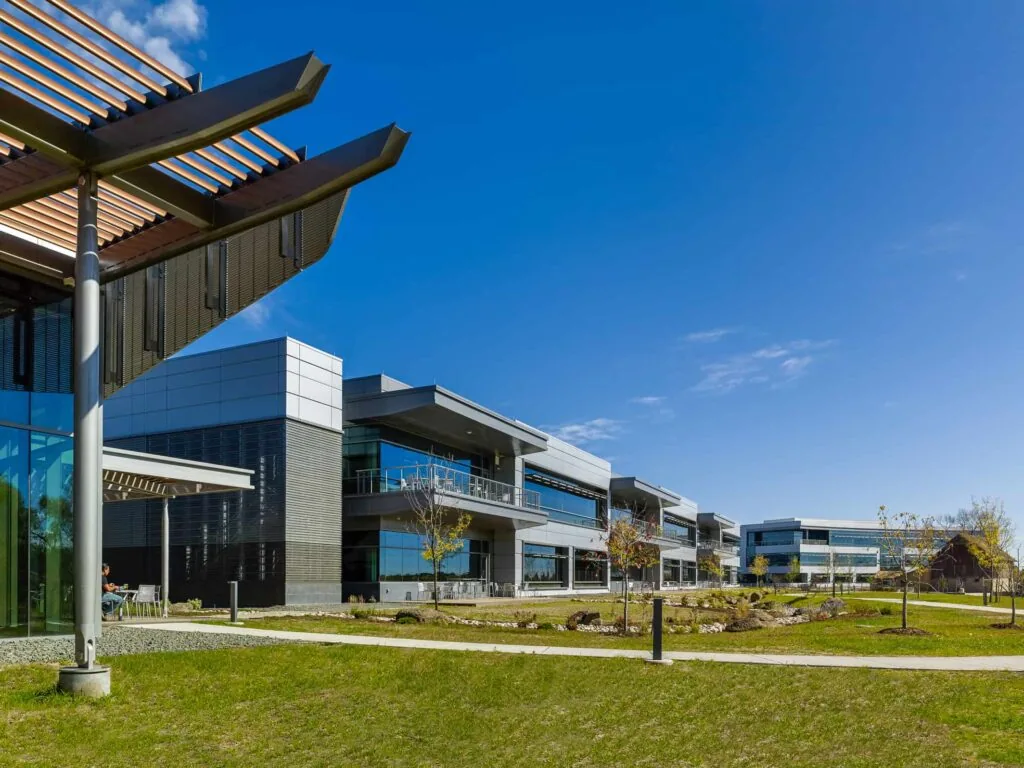
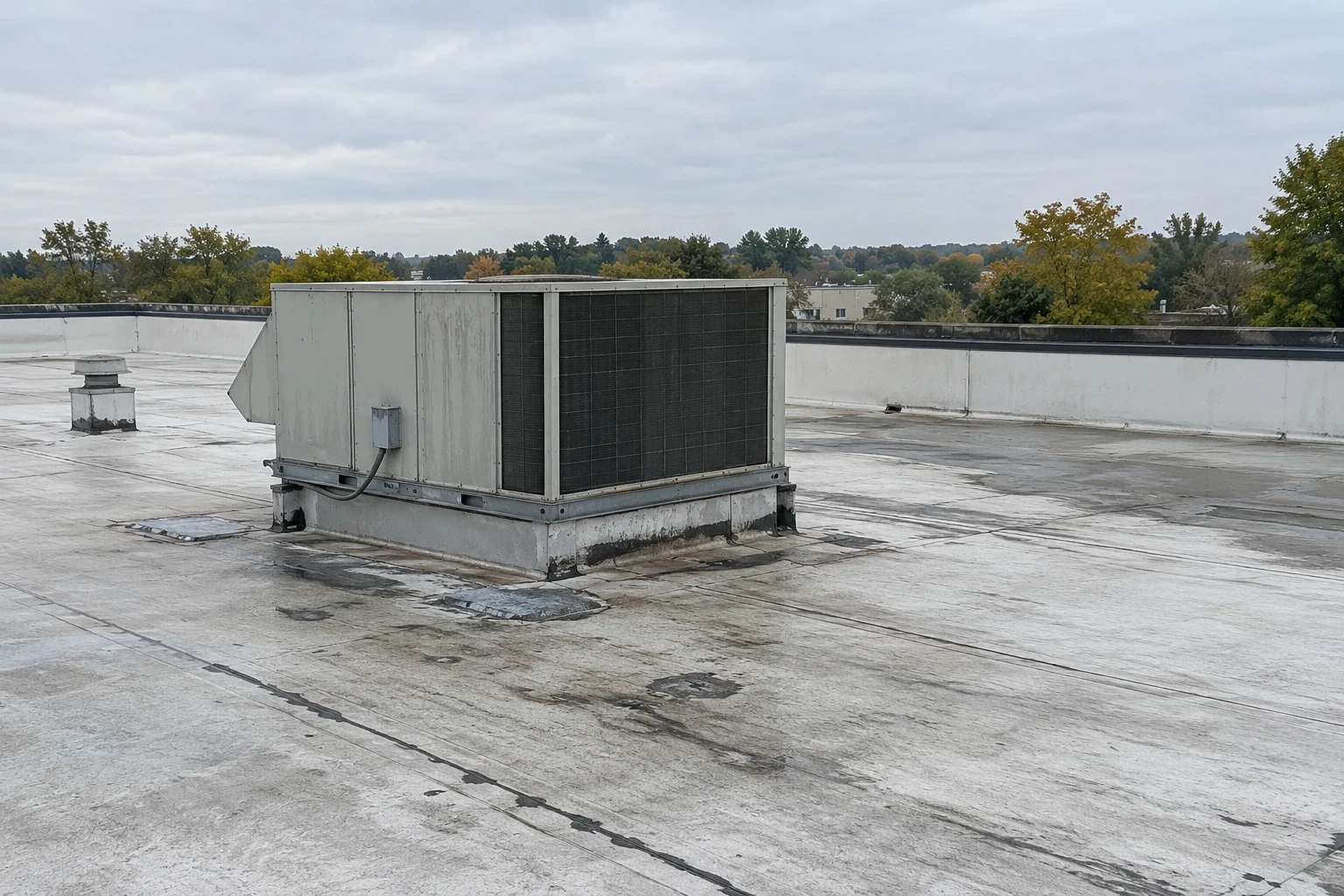
South Hingham includes office and manufacturing uses, including power-control and food-production businesses. At a production property, rooftop equipment changes should be coordinated with the roof program so supports and penetrations remain compatible with the assembly. The same consideration applies to Quincy properties with recurring HVAC service. We identify disturbed flashing or unsupported service lines and discuss the correction with the manager rather than adding an unspecified sealant treatment after each visit.
Separate upkeep from repair
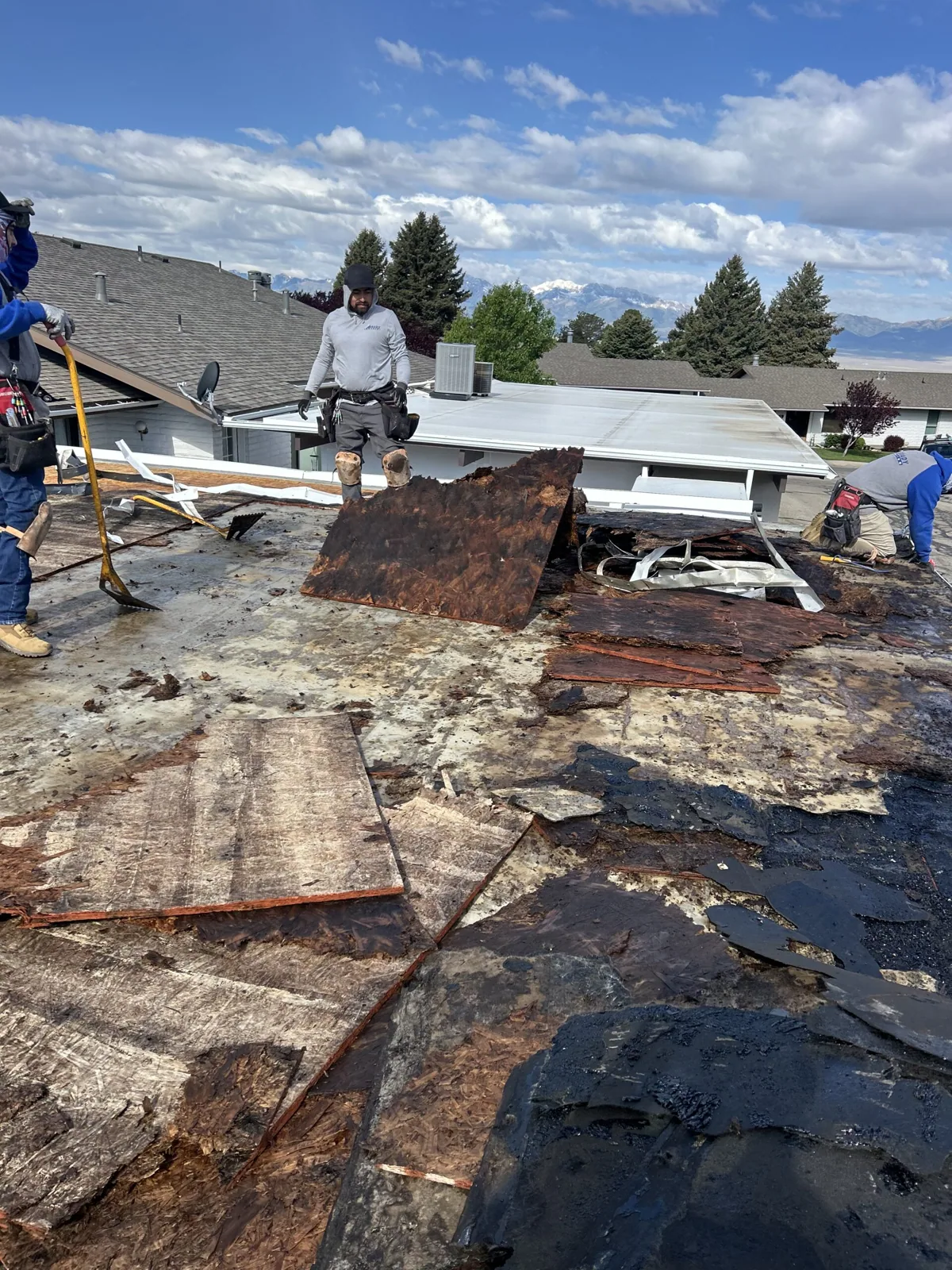
An open seam needs a compatible joining method, while a dirty surface may need suitable cleaning. Those actions should not be grouped under a general maintenance label. We define the task and the condition it addresses, then determine whether materials and weather allow it during the visit. Some repairs require preparation, localized removal or mechanical coordination that is better completed as a planned scope.
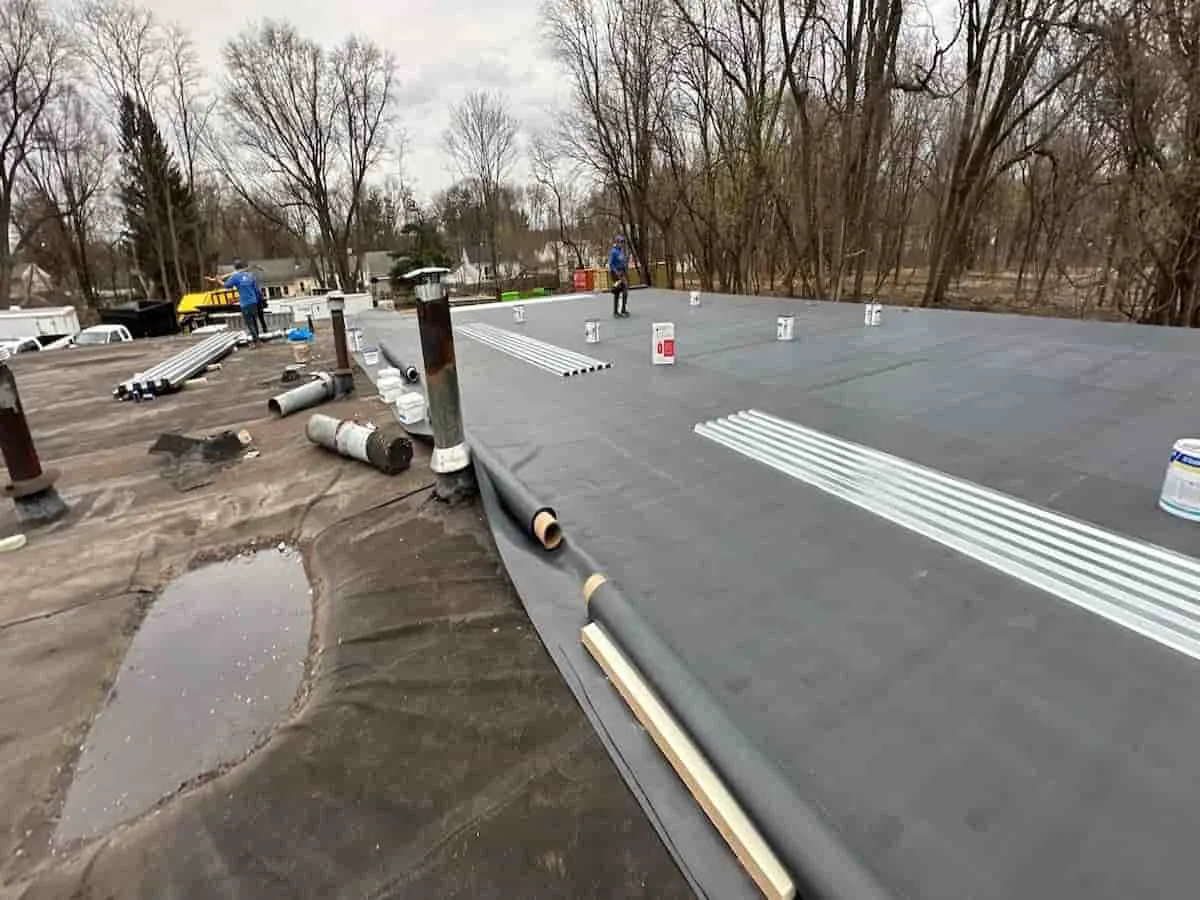
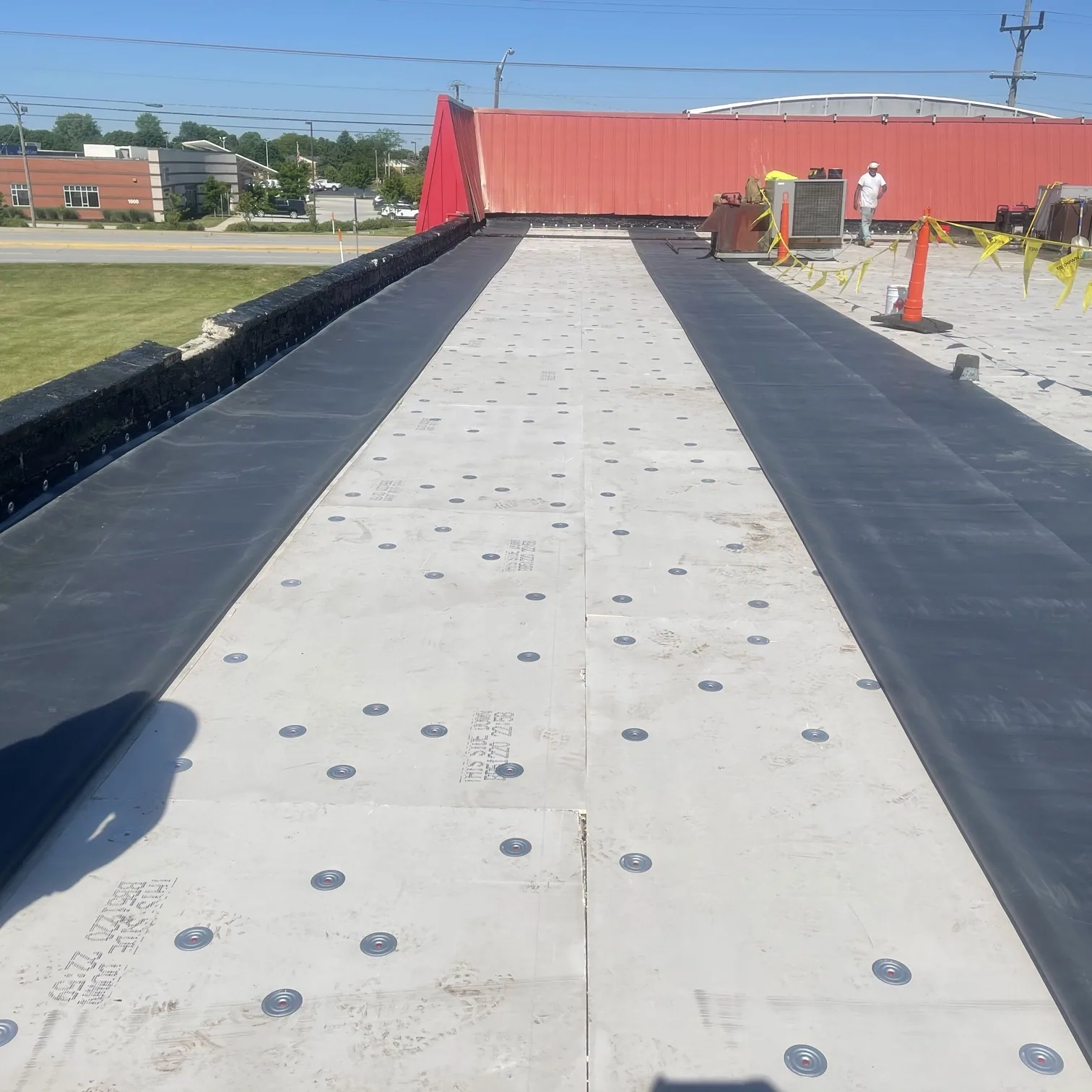
Targeted membrane and flashing repairs can preserve useful adjoining construction when the repair perimeter is sound. Where previous patches are lifting or water has affected insulation, the program should call for investigation rather than repeatedly adding more surface material. For an EPDM assembly, cleaning products and repair preparation must suit the membrane and its details. A generic treatment applied to every system can create compatibility problems or conceal the developing defect.
Account for the space below
A maintenance visit above occupied space still needs controlled access and appropriate handling of debris. We coordinate work near outdoor-air intakes and identify any service requiring equipment interruption. The property manager should know where a closer examination could involve opening the assembly, because that changes interior protection and scheduling. Routine roof access is not a reason to undertake concealed investigation without arranging the closure and operating precautions first.
Wollaston has retail and commercial activity along its neighborhood corridors, together with civic buildings. Above an occupied storefront, a maintenance observation near a shared wall can become a repair coordination issue affecting more than one tenant. We locate the detail and identify the responsible building area before work expands. The visit should leave the manager with a defined action rather than an unassigned photograph of deteriorated material beside another property.
Watch the repair threshold
A roof that repeatedly develops openings across unrelated details may be approaching a different renewal decision even if each defect can still be patched. We compare visit findings, the extent of earlier repairs and evidence of concealed moisture. The service record should show whether defects remain isolated or are spreading through the assembly. That trend informs where continued maintenance holds value and where investigation needs to precede another repair allowance.
Managing roof condition over successive visits also means retaining completed work and unresolved items together. We identify outlet cleaning, repairs and recommendations separately so the next visit can evaluate the right condition. A repaired detail needs a different comparison from a still-open defect awaiting authorization. The manager can then schedule follow-through and assess remaining service without assuming that a maintenance visit resolved every item observed.
Commercial Roofing Questions
Should a rooftop equipment contractor take part in the maintenance program?
Equipment work can affect flashing, supports and service paths, so coordination is useful where repeated disturbance is occurring. We identify roof-related observations for the manager and clarify which correction needs another trade. New penetrations should receive compatible roof details instead of being left to improvised sealant work. The program should account for equipment changes between roofing visits.
What happens when a scheduled visit finds wet insulation?
We identify the suspect area and recommend the investigation needed to establish its extent and suitable removal boundary. Moisture beneath the membrane may change the repair decision. A normal maintenance allowance should not quietly become an undefined concealed repair. The manager receives a clear distinction between the work completed during the visit and the assessment or construction still needed.
Can we use the same visit frequency for every property?
A shared starting schedule can be practical, but findings should determine where it needs adjustment. Roof traffic, drainage debris and recurring defects create different service demands. We compare those conditions for each assembly and identify additional visits where useful. A calendar should support physical upkeep rather than replace the roof-specific judgment required to maintain it.
How do we prevent open recommendations from disappearing between visits?
Keep each finding linked to its roof area, proposed action and current status. We distinguish completed cleaning or repair from items requiring access, testing or a construction decision. The next inspection then evaluates the correct location and condition. A repeated recommendation should explain whether the defect has changed and why the earlier action remains necessary.