Commercial Storm Damage Roof Repair in Quincy, MA
A nor'easter can leave a roof covering in place while loosening the connections that keep it secure. The storm assessment for a Quincy, MA, commercial property should therefore examine attachment, seams and perimeter details as well as visibly displaced material. We compare the condition across the affected roof areas and identify active water exposure first. That helps the asset manager distinguish an urgent closure from damage that can be investigated under safer, more suitable conditions.
Commercial Roofing Quincy assesses and repairs commercial roofs after wind, heavy rain and winter weather. We protect openings, investigate the affected assembly and define permanent work. The result should establish what changed at the roof, which materials need replacement and what additional evaluation is necessary. A storm-related scope needs that physical basis before it becomes an insurance or capital decision.
Secure the exposed construction
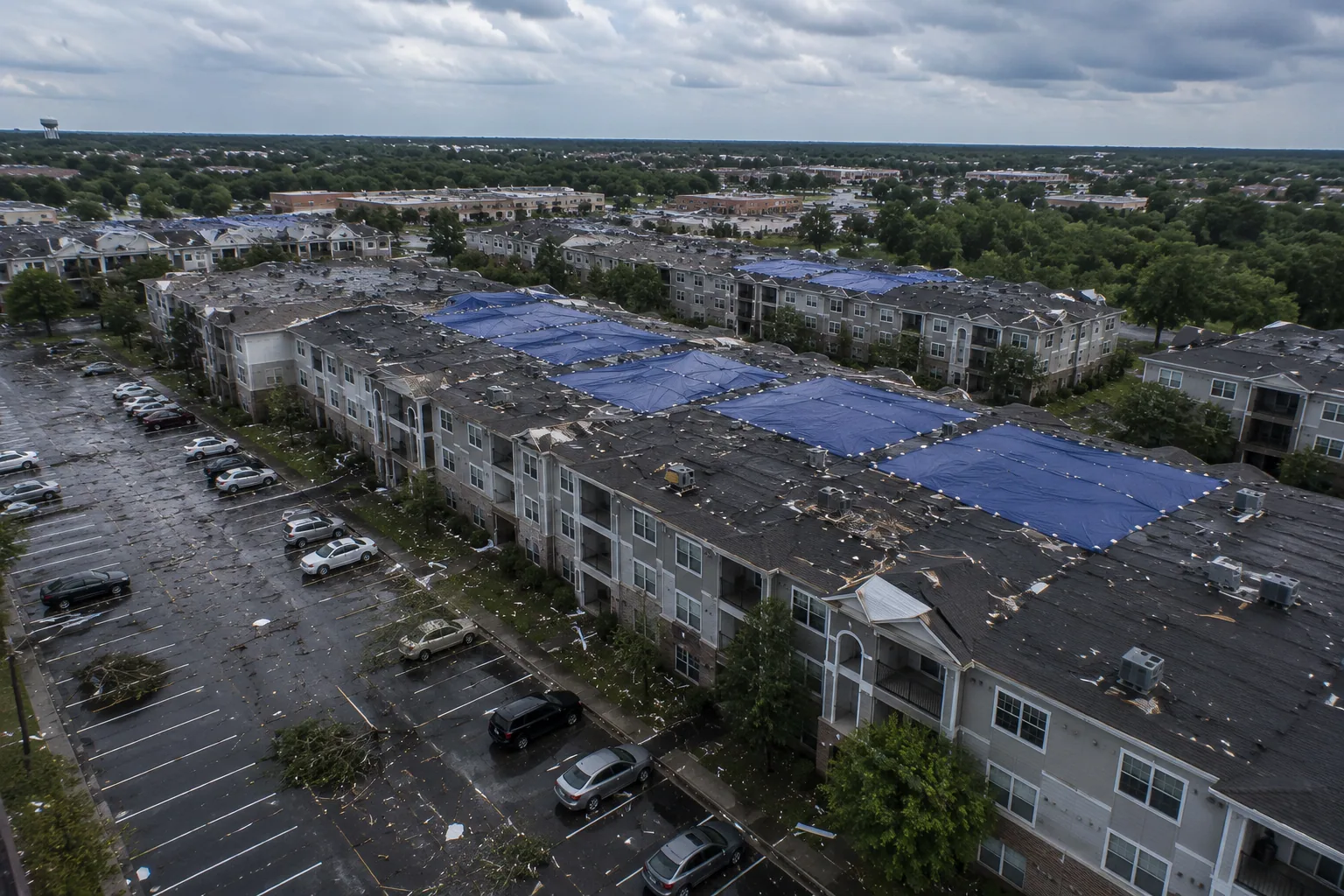
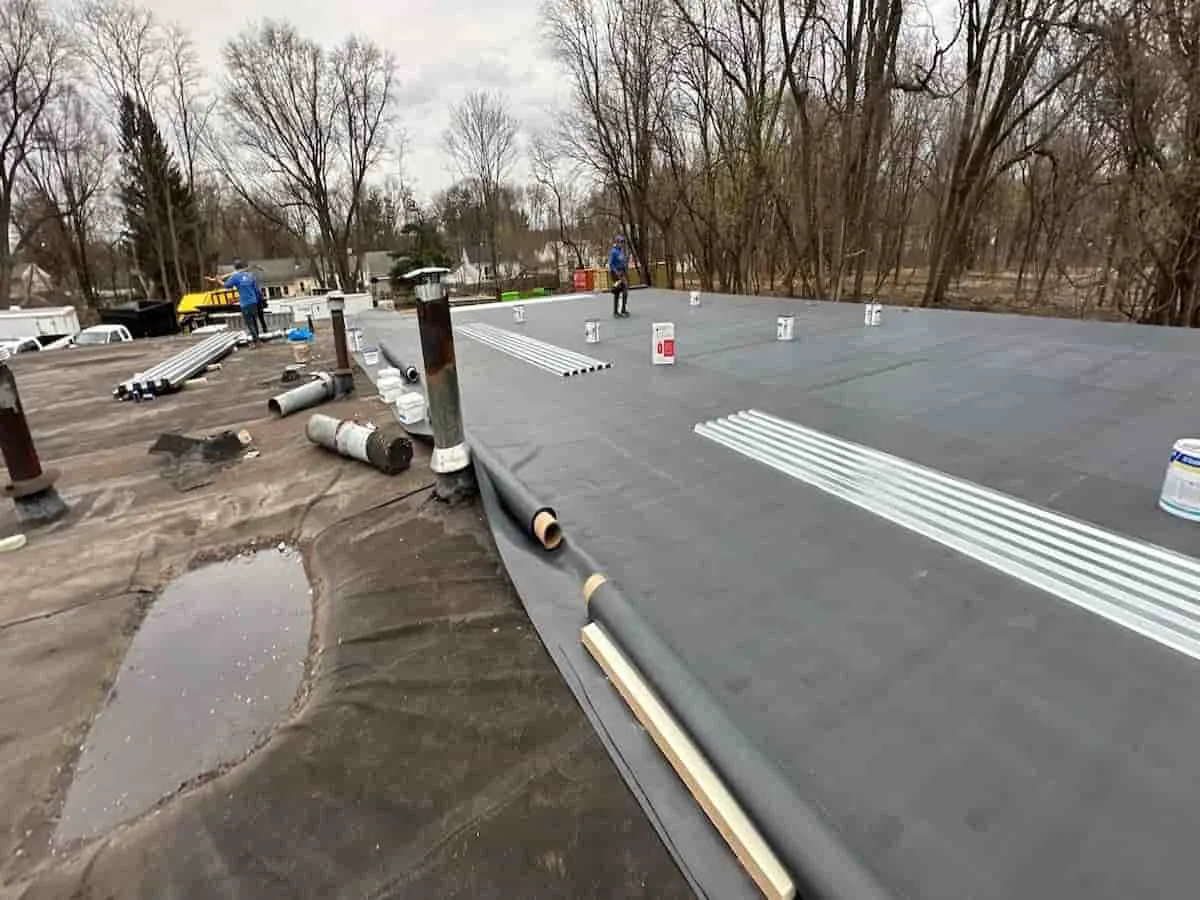
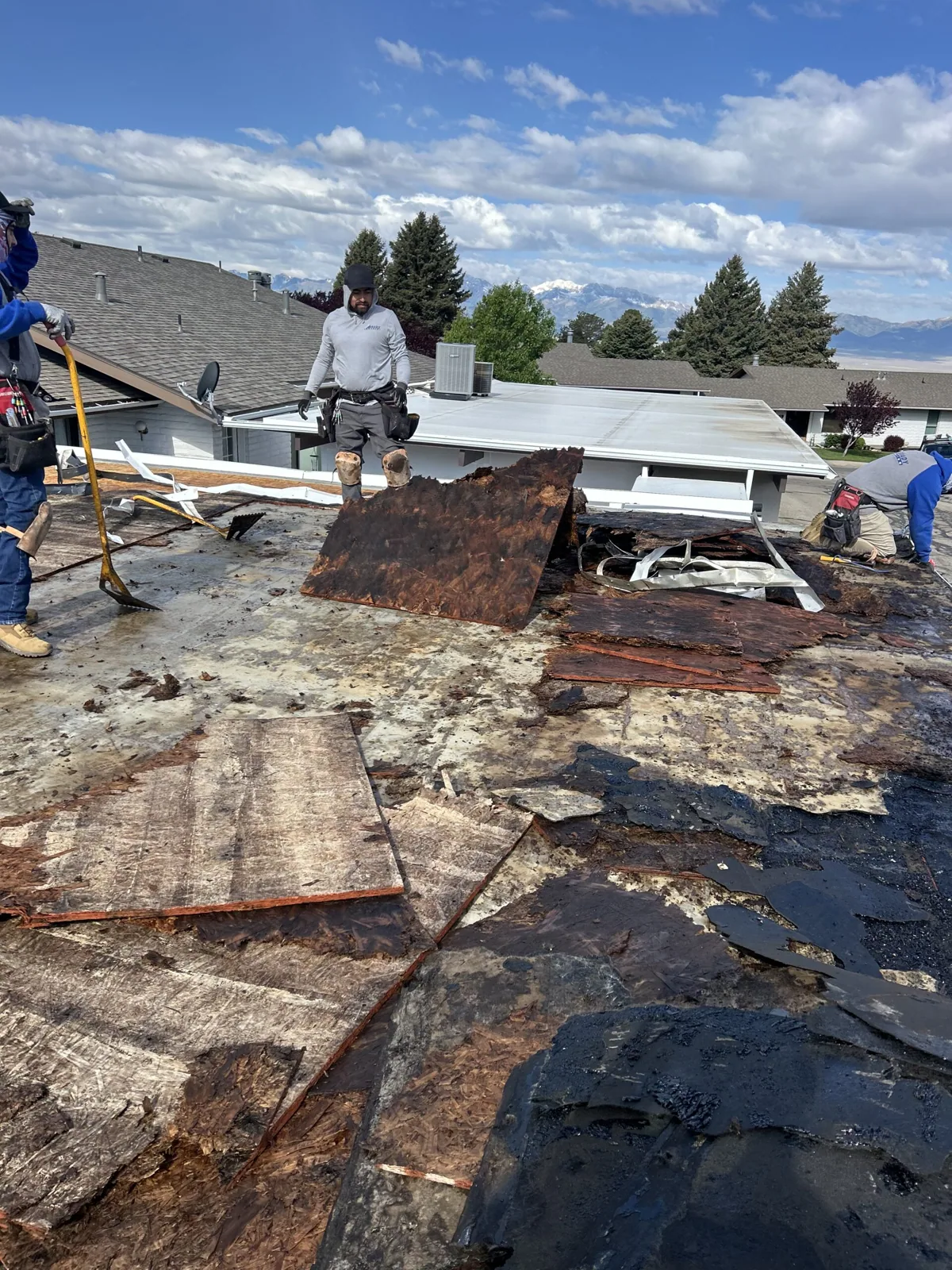
Displaced membrane and damaged flashing can expose insulation to continuing rain. We assess safe access and determine what temporary protection can connect to sound construction. Loose material also needs attention where it threatens people or adjacent property. The first work sequence should protect the building without obstructing outlets or placing unreviewed loads on damaged areas. Some conditions require structural or mechanical assessment before roof crews can proceed.
Emergency dry-in and roof protection may precede a complete damage survey. We identify the extent of that temporary work so permanent repair planning can account for what remains beneath it. Ice, wind and unstable equipment can limit inspection. The manager should report interior water, electrical exposure and unsafe access conditions promptly, while staff stay clear of compromised areas. The roof and affected occupied rooms need coordinated protection rather than separate responses that overlook the same opening.
Examine beyond the displaced sheet
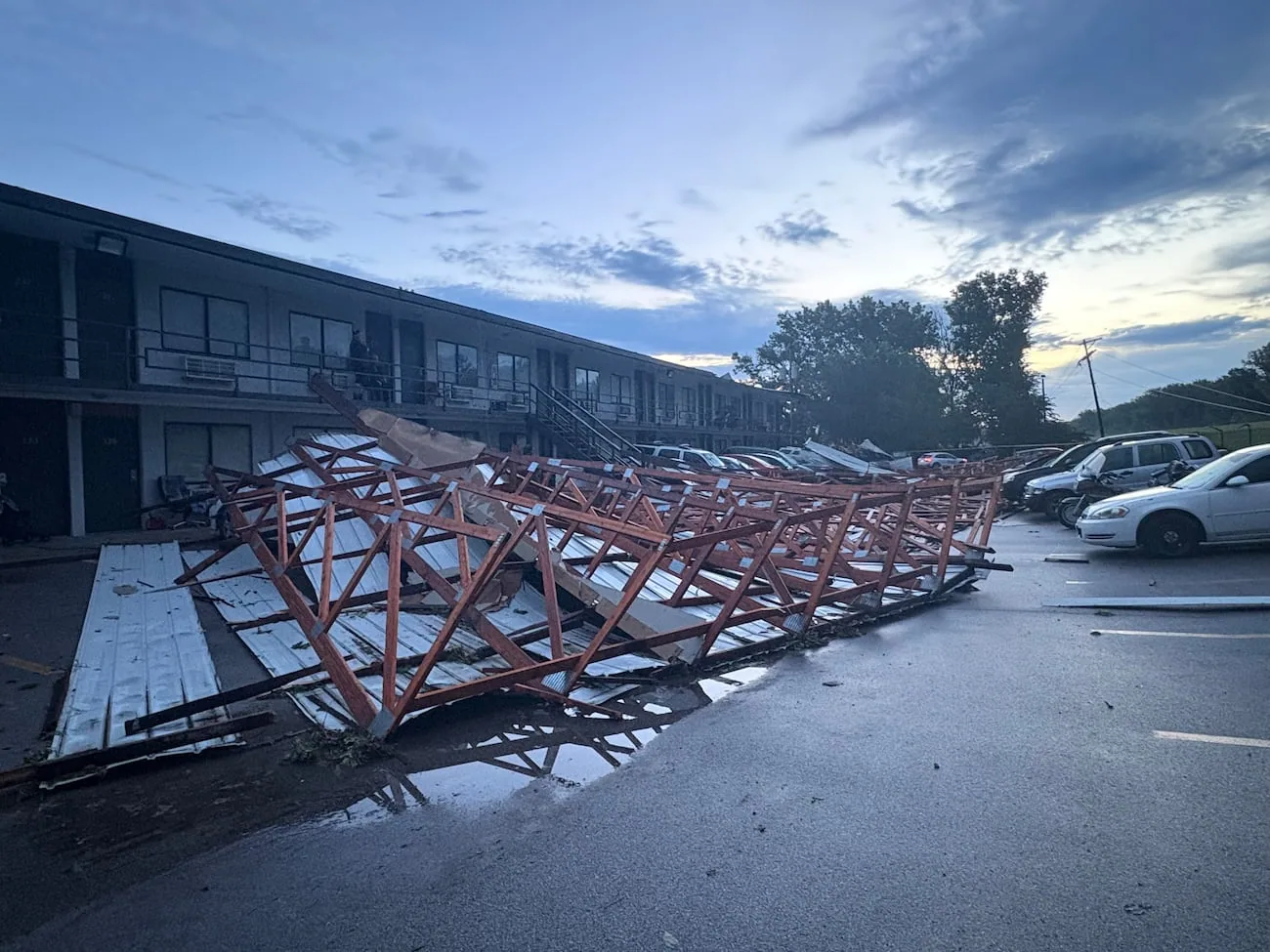
A wind-damaged section may reveal failed fastening, detached adhesive or a weak perimeter connection. We inspect accessible adjoining construction to determine whether the visible loss is isolated or part of a wider securement problem. Loose materials that remain on the roof can affect the repair boundary even when they have not yet lifted away. A new covering needs a suitable substrate and attachment path.
At a mechanically attached assembly, we evaluate the relevant deck, fasteners and seam connections. At adhered roofing, substrate condition and the bond between layers require attention. Repairing wind-related roof damage may therefore involve work below the membrane rather than simply replacing its missing portion. We compare corner and perimeter areas with the central field where access permits. The findings determine whether localized reconstruction can meet suitable retained material or whether broader removal is needed to establish a reliable connection.
Standing-seam and other metal roofs introduce different details, including clips, panel connections and flashings. We inspect those systems with their construction in mind. Bent metal can also leave a water entry even where panel attachment remains intact. Repair selection should follow the mechanism of damage, not apply membrane methods to a panel assembly because both roofs were affected during the same event.
Measure the drainage consequence
Storm debris can restrict drains and scuppers, leaving water against vulnerable flashing after the wind subsides. We inspect accessible outlets, overflow routes and the nearby roof surface. A cleared obstruction may resolve the immediate drainage restriction, while a damaged drain connection requires repair. Persistent low areas need evaluation of their geometry and supporting construction. Excessive loading or structural distress calls for qualified assessment rather than treating the problem as routine debris removal.
Snow and ice can conceal damaged details and limit the first inspection. We return to the relevant areas as safe access and visibility improve, then compare the surface with interior wetting and any temporary protection installed. Investigation of winter roof damage helps separate an opening from a drainage or loading concern. Moisture that has entered insulation may remain after the outlet clears, so the permanent scope needs to evaluate affected layers before they are closed beneath repaired covering.
Sequence the occupied areas
Brockton’s Coweeset Brook and Oak Hill Way employment districts contain industrial properties with regional highway connections. For a production building, storm damage above equipment or material storage can dictate the first interior protection priority. A different roof section may be less urgent even if its visible damage looks similar. We evaluate the roof area and the operation below it together before setting the repair sequence.
Brockton commercial assets and Quincy’s managed properties can also have several assemblies of different ages or construction. We map the affected areas separately. That keeps a storm repair on one section from becoming an assumed condition rating for the entire building. Where work needs equipment lifting, electrical isolation or temporary intake protection, the relevant trades should be included in the sequence before removal exposes a section that cannot be completed on schedule.
Weymouth’s North Weymouth commercial hub lies along the Bridge Street corridor at Bicknell Square. On an occupied neighborhood business there, protection of entrances and pedestrian circulation can affect material removal and delivery. We plan those constraints with the property contact. Repair urgency still follows the damage, but the construction approach needs to keep the surrounding operation safe while the roof is opened and rebuilt.
Restore the affected assembly
Permanent work may include membrane, insulation, flashing, edge components and damaged substrate. We define which materials need removal and how new construction will meet retained areas. A planned repair scope should address the observed failure and any adjoining damage that would compromise the connection. Where deterioration extends too widely for localized reconstruction, we explain the renewal option and its effect on the work boundary.
Photographic claim documentation can record conditions and repair work without replacing the physical assessment. We distinguish damage observed after the event from earlier deterioration where the available information permits it. The owner receives a description of the temporary protection, permanent work and unresolved investigation. That helps coordinate insurers, restoration trades and roof construction without treating the claim decision as the engineering decision for the assembly.
Commercial Roofing Questions
Does the entire roof need removal after one membrane section blows loose?
The repair boundary depends on adjoining attachment, moisture and the condition of the substrate. We examine nearby construction before recommending localized rebuilding or broader replacement. Material still present can be loose, while other areas may remain suitable. The scope should identify the physical reason for extending removal instead of assuming either that all damage is visible or that one lost section condemns every roof area.
Can snow-covered damage be assessed immediately?
Immediate protection and safe interior response may proceed while snow limits exterior examination. We identify what can be reached and schedule closer assessment when access and visibility permit. Concealed details should not be assigned a condition from a covered surface. Suspected structural distress requires qualified evaluation without waiting for a routine roofing visit to settle the question.
Why might the permanent scope change after temporary closure?
Opening the assembly can reveal wet insulation, damaged attachment or deteriorated decking beyond the first visible exposure. We document the condition and evaluate how it affects the tie-in and removal boundary. Temporary work is performed to limit additional entry, so it may not establish every concealed repair quantity. The next decision should reflect the materials found rather than preserve an earlier assumption.
How should we rank several damaged properties after the same storm?
Compare active interior exposure, loose materials, safe access and the work needed to stabilize each roof. We identify those priorities before planning permanent reconstruction. Building use matters because similar roof damage can affect critical equipment, occupied rooms or less sensitive storage differently. The initial response should address those consequences while leaving room for a fuller assembly assessment.