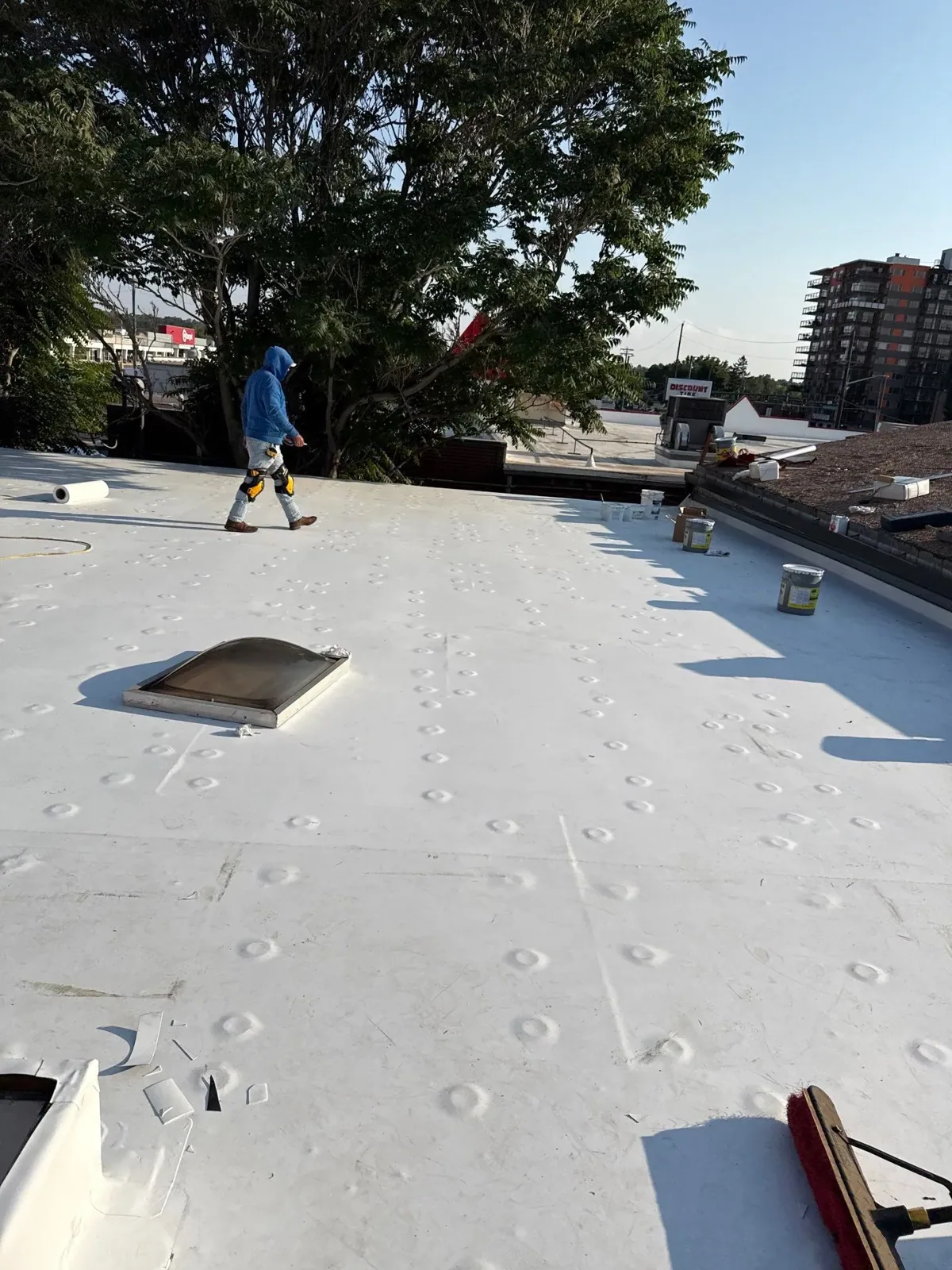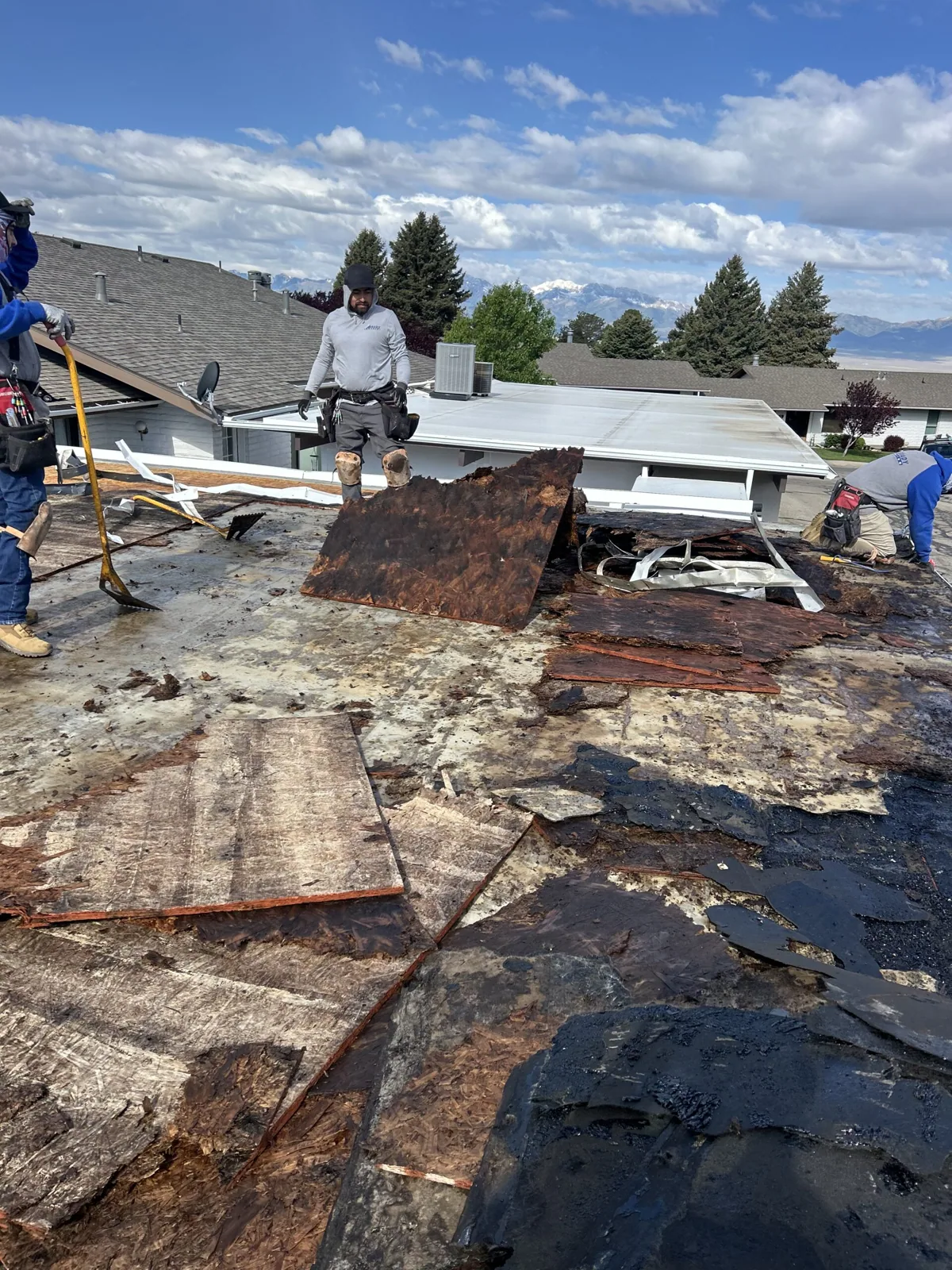
Commercial Wind Damage Roof Repair in Quincy, MA
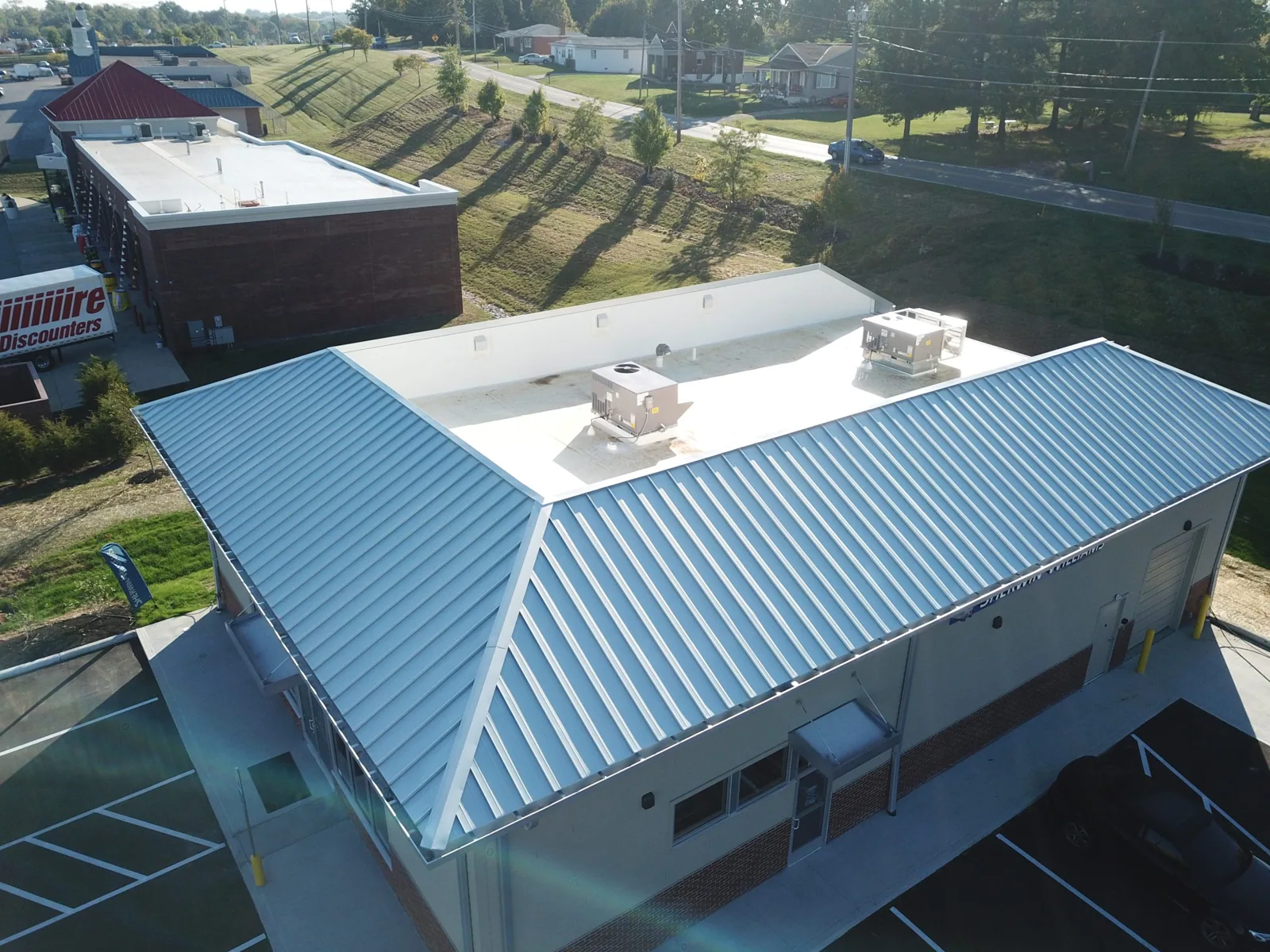
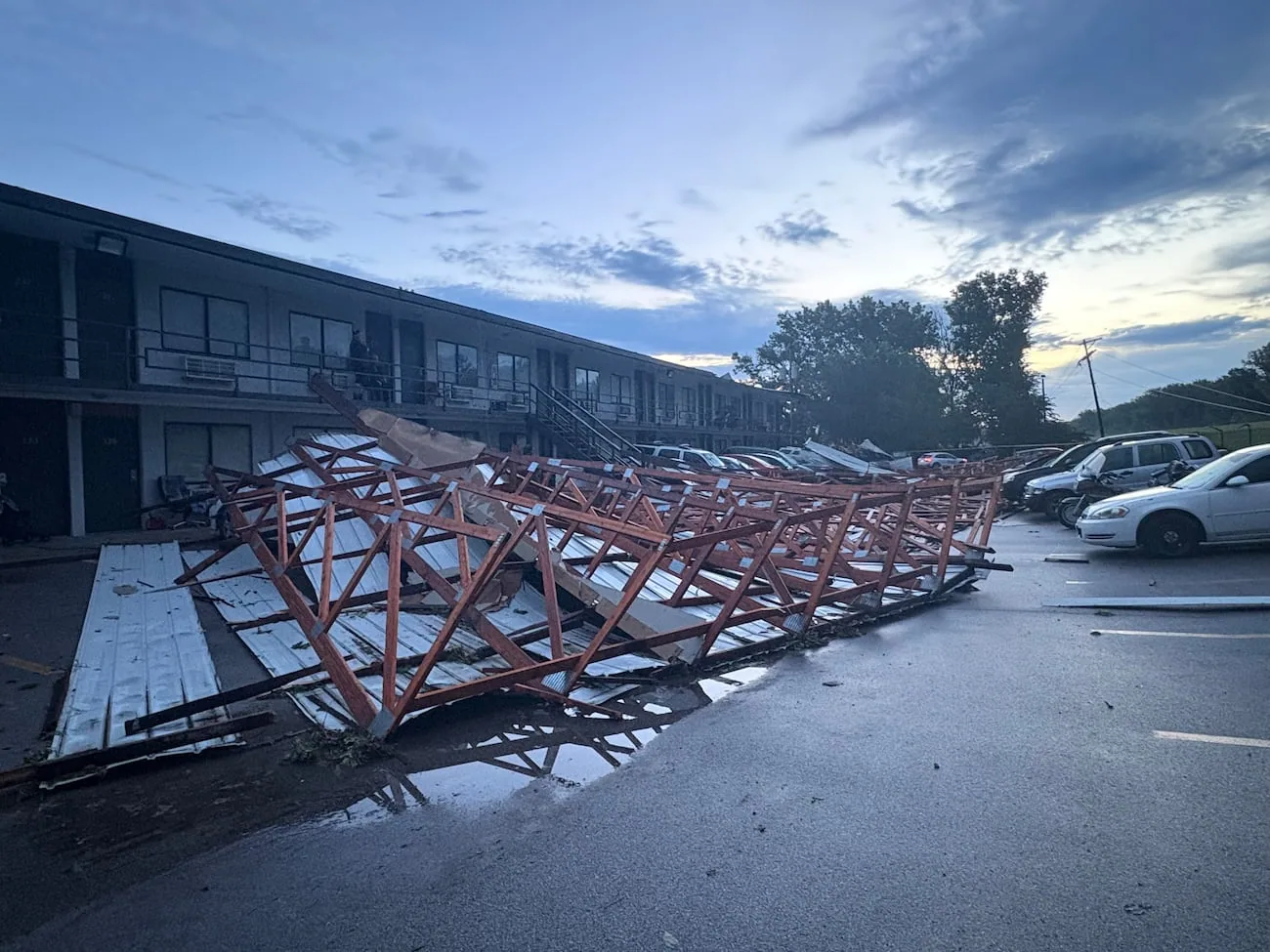
Metal lifting at a roof corner can loosen the membrane it restrains even when the field still appears flat. A commercial wind-damage assessment in Quincy, MA, should examine that restraint and receiving construction before another metal piece is fastened over the opening. We inspect the displaced component, attachment and adjacent assembly, then identify reconstruction supported by the condition found. Replacing the visible edge alone can leave damaged support or compromised roofing beneath it. The repair needs to restore the connection as an assembled boundary.
Quincy plans for nor'easters and other severe weather. We relate those concerns to the requested roof's perimeter, equipment interfaces and secure protection after damage. A wind event can expose a weak connection, but its timing does not establish the cause of every defect observed. We examine actual condition before assigning removal or retention. The owner receives the physical basis for the work, including any concealed investigation needed beyond the visible displacement.
Follow the restraint into the receiving edge
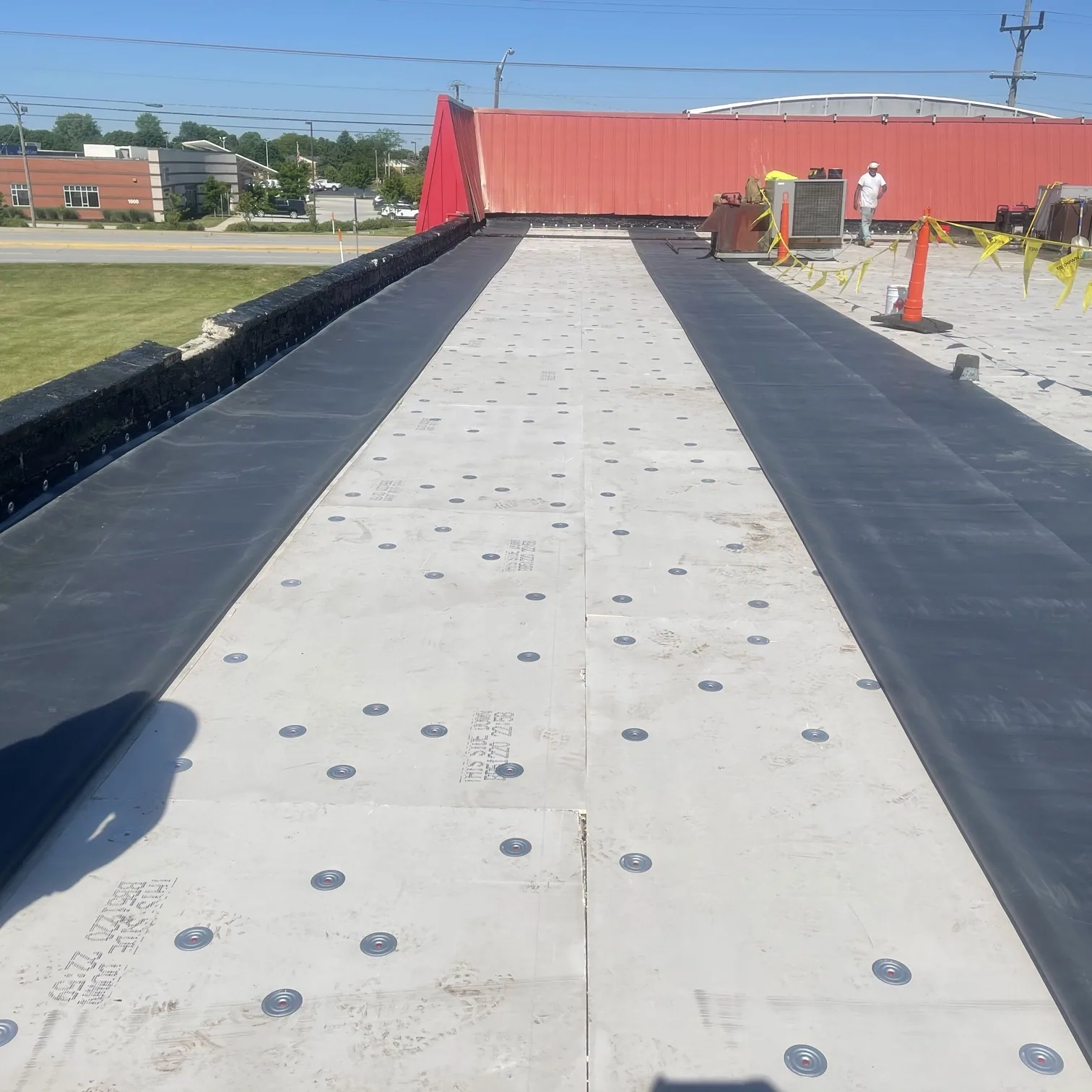
An edge-metal piece depends on its attachment and the construction receiving that attachment. We examine those relationships when a corner or perimeter section has moved. Deteriorated receiving material or unsuitable fastening can change the reconstruction required. The adjacent membrane also needs inspection where displacement has stretched or damaged it. A new exposed metal face is not a complete repair if the connection holding it or the roof it restrains remains compromised.
Edge metal and coping repair should identify the receiving work and final attachment alongside the visible component. We assess the applicable project requirements for the assembled detail. A local replacement needs suitable continuity at its ends and a workable water boundary with retained roofing. The proposed scope should describe those interfaces rather than assume the new component can be installed independently of the surrounding assembly.
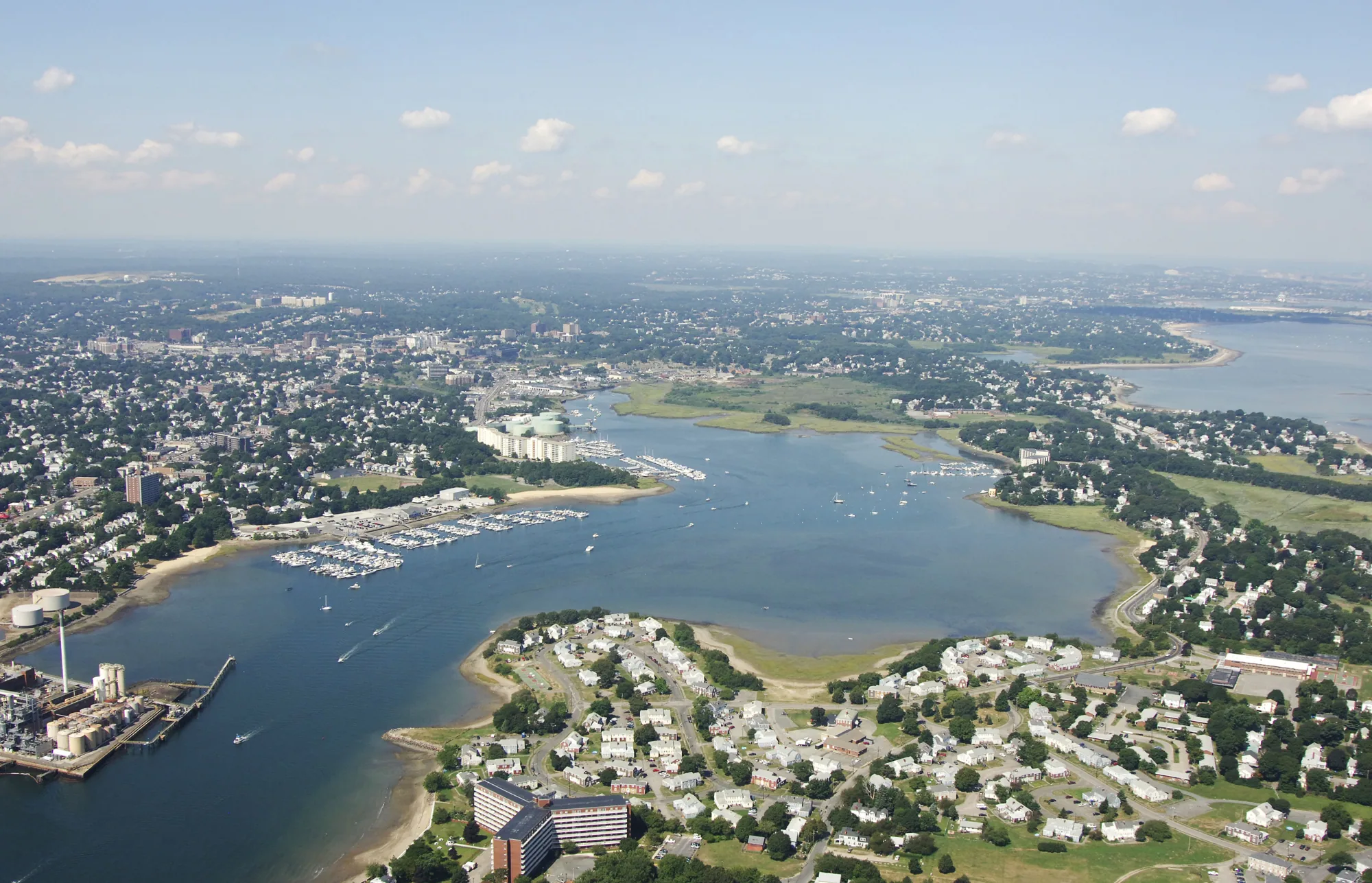
The Town River and Fore River are part of Quincy Point's setting, which connects toward Braintree. On a requested roof in Quincy Point, we examine restraint at the corner and receiving support along the damaged edge. Rebuilding that area can need an occupied entrance protected below and a suitable position for lifting replacement components. We check those arrangements with the actual receiving work before setting the repair stage.
Check the field beyond the displaced component
Lifted roofing can affect seams, attachment and details outside the visibly open area. We examine the field with the installed system in view. A surface lying back in place after an event does not establish that its restraint or joints remain suitable. The repair boundary should follow the condition of the membrane and receiving layers. Where attachment remains unresolved, closer examination may be needed before proposing a small surface patch.
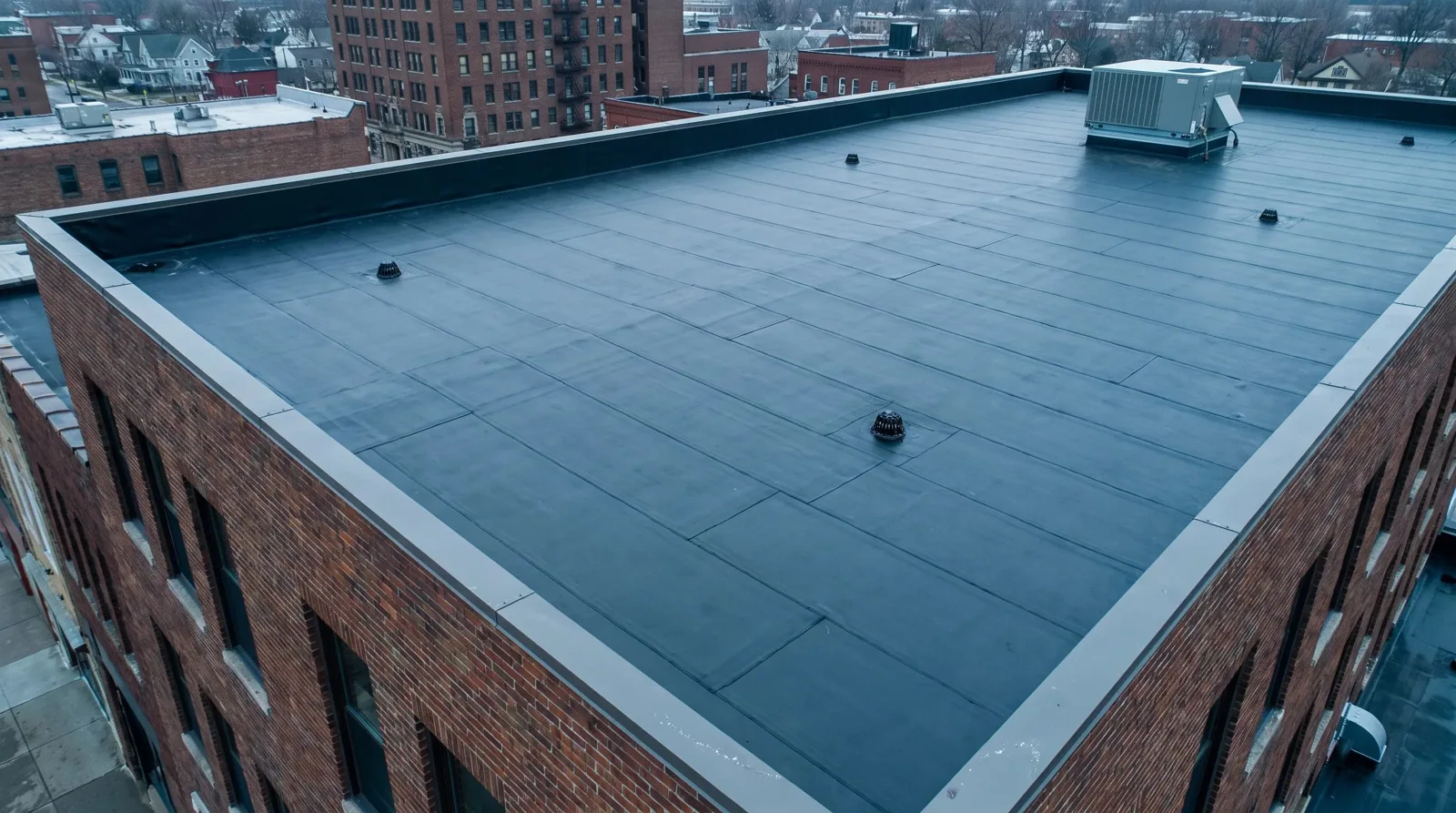
Open seam repairs address the joint and its receiving material, not simply the interior symptom that led to the roof visit. Wind-damaged seams can require preparation and compatible reconstruction while other areas need attachment correction. We identify those tasks separately. For EPDM roof assemblies, repair methods depend on the specific system and surface condition rather than assuming every joint can be treated by the same process used on another membrane.
Assess the detail where movement reaches equipment
Movement at a support or pipe can stretch roofing and open the water boundary around it. We inspect the receiving connection and examine whether the support needs correction before flashing is rebuilt. A surface treatment can reopen if the same movement remains. The scope should identify the relevant support or mechanical task, with permanent waterproofing formed after the geometry is stable. The finished field and its equipment details need to operate as one coherent assembly.
For failed flashing reconstruction, we assess material compatibility, available clearance and adjacent construction. Changed equipment or additional roofing height can make an earlier detail unsuitable for the final arrangement. The repair should match the components that remain, with technician access and compatible protection considered where later service contact could damage the rebuilt connection.
Establish what the opening damaged below
Water admitted through a displaced edge can affect insulation beyond the visible surface opening. We examine the receiving assembly and use closer investigation where concealed condition changes the decision. Closing the entry point and removing unsuitable layers are different tasks. Both may be required to restore useful construction. The owner should understand what remains under a local repair instead of assuming an intact-looking field means every retained layer is dry and sound.
Commercial storm-damage work connects the observed damage with the reconstruction it supports. A bounded defect on serviceable receiving material can suit a local approach; distributed deterioration can support wider removal. Removal and retention follow the damaged materials and suitable receiving support established by examination. Immediate weather protection also remains distinct from permanent construction and any underlying material work still required.
Secure the repair zone around occupied use
An exposed perimeter may sit above an entrance, circulation route or occupied room. We assess the task's water and debris exposure before determining protection and access. A small visible defect can still require substantial receiving work to complete safely and coherently. The daily opening should reflect that work, suitable application conditions and the detail effort needed to close. A broad roof-area estimate alone does not identify a practical intervention interval.
Hingham Shipyard's Route 3A setting combines commercial and other mixed uses on a former shipyard site. For requested work in that broader area, we check the occupied entrance and lifting arrangement at the individual property. We examine membrane restraint and the construction receiving fasteners, keeping the repair scope connected to actual support condition and the operating use requiring protection beneath it.
Inspect the rebuilt boundary before closing the task
After reconstruction, the perimeter, seams and equipment transitions should have suitable continuity with the retained roof. We examine the assembled repair rather than treat the visible component's replacement as the only endpoint. Drainage must remain workable, and relevant connections should be accessible for later inspection. Where another trade changes support or equipment, its final task needs to be coordinated with the waterproofing closure.
The component description should distinguish permanent work from any earlier temporary measure. Receiving support, attachment correction, membrane repair and wet-layer removal represent different completions. That clarity helps the owner assess later service needs and compare a recurring symptom with the actual roof work performed. A secure repair boundary and useful retained assembly provide a more practical outcome than a new-looking edge with its supporting construction left unresolved.
Commercial Roofing Questions
Is replacing displaced metal enough to repair a wind-damaged edge?
Examine attachment, receiving support and adjacent roofing before setting the scope. The visible piece can move with damage beneath or beside it. We identify the construction needed to restore its restraint and water boundary. A new metal face should not conceal deteriorated support or compromised membrane that the assessment establishes as part of the repair.
Does a field lying flat after the storm establish sound attachment?
Appearance alone does not establish the receiving connection or joint condition. We inspect the installed assembly and select closer examination where useful for the decision. Lifted areas can settle back while damage remains. The supported repair should follow actual membrane, seam and attachment findings rather than assume every component is sound because displacement is no longer visible.
How far should removal extend beyond a visible opening?
The damaged materials and suitable receiving boundary provide the basis. We assess concealed moisture and support where needed, distinguishing the entry connection from affected underlying layers. Some defects remain bounded; others require wider reconstruction. The proposal should identify those components so removal is neither limited automatically to the visible edge nor expanded without a physical reason.
What should remain clear after immediate weather protection?
Identify the temporary construction and the permanent work still needed. We describe receiving repair, final restraint and any damaged-layer removal supported by further examination. The owner can then arrange occupied protection around a defined task. Temporary closure should not be mistaken for a completed assembly if the permanent connection or underlying construction remains unresolved.