Commercial Roofing in Quincy Point, MA
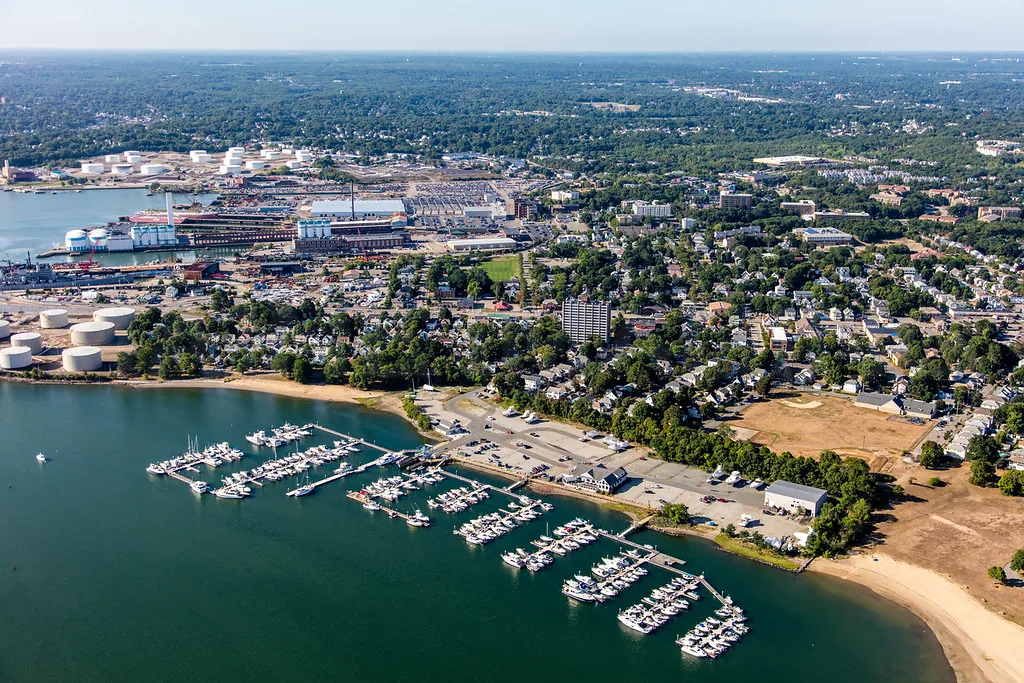
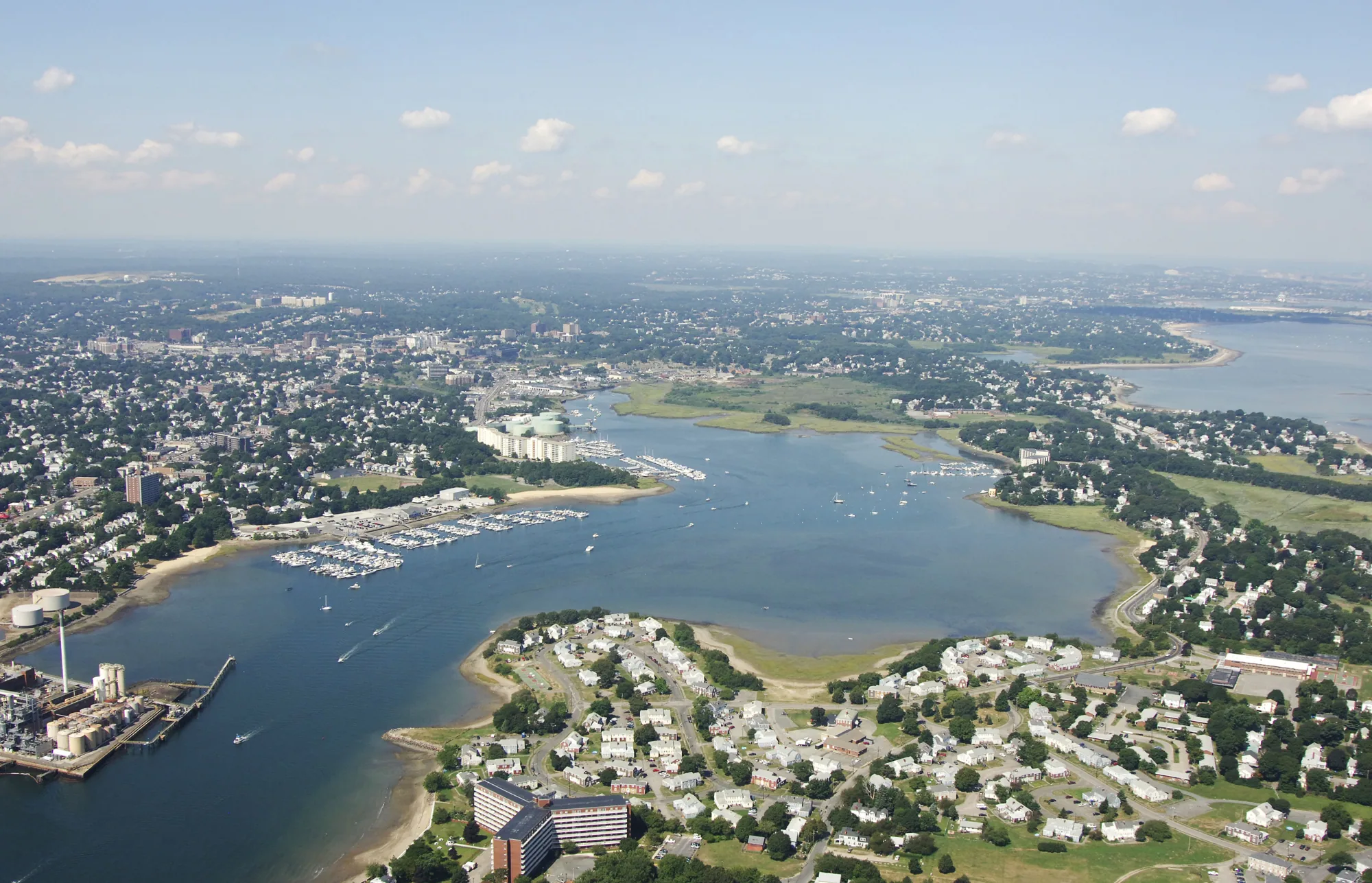
Quincy Point sits between Town River and the Fore River, with Braintree to its south. Its commercial roof decisions start with the building, not the waterfront description. We inspect the actual membrane or metal assembly, identify the leak area, check outlets and examine penetrations before setting the repair boundary. A school, neighborhood business and service property can have different interior protection needs and access rules. The report keeps those requirements visible beside the roof findings, so an owner can choose between a localized repair, moisture investigation or planned renewal with the work's effect on daily use in view.
Route 53 Connects the District
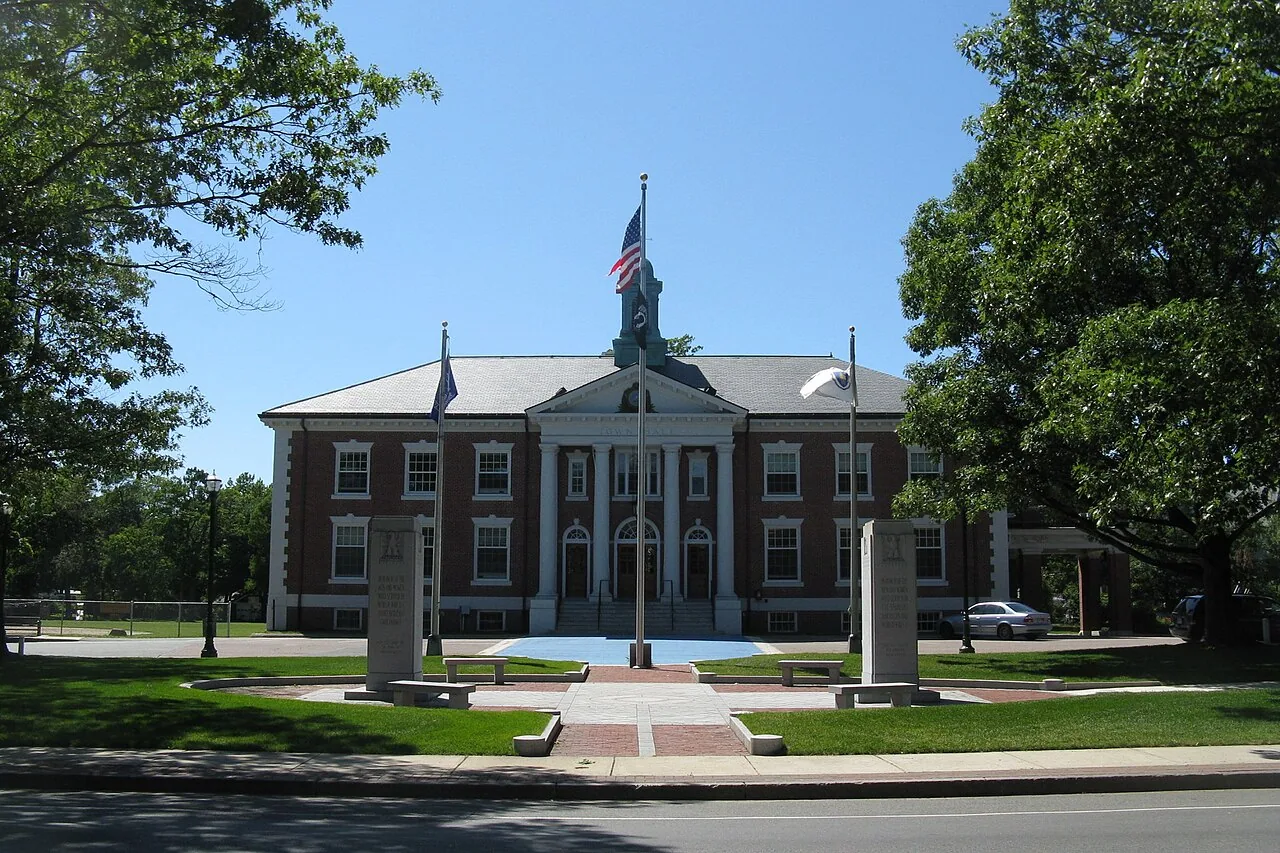
Quincy Avenue and Southern Artery carry Route 53 through Quincy Point toward Washington Street. That roadway context matters for material delivery and staging, but it does not tell us the approved route onto a particular roof. We confirm loading rules, building access, tenant entrances and any area that must remain open. Point Webster Middle School and Clifford Marshall Elementary School contribute public-school buildings to the district. Around educational use, a roof work plan should coordinate classroom protection, public access and any mechanical interruption with the responsible facility contact.
Quincy Point is also close to Braintree, which adds office, industrial and regional retail properties to the surrounding service area. A property owner can compare roof condition across districts if each assembly uses the same inspection record. We avoid treating one neighborhood's observations as another property's facts. Our Braintree service area and Quincy service area show the broader coverage, while an on-site inspection determines what the Quincy Point building needs.
Find the Source Above the Stain
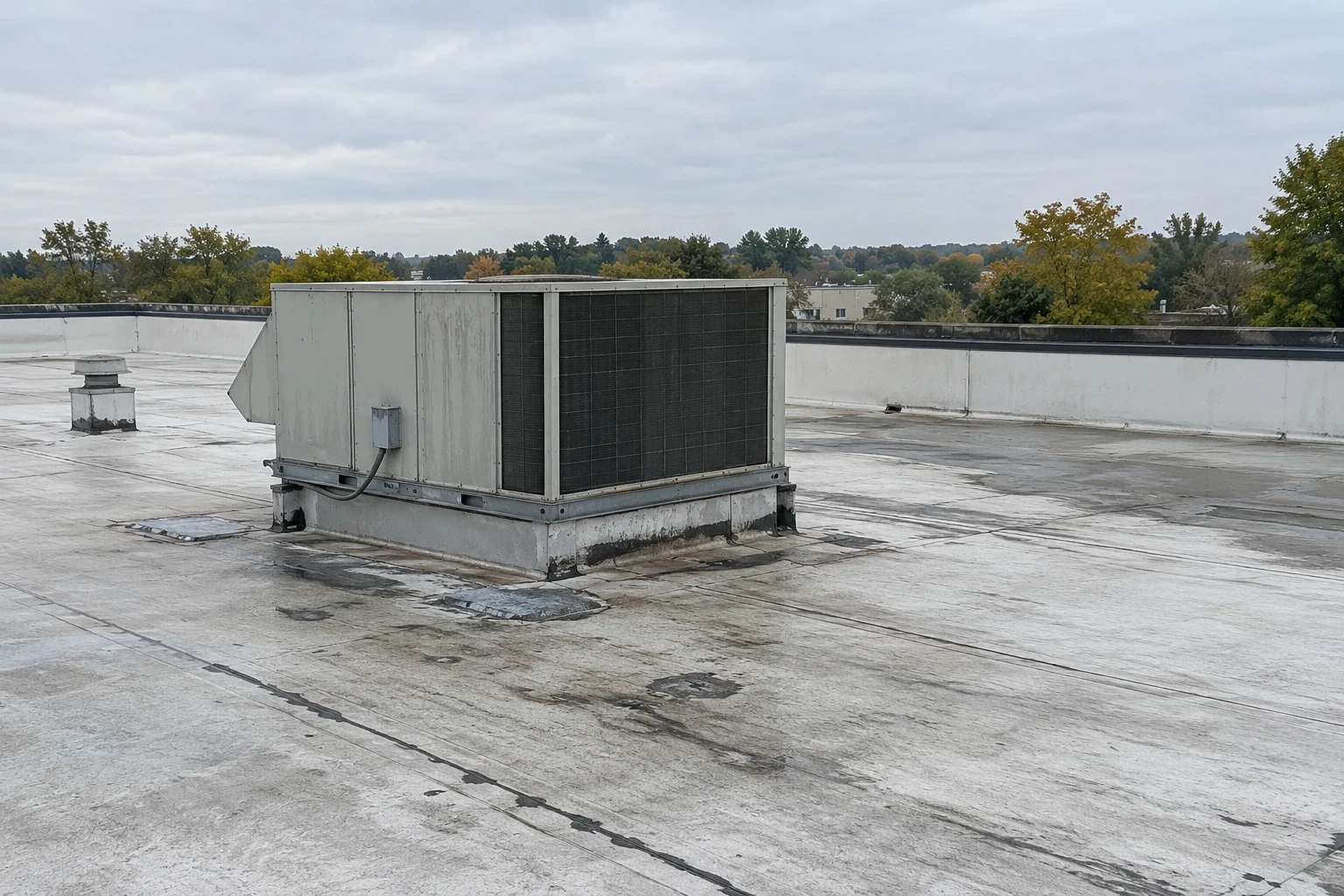
A ceiling mark can appear away from the roof defect because water follows a seam, deck joint or insulation interface before reaching an occupied room. We begin with the interior location and inspect roof details in the likely path: drains, scuppers, equipment curbs, pipe penetrations, wall transitions and membrane seams. If the membrane is punctured, we check surrounding material for movement or moisture. If water has reached the deck, the repair boundary may extend beyond the visible opening. This is why a patch selected from the stain alone can leave active wet material above the ceiling.
When a larger area feels soft or a leak recurs after surface work, an infrared moisture survey or selective opening may help clarify the condition. We recommend additional testing only when it could change the scope. A report labels the roof area and separates observed damage from a suspected condition. After heavy weather, safe photos from the room below can record when water appeared and what equipment or inventory was affected. The roof inspection then tests the likely path instead of treating the interior mark as a measurement of the damage above.
Keep Outlets and Edges in View
Quincy's emergency-preparedness planning includes flooding, nor'easters, blizzards and hurricanes. That list names local hazards; it does not establish damage to any individual roof. A maintenance review can still document the conditions that matter before disruptive weather: drain strainers, overflow paths, scuppers, roof edges and loose flashing. A blocked outlet may leave water against a seam longer than adjacent areas. An edge termination may move under wind load if its attachment has loosened. We inspect those components as part of the assembly instead of placing a coating over a drainage or attachment problem.
During a post-event visit, we distinguish a newly displaced detail from older wear. The owner receives a record of what we saw, where it occurred and what additional check would confirm concealed conditions. Temporary protection can limit active water entry while permanent work is scoped. If a roof remains wet or access is unsafe, the inspection waits for appropriate conditions. That separation helps property teams avoid committing to a final repair method before the surface and substrate can be assessed.
Compare the Repair Boundary With Renewal
A single open seam on a dry, stable membrane may support localized work. Several failing transitions or wet insulation can push the decision toward a broader repair or replacement. We inspect the adjacent field and detail, test adhesion or weld condition where appropriate and identify whether the substrate can accept a patch. A previous patch that has separated may point to moisture, movement or incompatible materials, and repeating it without addressing the cause risks another return visit. Findings should explain the threshold: what stays local, what needs opening and what argues for renewal.
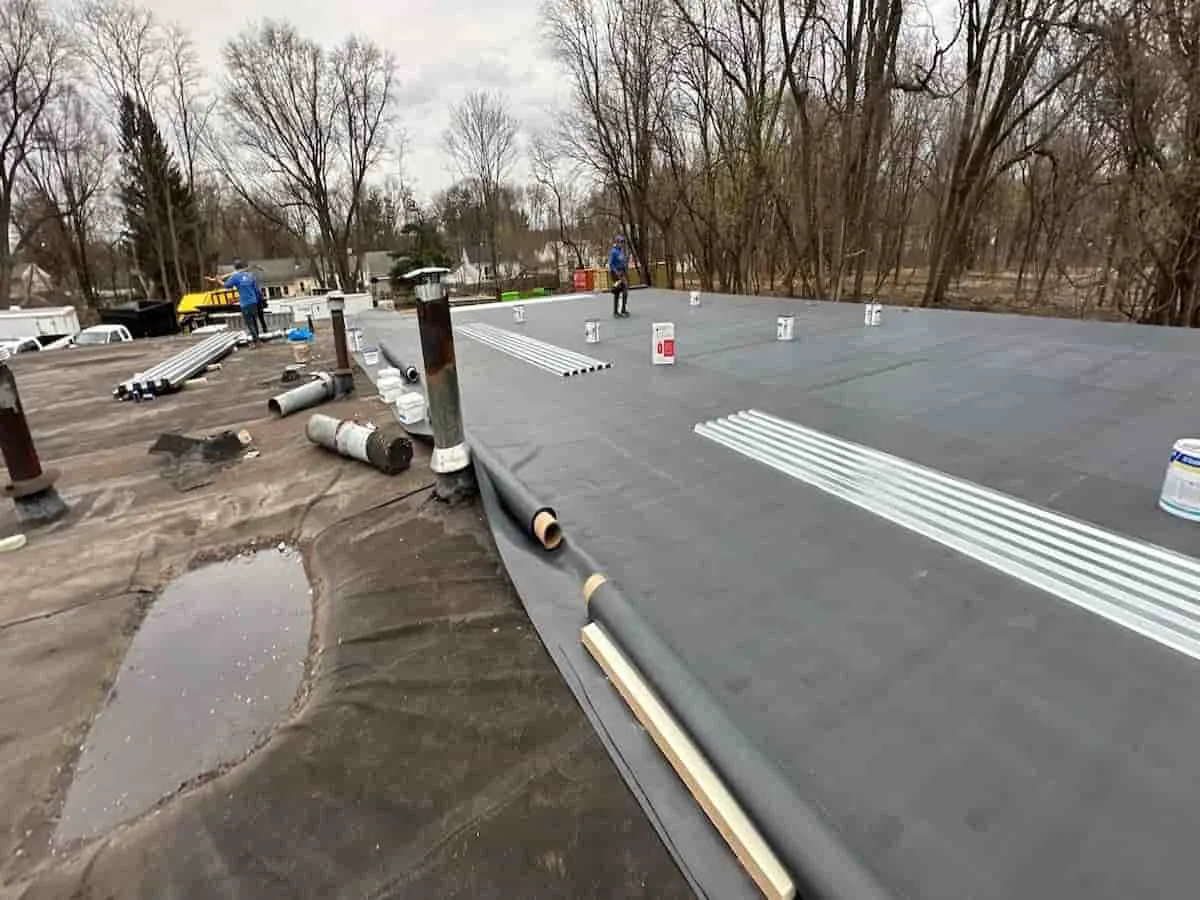
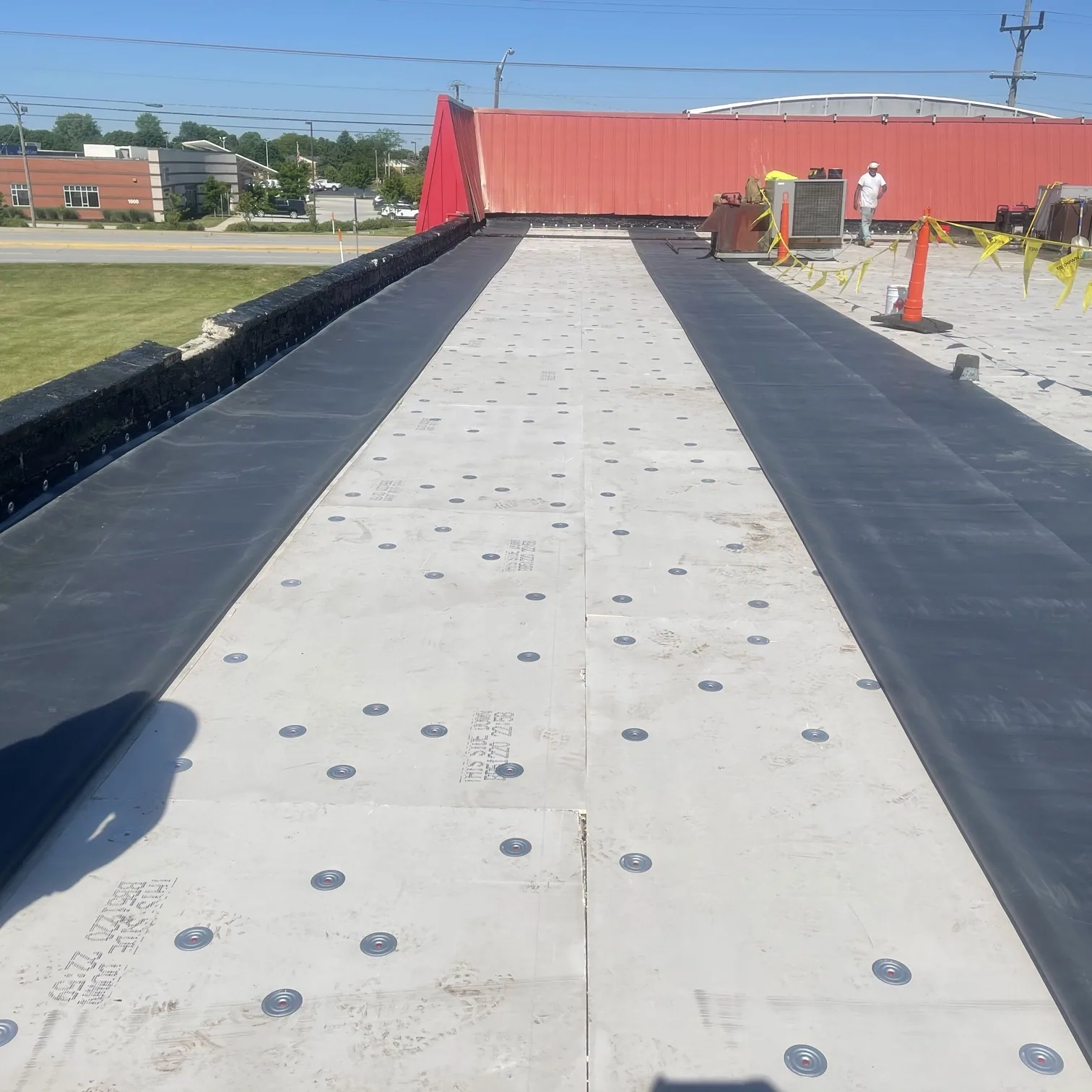
If the owner considers a recover, we review retained layers, moisture, added height at drains and edges, and project requirements. Tear-off exposes the deck but means more area has to be weather-secured and protected below. We can compare repair work with a replacement scope and inspect the existing system before selecting a compatible EPDM repair. For school or public-agency property, schedule and interior use may influence the order of work even when two areas show similar membrane wear.
Stage Work Around School and Business Hours
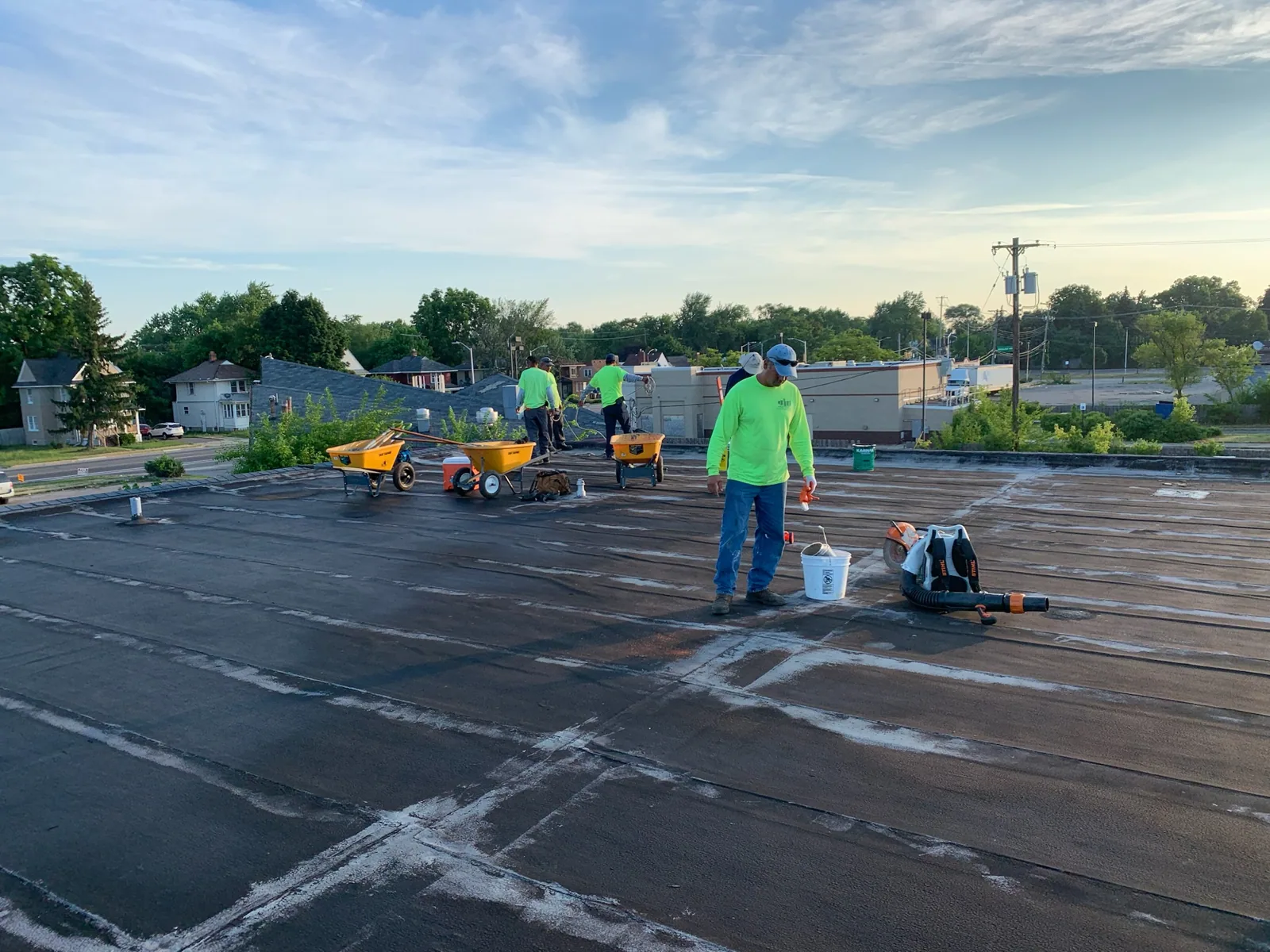
A roof above an occupied building can be repaired or renewed while people remain inside when boundaries and protection are set in advance. We confirm which rooms sit below the work zone, where occupants enter, and whether mechanical equipment needs attention. For removal, we limit exposed areas to sections that can be made secure before crews leave. Noise, odors, deliveries and any expected interruption to HVAC service belong in the sequence. The building representative can then notify users based on an actual plan rather than a broad promise that the work will not affect them.
For an urgent leak, around-the-clock response can begin with temporary protection and a safe assessment of the affected area. The permanent repair follows when the roof condition is clear. Scheduled maintenance can check drains, flashing, edges and prior repairs before another rain period. If several Quincy Point properties share an owner, a multi-site roof program can keep records consistent while allowing each building to keep its own priorities. That is useful when a school calendar, retail operation and maintenance window differ.
Leave a Useful Record for the Next Budget Review
We label roof sections and connect photographs to drains, edges, penetrations and repair locations. A manager can use that record to see whether water entry stopped, whether a patch held and which item still needs testing. We also note items that are serviceable now but merit observation, such as a sealant joint beginning to open or a drain that collects debris. A condition report should make the next review more comparable without implying that a surface inspection reveals concealed layers with certainty.
Quincy Point's place between the two rivers and its Route 53 corridor help describe local geography; the roof record remains property-specific. We can organize findings in a roof condition report and connect confirmed needs to a capital calendar. The owner can then compare the district with other Quincy locations without moving a school, retail or industrial finding from one property to another. Share any prior repair scopes and leak dates, and we will identify what changed and which decision the next visit needs to settle.
Commercial Roofing Questions
Does a leak near Town River prove the roof has flooding damage?
No. The district's location does not establish a particular building's flood history or roof condition. We inspect the reported area and document evidence before connecting a leak to any cause.
Can roof work be scheduled around a school day?
We coordinate the access route, interior protection, noise-producing work and any mechanical interruption with the facilities contact. The planned work boundary and school calendar determine which sequence is practical.
When should Quincy Point owners consider a tear-off?
When the existing assembly is wet, unstable or unsuitable for another layer, removal may be the clearer option. We confirm roof layers and deck condition before comparing the exposure and protection required.
What should a business send before an inspection?
Leak dates, interior photos, prior repair notes and any access restrictions help us prepare. We still verify the roof assembly and water path on site before defining the permanent repair.