Roof Edge Metal, Coping and Gutters in Quincy, MA
Gusts moving a loose coping joint can disturb the roof termination beneath it long before the metal leaves the building. For a commercial property in Quincy, MA, perimeter assessment needs to examine that connection together with the edge component’s fastening and support. We compare movement, corrosion where present and the water path at the roof boundary. Replacing the visible metal without repairing a compromised termination can leave the original entry detail behind.
Commercial Roofing Quincy repairs and replaces commercial roof edge metal, parapet coping, gutters and downspouts. The work joins weather protection with drainage and suitable securement. An asset manager needs to know which component failed and what adjoining construction it relies on. That determines whether the scope is a limited joint repair or reconstruction of a larger perimeter section.
Examine the parapet top
Coping protects the top of a parapet while accommodating movement along the wall. Joints, cleats and fastening need attention because a restrained or loose section can distort as temperatures change. We inspect accessible connections and the condition of the substrate below the metal. A deteriorated wood nailer or damaged wall top cannot be treated as sound support merely because the new cap fits over it.
The roof membrane’s termination also matters. We identify how it meets the parapet and whether that connection needs repair before the coping is replaced. Rebuilding failed wall flashing can therefore be part of the perimeter scope. We coordinate wall concerns with the appropriate trade where deterioration extends beyond the roofing detail. Water appearing below a parapet warrants examination of the cap, wall and roof connection as interacting components instead of assuming one visible joint explains every symptom.
Restore the perimeter connection
An edge component may help retain the membrane at the roof boundary as well as shed water. Loose attachment, unsuitable fastening or a weakened supporting nailer can affect both functions. We examine the complete connection, including how the membrane meets the metal and how the assembly is secured to the building. Component selection and installation need to meet the project’s applicable design requirements.
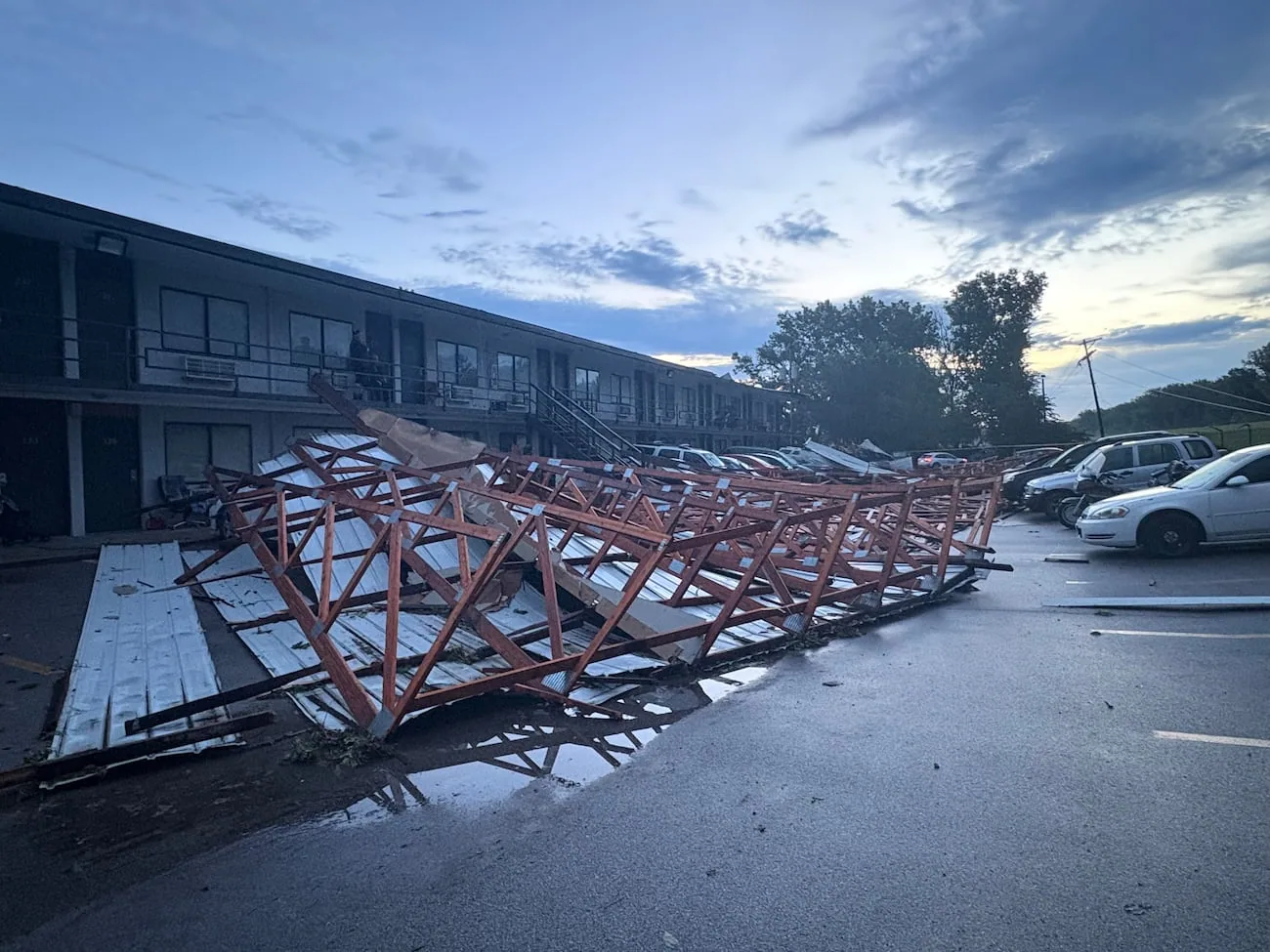
Wind-related perimeter damage may extend into nearby membrane or attachment. We assess that adjoining construction before setting the replacement limit. A new edge attached to a weak retained substrate can repeat the earlier failure. The work should define metal profile, support, joint treatment and membrane tie-in together. During removal, temporary closure also needs attention so the building is not left exposed along a perimeter that cannot be completed in the available weather window.
Let the joints work
Long metal runs expand and contract with temperature. Their joints need to accommodate that movement without allowing water into the building or loosening the assembly. We inspect separation, buckling and failed joint treatments to determine whether the issue is deterioration or a detail that constrains movement. A heavy application of sealant cannot substitute for a suitable joint arrangement where the metal needs room to move.
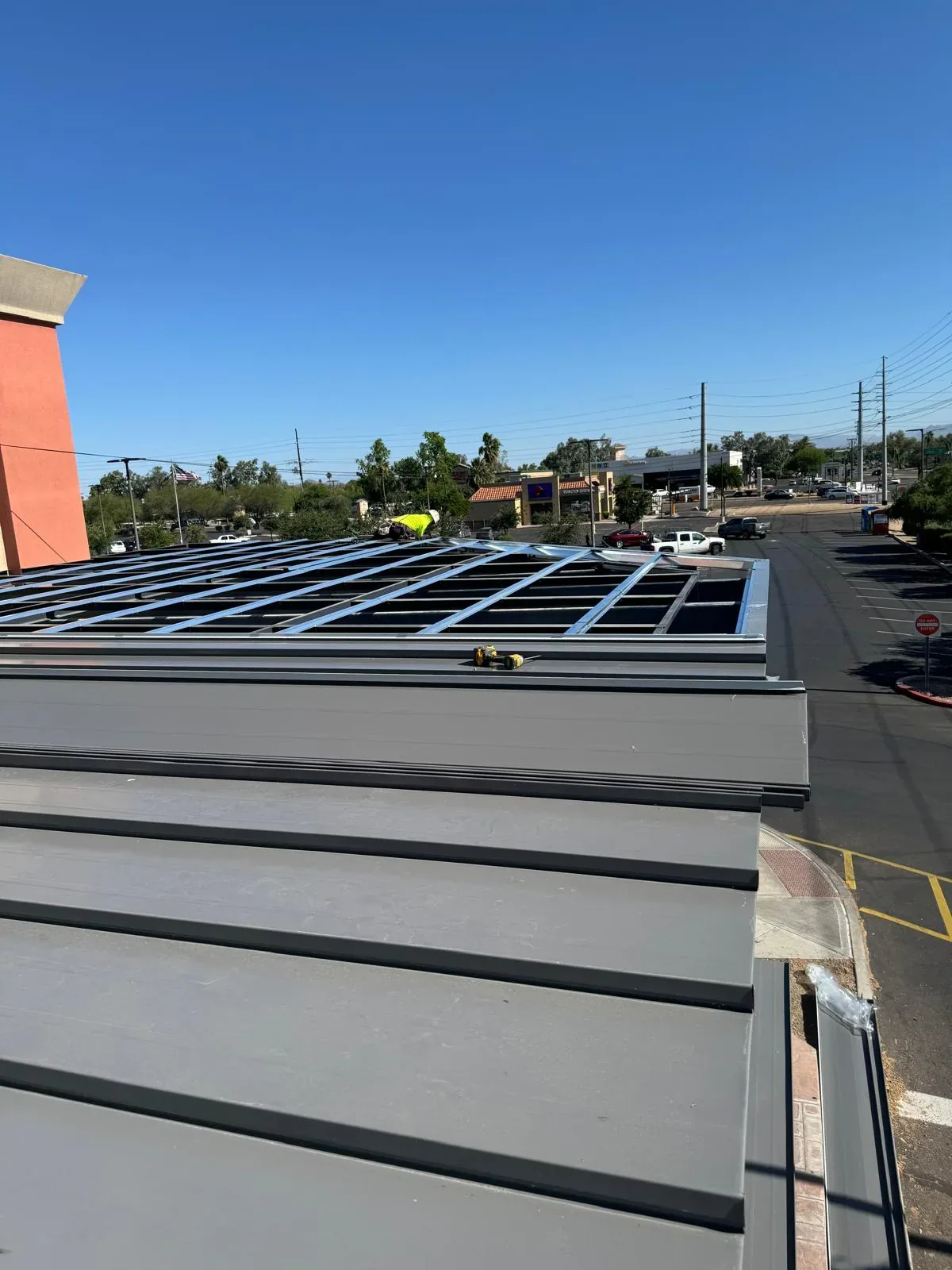
Quincy’s winter weather concerns include blizzards and nor'easters. Seasonal movement and prolonged wetting make small perimeter defects worth examining before they progress. We select repair materials for the metal and adjacent roofing, then address the underlying joint condition. For a metal roof assembly, panel movement and perimeter flashing need compatible detailing as well. The repair should not lock a moving panel to an unrelated fixed component without an appropriate design.
Keep the collection route open
A gutter must collect runoff and carry it toward an outlet without sagging, leaking at joints or separating from its support. We assess slope, attachment and debris before choosing repair or replacement. Standing water in a gutter can reflect blockage or geometry, while water behind it can indicate a problem at the roof edge. Those observations lead to different work. The gutter should be examined with the surface delivering water to it.
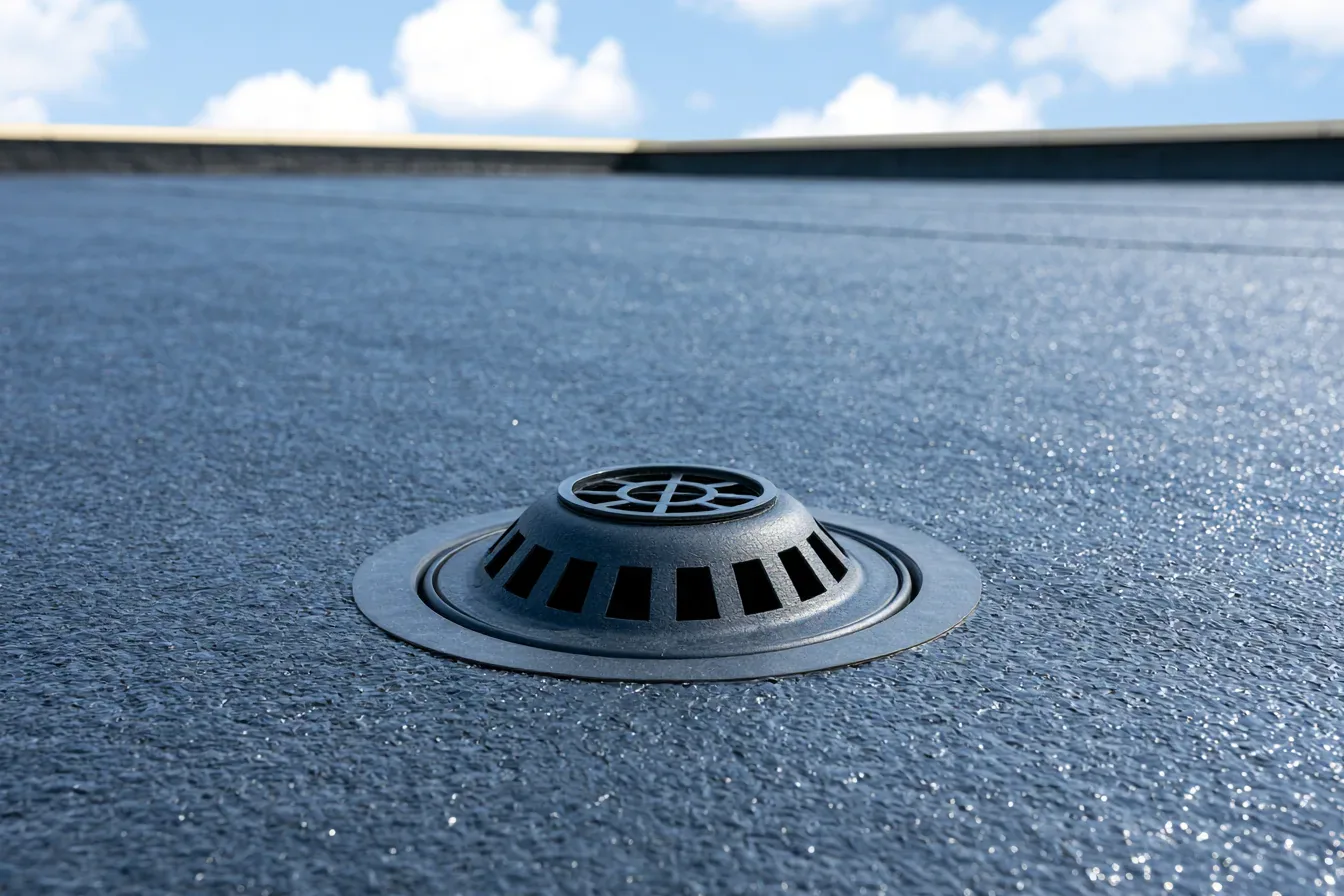
Downspout joints, collector boxes and discharge locations also affect the result. Scupper and outlet coordination may be necessary where water passes through the wall before reaching the collection system. We identify the route through each component and the work needed at its connections. Replacing a downspout without addressing a damaged collector joint can leave the wall exposed. Discharge should also be reviewed where it creates pooling or winter icing near an occupied entrance.
Plan the perimeter work zone
Edge work can place material and debris above entrances, parking areas or neighboring property. We establish safe access and protection below the affected run before removal. Lifting arrangements, staging and tenant circulation can influence the sequence. The manager should know whether a temporary entry closure or access restriction is needed, particularly where a long perimeter section must be rebuilt above an active public route.
Hanover’s commercial properties include industrial areas around Circuit Street-Winslow Crossing and King Street Industrial Park. For a multi-use industrial property, deliveries and tenant access may limit where equipment can be placed for perimeter work. In Quincy Center, retail and civic uses create other pedestrian and entry considerations. We define the arrangement for the actual building and coordinate it with the work needed to make each opened section weather-resistant.
Inspect the completed run
New metal should be evaluated at joints, terminations and changes in direction as well as along the straight field. We examine fastening, support and the roof connection for the installed assembly. At gutters, the water route and discharge arrangement need follow-through. An attractive finished profile does not establish that a hidden joint or substrate connection has been corrected. The scope should identify the components beneath the visible face.
Recurring perimeter and drainage checks help identify debris, movement and disturbed components after construction. Equipment service or later wall work can affect the repaired detail, so the manager should keep those trades aware of the new connection. We distinguish future cleaning from repair needs. Where deterioration remains in adjoining wall or roof construction, that condition receives a separate recommendation rather than being assumed resolved by the installed metal.
Commercial Roofing Questions
Why does replacing coping sometimes require work below the cap?
The cap needs suitable support and a sound roof or wall termination beneath it. We may find deteriorated nailers, loose flashing or damaged wall-top material when the existing metal is removed. Those conditions affect the new connection. The scope should identify accessible concerns early and establish how concealed deterioration will be evaluated before the replacement cap closes the area.
Can sealant stop a moving gutter joint from opening again?
A compatible joint treatment may address a confined failure, but sagging support or restrained movement can cause it to reopen. We examine slope, attachment and the joint arrangement before selecting the repair. The correction should address the movement or support problem where present. Applying more sealant over a distorted connection can leave both leakage and drainage problems unresolved.
Should downspouts be replaced with the gutters?
Evaluate their condition, outlet connections and discharge path as part of the same assessment. Suitable existing downspouts may remain, while damaged or poorly arranged components can need work. We compare the entire collection route so a new gutter does not discharge into an unresolved restriction. The decision follows the components and water path rather than requiring automatic replacement of every item.
How do we assess metal above a busy building entrance?
Safe access and protection of the area below need to be arranged before closer examination or removal. We coordinate with the manager on circulation, staging and any entry restriction. Loose material threatening occupants requires prompt attention. The permanent scope then addresses its fastening and adjoining construction so temporary securement is not mistaken for completed perimeter repair.