Commercial Roof Flashing Failure Repair in Quincy, MA
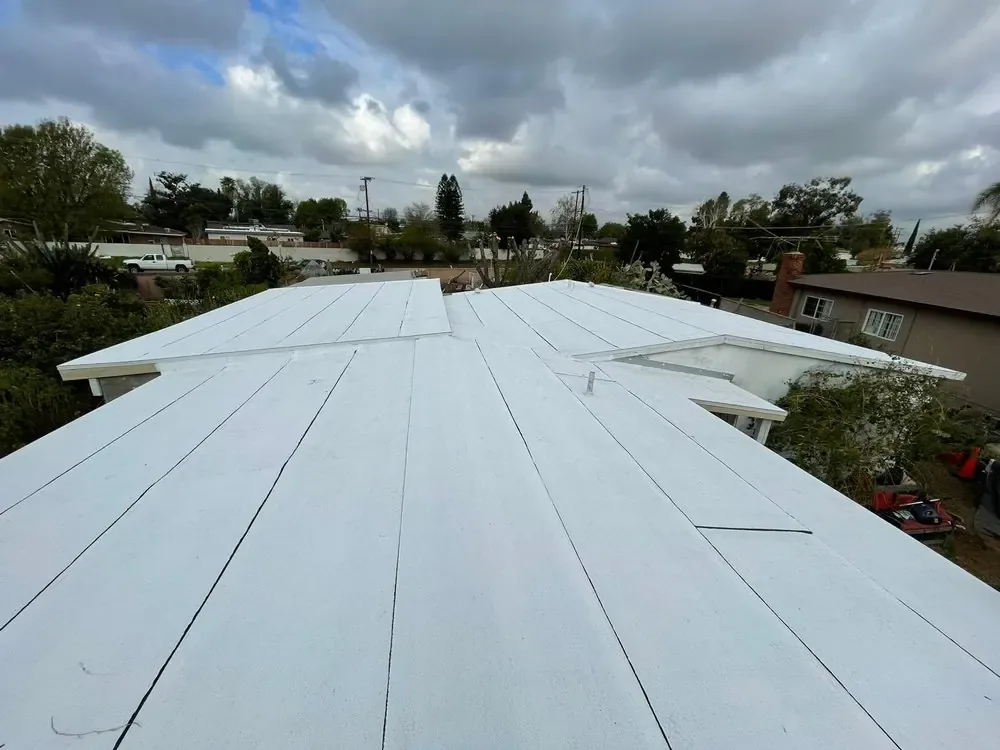
Meltwater running down a wall can reach a roof termination that has pulled away from its receiving surface. In Quincy, MA, commercial flashing-failure repair should examine that wall connection and the movement behind it before another surface treatment is applied. The visible gap can be only part of the construction requiring work. We inspect material condition, receiving support and available geometry, then define a repair that closes the assembled interface. A sound roof field cannot compensate for an unresolved connection at its boundary.
Quincy includes nor'easters and flooding in its preparedness concerns. Those conditions make secure roof transitions relevant to the requested property's weather exposure. We inspect, repair and renew commercial roofs with the physical detail in view, identifying whether local reconstruction or a wider receiving repair is supported. The owner's work interval then follows that scope and the occupied use below. A convenient access period should not substitute for establishing why the flashing failed.
Examine what holds the upper edge
A termination depends on the receiving construction and suitable attachment, not just the visible strip or surface treatment. We inspect the wall or curb where separation has occurred and examine deterioration or movement affecting the connection. Replacing one exposed component can be incomplete if its receiving edge remains unsuitable. The recommendation should identify the preparation and reconstruction needed before final waterproofing closes against it.
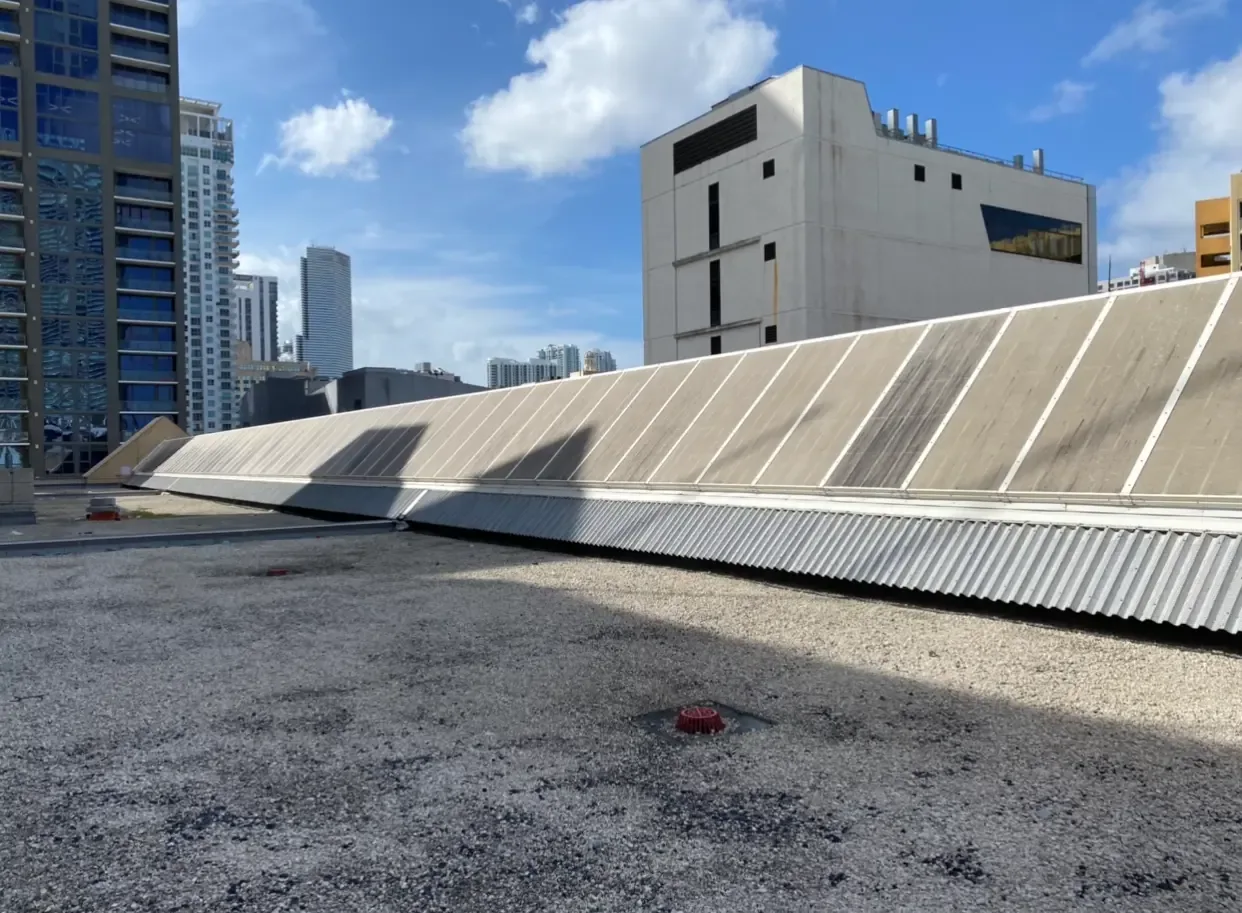
At an equipment curb, insulation height and the retained unit arrangement can affect available flashing clearance. We assess the final roof elevation and support before selecting a replacement detail. A new field layer can reduce useful height if the curb remains unchanged. The complete scope should address that interface rather than install a renewed surface around a constrained connection expected to remain vulnerable.
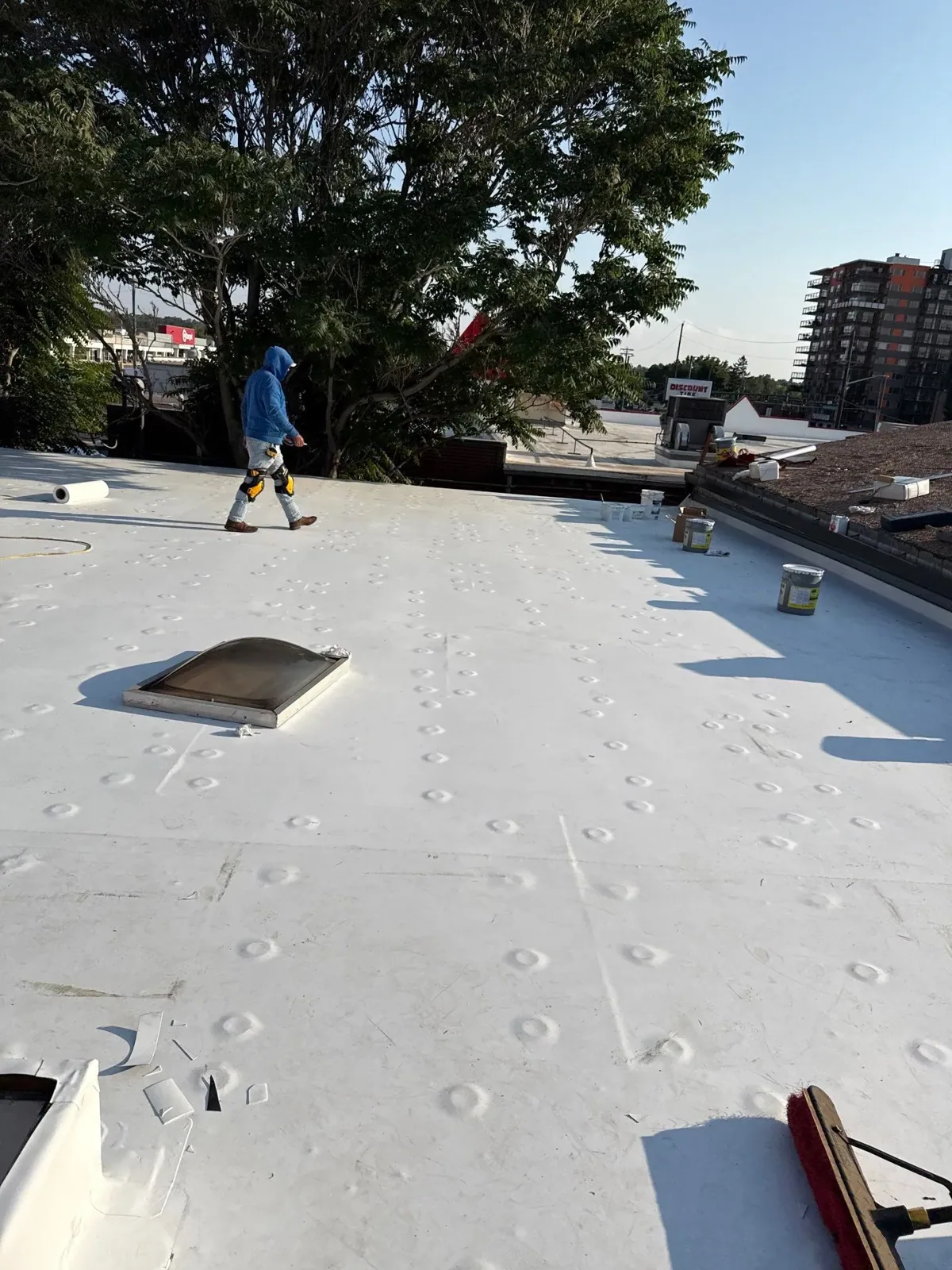
Penetration and skylight flashing work examines the specific geometry and material transitions at the opening. The receiving construction needs suitable condition for the selected repair method. Existing surface treatments may require assessment and preparation before compatible material can form a useful bond. The proposed closure should match the installed assembly rather than rely on one treatment for every penetration type.
Resolve the movement before renewing the detail
A pipe, support or adjoining component can keep stressing flashing if its movement remains unresolved. We examine the physical relationship to the roof and identify any support or mechanical task needed before waterproofing. The final connection follows the relevant correction, with material and geometry suited to the assembled interface. Applying another patch first can leave the new work exposed to the same repeated displacement.
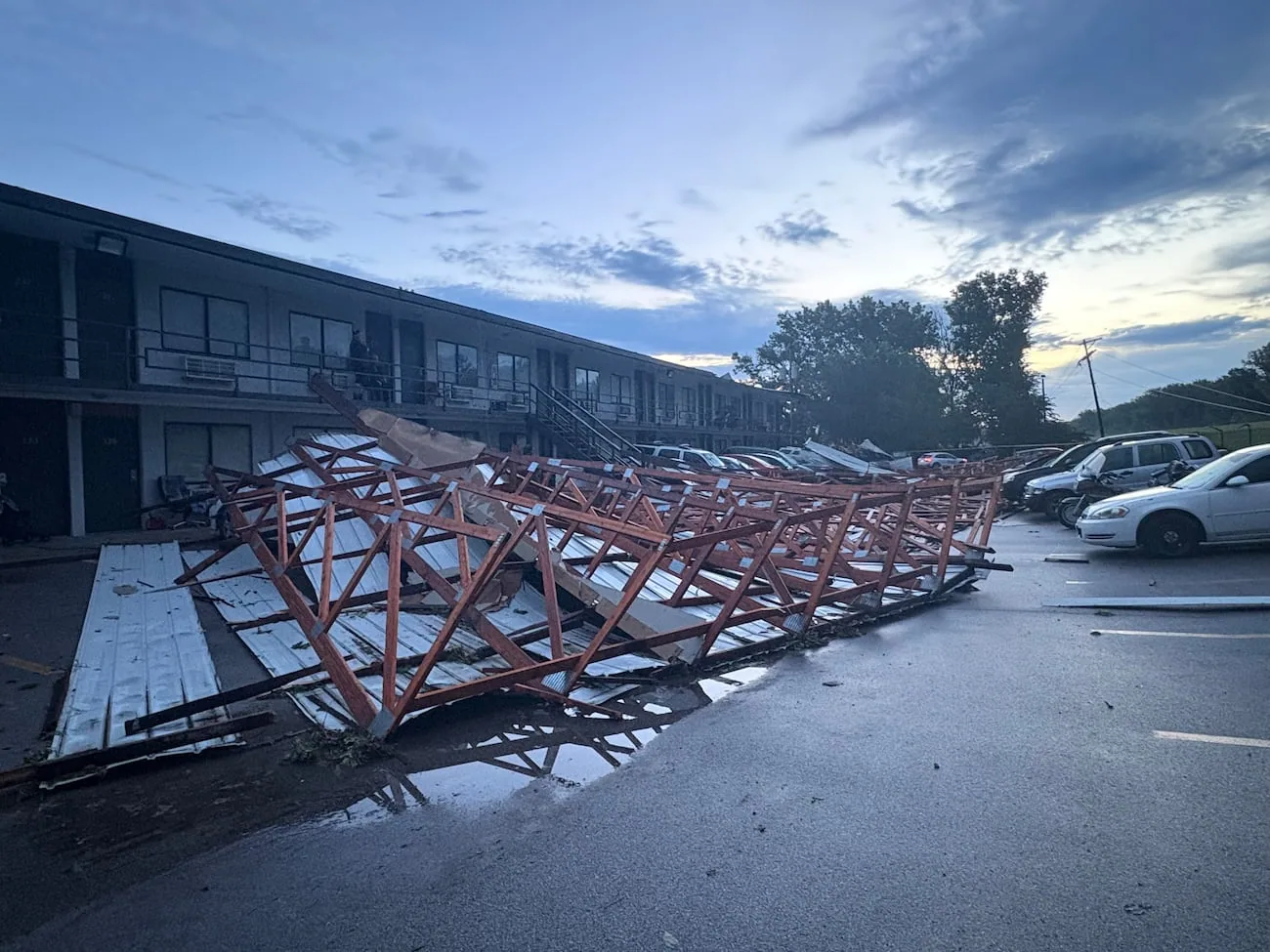
For wind-related roof damage, a displaced edge or support can also compromise adjacent flashing and attachment. We inspect those components together without assuming the visible metal is the full repair. The receiving material, membrane restraint and final detail should provide suitable continuity. A completed surface repair needs a sound boundary at the place movement previously reached the assembly.
South Hingham includes manufacturing businesses as well as other commercial activity. For requested work in South Hingham, we examine the property's actual equipment connections and access arrangements. Process or service equipment can create a different receiving task from an ordinary wall termination. The assessment identifies that task and its operating interval before the new flashing is formed.
Distinguish the roof joint from the wall pathway
Water reaching an interior area near a wall can come through the roof flashing or through adjoining construction above it. We inspect the relevant pathway before defining the intervention. A roof-only treatment will not resolve entry that remains beyond its receiving boundary. Where another project task affects the wall, its final construction needs coordination with the roof termination. The scope should identify the physical interface rather than use a broad leak location as the complete explanation.
Air and thermal control can also meet at the junction. We assess those relationships where moisture findings or proposed construction changes make them relevant. A surface waterproofing repair and correction of an interior moisture pathway can be different tasks. The owner should understand which mechanism has been established and which component the recommendation restores. That distinction makes a recurring symptom more useful to investigate than another automatic treatment at the same visible joint.
Match the repair to the installed system
Membrane chemistry, surface condition and joint method affect suitable preparation and repair material. We identify the installed construction before recommending a new flashing treatment. A method appropriate to one system may not create a useful connection on another. Existing coating or residue can also change the receiving condition. The repair should include preparation and final continuity with retained material rather than name a patch product without examining what it must join.
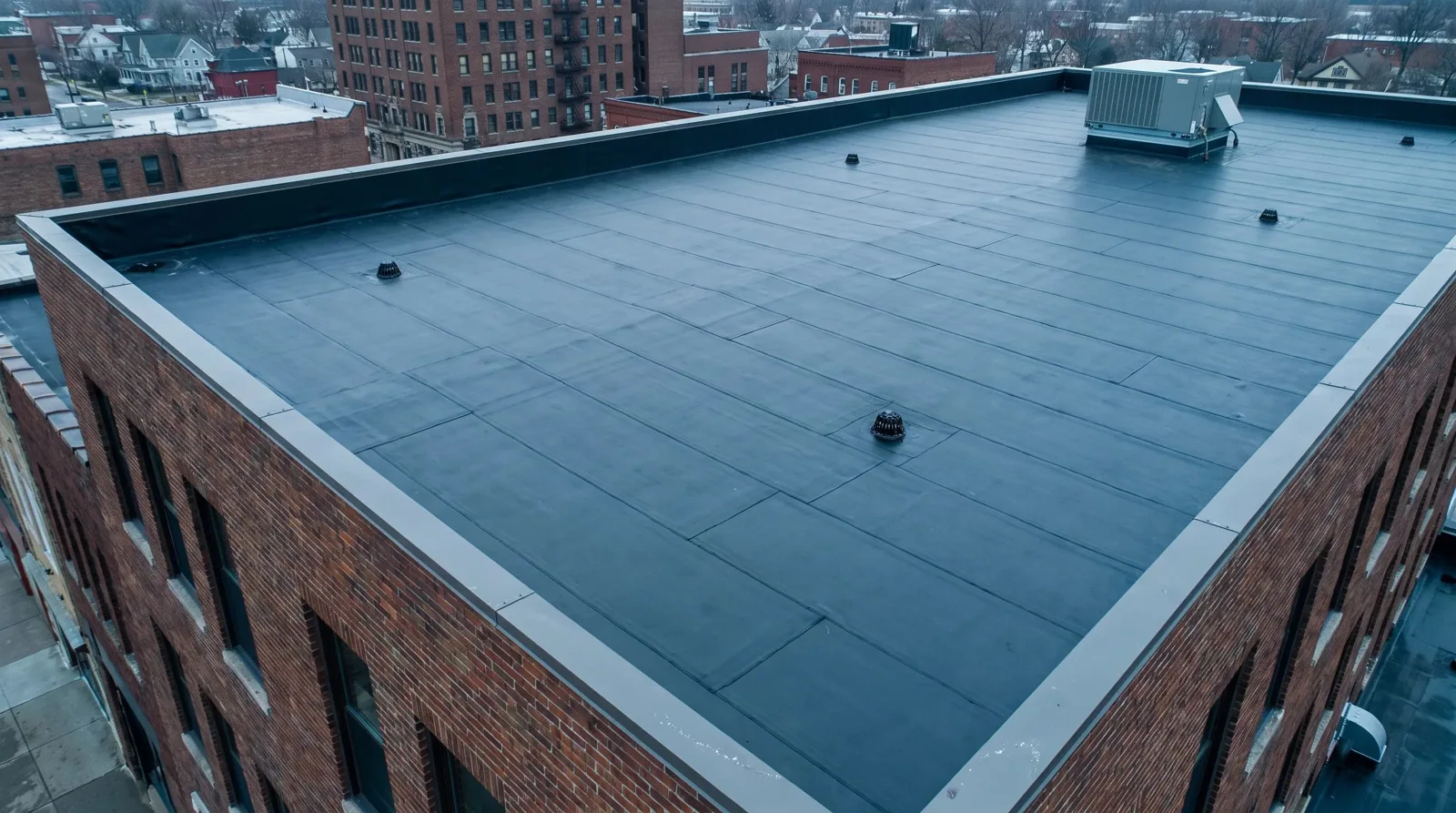
Seam failure repairs can be needed where the flashing-to-field joint has opened as well as at the upper termination. We inspect both boundaries and any local stress affecting them. Closing one visible edge can leave another opening in the same assembled detail. Where TPO roofing is present, the specific system and receiving surface govern the suitable method, with relevant project requirements reviewed before work.
Restore the layers affected by admitted water
Water admitted through flashing can damage insulation or support below a field that still appears continuous. We use closer examination where that condition changes the scope. The defective connection and unsuitable layers should be described separately, even when they require one coordinated intervention. A local repair on sound receiving construction can differ materially from reconstruction involving wet boards or deteriorated support. The removal boundary follows the material findings, not only the visible size of the gap.
South Quincy's Crown Colony office area is near Route 3 and Interstate 93. A requested roof in that office setting can need a protected equipment or occupied-room interval before the receiving assembly is opened. We assess the actual room exposure and closure effort. A small flashing detail may take substantial completion work when support, wet layers or adjoining connections require reconstruction around it.
Finish the receiving task and the water boundary together
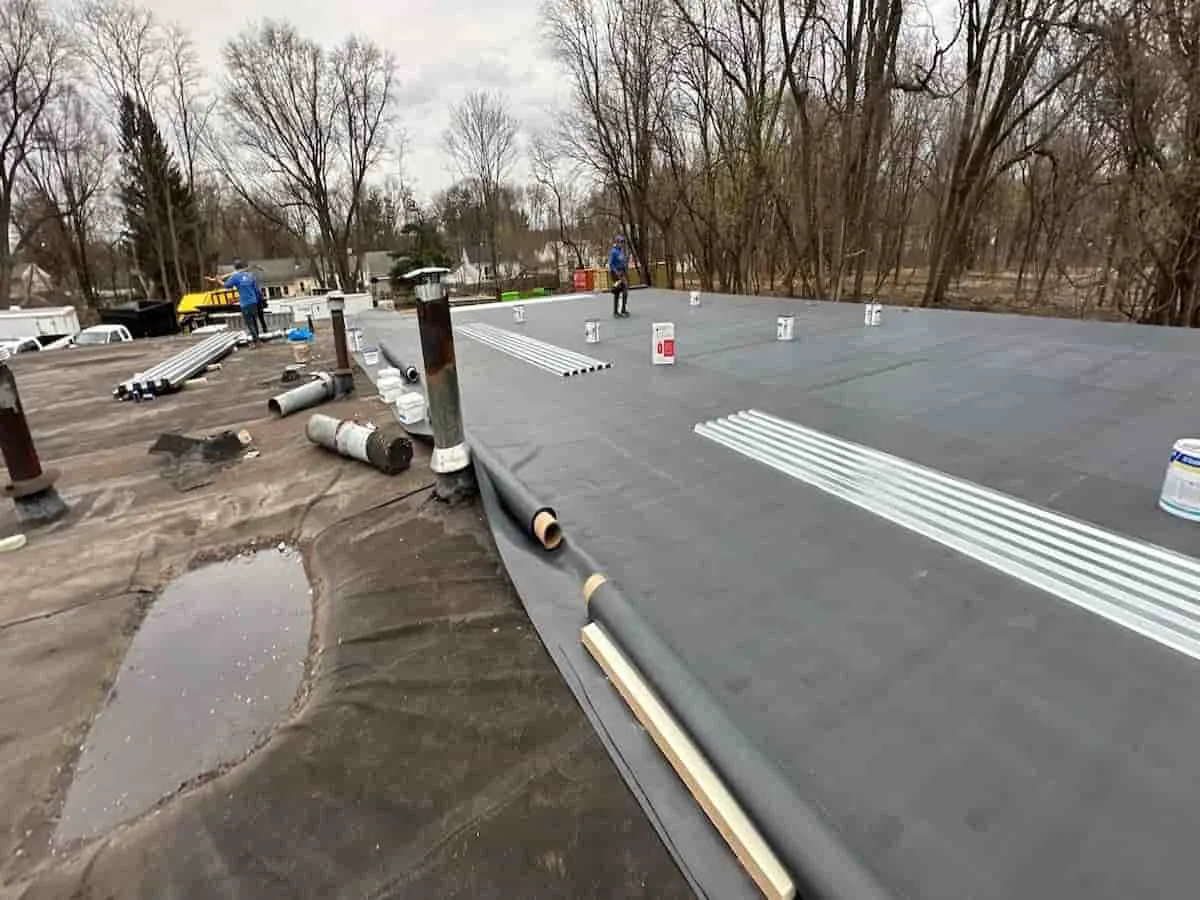
Commercial roof reconstruction should identify the work needed at each boundary of the detail. We coordinate support changes, compatible preparation and final flashing with the operating constraints below. Daily removal needs a practical secured endpoint and usable drainage. The detail should remain accessible after completion so later inspection and suitable repairs can examine the connection rather than work around an inaccessible new obstruction.
We distinguish permanent reconstruction from temporary entry protection. The final component description identifies what was restored and which receiving material remains. Technician routes and compatible protection should reduce concentrated contact where useful without impeding runoff. A later roof complaint can then be assessed against the repaired detail and actual assembly rather than treated as proof that every connected component needs the same intervention again.
Commercial Roofing Questions
Will another surface treatment repair a flashing that keeps separating?
Examine movement, attachment and the receiving surface before selecting the treatment. An unstable support or unsuitable termination can continue stressing new material. We identify the correction needed at that interface and form final waterproofing after the relevant receiving work. The repair should address the established mechanism rather than conceal the visible gap temporarily without resolving its cause.
How does added insulation affect existing flashing?
The revised field height can reduce available clearance at a curb or wall connection. We assess the proposed elevation with the retained equipment and termination geometry. Reconstruction may be needed to provide a suitable final detail. A new roof surface should not be installed around an interface whose receiving arrangement becomes more constrained because the surrounding construction has risen.
Can water near a wall establish that the roof flashing is defective?
The pathway requires examination. Entry can involve the roof connection or adjoining construction above it, and interior moisture can introduce another question where conditions warrant. We inspect the relevant assembly before defining repair. The scope should identify the component found defective so the proposed roof task does not leave a contributing wall or receiving condition unresolved.
What should be checked below an open flashing connection?
Assess insulation, support and receiving condition where admitted water may have affected them. The surface defect can be smaller than the damaged layers beneath it. We identify the suitable retention and removal boundary with closer checks where useful. Permanent closure should restore the components supported by those findings, not automatically stop at replacing the visible flashing alone.