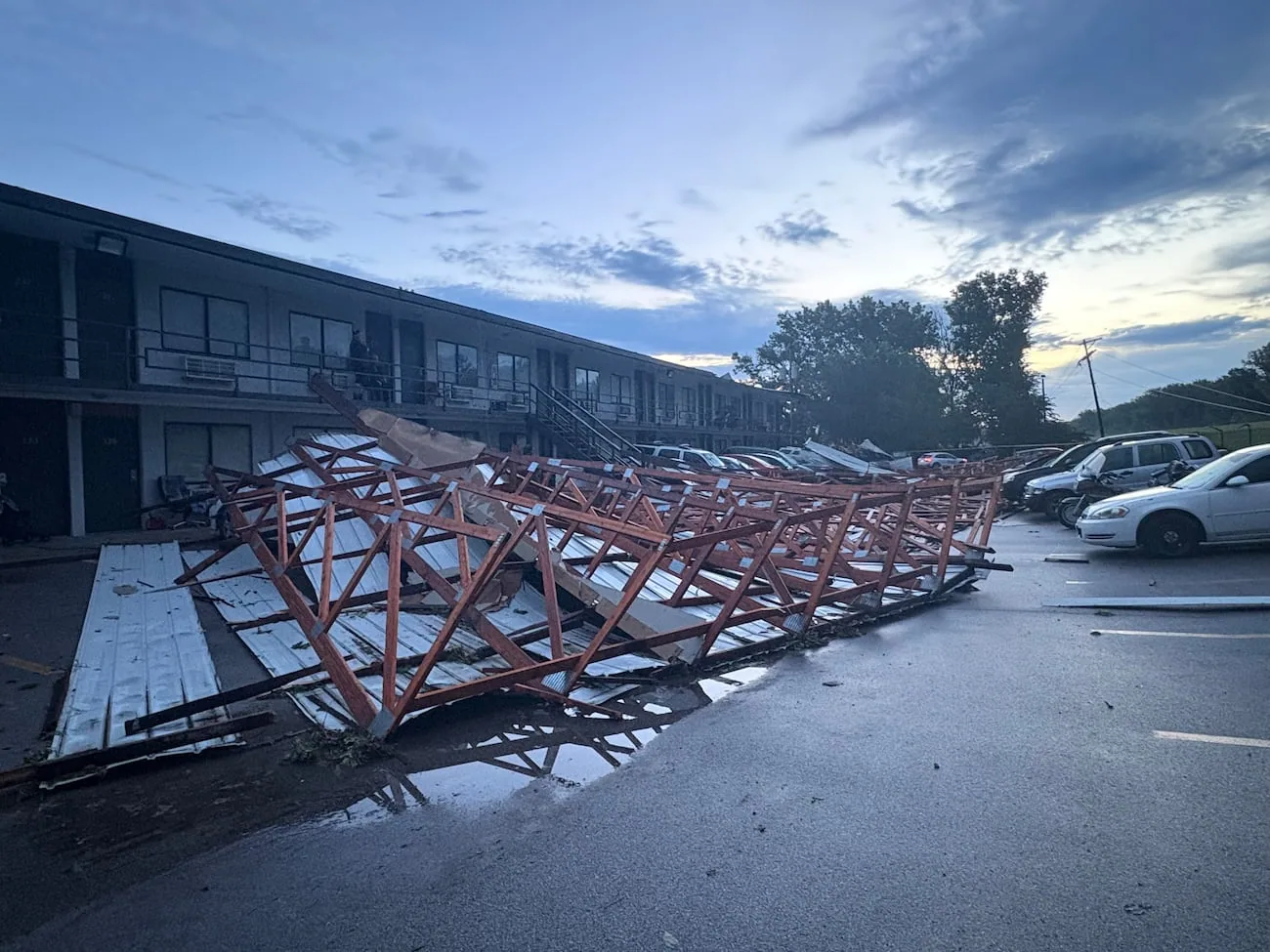
Commercial Snow and Ice Roof Damage Repair in Quincy, MA
Meltwater held behind ice beside a higher wall can reach a vulnerable roof transition while other field areas drain. Commercial snow and ice damage repair in Quincy, MA, starts by examining that localized water route and the assembly around it. Removing an obstruction and rebuilding damaged flashing can be different tasks. The roof may also need a review of thermal or air-control conditions contributing to uneven melt. We establish the mechanism before selecting another treatment for a recurring winter symptom.
The regional Boston 1991 to 2020 annual snowfall normal is 49.2 inches. We examine how snowmelt reaches outlets and adjoining height transitions, including the receiving details exposed when localized accumulation obstructs flow. We inspect the requested assembly and assess snow-related damage through its geometry, receiving condition and use below. Where support or loading concerns require specialist review, the relevant assessment precedes decisions about access or reconstruction. Roofing repairs should follow established receiving conditions, not an assumed load capacity.
Examine the concentrated area beside the height change
Higher walls, roof elevation changes and equipment can create localized snow accumulation that differs from the open field. We identify those areas when examining damage and the proposed work. The amount visible at one position does not establish the condition or loading of the entire assembly. Where deformation or support damage is in question, we coordinate the relevant structural assessment before treating the area as suitable for access or installation. A membrane repair cannot restore compromised receiving support beneath it.
We describe the roof tasks separately from any structural correction required. Waterproofing follows receiving reconstruction that changes its geometry or attachment base. A changed deck or support can alter the final connection at a wall or unit. The completed roof should close against sound suitable components rather than conceal a loading concern under a new surface. That distinction gives the owner a workable sequence for the actual damage found.
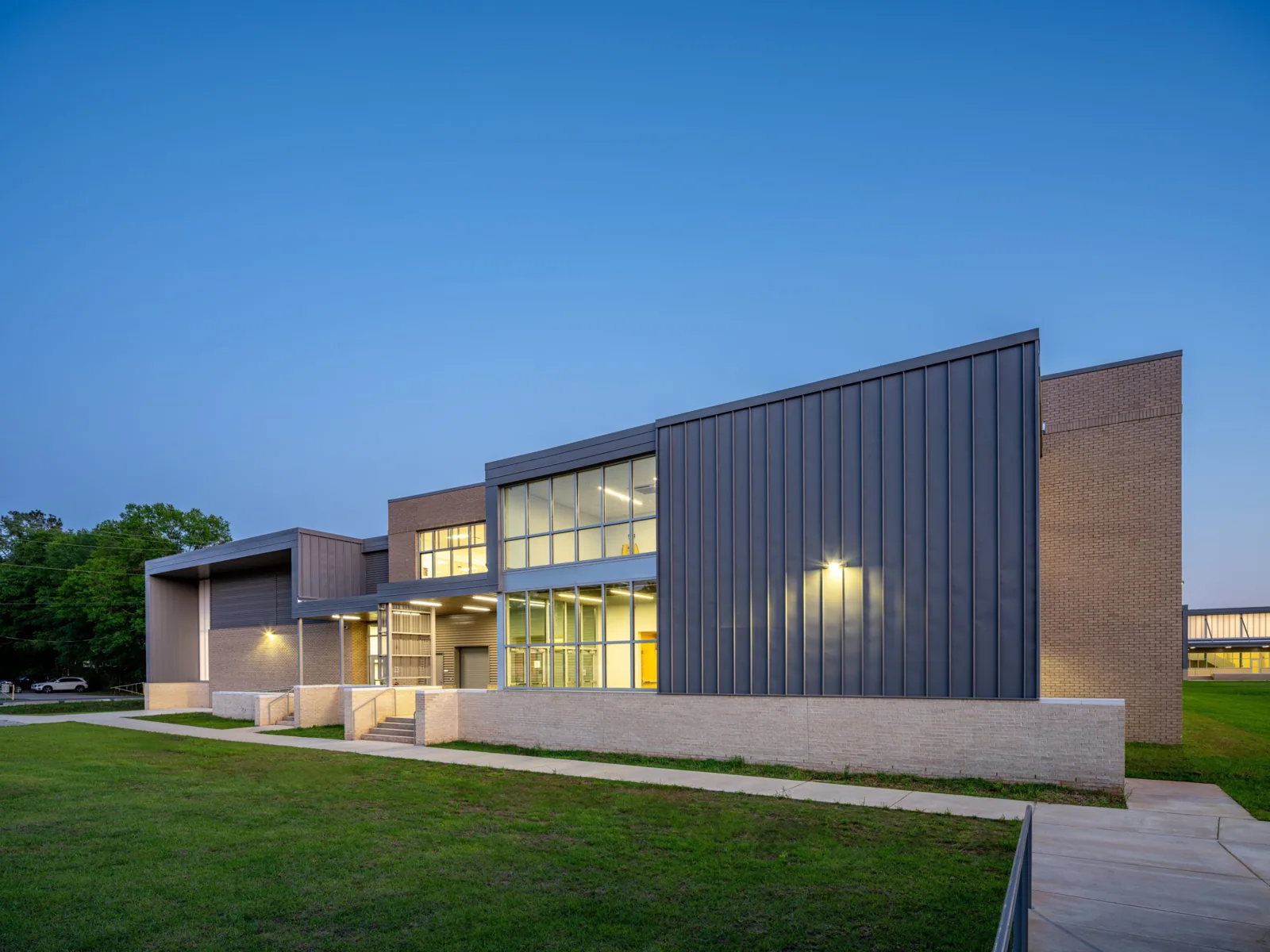
Holbrook's shared elementary, middle and high school complex brings multiple educational activities into one property. For requested work in Holbrook, the affected roof zone and rooms beneath it need individual assessment. A gym, classroom wing or equipment area can present different height transitions and occupied protection questions. We check those actual features rather than assign one roof mechanism to every part of a school complex.
Follow the water route around the ice
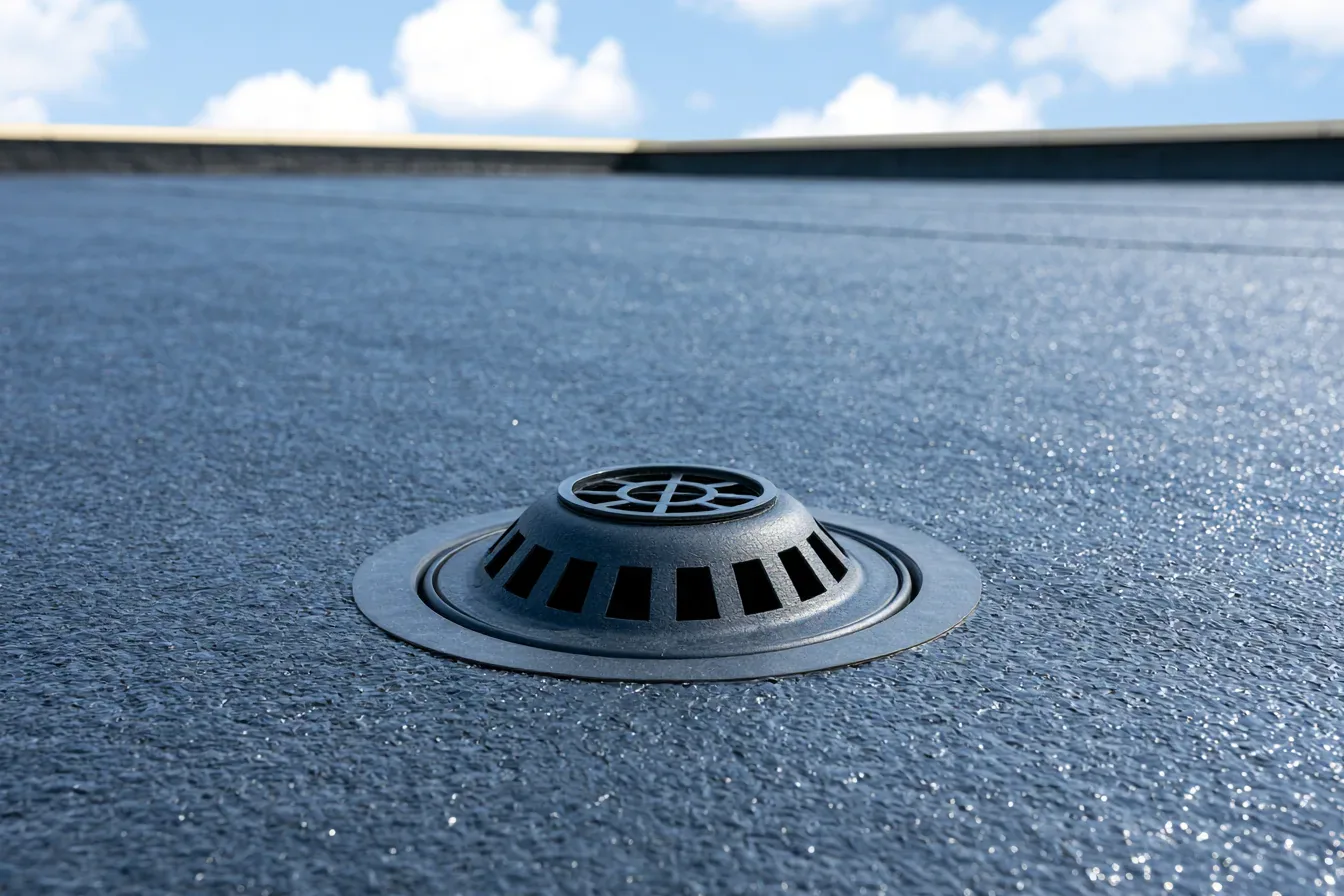
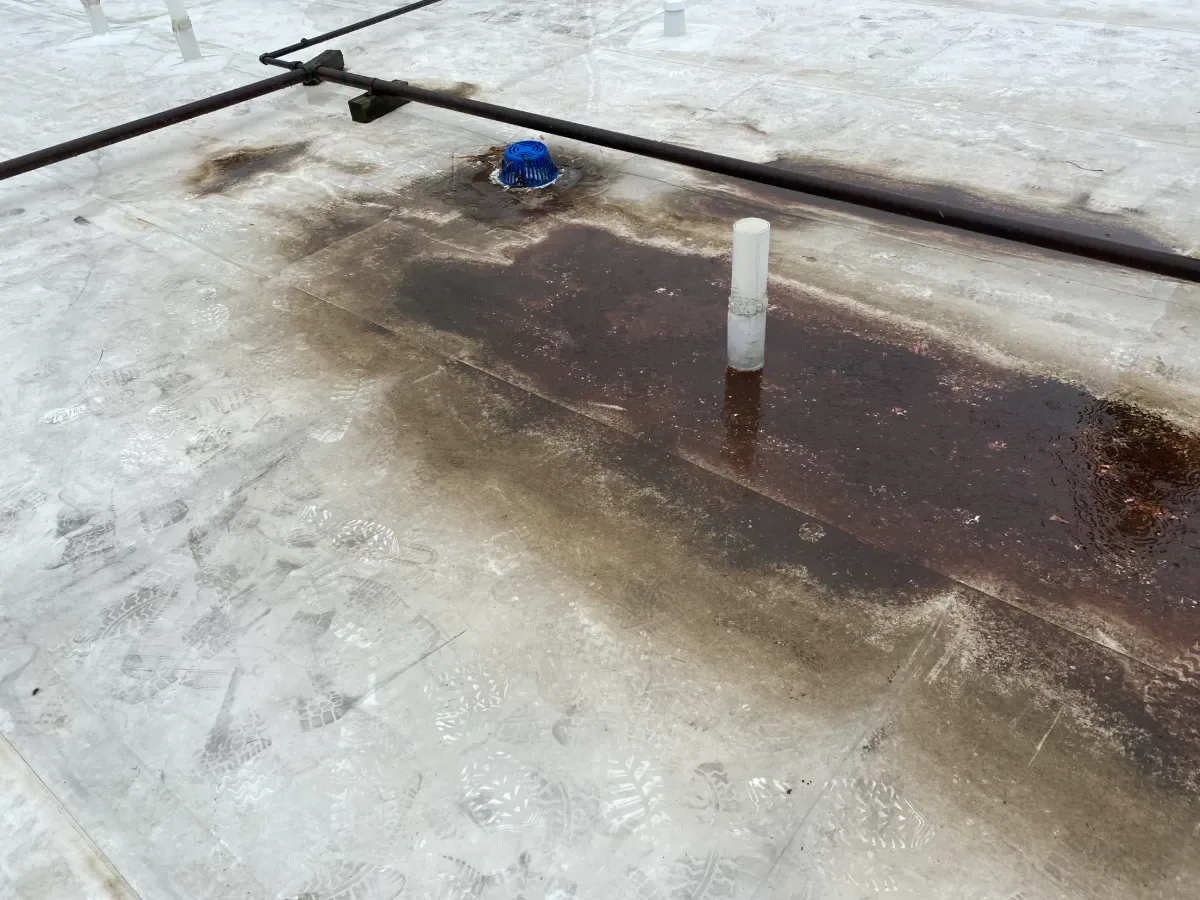
An obstructed outlet can hold meltwater while the surrounding roof surface begins clearing. We examine the drain or scupper and its approach route, including any low area or support affecting flow. The receiving flashing may also have damage requiring construction. A restored opening should not be treated as completion if deteriorated material remains beside it. We identify cleaning, geometry correction and component repair according to the condition established.
Roof outlet reconstruction assesses the discharge elevation and final receiving relationship. The work should preserve useful flow during its stages as well as after completion. Material positions or temporary divisions can direct water toward an unfinished boundary if that route is not examined. We define the opening and closure with suitable conditions and the required low-point detail effort in view.
Ponding correction can be relevant where a depression remains after the winter obstruction clears. We examine the receiving shape rather than assume ice explains every recurring pool. Additional insulation or new layers can change height at outlets and equipment. The final construction should resolve those relationships coherently, avoiding another constrained transition beside a corrected low area.
Assess the construction contributing to uneven melt
Interior heat and air movement can affect roof temperatures where the assembly does not provide suitable continuity for the building's conditions. We examine those pathways when repeated winter moisture or melt patterns make them relevant. Exterior entry and an interior moisture mechanism can require different remedies. A surface treatment selected without that assessment may leave the contributing assembly relationship unresolved. The recommendation should identify the component and correction supported by the examination.
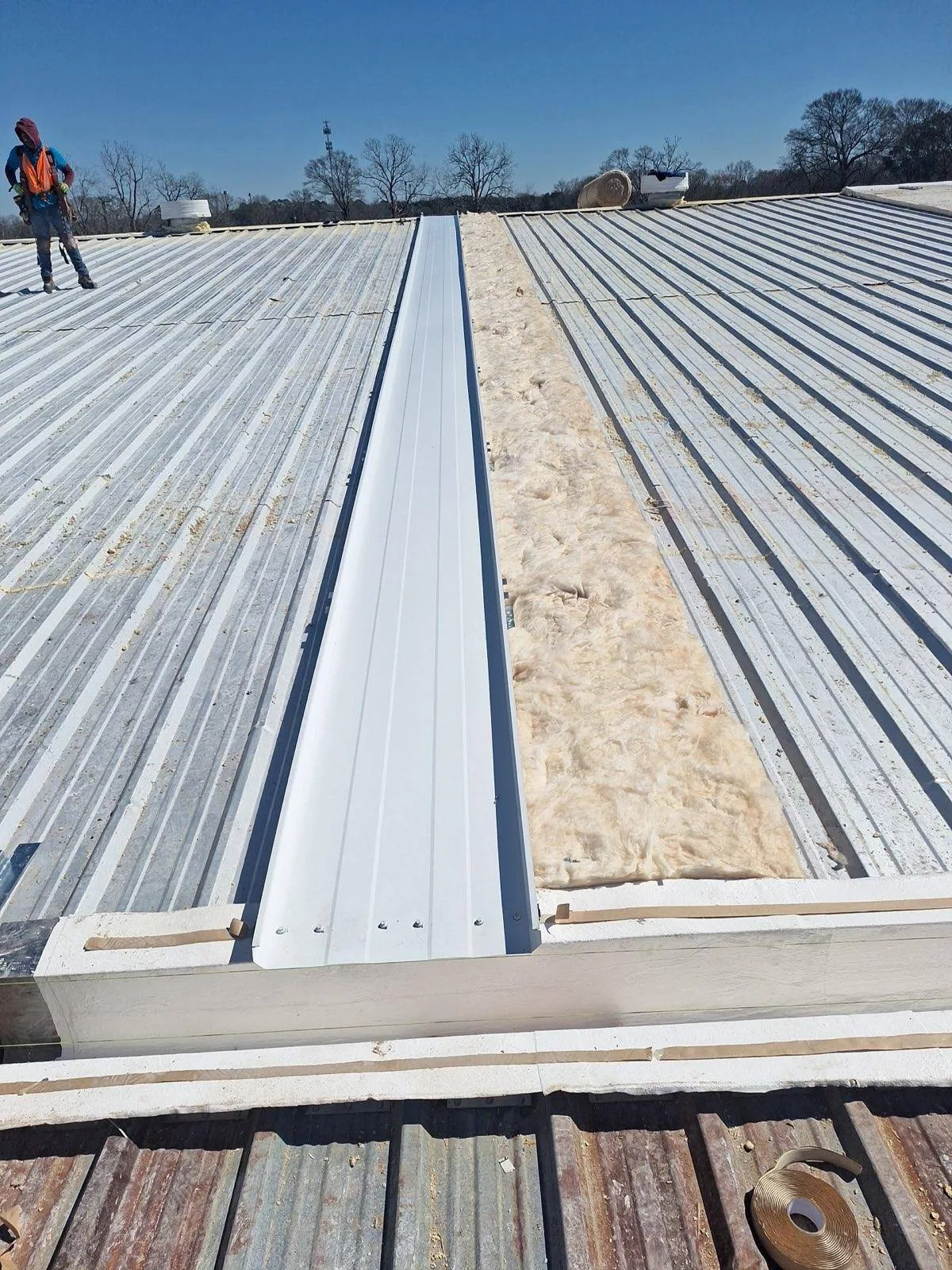
For roof insulation and cover-board work, we assess the thermal arrangement together with support, attachment and final elevations. Wet or damaged insulation can also change the receiving decision. We establish the material condition where it affects retention, using closer checks appropriate to the roof. Installing another covering does not automatically restore useful air or thermal control beneath it, so the proposed assembly should explain the relevant layers and transitions.
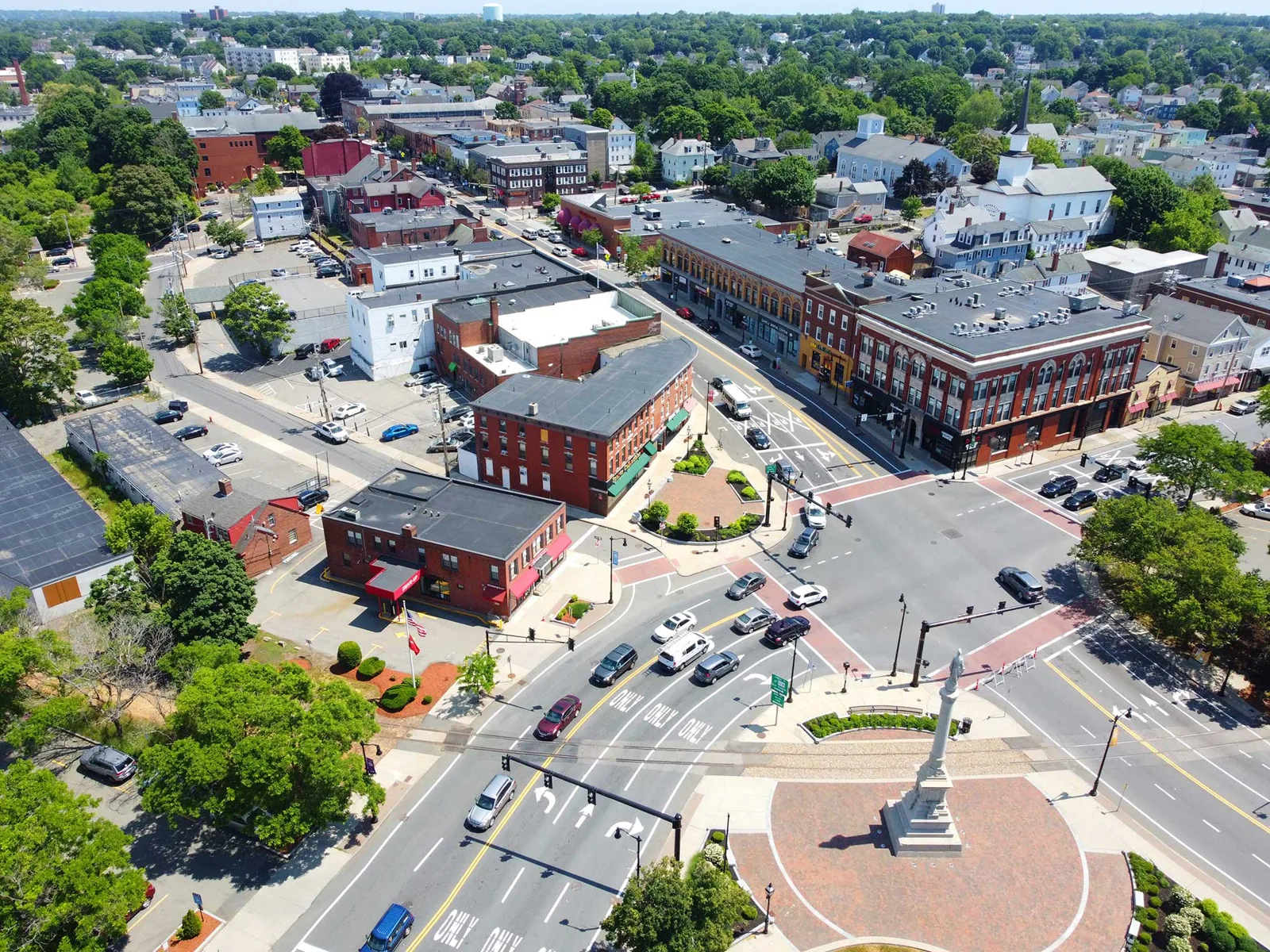
Scituate's Greenbush and Driftway district combines commercial and medical activity with residential and marina uses. A requested roof serving unlike indoor conditions in that setting can need individual assessment at the zone boundary. We examine the actual assembly and operating conditions where they affect moisture. The work interval then follows the component task, with protection suited to the occupied room rather than a uniform response to the district's mixture of uses.
Distinguish the opening from the affected layers
Winter exposure can coincide with an open joint or damaged flashing, while admitted water affects construction below a wider area. We inspect the visible connection and receiving layers as separate findings. A bounded defect on sound construction can support a local approach. Wet boards or unsuitable support can require additional removal. The repair boundary should follow the extent established rather than the size of an interior stain or the visible winter opening alone.
Where wind damage accompanies winter conditions, perimeter restraint and adjacent membrane also need examination. A displaced edge can affect more than the exposed metal. We assess attachment and final continuity with retained roofing. Permanent work should restore the assembled connection, with any temporary protection distinguished from the receiving or damaged-layer tasks still required.
Define a stage around the complete winter repair
Our school roof work relates the opening to the affected teaching or support area, while other commercial uses need their own operating arrangement. We identify water and debris exposure, equipment intervals and suitable interior protection before removal. Daily area reflects the details that can be secured and appropriate application conditions. An available room interval is useful only when the roof's receiving and closure tasks can be completed within it.
After correction, outlets and vulnerable transitions should remain accessible for inspection. Traffic protection can be appropriate where service contact threatens roofing, without obstructing the water route. The component description identifies what was repaired and what remains in the assembly. Later upkeep can then preserve the actual drainage and connections, distinguishing recurring clearing from damaged construction that needs a new assessment.
Commercial Roofing Questions
Does clearing ice resolve a recurring winter roof leak?
Examine the remaining water route and damaged connection before closing the task. An obstruction can coexist with unsuitable low-point geometry or deteriorated flashing. We identify the physical mechanism and construction needed after flow is restored. The permanent scope should address the condition found rather than assume every winter symptom ends when visible ice is gone.
How should a concentrated drift affect the roof assessment?
Identify the height change, equipment and receiving support at that location. Where loading or deformation raises a structural question, coordinate the relevant review before access or reconstruction decisions. We separate that task from the waterproofing repair. The final membrane needs sound suitable construction beneath it, not a new surface concealing an unresolved support concern.
What if interior conditions contribute to uneven melt?
Assess air and thermal control where the findings make those relationships relevant. Exterior entry and interior moisture pathways can need different corrections. We examine the actual assembly before recommending another surface treatment. The proposed work should identify the contributing layer or transition and how the repair restores its useful relationship to the occupied space.
Can wet insulation remain after the opening is repaired?
Establish the material condition and its suitability for the proposed construction. Closing an entry joint does not itself restore a damaged layer beneath it. We identify retention and removal boundaries with closer checks where needed. Permanent work should distinguish the waterproofing connection from the insulation or receiving repair supported by those findings.