School Roofing in Quincy, MA
Snowmelt arriving while classrooms are occupied can expose a school roof defect that remained quiet through a colder week. In Quincy, MA, we examine drain areas, flashing and the water route above the affected room before choosing a repair. The school calendar matters to construction access, but it does not establish the condition of the assembly. A defect that admits water now needs an appropriate response even when a larger renewal is being considered for a later break.
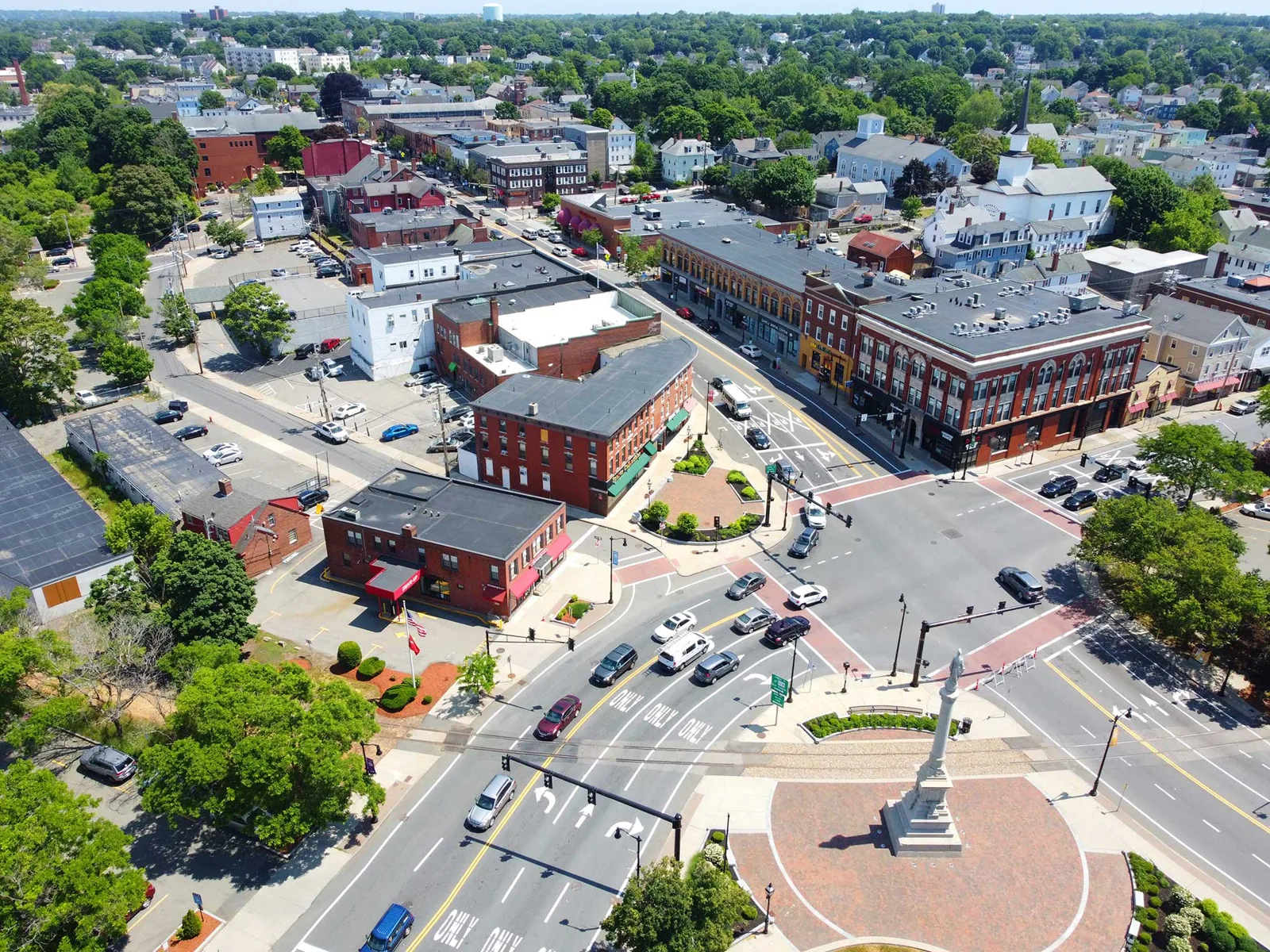
Quincy includes school uses in North Quincy and Quincy Point, while nearby communities add other instructional properties. We assess each roof's actual support, insulation and connections. Quincy identifies blizzards and nor'easters among its preparedness concerns. Those exposures make winter drainage and secure work-area closure practical priorities for an occupied school. The recommendation separates immediate waterproofing needs from wider improvements supported by the roof's physical condition.
Room Exposure Sets the Priority
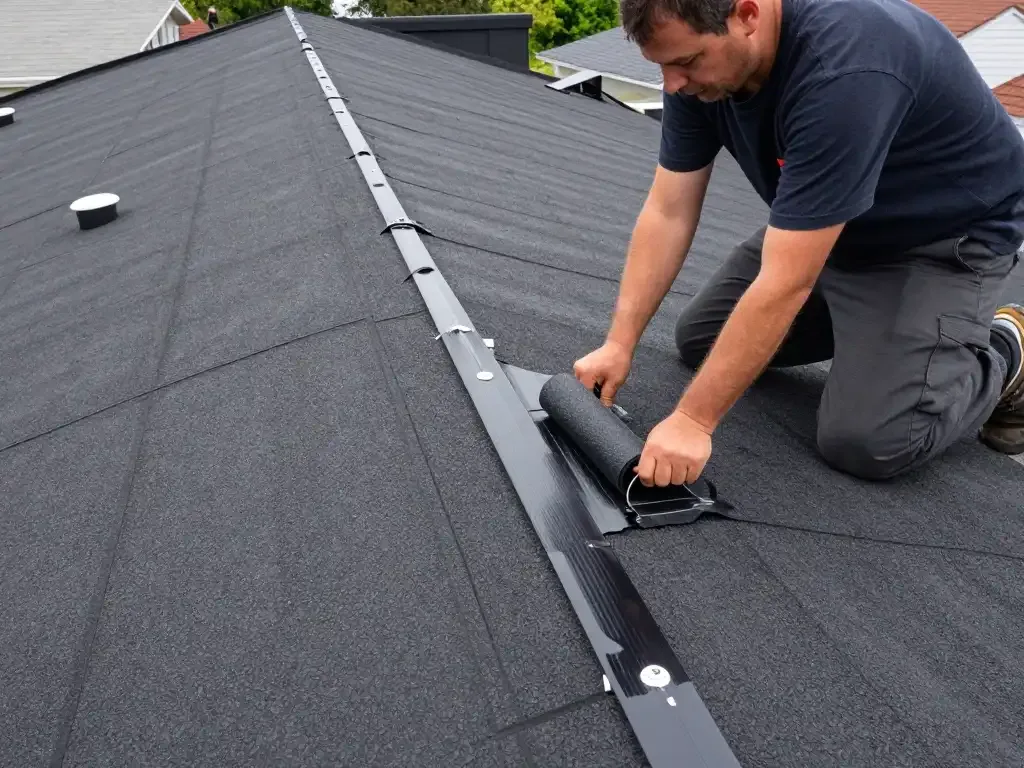
A leak over classroom teaching materials differs from one above an electrical room or a gym circulation area. We examine the exterior entry route while the school identifies the interior activity needing protection. Temporary containment may preserve a room's use, but the roof opening still needs intervention. Our school roof leak repairs follow the failed connection and investigate concealed moisture where warranted. The visible stain alone is not the full repair boundary.
Some investigation tasks can create debris or expose the deck, requiring suitable protection and a defined work interval. We identify those conditions before opening construction. An instructional room may need temporary relocation even where adjacent space remains available. The plan should make that requirement clear. A small exterior repair can affect a wider interior area if access or protection below is restricted by equipment, furnishings or room use.
School Roofs Need Separate Records
North Quincy High School is part of the neighborhood's institutional stock near Hancock Street and West Squantum Street. Quincy Point has Point Webster Middle School and Clifford Marshall Elementary School. Those named schools help identify the local educational setting, while the roof assessment remains specific to the building area examined. A gym roof, classroom wing and equipment zone can require different investigation and closure work even within one school property.
Holbrook's John F. Kennedy school complex serves elementary, middle and high-school functions. For a school asset with several instructional uses, the roof sequence should reflect the actual rooms beneath the work and the connections dividing roof areas. Work in Holbrook also needs an individual access and protection plan. The school-use mix informs operating questions, while moisture, attachment and flashing condition establish the construction scope.
Thaw Routes Reveal Drainage Demands
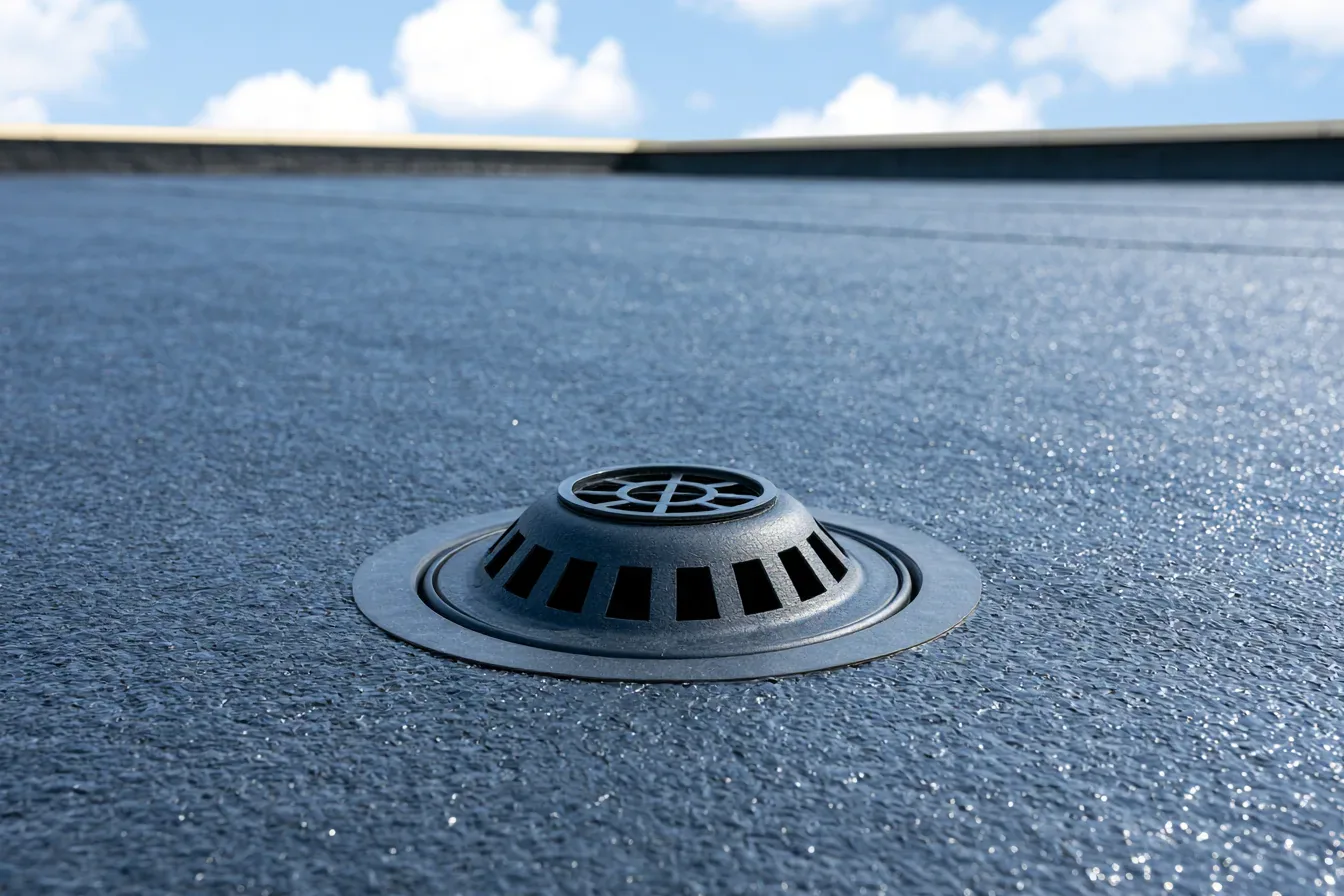
Ice or debris at an outlet can leave meltwater against a defect longer than a brief shower would. We assess the strainer, drain bowl flashing and elevations leading to the outlet. Cleaning can correct an obstruction where the geometry remains suitable. Persistent low pockets may need insulation or drain changes during renewal. An active opening needs repair regardless of whether the water-holding cause is also corrected.
Our drainage connection work examines overflow provisions and maintenance access as well as the field connection. Walk protection should not divide the flow route or make outlet cleaning unnecessarily difficult. Where insulation is raised, the revised plane must meet the drain correctly. Those details need assessment before a new surface is installed so the school does not retain an avoidable low-point problem beneath renewed roofing.
Breaks Define Work Windows
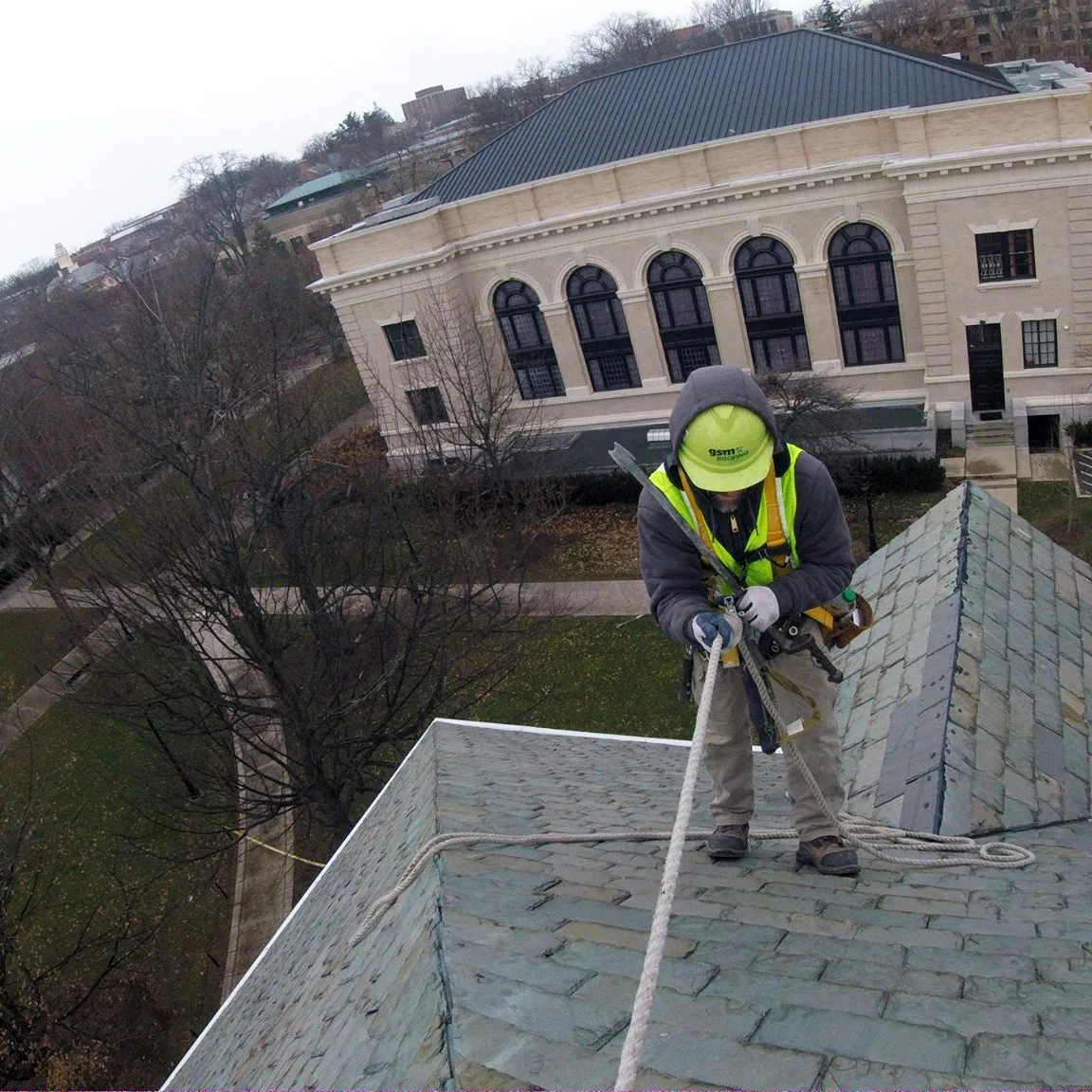
A school break can provide interior access, but weather and detail requirements still determine the suitable work boundary. We assess removal, application and closure tasks rather than assume the entire roof can be opened because instruction has paused. Penetration clusters can take more time than unobstructed field. The day's area should allow those details to reach a secure stage before conditions change.
Installation method also affects the plan. We examine air intakes, nearby activity, heat or odor constraints and material-handling routes where they relate to the selected assembly. Roof work above occupied rooms can be staged with specific protection where continued use is necessary. A clear sequence identifies any room or equipment interval needed and the arrangements that protect the retained roof at the boundary of each stage.
Retained Layers Set Repair Options
Soft field areas, recurring entry and loose flashing can point to concealed damage requiring investigation. We examine insulation and support where indicated before recommending patching, recover or replacement. A dry stable assembly with a bounded defect can support repair. Distributed moisture or deficient attachment may move the school beyond that repair threshold. The proposal should explain that finding without predicting lifespan from a surface appearance.
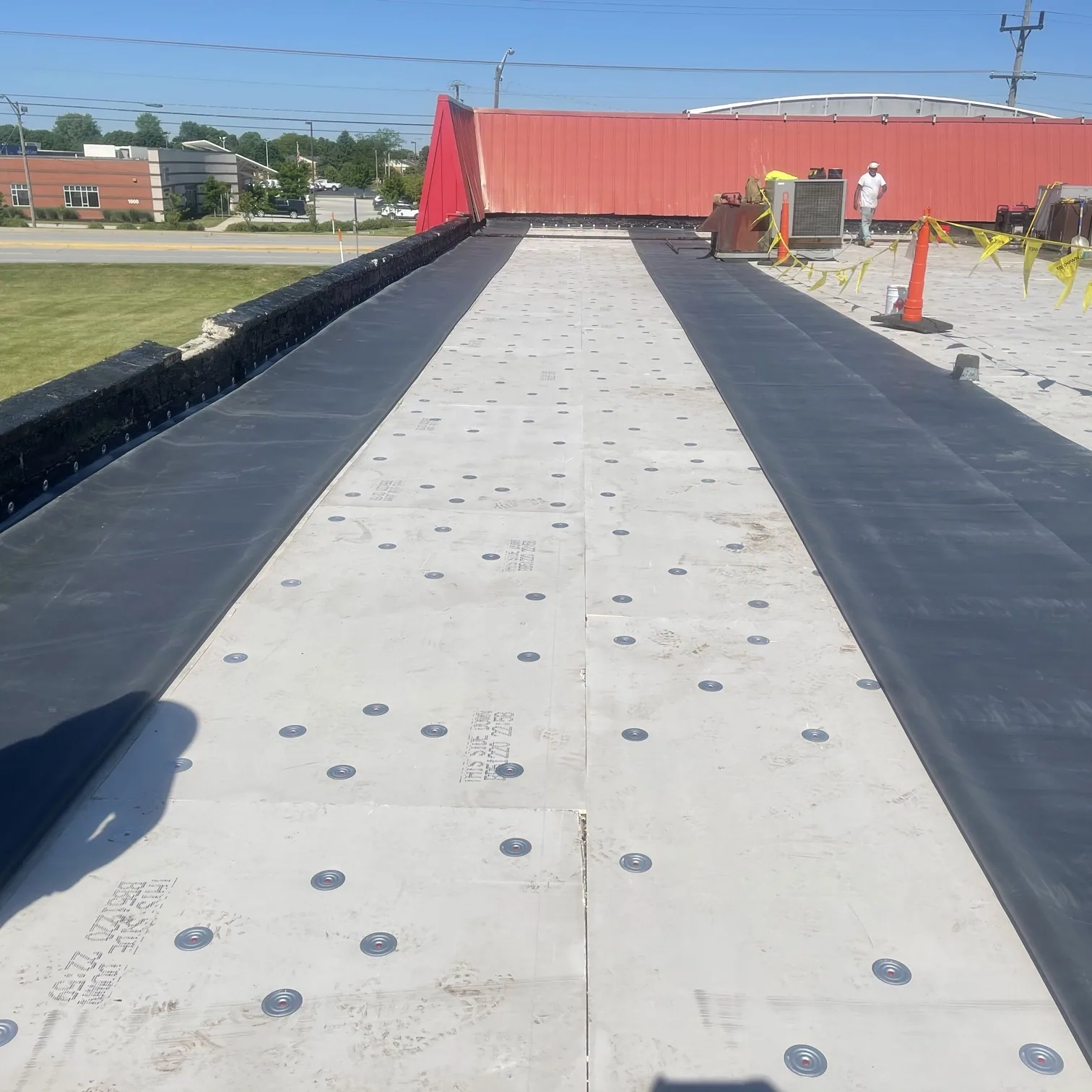
We compare EPDM rubber construction through the receiving boards, bonded joints and support at changes of plane. A classroom wing with closely spaced roof openings may need more flashing reconstruction than an open gym roof. On a college or university asset, laboratory exhaust can add material-contact and equipment-interruption questions at those openings. Public-building roofing can instead require protection above collections or equipment while a connection is opened. We identify the room and rooftop component affected, then choose a repair method and removal boundary that restore sound construction without leaving that interior exposure unmanaged.
Service Access Affects Roof Life
Technicians need a route to rooftop equipment that does not repeatedly abrade or puncture the waterproofing. We examine access paths, sharp contacts and unstable supports alongside the leak work. Suitable protection can reduce concentrated wear where it fits the selected assembly and preserves drainage. A patch beneath an unchanged damaging contact leaves the same failure mechanism in place. The correction should address both the surface and its use.
Maintenance priorities follow the findings at outlets, vulnerable flashings and service routes. We distinguish cleanable debris from damaged construction so upkeep does not become a substitute for repair. After renewal, the installed materials and compatible repair requirements should remain available for later work. The roof's useful remaining service depends on maintainable connections as well as an intact field, especially where equipment access continues through the instructional year.
Commercial Roofing Questions
Should an active classroom leak wait for the summer break?
Water entry needs an appropriate response based on the affected room and roof condition. We investigate the defect and identify suitable immediate intervention, with protection coordinated for the interior activity. A larger renewal can be evaluated separately where the physical findings support that timing. Waiting for a break should not leave a current opening unmanaged above occupied space.
Can school roof renewal be divided by classroom wing?
Staging can be useful where roof connections, drainage and access provide workable divisions. We examine temporary boundary details and the rooms below before defining the sequence. Concealed deterioration or difficult transitions may limit a small-wing approach. The recommendation should identify which construction stages can be secured and what protection is required during each one.
What changes when the roof serves a gym rather than a classroom?
Interior access, furnishings, circulation and protection arrangements can differ. We assess those conditions alongside the roof assembly and any equipment above. A larger open interior does not establish a simpler roof repair or a particular membrane. The work boundary follows the failed connection and closure tasks, with protection suited to the actual room use.
How should we compare a repair program with replacement?
Compare the extent of defects, moisture in retained layers and attachment condition before considering the installation schedule. Repairs can restore bounded areas where the surrounding construction remains serviceable. Wider damage can require renewal with insulation or drainage corrections. We explain what each approach retains and which operating arrangements it needs so the school can assess the physical and instructional consequences together.