Commercial Roofing in Holbrook, MA
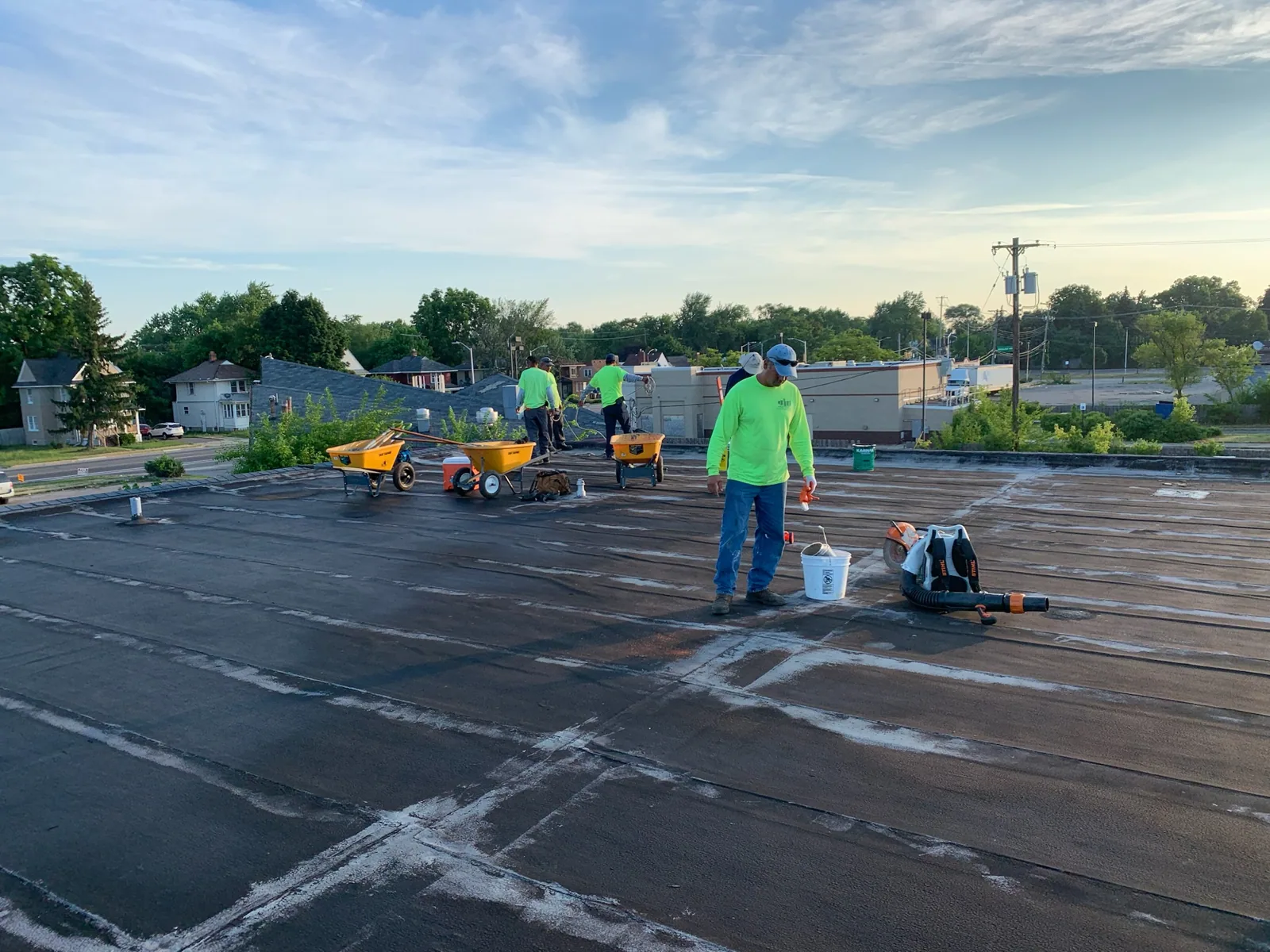
Holbrook's Routes 37 and 139 meet in the town center, and Holbrook/Randolph station adds commuter rail access. Those connections help a property manager plan arrival, but they do not determine the roof repair. We inspect the assembly, drainage and flashing above the reported leak, then compare findings with building use and access requirements. A school or civic property has its own schedule, just as a commercial building has its own material and service history. The report ties each recommendation to the roof area observed.
Town Center Access
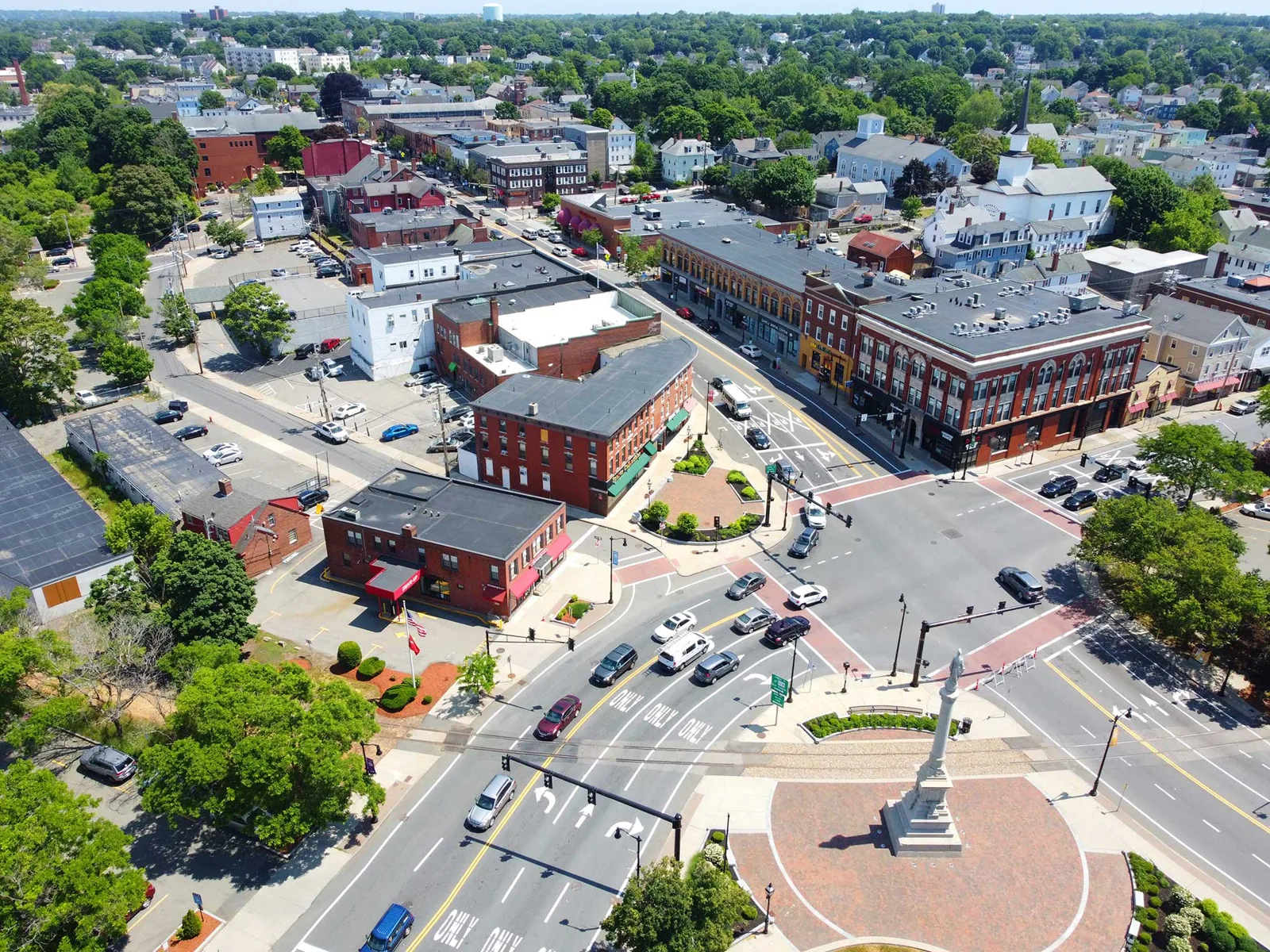
Routes 37 and 139 intersect in Holbrook's town center. We confirm which street entrance serves the building, where a delivery can stage and whether a shared walk or drive stays open. The highway connection is not a roof fact, but it can make access coordination important. We document the approved path for a lift, ladder or hatch before removal begins so the crew works within the property's operating rules. A confirmed entry can be addressed through a leak repair compatible with the existing material.
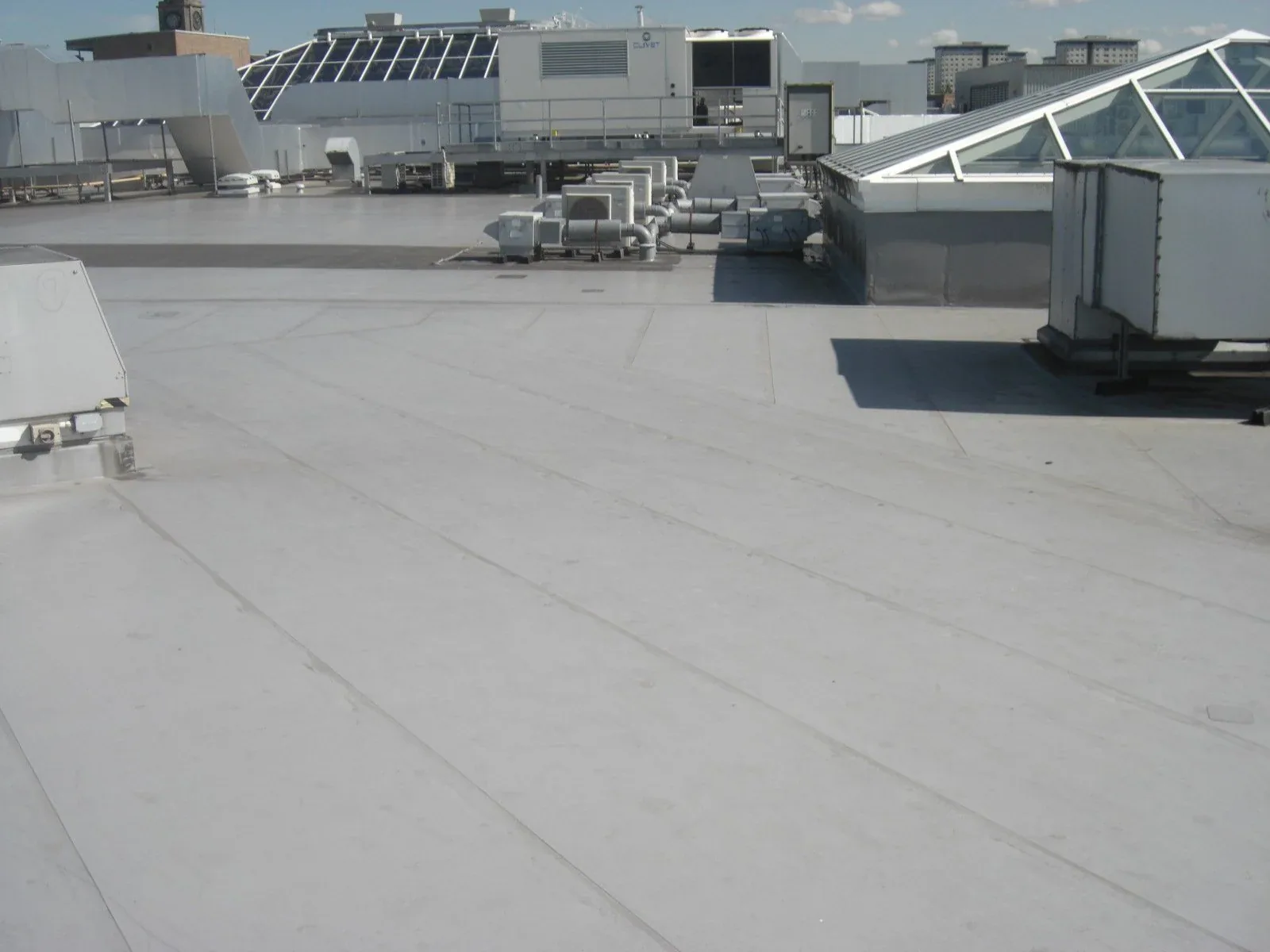
The commuter rail stop also shapes arrival patterns for employees and visitors. It does not reveal whether a roof has TPO, built-up, metal or another system. We identify the assembly in place, photograph the seams and transitions, and note what prior repairs can be seen. For owners handling multiple locations, each building receives its own map and service priority, even when appointments can be scheduled in one route.
Inspect Civic and Commercial Use Separately
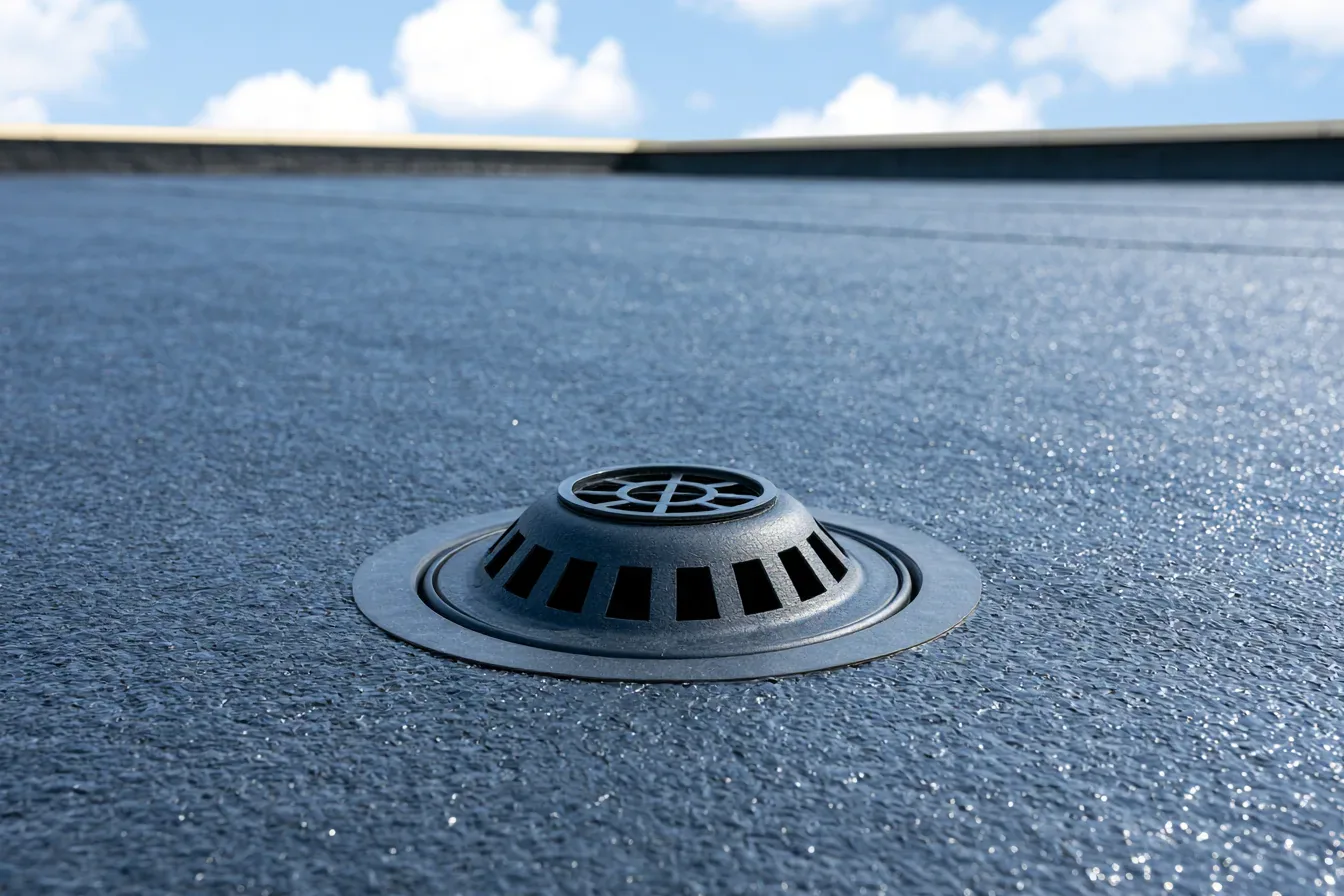
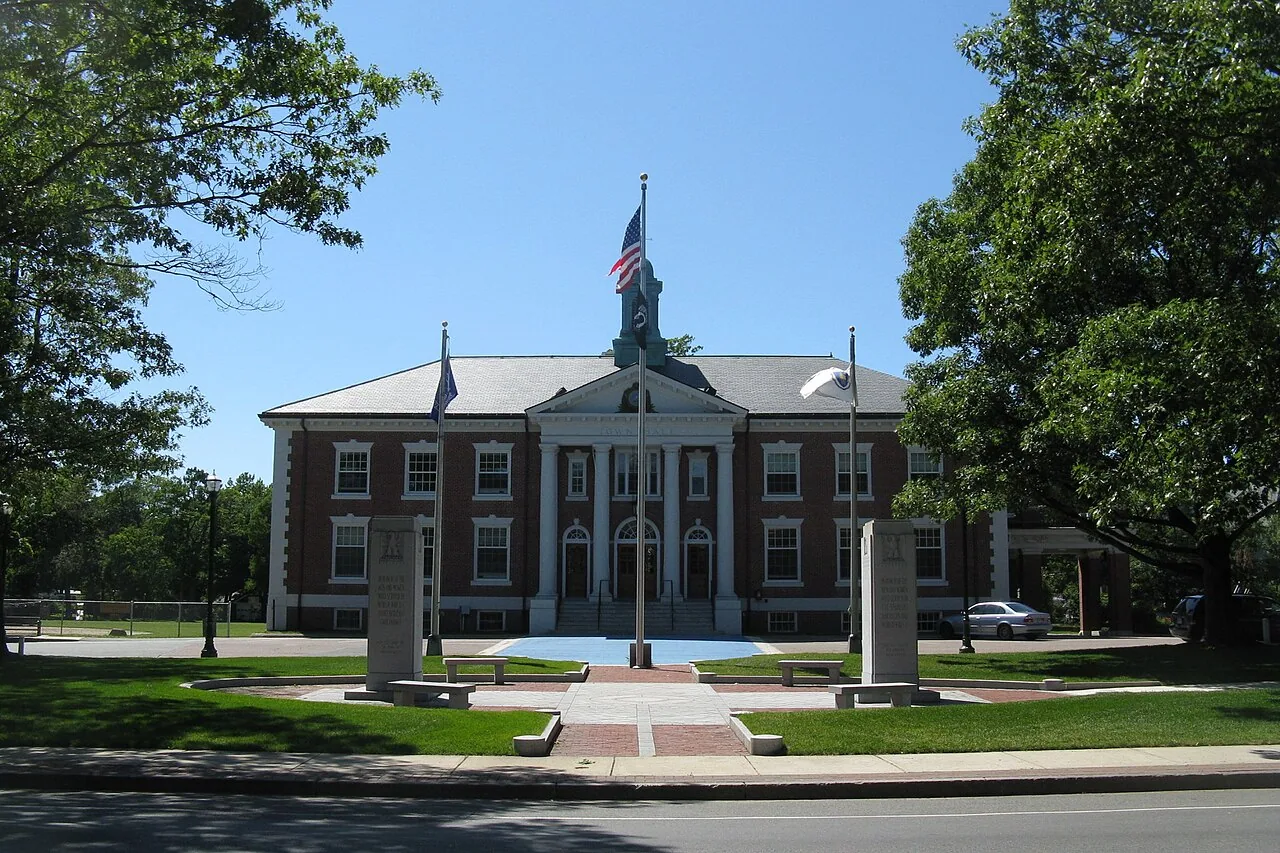
Holbrook includes an elementary school and a middle-high school in a shared educational complex. That identifies an educational property type, not the roof structure or its current condition. If the owner manages a school or civic building, we confirm public access, class or event hours, delivery controls and interior areas needing protection. Those conditions influence the workday and barrier plan; inspection still determines which roof detail needs repair. The outlet can be scoped through drainage detail work if discharge is restricted.
Town-center commercial property may have different hours and loading activity from a school. We ask who needs access, what noise windows are acceptable and where material movement can avoid an active entrance. A roof hatch may require a key or escort; mechanical service access may need to continue during work. The property representative confirms each rule, and the work plan records it so later phases follow the same approval path.
Trace a Leak Beyond the Stain
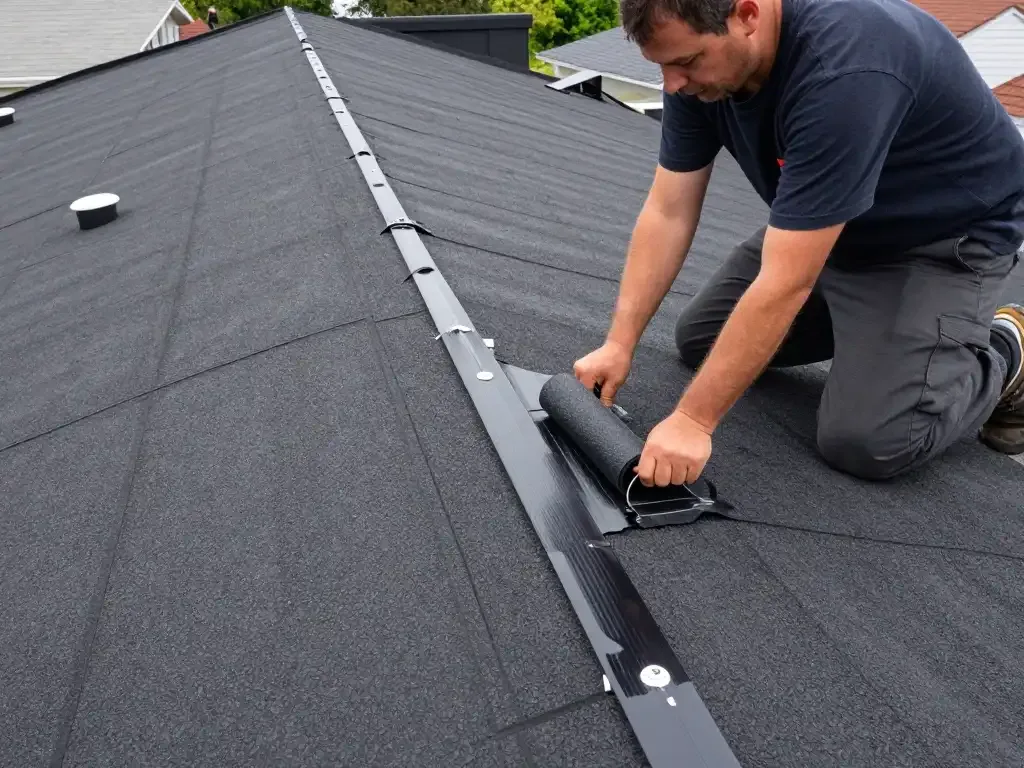
Water may follow deck flutes, framing or insulation before it reaches a ceiling tile. We compare the interior report with the roof above, checking membrane laps, curb corners, wall transitions, drain bowls and overflow openings. A failed flashing and slow drainage are different findings, so we keep their corrections separate. The repair boundary follows observed evidence instead of the size or shape of the interior mark. Where suspected moisture extends past the visible leak, infrared moisture testing may help plan a selective opening.
If moisture may extend beyond a visible breach, we explain what a survey or selective opening can establish. An infrared pattern helps target follow-up, while a test cut can show the actual layers and insulation condition. The report names the area still in question, not a broad replacement quantity. Immediate water control can proceed while the owner decides whether the additional investigation affects the scope.
Set a Protected Work Sequence
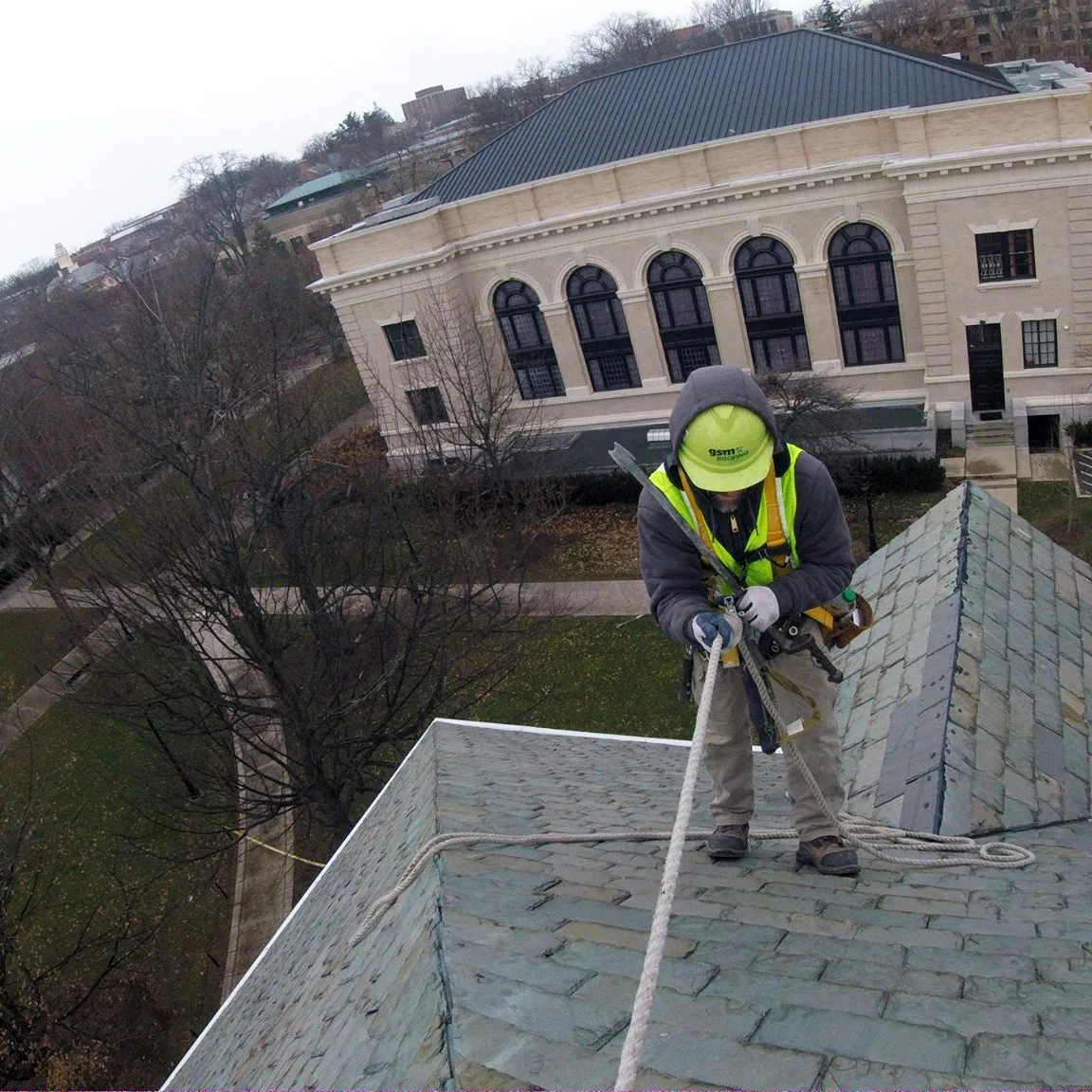
A school entrance or town-center sidewalk may stay active while roof work proceeds. We locate the route, decide where barriers and material drops fit, and confirm who communicates schedule changes. If removal exposes a roof section, temporary protection closes it before the crew moves on. The property receives a daily view of which area is active and when it will be secure, rather than a blanket assurance that all operations remain unchanged. Occupied-property reroofing can sequence entrances and interior protection.
Rooftop units, vents and electrical paths can require a trade before flashing work. We identify those intersections and whether an equipment shutdown is needed. For a longer reroof, sections are sized to match the crew's ability to install, inspect and close each area. Weather and roof condition constrain the sequence, while the owner's schedule identifies which interior spaces need extra protection or advance notice.
Compare Immediate Repair and Renewal
A puncture or isolated seam failure may need repair if nearby membrane and substrate remain sound. Repeated openings, wet insulation found during testing or a weak deck can shift the decision toward broader work. We label the observed detail and any area that needs testing, then explain which result would change the repair limit. The owner can authorize confirmed water control without assigning a wider area based on an unverified suspicion. The owner can compare replacement planning with a localized correction after the assembly is documented.
A recover may be feasible when layer count, moisture, drainage and final height permit another assembly. Replacement opens more of the deck and insulation but requires more removal and temporary protection. Coating is another option only on a prepared, compatible surface. We compare each route with the actual roof and operational schedule, so the decision accounts for both condition and the time available to perform work safely. A regional portfolio may include Braintree and Randolph using shared condition reports.
The team also records whether rooftop units, exhausts or conduit interrupt the repair area. If a mechanical contractor needs to isolate equipment, that timing should be settled before the flashing is removed. We identify the detail where the trades meet and protect the opening until the roof can be closed. The building representative receives the sequence and can share it with staff responsible for interior access, security and daily operations.
When a repair is complete, we photograph the finished detail and note its location, material and any adjacent condition that remains under observation. A later visit can return to that roof zone, compare the image and update service priority. If the original question concerned moisture below the membrane, the repair record should not imply that testing occurred unless it did. A clear closeout helps the next manager understand what was corrected and what still needs confirmation.
The same report can note where a school-day schedule changes the next inspection window. The facility lead can then plan access without guessing which detail was previously repaired.
Commercial Roofing Questions
Do Routes 37 and 139 affect where materials can go?
The intersection helps orient the town-center visit. The property representative approves the loading point, lift position and roof entry, especially where a sidewalk or shared drive stays active. We record those routes before material movement and inspect the roof separately from the access plan.
How should school access be handled?
The facility contact confirms school hours, public entrances, delivery windows and protected interior spaces. We set barriers and sequence noisy work around those requirements, then coordinate HVAC or electrical dependencies before roof removal reaches the related detail.
What proves how far a leak extends?
The roof-side seam, drain and flashing condition are compared with interior timing. If the boundary remains uncertain, mapping or a selective opening can confirm moisture extent. We keep the confirmed defect separate from the test area until that evidence changes the recommendation.
Can a recover protect a roof with trapped moisture?
A recover should not conceal wet insulation. We check layer count, substrate, drainage and moisture first. If a test is required to establish the boundary, it remains a separate scope item. Replacement is compared where the assembly needs broader access or a recover would add unacceptable height.