Commercial Roofing in Marina Bay, Quincy, MA
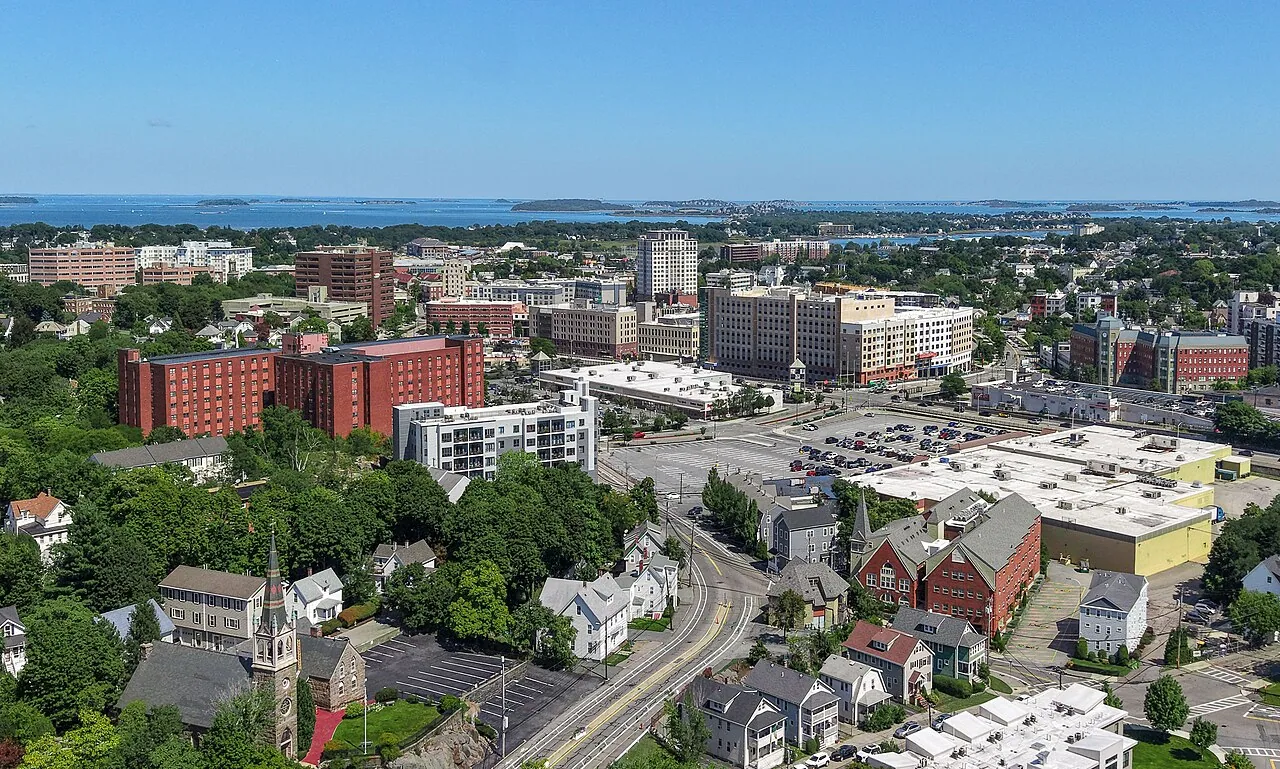
Marina Bay is a mixed-use Quincy neighborhood with offices, assisted living, restaurants, homes and entertainment properties. That range makes the roof decision depend on how each building is used, not on a neighborhood-wide assumption. A leak over a dining area, care space or office may require different interior protection and access. We start at the affected roof zone, review the membrane and its connections, and record whether water is entering through a seam, curb, drain or wall transition. That record helps the owner decide whether a defined repair will contain the condition, whether moisture needs to be mapped, or whether the assembly belongs in a larger renewal plan.
Schedule Around the Building in Use
Restaurants, assisted living, office complexes and condominium developments share the Marina Bay area, but their operating needs are not interchangeable. Food service may have delivery windows and interior spaces that need protection from dust or water. A care setting may have restricted access and sensitive equipment. An office team may need clear notice before a mechanical shutdown. We ask the building representative which spaces are affected, how occupants move through the property and when roof access is available. Those details shape the repair boundary and the work sequence.
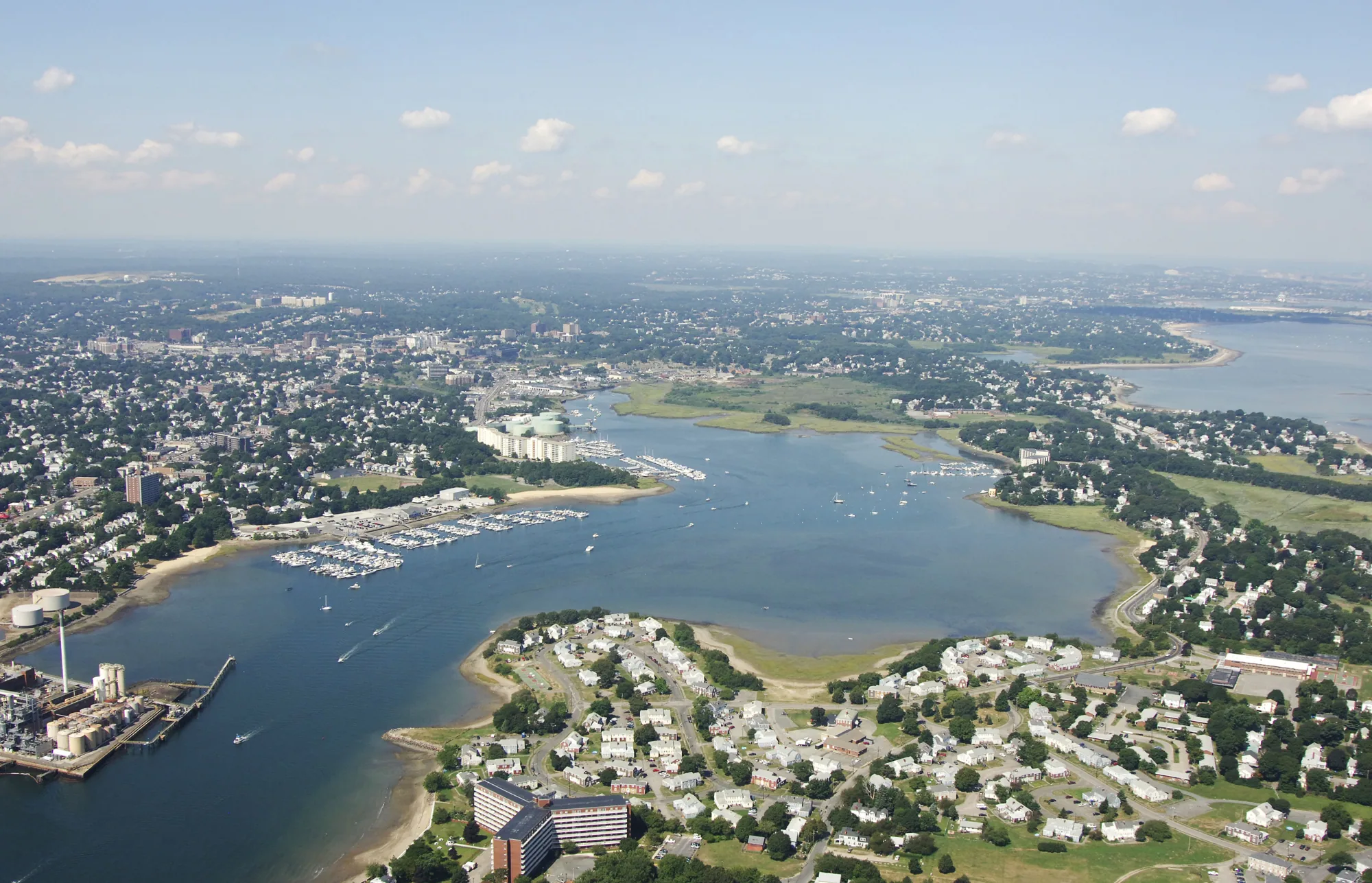
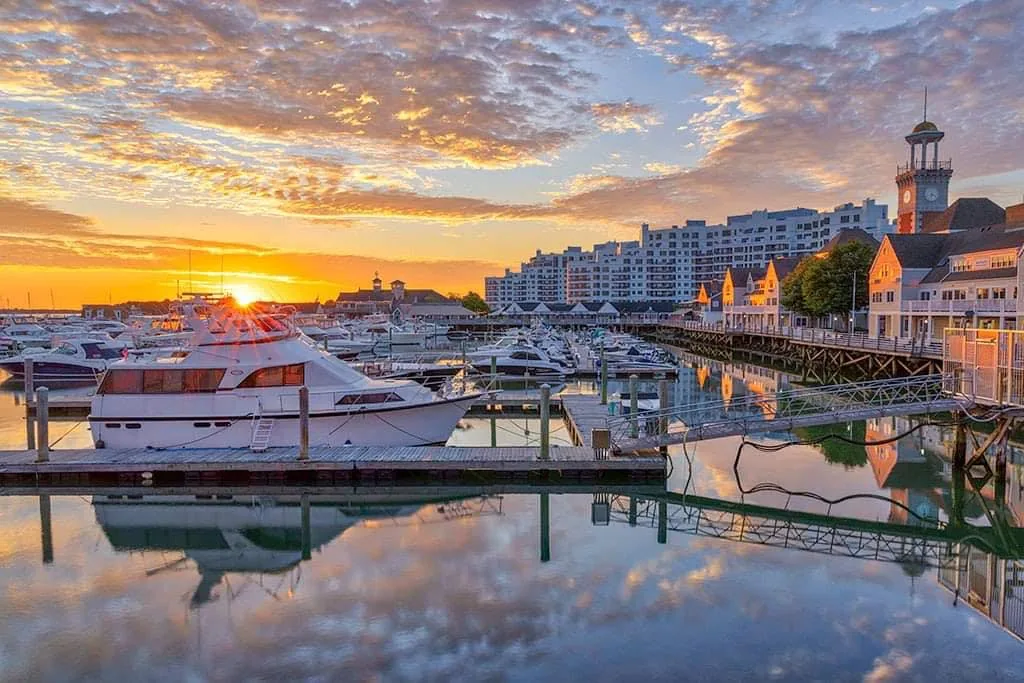
Marina Bay occupies the northwest Squantum Peninsula near the Neponset River's junction with Dorchester Bay. This broad location helps frame regional weather and access planning; it does not prove that every roof experiences salt corrosion or flooding. We inspect the installed components and their actual exposure. If a portfolio includes North Quincy or Quincy Point, each property's assembly record stays distinct even when the owner uses one schedule to compare service priorities.
Keep Water Moving Off the Assembly
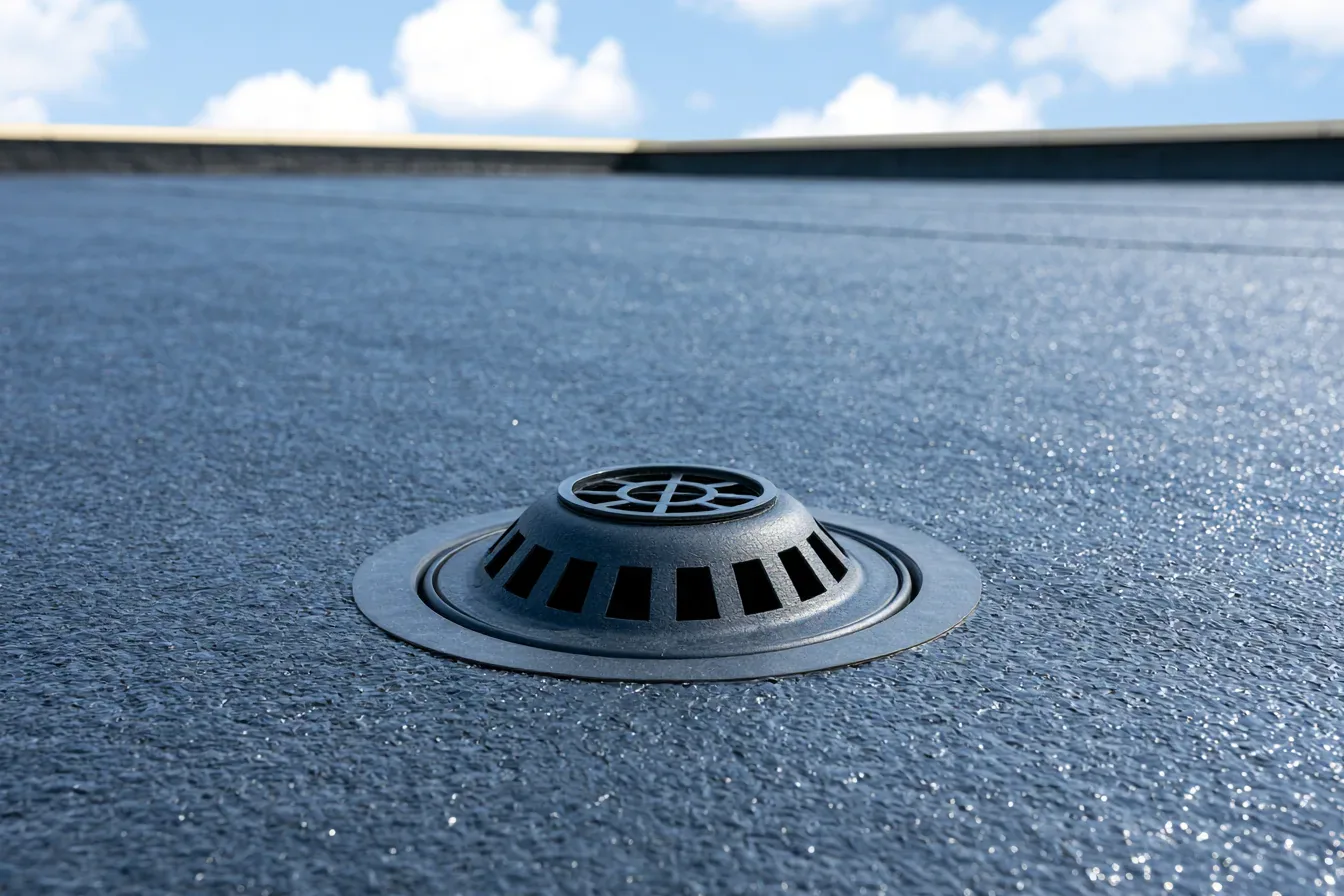
On a low-slope roof, surface water should reach drains or scuppers without collecting around equipment and seams. We check outlet strainers, drain bowls, overflow openings, local depressions and the slope leading toward each discharge point. Ponding can keep a seam or flashing defect wet and make an otherwise small opening harder to diagnose. A coating does not correct a blocked outlet or change a deck's slope. We identify what is obstructing discharge, whether the surrounding membrane remains sound and what work would restore the intended water path.
Quincy prepares for hurricanes, blizzards, nor'easters and flooding, but those city hazards do not establish a storm's effect on a Marina Bay property. Before severe weather, a maintenance review can document edge details, drains and roof penetrations. After an event, we note observed movement or damage and separate it from existing wear. If a leak crosses an occupied room, we may begin with temporary protection and an urgent assessment, then return to define the permanent work after conditions are safe. Our drain and scupper work can address outlet conditions that are directly found during inspection.
Inspect the Connections, Not Just the Field
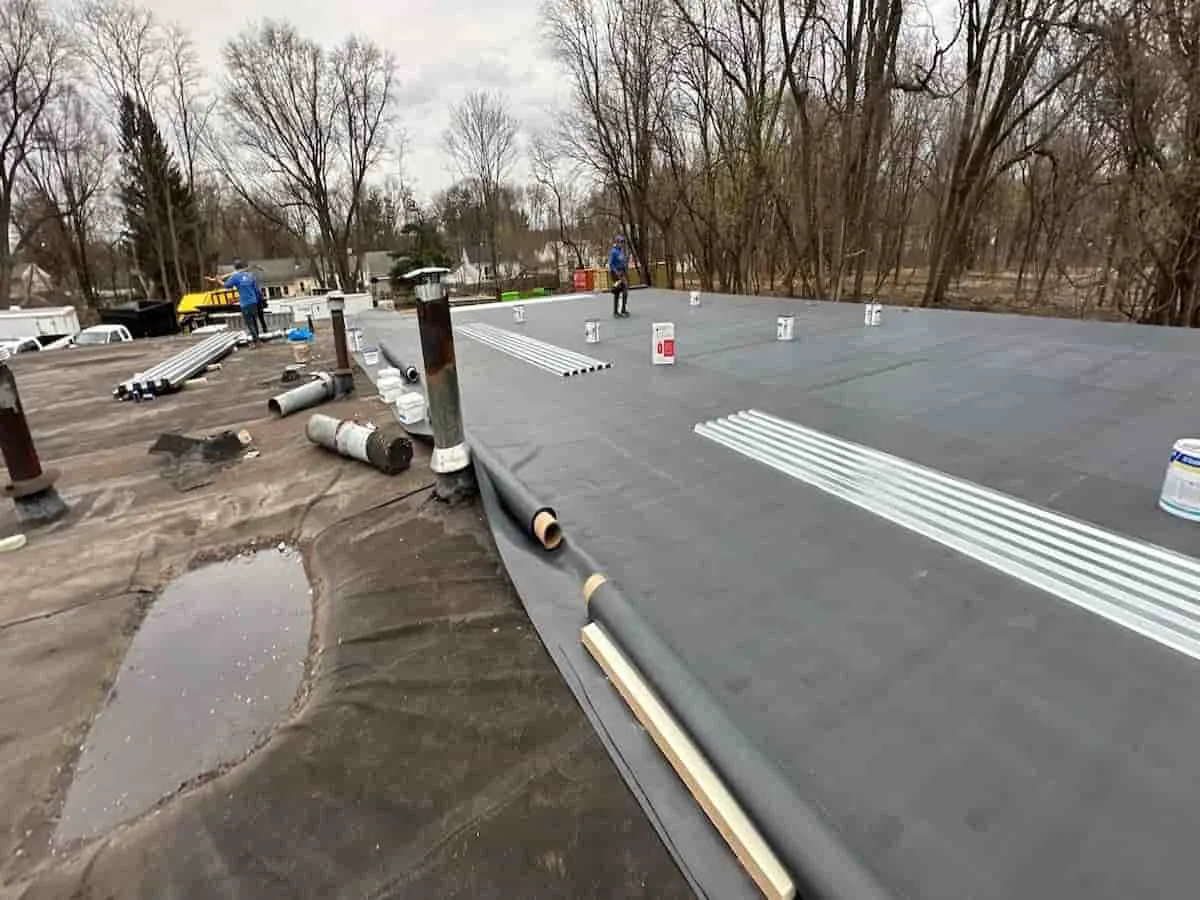
Wind and changing temperatures load roof edges, corners, seams and penetrations differently from the center of a broad membrane field. We check attachment and termination details, look for lifted flashing and examine how equipment curbs connect to the roof. A loose edge component or an open seam can admit water below a surface that otherwise looks intact. At metal roof areas, we review panel seams, fasteners and transitions; on single-ply assemblies, we inspect welded or adhered joints. The repair material and preparation must match the installed system, and the surrounding substrate must be stable enough to receive the work.
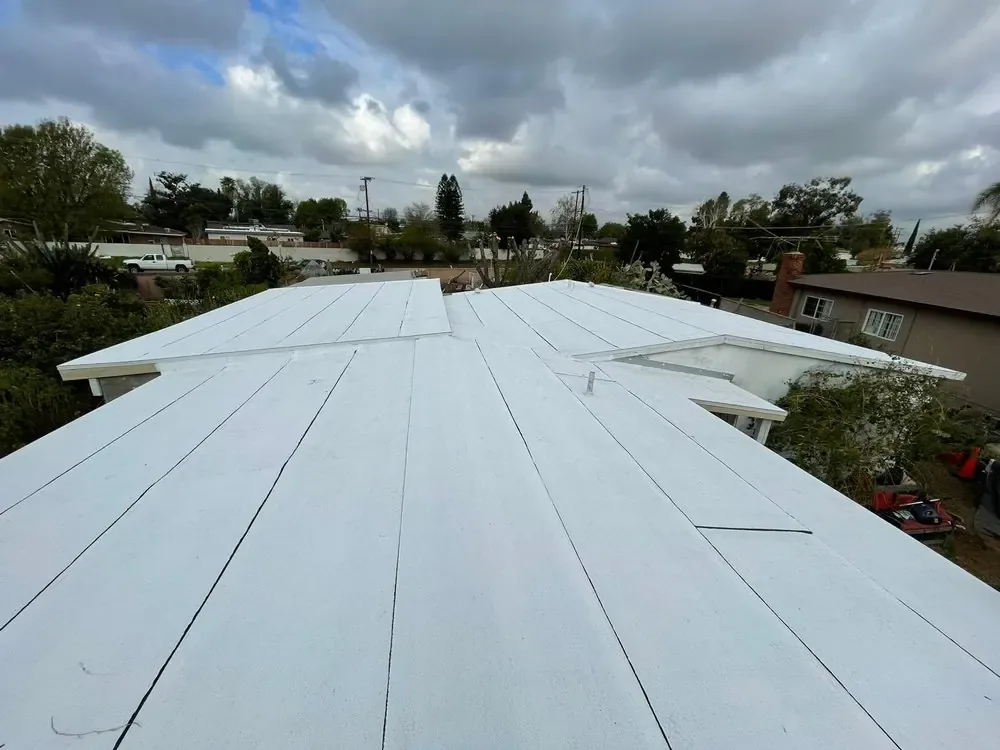
If the roof has repeated repairs at one detail, photographs and location labels can show whether the issue returned or moved. A drone view may document a broad area, but close inspection is still needed for a seam or flashing decision. When readings suggest concealed moisture, we explain the additional survey or opening that would resolve it. For an existing TPO roof, we review its membrane, attachment and penetrations before selecting a compatible repair; storm-related service begins with roof conditions confirmed after the event.
Use the Repair Threshold to Protect Capital
One isolated puncture on sound membrane can remain a local repair. Multiple open seams, wet insulation or unstable edges may require a broader scope. We examine the area around a reported defect, check the condition of adjacent details and identify where a selective opening would change the owner's choice. If moisture is widespread, patching the visible point may leave the underlying assembly in place. If the substrate and surrounding membrane are sound, a compatible repair may be the most direct response. The report should say which condition supports the recommendation rather than simply listing a material.
A recover can preserve an existing roof only if the retained layers and final height allow it and project requirements are met. A tear-off offers access to the deck but expands interior protection and weather exposure. We compare those choices against the property's access, use and renewal schedule. Owners can review targeted roof repair beside replacement planning, with an infrared survey considered only when conditions make it useful. That gives an asset manager the evidence needed to keep immediate maintenance and long-range funding decisions separate.
Make the Work Area Predictable
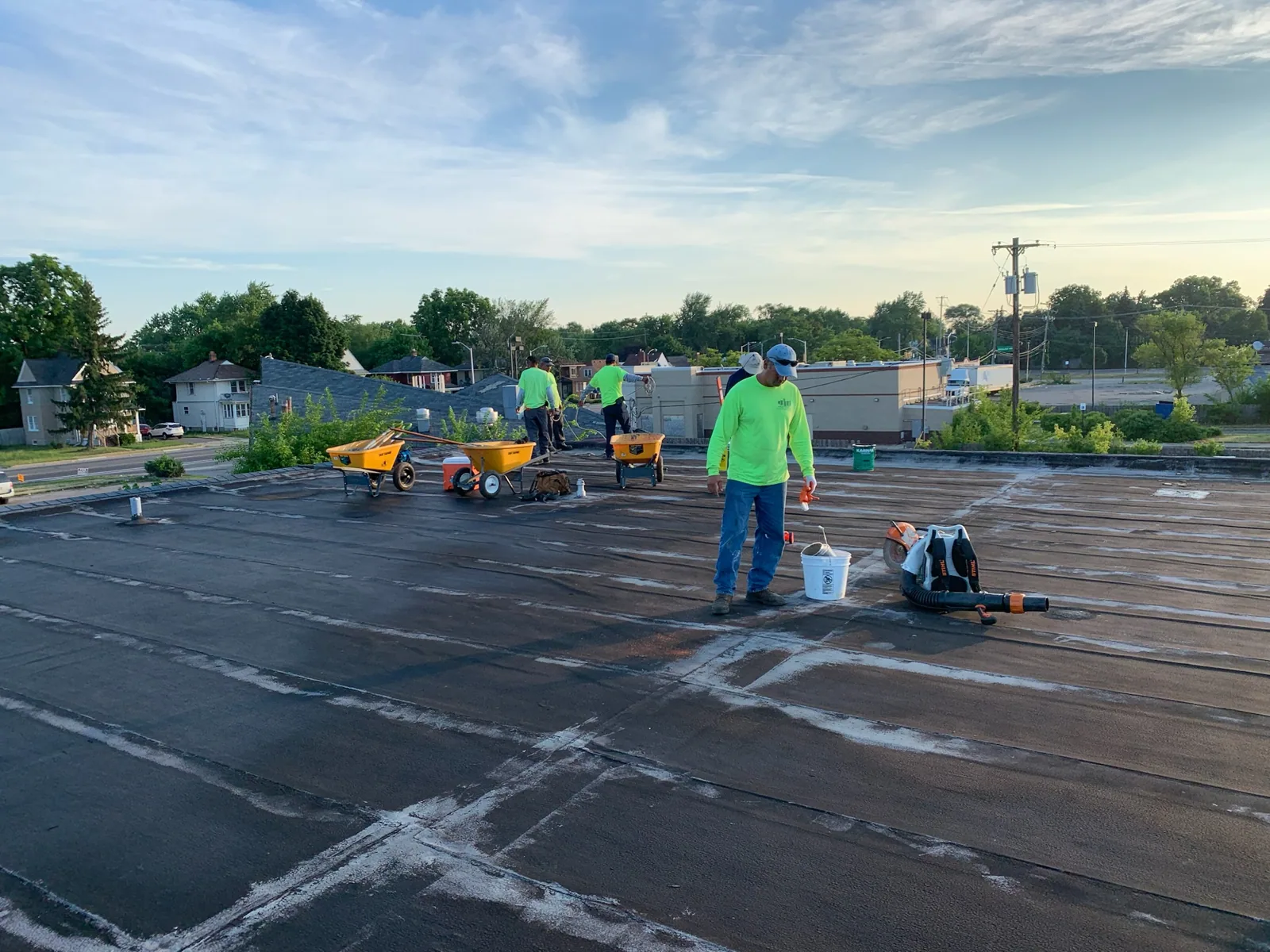
Before crews arrive, we confirm roof access, staging areas, tenant notification and any equipment coordination. If a repair uses heat or adhesives, site conditions and the installed system affect the method. If replacement exposes insulation and deck, each opened section must be secured before work moves to the next area. Rooftop units may require a qualified mechanical technician for shutdown and restart. On a multi-tenant property, clear daily boundaries help occupants understand where access changes and which areas remain in use.
At an assisted-living building, restaurant or office property, the sequence may prioritize different rooms and operating periods. We document those constraints in the plan and keep the roof scope tied to them. A service response runs at any hour, all week, including holidays; permanent repairs still need safe access and suitable conditions. A scheduled maintenance visit can review drains, edge metal and prior patches before a leak becomes disruptive. We can also create a condition report for a property owner who needs a repeatable record across Marina Bay buildings.
Carry Each Finding Into the Next Window
A roof file should help the next capital review answer three questions: what was observed, what was repaired and what remains to be checked. We use roof-zone labels, photographs and descriptions of the seam, curb, drain or edge condition. The owner can compare that record after future maintenance and see whether a repair held, a drain issue returned or a new area became active. If the property's assembly changes during replacement, we document the installed system and details so later service does not begin from an assumption.
For a group of Marina Bay properties, this record can be placed in a roof capital plan alongside access and operating priorities. A building with recurring water above a critical room may need action before a sounder assembly elsewhere, even if its age is greater. The record supports that comparison without overstating what a visual inspection can prove. We invite the property manager to share roof history and any active interior reports so we can define which decision the next visit should resolve.
Commercial Roofing Questions
Does Marina Bay's waterfront setting mean corrosion is present?
Not by itself. We inspect exposed metal, fasteners and edge details for actual corrosion or coating breakdown instead of inferring a condition from the neighborhood's location.
How do you protect restaurant or care spaces below the roof?
The property representative identifies sensitive rooms, access rules and operating hours. We plan a work boundary, interior protection and daily closeout around those conditions before removal or repair begins.
Should a Marina Bay owner coat a roof with ponding?
First determine why water remains and whether the surface and drainage can accept the system. Coating can protect a suitable, prepared roof, but it will not clear an outlet or correct a low deck.
What happens after an overnight leak call?
We begin with safe access, temporary protection where appropriate and a review of the reported water path. Once conditions permit, we document the permanent repair boundary and any concealed area that needs confirmation.