Carlisle SynTec Commercial Roofing in Quincy, MA
Perimeter movement during a nor'easter can affect a Carlisle roof's restraint even when its membrane lies flat again afterward. Commercial Carlisle SynTec roofing work in Quincy, MA, should examine that receiving edge and adjoining material before a local closure is selected. We identify the installed system, attachment and detail condition, then compare repair with reconstruction supported by the findings. The field sheet is one part of the assembly. A useful intervention restores the connection holding and closing it at the damaged boundary.
Nor'easters and flooding belong to Quincy's preparedness concerns. We relate that exposure to the requested roof's actual water routes and restraint. Carlisle's commercial range includes Sure-Seal EPDM, Sure-Weld TPO and Sure-Flex PVC systems. We assess and work on commercial roofing with the specific material and project requirements in view, selecting preparation, receiving construction and final details for the assembly present rather than applying one method to every Carlisle product.
Assess the EPDM joint and its supporting construction
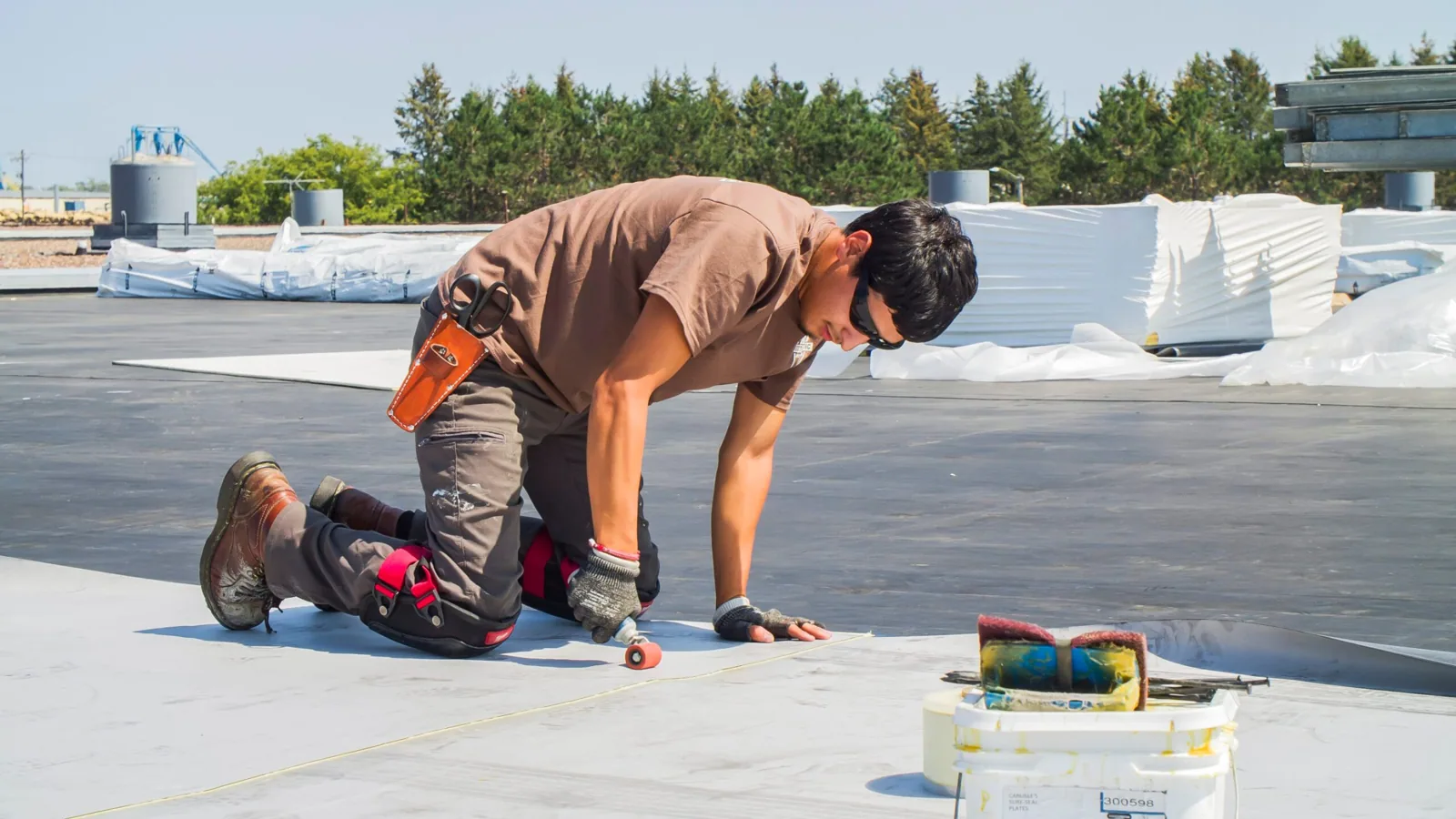
Sure-Seal is Carlisle's EPDM system family. We examine the installed sheet, joint condition and compatible preparation needed before recommending repair. A rubber membrane connection uses methods appropriate to that material and system; it is not repaired by assuming a thermoplastic joining process. Surface contamination or previous treatments can change the receiving work. The final boundary should join useful material around the defect, with damaged surrounding construction identified where it affects the scope.
EPDM roofing assessment also examines supports, flashing geometry and attachment. A joint repeatedly stressed by an unstable equipment connection can reopen after another surface treatment. We identify the receiving correction before permanent waterproofing where that task changes the interface. A compatible repair needs the adjoining components in their intended positions, not only a strip placed over the visible opening.
Milton Village and East Milton Square are commercial centers within Milton. For requested work in Milton, a roof over occupied commercial rooms can require a defined support or intake interval during repair. We assess the actual connection and the protection needed below it. The EPDM scope should identify the complete receiving and closure task so the property can arrange access around meaningful construction.
Choose the welded detail for the actual material
Sure-Weld identifies Carlisle's TPO roofing, while Sure-Flex identifies its PVC systems. Both material families need their own compatible components and installation requirements considered. We examine the receiving surface and joining method before local repair. A heat-welded detail should be formed against useful suitable material, with previous coatings or residue assessed where they affect preparation. The covering name alone does not establish the condition of an older repair area.
PVC roof work can also require examination of actual exhaust or material contact around equipment. A roof above a process or food-service area may have localized exposure different from its wider field. We assess the installed assembly and selected material rather than assume a system family answers every compatibility question. Support, discharge position and technician contact can each change the construction needed around a unit.
For owners comparing GAF commercial membrane options, the specified receiving layers and interface methods should remain visible under both proposals. A thermoplastic field can be installed over different insulation and attachment arrangements. The comparison should identify that complete construction and the suitable joint method at retained boundaries. Similar-looking surfaces can otherwise conceal materially different roof components below them.
Establish the assembly that will hold the new surface
Carlisle provides system-specific details, specifications and code-approval resources for its assemblies. We assess the applicable project requirements with the actual receiving construction before selecting attachment and related components. A membrane product does not independently establish the full roof's restraint or fire performance. The installed combination and receiving support matter. Where existing construction is retained, we examine its suitability instead of assuming it from a serviceable exposed covering.
Closer checks can be needed where insulation moisture or support condition changes the renewal decision. Wet boards, deteriorated receiving material and a bounded surface defect require different tasks. The scope should distinguish them so a local waterproofing repair is not mistaken for restoration of every compromised layer. A new field may otherwise conceal unsuitable material that the examination establishes as needing removal.
Versico assembly comparisons should likewise identify the compatible receiving and attachment methods under each option. An EPDM detail and a thermoplastic connection can require unlike preparation even where the roof areas are similar. We compare the retained layers, constructed joints and final support, rather than treat a shared material category as proof that components from different specified systems are interchangeable.
Fit the renewed roof around the final equipment
Added insulation or another roof layer can change flashing height at curbs, walls and outlets. We examine those interfaces before selecting a renewal assembly. A low curb may need reconstruction while the unit above it remains in service, requiring an appropriate operating interval. The final water boundary should follow the relevant support or equipment task. Installing the field before those changes are resolved can leave finished material needing immediate alteration.
South Hingham has office activity alongside manufacturing and food businesses. On a requested roof in that broader commercial setting, we assess the actual equipment discharge and occupied room below the interface. An office intake and a process connection can create different preparation or protection needs. The construction scope should state the receiving task, allowing the property to arrange work around what must actually be rebuilt.
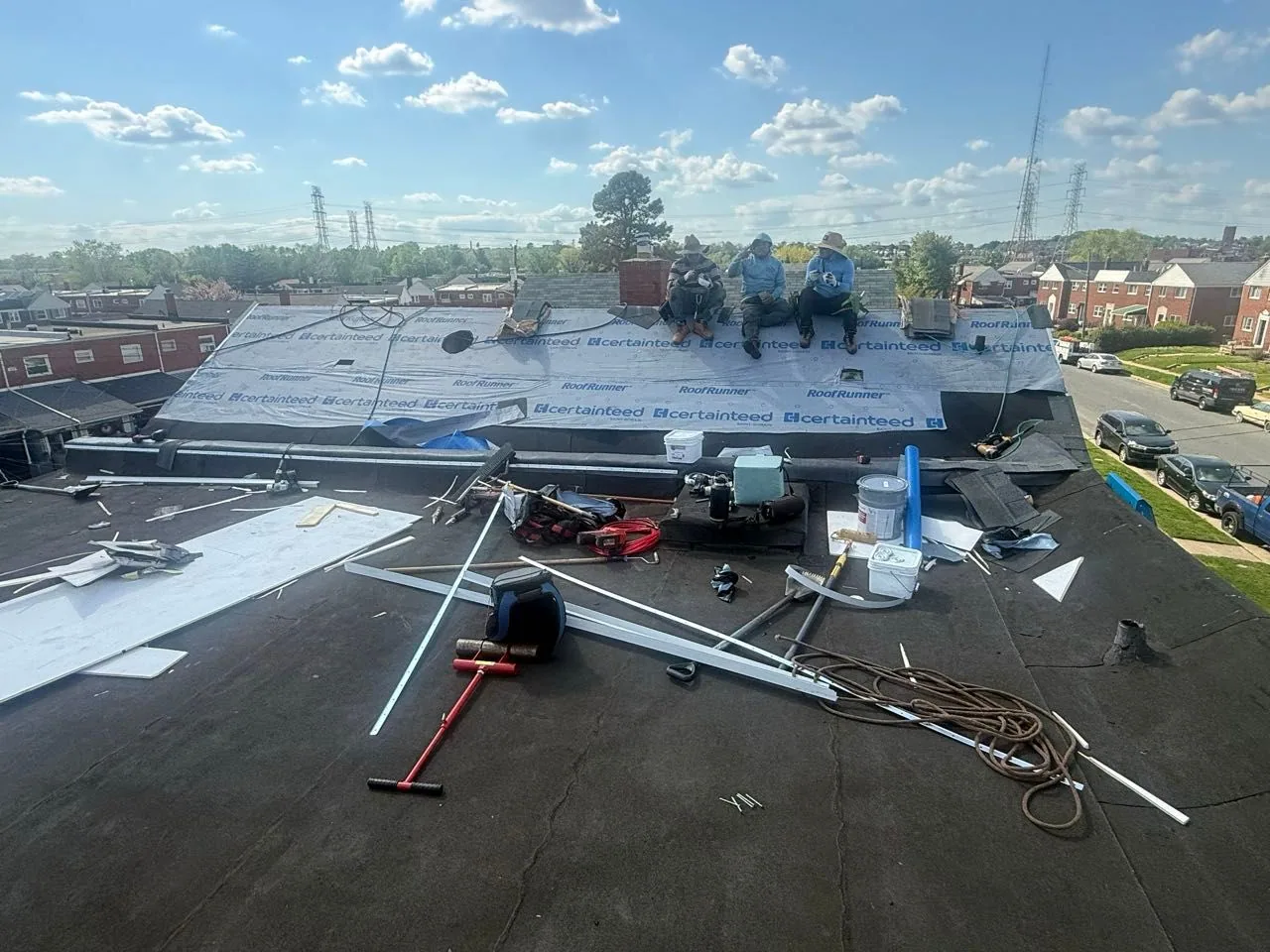
Roof recover evaluation compares useful retained material with final elevations and project requirements. A product option does not make damaged layers suitable to keep. We identify support, attachment and detail changes needed under the proposed recover, then distinguish that scope from removal where the physical findings support a wider reconstruction. The owner can compare complete assemblies rather than only the new membrane supplied.
Secure the assembly and preserve later access
Carlisle system and warranty review can identify the requirements relevant to compatible repair or planned alteration. Terms and physical condition have different functions. We assess the installed construction and the receiving work supported by its defects, while applicable information is reviewed for performing the task. The proposal should identify permanent closure, retained layers and any temporary protection still awaiting reconstruction.
Daily removal needs to account for detail effort, suitable installation conditions and occupied protection. Equipment or support tasks should finish in an appropriate sequence before final waterproofing. Drainage needs a useful path through the stages, with temporary boundaries secured against the retained assembly. A large field area does not automatically establish a practical opening where its curbs and transitions cannot be completed within the available interval.
After repair or renewal, outlets and vulnerable interfaces should remain inspectable. Compatible traffic protection can reduce concentrated service contact where useful, without obstructing runoff. The component description identifies the Carlisle material and construction present for later work.
Commercial Roofing Questions
Can a Sure-Seal EPDM joint use the same repair method as TPO?
Identify the installed material and its compatible joining requirements first. EPDM and thermoplastic connections use different methods, and receiving condition can change preparation. We examine the useful boundary around the defect before selecting closure. A familiar repair used on another roof should not replace the material-specific assessment needed for the actual assembly.
What should distinguish Sure-Weld and Sure-Flex options?
Compare the TPO and PVC construction with the receiving layers, attachment, equipment exposure and final details relevant to the project. We assess the selected system's compatible components rather than reduce the choice to a product name. The owner should see what remains beneath the field and how each proposal closes at walls, curbs and outlets.
Does a Carlisle membrane product establish the complete roof restraint?
The assembled attachment and receiving support need examination alongside the covering. We review the specific project requirements and system construction before selecting work. A flat-looking field can still have a compromised edge or joint after movement. The supported repair should restore the relevant components, not assume the membrane's presence establishes every connection is sound.
How should added insulation affect the renewal scope?
Check the revised elevation at equipment, walls and outlets. Added height can reduce clearance or alter runoff, requiring related reconstruction. We identify those tasks with the retained or removed layers under the option. The final Carlisle assembly should close at suitable interfaces around equipment in its intended position rather than preserve constrained details beside a new field.