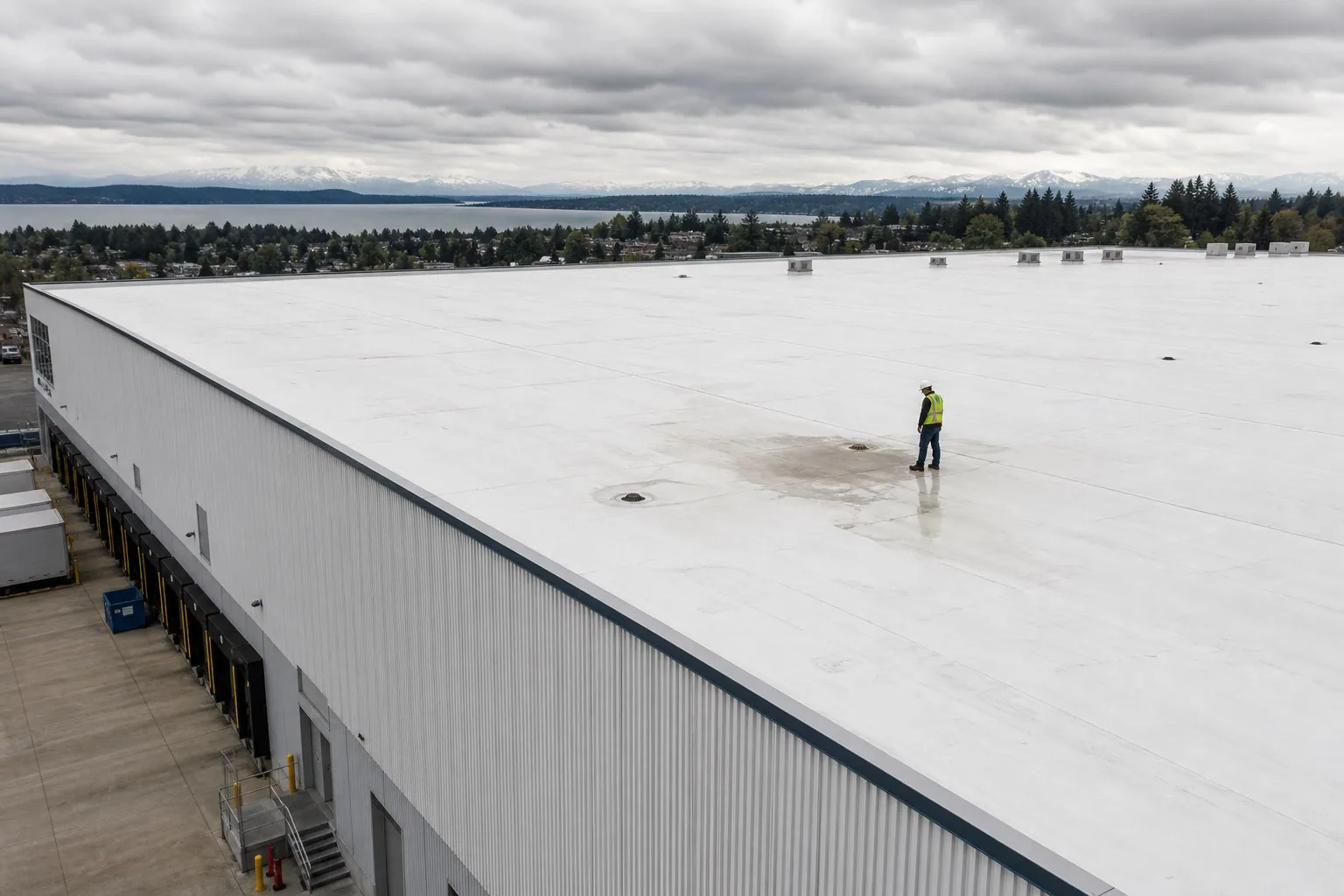
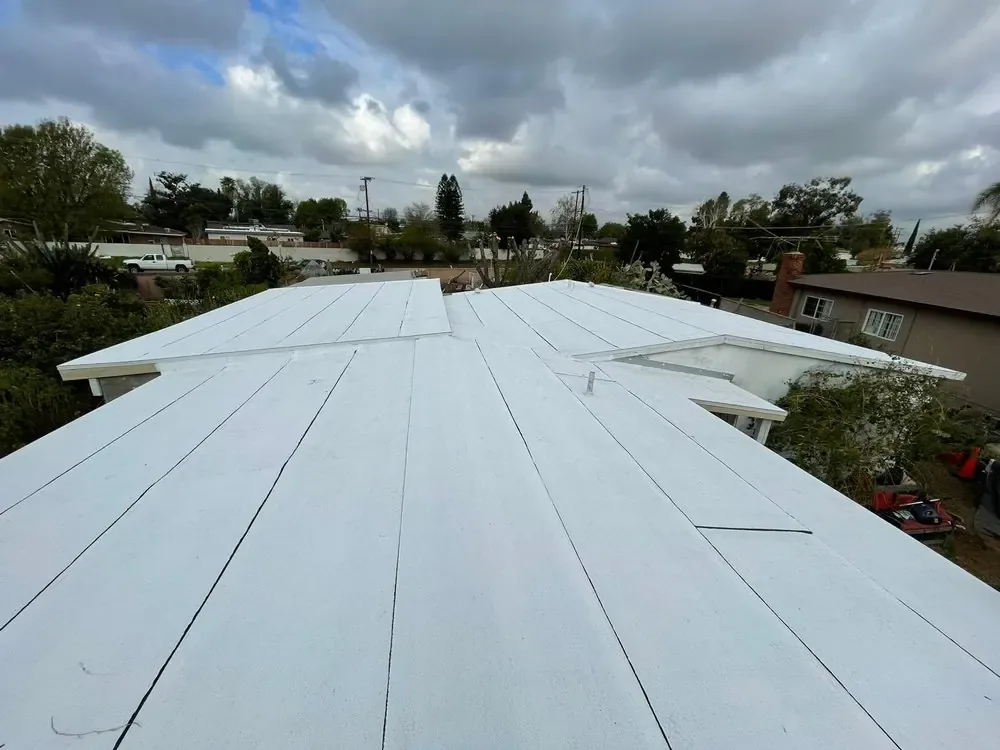
Commercial Roofing in Milton, MA
Milton Village and East Milton Square give the town distinct small commercial centers, while I-93 and the I-95/Route 128 network connect properties with the wider region. A commercial roof still needs its own map of seams, drains, equipment curbs and prior repairs. We inspect those details at the building, compare them with interior leak reports and identify whether water has an open path. The owner sees the difference between a repair that contains a known defect and a condition that needs testing before renewal quantities can be set.
Work Within the Commercial Center
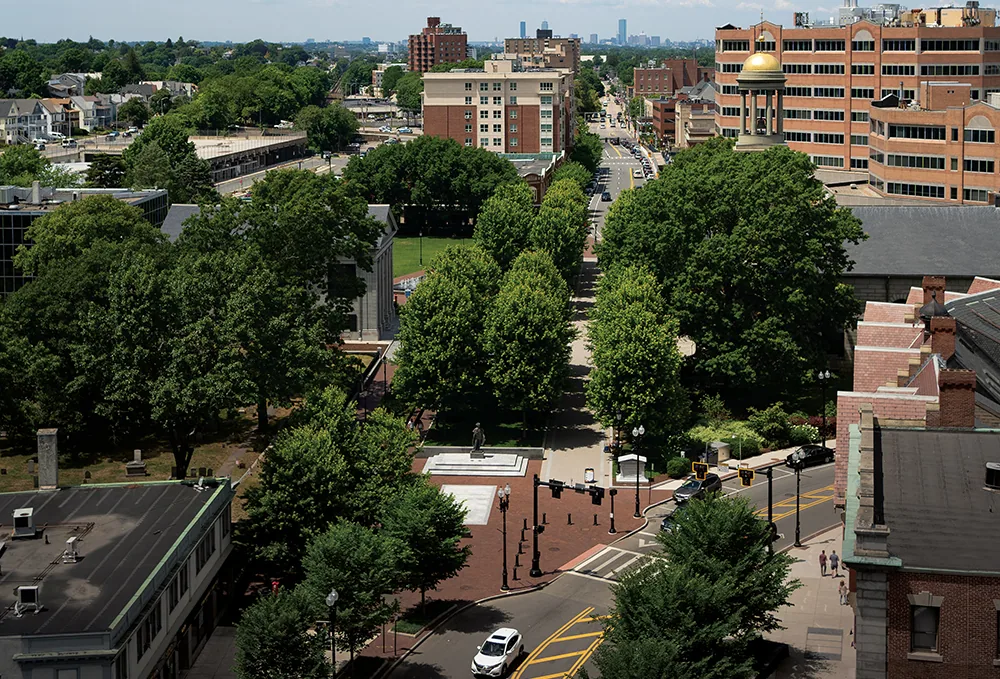
Milton Village and East Milton Square have different access conditions from one property to the next. We confirm where a truck may unload, what route remains open for visitors and where a lift or debris container could affect circulation. The town's connection to trolley service can inform arrival patterns, but a property contact establishes the actual work hours and access rules. We document those constraints before choosing a sequence for membrane removal or repair. A confirmed opening can receive a localized leak repair when the surrounding material is sound.
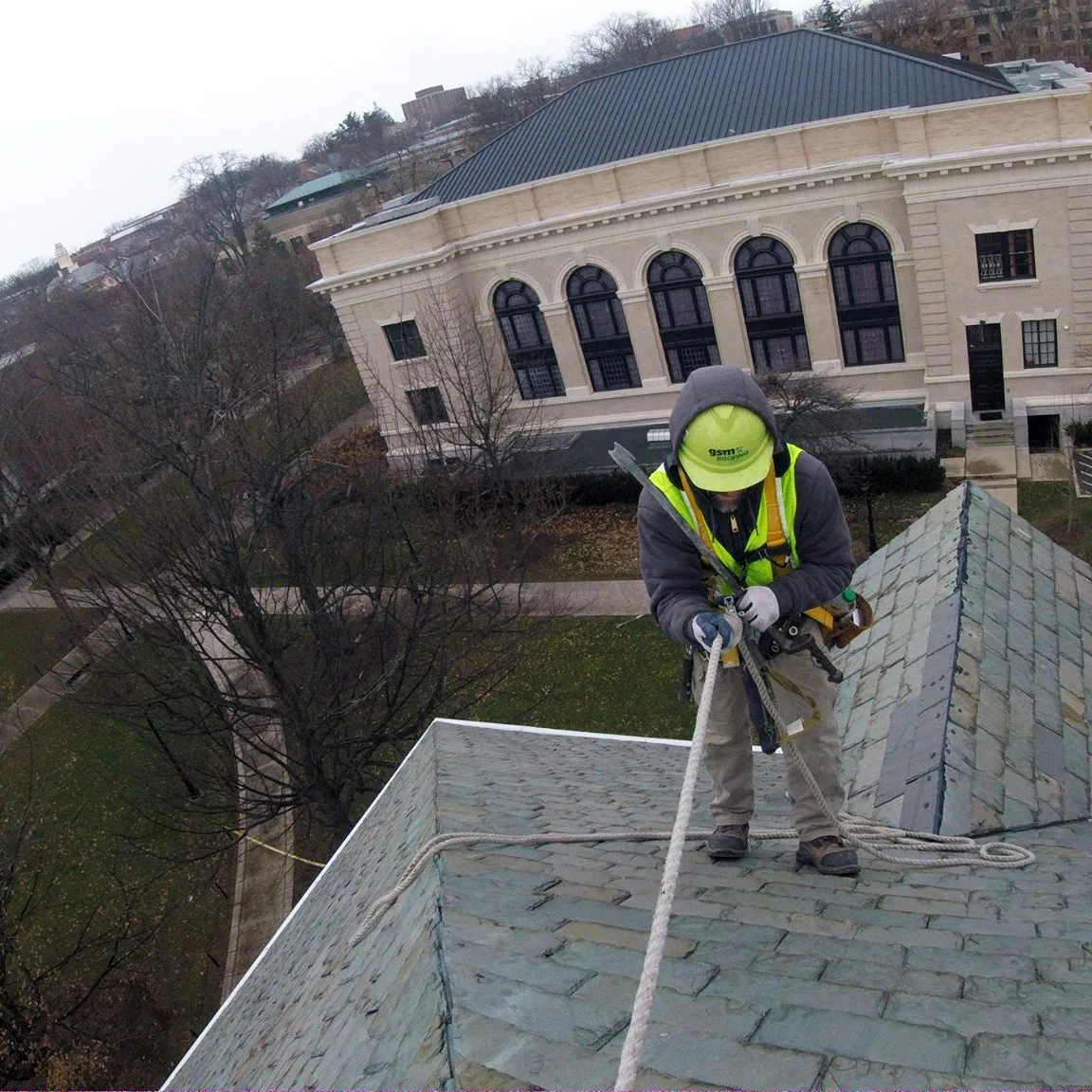
Nearby educational properties include Milton Academy and Curry College. Their presence identifies another building use within the town, not the roof type, age or condition of any property. If an institution or school is the owner, we confirm public routes, class and event schedules and protected interior areas with its representative. Access and operations affect staging; seams, flashing, drainage and the assembly determine what the roof work itself should address.
Follow the Outlet to the Boundary
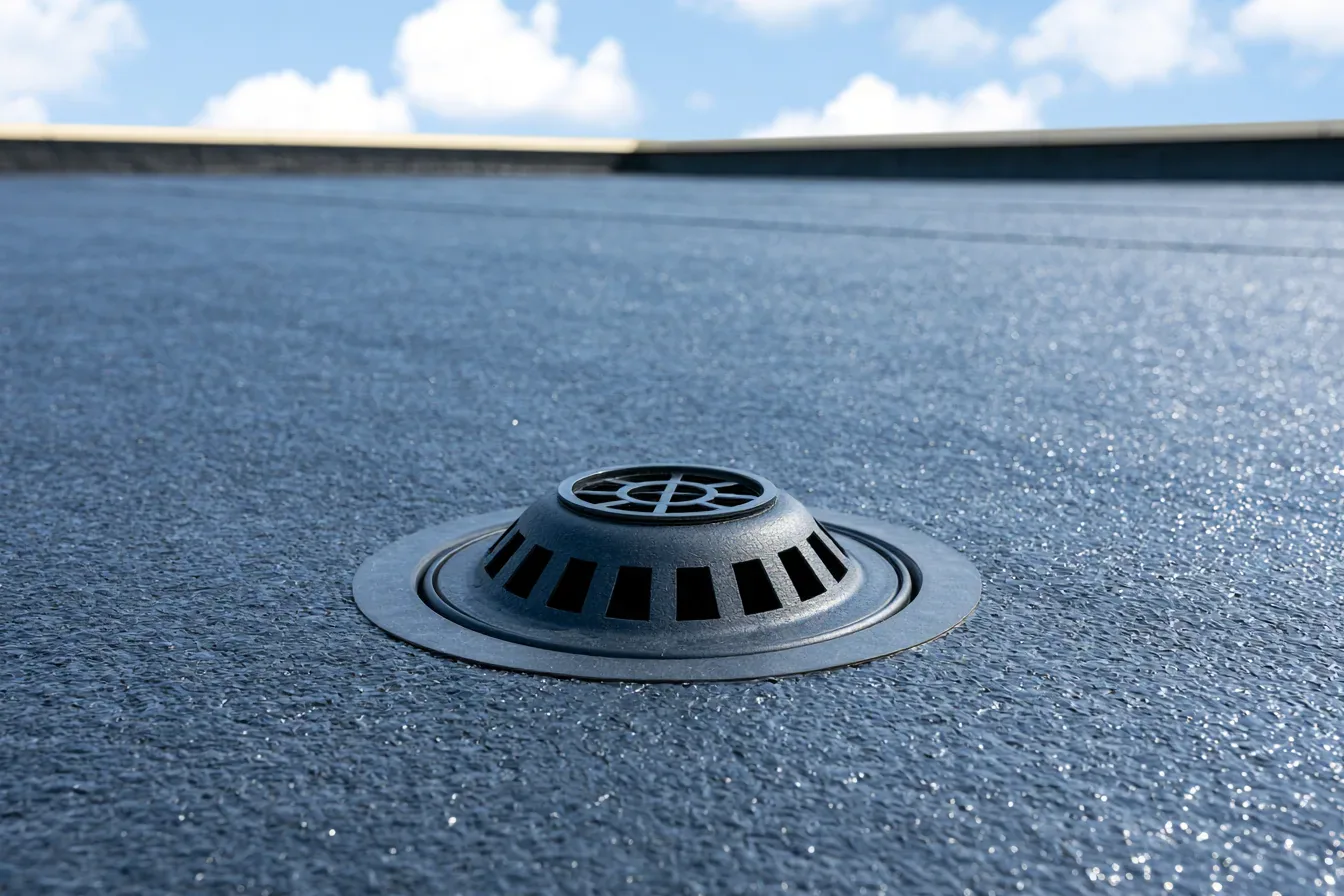
A stain near a ceiling fixture is not a roof-side boundary. Water can travel through insulation or framing before it appears, and the route depends on the actual deck and slope. We inspect the reported zone above, then check drains, overflow paths, curb corners and wall transitions around it. We keep the observed leak detail separate from adjacent areas whose moisture condition remains unknown. An obstructed outlet may need drain and scupper work before broader surface work.
Milton's road and trolley connections are useful when grouping visits, but delivery access depends on each parcel and building. At the roof, drainage starts with slope and a clear route to an outlet. We note whether leaves, construction debris or a damaged bowl restrict discharge, then record any water that remains near a seam. If a broader moisture pattern would change the repair limit, we explain whether mapping or a selective opening can answer it.
Protect the Active Entrance
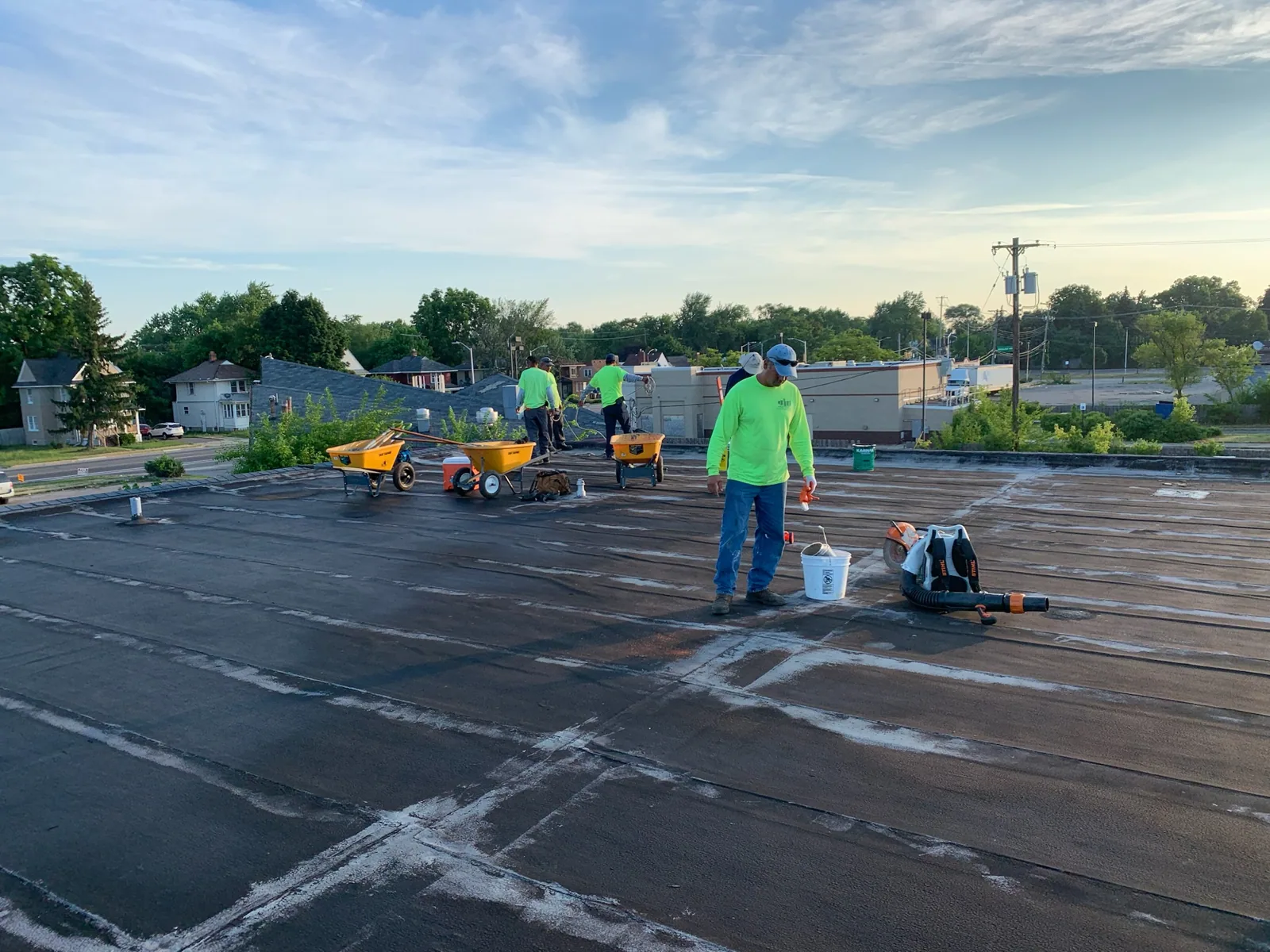
A repair at a retail or service property should not put an active entrance under uncontrolled debris movement. We locate the customer route, receiving area and roof access point, then identify barriers and interior protection. For a larger scope, daily removal is limited to what the crew can secure before weather changes. The property manager gets a clear handoff on which roof zone is open, how it will close and when the next section can proceed. For occupied property, occupied-building reroofing sets access and daily closure details.
Rooftop mechanical equipment can require an HVAC or electrical trade before membrane work reaches a curb or conduit. We identify those dependencies, note whether a unit remains in service and align the trade window before removal. An occupied building often benefits from a phased sequence, but the roof layers and forecast control the amount of work possible each day. We document those constraints in the plan rather than making a broad promise about uninterrupted operation.
Compare the Capital Paths
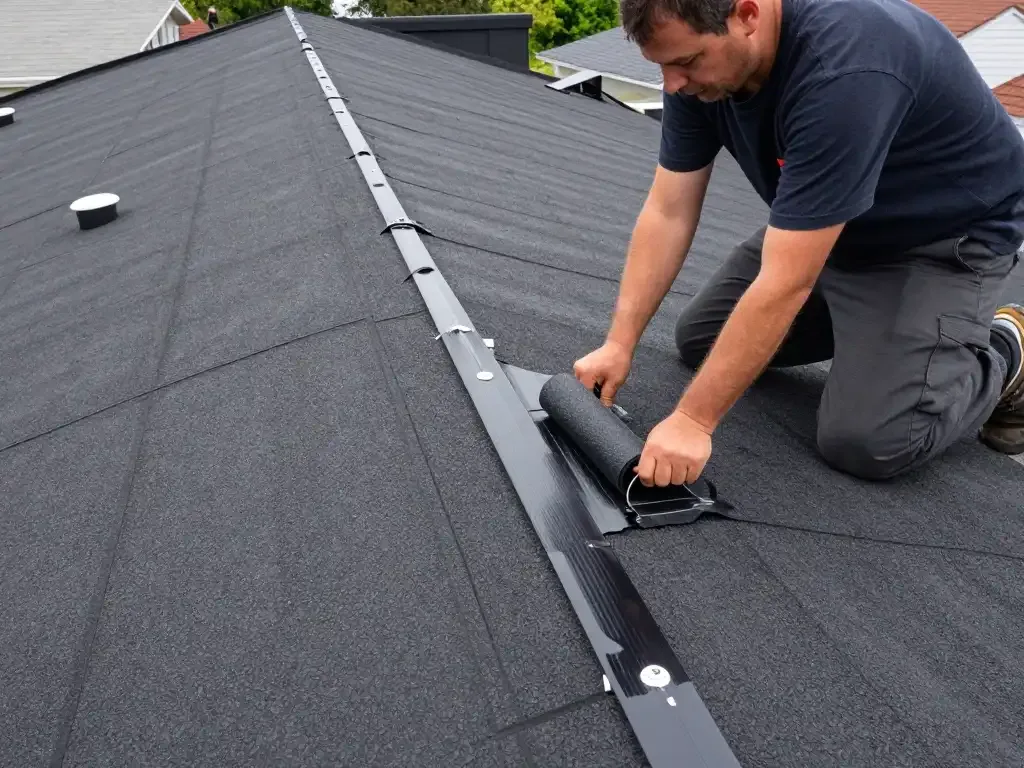
If a roof has one puncture and surrounding membrane remains stable, a focused repair may be the right service item. Recurring seam separation, wet insulation or widespread edge deterioration points to a different discussion. We record what is directly visible, note any owner-supplied leak dates and identify tests that would confirm concealed conditions. That allows immediate water control to proceed without prematurely assigning a replacement boundary. The owner can compare a replacement scope and recover feasibility' after layer count is established.
A recover may fit a dry, stable assembly with manageable layers and adequate drainage and height. Replacement gives access to the deck and insulation but brings more removal, staging and temporary protection. We compare the two after the existing roof is mapped. A coating can protect a compatible surface after preparation, but does not resolve trapped moisture or a low point. The recommendation connects each option to the current condition, the owner's timing and what additional evidence could change the choice.
Preserve a Decision Record
A useful report names the roof zone, shows the detail in a photograph and explains the next step. We separate a confirmed repair from an unresolved moisture question and an item that can remain in future planning. That prevents an old ceiling mark from becoming a standing replacement allowance. If the owner later asks for a portfolio view, the dates and labels support a comparison while leaving each building's remaining service separate. A a TPO roof system is considered only where the roof supports it.
Milton properties can be reviewed with a consistent set of fields while retaining separate condition records for every building. We update the record after a repair so a future manager can compare the seam or drain with its prior image. The capital calendar can then reflect a documented change rather than a general assumption about age or location. Portfolio review can include Randolph and Quincy Center without merging condition records.
For a property near East Milton Square, staging can intersect with curb access or the customer route, so the manager should confirm where materials can wait before a delivery is scheduled. We photograph the existing access point and identify any roof hatch that requires a key or escort. That detail becomes part of the work plan rather than an assumption made after the crew arrives. When repair is approved, the report records the selected materials and where the repair begins and ends.
If a later visit shows the same transition opening again, the owner can compare the new image with the initial record and decide whether a broader moisture check is needed. The next service step should answer a defined question. We keep water control, concealed-condition testing and future replacement planning separate so each authorization remains tied to what the roof has shown.
Commercial Roofing Questions
Do the trolley routes determine contractor access?
Transit connections can inform arrival patterns, but the property representative confirms delivery, parking and roof entry. We map those routes before staging so crew movement stays separate from visitor circulation. The roof inspection itself follows the assembly, water path and visible condition.
Can a small retail center remain open during repair?
We coordinate customer routes, receiving periods, barriers and interior protection with the property manager. A localized repair can limit the work area when the defect is confirmed. Broader removal depends on weather and the assembly, with each exposed section secured before work moves on.
When does a roof need moisture testing?
Testing can help where visible damage or survey readings suggest moisture may extend beyond the known leak. We state what is confirmed and what remains uncertain, then explain whether mapping or a selective opening would change the repair boundary. That test is distinct from immediate water control.
How should school properties be scheduled?
The facility representative identifies public entrances, event or class periods, delivery rules and areas needing protection. We use that information to sequence staging and noisy work, then coordinate HVAC or electrical dependencies where a roof detail crosses their equipment. The plan is checked against the forecast before removal starts.