Duro-Last Commercial Roofing in Quincy, MA
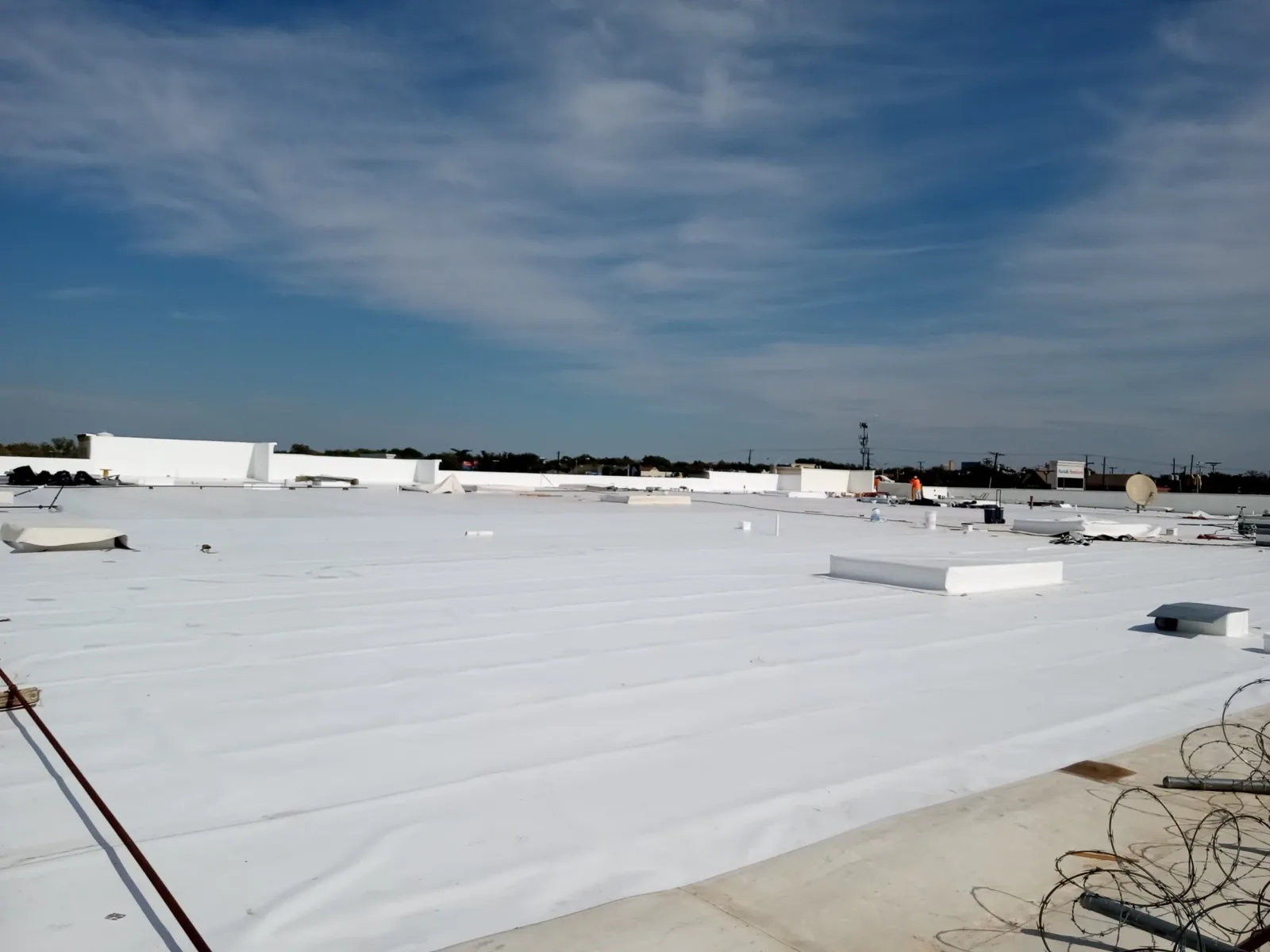
A thaw can send runoff through an equipment zone where the final roof connection no longer matches the curb or support arrangement. For Duro-Last roofing in Quincy, MA, we examine those interfaces alongside sheet condition and the construction receiving the membrane. Custom fabrication makes accurate roof information consequential. The owner needs the proposed sheet layout to reflect equipment that will remain, suitable outlet approaches and the detail work still completed on site.
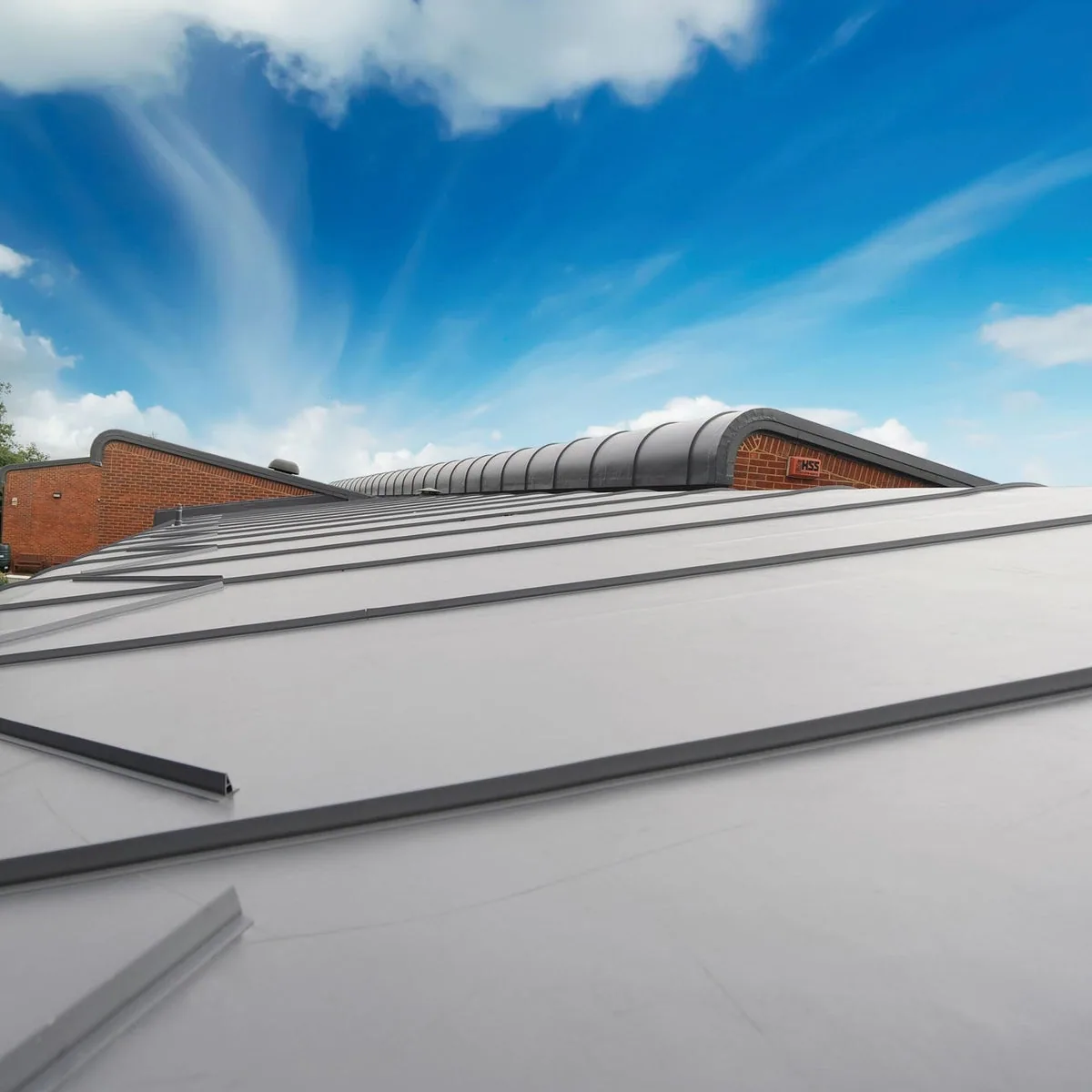
Quincy includes flooding and severe winter weather in its emergency preparedness. Roof work responds through examined drainage paths, useful receiving surfaces and secured construction intervals. Duro-Last offers custom-fabricated PVC deck sheets and accessories with factory-welded seams. Those fabricated components still need an appropriate relationship to the building. We assess the requested roof and recommend repair or installation through the actual attachment, layer and connection tasks rather than a sheet label alone.
Measure the geometry that will remain
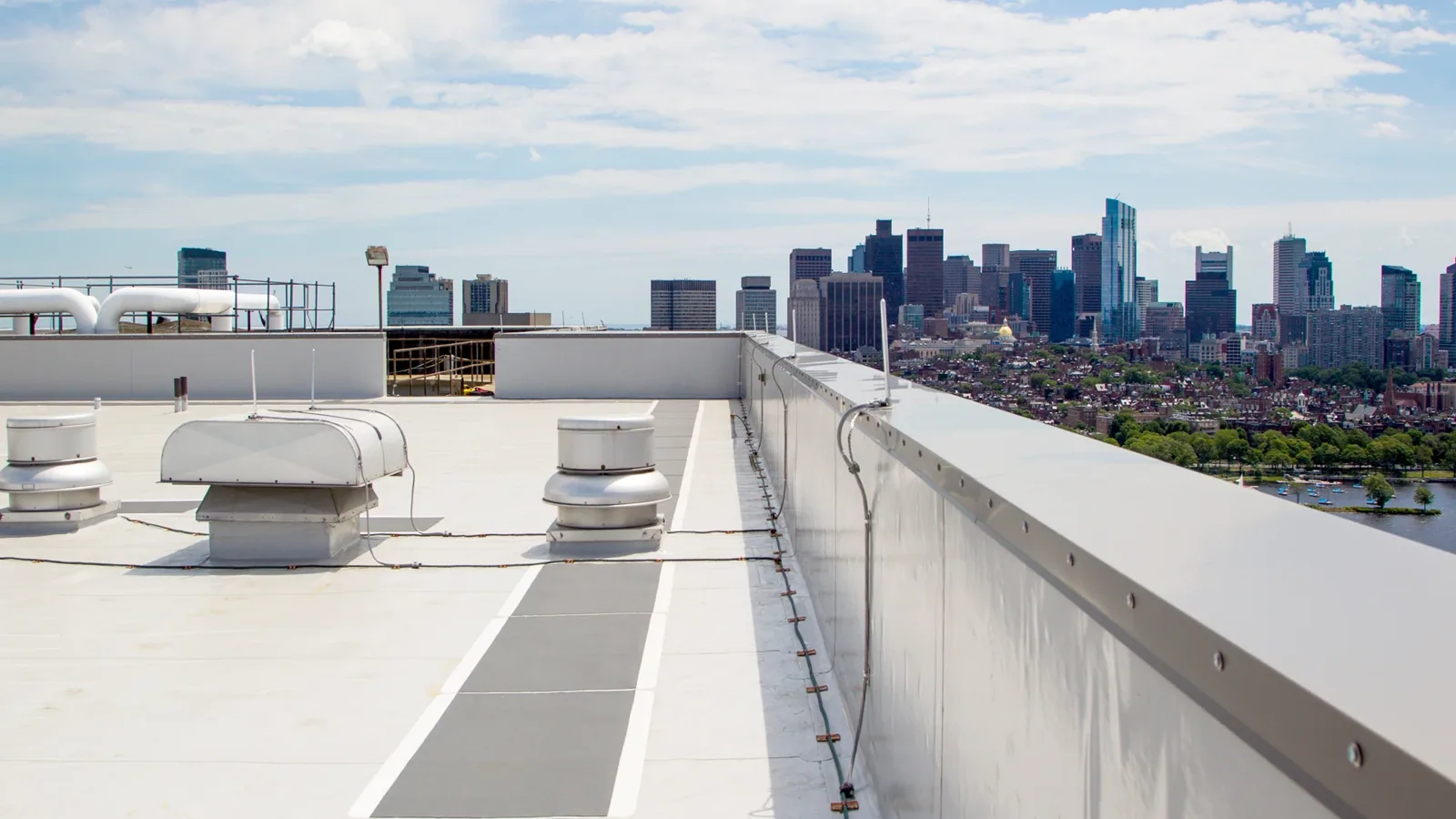
Custom fabrication relies on suitable information about the roof area and its interruptions. We examine equipment curbs, wall returns, changes of level and drainage interfaces before the proposed layout is settled. A unit being replaced can change the final curb relationship. If the roof closes around the old geometry while equipment work remains unresolved, the finished connection may require another intervention. The two tasks need a coordinated physical endpoint.
Duro-Last's factory-welded sheet seams do not eliminate the field work needed to connect roofing to the actual property. Perimeter restraint, penetrations, sheet connections and outlets deserve their own examination. We identify those tasks in the installation scope. An owner comparing prefabricated components should understand what arrives fabricated, what receives preparation and how the assembled roof finishes at its boundaries.
For PVC roof repair and installation, the receiving construction and compatible detail method remain important at each opening. A sound field may need a localized curb reconstruction, while damaged layers below a membrane may require a larger removal area. We separate those findings. The useful scope describes the material restored and the connection made, allowing the owner to distinguish detail repair from renewal that changes more of the assembly.
On Sika Sarnafil proposals, the relevant product and assembly details should be equally explicit. Comparing PVC options means assessing the proposed receiving layers, attachment and final interfaces under each. Similar polymer descriptions do not settle the work below or around the sheet. The recommendation should show where preparation or reconstruction differs and how each option completes the requested roof task.
Connect the sheet to suitable construction
Duro-Last lists mechanical attachment, adhesion and induction welding among deck-sheet installation options. The suitable arrangement depends on the selected assembly and receiving conditions. We examine support, retained materials and the detail relationship before specifying a method. Fasteners need appropriate receiving construction; an adhered scope requires suitable surfaces. The proposal should identify preparation and attachment together, with the actual assembly requirements informing both.
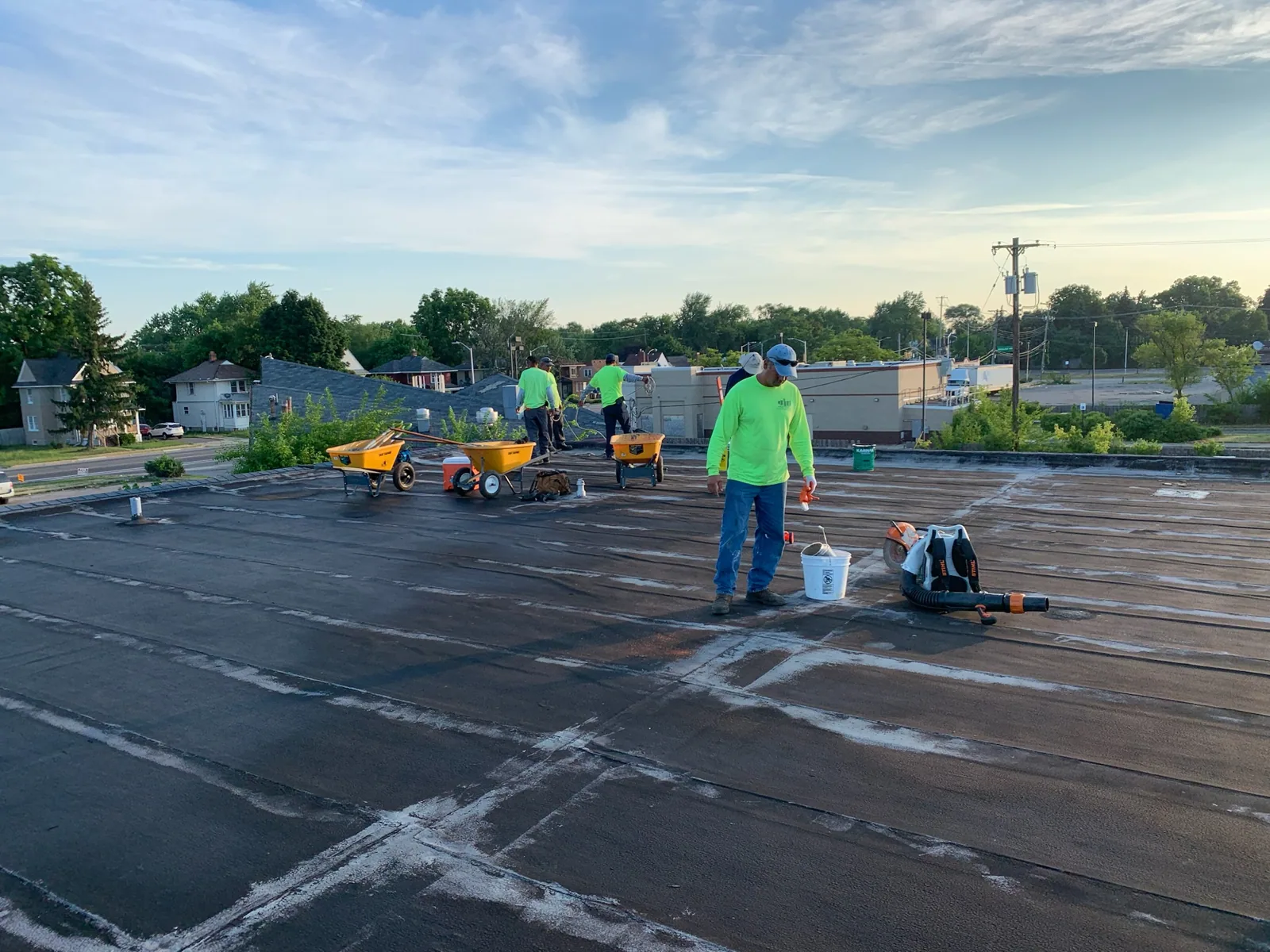
Closer examination becomes useful where movement, damaged support or moisture changes what can remain. A continuous exposed sheet can conceal a receiving layer that no longer serves its intended role. We assess those components separately from the visible defect. Removal should extend to a suitable reconstruction boundary, while retention should identify the condition supporting that choice. The owner can compare the actual intervention rather than simply the area of new membrane.
Commercial roof replacement can restore affected layers when a local connection repair would leave a wider condition unresolved. Final height also needs attention. Added construction may require revised curb, wall or outlet details, while removing layers can change the receiving relationship in another way. We establish those transitions before the field layout is completed so fabricated sheets arrive for the intended finished arrangement.
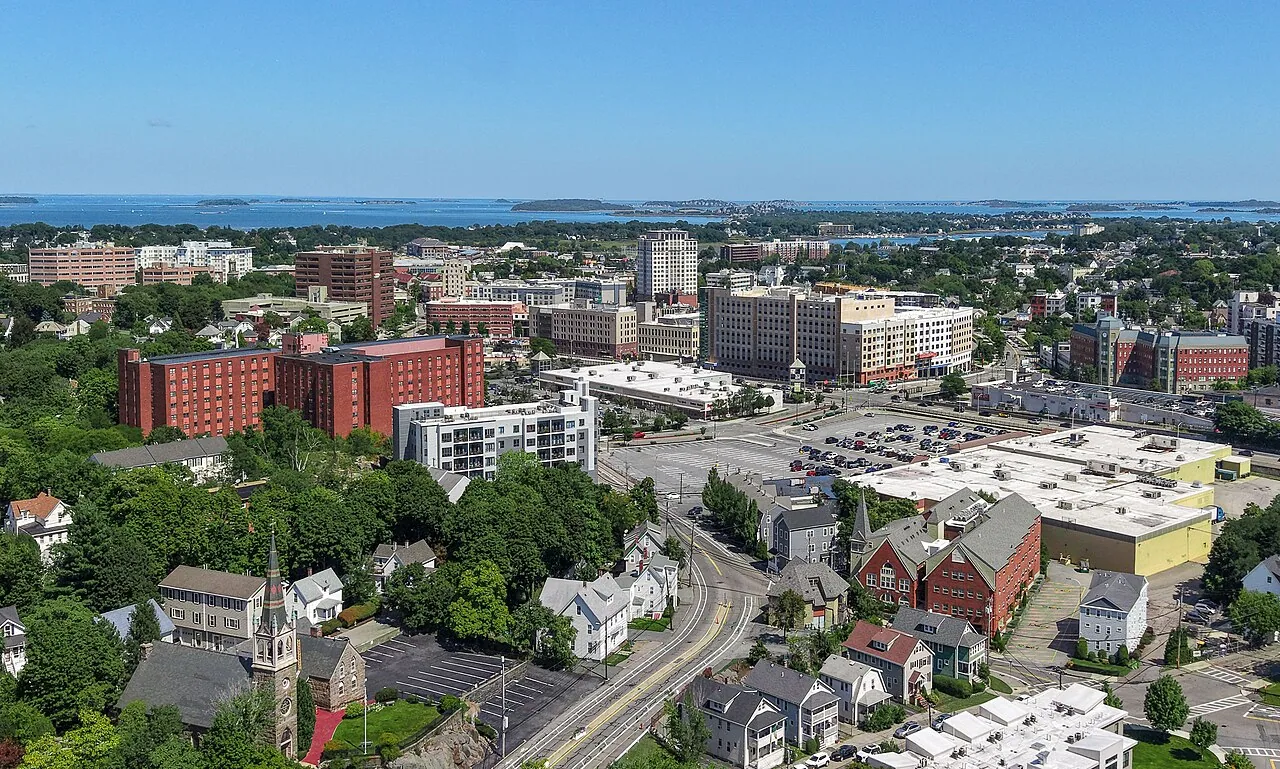
North Quincy has institutional buildings near Hancock Street and West Squantum Street, and Route 3A follows Hancock Street. For requested work in North Quincy, we examine the building's actual equipment and delivery arrangements. Requested work in North Quincy needs examination of the building's actual equipment and delivery arrangements. A receiving-material operation can overlap with an occupied entrance or loading approach. We determine the roof task and handling route together, keeping stored material and removed construction clear of access needed during the work.
Complete the field details around each interruption
A new pipe or relocated unit can create a connection that was absent from the original sheet layout. We assess the current penetration, useful receiving material and compatible reconstruction needed around it. Simply covering an old opening does not complete the new interface. The final scope should account for both locations, with suitable closure at the abandoned detail and permanent waterproofing at the new one.
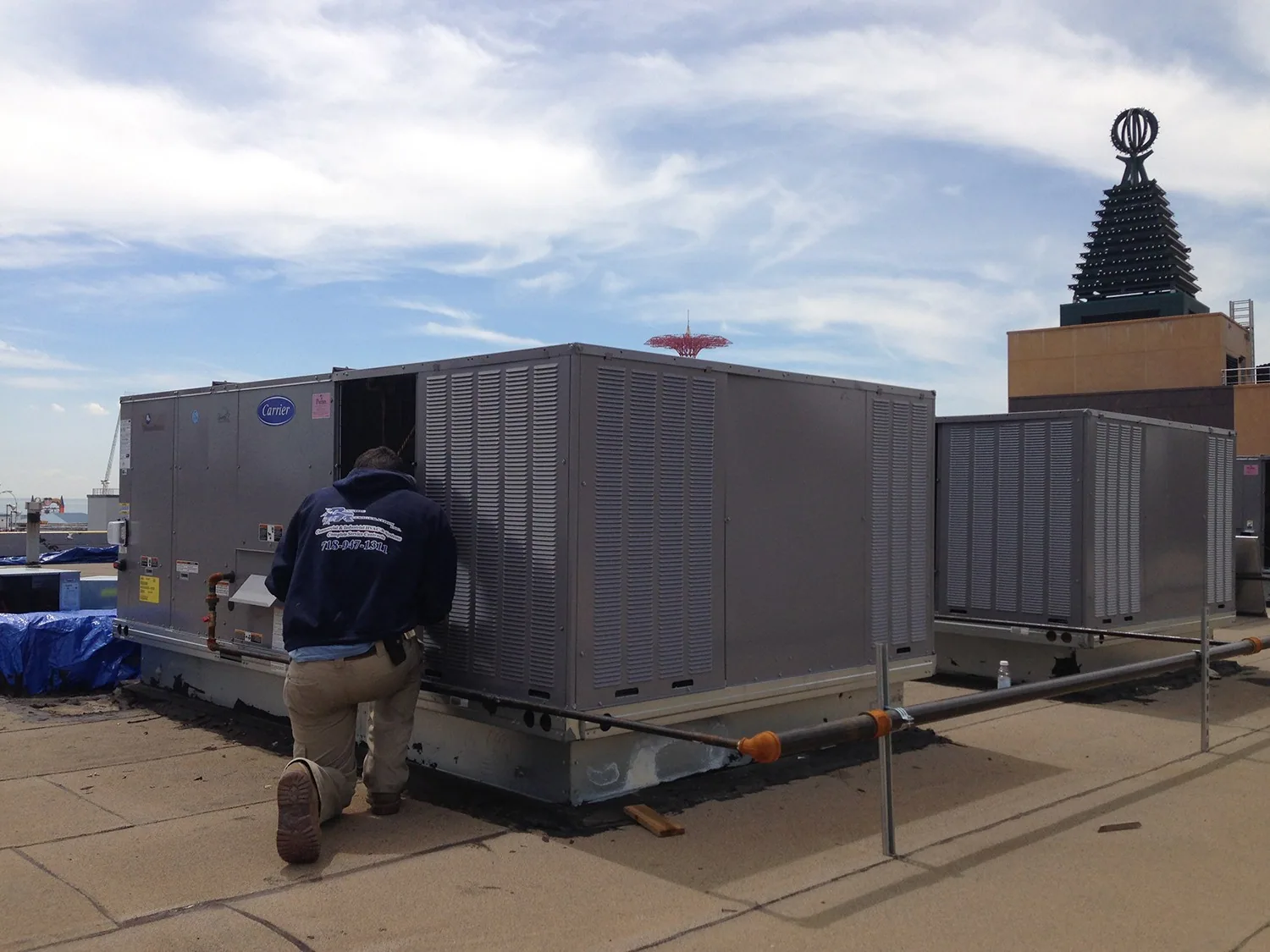
Work involving roof curbs and penetrations should identify the final support arrangement before the membrane connection is finished. The equipment team may need to complete related work first. We define that dependency through the physical curb or support task, allowing the roofing stage to end at a stable configuration. Later equipment access should remain practical without repeatedly concentrating contact on an unprotected detail.
Drainage connections also require useful geometry beyond the sheet edge. We examine the approach to the outlet, its receiving condition and any low area that remains upstream. New waterproofing can preserve an unsuitable drainage relationship if the surrounding work is omitted. Supports and traffic protection should leave inspection access available. The completed area should allow water and future technicians to reach the outlet without unnecessary obstacles.
Braintree has office and industrial parks near Routes 93 and 3, together with the South Shore Plaza commercial setting. On a requested property there, rooftop servicing can involve several distinct unit and tenant dependencies. We examine the actual roof arrangement before choosing the work interval. The fabricated field, site connections and equipment tasks should meet at a finished detail that can be maintained after construction.
Sequence delivery and closure around the occupied building
Sheet delivery and field preparation need a suitable relationship to the occupied property. We assess material placement, available handling routes and the area that can reach a secured endpoint. A large open field and a compact equipment cluster can require different intervals. The stage should reflect the connection work remaining, with outlets protected from obstruction and occupied areas receiving appropriate protection during removal or reconstruction.
Versico membrane alternatives should be compared through similarly complete assembly scopes. The useful difference may lie in preparation, sheet arrangement or attachment rather than the visual appearance of the surface. We identify those tasks with final details and occupied dependencies. For Duro-Last work, completion means installed components at suitable interfaces, not only fabricated sheets delivered or placed over an unfinished receiving area.
Commercial Roofing Questions
What needs to be settled before a custom roof sheet layout?
Confirm the roof geometry and equipment arrangement that will remain after construction. Curbs, wall returns and drainage interfaces affect the final layout. We examine planned changes with the receiving work before installation. The fabricated components should fit the intended finished roof, while the scope identifies connections still completed on site.
Do factory-welded seams eliminate field connection work?
Account for the building's perimeter, penetrations and outlets separately. Factory-welded seams are a feature of the fabricated components, but those components still join an actual roof assembly. We assess compatible field details and receiving preparation. Completion needs the sheet and its boundaries assembled appropriately around the existing property.
How should attachment options be compared?
Assess the selected system with the support and retained materials present. Mechanical, adhered and induction-welded options have assembly-specific requirements. We identify receiving preparation and final interfaces alongside attachment. The owner should compare complete installation tasks rather than select a method solely from a membrane description.
Can a changed rooftop unit need more than a membrane patch?
Examine the new curb or support and the opening being abandoned. Either location may require receiving work before waterproofing can finish. We coordinate those physical dependencies and define both permanent closures. The recommendation should leave a serviceable final equipment arrangement with practical access for later roof and unit maintenance.