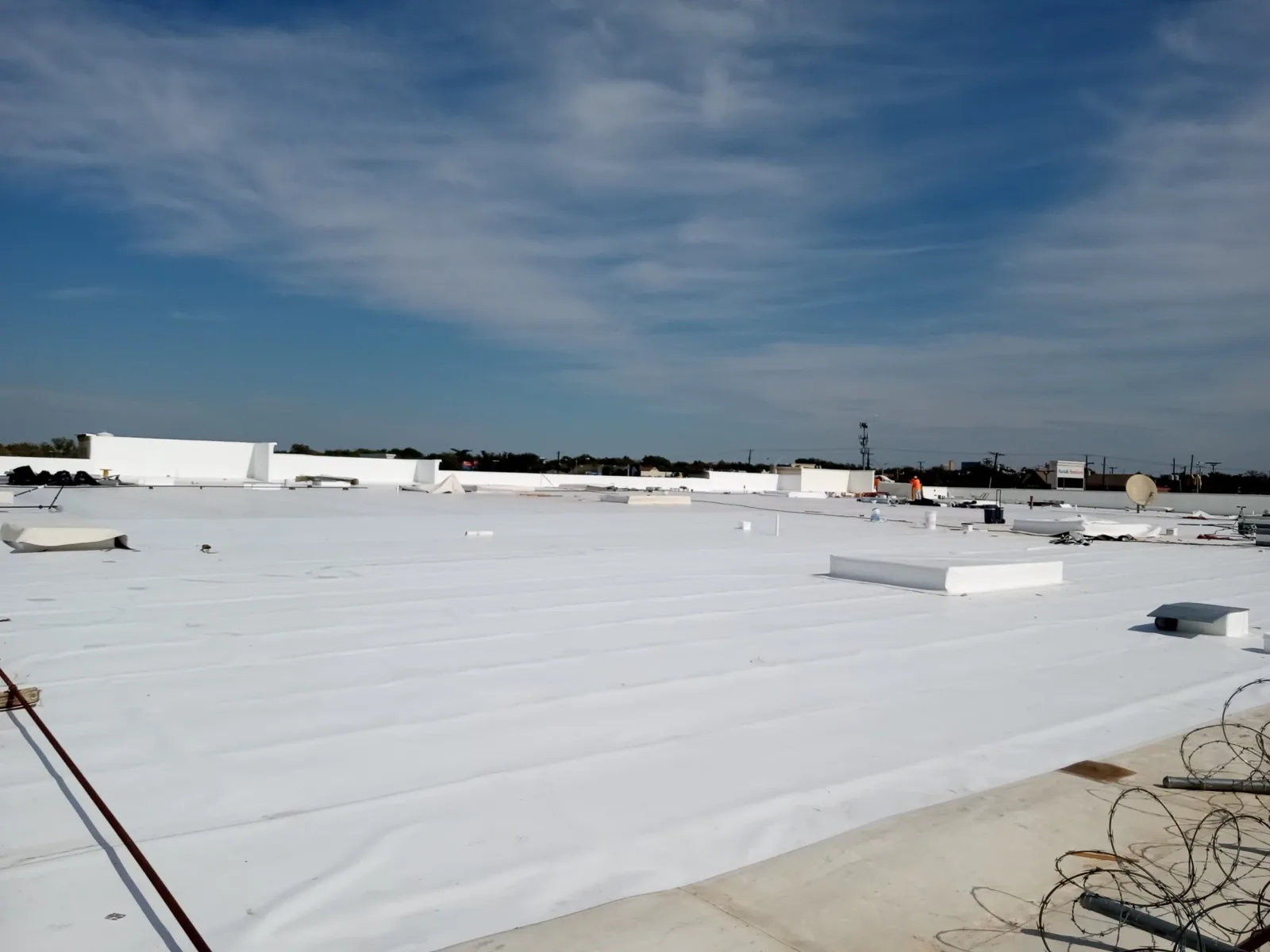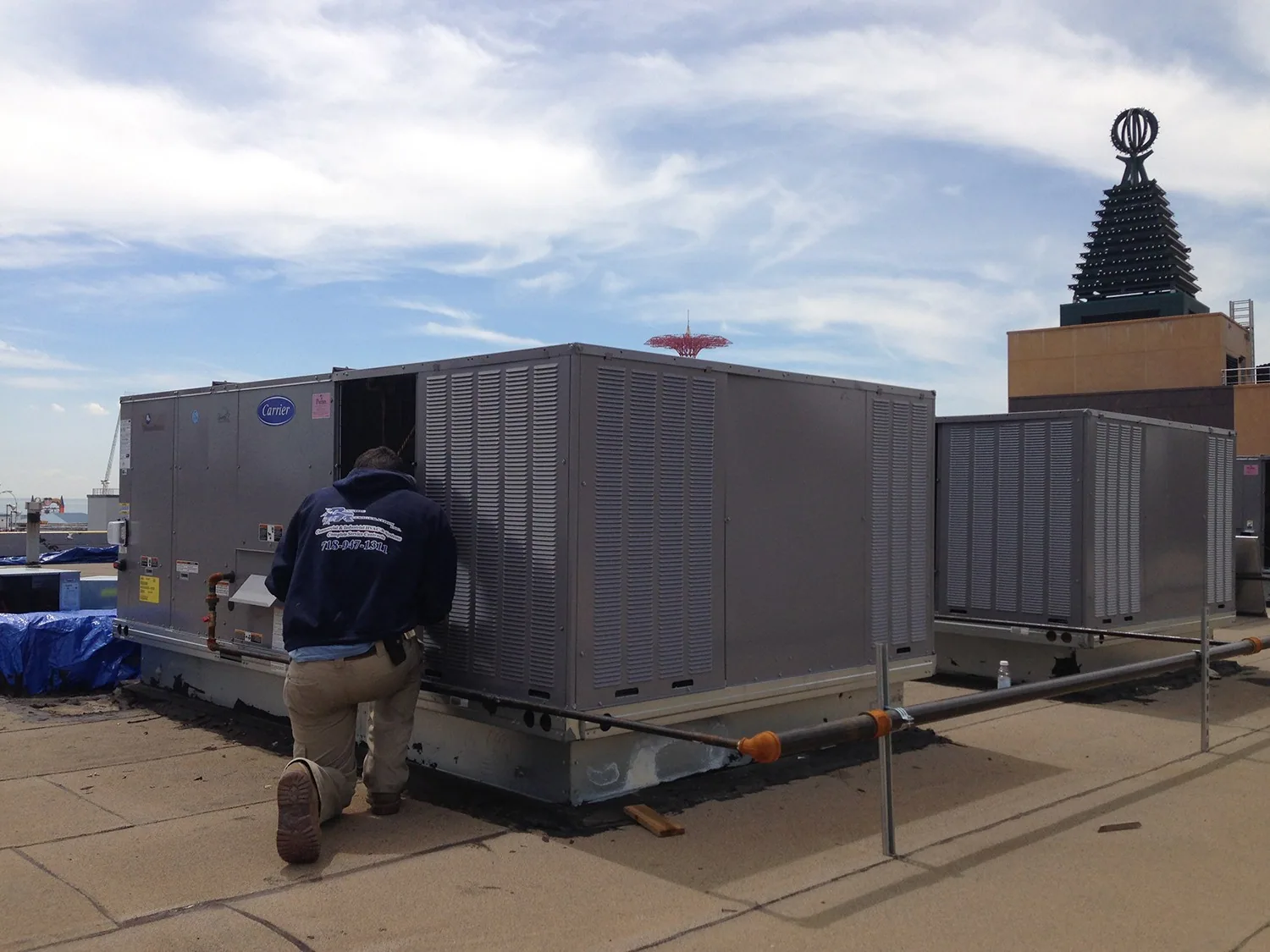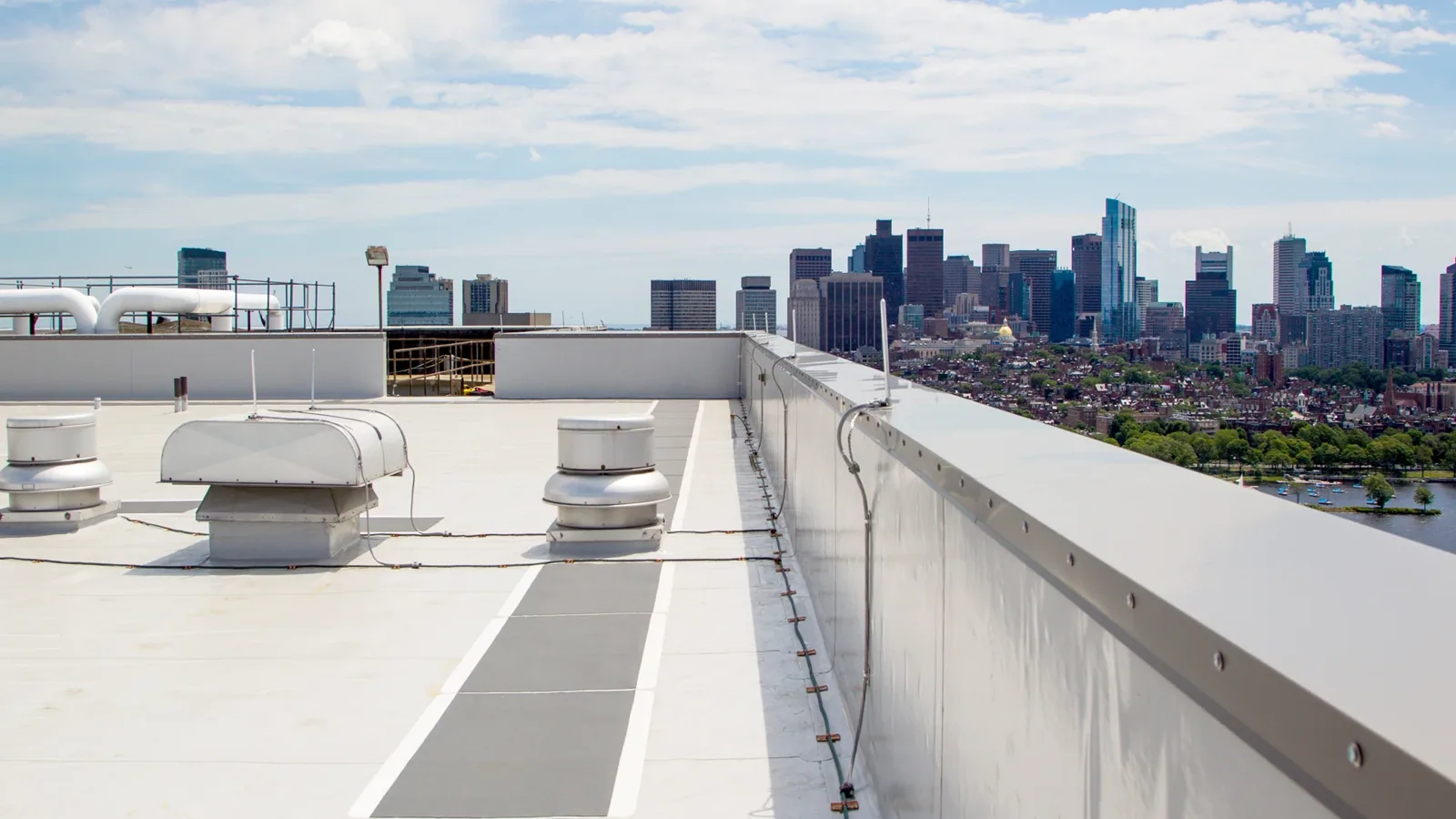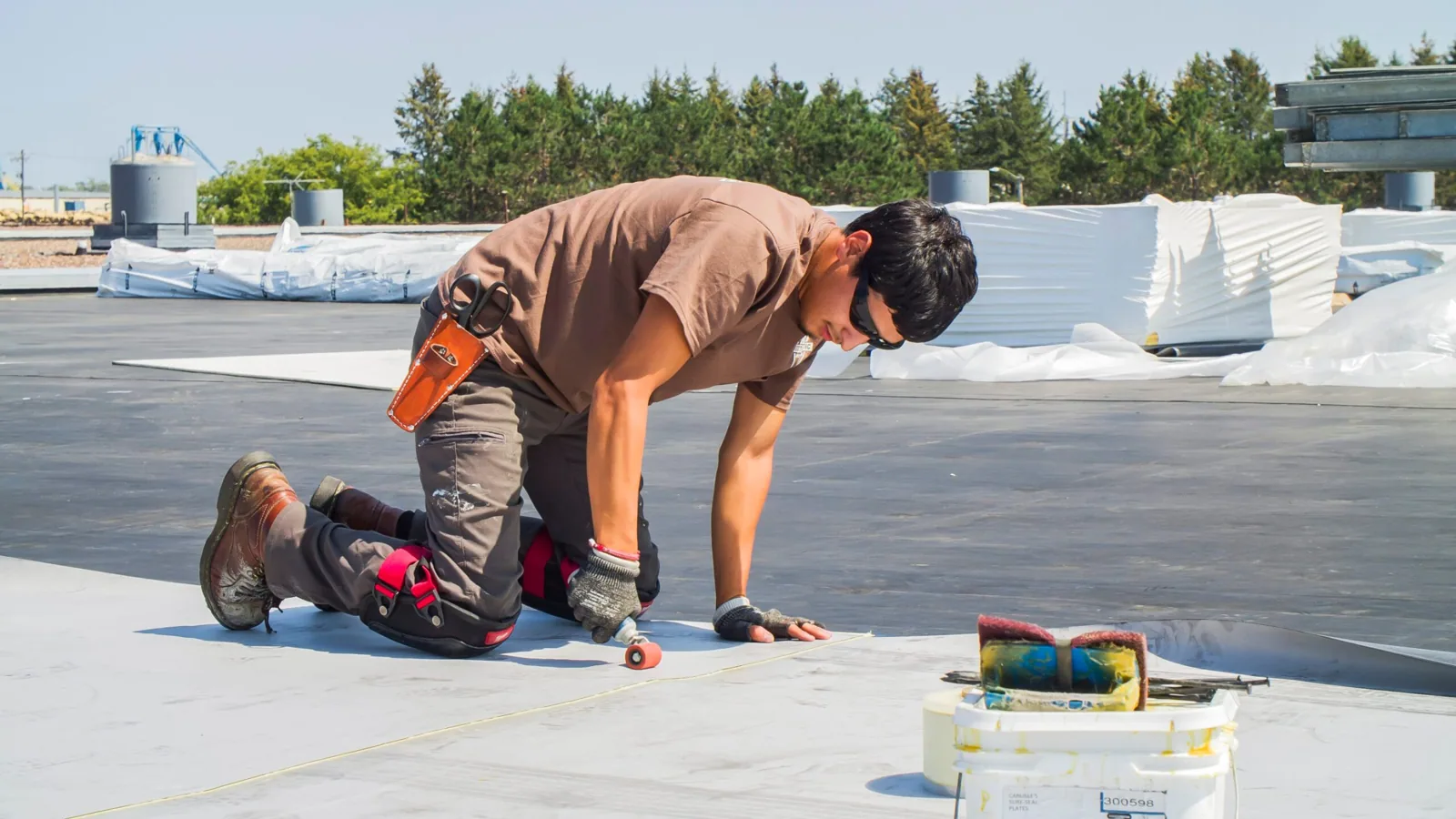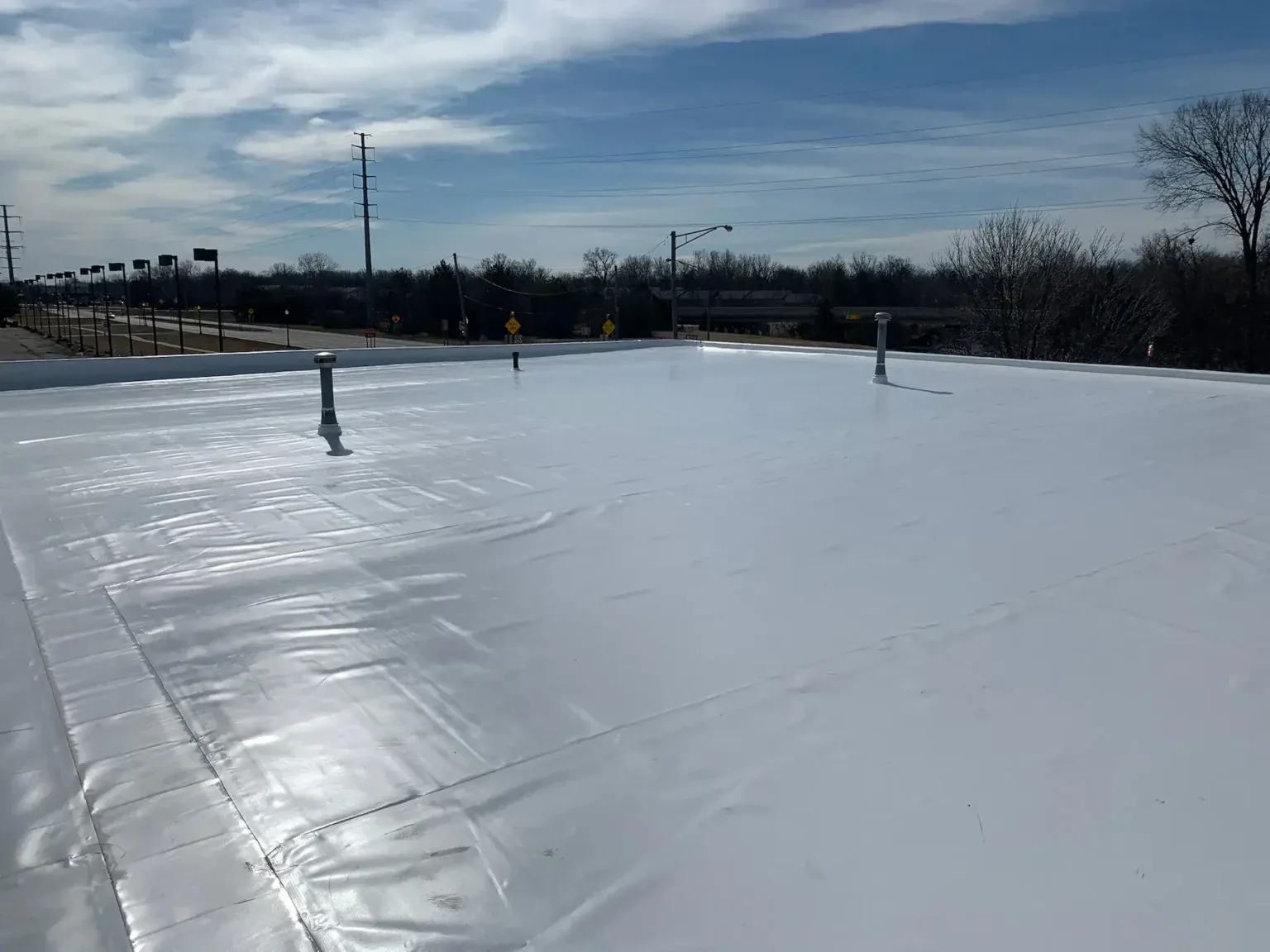
Sika Sarnafil Commercial Roofing in Quincy, MA
Winter wind can stress a roof connection at its restraint while the surface beyond that line remains apparently useful. Commercial Sika Sarnafil roofing work in Quincy, MA, starts by examining the specified attachment, receiving construction and damaged material at that interface. An adhered assembly and a mechanically attached assembly do not rely on identical field connections. We assess the installed system before choosing local work or wider renewal. The permanent repair needs to restore the components supporting and closing the membrane.
Quincy includes nor'easters and flooding in its preparedness planning. We connect that exposure to the requested roof's restraint and runoff, then identify the occupied arrangement needed for construction. Sika offers Sarnafil and Sikaplan PVC membranes with different assembly options. We repair and install commercial roofing using the applicable system requirements and actual material condition, rather than choosing an attachment or treatment from the brand name alone.
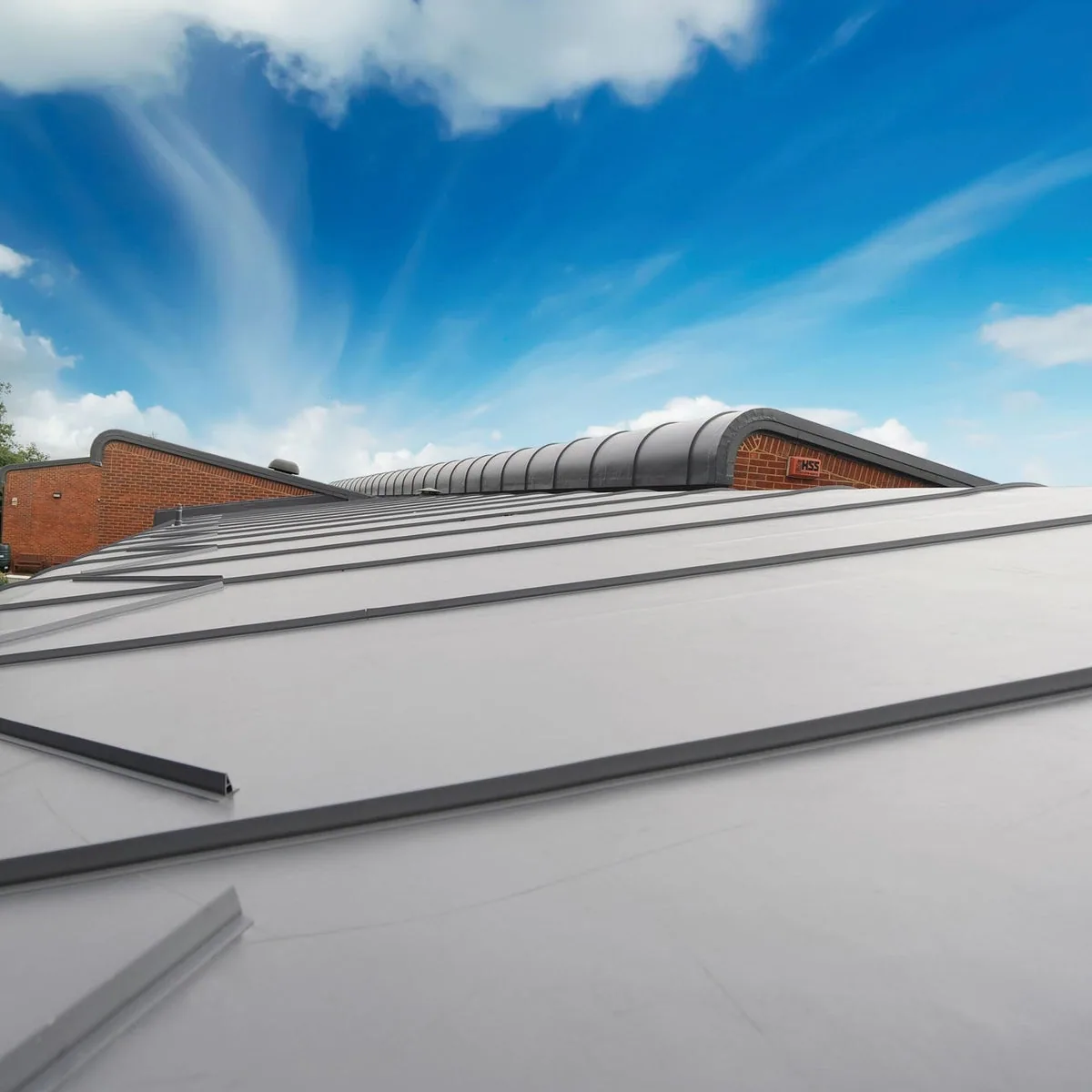
Attachment Follows the Assembly
Sarnafil G membranes use fiberglass reinforcement for adhered systems, while Sarnafil S membranes use polyester reinforcement for mechanically attached construction. Those product distinctions belong in the selected assembly, not only its surface description. We examine receiving condition and the project requirements before recommending components. A covering specified for one arrangement should not be treated as an automatic substitute within another roof's construction.
PVC roofing assessment considers the sheet, heat-welded joints and compatible detail materials together. Receiving preparation matters at an older repair area. Contamination, previous treatments or deterioration can change the useful boundary around a defect. The repair should form suitable continuity with the installed assembly rather than simply cover the visible opening with material whose connection has not been assessed.
An adhered field needs suitable receiving construction and installation conditions under the selected system's requirements. A mechanically attached assembly also depends on appropriate restraint and the support receiving its attachment. We inspect those relevant components instead of treating a smooth-looking surface as proof they remain sound. The owner should understand what the proposed repair restores and which layers or connections it retains.
Every Defect Has a Full Boundary
A field joint, wall termination and equipment penetration can create different entry pathways. We examine the physical connection and adjoining construction before setting the scope. Repairing one visible opening can be incomplete if another boundary in the same detail remains unsuitable. A support or wall task may need to precede permanent waterproofing where it changes the receiving geometry. The final repair should close at stable useful components.
Equipment curb and support work can change available clearance or service access. Added insulation also affects the relationship between the field and existing flashing. We assess final elevations before renewal, including the outlet route around the unit. A renewed surface should not finish beside a constrained curb or place new construction where it obstructs drainage.
Marina Bay includes office, restaurant, residential and assisted-living uses. For requested work in Marina Bay, we examine the actual equipment and occupied-room interval beneath the affected detail. An intake arrangement and room protection can require different tasks before the roof opens. Those dependencies need a clear relationship to receiving preparation and final closure, allowing the property to arrange the work around the interface that must be rebuilt.
Field Joints Differ From Fabricated Details
Owners considering Duro-Last PVC assemblies alongside Sarnafil options should examine how the proposed construction closes at the particular roof geometry. Custom-fabricated components and field connections still need useful receiving support and suitable interfaces. We compare attachment, retained layers and final details instead of treating common PVC chemistry as a full description of either installation. The completed construction needs to match the roof and operating equipment present.
Carlisle SynTec PVC comparisons likewise need the specified components and compatible methods identified. One product family is not a license to mix another system's receiving or detail materials without appropriate assessment. We examine the actual repair area and project information before selecting construction. The owner receives a complete component scope, with preparation, attachment and waterproofing linked to the assembly selected.
Sika also offers Sikaplan PVC membranes with adhered and mechanically attached system options. We evaluate the relevant construction against the requested roof's receiving condition and geometry. A product selection should include the insulation, support and final wall or equipment interfaces. Similar-looking field surfaces can otherwise conceal different retained components and closure work under the proposed options.
Receiving Support Controls the Repair
Concealed moisture can change a local repair or renewal choice even where the surface remains continuous. We examine indications of entry and select closer checks where insulation or support condition affects retention. A bounded opening on a sound assembly can support a narrower scope than distributed unsuitable layers. The recommendation should identify those findings separately, with removal following the materials and extent established rather than a broad aging-roof description.
Canton's center has mixed-use activity, and Route 138 is an arterial through the town. For a requested commercial property in that setting, equipment exposure and the individual room arrangement need assessment before reconstruction. The opening may affect unlike uses beneath neighboring roof zones. We connect the occupied protection interval to the actual receiving task, rather than assume one general schedule suits every part of the assembly.
Material contact from discharge or service activity should also be examined where it affects the proposed PVC roof. The specific product and actual exposure guide compatibility assessment. A new surface cannot correct unstable support or an unresolved interior moisture pathway by itself. We identify the relevant component work before treating the selected membrane as complete restoration of the roof system.
Occupied Use Shapes the Closure Plan
Daily removal should reflect receiving work, detail density and suitable application conditions. We assess intake protection, equipment intervals and the affected rooms before creating exposure. A roof zone with multiple penetrations can require substantial closure compared with its field area. Temporary boundaries need suitable continuity with retained construction, while runoff remains workable during the sequence. The stage should end with secure assembled roofing, not only a completed open field.
Sika system and warranty review can identify relevant terms for proposed repair or alteration. Current condition still needs physical assessment. We distinguish document requirements from the construction supported by defects and receiving findings. The completed component description should identify permanent work, retained layers and any temporary measure still awaiting final restoration.
Service access after installation should reach units without repeatedly crossing vulnerable detail edges. We examine the contact path and select protection suited to the installed PVC system where useful. That construction should leave joints inspectable and preserve runoff into outlets. A route that hides the rebuilt termination or traps water beside it needs another arrangement. Later upkeep can then examine the connection itself and distinguish a new material defect from debris restricting drainage.
Commercial Roofing Questions
What should distinguish Sarnafil G and S membrane options?
Consider the reinforcement and intended assembly together. G membranes are fiberglass-reinforced for adhered systems; S membranes are polyester-reinforced for mechanically attached construction. We assess receiving support, project requirements and final interfaces before selecting work. The owner should compare the complete attachment and detail arrangement rather than treat those product distinctions as surface names alone.
Can any PVC patch repair an existing Sarnafil detail?
Identify the installed material, receiving condition and compatible preparation first. Previous treatments or contamination can alter the useful repair boundary. We examine the joint or penetration with the selected system's requirements in view. Permanent closure should form suitable continuity with the retained assembly rather than rely on common PVC chemistry as proof every product or method is interchangeable.
How should hidden moisture affect the repair decision?
Examine the receiving layers where their condition changes retention. Closing an entry connection does not restore wet insulation or compromised support below it. We identify those components and the removal boundary supported by closer checks. A local surface repair and wider receiving reconstruction should remain distinguishable in the proposed permanent scope.
What needs coordination around a changed rooftop unit?
Assess support, penetration geometry and available clearance at the final roof height. The equipment task can alter the connection roofing must close. We coordinate the relevant receiving work before permanent flashing, including operating and occupied-protection intervals. The selected PVC assembly should finish around the equipment and service routes that will actually remain after installation.