Holcim Elevate Commercial Roofing in Quincy, MA
Ice beside a roof support can hold meltwater against an open joint while the wider membrane remains serviceable. Commercial Holcim Elevate roofing work in Quincy, MA, begins with the installed material and receiving construction at that connection. A RubberGard EPDM detail and an UltraPly TPO joint require different compatible methods. We assess the damaged interface and any layers affected below it before selecting work. The roof's physical condition establishes whether local reconstruction or a wider receiving repair is useful.
Winter storms and floods are included in Quincy's preparedness. We examine the requested assembly's water paths, support arrangements and exposed stages with that context in view. The manufacturer's commercial range includes rubber and thermoplastic systems with different attachment and product options. We repair and install commercial roofing through the requirements of the selected construction, rather than treating a brand name as a complete specification for every roof area.
Assess the rubber connection before preparing closure
RubberGard is the manufacturer's EPDM system family. We examine the installed sheet, joint and local receiving condition before choosing a compatible repair. Rubber membrane work needs the system's appropriate preparation and joining method. Previous treatments or contamination can affect the surface available to receive new material. The repair boundary should reach useful construction around the defect, with unsuitable adjacent material identified rather than concealed beneath another treatment.
EPDM roof reconstruction also needs the supporting interface examined where movement or damaged attachment stresses a joint. A support correction can require another task before permanent waterproofing. The final detail should close around stable suitable geometry. A strip across the visible opening does not resolve continuing displacement or restore wet insulation that examination establishes below it.
For owners considering Carlisle SynTec EPDM assemblies, the compatible primers, joints and receiving components belong with the actual specified system. Similar membrane categories do not make every detail material interchangeable. We compare the preparation and final connections with the retained layers under each proposal. That component scope distinguishes a local repair from renewal that reconstructs more of the assembly.
Choose attachment with the receiving assembly in view
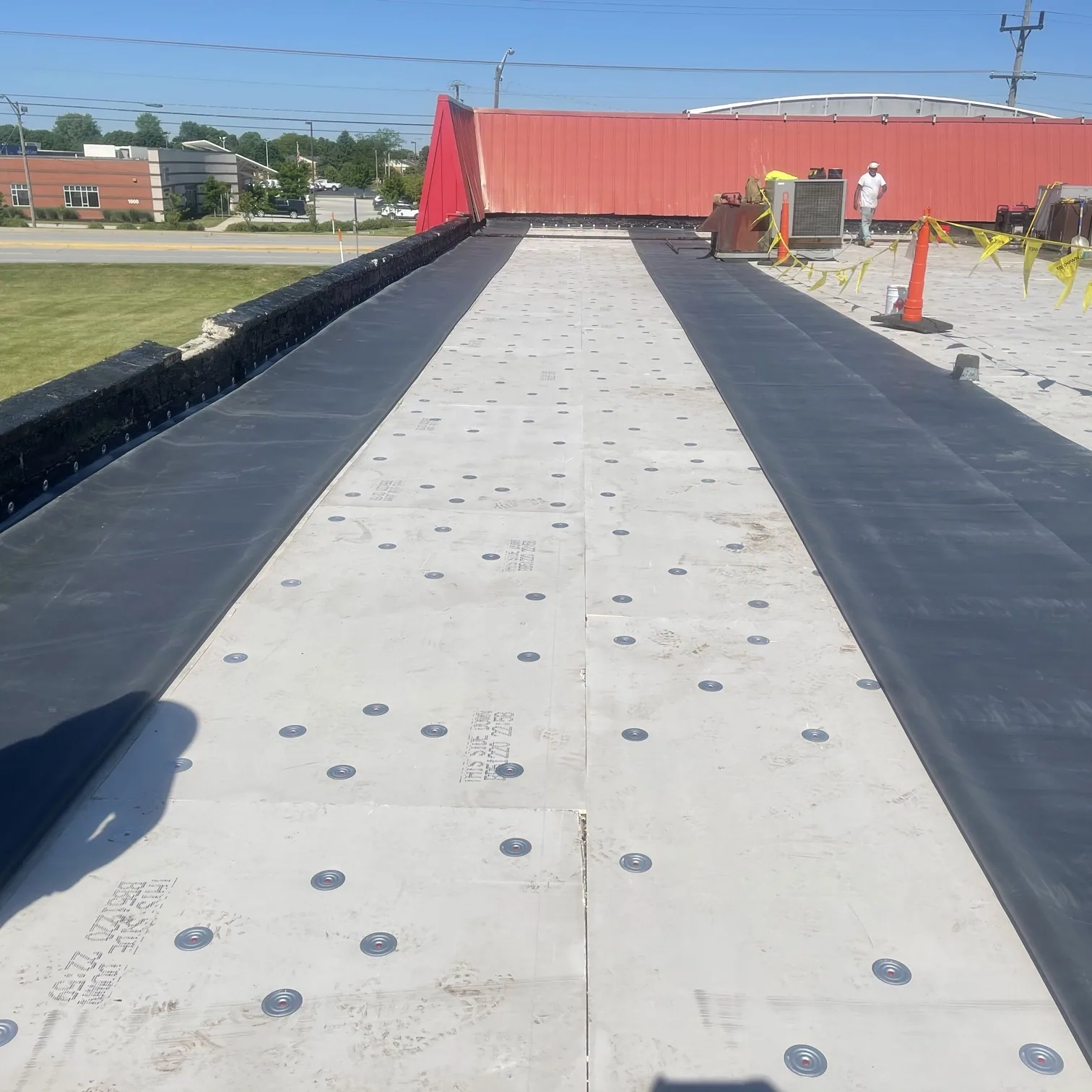
UltraPly TPO is reinforced thermoplastic roofing. The range includes UltraPly TPO SA with factory-applied pressure-sensitive adhesive and UltraPly TPO XR with fleece backing. Those options need the receiving construction and relevant system requirements assessed, not selected from their names alone. Deck condition, insulation, preparation and final attachment each affect the assembly. We identify what remains useful beneath the chosen membrane before recommending retention or removal.
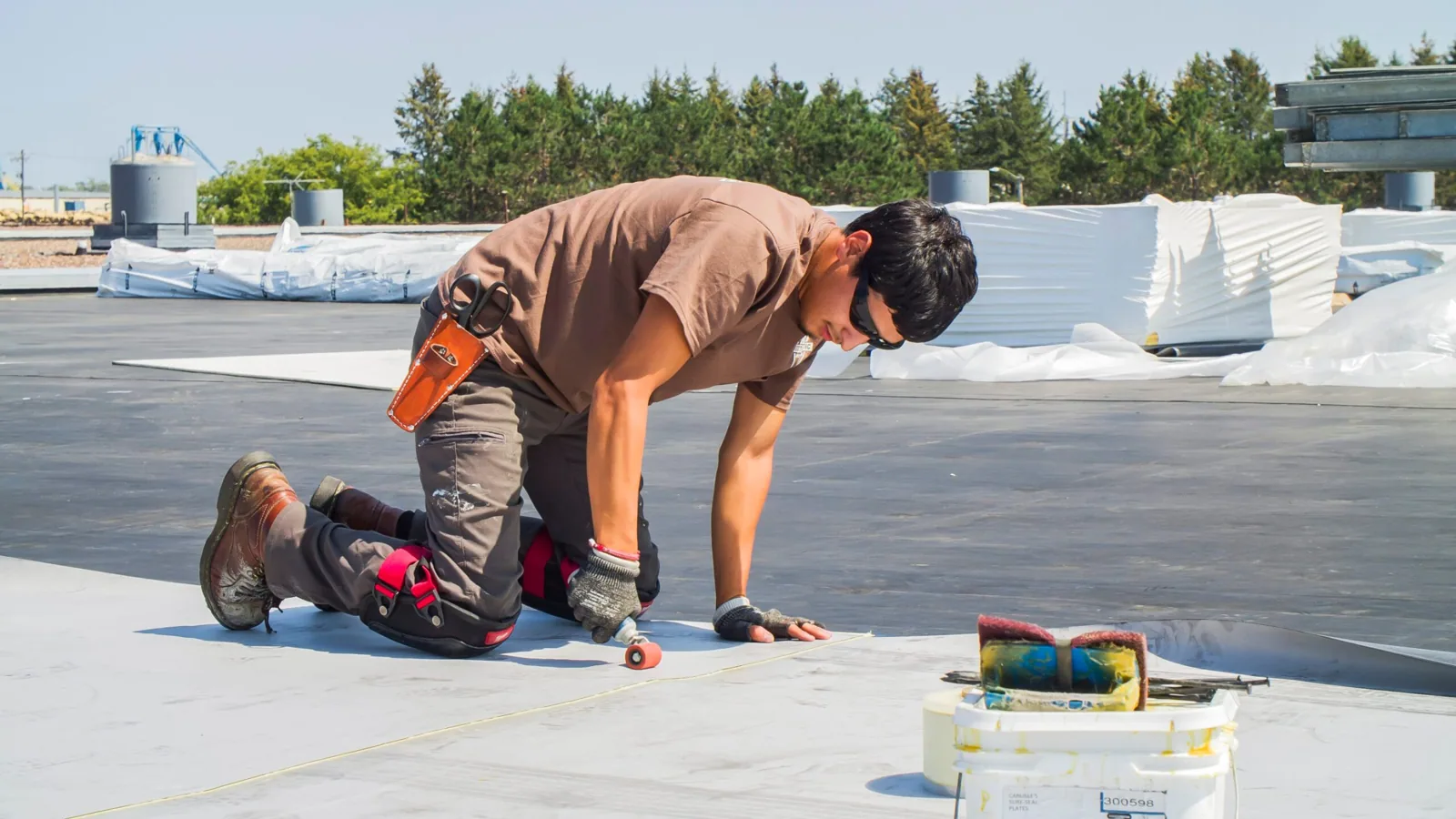
TPO roofing work examines compatible welded joints and local detail construction. The receiving area needs appropriate preparation for the selected method. A previous coating can change the task, while damaged material around an opening can require a wider boundary. We assess the actual surface rather than assume every thermoplastic repair can be formed with identical preparation on any existing sheet.
A self-adhered installation needs a suitable receiving surface and appropriate conditions under the specified requirements. Fleece backing also does not restore unsuitable construction below it. The option should identify preparation, retained layers and final connection work. The owner can then understand whether the proposed membrane is part of a useful assembly rather than a new field laid over unresolved insulation or support damage.
Establish retention before adding construction height
Roof recover assessment examines concealed condition where it changes the decision to retain layers. A continuous exposed surface can cover wet boards or deterioration after entry through another connection. We distinguish those findings from a bounded membrane defect. Closer checks may be needed to establish the useful receiving boundary, giving the owner a physical basis for local intervention or broader reconstruction.
Added construction can reduce flashing clearance at a curb or alter the relationship to an outlet. We assess final elevations before installation. Related support or wall work needs to be included where the proposed assembly changes its receiving interface. A new field should not finish beside a constrained connection whose geometry was omitted from the scope. The complete option describes those tasks with the membrane and insulation.
Hanover's industrial areas include King Street Industrial Park, Circuit Street and Winslow Crossing. On a requested property in Hanover, equipment service paths and operating circulation need assessment before the opening is staged. A support reconstruction and removal of affected boards can create different occupied exposure. We identify the actual component task so the property can arrange protection around the work required.
Close around the equipment that will remain
Planned unit replacement can change a penetration, support position or discharge relationship to roofing. We examine those changes with the installed assembly before forming a permanent connection. The relevant support or mechanical task precedes final waterproofing where it affects the receiving geometry. Service routes also need appropriate protection where repeated contact can damage details. The final roof should remain inspectable and repairable around its actual operating equipment.
When Versico membrane assemblies are compared, the receiving layers and attachment should remain visible under each option. An adhered field, mechanically attached construction and a local prepared joint involve different tasks. We assess the specified system and condition rather than assume one manufacturer's components substitute directly into another arrangement. The owner should compare the complete roof and the work needed at its equipment and perimeter interfaces.
Scituate’s Greenbush and Driftway district brings commercial and medical space together with housing and marina uses. On a requested roof serving differing indoor conditions, we examine insulation continuity and air-control construction where moisture findings warrant that assessment. Choosing rubber or thermoplastic roofing does not itself resolve a concealed interior pathway. The proposed assembly should identify the relevant transition and receiving repair alongside exterior waterproofing.
Secure the selected construction within the work interval
The practical daily opening depends on receiving work, detail completion and suitable application conditions. A zone with several curbs can require more reconstruction than its field area suggests. We assess occupied rooms, intakes and service dependencies before exposure is created. Temporary boundaries should meet retained roofing suitably, with runoff preserved during the sequence. The stage needs a secured endpoint rather than a field area chosen before its interfaces are understood.
Installed-system warranty review can identify terms and requirements relevant to planned work. We examine current roof condition separately, with the physical scope described through damaged components and suitable receiving construction. The completed task should distinguish temporary protection, permanent detail work and any underlying restoration. A document review is not itself closure of the actual roof defect.
After repair or renewal, outlets and vulnerable connections should remain accessible for upkeep. Compatible traffic protection can reduce concentrated contact where useful without blocking the intended water route. The component description identifies the membrane and retained assembly present for later work. If another symptom develops, the next examination can follow its pathway and compare it with the construction restored instead of automatically repeating a brand-based treatment.
Commercial Roofing Questions
Can RubberGard EPDM and UltraPly TPO use one joint repair method?
The installed material and compatible system method need assessment. Rubber and thermoplastic details use different preparation and closure arrangements. We examine receiving condition and previous treatments before selecting reconstruction. The repair should form continuity with useful retained material rather than apply a familiar method without establishing that it suits the actual assembly.
Does a fleece-backed product establish that recover is suitable?
Examine retained insulation, support, attachment and final elevations first. A product backing does not restore wet or unsuitable layers beneath the proposed field. We identify the construction supporting retention and the related outlet or curb work. The owner should compare that complete option with removal where the physical findings support a different receiving scope.
What should change when equipment is replaced during renewal?
Assess the final support and penetration geometry with the proposed roof height. The relevant equipment task can alter what the flashing must close. We coordinate that task before permanent waterproofing, including the occupied operating interval. The finished assembly should suit the unit and service routes that will actually remain after the project.
How should current condition relate to warranty review?
The physical assessment identifies defects and suitable reconstruction, while applicable terms address their own requirements. We examine both where relevant to the proposed work. A warranty document cannot establish every retained layer is sound. The scope should describe the receiving and closure tasks needed, with permanent repair distinguished from temporary entry protection or an incomplete supporting intervention.