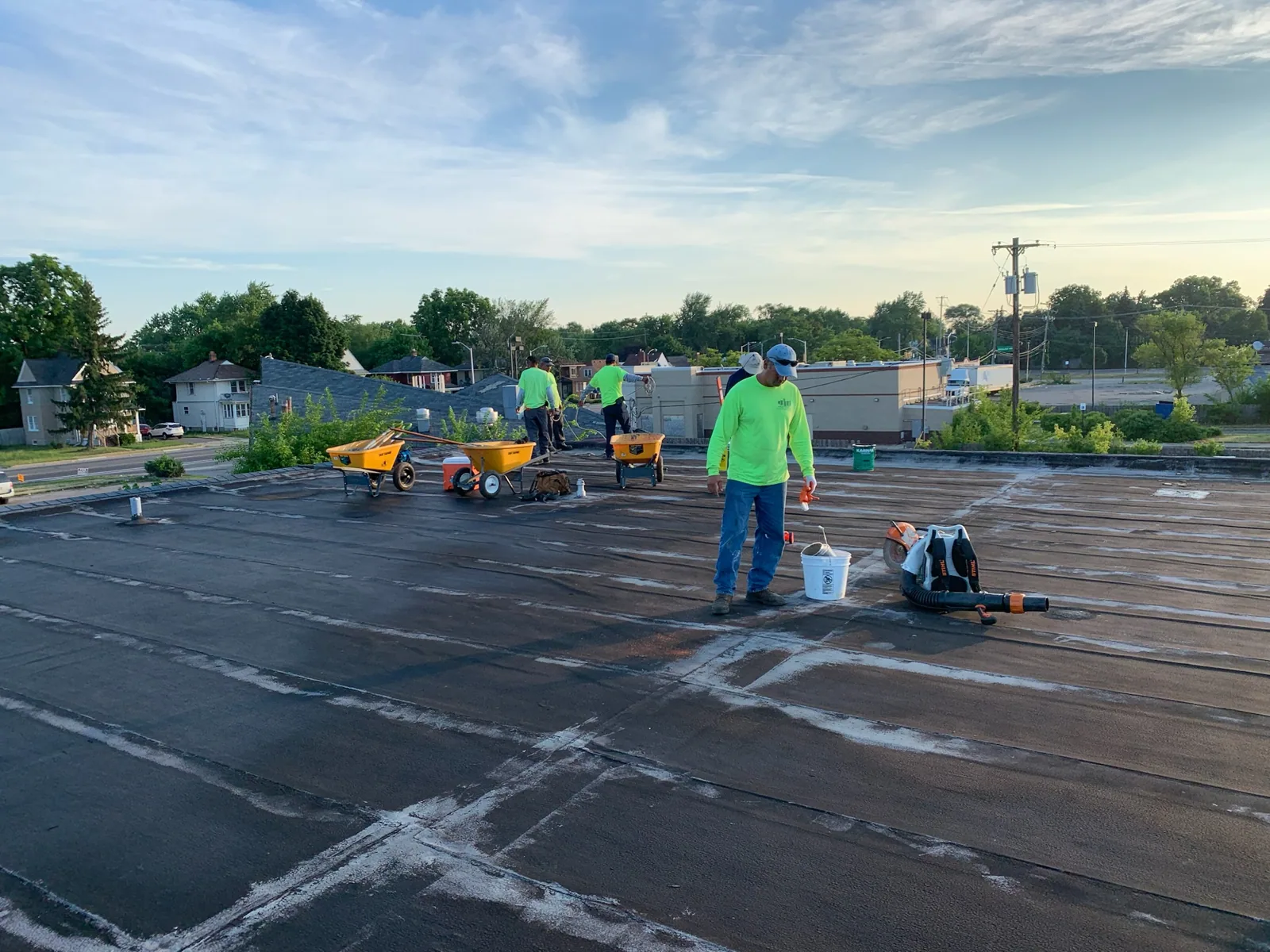
Commercial Roofing in Rockland, MA
Rockland's Hingham Street and Reservoir Park Drive connect commercial properties with Route 3, giving the corridor a practical way to organize site visits. A road connection does not tell us whether a roof has a failed seam or a blocked drain. We inspect the installed assembly and compare roof-side details with the reported water path and building schedule. The report separates active leak control from moisture testing and future renewal, so management can make a service decision from what is observed at its property.
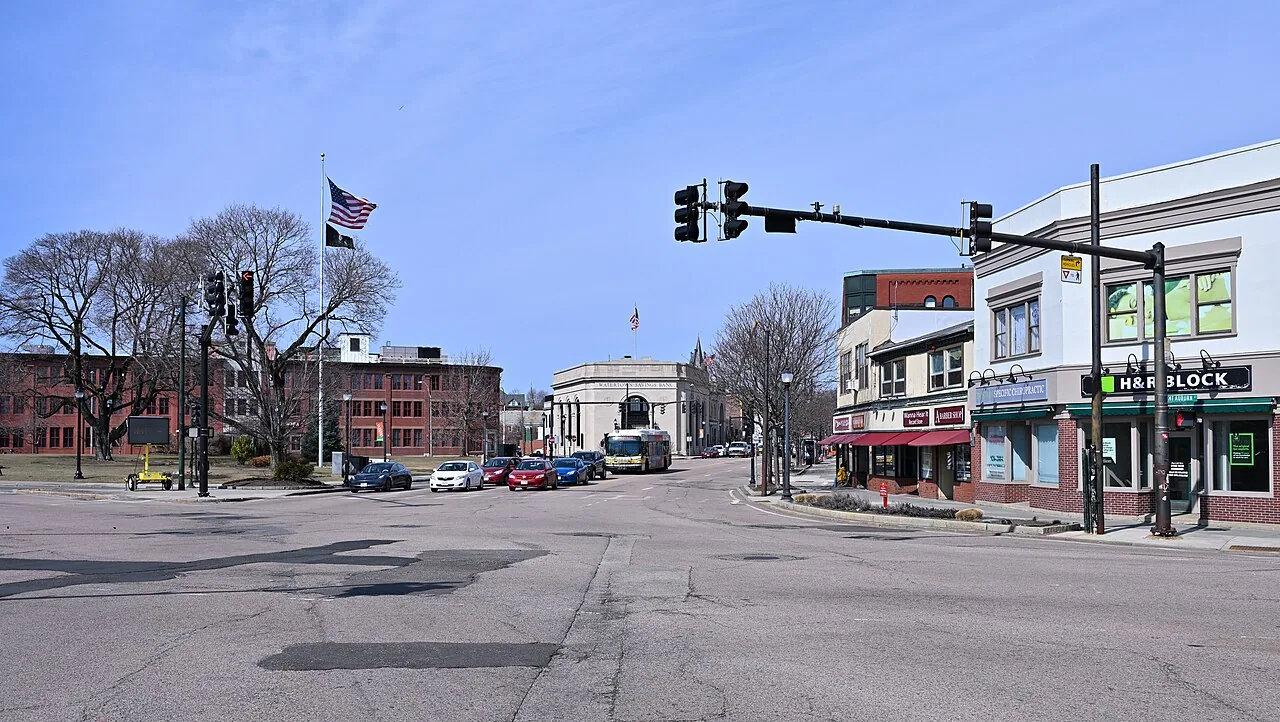
Read the Corridor as a Site Plan
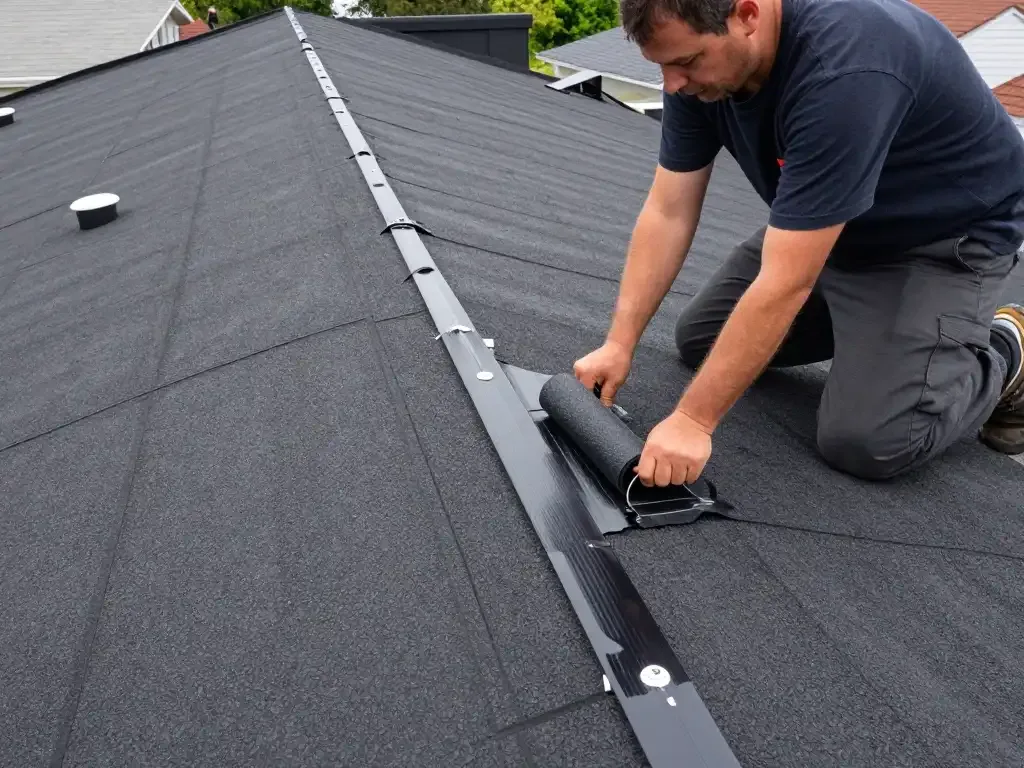
Hingham Street and Reservoir Park Drive are identified as commercial connections to Route 3. We use that corridor context to plan arrival, then confirm the building's loading rules and approved roof access with its representative. The owner may manage more than one parcel along the route, but each roof receives separate photographs and conditions. A shared map can organize visits; it cannot substitute for inspection at the actual property. A confirmed opening may be managed through a membrane leak repair with compatible materials.
The former South Weymouth Naval Air Station redevelopment area spans Rockland, Weymouth and Abington. Planning for a redevelopment area is not evidence that proposed buildings are complete. For a current commercial property, we inspect its present roof and coordinate with any design team that has a documented project. That distinction keeps repair decisions focused on existing construction and avoids assigning future site plans to a roof that has not been built or inspected.
Check Water Before Coating
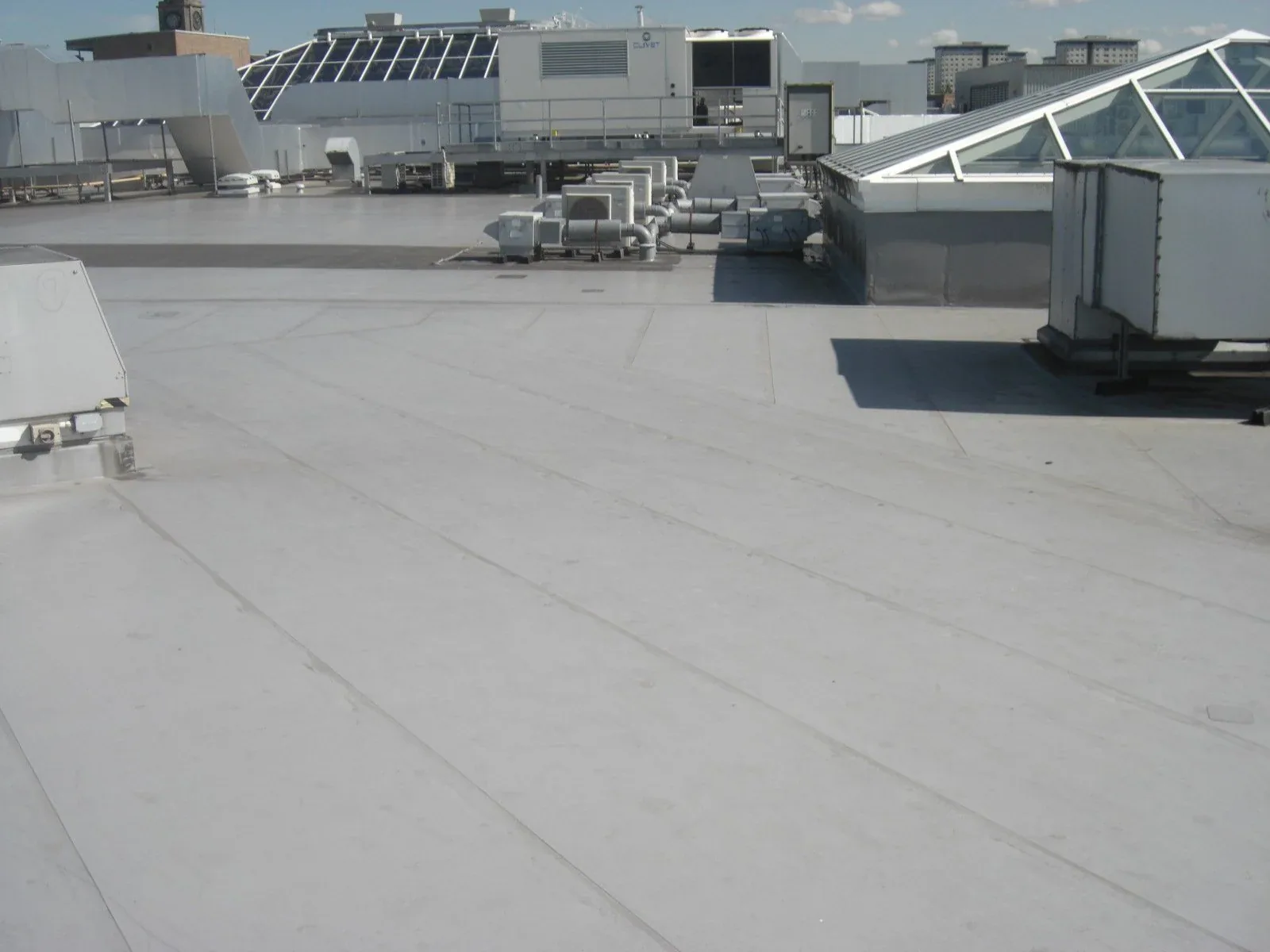
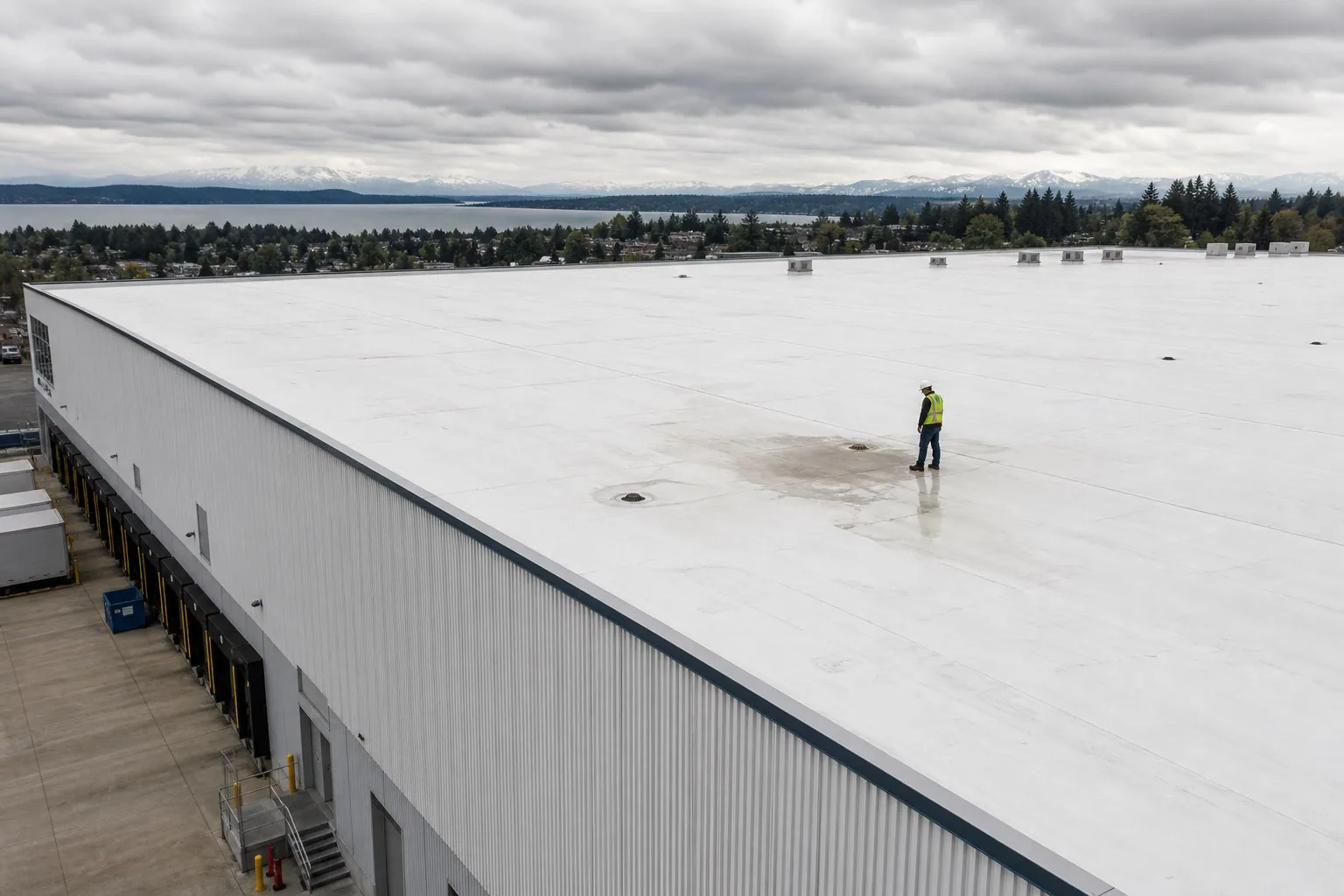
Water near a parapet or mechanical curb may enter through a nearby transition rather than directly above the interior mark. We inspect lap seams, flashing corners, penetrations and drains, then trace slope toward the discharge point. A coating is not a substitute for a failed outlet or concealed wet insulation. The recommendation identifies whether the problem is a small detail, a drainage obstruction or an area that needs further confirmation. When the moisture boundary remains uncertain, infrared moisture mapping may help guide a test.
A roof report distinguishes visible damage from a suspected area. We use the owner's leak dates to compare timing with recent work, weather and the affected zone. If an infrared pattern suggests moisture, we describe the area and a selective opening that could confirm it. A repair boundary can then remain narrow where adjacent insulation is dry, or expand only when the evidence supports that change. This keeps the scope clear for both operations and the capital review.
Plan Around Other Construction
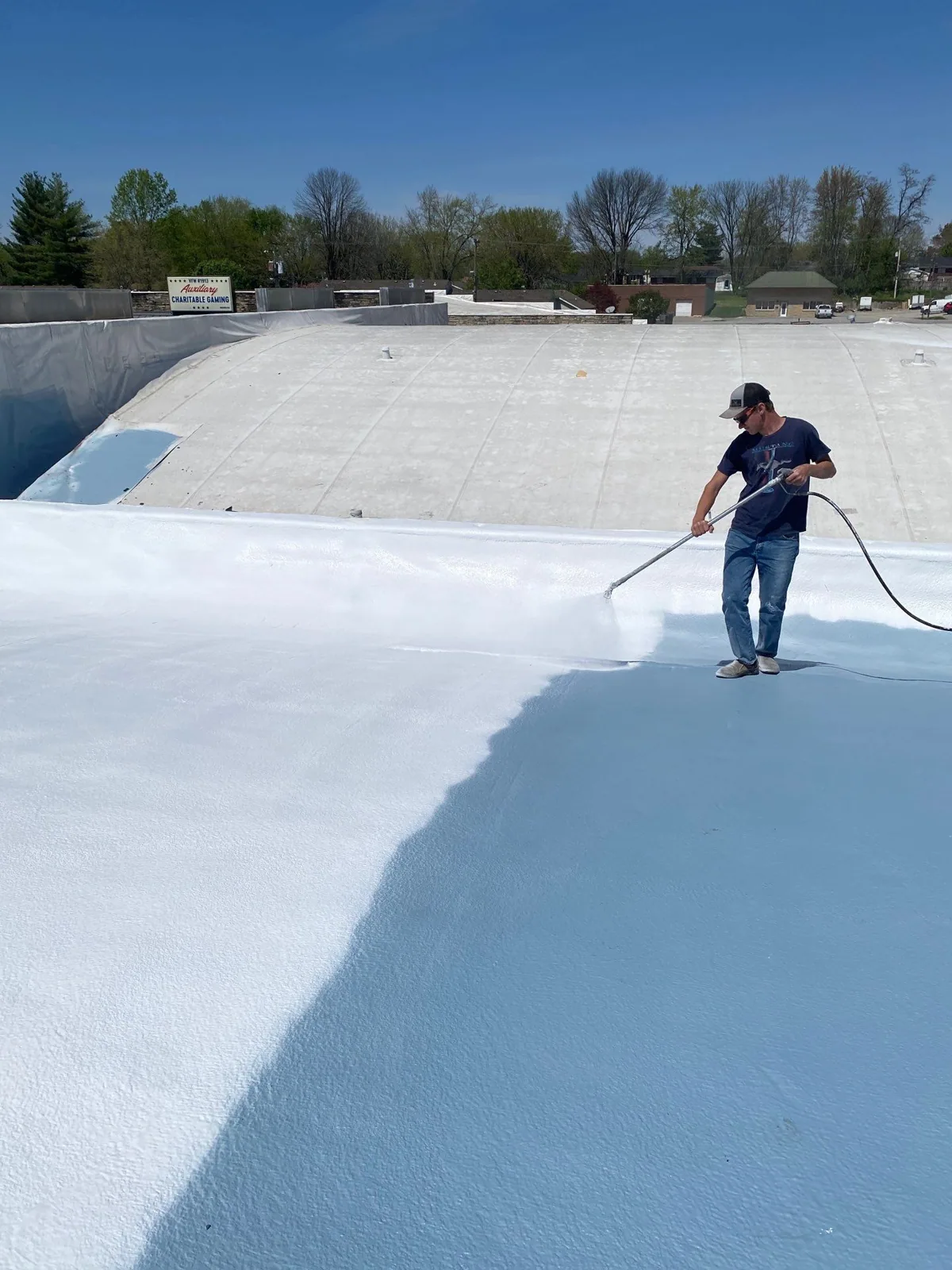
Road and utility work may be part of a corridor project, but those plans do not establish a condition at a particular building. If a property is undergoing renovation, the owner can confirm delivery windows, temporary access or other trades working at the same time. We set material movement and roof access so a shared work zone does not block active operations. The schedule names the agreed route and where temporary protection must be installed. A dry compatible membrane may support roof-coating restoration after preparation.
A roof crew may need to coordinate with HVAC, electrical or solar trades before changing a curb or penetration. We mark each point of overlap and identify any unit shutdown or support review. When a scope is phased, the order of work should allow each area to close against weather before the next is opened. The property manager receives that sequence as a practical access plan, not as a claim that a broader redevelopment proposal has finished.
Set the Repair Threshold
A stable field with a single failed flashing can be repaired locally. Several recurring openings, widespread membrane damage or confirmed wet insulation may justify a larger scope. We compare the repair cost drivers qualitatively, including access, compatible materials, substrate preparation and temporary protection. The report states what evidence changes the decision and what remains a question, avoiding an unsupported percentage or a blanket replacement recommendation. The owner can weigh a recover review against replacement planning after inspection.
Recover, coating and replacement address different conditions. A recover needs manageable layers, dry insulation and suitable final height. A coating depends on adhesion and material compatibility. Replacement provides broader access to the deck while increasing removal and weather protection. The owner can compare these paths after inspection rather than choose a system before the roof is understood. The work plan should also account for the building's use and the timing of other contractors.
Maintain a Baseline
A photograph has decision value when it shows a labeled zone and the defect it supports. We include roof orientation or zone labels, observed condition, owner-supplied leak date and recommended action. We leave concealed conditions open until tested. A later reviewer can return to the same drain, seam or wall termination and compare like with like. If a repair held, the record shows that; if the same detail reopens, the owner can see what changed. condition reports preserve location and recommendation together.
A Rockland roof record may be reviewed beside Weymouth or Abington work for scheduling, while the Hingham Street and Reservoir Park Drive access assumptions remain attached to this town. We keep each address's roof facts separate and use the broader corridor only to coordinate travel. The capital calendar can sequence inspection and renewal by condition, not by the stage of a redevelopment plan or by the apparent similarity of neighboring properties. A corridor review may include Weymouth and Braintree, with site findings kept distinct.
During corridor improvements or a property renovation, the roofing sequence may need to coordinate with utility work, paving deliveries or a separate construction crew. The property representative confirms which activities are actually scheduled; we do not infer a closed lane or a completed road change from a project proposal. Once the access conditions are confirmed, material staging and debris movement can be assigned to a specific route and date. That keeps roof work connected to the current site plan.
After a repair, a return inspection can focus on the exact seam, curb or outlet from the original report. We compare dated images and note whether the correction remains intact, whether nearby materials changed or whether a new issue appeared. A condition record from Rockland remains useful when the owner reviews a nearby portfolio, but it does not establish the roof at another property or any future redevelopment building.
Commercial Roofing Questions
Does the former air station redevelopment change today's roof scope?
A redevelopment plan does not show that proposed construction is complete. We inspect the existing commercial building and coordinate with the owner if a documented renovation is underway. The present roof record lists observed assembly, drainage and defects, with future work assumptions kept separate.
Can Route 3 access be used for delivery planning?
It helps with regional arrival, but each property approves its own loading and roof-entry path. We verify truck access, staging, shared drives and operating hours before materials are dispatched. Those logistics are distinct from the roof findings.
What if water appears away from the failed detail?
We compare the interior report with roof slope, seams, curbs, drains and wall transitions. Water can travel before appearing inside. The report marks the suspected path and whether moisture mapping or selective opening is needed to confirm the boundary.
How do recover and coating differ?
A recover adds a system over an existing assembly when layer count, moisture, substrate, drainage and final height allow it. A coating protects a compatible prepared surface, but does not resolve trapped moisture or drainage defects. We inspect before recommending either and compare them with replacement if broader work is indicated.