Commercial Roof Due Diligence Surveys in Quincy, MA
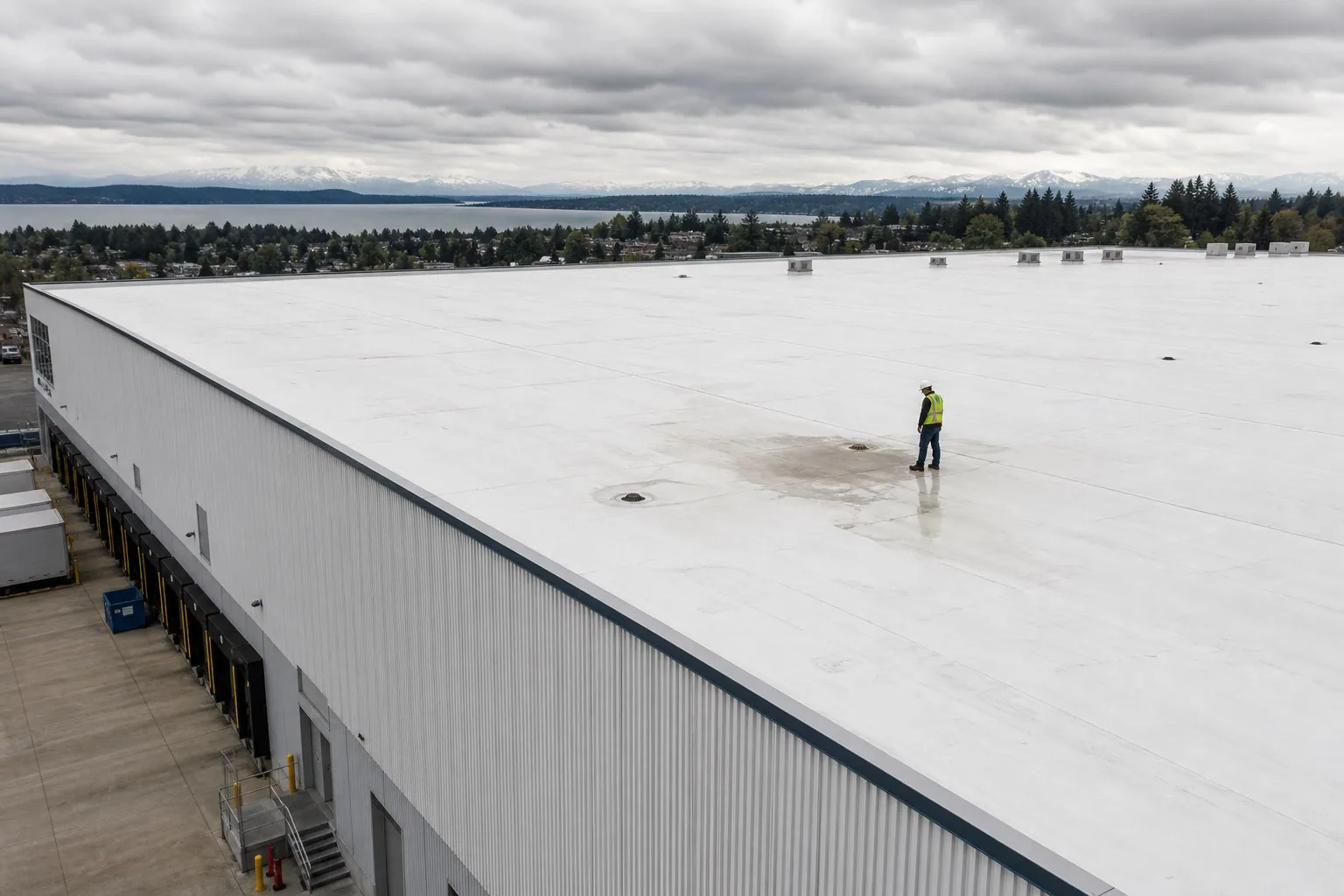
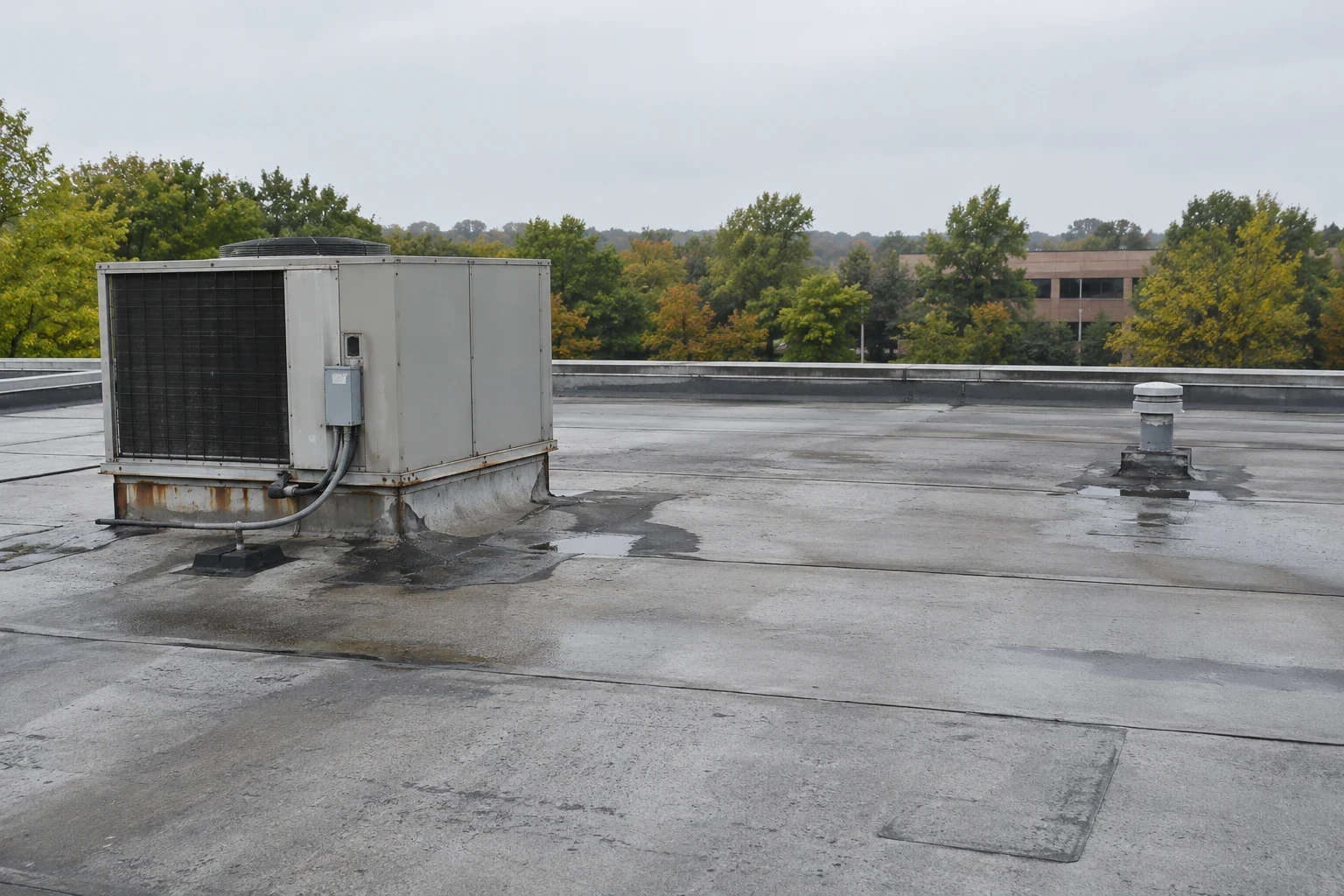
Rain held beside a raised coating edge can reveal a construction question that a fresh-looking field does not answer. A commercial roof due-diligence survey in Quincy, MA, examines the receiving assembly and water pathway before a buyer accepts surface renewal as the complete roof condition. We assess accessible details and identify closer investigation where concealed layers affect the decision. A sound finish, useful insulation and suitable attachment are separate findings. The acquisition comparison should connect them rather than assign one broad condition from appearance.
Floods and winter storms are part of Quincy's preparedness concerns. We relate that exposure to actual outlets, transitions and repairability on the requested property. Due diligence can support purchase, refinancing or planned renovation by identifying the roof construction and components requiring work. The recommendation follows physical findings and the proposed use, with repair, retention and removal described through what each approach leaves in service.

Establish what the visible covering retains
A renewed surface can cover earlier roofing, insulation or receiving support. We examine available assembly information with accessible condition before treating those components as suitable to remain. Selective checks may be needed where concealed material changes the construction choice. The buyer should understand which layers are established and which finding still needs examination for a decision. A recognizable covering name is not a complete description of the roof assembly.
Roof recover evaluation considers retention suitability along with final height, attachment and receiving preparation. Added construction can change relationships at curbs, outlets and wall terminations. A proposed retention-based intervention should include those interface tasks rather than describe only the new field. Where layers are unsuitable, the recommendation identifies supported removal and the receiving construction needed afterward.
South Shore Plaza is part of Braintree's commercial setting, which also includes office and industrial parks near Route 3 and Interstate 93. A requested acquisition in Braintree can need examination of unlike roof areas and equipment arrangements. We assess the particular assembly and operating use. The survey should distinguish the condition of each relevant zone instead of assigning one uniform description to a property with different retained construction.
Resolve the concealed component affecting the option
Interior observations can direct an investigation but do not establish the roof entry connection or damaged-layer boundary by themselves. We inspect plausible pathways and examine receiving condition where useful. Wet insulation, deteriorated support and a bounded membrane defect can require different interventions. The recommendation identifies their relationship rather than presenting one general leak allowance as restoration of the entire assembly. Closer checks should be tied to the component decision the buyer needs to make.
Infrared moisture surveys can help direct examination where the assembly and conditions suit the method. A thermal pattern is an indication requiring appropriate interpretation, not automatic proof of a particular material scope. We establish relevant physical findings and describe how they affect removal or retention. Similar visible patterns can occur on unlike constructions, so the useful comparison rests on the receiving layers and extent found.
Where access is unavailable around equipment or concealed support, we identify the next examination needed for the proposed choice. A check might establish board condition, attachment suitability or the sound boundary around damaged material. That specificity allows the buyer to arrange appropriate access before an option relies on unexamined construction. The survey remains connected to a roof decision rather than an undirected list of unknowns.
Assess the alterations expected after acquisition
A planned tenant change can alter penetrations, exhaust exposure and service routes without requiring the entire field to be removed. We examine proposed equipment with current roof condition before selecting the renewal boundary. A new unit can require changed support or curb geometry. Additional insulation can also reduce useful flashing clearance. The final assembly should suit the operation that will remain after renovation, with the relevant receiving task completed before waterproofing closes.
Office roof assessment can identify equipment and occupied-room dependencies at a requested investment property. An operating intake or room containing sensitive equipment can affect protection during removal. Those requirements should be checked alongside the construction, not used to assume a repair is adequate before condition is established. The buyer receives the physical scope and occupied arrangement as related parts of the proposed work.
Wollaston's retail districts include older small-scale commercial architecture. On a requested property with connected shop spaces, adjoining wall and roof interfaces deserve examination before a tenant alteration proceeds. We identify actual receiving geometry and shared equipment where relevant. A renewal option should explain removal and final closure at those neighboring interfaces, including any receiving wall work needed before waterproofing can finish.
Compare complete repair and renewal components
Roof capital scope planning identifies removal, insulation, support, attachment and final details under the proposed options. A bounded repair can restore an opening while a wider renewal reconstructs more components. A recover or coating can retain different layers from replacement. The buyer should see those distinctions clearly enough to understand what remains in service and why the physical findings support it.
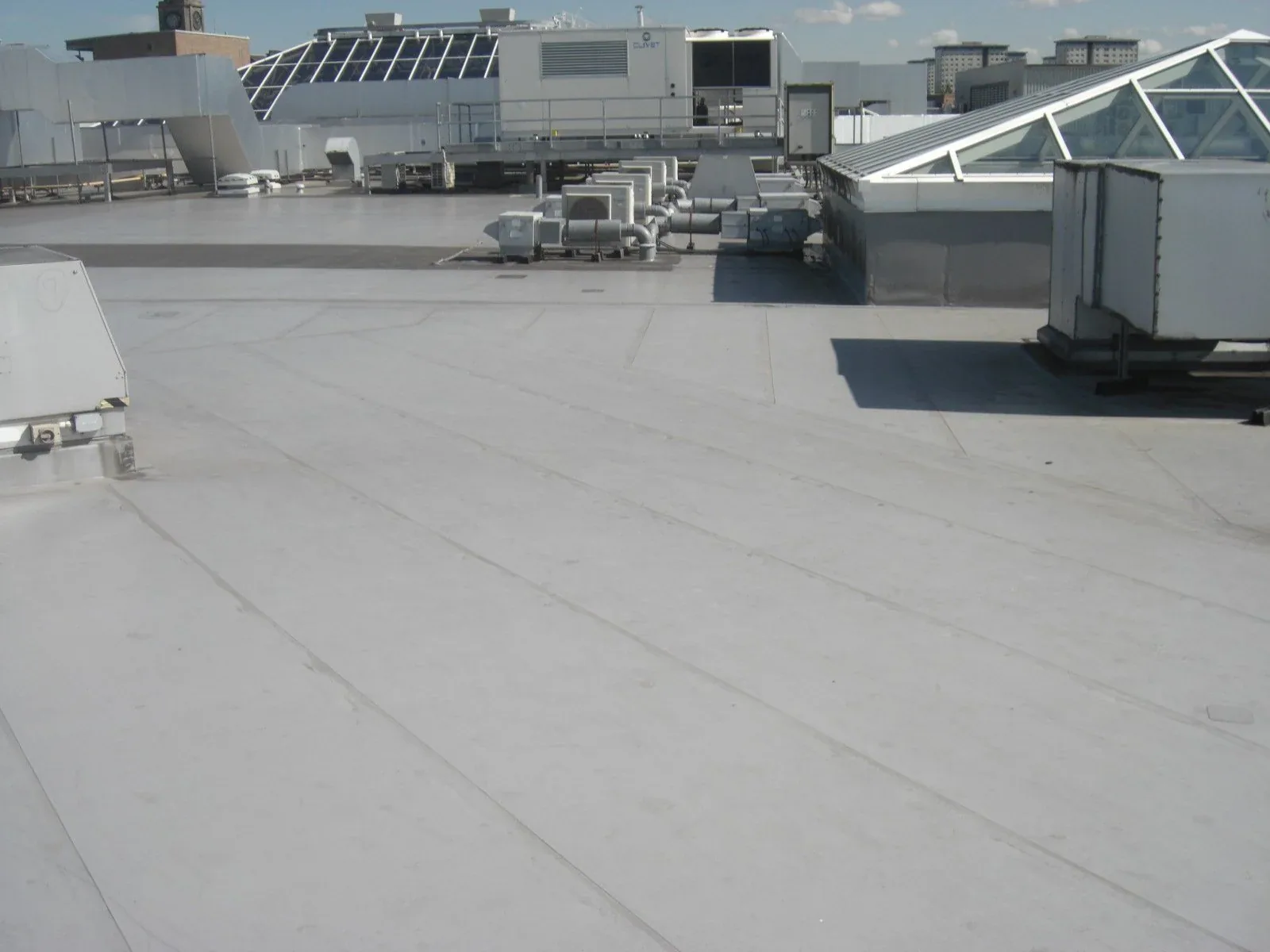
Drainage correction and equipment changes should be visible within that comparison where they are needed. A renewed surface installed around an unsuitable outlet or altered support can inherit unresolved geometry. The recommended assembly should finish at workable connections, with service access and compatible protection considered where concentrated contact threatens roofing. A covering name alone cannot describe the repairability or complete scope of those interfaces.
Written roof condition findings connect observations and established material condition to those construction decisions. Photographs can explain a defect's relationship to the wall, curb or outlet around it. We distinguish visible damage from concealed findings supported by closer checks. The buyer can then compare a supported scope with the actual assembly rather than treat every roof condition description as equally established.
Include the exposed stage in the acquisition decision
A renewal option also needs a practical construction interval. We assess detail effort, suitable installation conditions and occupied protection before setting the daily opening. A small zone with several curbs can require more closure work than a larger open field. The stage should leave a secured boundary and useful runoff, with support tasks coordinated before final waterproofing. Those execution requirements belong alongside the material scope the buyer is considering.
Roof asset transition planning can preserve the component findings after purchase. Temporary protection, permanent repair and underlying restoration should remain distinguishable. The new owner can arrange upkeep around the assembly actually present and compare later service observations with completed tasks. That construction baseline helps recurring work follow a specific roof mechanism instead of restarting from a broad label each time moisture appears below.
Commercial Roofing Questions
Does a recently renewed surface settle the acquisition roof condition?
Examine retained layers and receiving construction as well as the finish. Earlier roofing, insulation and attachment can remain beneath a newer surface. We identify established components and closer checks needed where their condition affects the choice. The buyer should compare the complete assembly rather than treat its visible appearance as proof of every layer's suitability.
What should a concealed-condition investigation resolve?
Connect the check to the component decision, such as insulation retention, support suitability or the sound boundary around damage. We select examination appropriate to the installed assembly and proposed work. The resulting finding should explain removal or retention. A broad uncertainty statement is less useful than a specific construction question that the buyer can arrange access to resolve.
How does planned tenant equipment change a due-diligence survey?
Assess the altered support, penetration geometry, discharge and technician route with current roof condition. The final construction may need a local interface rebuilt even where the wider field remains useful. We coordinate the receiving task before permanent waterproofing. The acquisition comparison should reflect the equipment that will remain after renovation rather than only the arrangement present during inspection.
What makes repair and replacement options comparable for a buyer?
Describe removed and retained layers, receiving support, attachment, drainage and final connections under each scope. Then identify occupied protection and the work stage needed for completion. Similar visible finishes can represent unlike construction. The buyer receives a useful comparison when the options explain what each restores and the physical findings supporting that intervention.