Commercial Fire Damage Roof Repair in Quincy, MA
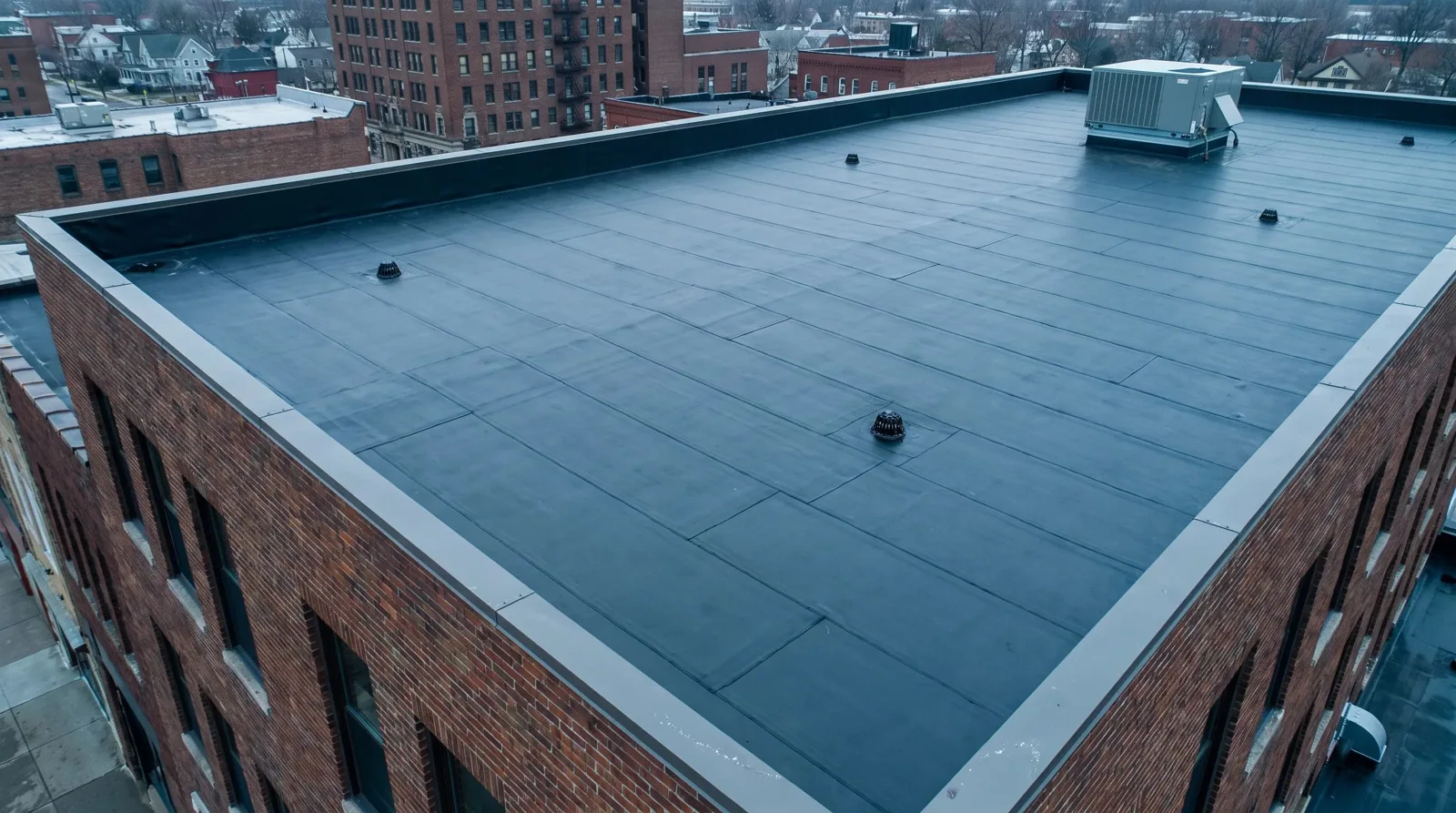
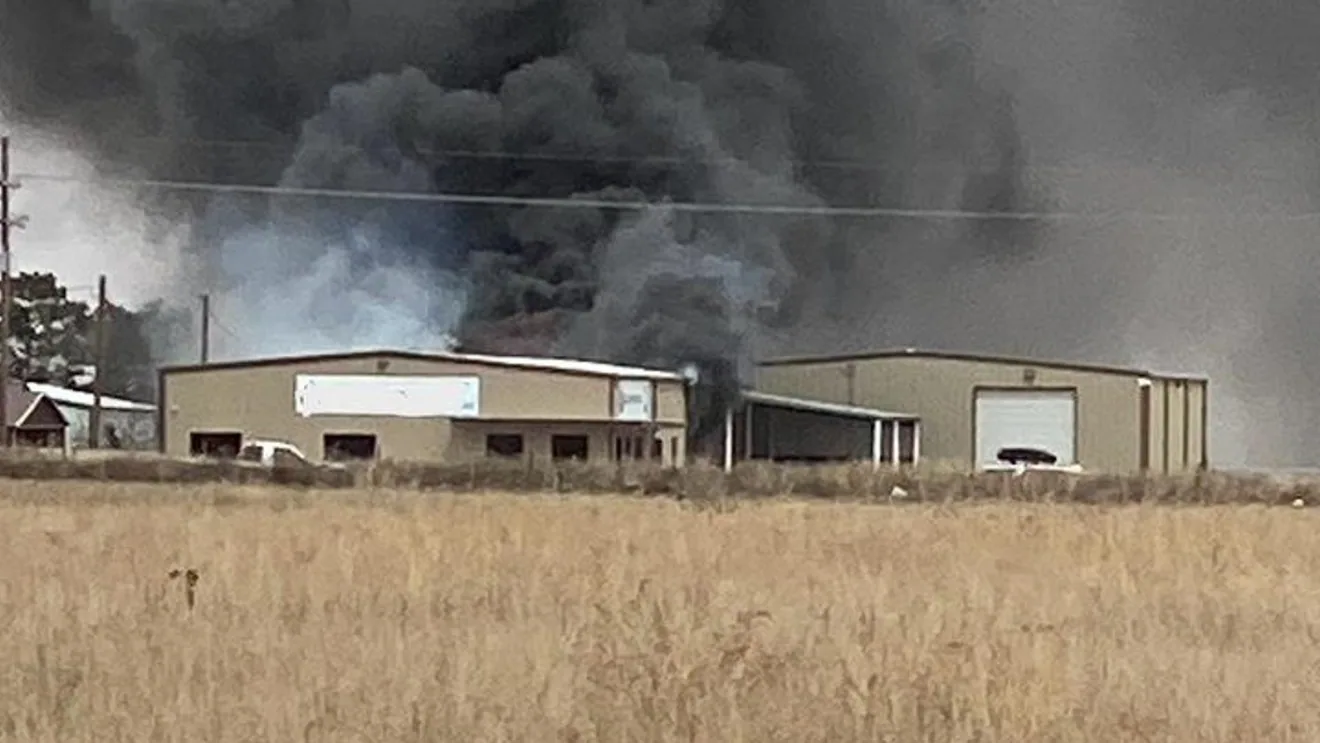
Rain reaching a roof opening after a fire can affect layers outside the visibly burned area. For commercial fire-damage roof repair in Quincy, MA, we examine the exposed weather boundary and heat-affected assembly as separate construction questions. We assess roofing where access and receiving support are established as suitable, with structural or other specialist review coordinated where required. A surface patch cannot restore support damaged below it. The reconstruction scope should identify the components that must be sound before permanent waterproofing closes.
Quincy prepares for winter storms and flooding. We consider that continuing weather exposure when defining temporary protection and later roof stages after damage. The visible surface can show discoloration without establishing the full condition of the assembly. We inspect, repair and renew commercial roofing, connecting removal and retention to the material findings. The owner's reopening or restoration interval should follow the construction needed, not a conclusion drawn only from the appearance of smoke marks.
Establish the support before planning the roof task
Fire can affect deck or other receiving construction as well as roofing. We coordinate the relevant review before treating an area as a suitable work platform or installation base. The condition needed for roofing attachment and closure should be established rather than assumed beneath an apparently continuous surface. Where structural reconstruction is required, the roof task follows the appropriate receiving work. A proposal should identify that relationship before selecting the opening area or final assembly.
For fire-restoration project coordination, support, wall and equipment tasks can have different completion requirements. We examine the interface roofing must close after each relevant task. A permanent termination installed before its receiving construction is ready can need immediate alteration. The final water boundary should connect to stable completed components, with the temporary exposed interval defined separately.
Holbrook has a shared elementary, middle and high school complex that opened in 2017. When requested roof restoration affects an educational property, actual room use and access need coordination with the support task. We assess the individual damaged assembly and occupied arrangement. The protection interval should correspond to the construction being reconstructed, rather than assume a whole-building closure or uniform roof condition from its educational use.
Inspect the assembly beyond the visible mark
Heat can affect membrane, insulation and receiving materials differently. We examine the area and select closer investigation where condition beneath the finish changes the recommendation. Discoloration alone is not a complete removal boundary. We establish a suitable receiving edge around compromised material and evaluate retained layers for the proposed construction. A new surface should not conceal heat-affected support or roofing found unsuitable to remain.
Commercial roof reconstruction should identify the components removed and rebuilt, including insulation, deck-related work, attachment and final flashings where relevant. We also assess applicable project requirements for the chosen assembly. Fire performance depends on the specified construction, not merely a covering name. We do not substitute one exposed product for the assembled roof without considering the receiving components and intended installation.
Smoke residue can also affect the preparation needed where retained surfaces will receive repair material. We inspect those surfaces and select compatible methods for the installed system. Cleaning and suitable preparation do not prove all layers beneath are serviceable. The material decision should remain tied to the physical condition established, with permanent repair formed against a useful receiving boundary.
Distinguish fire effects from admitted moisture
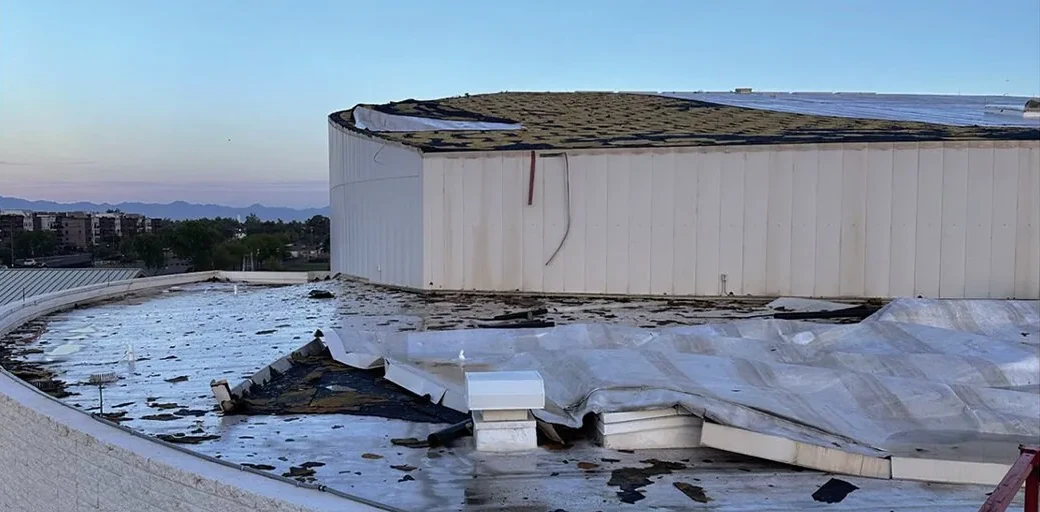
Water reaching the assembly during the event or through later openings can damage insulation beyond heat-affected construction. We examine both findings before setting removal. A burned component and a wet retained layer can require different tasks within one reconstruction stage. Closing the visible roof opening does not establish the surrounding boards are suitable to retain. Closer checks can be needed to identify the extent of moisture and the support available around it.
For insurance and restoration coordination, we describe physical condition and the roof tasks it supports without assuming a policy outcome. The owner should understand which components need permanent work and which areas require further examination. Temporary weather protection remains distinct from final reconstruction. That separation allows interior restoration to be arranged around an established roof boundary rather than a general statement that the opening has been attended to.
Close at sound walls, curbs and joints
Reconstruction can meet retained roofing at a field joint or terminate at adjoining wall and equipment construction. We inspect the condition and geometry of each receiving interface. A new field should not finish at a damaged curb or unstable wall termination. Another trade may need to rebuild the relevant support before roofing forms its permanent closure. Additional insulation height can also change available flashing clearance, so final elevations need assessment before installation.
Flashing reconstruction can restore an affected boundary around the replacement area. We establish the material, receiving preparation and suitable continuity with the final assembly. For roof seam repairs at a retained edge, the joining method and surrounding condition need examination. The repair boundary should follow sound receiving material rather than an arbitrary rectangle drawn around the visible surface damage.
Brockton's industrial setting includes the Pearl, Manley and Liberty Street area, with Route 24 connections. For requested work in Brockton, we assess the property's actual equipment and circulation during restoration. The damage and receiving tasks establish the roof scope, while access and operating needs establish protection beneath and around it. A practical stage connects those decisions before construction is exposed.
Secure the weather boundary during the rebuild
Temporary construction should have a suitable receiving edge and useful runoff path during the reconstruction sequence. We assess the protection with the opening and tasks still required in view. Water should not be directed into unfinished adjoining construction by temporary divisions or material positions. Daily removal needs a secured endpoint based on the support work, detail effort and suitable installation conditions available. Open field area alone cannot define a complete stage.
Interior protection should address the actual water and debris exposure created by the task. A restored room should not be treated as protected solely because a temporary covering is present above it. The project team needs to understand the status of permanent roof closure and any remaining damaged-layer work. That construction relationship makes the interior completion interval more useful than assuming all restoration tasks can finish independently.
Inspect the roof after adjoining work finishes
Later equipment or wall work can disturb a new roof connection. We examine the final interfaces affected by those tasks, preserving suitable drainage and access for inspection. Compatible service-route protection can be useful where concentrated contact threatens the installed assembly. The completed component description should identify receiving reconstruction, permanent waterproofing and retained materials. The owner can then arrange upkeep around the roof present, with damaged construction separated from routine cleaning and inspection.
Commercial Roofing Questions
Can smoke discoloration define the roof removal boundary?
Examine material condition and the receiving assembly before setting removal. Visible marks do not establish the extent of heat effects or moisture below the finish. We select closer checks where those findings change the scope and identify useful material at the repair edge. Reconstruction should follow the components found unsuitable rather than appearance alone.
When must receiving support be reviewed before roofing work?
Where damage affects the deck or related support, coordinate the relevant structural or specialist assessment before treating it as a suitable installation base. We connect the roof task to the receiving reconstruction required. Permanent waterproofing needs stable suitable construction beneath and around it, not a surface repair that conceals an unresolved support condition.
How should admitted water affect the reconstruction scope?
Assess moisture separately from visible fire effects. Wet insulation or damaged receiving layers can extend beyond the burned surface and need a different removal boundary. We identify those components with closer examination where useful. Closing the opening and restoring affected layers should remain distinguishable tasks within the proposed permanent work.
What should precede completion of interior restoration?
Establish the permanent roof boundary and clarify any remaining assembly work with the project team. Temporary protection and final reconstruction have different functions. We coordinate adjoining support, equipment and flashing tasks that affect closure. The room completion interval should relate to that secured assembly rather than assume a temporary covering resolves every remaining roof component.