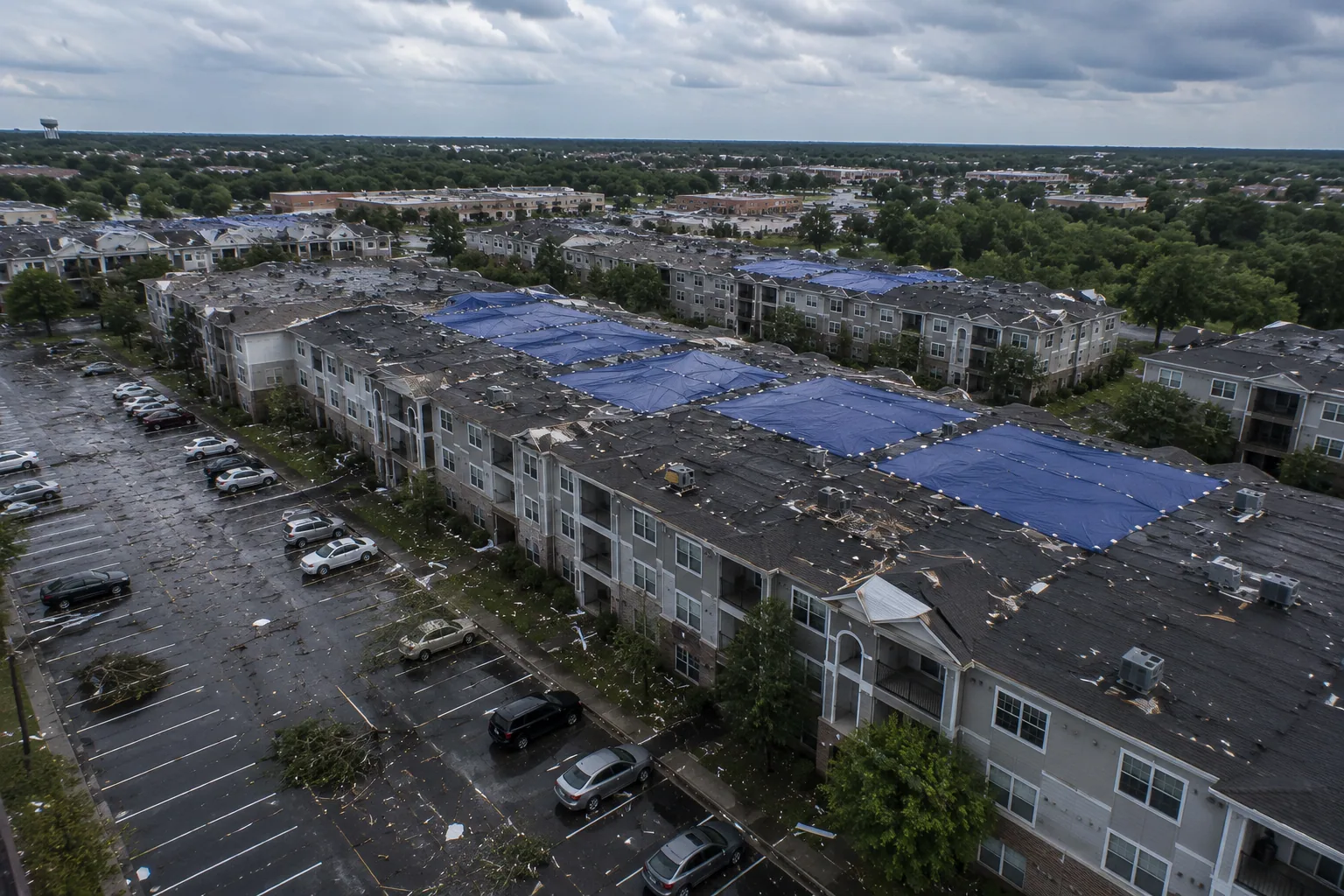
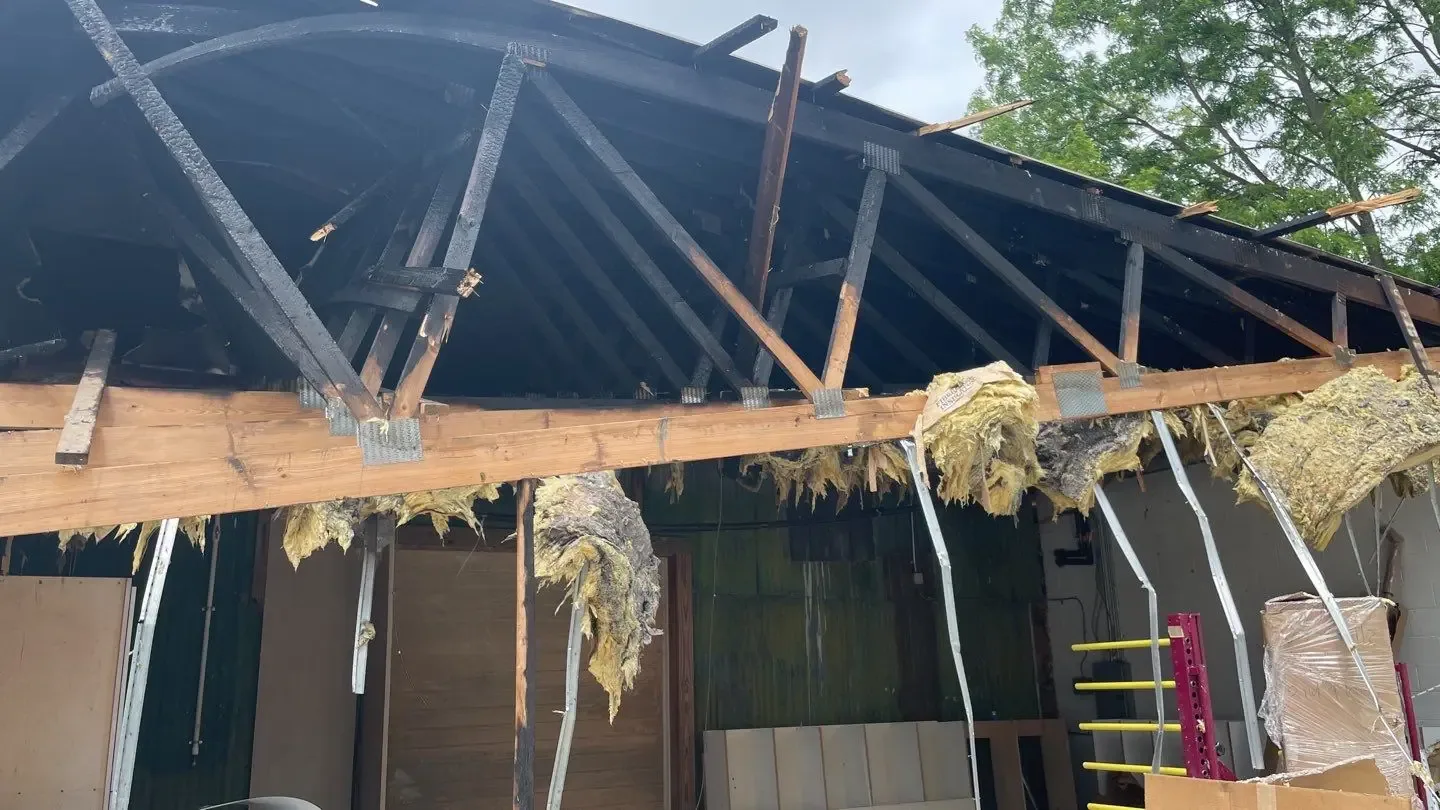
Commercial Hurricane Damage Roof Repair in Quincy, MA
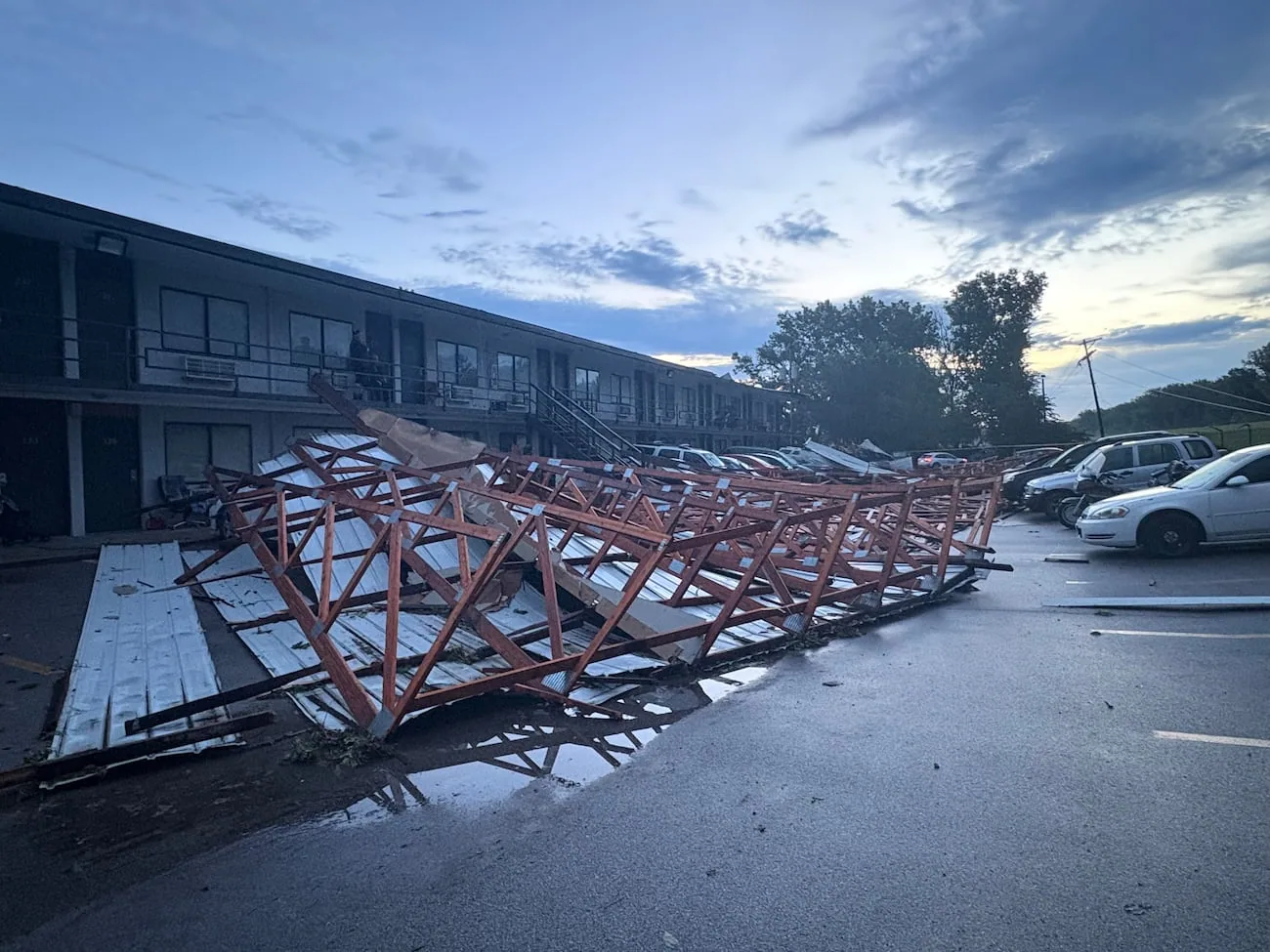
A roof can have a lifted perimeter, debris-obstructed outlet and punctured field after the same severe weather interval. For commercial hurricane-damage repair in Quincy, MA, we examine those mechanisms separately before selecting treatment for the assembly. We identify the restraint, water route and receiving material at each affected area. Some openings can need immediate protection while closer investigation establishes damaged layers. The permanent scope should restore the components found unsuitable, not stop automatically at the first visible defect.
Hurricanes are among the conditions included in Quincy's preparedness planning. We apply that context to the requested roof's actual connections and construction exposure. Inspection after an event establishes physical findings; it does not mean every condition observed began with that weather. We assess, repair and renew commercial roofing, connecting the recommended work to the assembly and occupied use below. The owner receives a component-level comparison of immediate intervention and wider reconstruction.

Separate the openings before setting priorities
A displaced edge can admit water while another zone holds runoff behind debris. An impact opening can create a third pathway. We inspect those areas with the installed assembly in view and identify the tasks needed at each. Interior symptoms may not establish which connection contributed most or whether more than one remains open. The assessment should follow plausible water routes rather than assign every complaint to the largest visible damaged component.
Wind-damage reconstruction examines restraint and receiving support around displaced material. A new exposed metal piece needs a suitable attachment base and continuity with retained roofing. Adjacent membrane damage or stretched flashing can require additional work. We define the assembled connection so the permanent repair does not leave compromised roofing concealed beneath a renewed visible edge.
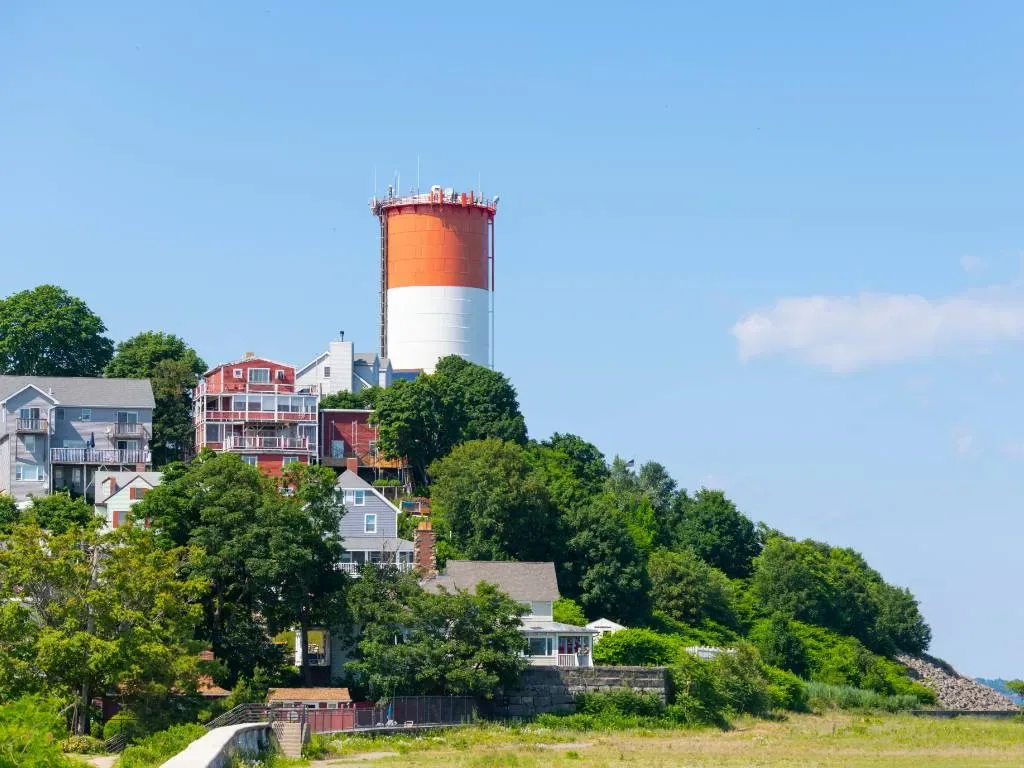
Hingham Shipyard's Route 3A area combines commercial and other mixed uses. For a requested property in that setting, occupied entrances and roof equipment can affect the immediate protection arrangement. We examine the individual assembly and circulation before placing materials or defining a removal zone. The operating requirement should be connected to a specific repair task, with suitable receiving construction established where permanent work will close.
Examine the flow after debris is removed
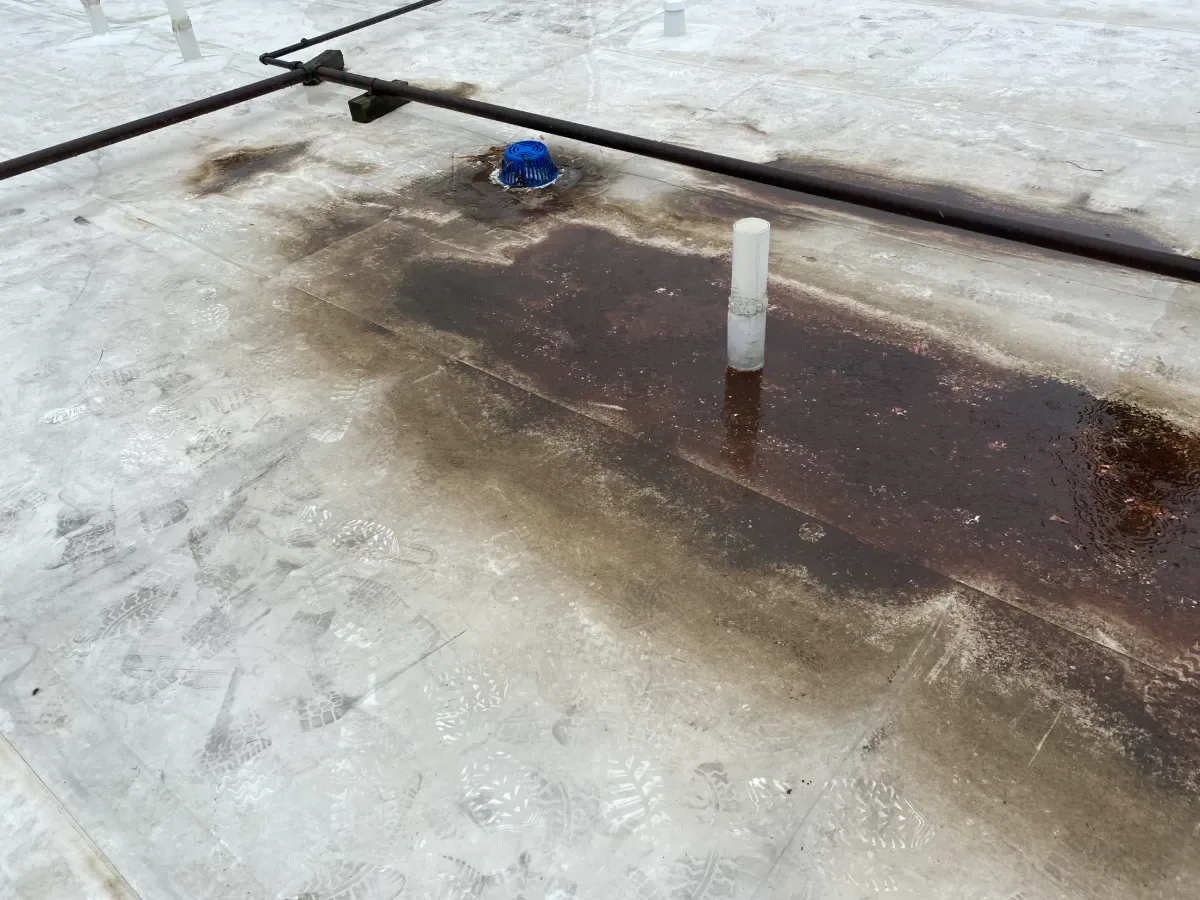
Clearing a restriction can restore runoff where the outlet and surrounding geometry remain serviceable. Water that persists afterward requires examination of the low area, support positions and discharge elevation. A roof can need both cleaning and damaged-detail repair. Those tasks should remain distinguishable, even if performed during the same intervention. A cleared drain should not be treated as completion when the receiving flashing or layers beside it are unsuitable.
Ponding-water correction examines the assembled route into an outlet rather than just its visible opening. Temporary boundaries and stockpiled materials can also affect flow during reconstruction. We define a stage that preserves useful drainage and avoids directing runoff toward unfinished connections. The selected daily area should have a secured endpoint, including low-point and perimeter details that can require more effort than open field.
Assess the receiving area around impact damage
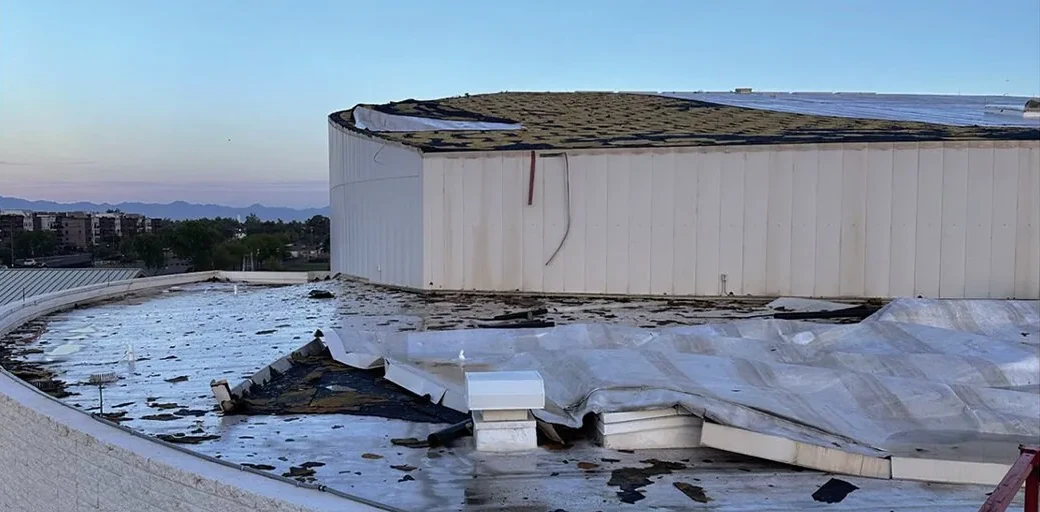
A puncture can leave torn or stretched membrane beyond its central opening. We inspect the receiving material and underlying layers before selecting closure. The installed system and any previous treatments affect preparation and compatible repair. Loose objects or sharp contacts should also be examined so new construction does not inherit a continuing damage mechanism. Covering the hole is not necessarily restoration of the material suitable to receive the repair.
Equipment movement can stress flashing or change a support's position. We coordinate any relevant receiving or mechanical correction before forming the final roof connection. The repair should suit the geometry that will remain. A patch installed before support work can need immediate alteration, while a changed support can obstruct runoff if its new position is not assessed. Membrane, attachment and operating equipment need a coherent final arrangement.
North Weymouth includes the Bicknell Square commercial hub and Route 3A connections. For requested work in North Weymouth, we inspect the roof's actual equipment and access rather than assume a uniform commercial assembly. Necessary lifting, disposal and occupied circulation need a practical arrangement around the specific task. That interval should support the completed connection rather than encourage a temporary measure to be mistaken for permanent work.
Establish the layers affected by admitted water
Water reaching insulation through several openings can create a removal scope different from the visible damage pattern. We examine concealed condition where it changes retention and use closer checks appropriate to the assembly. The entry connections and affected underlying layers should be described separately. A local surface closure can be suitable on sound receiving construction, while distributed unsuitable material can support wider reconstruction. The physical findings provide the basis for that comparison.
Insurance and restoration roof coordination can connect those findings with the affected interior work. We identify observed components, established concealed damage and the tasks still needing investigation. Temporary entry protection and completed permanent work have different functions. The project team should understand the roof's status before closing affected rooms, without assuming that an attended leak means every supported layer-removal or detail task is finished.
Define what the first intervention restores
Our emergency roof work assesses the exposed assembly and suitable protection available. The temporary connection needs a useful receiving boundary and runoff arrangement. Interior containment remains a separate measure from roof closure. We identify the permanent detail, receiving repair and any damaged layers still required, allowing the owner to arrange the later interval around a defined construction task.
Permanent removal should reflect suitable application conditions, support work and the detail effort needed for secure completion. An equipment-dense zone may require a smaller stage than an equal area of open field. Occupied rooms, intakes and service dependencies also need arrangements before exposure is created. A practical sequence connects those operating needs to the actual assembly being rebuilt, leaving suitable continuity with the retained roof when each stage ends.
Compare the rebuilt interfaces and retained construction
Roof claim-assessment assistance describes physical condition and construction supported by the roof findings. Coverage and payment remain matters for the applicable policy and review. The useful roof comparison identifies removal limits, receiving support, insulation, attachment and final connections. A repair and wider renewal can leave different components in service, so the owner should see those differences rather than compare only new covering names.
After reconstruction, the outlets and vulnerable details should remain inspectable. Compatible traffic protection can be useful where concentrated service contact threatens the assembly, but it should not obstruct drainage. The completed component description identifies permanent work and retained materials. Later upkeep can then preserve the actual water route and connections, with a new symptom investigated through its pathway instead of assumed to repeat the previous defect.
Commercial Roofing Questions
Can one damaged edge explain every leak after severe weather?
Inspect other plausible pathways before reaching that conclusion. Open seams, impact damage and obstructed runoff can contribute alongside a displaced perimeter. We examine the assembly and identify the components established at each area. The repair priorities should follow those findings and occupied exposure rather than automatically assign all complaints to the most visible defect.
What remains to assess after debris is cleared from an outlet?
Check the surrounding geometry, receiving flashing and affected layers. Flow can improve while damaged construction still requires repair, or a depression can remain despite a clear opening. We distinguish those tasks in the scope. The completed intervention should match the remaining mechanism rather than treat cleaning as proof that the whole drainage interface is restored.
How should temporary protection relate to the permanent scope?
Identify the temporary boundary and the reconstruction still needed at the connection and underlying layers. We assess receiving support and compatible final materials before permanent closure. The owner can then arrange the occupied interval around the remaining task. Temporary entry protection should remain distinguishable from a completed assembly suitable for the proposed retention.
Does a hurricane-related inspection establish an insurance result?
The roof assessment establishes physical findings and recommended construction. Coverage follows the applicable policy and claim review. We describe defects, receiving condition and repair boundaries without assuming the outcome. That component information helps the owner and restoration team coordinate roof work while keeping the roof scope grounded in what the examination supports.