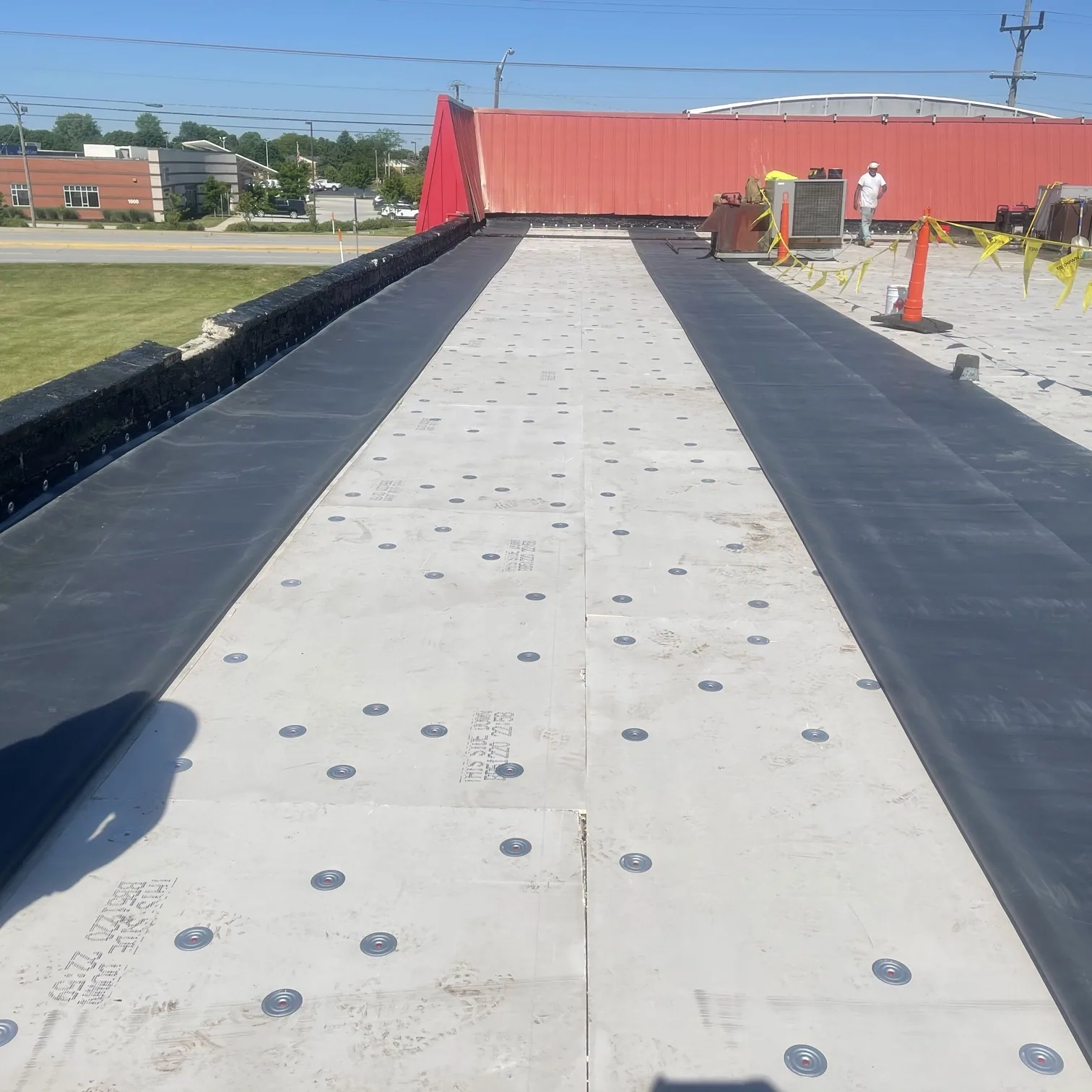
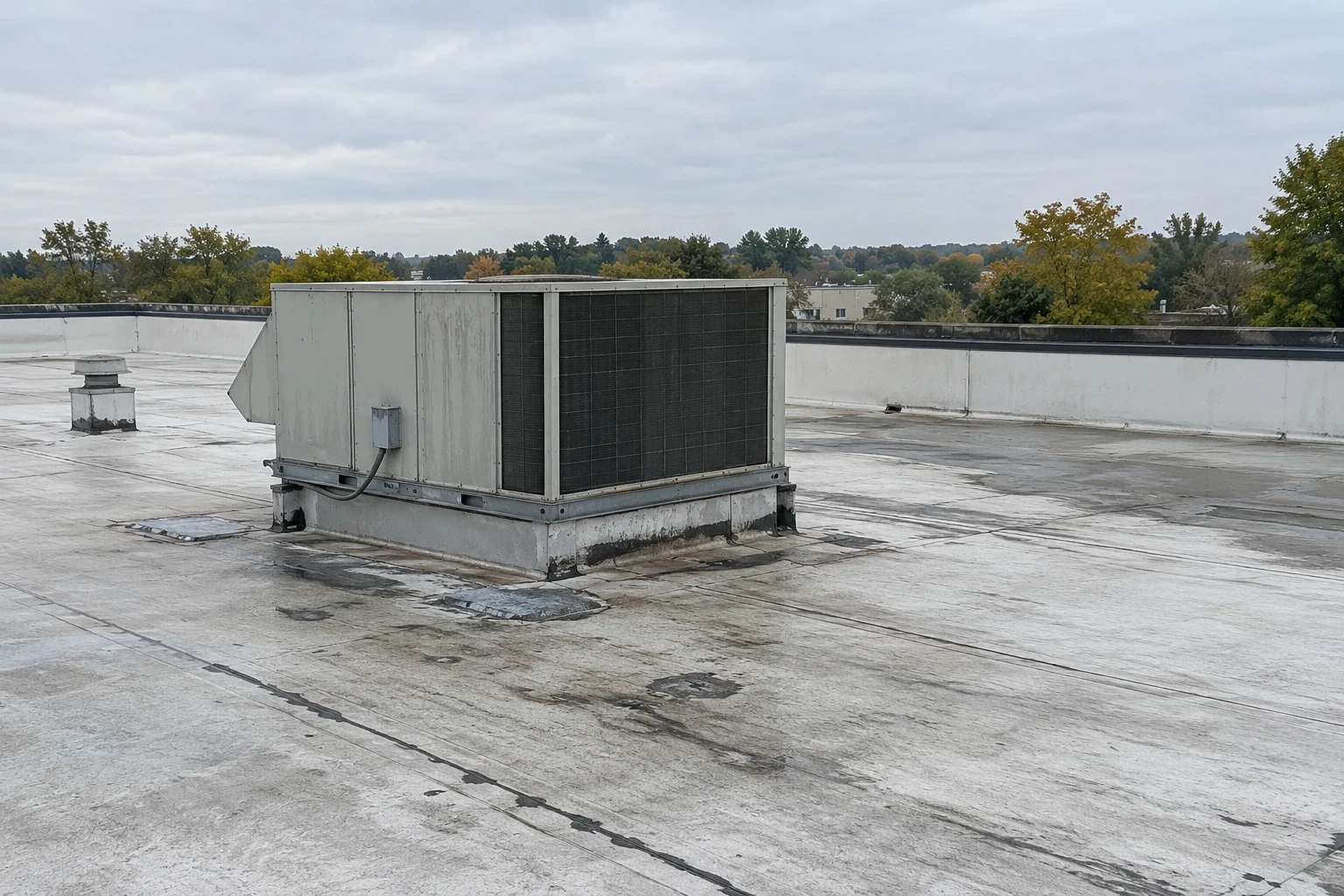
Commercial Roofing in North Weymouth, MA
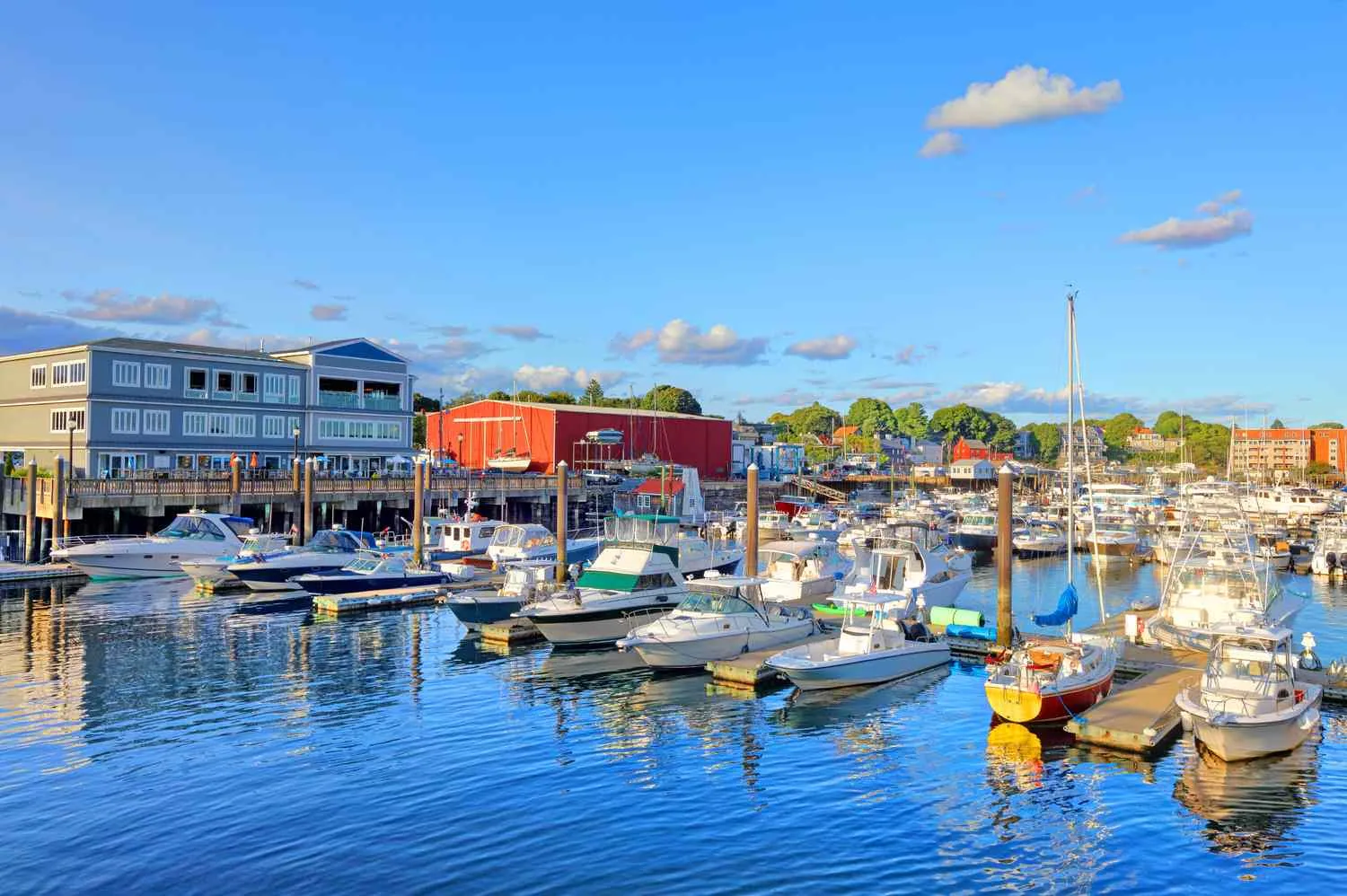
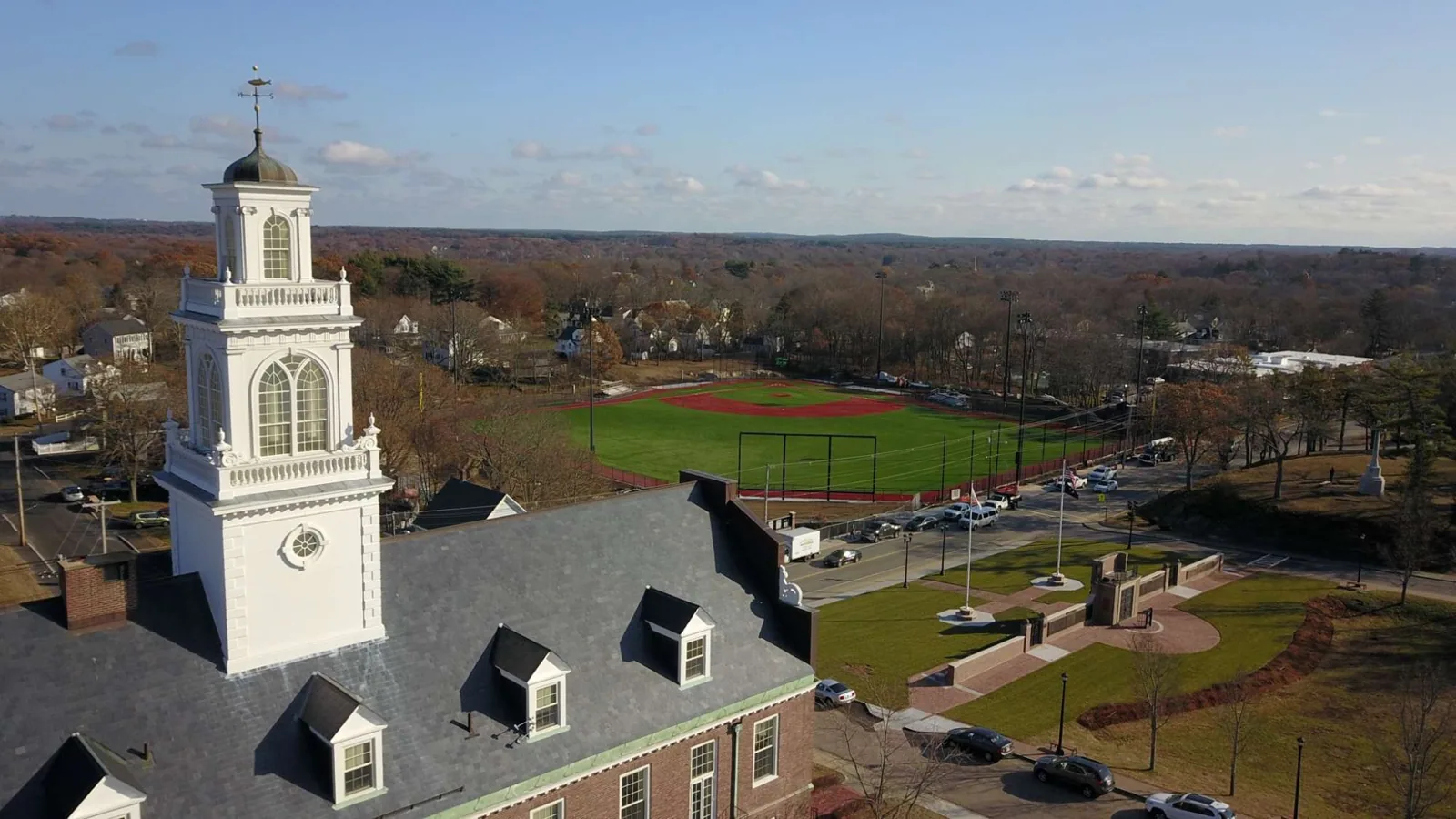
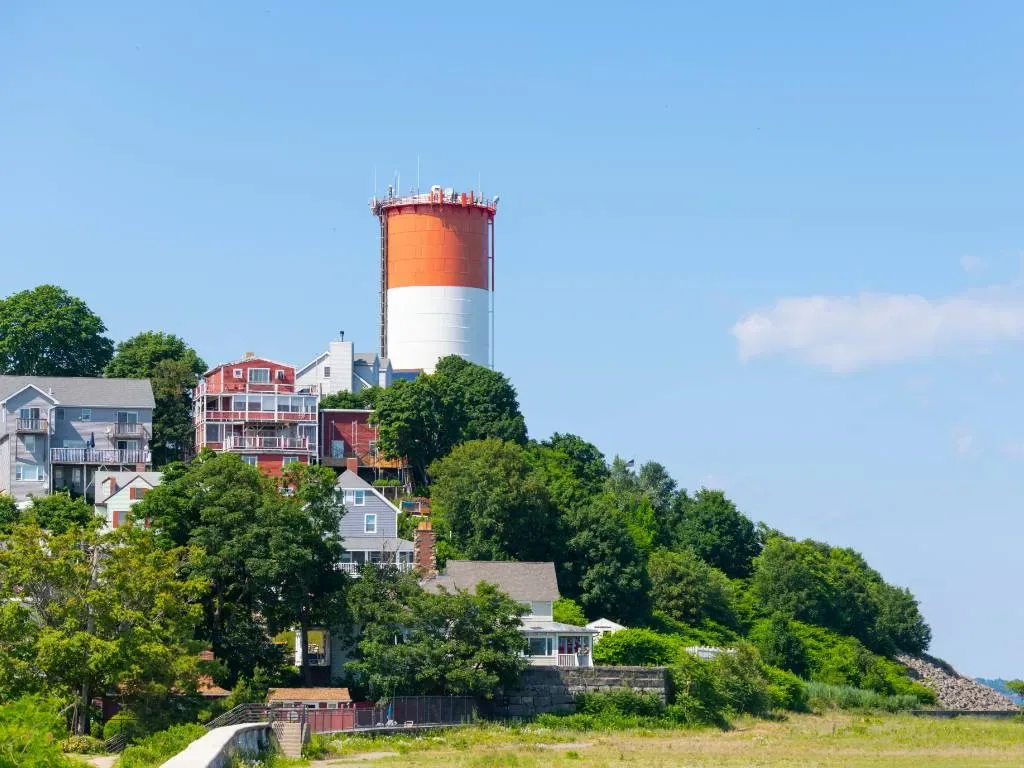
Bridge Street carries Route 3A through North Weymouth, with Bicknell Square serving as the corridor's commercial hub. A planning study addressed businesses, traffic safety and waterfront connections, while proposed improvements remain separate from completed work. That distinction matters on a roof project: the building's current access and condition must be confirmed before scope is set. We inspect the assembly, locate active leaks, review drains and edges, and coordinate staging with the property representative. A targeted repair or replacement plan then reflects the business below and the roof details above it.
Keep the Commercial Corridor Open
Businesses along Bridge Street and around Bicknell Square may share parking, deliveries and pedestrian routes. We confirm which entrances and loading areas must remain open, where materials can be staged and whether access to the roof requires a lift or an approved interior path. Those details affect crew movement and customer operations. A roof repair might fit within a short work window; replacement requires a longer sequence and daily protection for each section opened.
The Bridge Street and Bicknell Square planning study has addressed local business needs, traffic safety and waterfront connections. That does not mean every proposed street or utility improvement is complete. We treat current site conditions as the source for work planning and confirm any route or staging change with the property team. An owner also managing the Hingham Shipyard and Route 3A corridor or Weymouth properties can coordinate inspections together while keeping each roof's record separate.
Trace Water Before Setting a Patch
Water can travel under a membrane before reaching a ceiling near a storefront or office. We begin with the reported room, then check likely roof connections: seams, curb flashing, penetrations, parapets, drains and scuppers. A stain is not the same thing as the roof entry point. If the membrane has lifted or the insulation feels soft, we examine whether moisture extends beyond the first opening. That affects whether a small patch is enough or a survey or selective opening should precede the permanent repair.
At a corridor property, interior protection can be important even when the roof defect is confined. We note the affected business use and schedule temporary measures around customer access. A drone survey can help show broad field condition, but close inspection still governs a flashing or seam repair. Infrared review can suggest a moisture pattern when conditions allow, followed by confirmation where the result changes scope. We write down what is visible and what still needs testing, so the owner can approve the right next step without treating an uncertain sign as confirmed damage.
Check the Outlet and the Overflow
A roof drain works only when the water can reach it and leave the building. We examine the bowl, strainer, connecting surface and overflow route. Debris may slow discharge, while damaged flashing or low slope can cause water to remain around an outlet. Applying a coating over standing water does not correct either condition. At the perimeter, we check membrane termination, metal coping and attachment for movement that could let water enter behind the roof field. Each component gets a repair recommendation tied to its observed condition.
Before a weather period, a maintenance review can clear outlets, verify overflow paths and document edge details. After a storm or strong wind, we compare dated photos with inspection notes to identify new movement or water entry, then separate temporary protection from permanent repair. If roof access is unsafe, we begin with suitable interior protection and return when the surface can be evaluated. The owner receives a record tied to observed conditions, not a blanket weather-related scope.
Match the Method to the Existing Roof
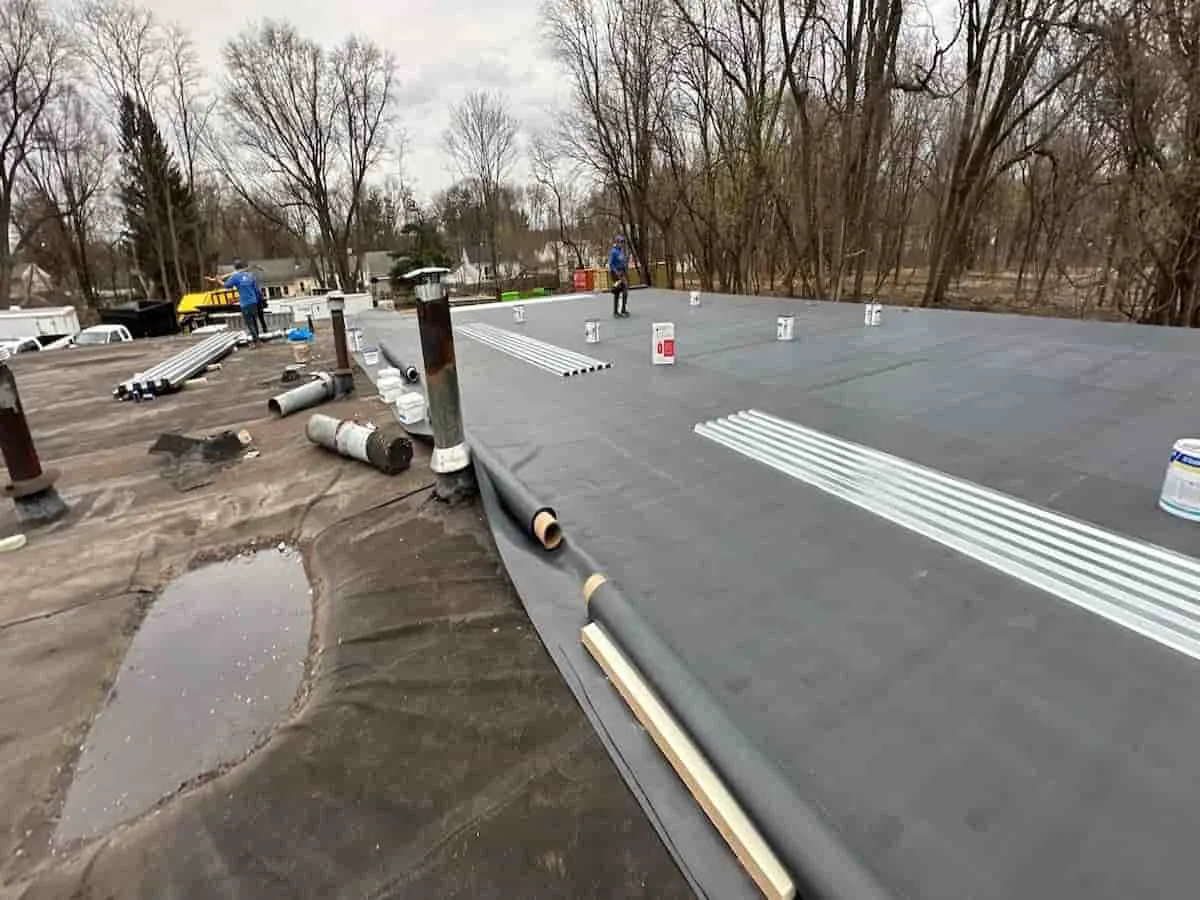
Repair preparation changes with the roof system. A thermoplastic seam can be welded only when the membrane and weather conditions support the method. EPDM splice work needs compatible preparation and flashing. Modified bitumen details depend on the existing plies and surfacing. A metal panel roof may need review of fasteners, laps and movement at connections. We identify the installed material and inspect the substrate before selecting a product. If a previous patch has separated, we check for moisture or movement at the edge instead of applying another layer over the same failure.
A recover may keep an existing assembly only when the layers are sound and dry, final height works at drains and parapets, and project requirements permit retention. Tear-off exposes the deck but requires protection across a broader area. Owners can compare roof repair against replacement planning after the condition is mapped. A roof system review should describe the existing assembly, not simply name a preferred material. That keeps the scope connected to the roof found above the business.
Sequence Work Around Business Hours
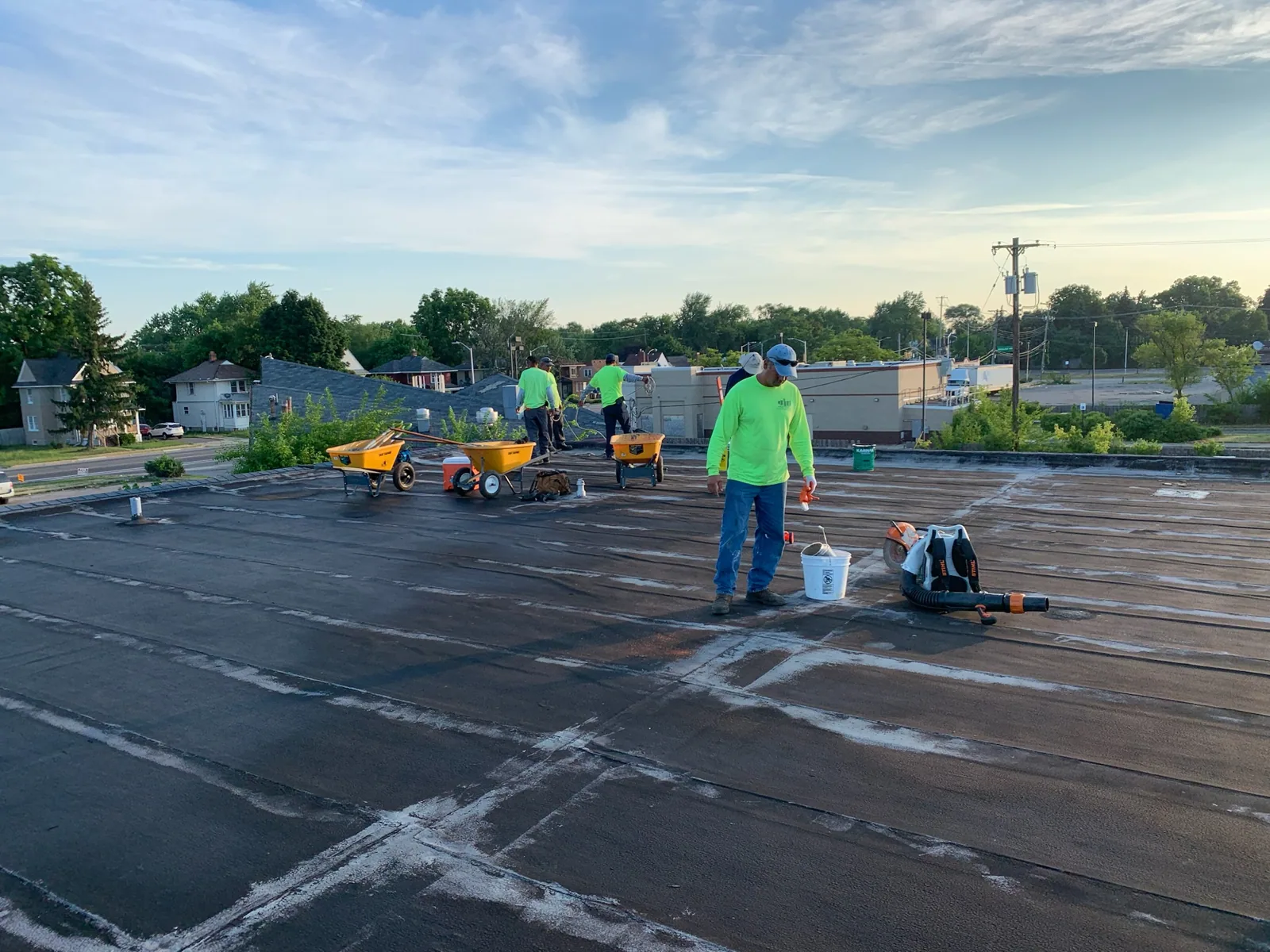
We plan commercial roofing around occupied buildings and their schedules. The property representative identifies operating hours, sensitive areas, shared entrances and any mechanical equipment that cannot be interrupted casually. If a unit must be shut down, the scope names the coordination needed from a qualified technician. Replacement proceeds in sections that can be secured and weather-protected each day. For a smaller repair, we keep the boundary near the confirmed defect while providing interior protection where water has already entered.
Urgent service is available around the clock, including holidays. That response can secure an active area and assess the roof when safe access is possible. Permanent work follows after we understand the assembly. A scheduled maintenance review can catch a drain issue, loose edge or damaged flashing before the next leak. If the owner wants a repeatable record, roof condition reporting can track each area and repair. The operating business sees a defined plan rather than an assumption that the project can proceed without coordination.
Leave a Clear Renewal Record
For each roof zone, we record the system, visible defect, repair status and next inspection question. Photographs tie to a drain, seam or penetration so a later visit can compare the same point. This is important when a planning discussion, tenant turnover or financing event changes the timing of work. The report distinguishes a confirmed defect from possible moisture beneath the membrane. It also documents any completed repair and the remaining service item, keeping those findings useful after the original service call.
Owners can use capital planning and a multi-property program to coordinate service across North Weymouth and nearby towns. Bicknell Square is a commercial hub, but the property's roof decision still comes from its own assembly and interior needs. Share existing roof plans, leak history and access rules, and we will identify whether the next step is a repair, a moisture check or a renewal scope.
Commercial Roofing Questions
Are Bicknell Square road improvements complete?
A planning study addressed traffic safety and waterfront connections, but proposals should not be treated as completed conditions. We verify current access and staging arrangements with the property representative.
Can roof work keep customer entrances available?
We plan the material route, protection and work boundary around the entrances that must remain open. Any temporary change is coordinated with the building contact before crews begin.
Why inspect the drain if the leak is at the wall?
Water can pond near a parapet or move below the membrane before reaching an interior wall. We examine the drainage path and nearby flashing so the repair addresses the likely source.
What helps decide between repair and replacement?
The assembly's condition, moisture extent, repeated defects and ability to accept a compatible patch guide the choice. We document those factors and identify any testing needed before approval.