Commercial Roofing for Property Managers in Quincy, MA
Meltwater returning to the same blocked outlet can make a recurring roof work order look like a new failure each time it rains. For a Quincy, MA, property manager, we separate that drainage mechanism from the damaged connection and the condition below it. Clearing debris, rebuilding flashing and removing wet insulation are different decisions. The report should identify which one the roof needs. That distinction helps the manager direct work to the component causing entry instead of repeatedly treating the interior symptom.
A managed group of buildings can have unlike assemblies and tenant activity even within one neighborhood. We examine each affected roof area and compare the findings on a consistent physical basis. For managed buildings in Quincy, flood and winter-storm preparedness makes access to low outlets and secure repair boundaries useful operating priorities. We compare those needs with actual moisture, support and attachment before choosing the repair scope.
Separate recurring entry from recurring obstruction
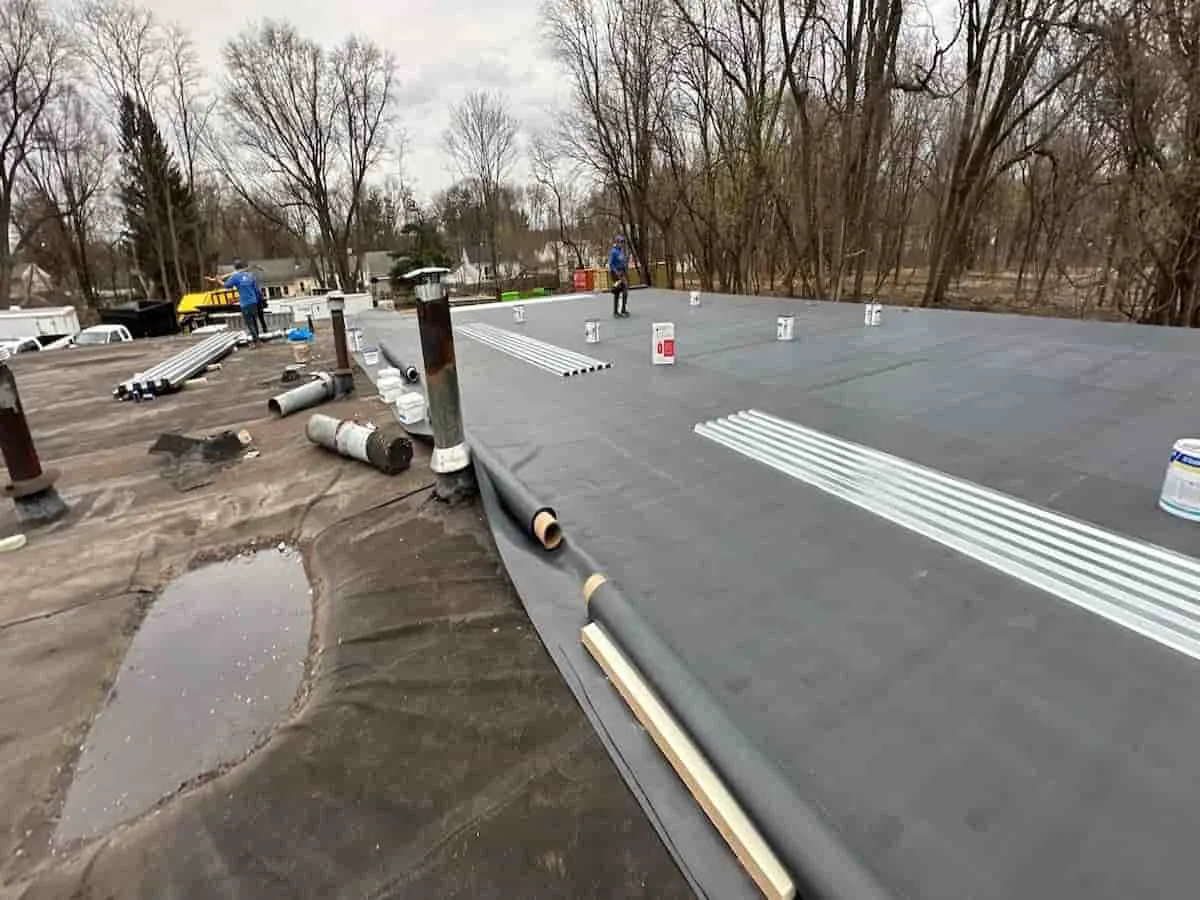
An outlet can need routine clearing while a nearby flashing defect still requires construction. We inspect both conditions before assigning the next task. If cleaning restores flow but water remains in a low pocket, geometry deserves examination as well. The manager should receive a specific finding for each mechanism, not a general statement that the roof needs maintenance. That clarity makes later complaints easier to compare with the work already completed.
Our repairs to damaged roof connections identify the receiving material and any underlying removal. We distinguish temporary intervention from a completed permanent detail. When a leak returns, the assessment can then establish whether the same connection has failed, another defect has developed or the water route was never fully corrected. The next scope follows that finding. Repeating a surface patch without investigating the cause can leave the property with an unresolved water boundary.
Compare room exposure with roof condition
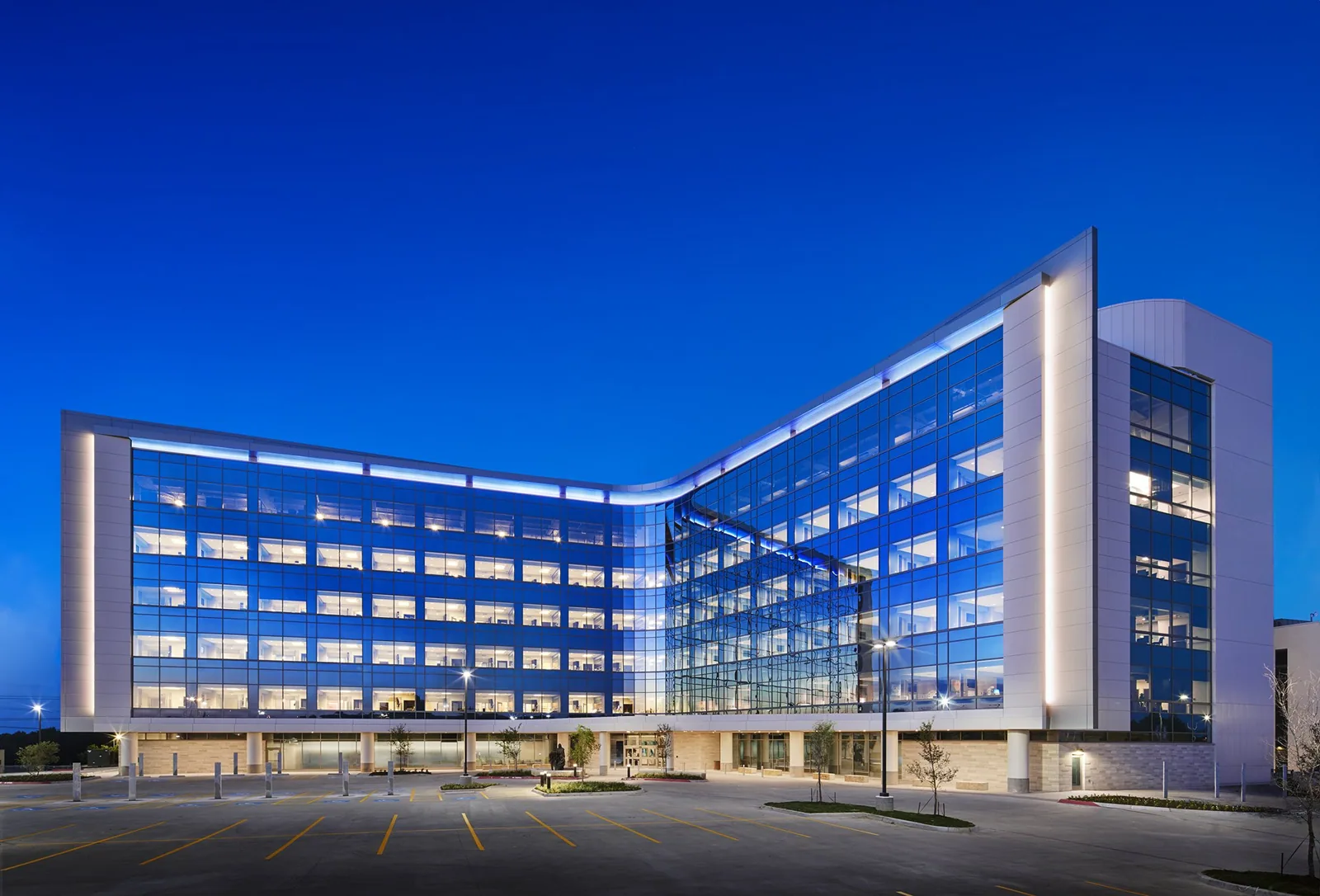
Marina Bay includes offices, restaurants, assisted living and residential activity. Those uses can create different protection requirements during repair. A dining room, care space and office equipment room should not automatically receive the same construction sequence. We examine the roof over the actual affected area while the property identifies the room and systems needing protection. Service priority reflects both the active defect and the consequences of exposure below it.
West Quincy's Common Market has restaurant, cafe, pub and private-function uses. On an asset with comparable scheduled activity, exhaust service or a prepared event room can influence when a detailed repair should proceed. Work in Marina Bay likewise needs the individual tenant arrangement. The roof's assembly may support a local correction while the interior still requires a specific interval. That operating constraint should be stated clearly, without converting it into an unsupported claim that the whole roof needs replacement.
Make findings comparable by component
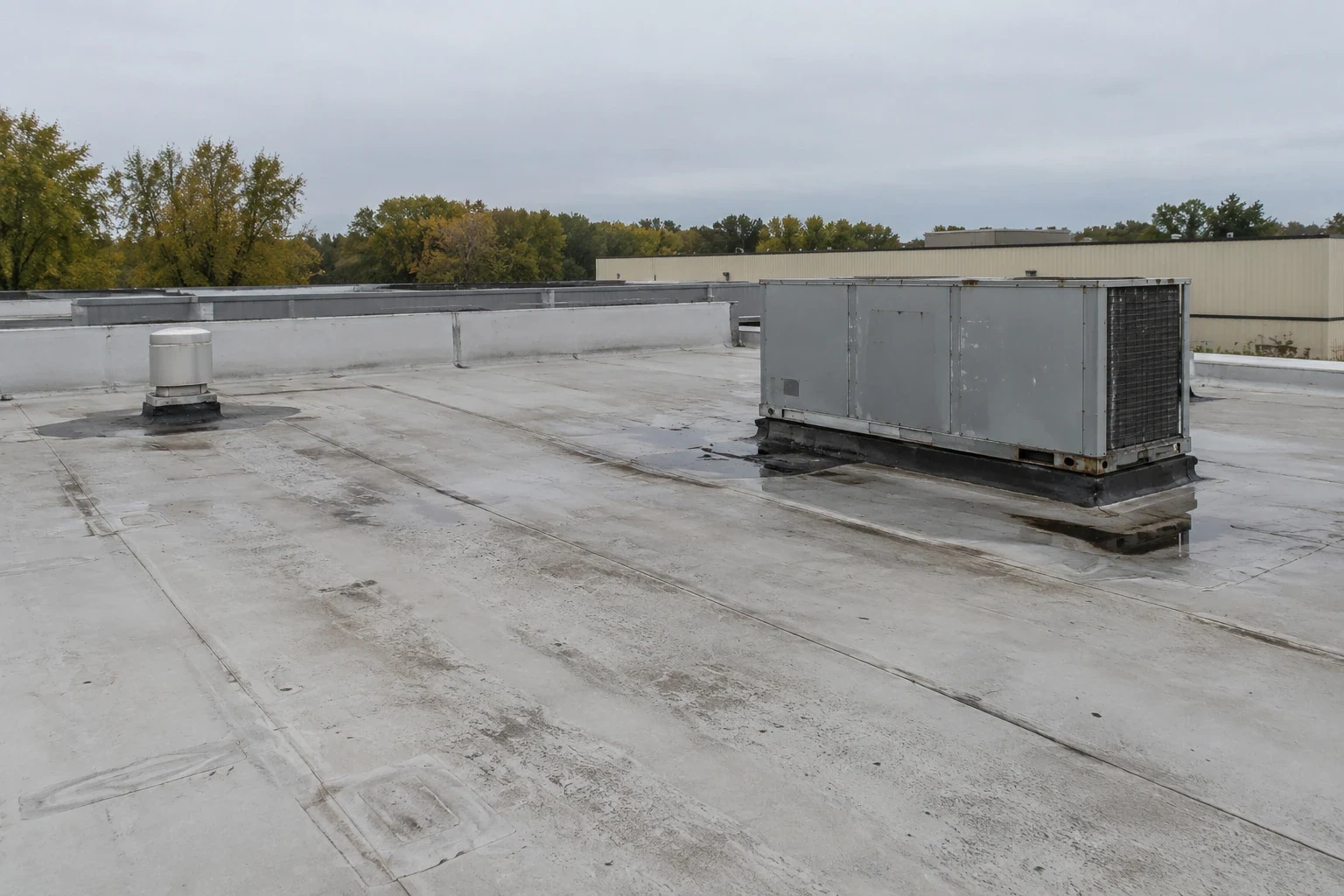
A useful condition comparison identifies the roof area, material, defect and supporting condition. We document damaged connections and their location with appropriate photographs, then distinguish observed construction from areas needing further investigation. A dry stable field with several service-route punctures can be assessed differently from extensive moisture below a continuous sheet. The manager should be able to identify what the proposed work restores and which components remain in service.
Written roof-condition findings can support that comparison when they connect photographs with a practical repair boundary. A broad label such as aging roofing is less useful than an identified lap opening, unstable curb or wet board area. We describe access limitations where they change the inspection decision and recommend suitable further checks. The objective is a defensible construction choice, not a larger report detached from the physical roof.
For multiple properties, roof asset assessment can compare those component findings across the group. Different intervention dates may be appropriate where one defect actively admits water and another area remains serviceable. We avoid assigning identical urgency merely because the roofs share a material. The comparison should show which connection or layer establishes each area's service priority.
Identify what each proposal retains
A recover can preserve useful dry construction where the receiving assembly and project requirements permit it. Replacement can remove damaged layers and correct concealed defects. Restoration needs a suitable surface and compatible preparation. Those choices should not be compared as interchangeable ways to deliver a new-looking roof. We establish the retained moisture and support condition before recommending an approach, with the reason for retention or removal made explicit.
Equipment changes can also affect the choice. Raised insulation may reduce curb clearance, while an unstable support can repeatedly damage a flashing. The work should identify any coordinated equipment correction before the new field is completed. Drain elevations and perimeter geometry belong in that decision as well. A proposal that replaces only the sheet can leave the same vulnerable transitions or water-holding areas in place.
Industry differences matter where managed assets have unlike operations. Healthcare roof programs can need care-area protection, while manufacturing roof work can involve process discharge and equipment dependencies. We connect those actual uses to the construction requirements. The roof material and concealed condition still need individual examination rather than a treatment selected from the tenant's industry label alone.
Close the job with the mechanism addressed
The completed work should identify the connection repaired, material removed and operating correction made where applicable. That information helps distinguish an unfinished temporary measure from permanent construction. We also assess whether later equipment service can damage the new detail. Suitable traffic protection, stable supports and accessible outlets can reduce repeat damage, with compatibility preserved for the installed assembly.
Daily removal stages need enough scope definition to be secured in suitable conditions. Complex curbs and transitions can require more completion effort than open field. We set the boundary with those tasks and the tenant protection below in view. Lifts, deliveries and disposal should fit required entrances and circulation. The manager can then compare the physical intervention and the exposure created during work, rather than make the renewal sequence from roof area alone.
Maintenance after construction should distinguish cleaning from defects requiring repair. An accessible drain still needs a sound roof connection; a protected service route still needs stable equipment. We explain those differences through the component findings. The resulting plan can put immediate entry work, supported reconstruction and suitable later renewal on different schedules, with the roof's condition and operating use providing the reason for each decision.
Commercial Roofing Questions
How do we compare two leak complaints with different tenant consequences?
Compare the roof mechanisms and interior exposure separately. We identify the defective connection, concealed damage and activity below, then explain the work and protection each area needs. A small active opening above sensitive use can need prompt intervention, while wider deterioration elsewhere can warrant planned renewal. The comparison should identify the component behind each priority rather than rank complaints only by the size of the visible stain.
What should a recurring drain-related work order lead us to investigate?
Examine obstruction, roof elevation and the outlet flashing as separate conditions. Clearing debris may restore flow while leaving a damaged connection or low pocket unchanged. We inspect the water path and identify which construction task remains outstanding. The completed recommendation should explain whether the next action is maintenance, detail repair or a geometry correction during renewal.
Can roof age alone establish replacement order across our properties?
Age is limited without a condition assessment. We examine moisture, attachment, membrane repairability and vulnerable details at each roof area. A serviceable assembly can present a different decision from one with wet insulation or unstable support, even where their installation dates are similar. The proposed order should follow the physical findings and operating exposure rather than an unsupported lifespan assumption.
How should we confirm that a temporary measure has become permanent work?
The scope should identify the completed connection and any damaged layers removed or reconstructed. We distinguish emergency intervention from that final construction and explain any remaining renewal task. Photographs and component findings can support the comparison. Interior containment or a surface cover alone should not be mistaken for closure of a defect that still requires a suitable receiving detail.