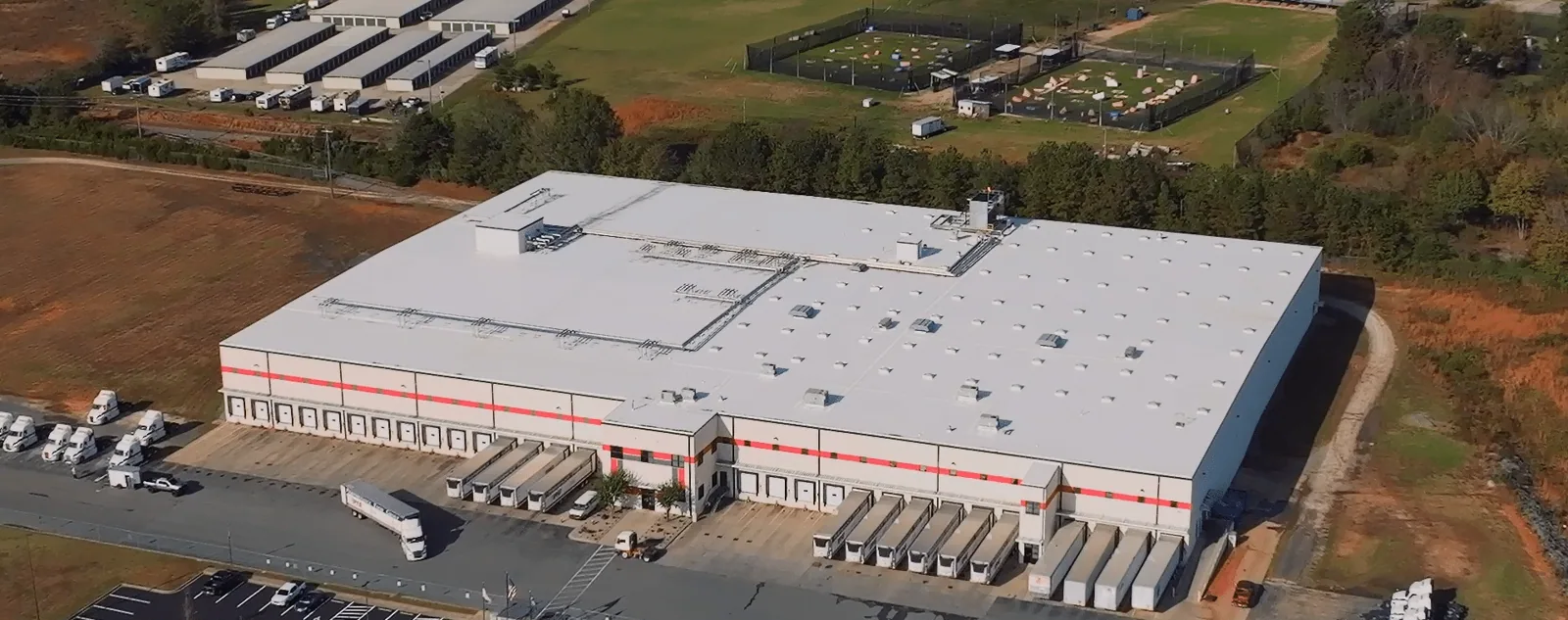
Soprema Commercial Roofing in Quincy, MA
Snowmelt entering an open bituminous lap can affect construction below the exposed sheet, making the repair more than a surface closure. Commercial Soprema roofing work in Quincy, MA, starts by examining the installed layers and useful receiving boundary. A field base ply and a completed exposed assembly have different roles. We identify the product and construction present before selecting compatible repair or renewal. The recommendation should restore the damaged components and their water boundary, rather than treat one sheet name as the entire roof system.
Quincy's preparedness includes floods and winter storms. We relate that exposure to the requested roof's lap condition, outlets and secured construction stages. Soprema's SBS-modified bitumen products include different layer and application arrangements. We repair and install commercial roofing through the selected system's requirements and actual receiving condition. The owner can then compare a bounded intervention with reconstruction involving more layers, with the components retained or rebuilt clearly identified.
Identify the layer before selecting the replacement sheet
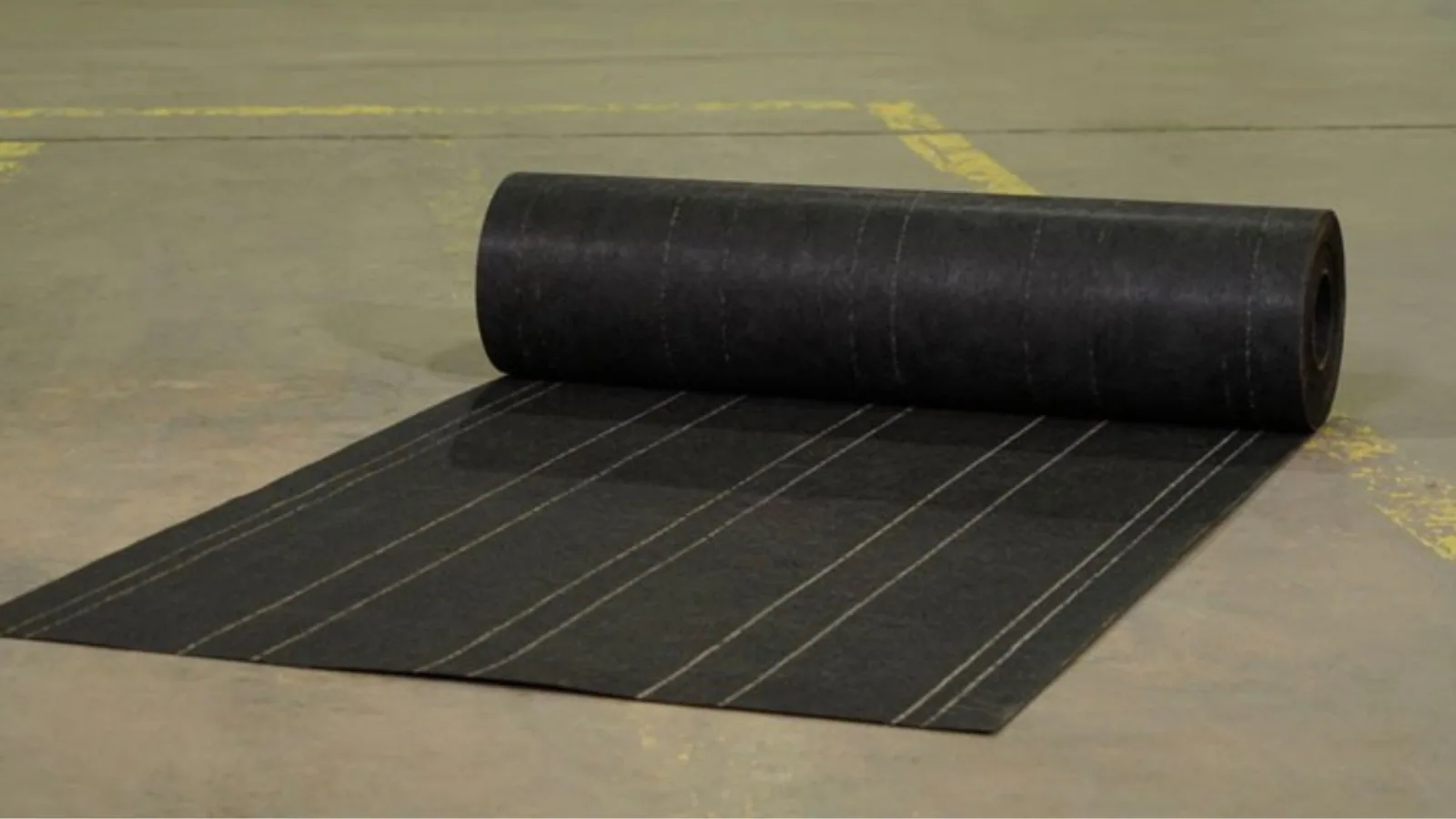
SOPRALENE 250 SANDED is a polyester-reinforced SBS-modified bitumen membrane whose listed roles include field base ply and flashing base ply. That role needs to be understood within the selected roofing assembly. A base sheet does not describe every layer required for the completed system. We examine the installed construction and proposed final arrangement before specifying material, with the surface and detail layers considered alongside the receiving base.
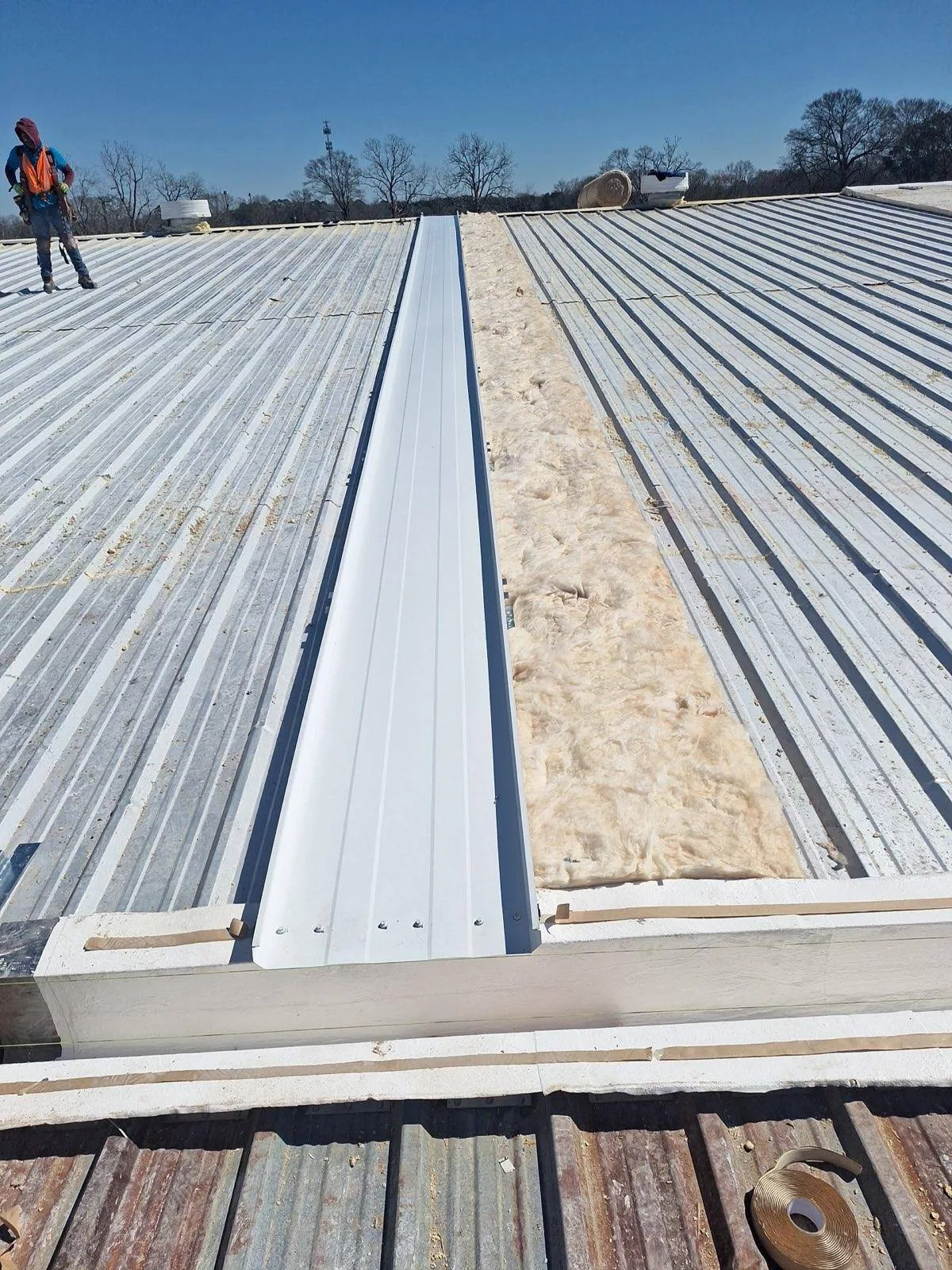
Modified-bitumen roof assessment examines lap condition, material compatibility and useful support beneath the sheet. A damaged upper connection can admit water into layers beyond its visible opening. We identify those findings separately. Closing one lap should not be mistaken for restoration of wet insulation or deteriorated receiving material found underneath it. The removal boundary follows the damaged component and sound construction established around it.
For owners comparing Johns Manville bituminous assemblies, the layer sequence and installation method should remain explicit under each option. Both covering and receiving components need a suitable relationship. A similar-looking finished roof can retain different materials below it or use different preparation at the repair boundary. We compare those actual tasks rather than assume that common bituminous categories make every sheet suitable for substitution.
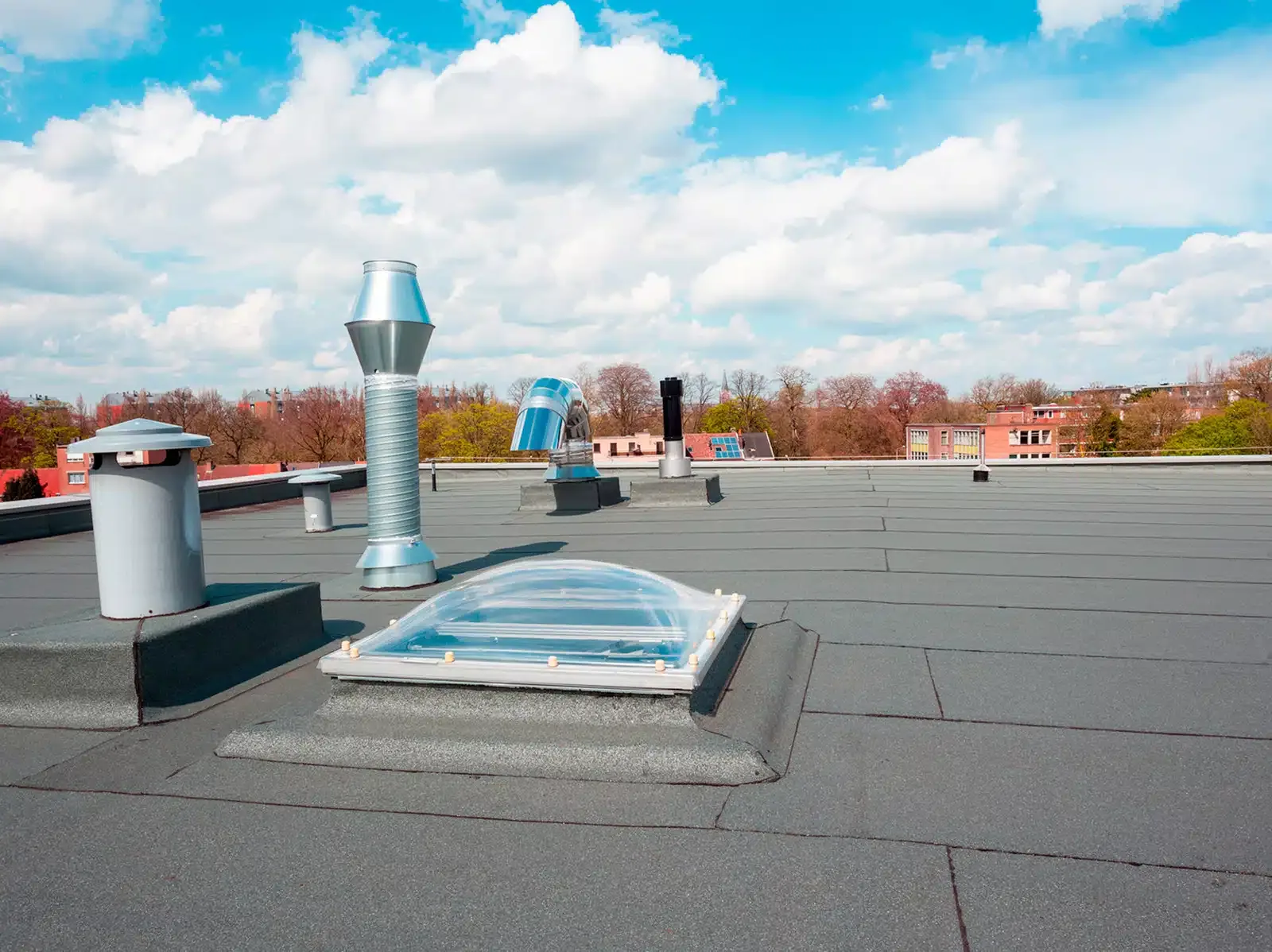
A local repair can also meet an equipment flashing or wall connection with a different layer arrangement. We inspect the full interface and suitable receiving geometry. Another task may need to restore a support or adjoining wall before the roof can close permanently. The completed detail should connect useful assembled components, not leave an unstable receiving edge concealed behind a renewed exposed sheet.
Choose the specified method for the material present
Soprema lists cold adhesive and hot asphalt as application methods for SOPRALENE 250 SANDED. That product-specific information should not be generalized to every sheet in another assembly. We identify the installed and selected materials, suitable receiving condition and relevant system requirements before work. Preparation, attachment and final details belong in the method decision. The product role and application arrangement need to fit the construction being completed.
Where built-up roof construction is being compared, retained plies and receiving layers need examination along with the surface. A new upper treatment can leave unsuitable material below it if the scope is incomplete. We assess moisture, support and useful receiving boundaries where condition changes the recommendation. A wider removal option should have a physical reason in the extent found, while local work should identify why the surrounding assembly remains suitable.
Holcim Elevate bituminous options should likewise be compared through the specified layers and compatible application details. A shared material category does not establish identical sheet roles or methods. The owner needs to understand the receiving work and final connections under each proposal. That complete description distinguishes a field repair from reconstruction that also changes insulation, support or the detail boundary.
Stoughton's Technology Center combines commercial, office, retail, restaurant and housing uses. For requested work in Stoughton, we assess actual intakes, equipment intervals and occupied rooms affected by preparation and application. A suitable material method needs a practical relationship to those dependencies. The property can then arrange protection around the specific task rather than a general expectation that all roofing methods have the same occupied exposure.
Rebuild the receiving layers and final transitions
Insulation or support condition can change a Soprema repair scope where admitted water or deterioration affects the layers below. We select closer examination when those findings determine retention. A surface remaining continuous does not establish that every receiving component is useful. The proposed work should distinguish the entry connection, damaged layers and reconstructed support. The owner can compare local closure with wider removal through what each intervention actually restores.
Receiving-board and insulation work can establish a useful base for the selected assembly. Final height must also suit curbs, outlets and wall details. Added construction can reduce flashing clearance or preserve an unsuitable low area if the geometry is not assessed. We identify related reconstruction before installation, allowing the new layers to finish at suitable connections instead of renewing the field around unresolved interfaces.
Route 138 carries arterial travel through Canton, whose town center combines different uses. On a requested roof in that broader commercial setting, a unit or tenant alteration can require support and penetration work before roofing closes. We inspect the actual equipment and final geometry. The receiving task should finish in its appropriate sequence, with permanent waterproofing formed around the arrangement that will remain after renovation.
Technician routes deserve consideration where concentrated contact can damage completed details. Suitable protection should match the installed construction and preserve runoff. A new support or traffic arrangement should not obstruct the approach to an outlet. The renewed assembly needs practical inspection and repair access after installation, so later service can examine the connection rather than work around an avoidable new obstacle.
Complete the layered scope within a secured stage
Occupied bituminous roof renewal assesses the room, intake and equipment arrangements before removal creates exposure. Daily area should follow receiving work and the layers or details that can finish under suitable conditions. A compact equipment zone can require a different interval from open field. The stage needs an understood endpoint that secures the roof boundary, with drainage remaining useful throughout the sequence.
Temporary entry protection and permanent reconstruction should remain distinct. A measure that limits immediate water is not restoration of every supported layer task. We identify the final material, receiving preparation and closure still needed. The component description after work should explain the assembly present and retained construction. Later upkeep can then preserve accessible outlets and details, while new damage receives an assessment tied to its actual pathway and suitable compatible repair.
Commercial Roofing Questions
Does a SOPRALENE base-ply product describe the completed roof?
Identify the full specified assembly and the role of each sheet. SOPRALENE 250 SANDED has field and flashing base-ply roles, so its name alone does not describe every completed layer or detail. We assess the receiving construction and final arrangement before selecting work. The owner should compare complete component scopes rather than treat one sheet as the whole roof system.
Can every Soprema sheet use the same application method?
Review the specific material and assembly requirements first. The cold adhesive and hot asphalt methods listed for SOPRALENE 250 SANDED should not be assumed for another sheet. We examine receiving condition, preparation and final details with the proposed product in view. The selected installation needs to suit the actual construction and occupied arrangements around the task.
What should be assessed beneath an open bituminous lap?
Examine retained layers and support where admitted water changes the repair decision. A surface opening can be smaller than the affected receiving area. We identify the entry connection and damaged material separately, with closer checks where useful. Permanent reconstruction should state what remains serviceable and which components need restoration according to the condition established.
How should added construction height affect the detail scope?
Check the revised relationships at equipment, walls and outlets before installation. New layers can reduce clearance or change the approach to drainage. We identify related reconstruction alongside the field and receiving work. The complete Soprema assembly should close at suitable final interfaces rather than preserve vulnerable geometry beside a renewed surface.