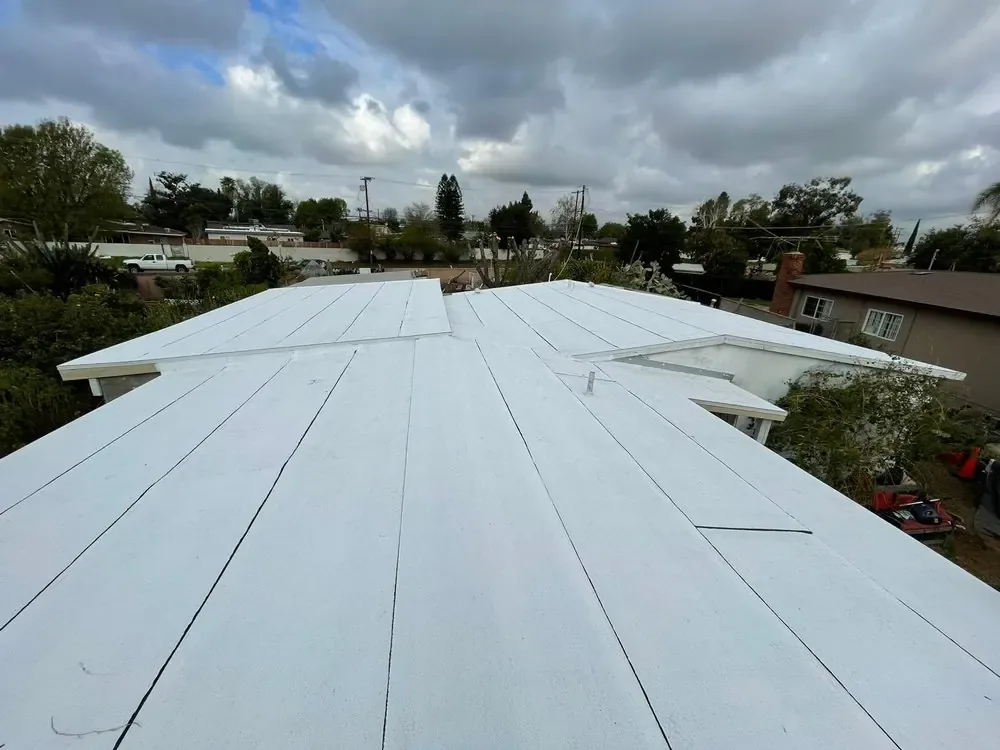
Big-Box Retail Roofing in Quincy, MA
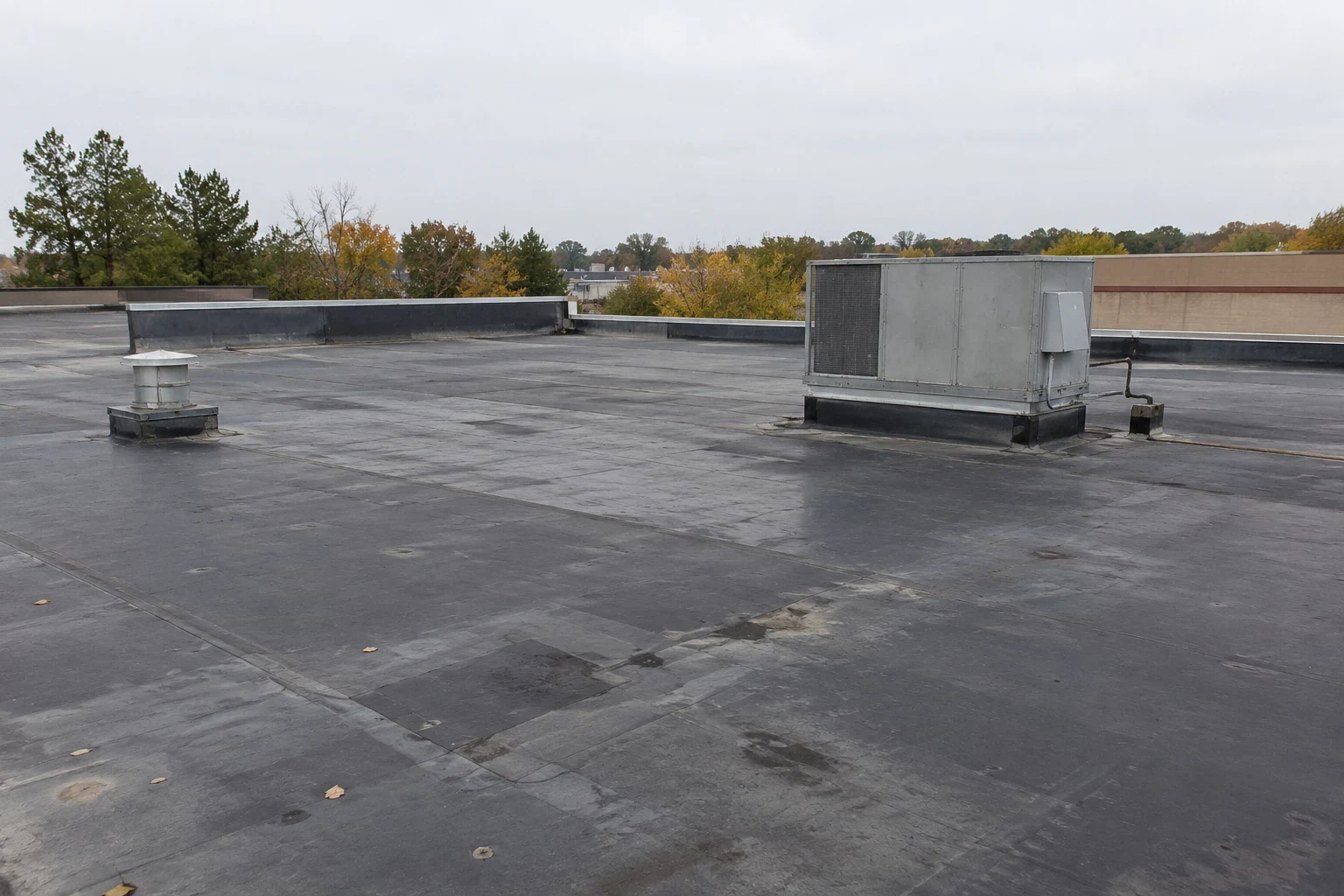
Rainwater held near a retail roof's equipment cluster can turn a localized flashing defect into exposure above an active sales floor. In Quincy, MA, we assess that connection alongside the interior layout and the route to the outlet. The repair boundary should follow the defect and concealed damage, while protection follows the goods and circulation below. A store's open trading area does not make the roof above it one uniform construction. Different equipment zones can have different failure mechanisms.
We repair and renew commercial retail roofs with customer access, stocking and equipment service considered in the work sequence. Quincy's preparedness concerns include flooding and hurricanes, making drainage and secure roof connections practical assessment priorities. The recommendation compares the actual assembly condition rather than inferring a repair scope from the building's property label. A bounded puncture on dry stable construction is a different decision from distributed leaks with wet insulation.
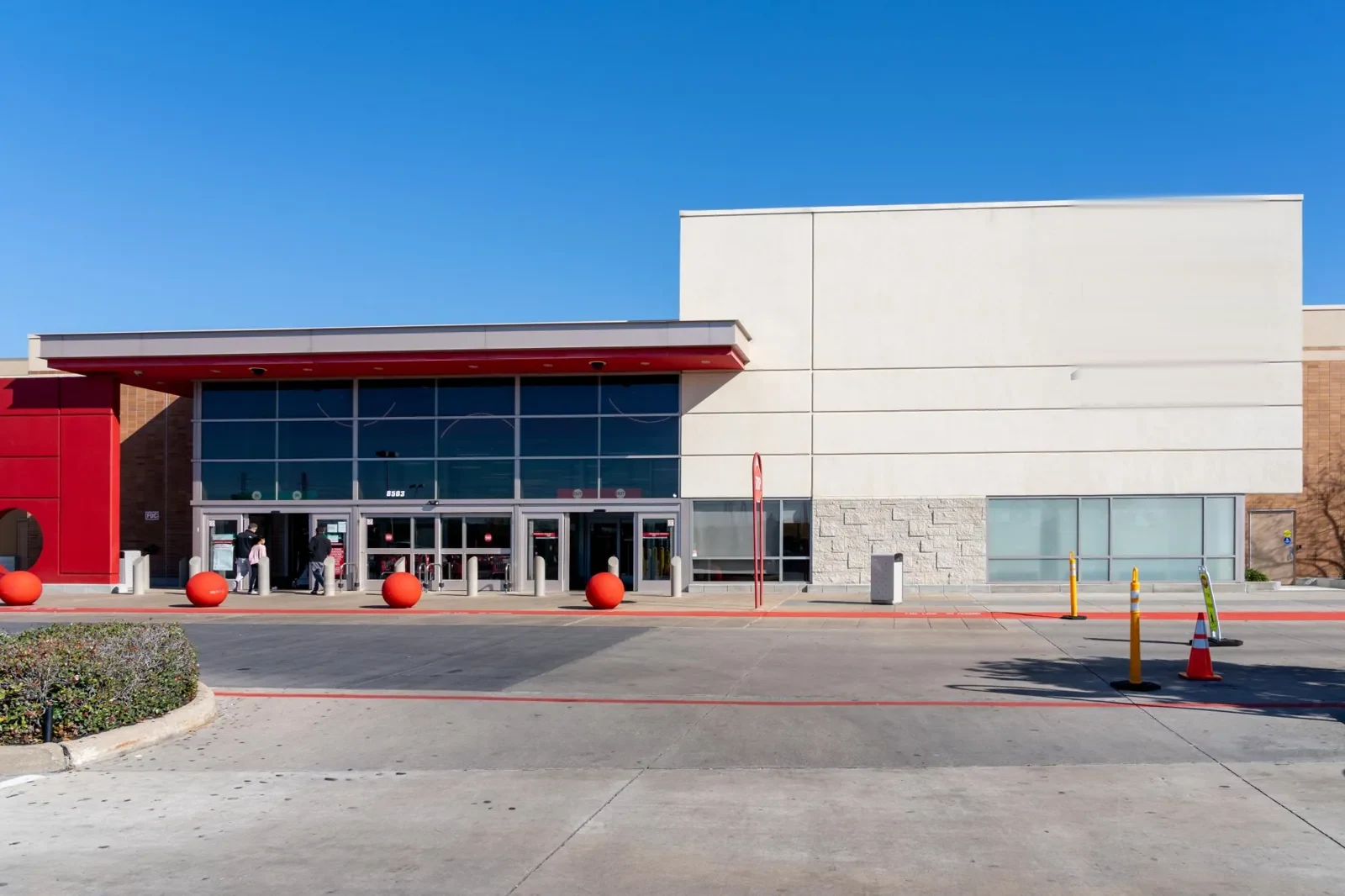
Keep exposure clear of active trading
A roof opening above merchandise can create water or debris exposure beyond the narrow area visible from above. We examine the defect while the property team identifies the affected stock, fixtures and circulation routes. Interior protection or temporary isolation may be needed before investigation opens the assembly. A clear arrangement prevents roofing work from relying on improvised protection after the task has started. The roof entry mechanism still needs a suitable repair.
Our retail roof repair work follows the failed connection and supporting condition. We distinguish temporary intervention from permanent construction, particularly where the interior needs immediate protection while concealed damage is investigated. Stocking activity and customer movement can also affect access beneath the roof. Those operating questions should be identified alongside the repair boundary rather than left as a separate problem for the store to resolve.
Assess the commercial access arrangement
Braintree's commercial stock includes South Shore Plaza, with regional highway connections supporting the wider area. A retail roof project needs an individual access and staging assessment whether the property stands alone or sits within a shared commercial setting. We examine the actual entrance routes, deliveries and roof access before locating lifts and disposal equipment. The presence of a retail destination is useful local context, while the property arrangement establishes the work plan.
Stoughton Technology Center includes retail alongside office, restaurant, commercial and housing activity. Mixed neighboring uses can affect exterior material handling and protection. Work in Braintree likewise needs a practical sequence tied to the site. A roof edge that permits a lift may still conflict with required deliveries or public circulation. Those constraints belong in the proposal before the renewal interval is chosen.
Repair where access concentrates wear
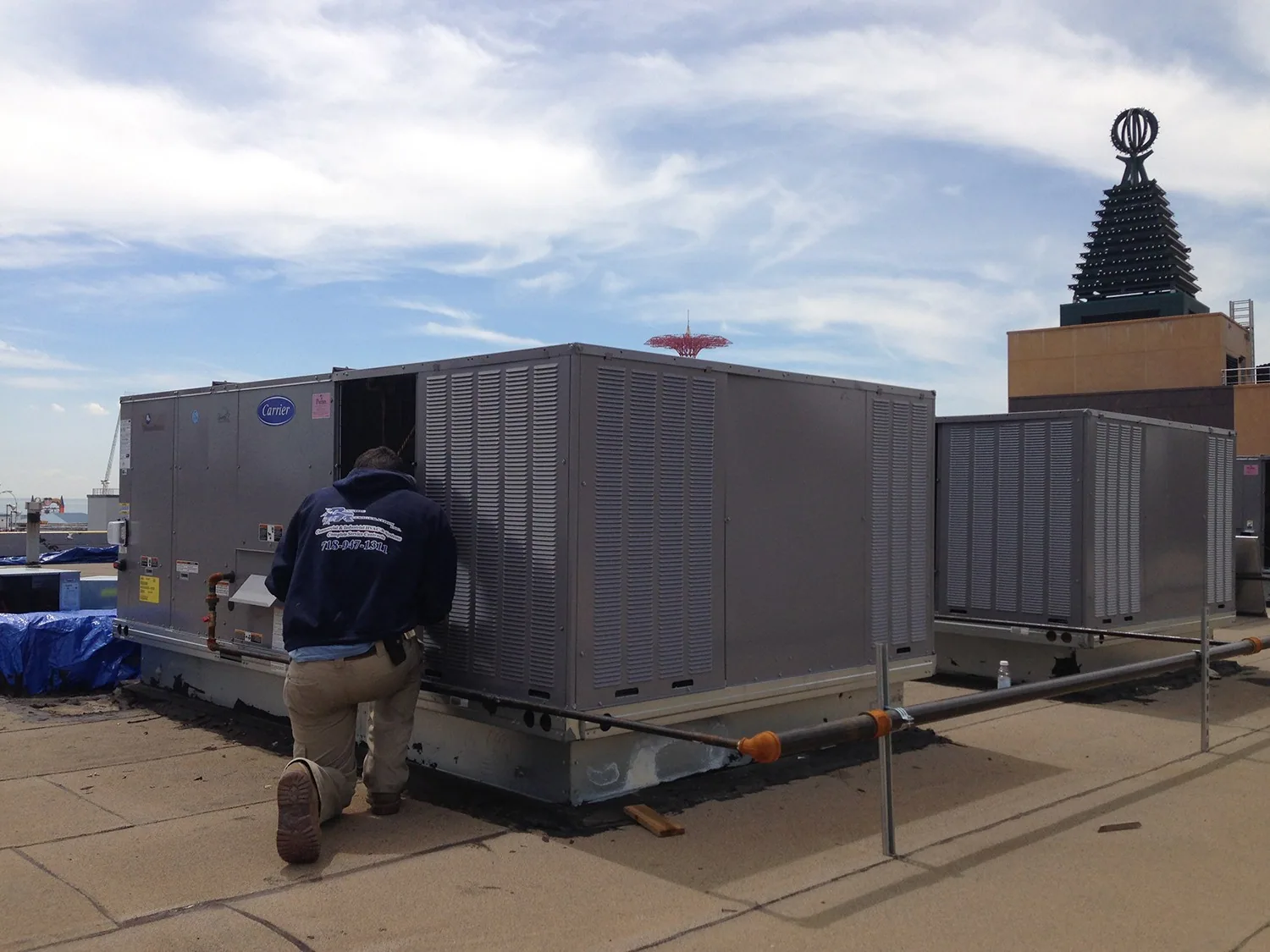
A repeated route from the roof hatch to an air-handling unit can concentrate punctures and abrasion. We examine the sheet, supports and flashing along that route. Suitable walk protection can reduce wear where it fits the assembly and remains clear of drainage. Sharp contacts and moving equipment need correction as well. A new patch below an unchanged damaging contact can leave the same problem waiting for the next service visit.
Our equipment-support and curb repairs address stability, receiving geometry and the water boundary together. If a unit is being replaced, changed openings or insulation height can affect the appropriate flashing detail. We identify those changes before the field membrane is installed. The completed construction should provide workable service clearance rather than make a technician step across a vulnerable connection to reach the equipment.
Examine the low points individually
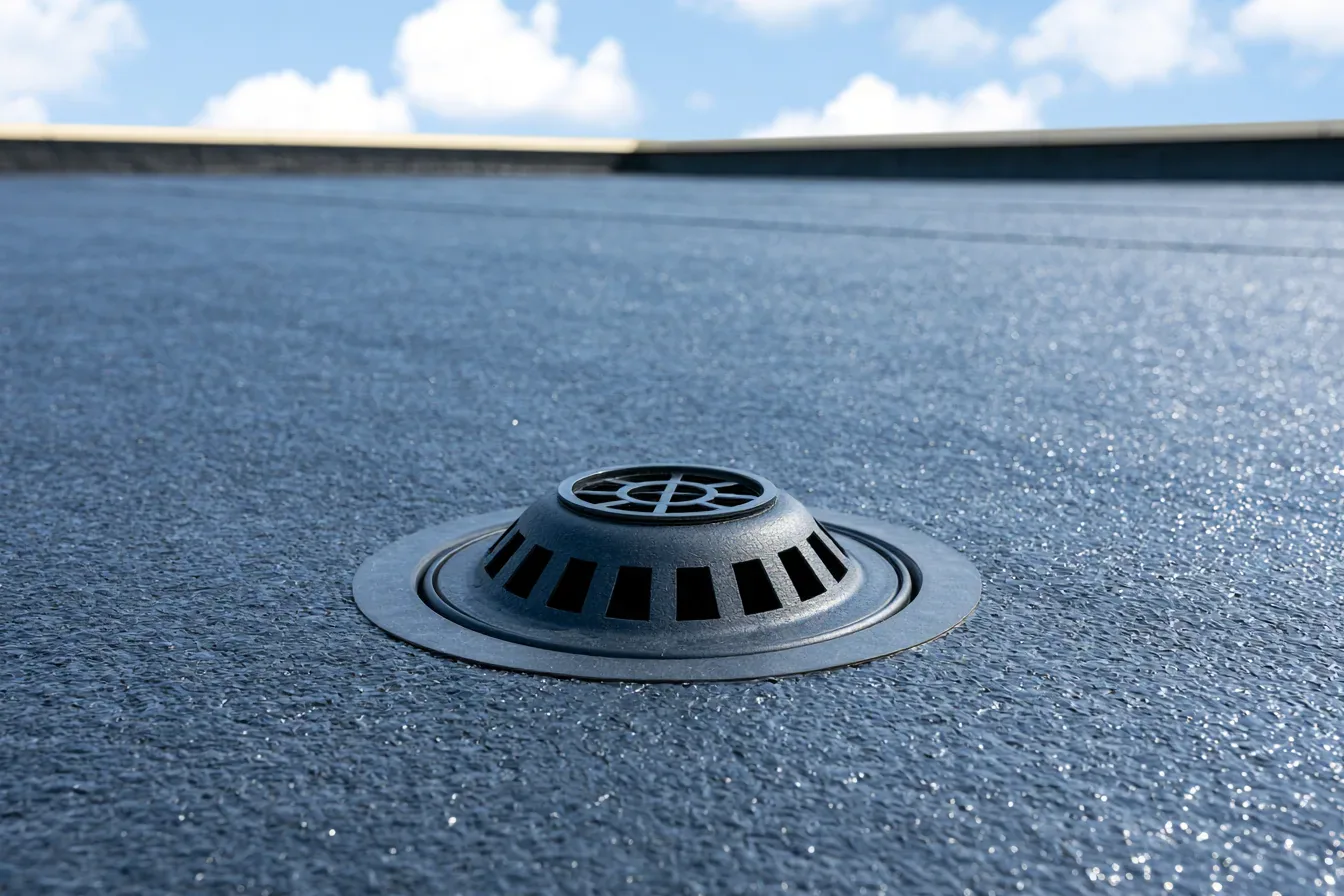
A clean outlet can still sit above a depression that retains water. We assess drain elevation, field slope and the membrane connection before recommending maintenance or correction. Debris clearing can restore an obstructed flow route. A geometry problem may need tapered insulation or other assembly work during renewal. Those findings should be separate so the owner can see why repeated cleaning alone would not correct the retained-water condition.
We connect outlet and overflow improvements with the finished roof plane. New insulation should not reduce flashing clearance or leave the drain above the water it is intended to collect. Winter accumulation can extend exposure at low-point defects during thaw, making accessible drainage details relevant to the maintenance plan. Repairing a membrane opening and correcting the water route are related tasks, but one does not replace the other.
Compare field condition with concealed damage
An apparently continuous roof surface can remain above compromised insulation or loose receiving material. We investigate suspect zones before selecting retention. A localized dry defect can support repair where the surrounding assembly is stable. Distributed moisture, deficient attachment or deteriorated deck areas can justify broader removal. The owner should understand the condition retained by each option, not just the appearance of the proposed finished roof.
We assess TPO roof assemblies and other suitable systems through attachment, insulation, drainage and detail requirements. Where store use includes food operations or refrigeration, grocery roof demands can add material and thermal questions. A property with multiple tenants may instead need the shared-transition assessment used in shopping-center roof work. The actual interior use determines which operating interfaces need examination.
Secure stages before the next shift
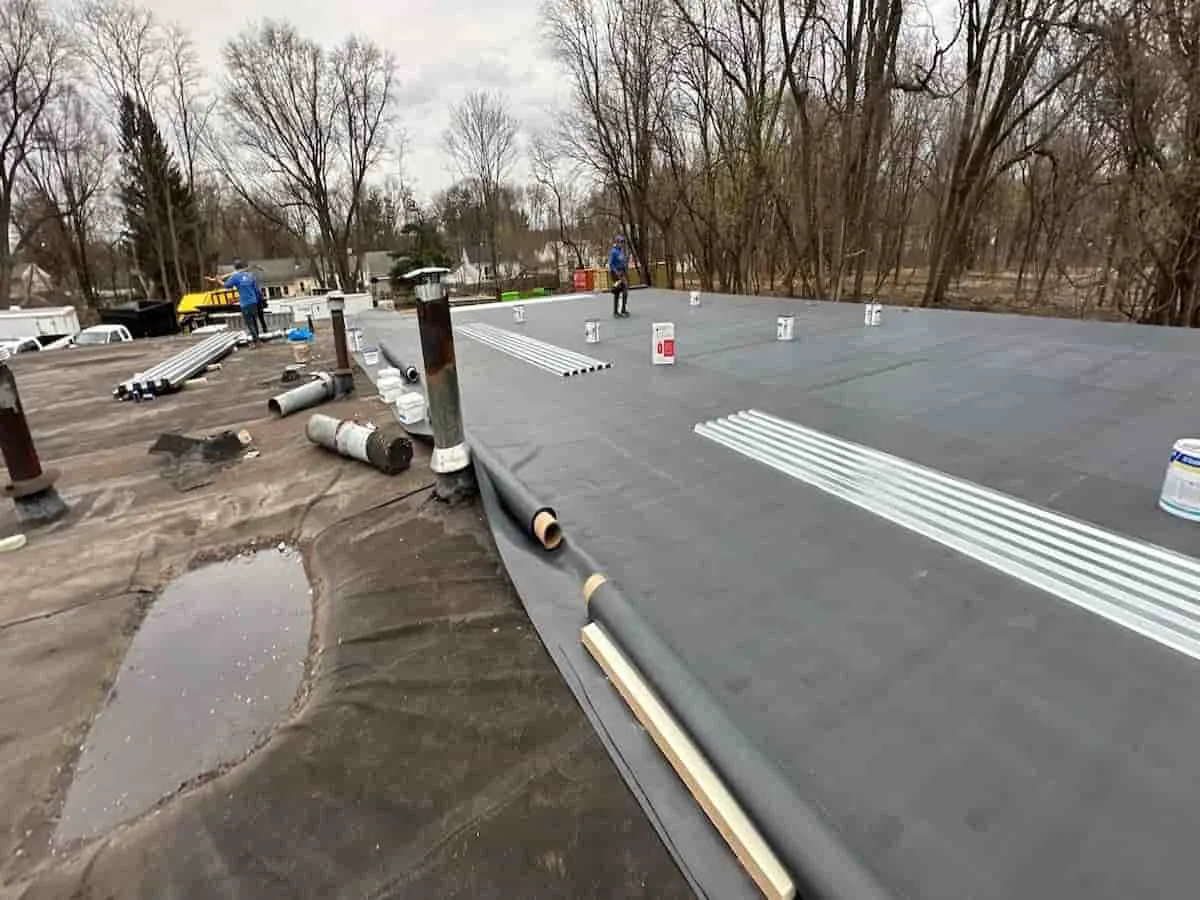
Retail renewal needs a daily removal boundary that can be brought to a suitable closed stage. Open field and equipment-dense roof zones can take different amounts of completion time. We assess those details, application conditions and the room layout below before selecting stages. The next operating shift should not be left dependent on an unfinished roof transition because a larger field area was opened than could be completed.
Material handling and disposal should also fit the store's stocking and public access arrangements. We identify any work interval or interior isolation required before removal starts. A staged sequence may be useful where roof connections and drainage allow a dependable division. Where concealed deterioration or difficult transitions resist a small-zone approach, the proposal should explain that constraint. The owner's choice should follow the physical roof and practical operating exposure together.
After installation, maintenance priorities include outlets, vulnerable equipment connections and service paths. We distinguish routine cleaning from damaged construction requiring repair. Later equipment work needs compatible materials and appropriate protection for the installed assembly. The finished scope should leave accessible details and a workable route for service, reducing avoidable contact damage while preserving the roof's water path.
Commercial Roofing Questions
Can a localized leak above merchandise be repaired while trading continues?
The repair method and interior protection need assessment before that decision. We identify the entry route, affected construction and the area below requiring isolation or protection. Some bounded work can proceed under suitable arrangements, while an opening through the deck may need a defined interval. The scope should make that distinction specific rather than promise unrestricted access under every task.
What should we inspect after repeated HVAC service damage?
Examine the service route, sharp contacts, support stability and adjacent flashing. We assess whether the membrane can receive a suitable repair and whether walk protection or an equipment correction is needed. Closing punctures without changing the source of repeated damage leaves the same failure mechanism active. The recommendation should address both the waterproofing and its use.
Does a reflective replacement remove the need for insulation investigation?
The retained layers still need a condition assessment. Wet or damaged insulation can undermine thermal performance and the stability of the receiving assembly regardless of surface color. We establish removal and reconstruction where warranted before comparing reflective options. A brighter covering is not equivalent to restoring concealed material that is no longer serviceable.
How should we compare retail replacement stages?
Compare the closure details, temporary boundaries, drainage and interior protection for each sequence. Smaller stages can be useful where the assembly provides workable divisions, but they may add repeated access or complicated transitions. We identify those consequences and the equipment zones requiring more detail time. The selected sequence should leave secure completed construction above the active store.