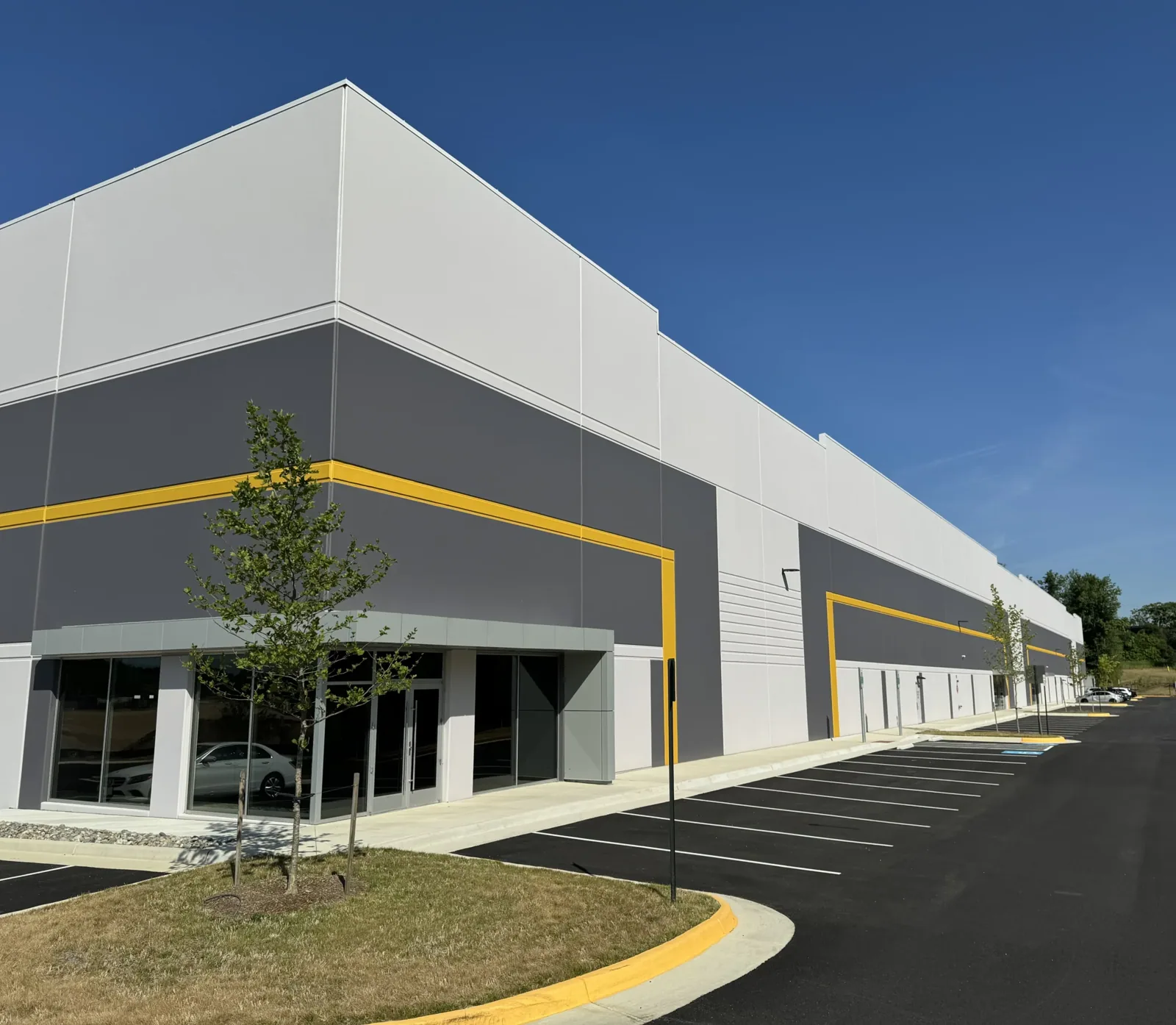
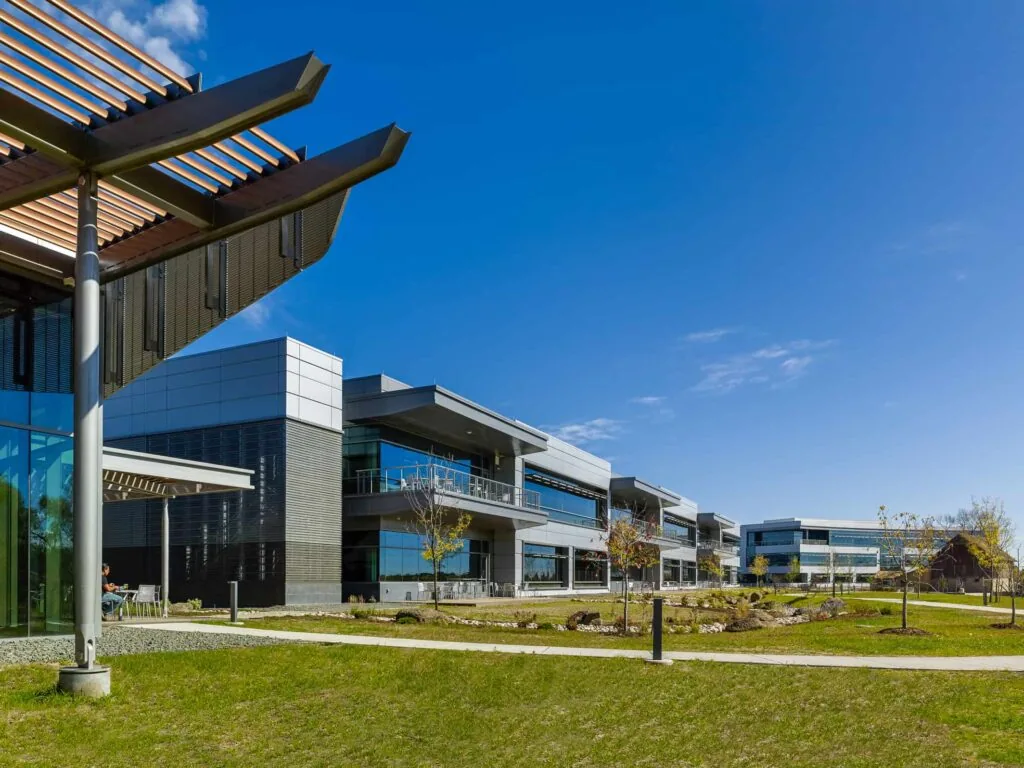
Warehouse Roofing in Quincy, MA
A slow thaw can leave water against a warehouse drain while stock beneath the affected area continues to move through the building. For a Quincy, MA, asset, the roof decision includes both the held water and what lies in its path below. We examine the outlet, adjacent membrane and supporting construction before defining a repair. Stored goods, electrical equipment and occupied work areas may need different protection. The roof's physical defect establishes the work; the interior arrangement establishes how that work can proceed.
The warehouse assessment accounts for the blizzard, nor'easter and flooding concerns included in Quincy's preparedness planning. On a warehouse roof, those concerns translate into practical checks at drains, wall connections and rooftop penetrations. We provide commercial roof repairs and renewal work with the inventory layout and building operation in view. A roof area above a clear aisle can offer a different construction sequence from one above densely stored goods, even where the visible membrane condition is similar.
Locate the affected stock zone
A leak over stored packaging presents a different immediate exposure from one over a washable service area. We examine the reported location and roof conditions while the property team identifies the goods and equipment needing protection. Active water entry may require prompt containment and a temporary roof measure while the permanent repair is established. The temporary measure should remain distinguishable from the completed scope. Interior protection does not eliminate the need to close the entry route above.
Rack height and layout can limit access to the underside of the roof. We account for those constraints when investigating deck condition and coordinating localized removal. Moving stock or isolating an aisle may be necessary for safe work beneath an opened area. The plan should identify those needs before roofing materials are lifted. A repair that appears small from above can affect a larger operating zone below if debris or water cannot otherwise be controlled.
Connect access with the roof boundary
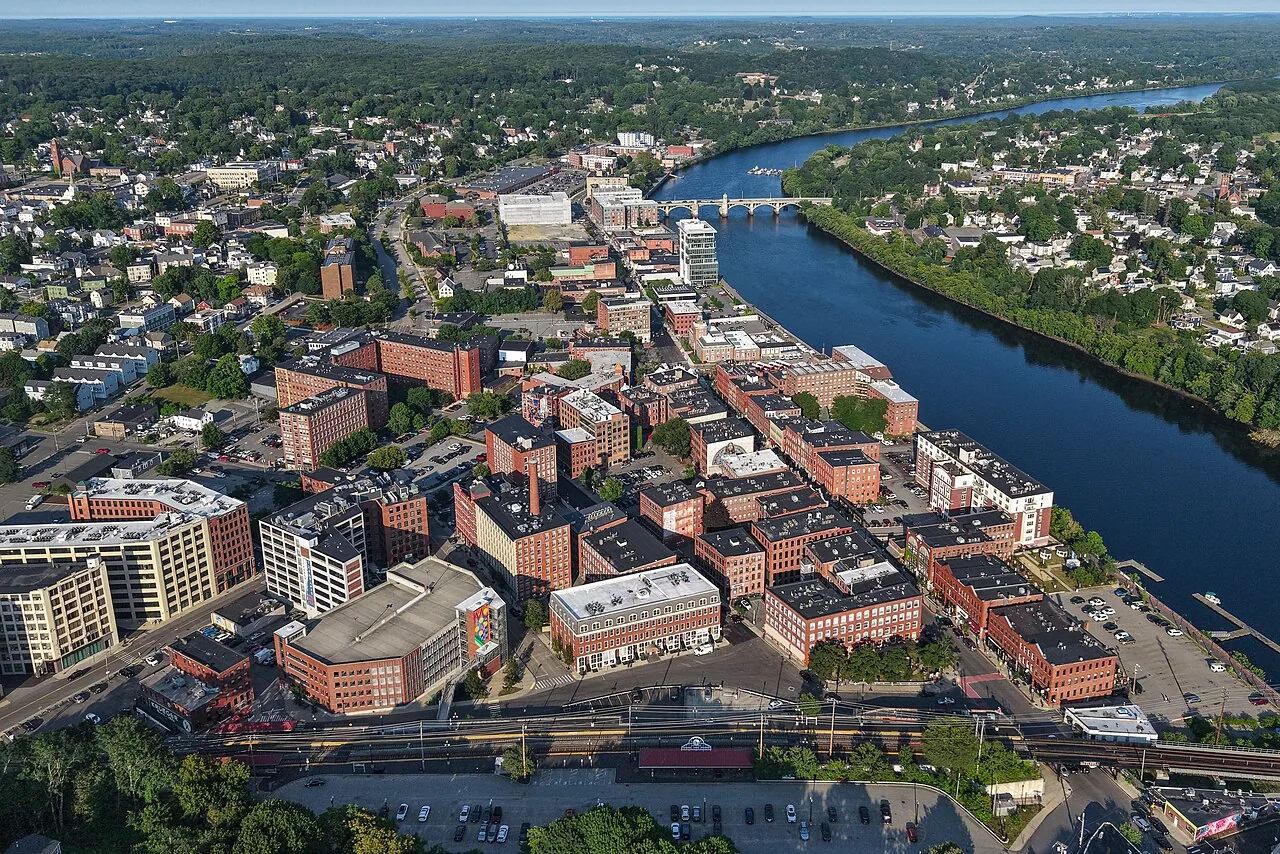
Avon Industrial Park has developed business areas around Bodwell Street, Wales Avenue and Page Street. Warehouse work within a broad industrial area can involve active deliveries, exterior storage and shared access routes. We examine the actual property arrangement before placing lifts, deliveries or disposal equipment. The roof's access position and the building's loading activity can limit where material should be staged. A convenient roof edge is not necessarily a workable delivery location.
Bridgewater's industrial development includes Elm Street and Scotland Boulevard, with regional road connections. For warehouse assets in those areas, we assess loading operations and the roof's individual condition rather than assume nearby buildings share an assembly. Work in Avon Industrial Park similarly follows the actual tenant activity. Material movement should be planned so roofing access remains safe without creating an unmanaged conflict at active loading doors.
Examine the outlet and its approach
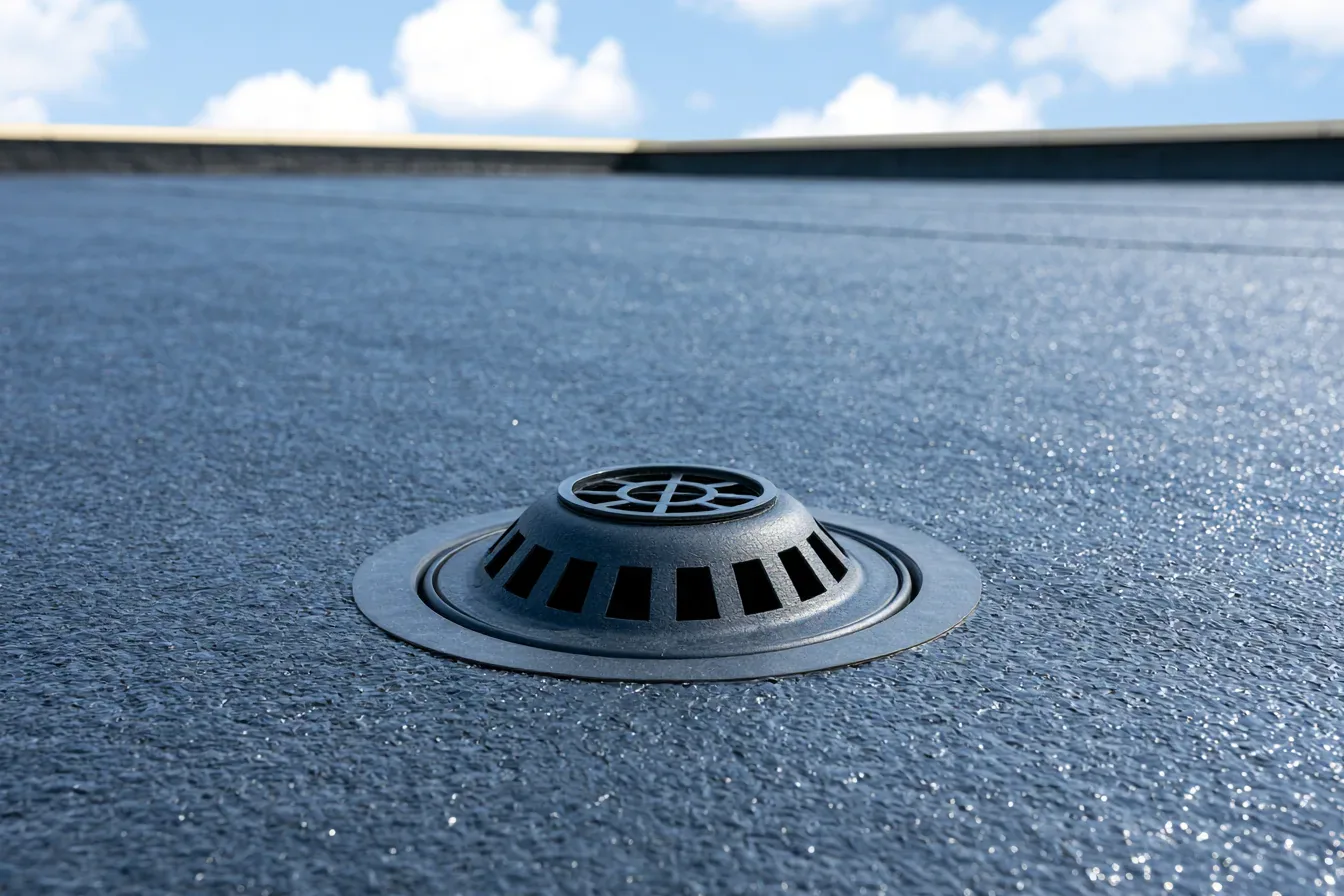
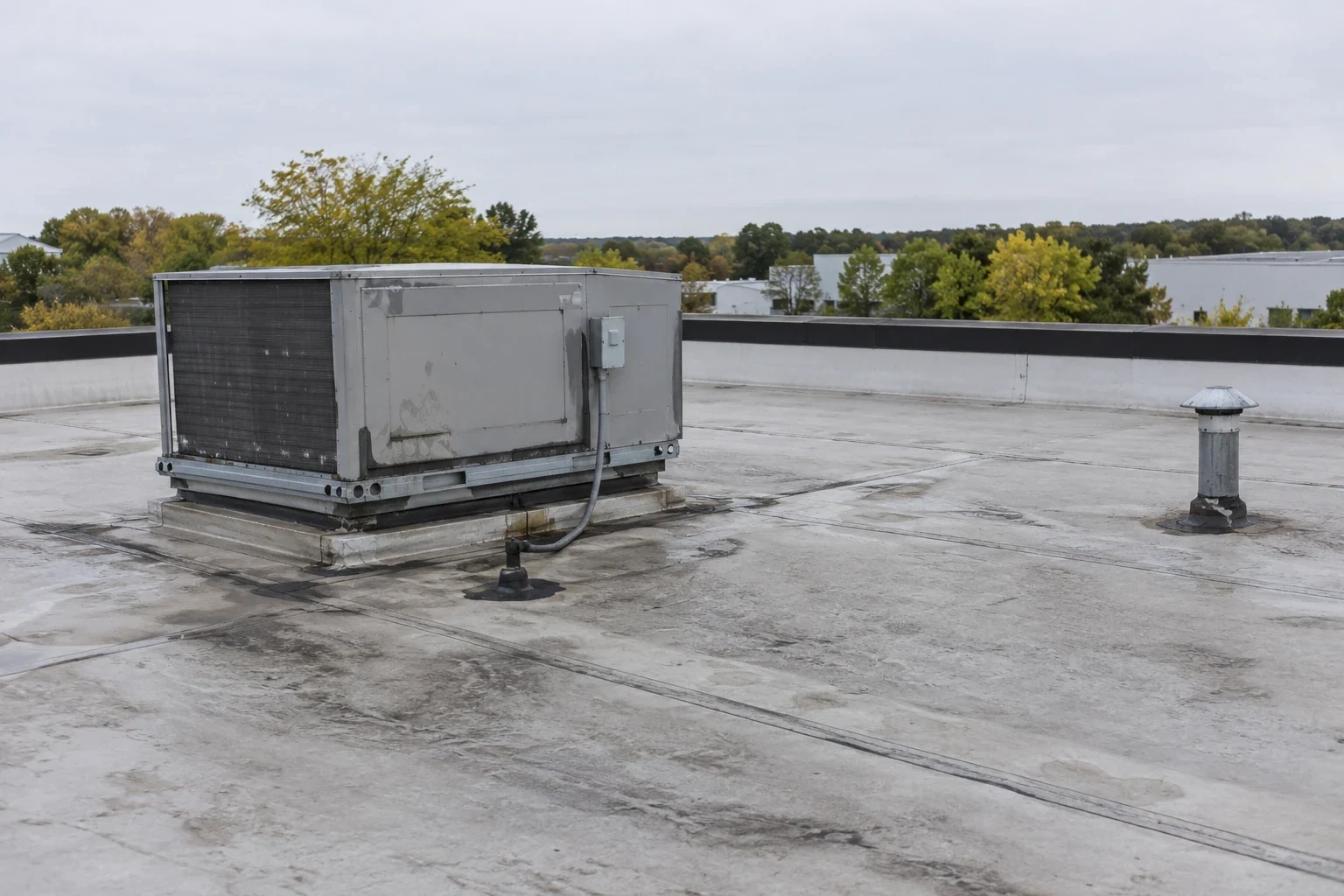
Debris caught at a drain can leave water spread across a low roof area after the rest of the building has drained. We examine strainers, drain connections and the elevations leading toward the outlet. A blocked drain can need cleaning; an outlet above the surrounding field can need a geometry correction. Those findings should not be combined into one maintenance recommendation. The scope depends on why water remains.
Our drainage and scupper work includes the roof connection as well as the flow route. A damaged drain flashing may leak even after debris is cleared. During renewal, insulation slope and outlet elevation can be addressed together. Overflow provisions also need examination in the context of the building's drainage arrangement. Keeping water moving can reduce prolonged exposure at defects, but active membrane damage still needs its own repair.
Inspect beyond the visible sheet
A soft membrane area or an interior deck stain can indicate damage that surface patching would leave behind. We investigate the insulation and deck where the findings warrant it, using selective openings and suitable survey methods. Dry, stable construction can support a localized repair. Wet or deteriorated components may require removal before the new water boundary is installed. The owner should be able to see that distinction in the proposed work.
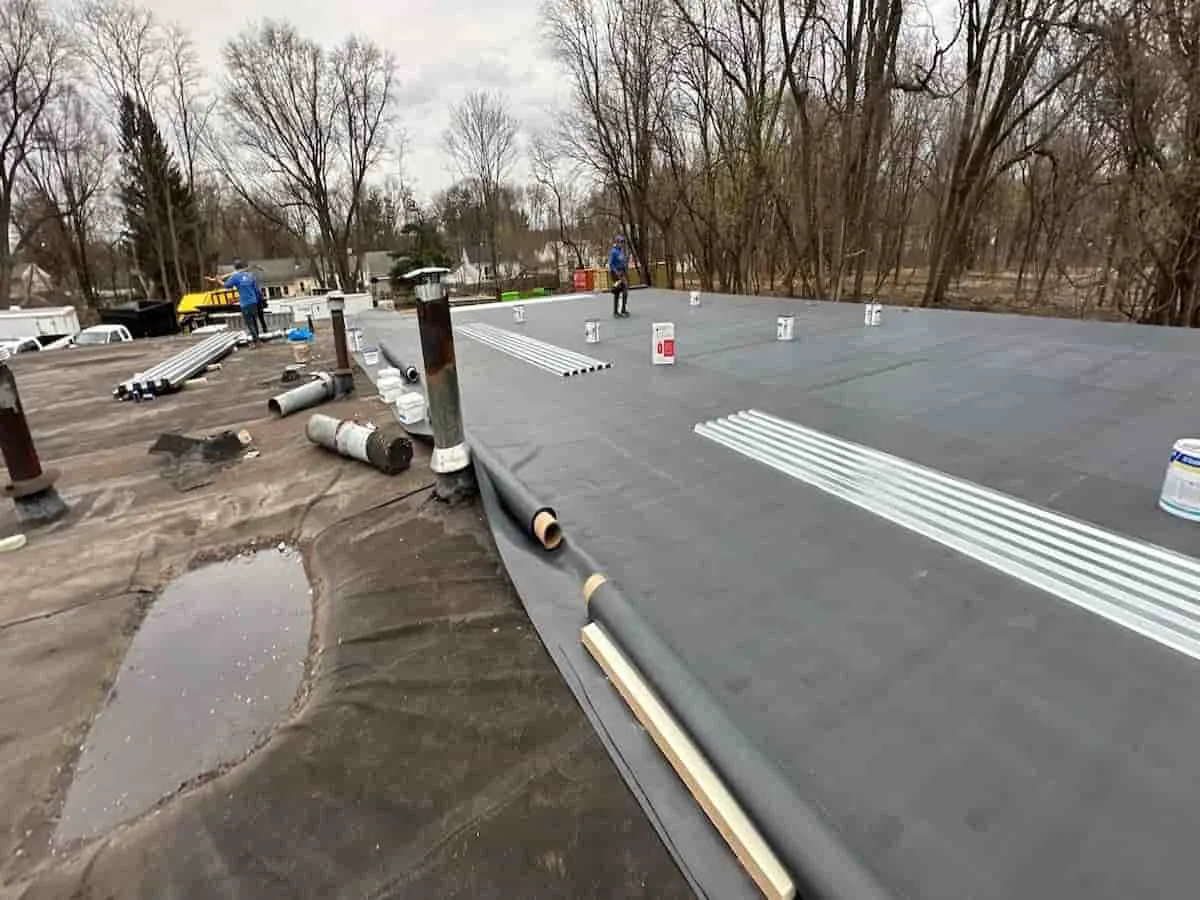
Warehouse roof systems differ in attachment, support and repair methods. We compare TPO membrane assemblies, layered bituminous construction and metal where appropriate to the actual roof. Deck holding, equipment openings and drainage affect the selection. A material change should address a building requirement, not merely replace one visible surface with another. Retained construction needs a condition assessment before it becomes the base of a new roof.
Reduce damage at repeated access points
A service route between the hatch and rooftop equipment can concentrate wear on a warehouse roof. We examine punctures, abrasion and supports along that route, then select compatible protection without blocking water. Loose equipment or a sharp contact can keep damaging the membrane after a patch is installed. Correcting that contact should accompany the waterproofing repair where it is contributing to failure.
Comparisons with distribution-center roof work become useful where loading and dispatch operations intensify the construction constraints. A warehouse used mainly for storage can present a different operating pattern from one with continuous order movement. We assess the individual building rather than infer the schedule from its property label. Manufacturing roof work adds other questions where production or exhaust occurs within the same asset.
Close only manageable work areas
Removing roof material exposes both the deck and the interior activity below. We define daily work boundaries by the construction that can be completed and secured in suitable conditions. Penetration-dense zones may require more time than open field. Inventory protection, equipment requirements and weather closure need to follow that difference. A uniform area target can be a poor basis for sequencing unlike portions of the roof.
The repair threshold reflects defect distribution, moisture condition and the stability of the existing assembly. Several isolated punctures can support a focused repair plan. Distributed failures with wet insulation can justify wider renewal. We explain what each option retains and what it removes so the asset manager can compare useful remaining service without relying on an unsupported lifespan estimate. The decision should also identify drainage or access improvements that prevent the new roof from inheriting avoidable damage.
Commercial Roofing Questions
What changes when the leak is above stock that cannot get wet?
Interior protection and movement of affected goods become immediate operating tasks alongside roof investigation. We examine the water-entry route and determine a suitable temporary or permanent repair response. Stock protection should not depend on waiting for a complete replacement decision. The permanent scope then addresses any damaged membrane, insulation or deck identified during the assessment.
Can a warehouse roof be renewed one storage zone at a time?
A staged approach may be appropriate where the assembly allows workable temporary boundaries and the operating layout supports it. We assess drainage, roof connections and daily closure before defining stages. Some transitions or widespread concealed defects can make a small-zone sequence impractical. The recommended boundary should protect both the retained roof and activities below.
Does a clear ceiling stain identify where we should patch?
We investigate the roof connection and water path rather than assign the patch from the interior mark alone. Water can move through or below the assembly before becoming visible. The inspection includes nearby penetrations, drainage and concealed moisture where indicated. A useful repair closes the entry mechanism and removes damaged underlying material when necessary.
How should we compare warehouse repair and replacement scopes?
Compare the defect extent, retained insulation, deck condition and drainage corrections included in each option. Then compare inventory protection and construction sequencing. A repair can restore a bounded area of sound roofing, while replacement may be needed where deterioration is distributed. We explain the components remaining in service under each proposal so the operational and physical differences are clear.