Commercial Roofing in Avon Industrial Park, MA
The Avon Industrial Park is a multi-company district with access organized across Bodwell Street, Wales Avenue, Page Street, Ledin Drive, Strafello Drive and Doherty Avenue. That broad footprint makes delivery and roof access a property-by-property question. We confirm the correct entrance, staging area and approved path to each building, then inspect the actual membrane, seams, drains and edge details. The district inventory's redevelopment potential does not say what is built at a particular roof or how many layers it carries. The owner gets a condition record tied to the building inspected.
Map Access Across the Park
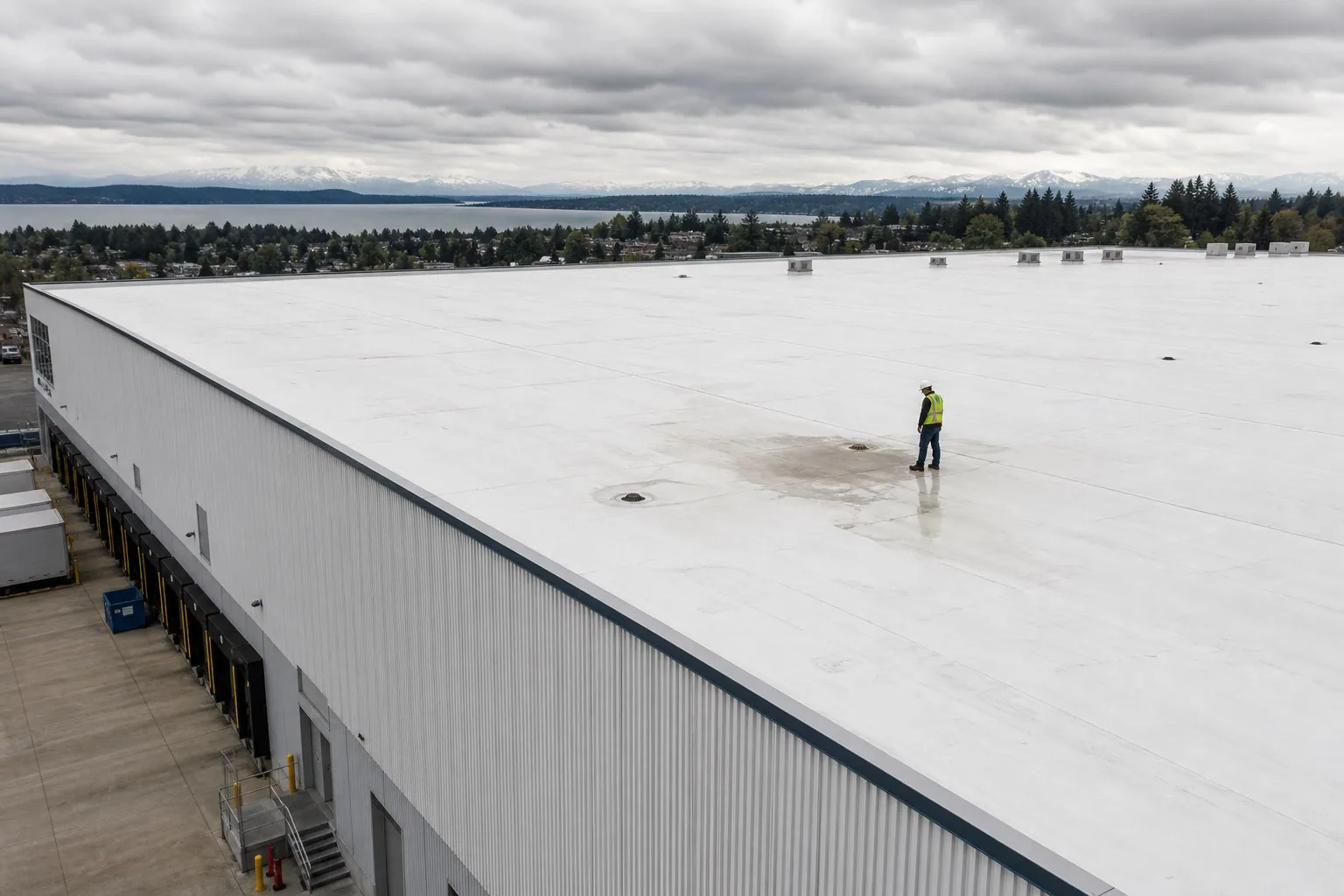
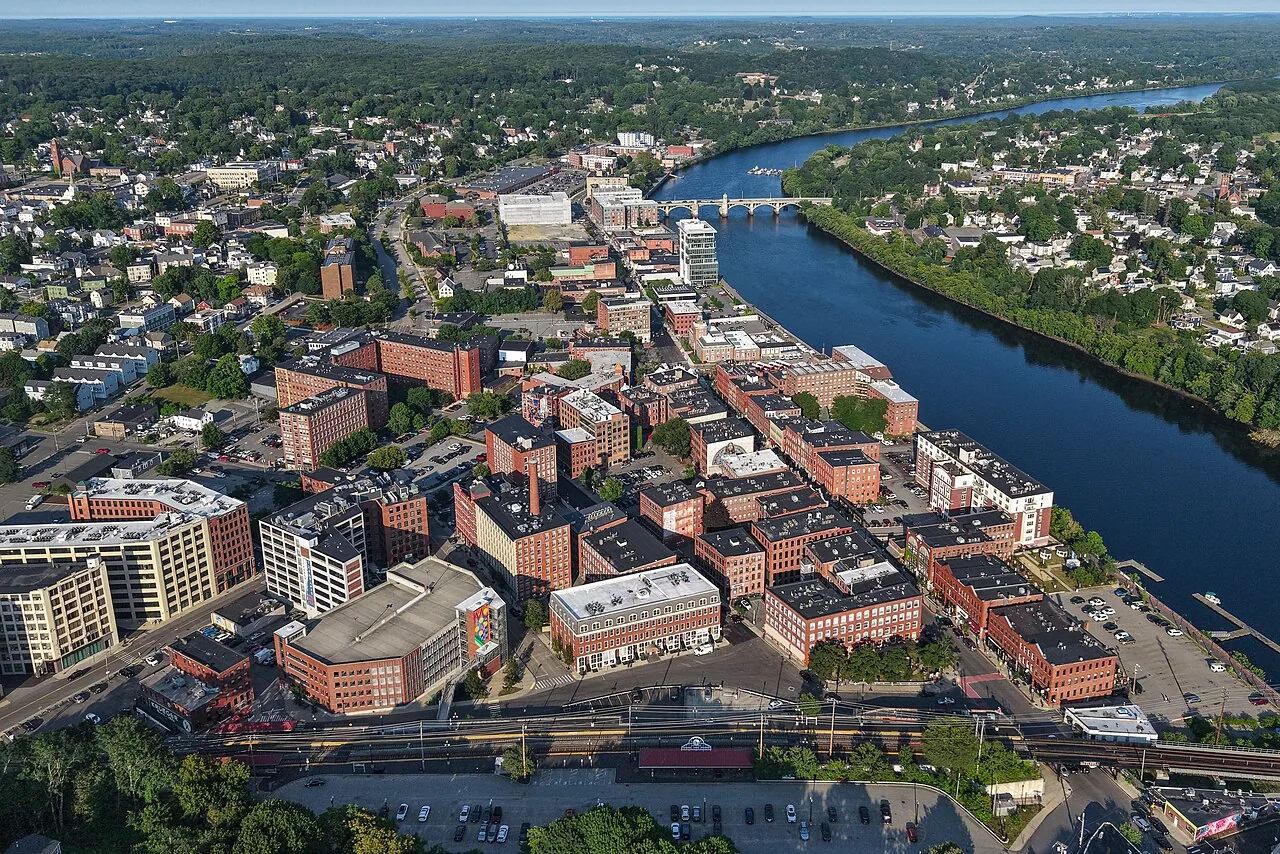
The park has immediate Route 24 access at Harrison Boulevard. That connection helps a crew reach the district, but the property controls where a truck can wait, where a lift can set and how materials move to the roof. We ask the site contact to confirm each rule before mobilization. Across a multi-company area, deliveries should not block a neighboring operation or use another tenant's loading route without approval. An obstructed bowl may be resolved through drain and scupper repair before any field membrane work.
The six named streets create several possible approaches. We confirm whether the building fronts a shared drive, whether a receiving dock remains active and which ladder or hatch can be used. Roof access is not inferred from an industrial inventory. A marked access plan keeps visitors, warehouse vehicles and crew movement apart, and clarifies how debris will leave the work zone at the end of each shift. When layers and substrate permit, a recover feasibility review can compare overlay with removal.
Inspect the Assembly in Place
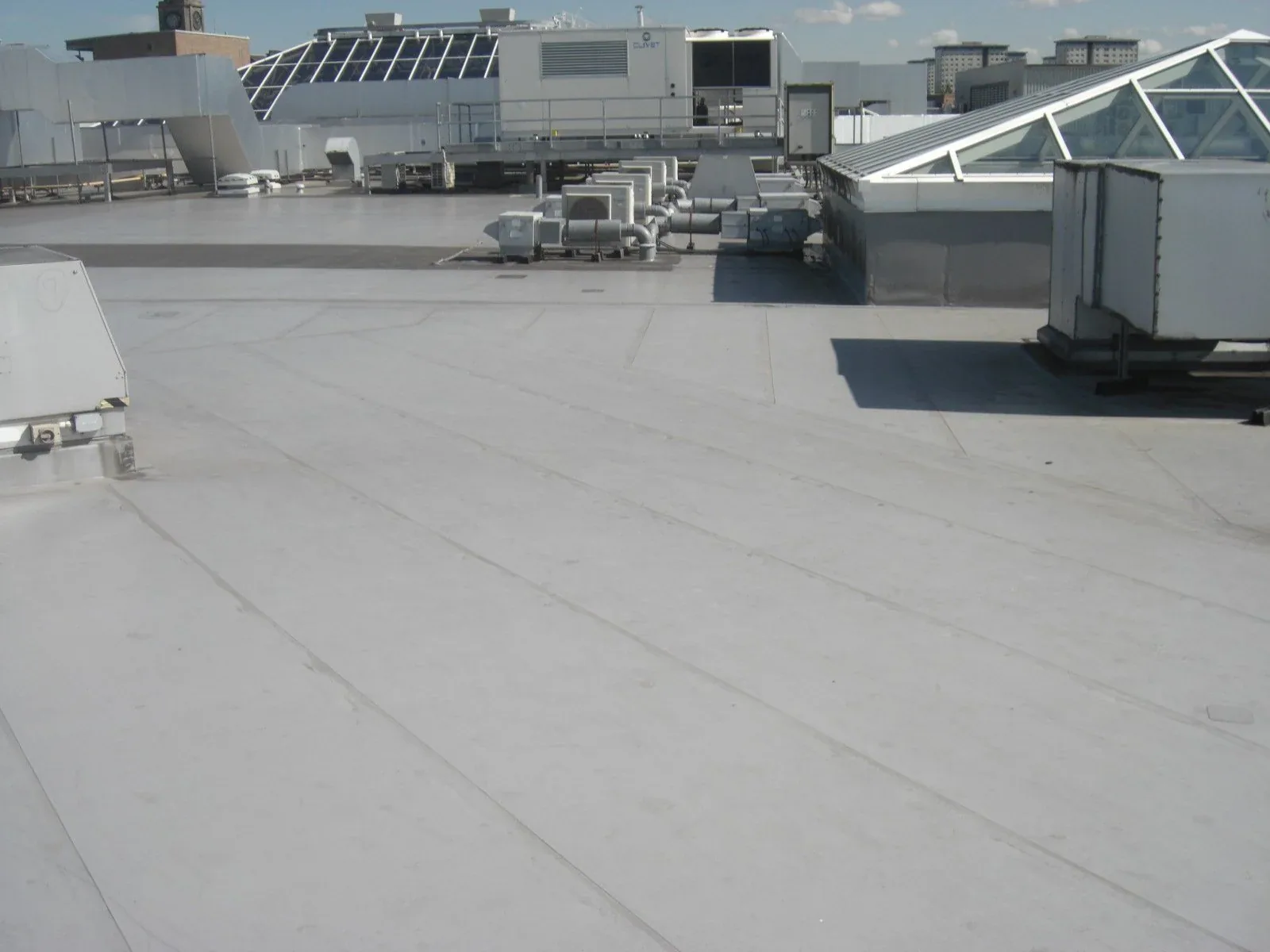
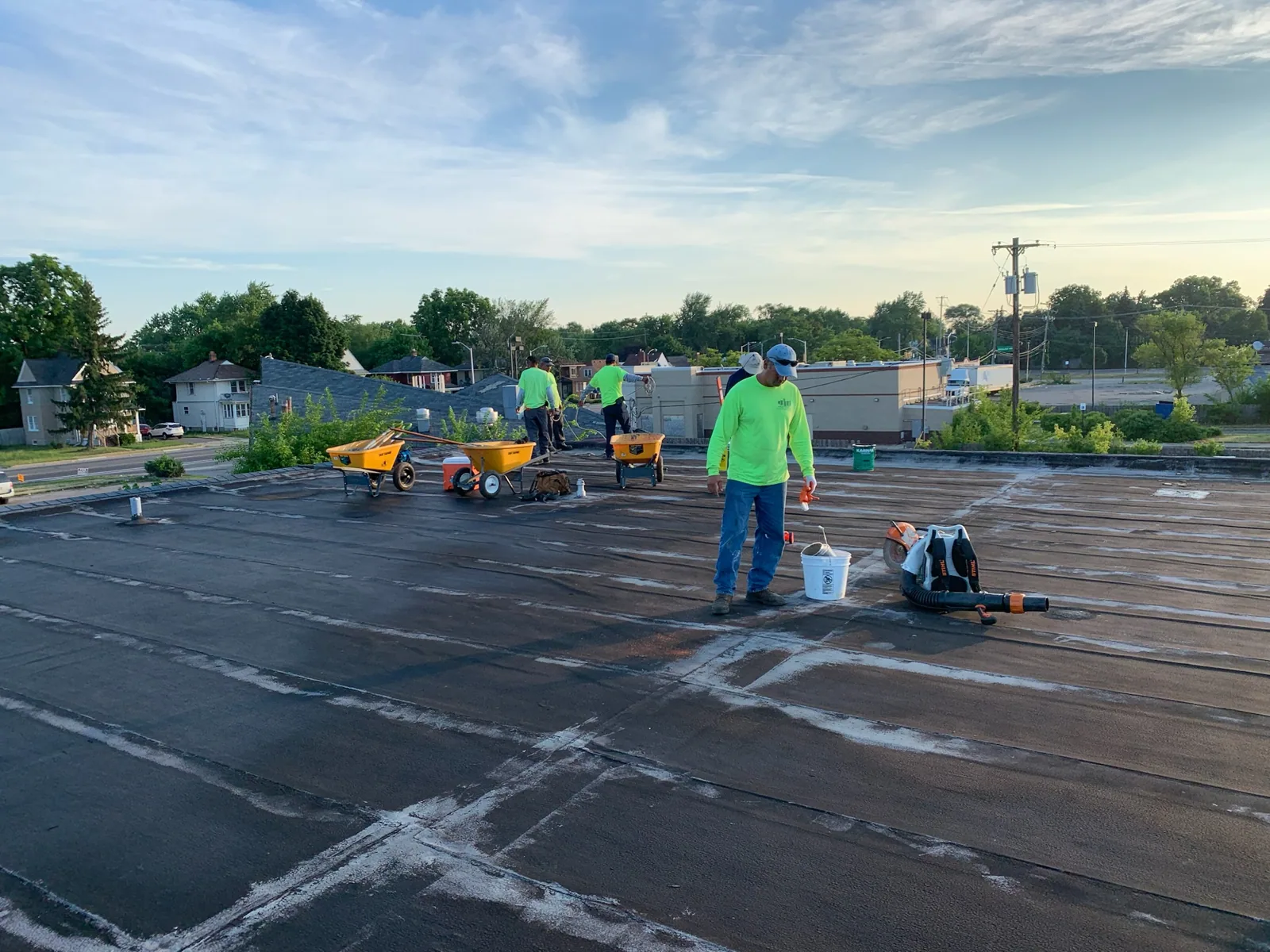
A business park does not have one standard roof. One building may have a thermoplastic membrane, another a metal system and another an older multi-layer assembly. We identify the material and layers at the roof under review, then photograph seams, curb corners, drains, wall transitions and prior patches. Those details determine compatibility and the repair boundary; the district's general industrial use does not. Where the surface does not reveal the boundary, moisture mapping may help define a targeted opening.
When water appears indoors, the stain is a clue rather than a roof map. We compare its reported timing with slope, outlet placement, penetrations and wall details. A leaking curb and a slow drain require different corrections. If readings suggest moisture beneath the surface, the inspection states the area that needs additional testing. The confirmed repair remains separate from a potential removal area until an opening or survey resolves that question. Active tenants can be considered through occupied-building reroofing and its daily closure plan.
Coordinate Multi-Company Operations
In an industrial park, a work plan can affect the tenant next door even when roof ownership is separate. We confirm site-specific delivery hours, shared-lane rules and any loading activity that cannot be interrupted. If adjacent businesses rely on a common route, the property representative can establish temporary barriers and material windows before equipment arrives. A schedule based on that conversation is more useful than assuming every company keeps the same hours. A broader capital choice can be compared with replacement planning after the layers are documented.
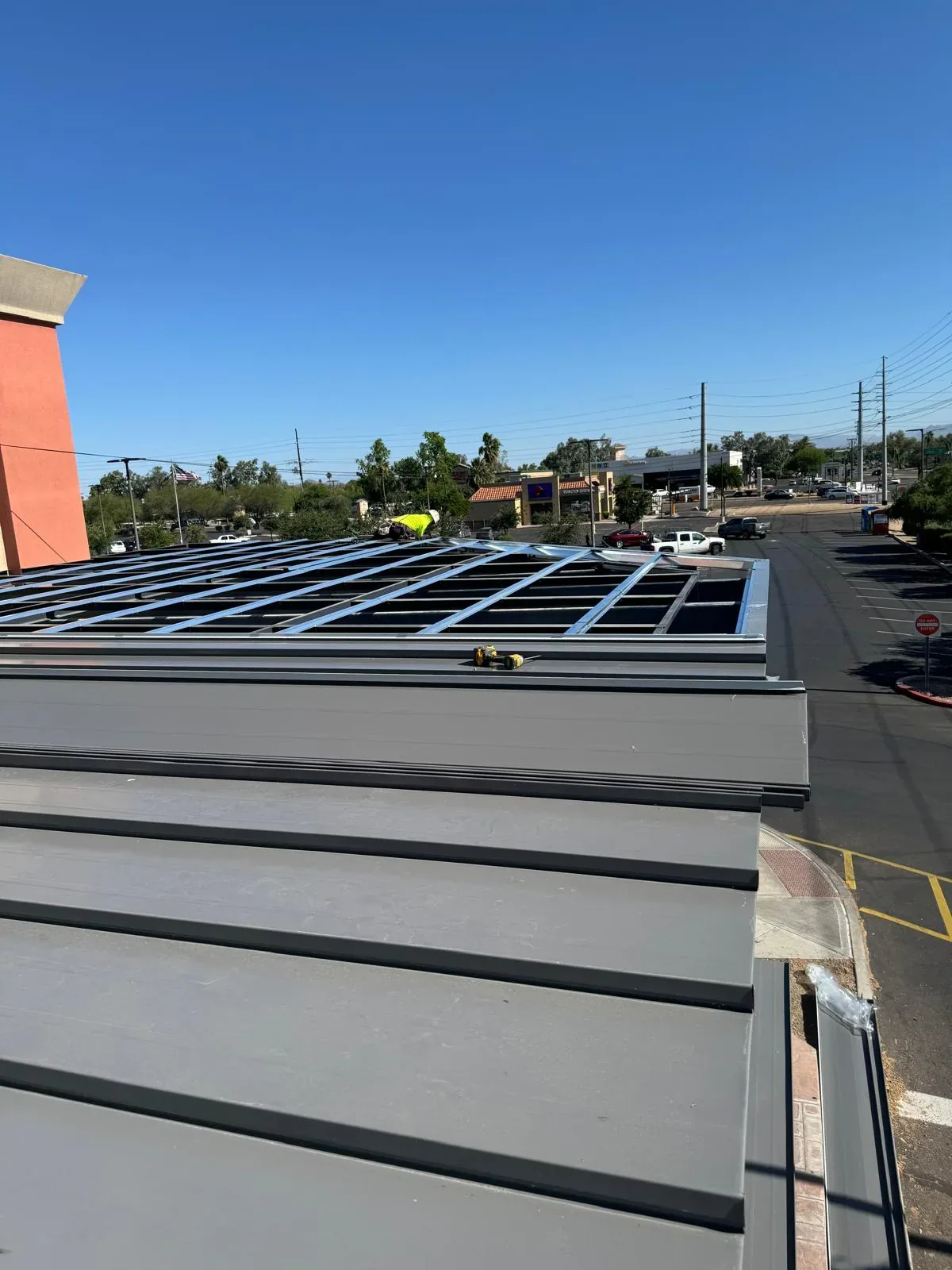
Rooftop equipment creates another handoff. HVAC units, conduit, vents and supports can require another trade before flashing is changed. We document which details interrupt the roofing path and note any shutdown or access dependency. For an occupied building, the plan sets daily work boundaries and temporary weather closure. The owner can see which sections remain in service and which should be inspected after a trade completes its work. If the inspected building has a metal roof, standing-seam metal roofing offers a system-specific comparison.
Use Findings to Set the Scope
A small puncture on stable membrane can support a localized repair. Repeated open seams, wet insulation or a deteriorated deck can change the decision. We mark what is directly visible and explain what test would confirm concealed conditions. That distinction helps an owner authorize urgent water control without turning a suspected area into a measured scope. It also makes the next capital review easier because each line item has a condition and a purpose. A regional record may sit beside Randolph roof service when the owner's portfolio crosses town lines.
Recover feasibility depends on layer count, moisture, deck capacity, drainage and final height. Replacement provides broader access to the substrate and can allow insulation corrections, while removal expands staging and protection. We compare both routes after the assembly is mapped. A surface coating may be appropriate on a compatible, dry substrate, but cannot correct an obstructed drain or concealment beneath the membrane. The recommendation should explain which requirement controls the selection. The same review fields can serve Braintree commercial roofing without carrying assumptions from one property to another.
Protect the Water Path
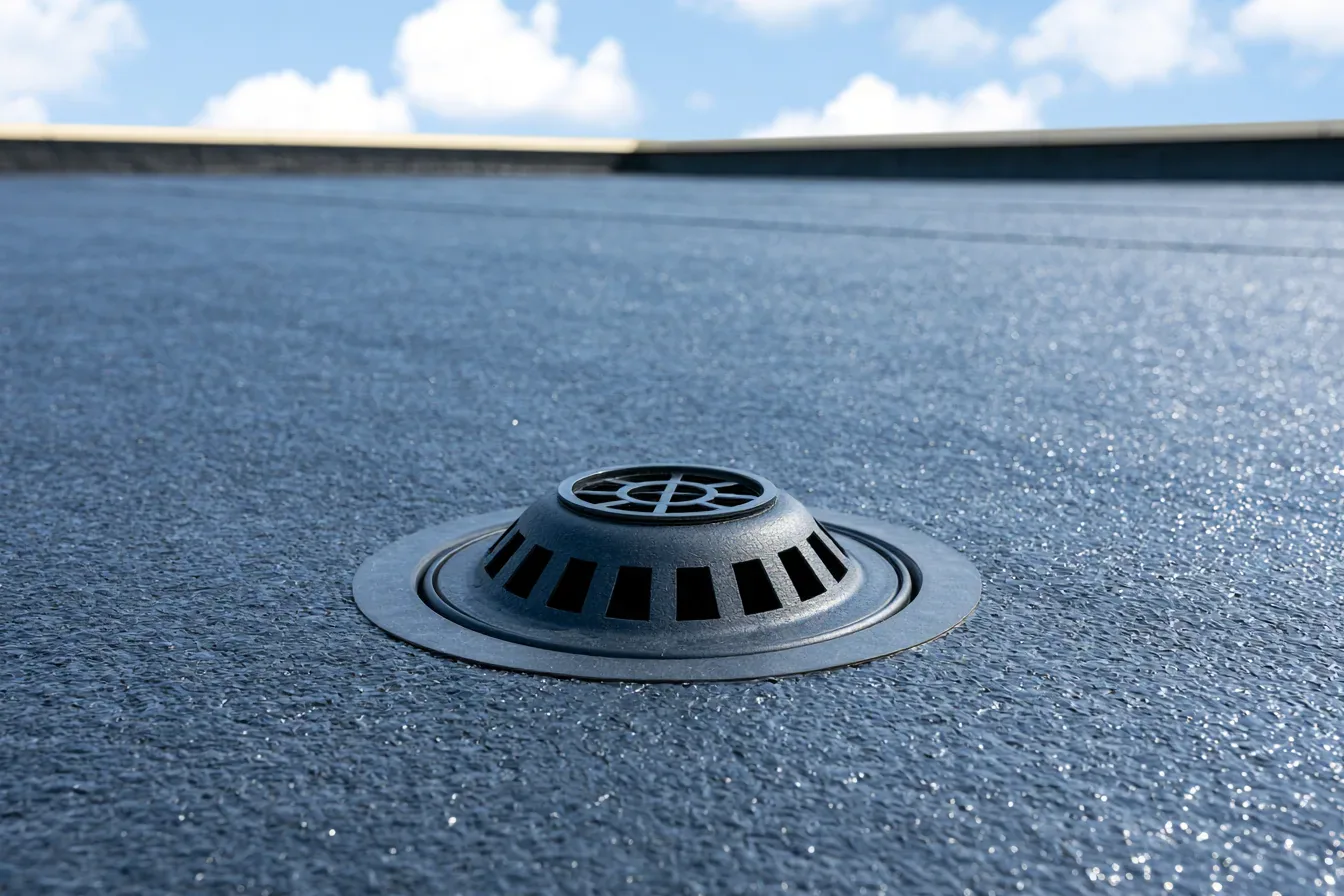
The park inventory notes redevelopment potential, but it does not give a roof area or describe future construction. Existing water management still begins at each roof's slope and outlet. We check strainers, drain bowls, overflow paths and low points that can hold water around a seam. If the exit path is blocked, applying a coating or another surface layer will not restore drainage. The report records the outlet condition and the correction that addresses it.
Seasonal inspection can return to the same drains and perimeter details after a repair. Dated photographs show whether the patch remains bonded, whether a sealant joint opened again and whether service debris has accumulated. A dry top surface does not prove that insulation is dry beneath it. If that question matters to the scope, we keep a moisture survey or selective opening as a separate step and record the result before changing the renewal recommendation.
Keep the Record Useful
A property manager may oversee several businesses in the district or sites elsewhere on the South Shore. The report labels roof zones, pairs photographs with findings and ranks open items by service priority. A later manager can locate the same seam or curb without relying on memory. If the building has a reported leak history, the dates stay attached to the affected area. Unresolved moisture remains labeled as unconfirmed until a test produces an answer.
The regional comparison can include Braintree or Randolph without implying they share the same roof or access rules. We use consistent condition fields and retain each property's location and assembly. That helps an asset manager compare timing, required trade coordination and operational effect. A follow-up can then confirm whether the repair held, whether another detail changed and whether a larger capital decision remains necessary.
Commercial Roofing Questions
Does Route 24 access determine where a crew can stage?
No. The highway connection identifies a route into the area, while the building representative approves the loading point, shared-drive use, lift position and roof entry. We confirm those details for the specific company property before scheduling material delivery.
Can work proceed while nearby tenants are receiving goods?
We coordinate only the routes and hours that the property contact confirms. If deliveries use a shared lane, a barrier and material window can keep the roofing operation from blocking active receiving. The work zone remains tied to the building being serviced.
What does the industrial inventory say about an individual roof?
It identifies a multi-company area and its general development potential, not a roof's construction, size, age or condition. We inspect the assembly and measure the actual issue at the building before recommending repair, recover or replacement.
When should we investigate below the membrane?
A survey or selective opening is useful when the suspected moisture area would change repair limits or renewal scope. We show what the inspection confirmed, what remains uncertain and what the test should establish. The owner can approve that step separately from urgent leak control.