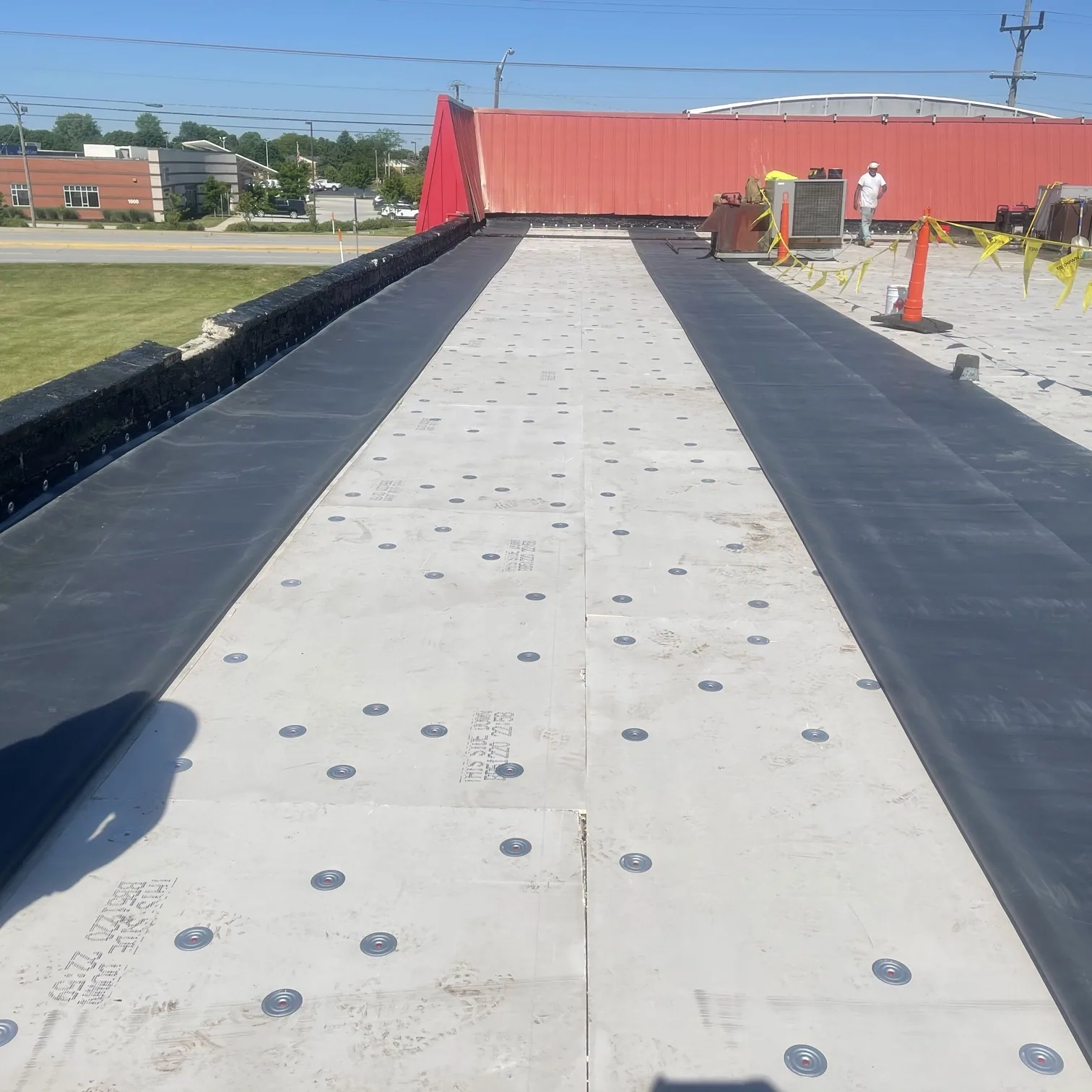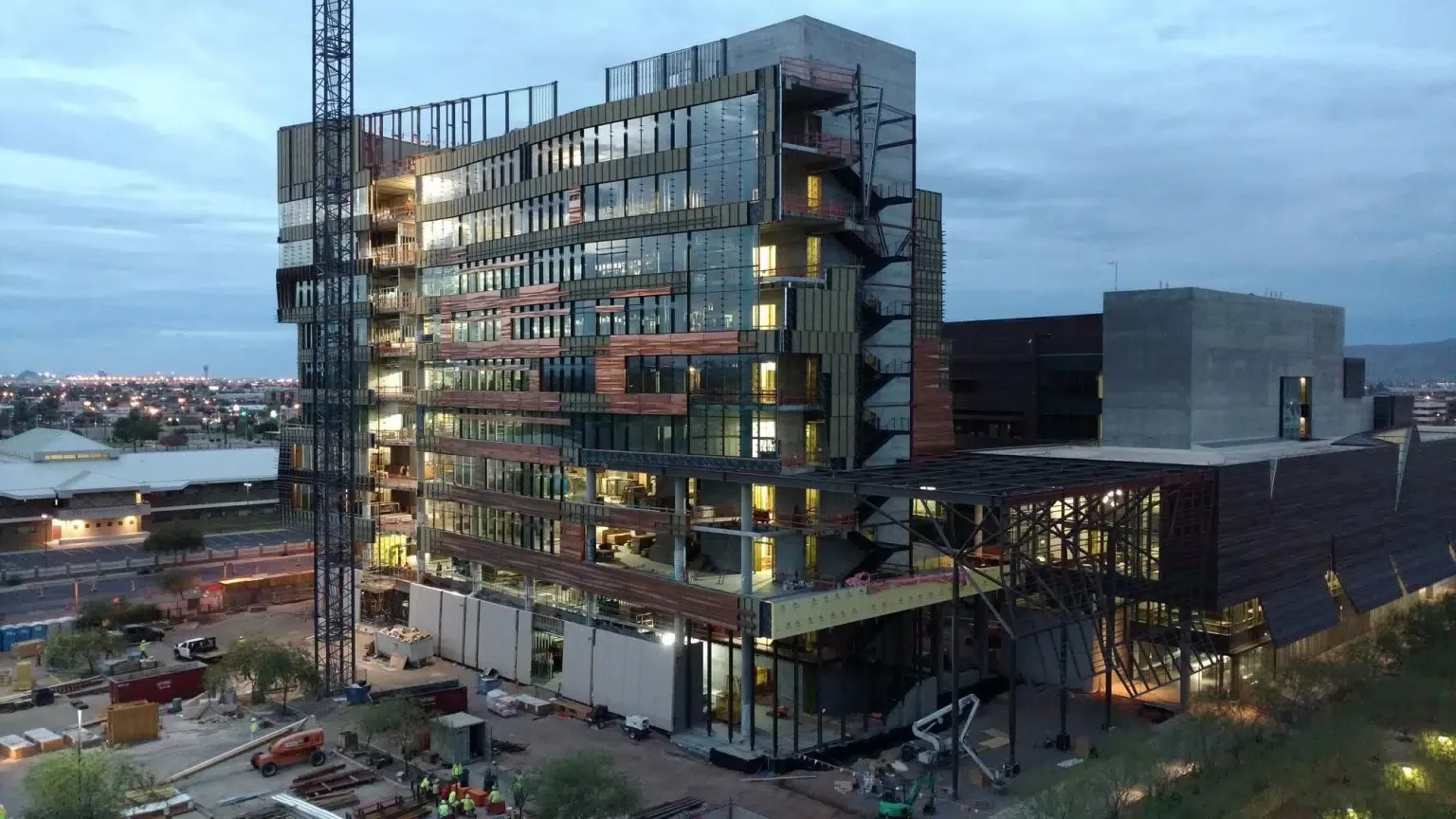
Commercial Roofing in Avon, MA
Avon's Route 24 access and separated industrial setting make the work route worth planning before a roof section is opened. The town describes Avon Industrial Park as near the highway and set apart from surrounding residential neighborhoods; that fact identifies a land-use pattern, not a property's roof system. We inspect the assembly, drainage, flashing and edges at the actual building, then compare those conditions with the reported leak and operations schedule. The owner can see which correction addresses active exposure, which question calls for testing, and how renewal would affect access and timing.
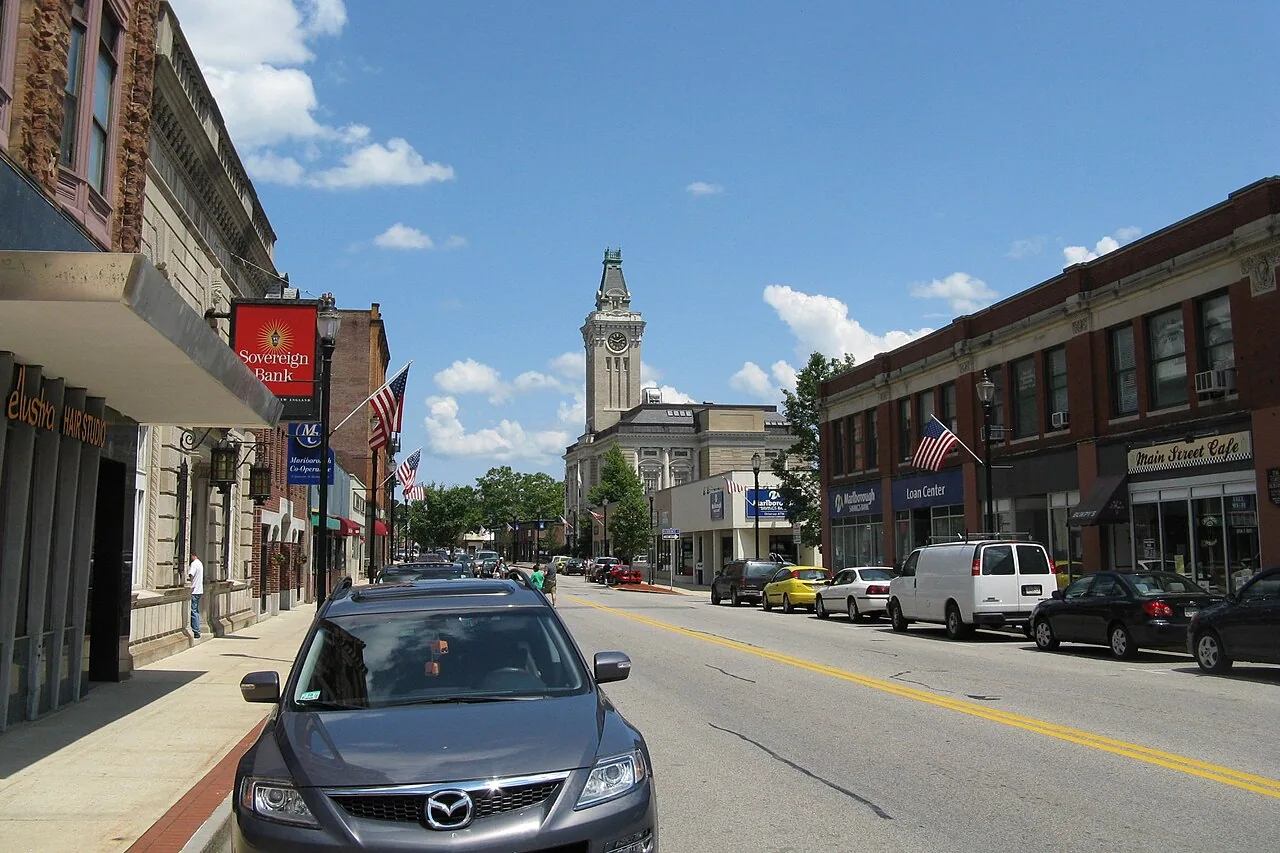
Property Use Changes the Work Plan
Avon includes commercial and industrial properties along Route 24, with residential neighborhoods distinct from the industrial park. Business context helps us ask about staging and operations, but it does not show whether a building has TPO, metal or another assembly. We inspect seams, penetrations, drains, coping and prior repairs directly. If management handles multiple sites, each roof receives its own condition baseline before any portfolio comparison. When inspection confirms the entry point, repairing a roof leak can be bounded to that detail.
The town notes Brockton Area Transit and MBTA service for residents and employees. That context can matter where arrival patterns or parking affect a business, but it does not define contractor access. We confirm loading, roof entry and occupied hours with the property representative. If a lift or material drop could affect a shared drive, barriers and delivery timing are part of the site plan before material arrives.
Drainage Precedes Surface Work
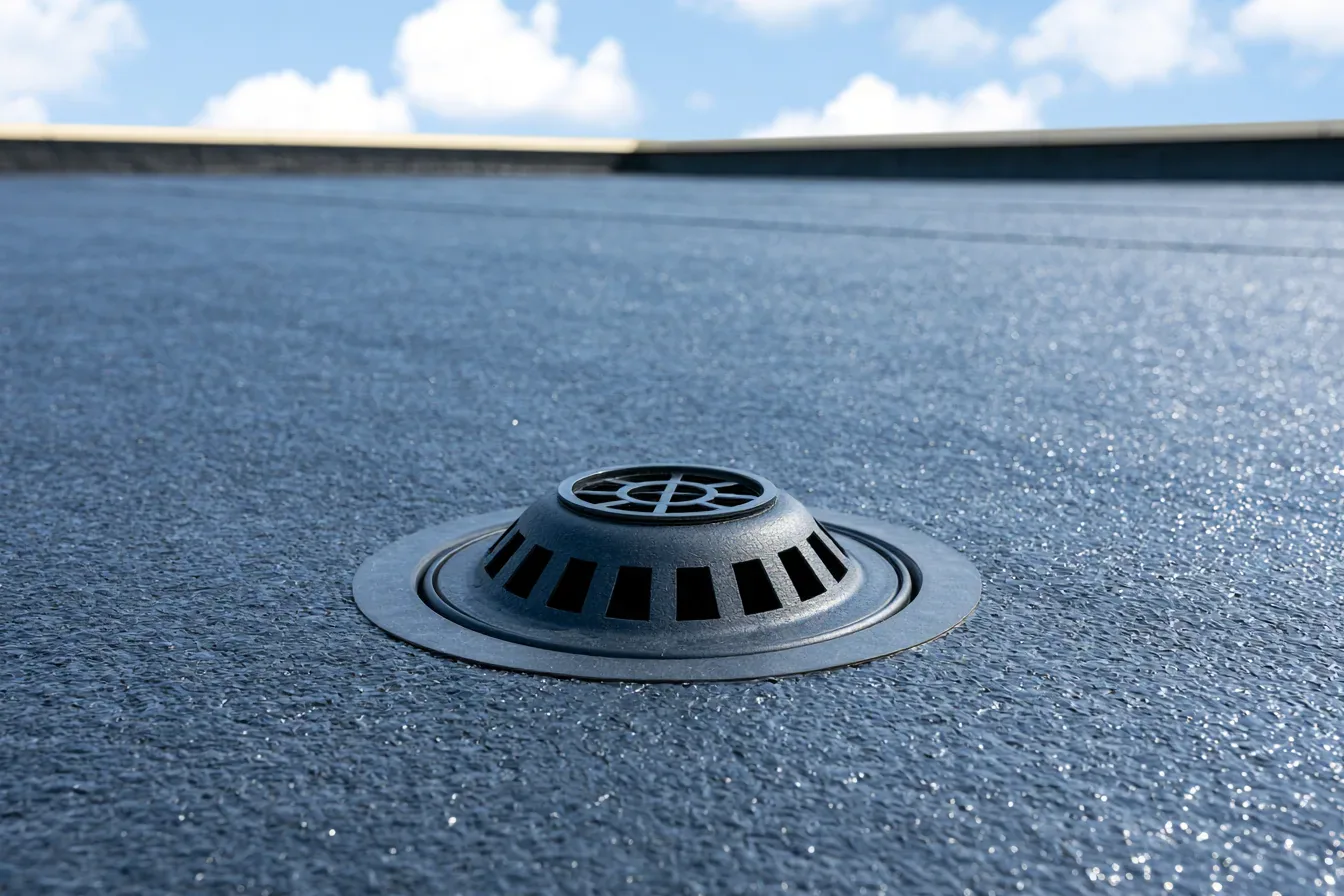
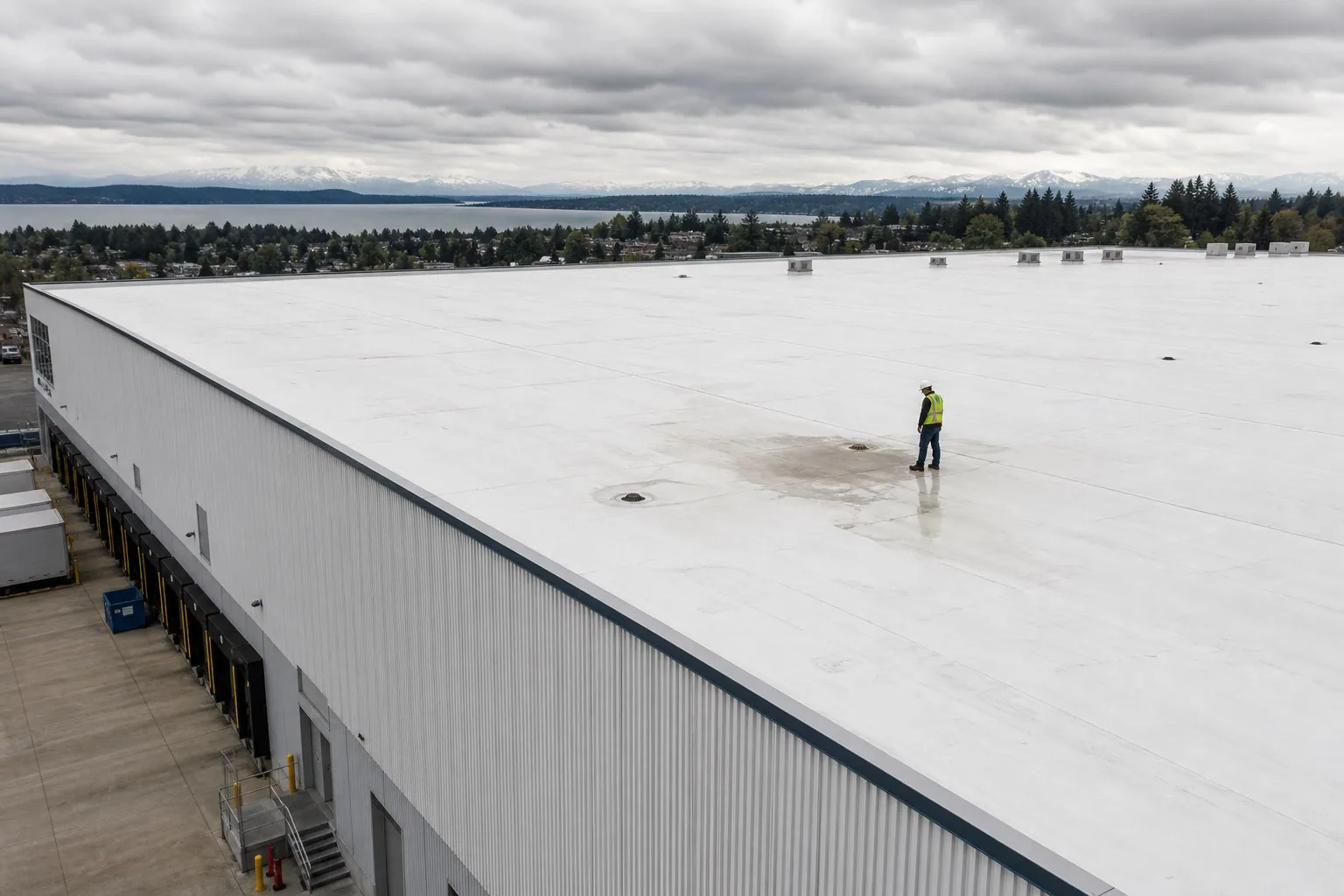
A roof drain is a detail, not a general maintenance checkbox. We follow the slope feeding the outlet, inspect the bowl and strainer, and check the surrounding membrane and overflow path. Standing water may point to obstruction or broader slope concerns, each requiring a different correction. A coating cannot correct either condition by itself. We document what is visible and whether a moisture survey or selective opening could establish the extent beneath the surface. A blocked or failed outlet may need drain and scupper work before surface restoration.
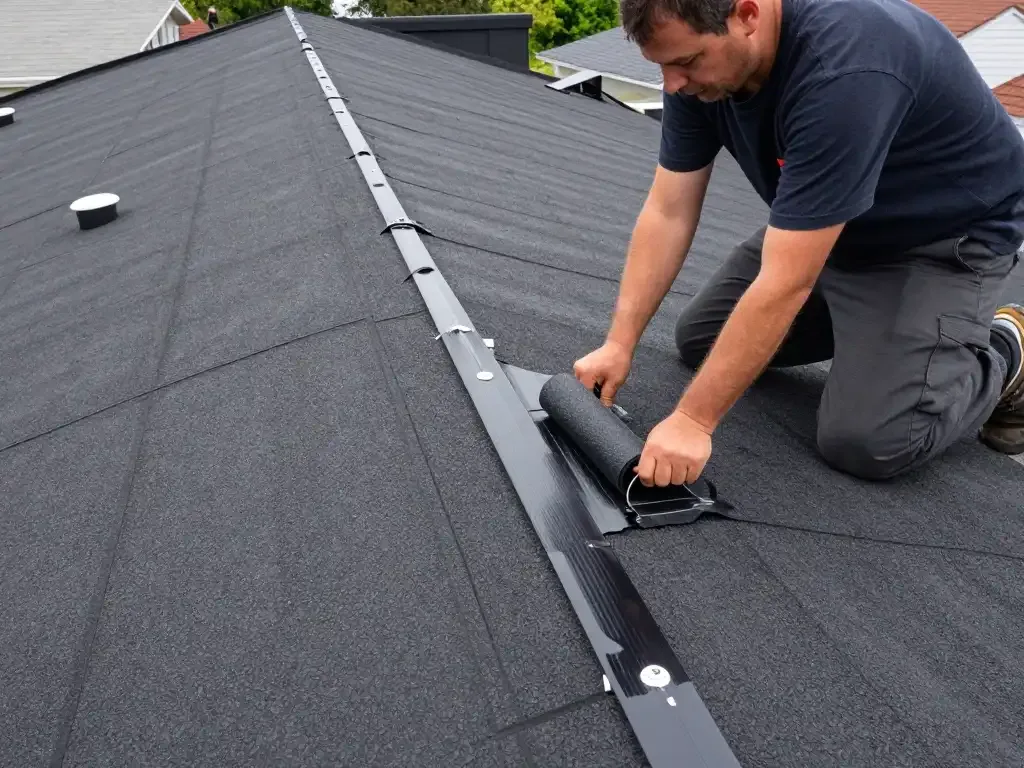
The ceiling mark may be offset from the point of entry. We inspect transitions above it, including wall flashings, curbs, laps and fastener rows, then compare the findings with the owner's leak history. A compatible patch can stay local where nearby membrane is stable. If the affected area is uncertain, testing should define it before broad removal. The report makes that boundary visible so an approval does not treat a stain as proof of roof-wide damage.
Park Boundaries Affect Access
The industrial park's separation from residential neighborhoods describes the broad land-use pattern, but materials still enter through a particular parcel. We confirm the delivery entrance, where a truck can wait, and how debris leaves the roof area. Lift placement matters where a building shares a drive or loading lane with another operation. We check the property rule with its representative rather than assume one instruction applies to every business in the park. Owners can compare a recover review with replacement planning after layer count and moisture are known.
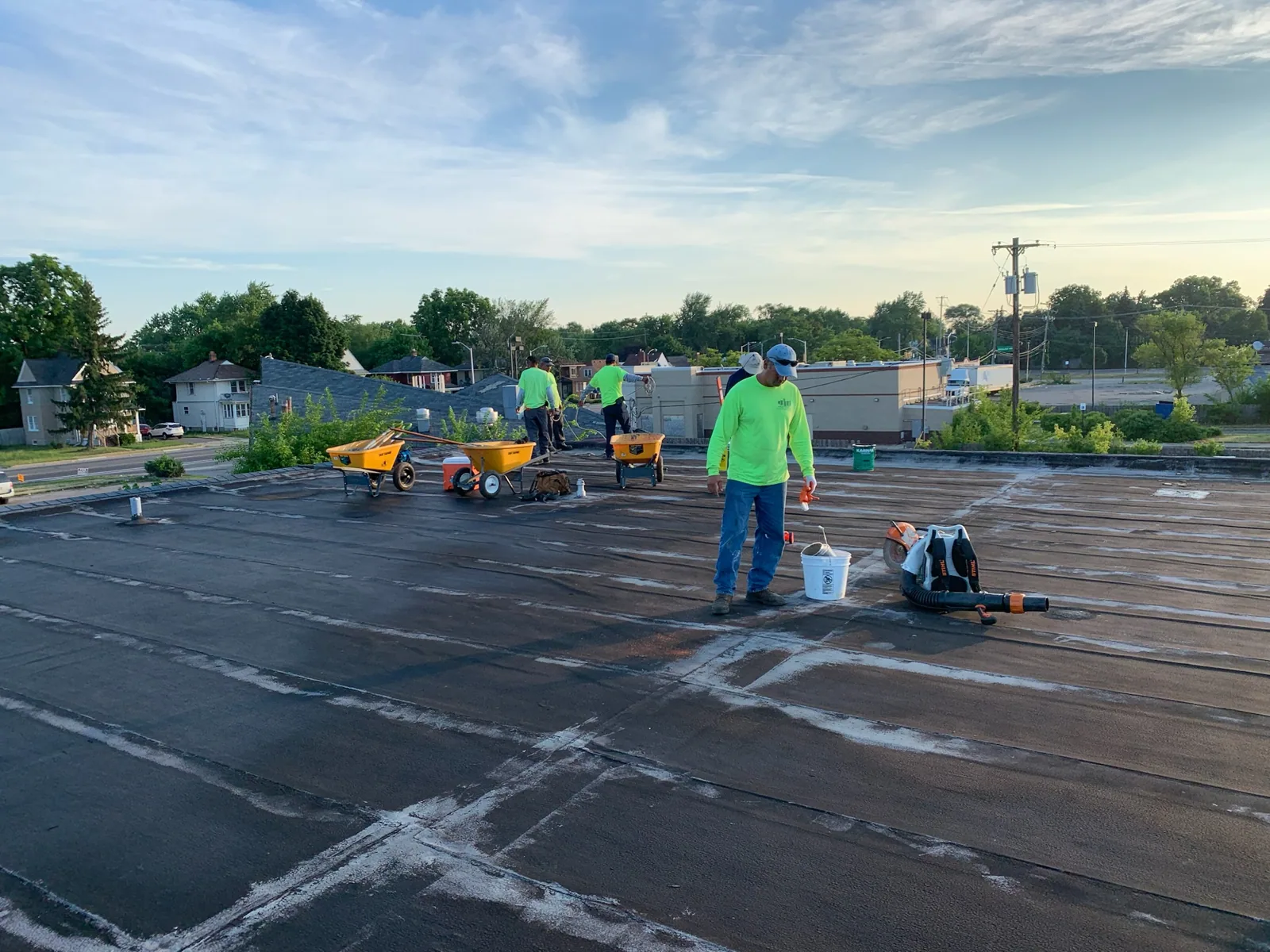
An occupied office or warehouse needs clear entry and protection below roof penetrations. We sequence removal so exposed sections can be closed before the crew moves on. If HVAC equipment or conduit crosses a work area, the trade that controls it may need to isolate or adjust it. The scope names that dependency before mobilization and notes which work can proceed independently, reducing avoidable pauses while preserving the tenant's service route.
Repair Paths Depend on Roof Condition
One failed seam on a dry, stable field is a different problem from recurring water at several details or wet insulation in multiple zones. We map the observed condition and show the owner what requires confirmation. If a survey suggests moisture beneath the membrane, a selective opening may establish a repair boundary. That investigation remains distinct from the repair authorization, keeping the capital review honest about known and unknown quantities. A compatible EPDM assembly is one option to review against the existing roof.
A recover depends on the number and condition of existing layers, moisture, deck stability, drainage and final height. Replacement allows inspection and correction of more of the assembly but adds removal, staging and weather protection. We compare those implications beside each other and include access, trade coordination and timing. A membrane or restoration system is considered after field inspection confirms it suits the roof, not because the building sits in the industrial park.
Access and Transit Affect Staging
A company with employees using bus or rail service may still have a tight delivery area or single service entrance. The property representative identifies heavy circulation periods, and we align material movement with those constraints. For active businesses, signs, barriers and interior protection are installed before work begins. The field lead then checks that the agreed access plan fits current site conditions and can be maintained through the workday. A later manager can use capital planning to sequence approved work.
For the owner, a concise record should state where the crew enters, which zone is open and when it is secured. A later inspection can compare the repair with its original image. Randolph and Stoughton sites can use the same reporting fields while retaining their own access plans. This keeps a regional portfolio review useful without substituting nearby conditions for the actual Avon roof or projecting a maintenance history that has not been documented. The same fields can help compare Stoughton and Randolph without borrowing their roof findings. For an owner reviewing a roof through more than one operating season, dated photographs make small condition changes easier to separate from old marks. We return to the same seam, drain or curb and compare its current state with the prior observation. A record can show that a repair remains intact or that a related detail needs attention, but it cannot establish conditions beneath an untested membrane. We keep that distinction visible so maintenance, investigation and renewal do not collapse into a single broad allowance.
Before the next budget meeting, the property team can keep a short list of roof zones with recurring service needs. We identify whether each item is an active leak, a corrected detail that merits observation or an area that still needs moisture testing. That distinction helps the operations lead assign a near-term response without treating every historical mark as current damage. The follow-up date and photograph make the next comparison more useful.
Commercial Roofing Questions
Does Route 24 determine where materials are staged?
The highway provides regional access, but a property entrance and loading rules determine where materials can be received. We confirm the approved route with the property representative and keep that logistics plan separate from roof findings.
Can roof work continue beside an active business?
We confirm operating hours, tenant entrances, delivery periods and any equipment that cannot be interrupted. Those facts shape barriers and phasing. If removal is broader, temporary protection must close each exposed area before the crew leaves or changes sections.
When should we open the roof to check moisture?
A selective opening may be useful when visual observations or survey readings suggest concealed moisture and its boundary would change the scope. We explain what the test should establish before it is authorized. Confirmed repair and unresolved moisture remain separate until the opening provides evidence.
How do bus and rail patterns affect the workday?
Employee arrival may affect the busiest access periods, while the property representative confirms the actual service entrance and delivery window. We coordinate material movement around those constraints, then protect any route that needs to stay open. Roof phasing and end-of-day weather closure follow the assembly and conditions on the installation day.