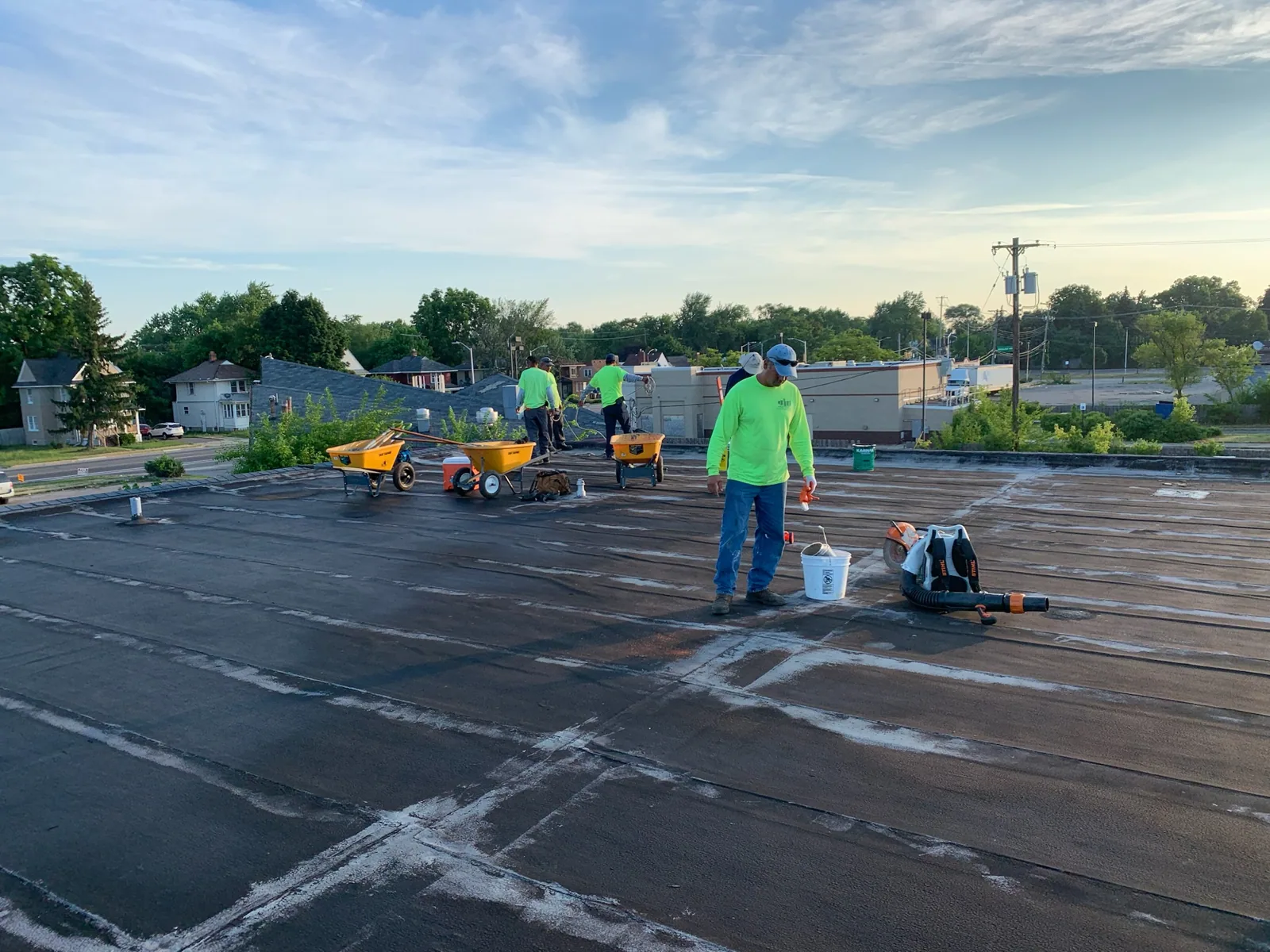
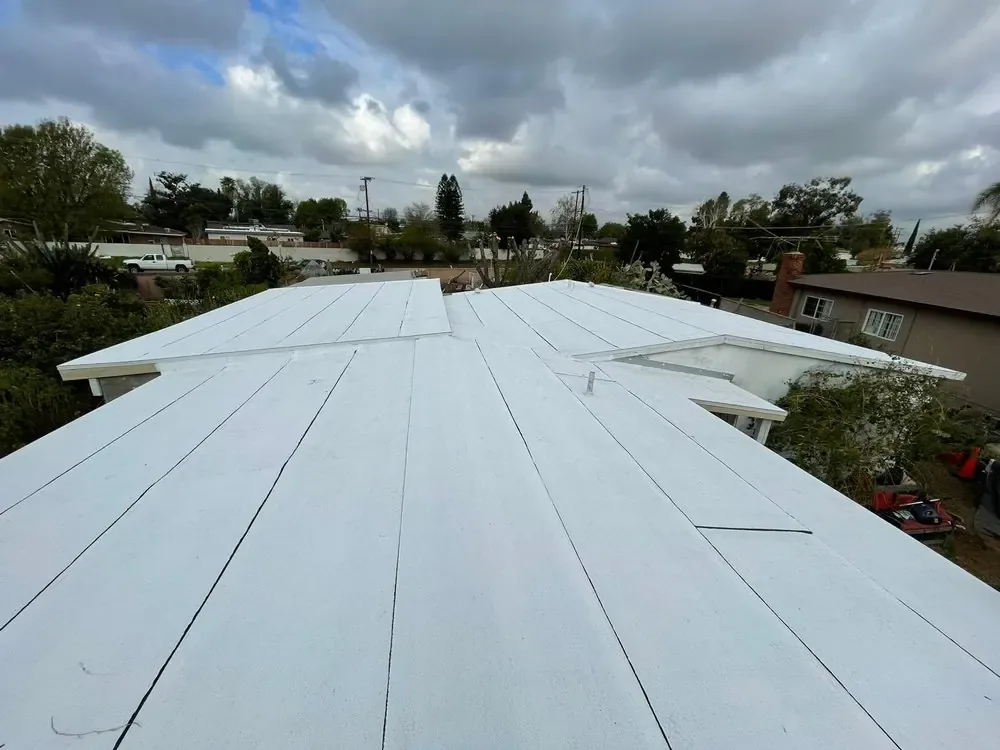
Commercial Roofing in Bridgewater, MA
Bridgewater Industrial Park extends along Elm Street toward Raynham, while Scotland Industrial Park occupies a separate employment area on Scotland Boulevard. Route 24 and Route 104 serve these districts. That network helps organize arrivals, but the roof at each building has to be inspected on its own. We document the installed assembly, drainage, edge metal and penetrations, then compare findings with the reported water path and building operations. Repair, investigation and renewal remain separate decisions until roof evidence shows how they connect.
Two Employment Areas, Two Access Plans
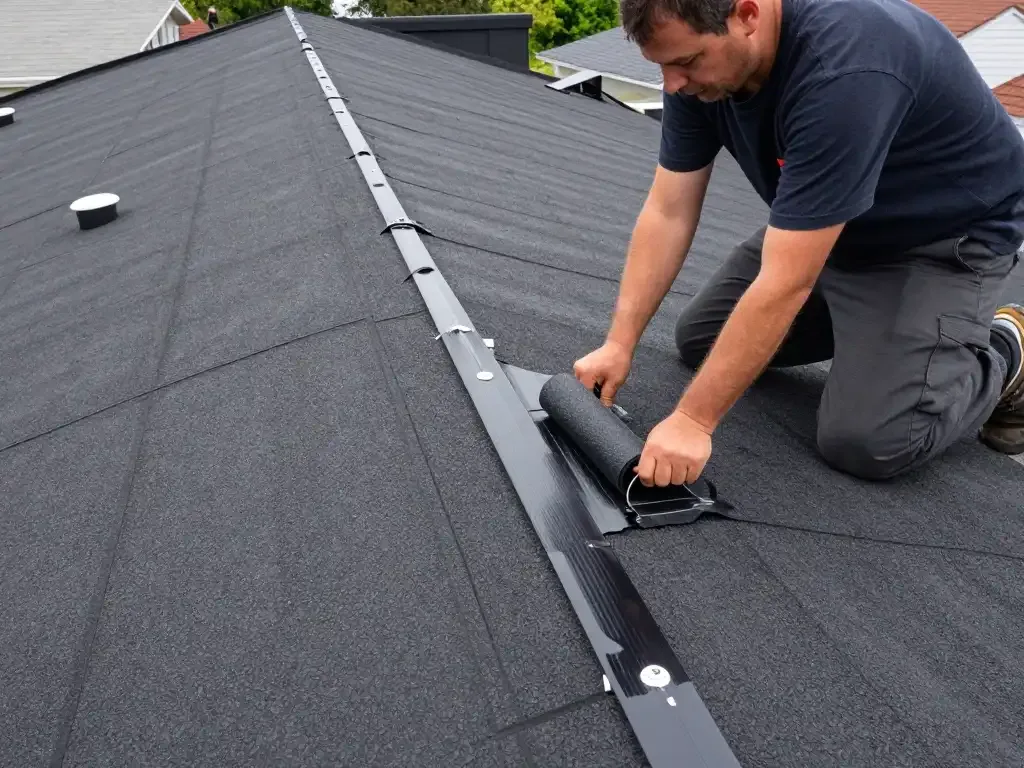
The Elm Street district and Scotland Boulevard park are separate settings. A manager can group visits by area, but each property decides where deliveries can wait, how crew access is approved and which route stays open for business. We confirm those details before arranging a lift or material drop. The report records the entry point and staging plan so work does not rely on a neighboring company's loading rules. Where a roof-side opening is confirmed, a confirmed leak repair can address that detail.
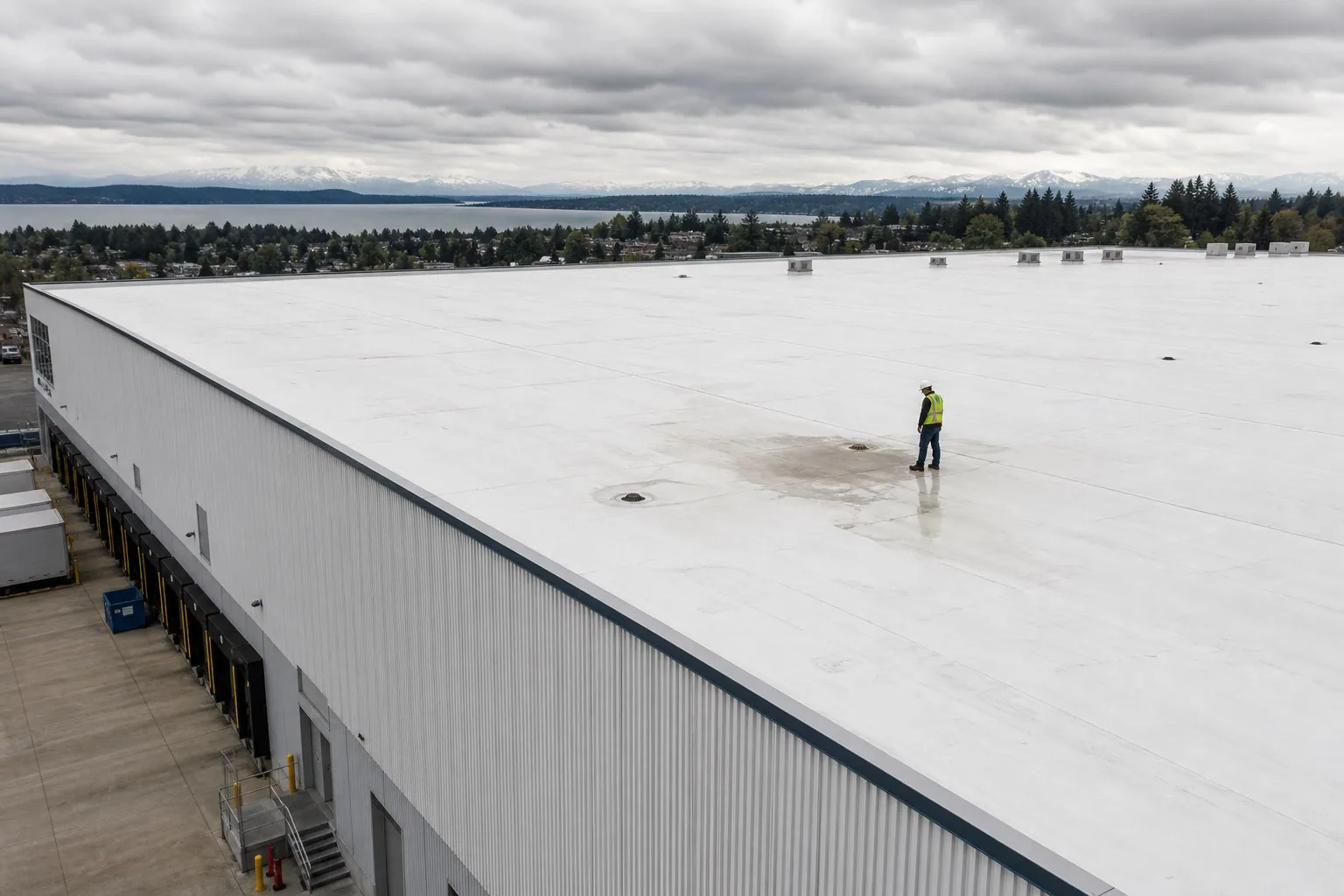
Industrial buildings may include receiving lanes, production entrances and roof hatches with different restrictions. We ask the site representative what equipment must remain in service and whether a shutdown needs advance coordination. We identify the roof system at the building, never infer it from an industrial listing. Membrane seams, metal joints, drains and previous patches become the inspection record that supports the repair boundary.
Check the Outlet Before the Membrane
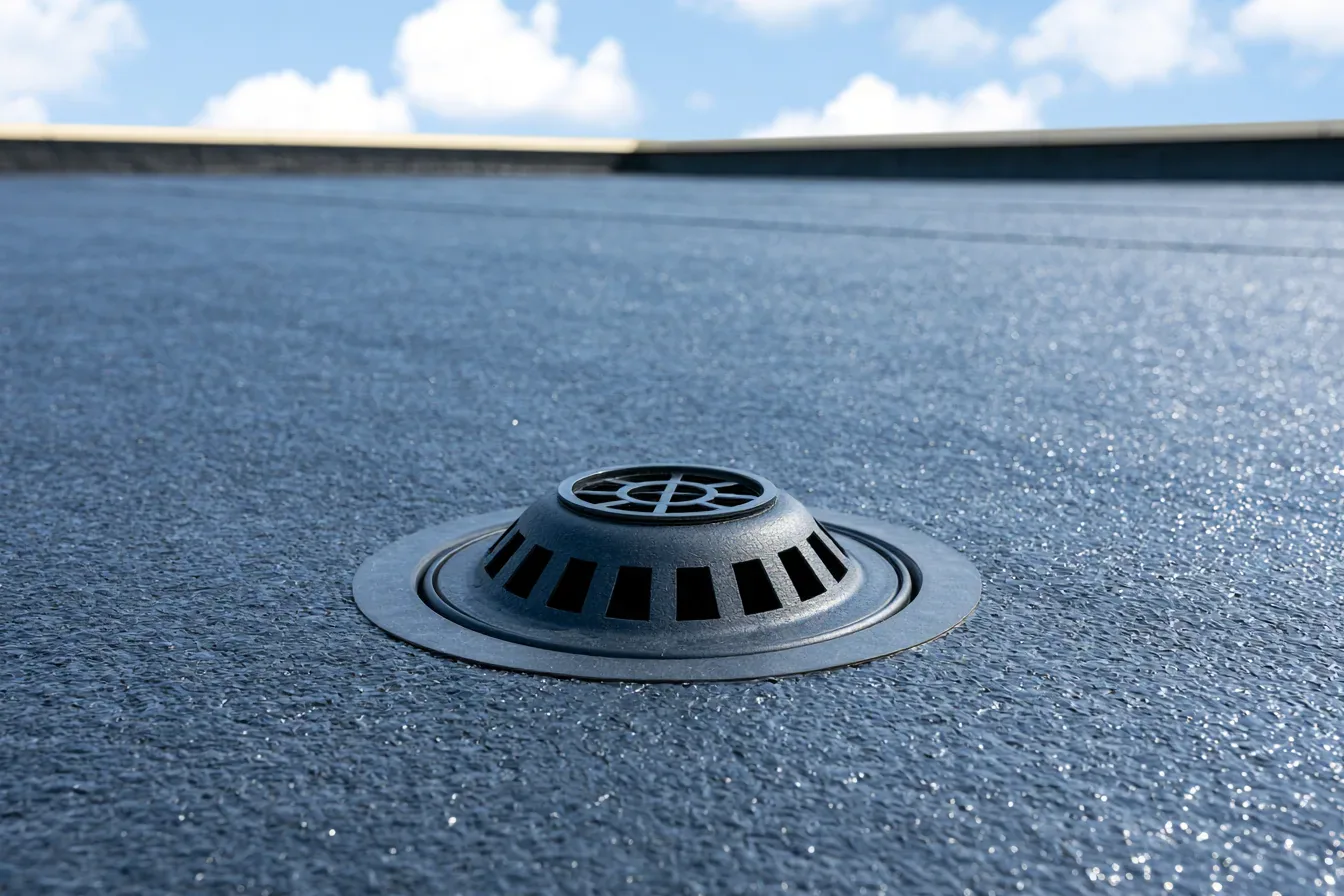
On a low-slope roof, water has to reach a drain, scupper or overflow opening. We follow the slope, check the outlet and inspect the adjacent membrane before proposing a surface repair. A bowl obstructed by debris, a failed flashing and wet insulation do not call for the same work. We document what is directly visible and whether moisture testing could affect the size of the correction. A blocked bowl may need drain and scupper work before a surface treatment.
The interior stain can sit away from the roof opening. We compare the reported timing with seams, curbs, parapet transitions and penetrations, then record the roof-side area that should be repaired or investigated. If the path remains uncertain, infrared mapping or a selective opening may help define the boundary. The owner sees those steps as distinct from immediate water control, with each action tied to a specific question.
Sequence Around Receiving
Route 24 and Route 104 help locate the parks, but the site controls the material route. We confirm truck access, receiving windows, shared drives and whether the lift can be placed without crossing an operating lane. If more than one building is on the property, the work plan identifies its particular hatch and roof zones. Clear ground access can reduce disruption while preserving the route needed by staff and deliveries. For an active operation, occupied-property reroofing can sequence access and daily closure.
A phased roof scope requires an end-of-day weather plan. We remove only the area the crew can secure, then close the temporary boundary before changing sections. If HVAC, electrical or solar work reaches a roof curb, the responsible trade must be coordinated before flashing is removed. The sequence gives the facility lead a practical picture of active zones, equipment status and any access restriction for each shift.
Set the Repair or Renewal Boundary
A confirmed defect at one penetration can support a localized repair when the surrounding membrane and substrate are sound. Multiple failed seams or moisture found in adjacent insulation may justify broader work. We mark where direct observation ends and a test is needed. That lets a manager authorize a known correction without treating untested areas as a measured replacement quantity. The owner can compare a recover review with commercial replacement after the layers are known.
Recover feasibility depends on existing layer count, trapped moisture, drainage and final roof height. Replacement allows the deck and insulation to be inspected, but adds tear-off, staging and protection. We compare those paths with the building's current condition and operating window. A coating only belongs where the surface is compatible and prepared; it does not fix an obstructed outlet or concealed wet layer. The recommendation notes which requirement controls the scope.
Carry the Record Forward
A useful condition record labels each roof zone and ties photographs to a specific seam, curb, drain or edge. We include owner-supplied leak dates and rank recommendations by service priority. If moisture remains uncertain, it stays a test item until evidence changes it. On a later visit, the manager can compare the same detail and see whether a repair held or a new issue appeared. A compatible TPO roofing option follows from material and design review.
A portfolio may include Bridgewater, Avon and other South Shore properties with different roof assemblies. Common labels support comparison of timing, but each report retains its own access route and roof condition. A capital review can group work by urgency and operating schedule without assuming that the industrial parks share construction. The next step follows the building that was inspected. Regional records for Avon and Plymouth can share labels without sharing roof conclusions.
A service visit should also record the parts of the roof that were not involved in the current leak but could affect the repair. We inspect nearby wall flashings, drain bowls and curbs to determine whether they remain stable. The work order can then separate a repair boundary from a condition that deserves observation. If the owner approves only the urgent correction, the report retains the other finding for a later capital conversation rather than silently broadening the work.
For a facility with two employment-area properties, the manager may align inspection dates to reduce repeated mobilization. That does not make the findings interchangeable. Each building still requires a roof-zone map, photographs, assembly notes and an access route agreed with the site contact. A later condition review can compare what changed, what remained dry and whether the immediate work resolved the reported concern. These records help an asset manager set timing from observed service needs rather than from a general park label.
Before an installation date is set, the property contact can confirm whether another contractor is using the same roof access or loading area. We can update the sequence to reflect that coordination and keep each party's work boundary clear.
Commercial Roofing Questions
Does Route 24 or Route 104 determine contractor access?
Those routes help locate the employment areas. Each property representative approves the delivery point, loading route and roof access, especially where businesses share a drive. We verify those details before material movement and keep them separate from the roof-condition findings.
Can manufacturing or receiving continue during repair?
We confirm receiving windows, operating hours and equipment dependencies before setting barriers. A localized repair can limit the active zone if the defect is proven. Broader removal needs a daily closure plan that protects the exposed assembly before a crew changes area or leaves.
When should a roof be opened for testing?
A survey or selective opening is useful when concealed moisture could alter repair limits or renewal scope. We state what the inspection confirmed and what remains uncertain, then describe the result the test should establish. That investigation is separate from urgent leak control.
What evidence supports a recover instead of tear-off?
Layer count, substrate, drainage, moisture and final height determine feasibility. We inspect those conditions and compare overlay with replacement. If one factor is unknown and could change the recommendation, the report identifies a survey or opening before any broader scope is approved.