Commercial Roofing in Pembroke, MA
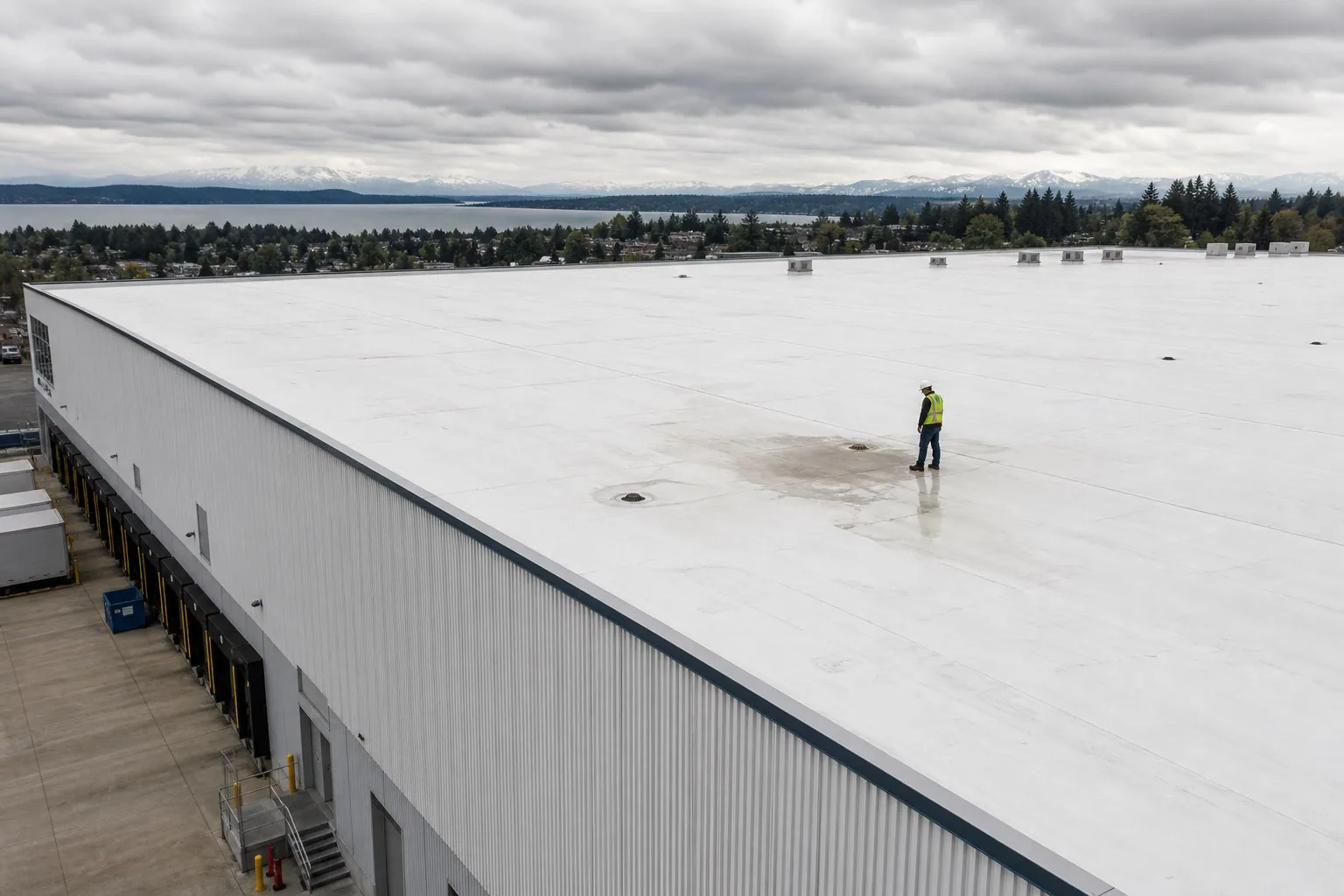
Pembroke's employment areas include North River Commerce Park on Riverside Drive and the Corporate Park and Pembroke Woods area along Oak Street. Their nearby Route 3 access uses Route 139, useful context for travel but not proof of roof condition. We inspect each building's assembly, drainage and edge details, then compare those observations with the reported leak and operating schedule. The property team can distinguish a confirmed repair from testing and renewal rather than carry a business-area label into a roof assumption.
Keep Park Records Separate
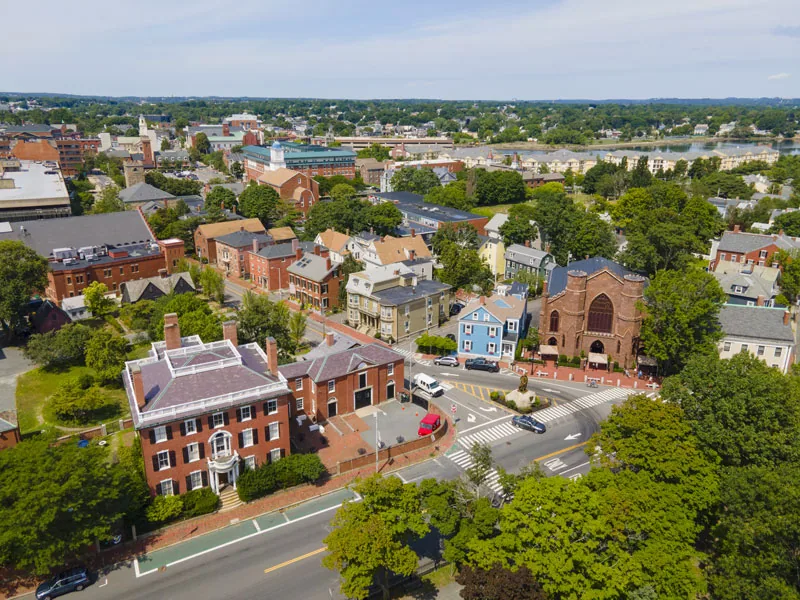
North River Commerce Park and the Oak Street employment area are separate multi-property settings. We confirm the entrance, loading route and approved roof access for the building being inspected. The names of the parks do not tell us whether the roof is membrane or metal, how many layers it has or whether its insulation is wet. Those facts come from inspection and are recorded by roof zone. If the entry detail is proven, a flashing repair can correct that boundary.
Route 139 connects the employment areas with Route 3. It can help a manager organize appointments, while individual sites set delivery windows and shared-drive rules. We identify where a lift can set, how materials move from the receiving area and whether another tenant uses the same route. A mapped approach avoids blocked loading lanes and gives the property representative a practical view of crew movement before installation starts.
Locate the Water Path
A ceiling stain can sit away from the point of entry, particularly where water follows a deck flute or framing member. We inspect above and around the reported area, checking laps, curb flashings, parapet joints and outlet details. A roof drain can be clear while a nearby seam has failed, or a low point can keep water around a sound membrane. The report states which condition is present and what each correction would address. A drain question can be itemized through a drain inspection.
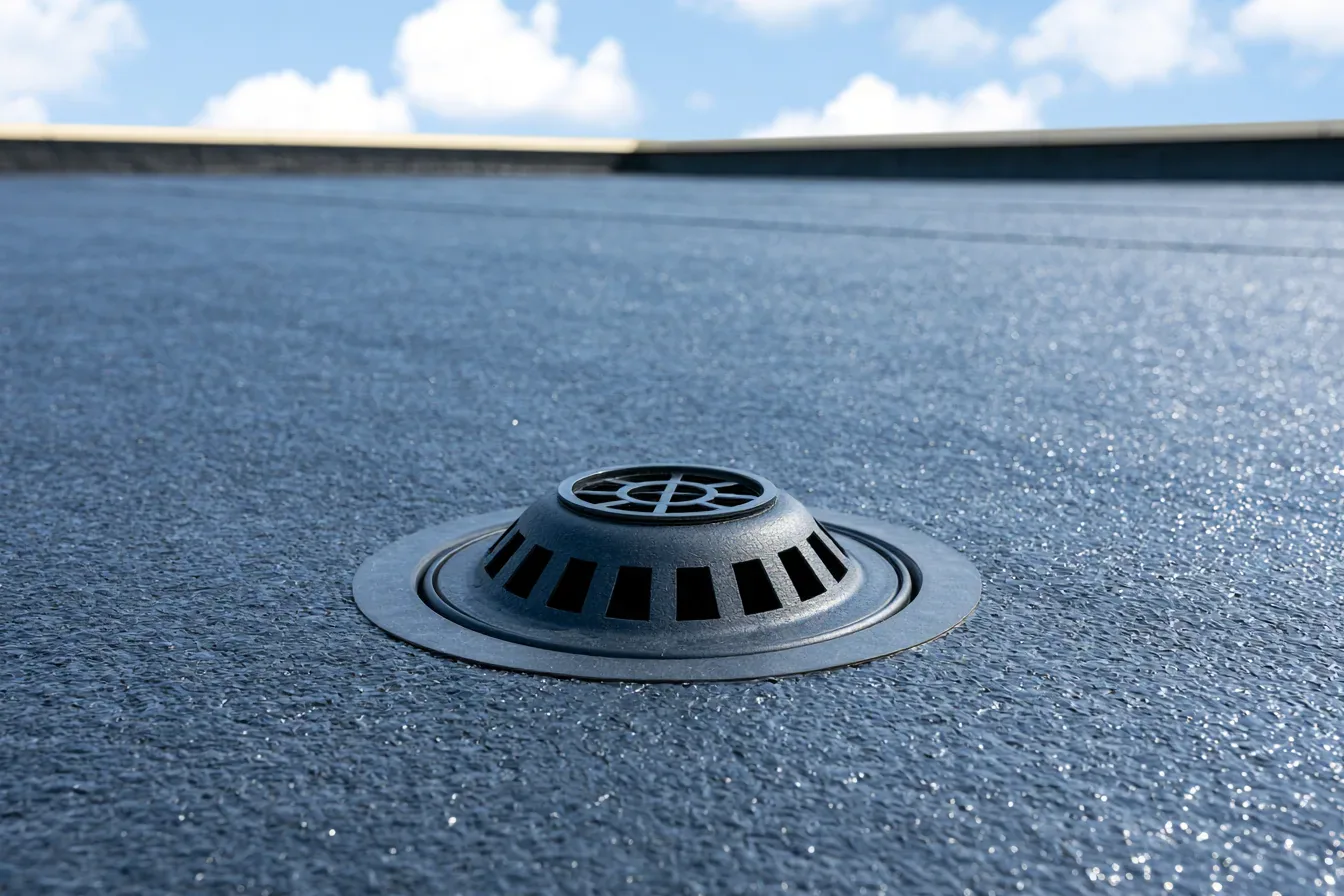
The drainage path runs from roof slope to a drain, scupper or overflow. We check strainers, bowls, flashing and discharge routes, then note whether ponding is limited to one area or reflects a broader deck concern. If the membrane looks intact but readings suggest water below it, we explain what test could confirm extent. That keeps a known leak repair distinct from a suspected moisture zone until further evidence supports an expansion.
Plan Around the Workday
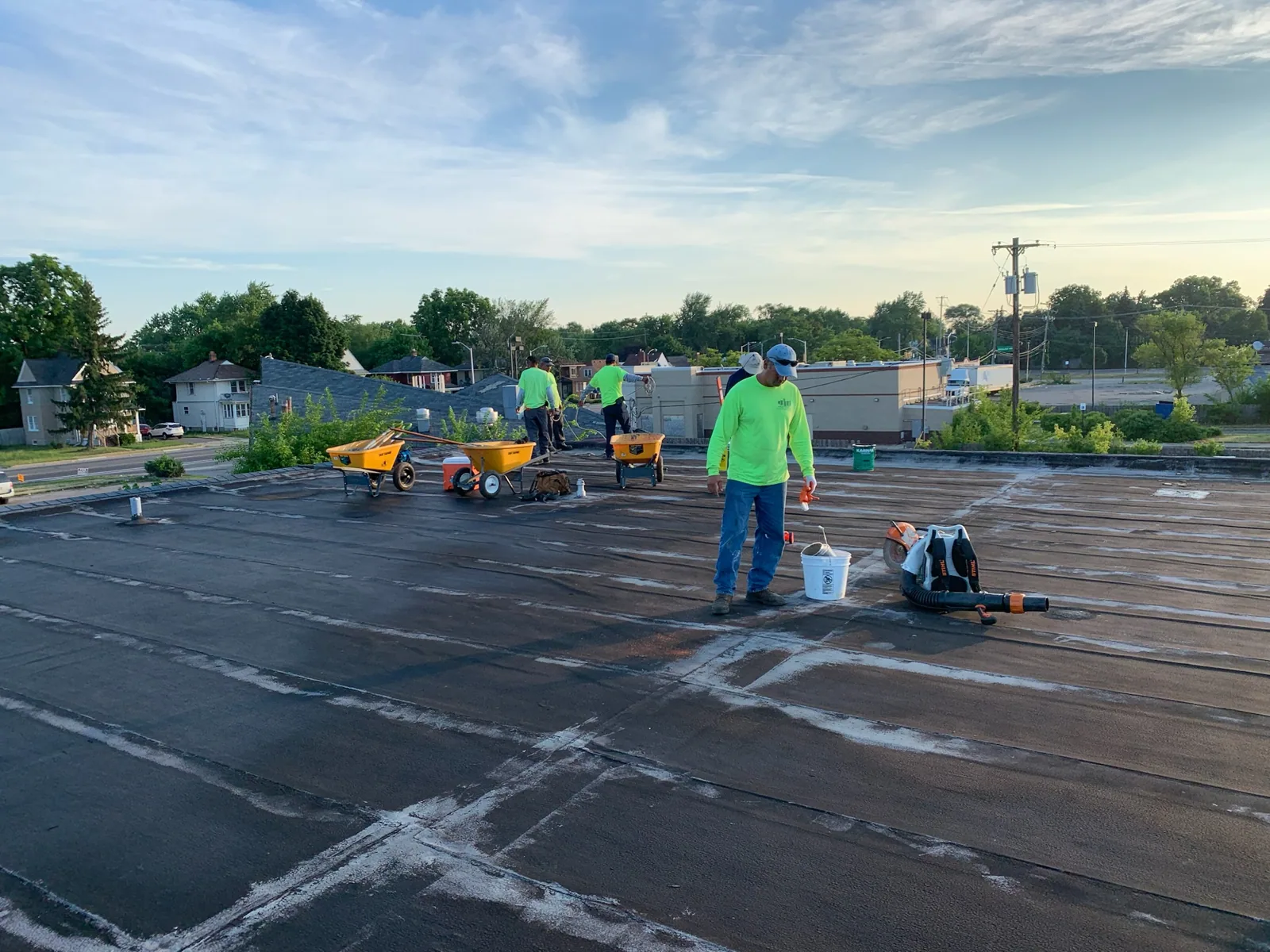
A tenant's truck schedule, receiving activity or customer access can influence material staging. We confirm those periods before removing a roof section. If a delivery lane must remain open, barriers and lift placement are set with the property contact. The repair plan also addresses where debris will leave and which area needs interior protection. A specific access sequence works better than a generic promise about keeping every operation unchanged. infrared moisture mapping may help show whether moisture extends beyond the visible defect.
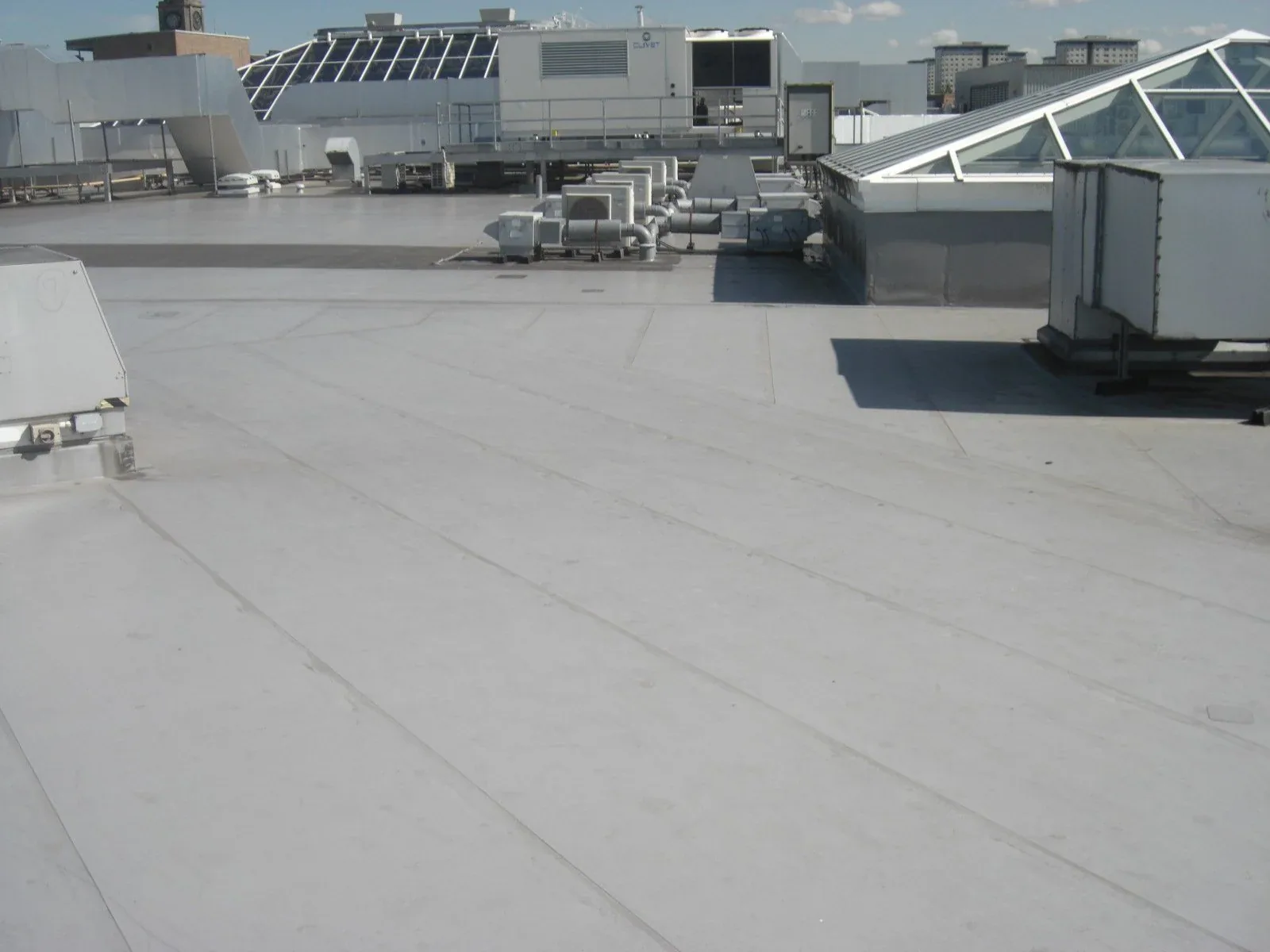
Equipment curbs and service paths may need attention from HVAC or electrical trades. We record the detail and identify whether a unit shutdown or support check is required before flashing is replaced. If several roofs share a property manager, each building receives a separate access map. That helps coordinate crews around the business day without assuming that a neighboring tenant has the same loading or safety requirements.
Compare Work Options
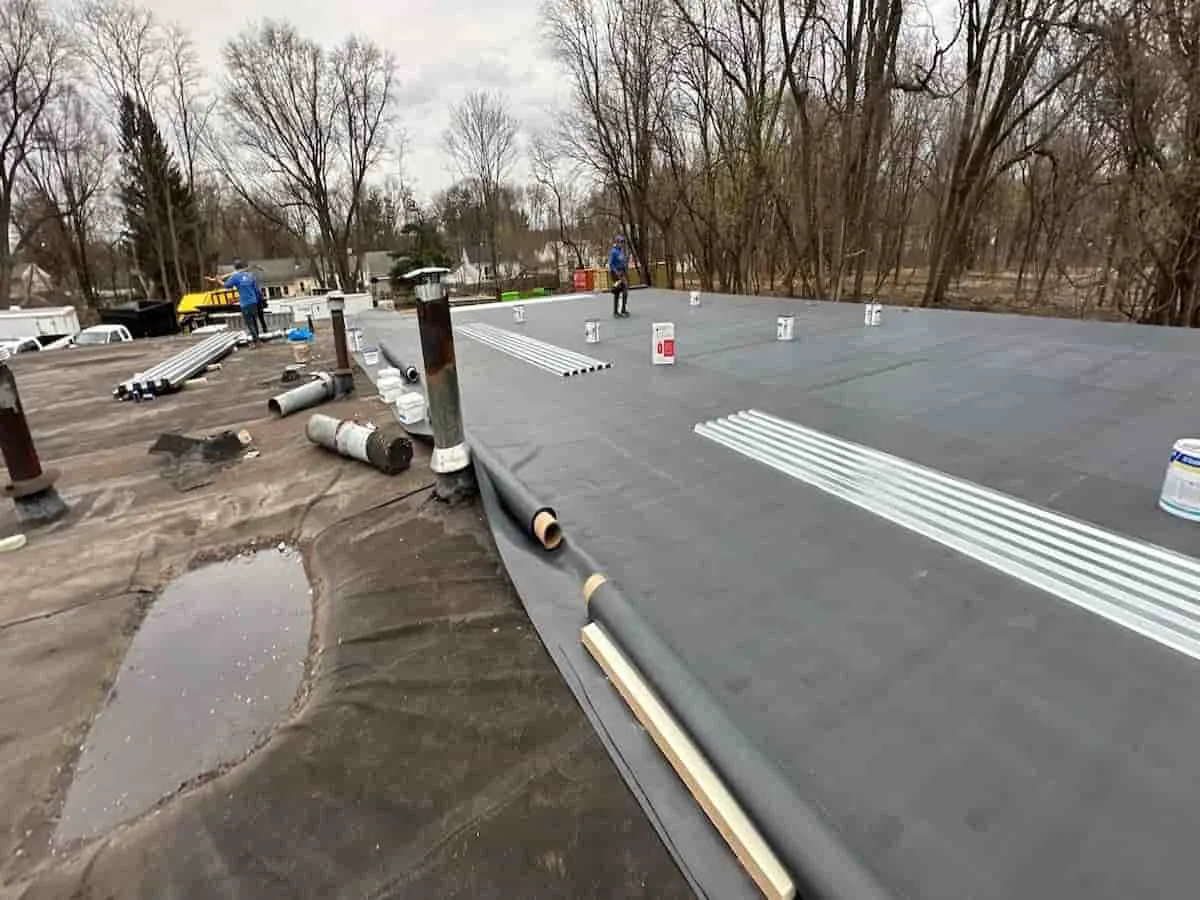
A localized flashing failure may be repaired if surrounding material is sound. A recurring leak, multiple separated seams or confirmed wet insulation can change the service boundary. We use inspection photographs and any supplied leak dates to show which evidence points to an active defect. If concealed conditions may affect the decision, the report explains whether mapping or a selective opening could settle the extent. For a broader scope, compare roof replacement with recover feasibility after survey findings.
A recover may avoid tear-off when layer count, moisture, drainage and finished height allow. Replacement gives access to the deck and insulation, though removal and temporary protection grow. A coating depends on adhesion and a compatible substrate, and does not fix an outlet or trapped moisture. We compare these paths by the building's actual assembly and operational constraints so the owner can decide what belongs in this season's scope and what can remain scheduled for later.
Close the Loop After Repair
We leave a record with a labeled zone, photograph, condition and next action. The building representative can see what was corrected and which question was not resolved. A later visit compares the same seam, curb or drain rather than relying on a brief note in a work order. If a repaired area remains dry, that observation is useful, but it does not prove that distant insulation is dry without testing. condition reporting ties each photograph to its next action.
North River Commerce Park and Oak Street assets can share condition fields in a portfolio review. Their roofing systems and access plans remain separate. A manager can compare service priority and renewal windows while keeping the photo evidence tied to its own building. When a planned Route 3 project or business change is under consideration, the existing roof record can be updated after actual scope or site conditions are confirmed, not before. Regional reporting can include Hanover and Braintree without blending access plans.
If several buildings share a management team, we can group site visits and still keep separate roof records. The access map identifies which loading lane, hatch and staging area belong to each property, while the condition report follows its own assembly and roof zones. A common form makes portfolio review easier; it does not mean North River Commerce Park and the Oak Street properties share the same membrane or drainage design. Each recommendation remains tied to the building inspected.
The manager can also set a return date for a repaired drain or flashing where the prior condition was persistent. At that visit, we compare the same location, note whether water entry stopped according to the building contact and photograph any adjacent detail that changed. If a broader concern remains, the report names the test that would decide the boundary. That follow-up creates a useful service history without turning a one-time observation into a statement about every building in Pembroke.
Commercial Roofing Questions
Does Route 139 affect roof scope?
Route 139 helps connect the employment areas to Route 3, but the roof assembly and access rules determine the scope. We confirm loading, parking and roof entry with the property contact before inspection and material delivery.
Can work proceed if two tenants share a loading lane?
We confirm each property's approved access and schedule before material movement. The site plan identifies staging, barriers and the route debris will take. If a shared lane must remain open, lift and delivery timing are coordinated with the manager rather than assumed.
How do we tell a leak from a drainage issue?
We inspect both the reported interior area and the path toward drains, scuppers and overflows. A seam failure and an obstructed outlet require different corrections. If the evidence does not establish the cause, the report names a test that could define the next step.
What evidence would support replacement?
Recurring failures, confirmed moisture, deteriorated substrate or widespread loss of adhesion can change the comparison. We document those conditions and compare repair, recover and replacement after checking layers, height, drainage and operations. A suspected area stays unconfirmed until survey or selective opening supports it.