Auto Dealership Roofing in Quincy, MA
A gusty weather interval can make roof preparation above a dealership a vehicle-protection decision as well as an application decision. For a Quincy, MA, asset, we examine the work method and the exposed inventory around the building before defining staging or spray-related tasks. The roof still needs repair based on its physical defects. Exterior vehicles, showroom activity and service operations establish the protection and access arrangements. Those conditions should be resolved before preparation begins, rather than after material reaches adjacent property.
Dealership roofs can serve unlike interior zones, from occupied sales rooms to workshops and parts storage. We examine the actual equipment and room layout with the assembly condition. Quincy's hurricane and nor'easter preparedness concerns make secure closure and sound rooftop connections useful priorities. A localized puncture can call for repair, while wet insulation or deteriorated support can justify wider work. The building's operating uses determine how the scope can be carried out safely.
Protect vehicles within the work exposure
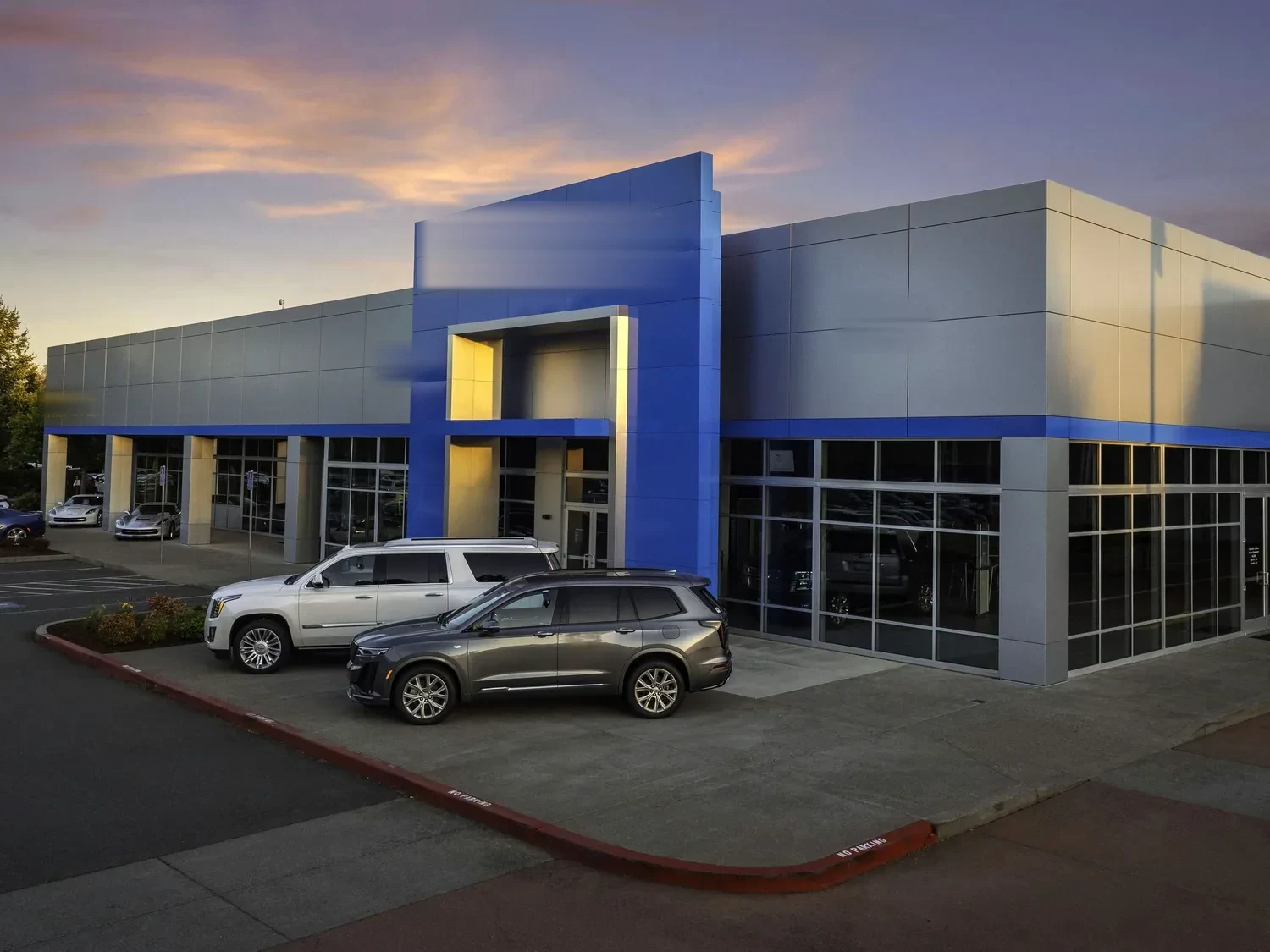
Dust, removed material or coating spray can affect vehicles outside the immediate roof footprint. We assess the selected method, wind conditions and material-handling route before identifying protection or relocation needs. A lift position should be considered with the inventory and circulation below it. The work plan should make that arrangement specific. A roof access point that is convenient from above may create a conflict with vehicle movement or exposed stock on the ground.
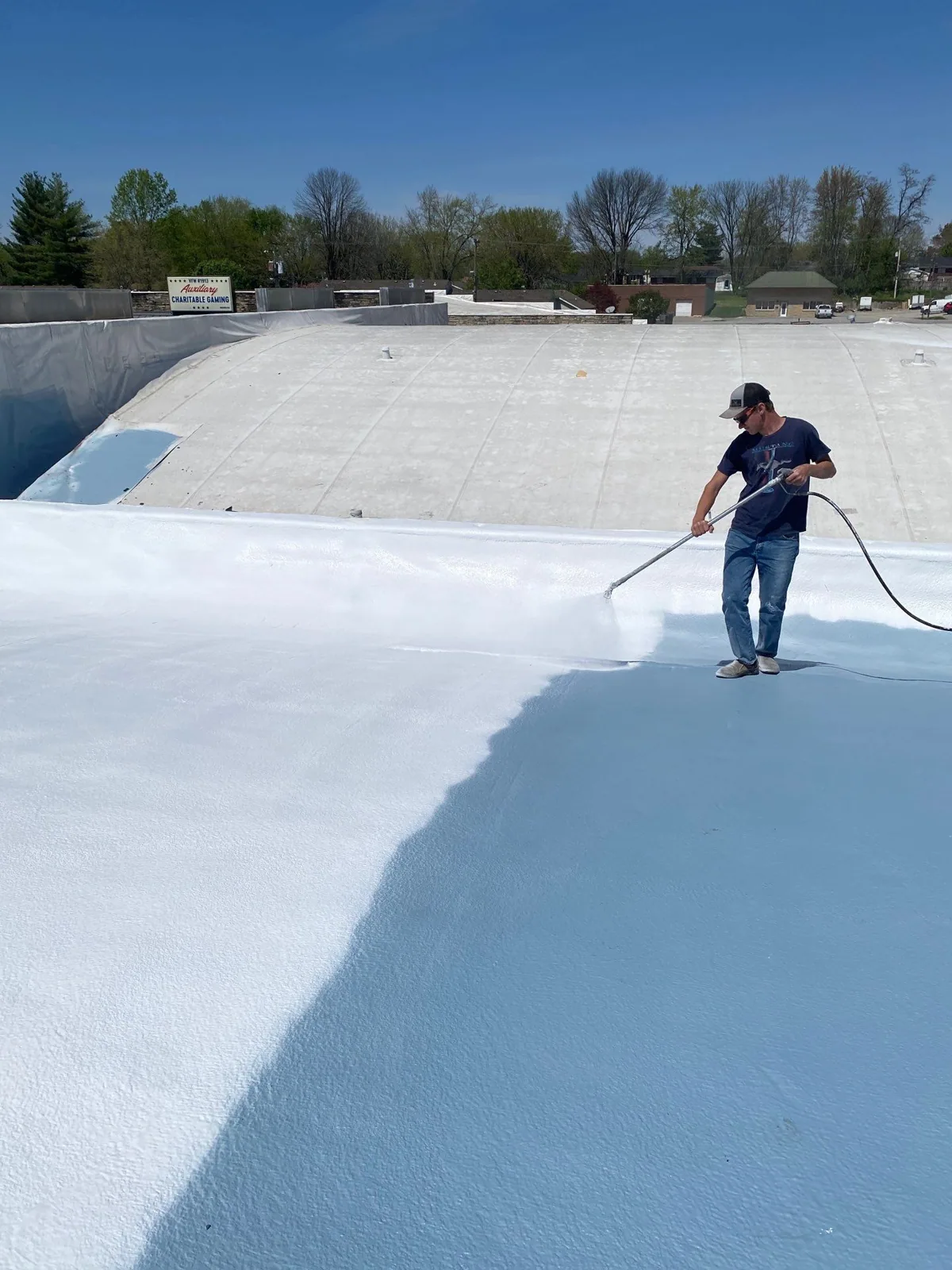
For roof restoration work, preparation and application conditions can be substantial parts of the practical scope. Nearby equipment and air intakes also need assessment. We compare suitable methods against the roof's actual receiving surface and surrounding activity. A coating should not be selected simply because it avoids removal if the preparation or exterior exposure cannot be controlled appropriately at the property.
Keep showroom and service rooms distinct
A leak above a showroom display creates a different protection need from entry above a service area with equipment and parts. We investigate the roof connection while the property team identifies the contents and interior routes affected. We trace suspected entry at nearby roof details because moisture can travel along retained layers before it reaches a showroom or workshop ceiling. The permanent repair boundary therefore follows the physical findings, while the interior arrangement follows the exposure created by investigation or removal.
Our commercial roof repairs distinguish temporary measures from completed construction. Interior containment may preserve activity while the defect and concealed condition are assessed, but it does not close the entry route. Wet insulation or damaged receiving boards can require removal beneath a repairable field. The proposal should identify those components clearly enough for the owner to compare focused repair with a broader renewal scope.
Investigate moisture beyond exterior leaks
A workshop's interior conditions can differ from those of the sales area. Warm moist air reaching colder roof layers can create condensation where air or vapor control is deficient. We examine the actual temperatures, equipment operation and assembly before selecting work. Exterior entry and interior moisture can occur together. The recommendation should identify which mechanism the proposed construction addresses, rather than treat all underside dripping as a membrane defect.
We assess insulation continuity and relevant roof-to-wall or equipment openings alongside the waterproofing. A new covering can close rain entry while leaving an internal air path active. Where mixed office and workshop roofing presents related demands, the thermal and operating zones need separate examination. The selected assembly should connect those conditions with appropriate layers and maintainable details, not apply one surface solution to unlike interior environments.
Assess access in the local retail setting
Wollaston's business districts include Hancock Street, Beale Street and Newport Avenue. A commercial property in that setting needs an individual access and staging arrangement that accounts for public circulation and deliveries. We examine the actual entrances and vehicle routes before locating lifts or disposal equipment. The roofing plan should identify any temporary control needed and avoid an unmanaged conflict with required property access.
Hingham Shipyard and the Route 3A area combine commercial and mixed uses. Exterior activity can create different work interfaces across neighboring properties. For work in Wollaston, we connect access planning with the individual asset's roof condition and operations. Comparisons with active retail roof work can be useful for sales-area protection, while the dealership's actual service and inventory arrangements need their own assessment.
Repair equipment connections at their support
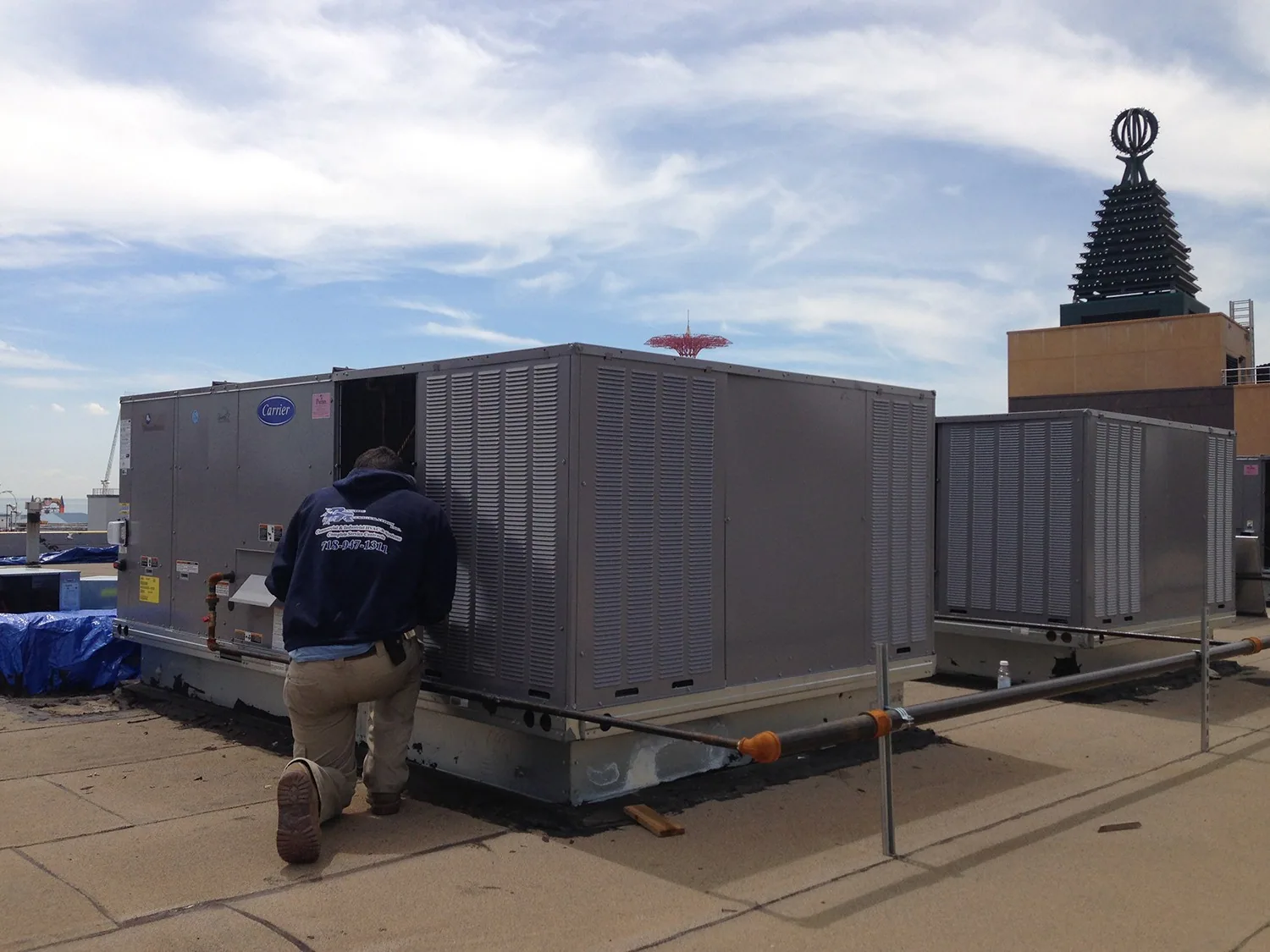
An exhaust or air-handling component that shifts can repeatedly stress the roof flashing. We examine the support and receiving geometry before defining a patch. The equipment correction may need coordination with the roofing task. A compatible repair should finish on stable sound material. Applying sealant over an unstable connection can leave the movement that caused separation active beneath the visible treatment.
Our curb and support repairs consider height, service clearance and the water path around the unit. Increased insulation can change the available flashing height during replacement. Service routes also need suitable protection against concentrated wear without creating barriers to drainage. The completed detail should remain accessible so later maintenance does not require contact with a vulnerable corner or repaired joint.
Compare retained condition before opening work
Drainage and concealed moisture can change the useful scope of a dealership renewal. We examine outlets, low areas and suspect layers before deciding what can remain. Dry stable construction can support localized repair or appropriate retention. Saturated insulation, deficient attachment or deteriorated deck areas can require removal. The owner should understand the components each option retains and which defects are resolved by the proposed work.
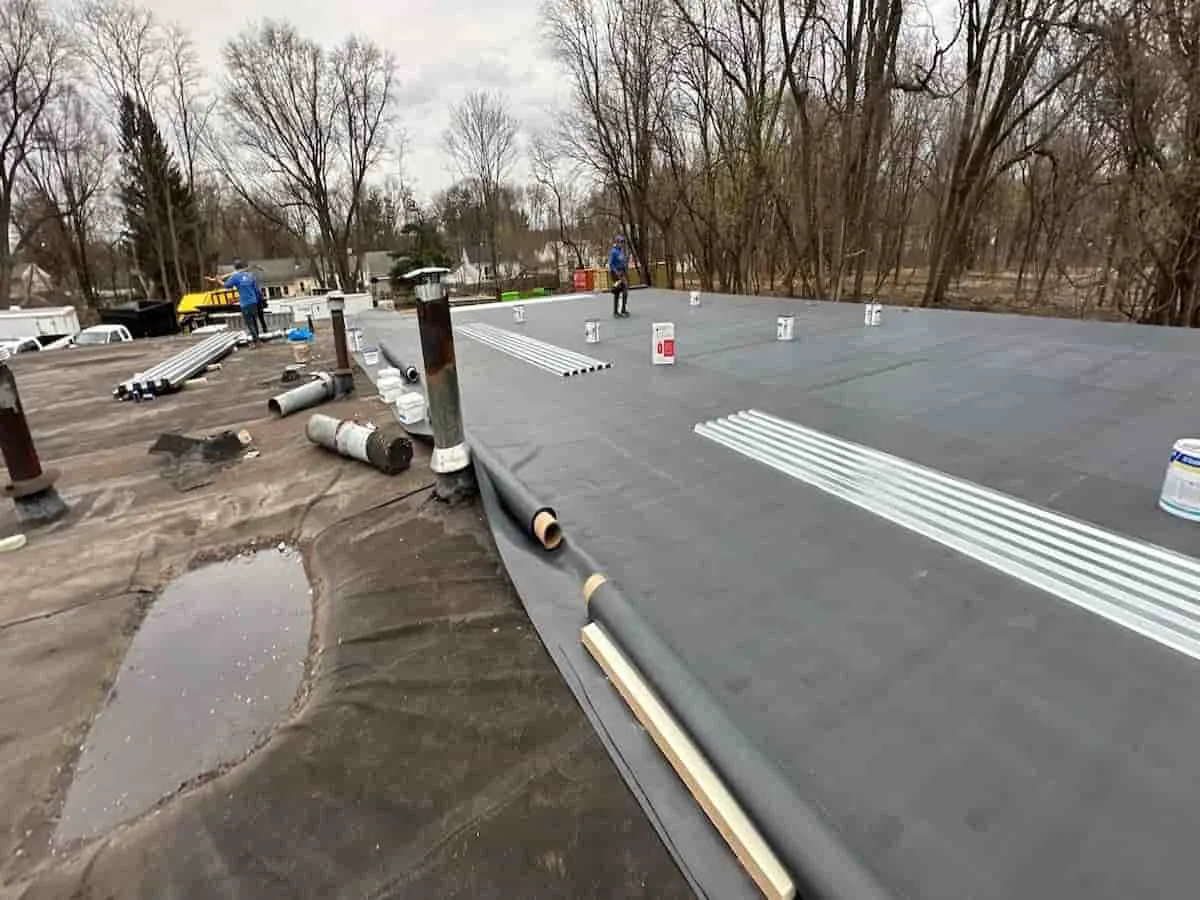
We compare TPO membrane construction and other suitable systems through support, insulation, joining methods and actual material exposure. The decision also includes preparation or application constraints near inventory and occupied rooms. New insulation can alter drain and curb relationships, so those dimensions need assessment before installation. A new field surface should not finish at inherited weak transitions because the supporting geometry was considered too late.
Daily removal limits should allow a suitable secured stage in the available weather. Equipment-dense zones can take more closure time than open field. We assess those tasks and the interior protection needed before defining stages. Material handling and disposal should fit the property's circulation and vehicle arrangements. After completion, compatible maintenance and accessible details help preserve the repaired assembly without routine servicing repeatedly damaging its water boundary.
Commercial Roofing Questions
Do vehicles need to move for roof preparation or coating?
The work method, wind exposure and surrounding inventory determine the protection assessment. We identify where dust, removed material or spray could reach vehicles and establish suitable arrangements before work begins. Some tasks can have a limited exposure boundary, while others require a wider controlled area. The plan should make those needs specific to the property and chosen method.
Can showroom and workshop leaks have different causes?
Yes. We compare the roof details and interior conditions in each area. Exterior entry may occur at a seam or flashing, while condensation can arise from moisture movement through colder construction. Both can be present. The recommendation should identify the mechanism and affected layers rather than apply the same surface patch to every reported drip.
What should be assessed before replacing rooftop exhaust equipment?
Examine the support, opening geometry, flashing height and compatible roof connection. We identify whether equipment work changes the receiving detail or leaves an unused penetration requiring closure. A coordinated sequence should allow the roof boundary to be completed after the relevant support task. The new unit should not immediately disturb or overstress an otherwise finished repair.
How should we compare roof restoration with complete replacement?
Compare the retained surface, concealed moisture and structural support first. A suitable dry stable assembly may support restoration after preparation and repairs. Damaged layers can require removal instead. We also assess inventory protection and application constraints, so the owner can compare actual construction and operating exposure rather than view the choices as different colors on the same roof.