Cold Storage Roofing in Quincy, MA
Humid summer air entering a cold-storage roof assembly can deposit moisture at colder layers even while the exterior membrane remains intact. In Quincy, MA, the roof decision therefore includes air and vapor control as well as protection from rain. We examine insulation, transitions and penetrations in relation to the refrigerated space below. A new sheet installed over the same uncontrolled moisture path can leave the problem active. The investigation should distinguish exterior entry from condensation before selecting repairs.
Cold rooms and freezers place a sustained thermal demand on the envelope. Their roof connections need to work with walls, equipment openings and adjoining areas that may operate at different temperatures. We assess those interfaces rather than treat the roof as a separate cover. Manufacturing operations and distribution activity can introduce additional constraints where they share the building with refrigerated storage.
Trace the warm-air route
An opening in the air-control layer can move moisture into construction faster than vapor diffusion through an otherwise intact material. We examine penetrations, roof-to-wall connections and transitions to adjacent nonrefrigerated space. The direction and severity of moisture movement depend on the operating temperatures, interior humidity and exterior conditions. The design needs to suit those conditions. A vapor-control approach copied from an ordinary heated building can be inappropriate for refrigerated use.
We assess the existing layer arrangement and identify where control is interrupted. Repair may require work beyond the exterior membrane, especially at equipment or wall interfaces. The proposal should explain how the corrected connection continues through the relevant construction. A sealed patch on the upper sheet may close rain entry while leaving a concealed air path unchanged. Those are distinct outcomes and need distinct recommendations.
Investigate frost and wet boards
Frost, dripping or damp insulation can indicate several mechanisms, including interior air leakage, exterior entry or moisture retained from earlier damage. We examine symptom timing and the assembly before defining removal. Wet or damaged insulation can affect thermal performance and the stability of the roof support. Its condition matters even where the membrane above can still be patched. Concealing it beneath another surface does not return the assembly to useful service.
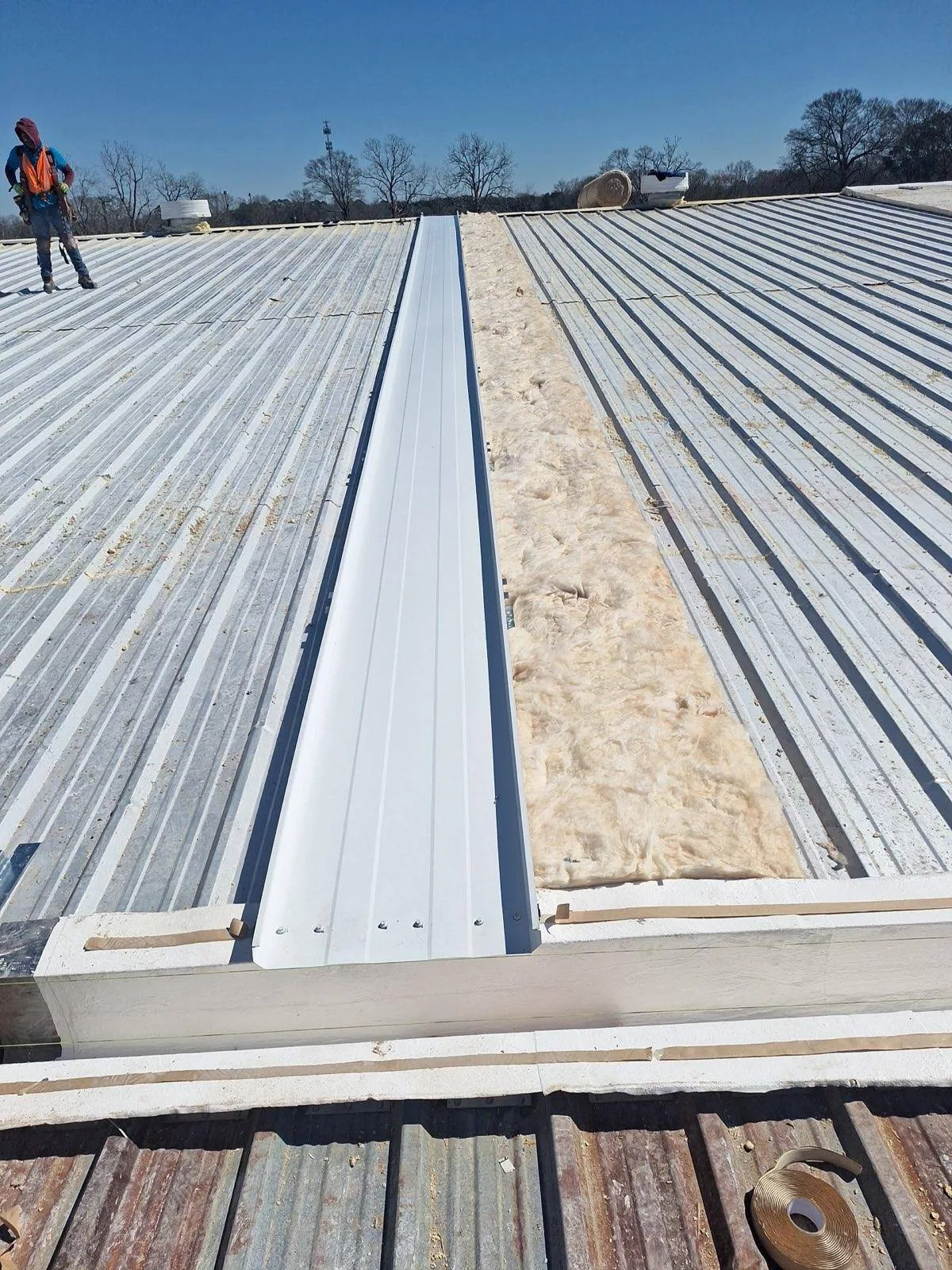
Our insulation and cover-board work addresses the receiving construction and the roof's thermal requirements. Selective openings may be needed to establish concealed condition and layer continuity. We also assess the attachment and any thermal paths through the assembly. The replacement scope should preserve a workable water boundary while correcting the components that contribute to moisture accumulation or deficient thermal performance.
Maintain control at refrigeration interfaces
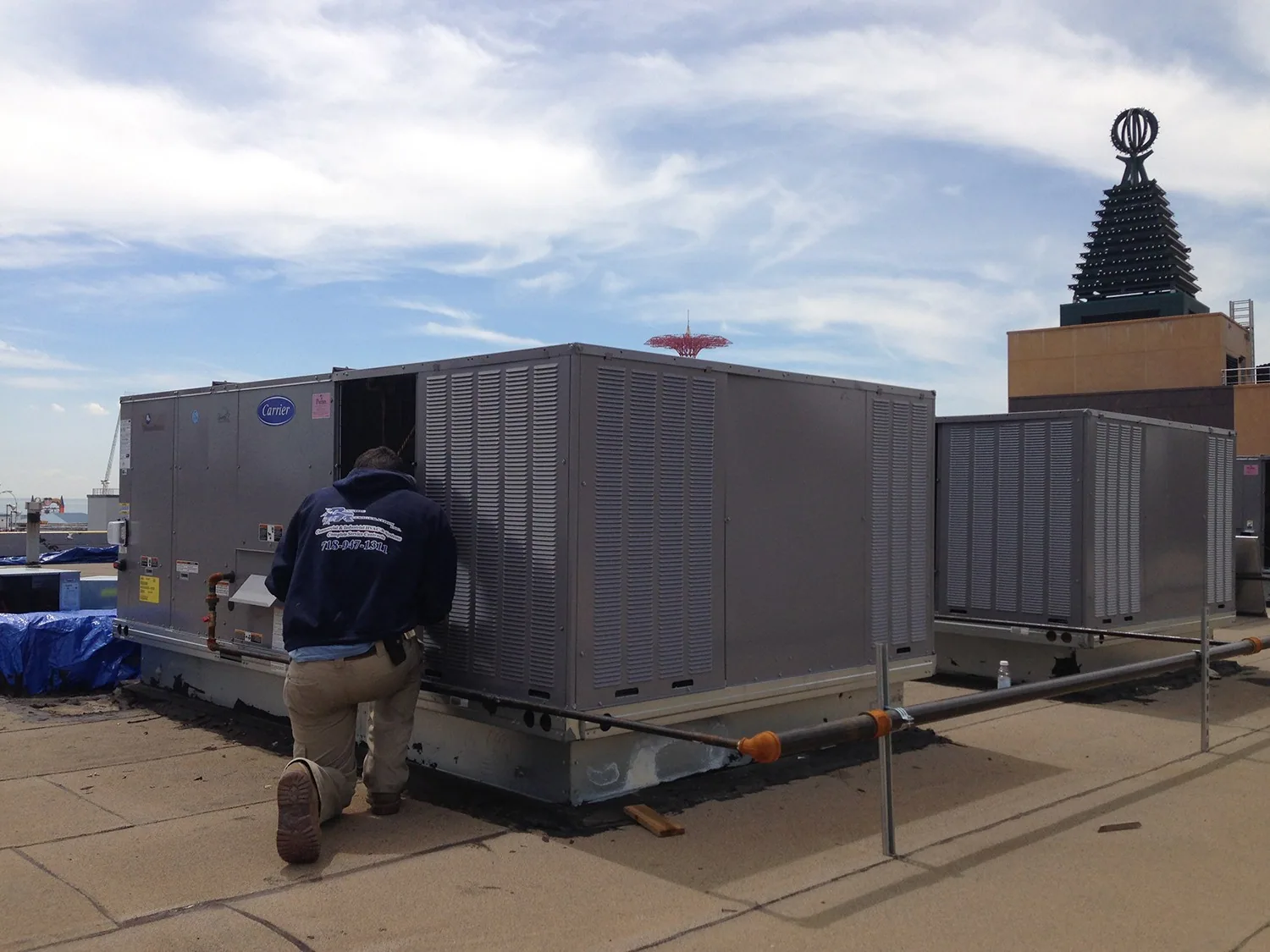
Refrigeration lines and equipment connections can interrupt both the exterior waterproofing and concealed control layers. We examine the support, flashing and the way the opening is closed through the roof. A weather-tight exterior boot is useful but may not complete the air-control connection below it. Movement and equipment servicing can further stress the detail. The repair needs to address the relevant layers without compromising required access to the equipment.
We coordinate curb and support corrections with the roofing connection where equipment changes affect the assembly. Higher insulation can reduce flashing clearance, while a removed unit can leave an opening requiring deliberate closure. Those changes should be assessed before replacement materials are selected. A new roof should not inherit a concealed gap simply because the exterior penetration appears finished.
Protect the cold space during removal
Opening a refrigerated roof can affect temperature and moisture control below as well as expose the deck to rain. We assess the operating requirements and suitable protection before defining removal limits. Some work may need a planned equipment interval or interior isolation. Daily closure should restore the necessary construction stage, including the relevant envelope connections, rather than leave a surface-only temporary measure to carry an extended operating demand.
South Hingham includes food businesses such as Venus Wafers and Yankee Trader. Where food-related property uses refrigerated space, the roof assessment needs the actual storage temperatures and operating constraints. Those conditions establish the thermal questions. For work in South Hingham, we connect the removal sequence with the individual building's equipment and product-protection needs. The plan should specify how the exposed work area is controlled while storage continues elsewhere.
Keep exterior water separate
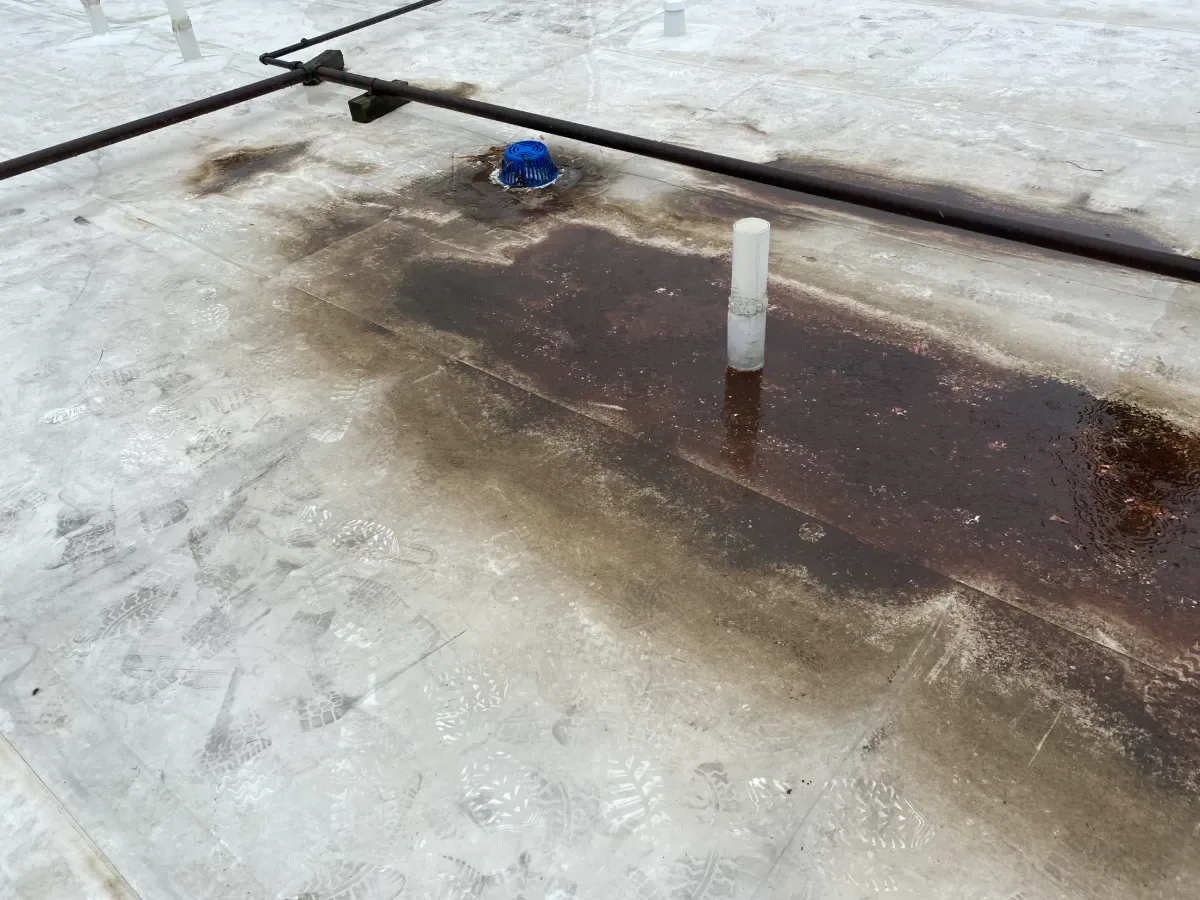
A blocked outlet can hold meltwater against a roof defect regardless of the refrigerated conditions beneath it. Quincy prepares for blizzards and nor'easters, making winter drainage a useful inspection priority. We examine drains, low-point connections and overflow arrangements alongside the membrane. Exterior water entry needs a repair even where condensation is also present. Solving one mechanism should not leave the other untreated.
Stoughton Technology Center includes commercial and restaurant uses among its mixed activities. On a property with several tenants, refrigerated and ordinary interior zones can place unlike demands on neighboring roof areas. We examine the actual division between them. Repairs associated with ponding follow the exterior geometry, while insulation and control-layer corrections follow the thermal arrangement. The assessment should explain where those scopes meet at the roof transition.
Compare complete envelope construction
A roof replacement comparison should identify the membrane, insulation, control layers, attachment and interfaces retained or rebuilt. Surface material alone is a narrow basis for the decision. We assess how the proposed assembly performs above the refrigerated use and how it connects to adjacent construction. Where concealed deterioration is bounded, local reconstruction may be appropriate. Wider moisture damage can require a broader removal scope.
Installation conditions matter because damp receiving material can become trapped within the renewed assembly. We assess preparation and closure stages with the selected system's requirements. Complex equipment connections may need more time than open field, particularly where several layers must be restored. The sequence should allow those details to be completed suitably rather than force the same daily area target across unlike parts of the roof.
Ongoing equipment maintenance also needs an accessible roof. We assess service routes and suitable protection against abrasion or puncture without interfering with drainage. A well-designed envelope connection can still be damaged by repeated contact from an unstable support or unprotected access route. The completed scope should identify those vulnerabilities so the cold-storage assembly remains maintainable after the renewal work ends.
Commercial Roofing Questions
Can condensation look like a roof leak in a freezer building?
Yes. Moisture from air leakage or vapor movement can become visible below the assembly, sometimes alongside exterior entry. We compare weather timing, operating temperatures and the condition of the roof connections to investigate the mechanism. The repair should identify whether it closes rain entry, restores control-layer continuity or addresses both. Similar interior symptoms do not establish identical construction needs.
Should the vapor-control layer match an ordinary office roof?
Refrigerated conditions need their own assessment. Operating temperatures, humidity and the arrangement of insulation affect the suitable control strategy. We examine those conditions and the adjoining wall and roof connections before defining the assembly. A layer that is appropriate for a different interior environment should not be carried into cold storage without evaluating moisture movement.
Can new insulation be installed over damp retained boards?
Damp material needs investigation and a removal decision before it is concealed. We establish its condition and the cause of moisture, then define suitable reconstruction. Retaining compromised insulation can preserve deficient thermal performance and an unsuitable receiving surface. The new assembly should be installed over material assessed as serviceable, with the moisture mechanism corrected.
What information helps plan work above active refrigerated storage?
Provide operating temperatures, equipment requirements, product-protection constraints and the layout of adjoining warmer zones. We use that information alongside roof condition to define removal boundaries and closure stages. The work may need interior isolation or a coordinated equipment interval. Those arrangements should be identified before opening the assembly rather than addressed after thermal or moisture control is disrupted.