Data Center Roofing in Quincy, MA
A wind-driven storm can test a cooling-equipment roof connection while the equipment below continues serving a data operation. For a Quincy, MA, asset, the repair decision includes that operating dependency and the water boundary around it. We examine the support, flashing and service route before defining work. A small opening above a water-sensitive room can deserve prompt attention even where the wider roof remains serviceable. The physical condition and interior exposure should be assessed together.
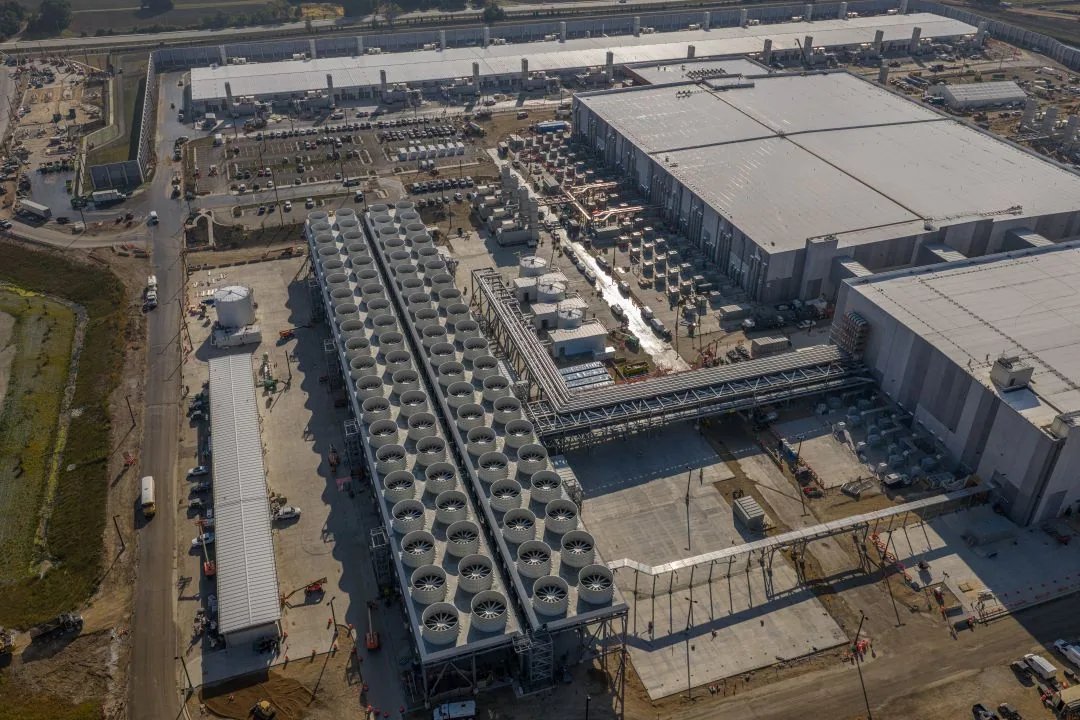
Data-center roof work can involve cooling equipment, electrical infrastructure and carefully controlled access. We plan the roofing scope around the actual systems that must remain available. Quincy's hurricane and nor'easter preparedness concerns make secure details and weather closure practical priorities. We assess the installed assembly and identify the protection required above the sensitive rooms, including equipment interfaces that need coordinated work.
Water-Sensitive Zones Need Protection
A reported drip above equipment needs a clear response boundary. We examine the exterior entry mechanism while the property team identifies the equipment and interior areas requiring immediate protection. Water may move within the assembly before it becomes visible. The affected roof connection can therefore lie beyond the nearest overhead point. The investigation follows both the physical roof and the interior exposure, without making an unsupported claim that a surface patch has resolved concealed damage.
We provide urgent roof intervention where active entry requires immediate action, including outside ordinary daytime schedules. A temporary measure should be identified as such and followed by a suitable permanent scope. Interior containment does not close the roof defect. Wet insulation, damaged receiving material or a failing curb can require further investigation before the completed repair is defined.
Equipment Interfaces Need Service Access
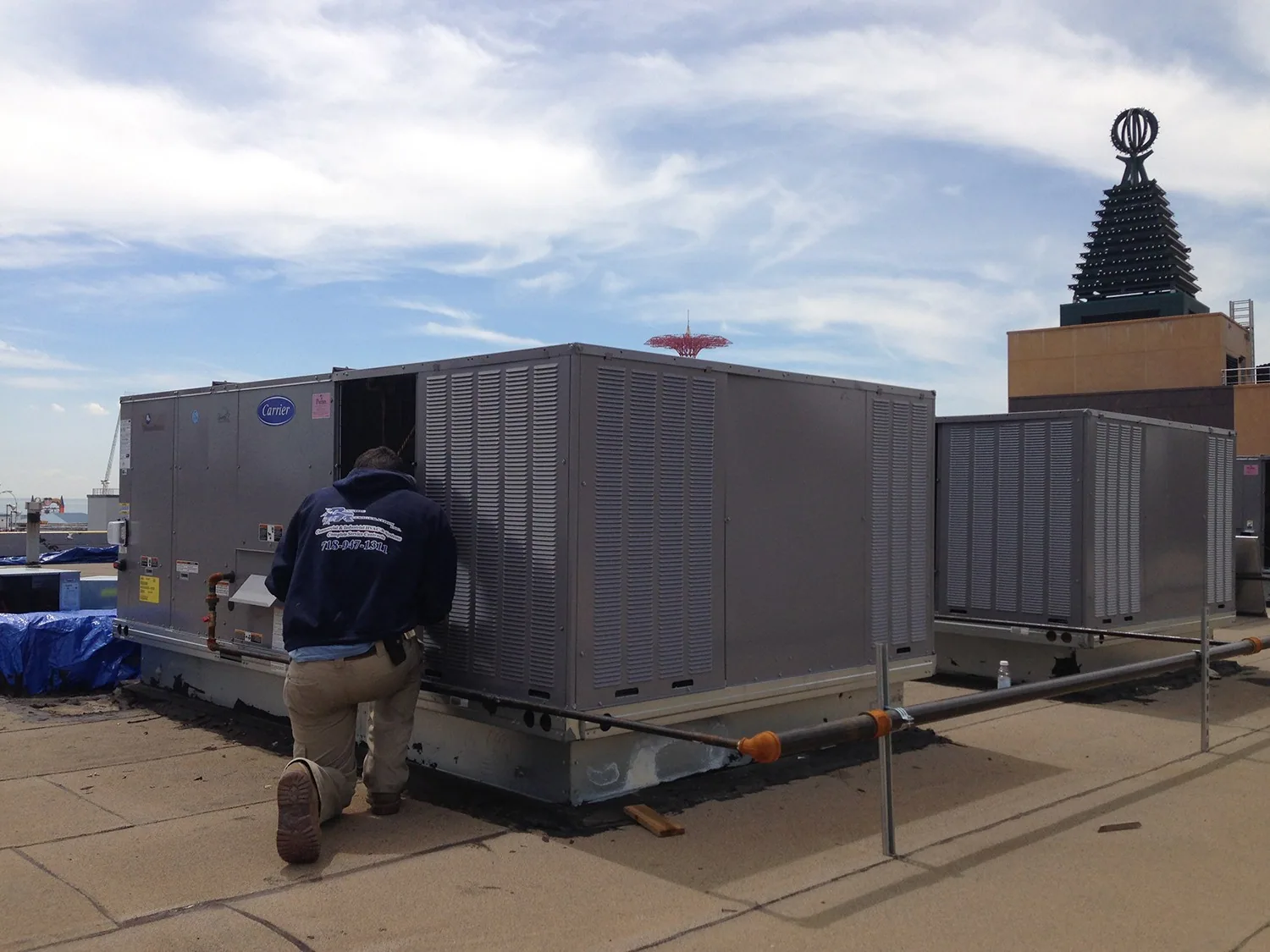
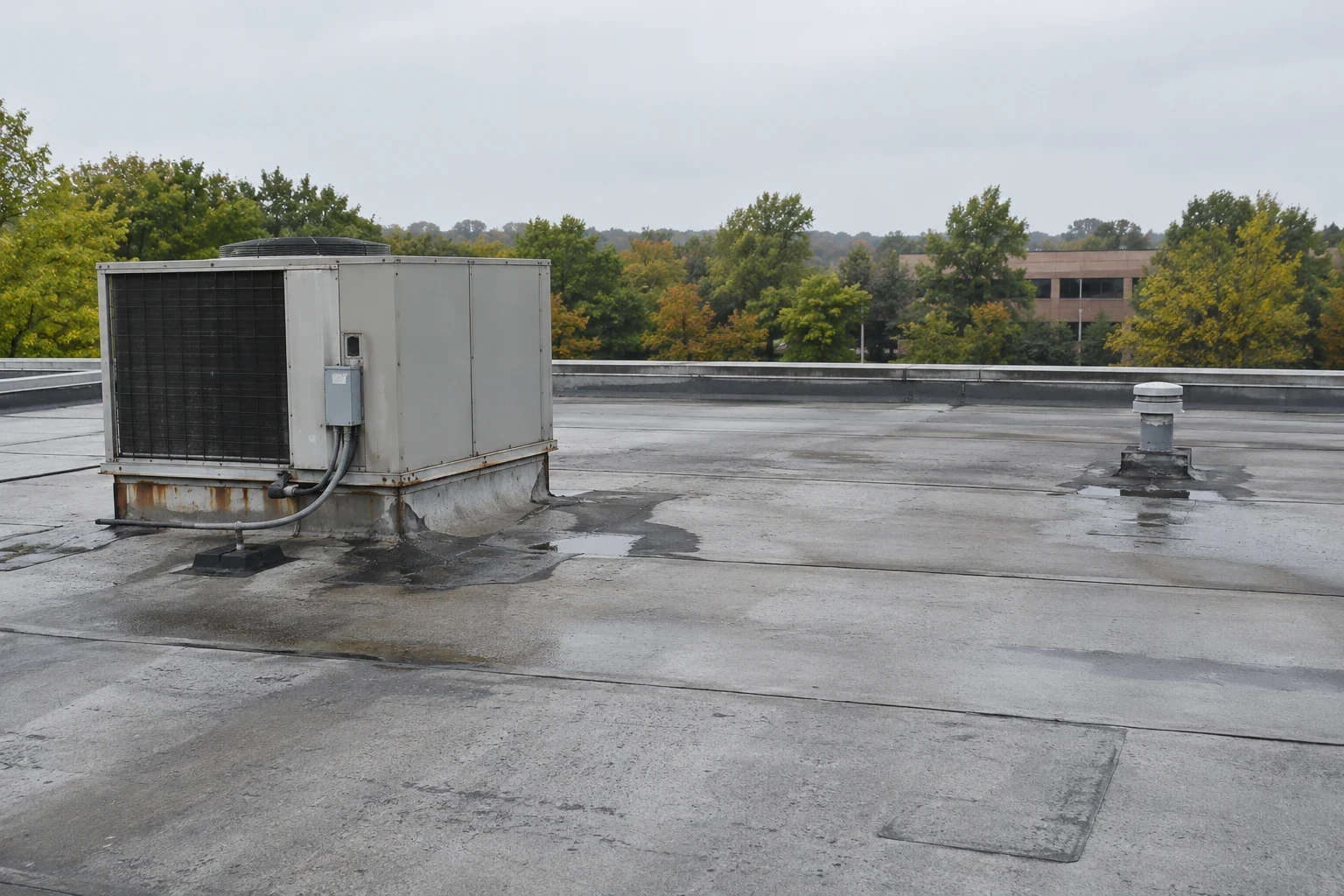
A cooling unit can create several different roof demands: support loading, service traffic, flashing geometry and connections that interrupt the water boundary. We examine each rather than treat the unit as a single penetration. A support that shifts can stress adjacent flashing, while a low curb can leave insufficient height after insulation is increased. Those defects require different corrections. Equipment access also needs to remain workable after roofing repairs are complete.
Our equipment curb and support work connects the roofing detail with the necessary equipment coordination. The scope should identify which tasks require equipment interruption and which can proceed without it. We assess those intervals with the property team rather than assume every unit can be disconnected or every operation can continue unchanged. The finished water boundary should remain accessible for examination at the next service visit.
Technician Routes Create Wear
Concentrated foot traffic can abrade membrane or damage corners where a technician must pass close to equipment. We examine the route from the access point to service positions and select compatible protection where appropriate. The protection should not obstruct water or conceal a defective connection. A sharper contact or unstable support needs correction as well. Walk material alone cannot prevent damage caused by a moving component.
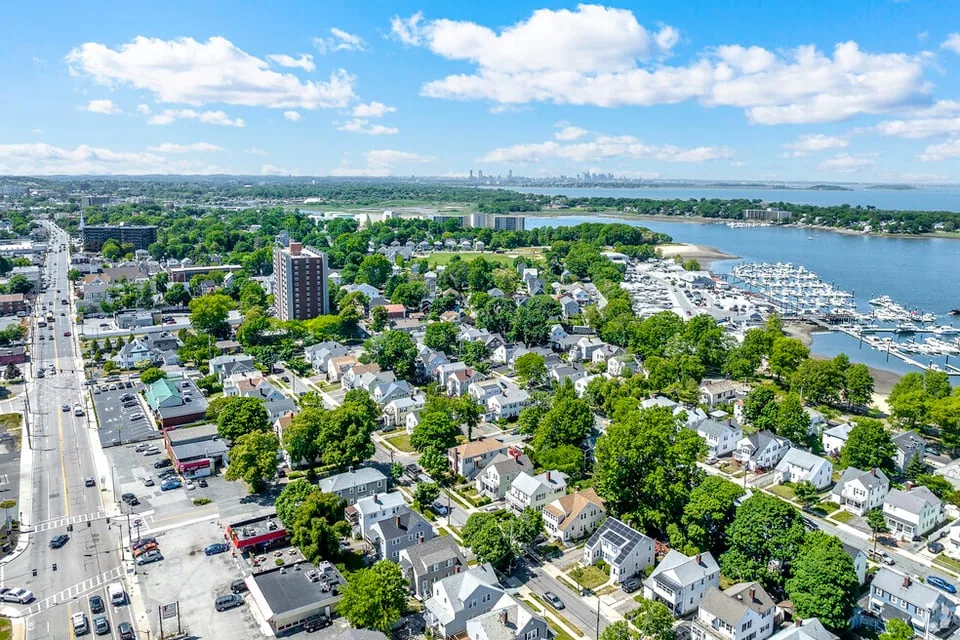
South Quincy includes Crown Colony Office Park near the regional highway junction. On an office asset containing water-sensitive communications or computing rooms, the same roof-to-operation questions can apply at a different scale. We assess the actual room use and equipment layout. Office-building roof work can include dedicated protection above those areas rather than apply one interior arrangement across the entire property.
Low Points Change Renewal Scope
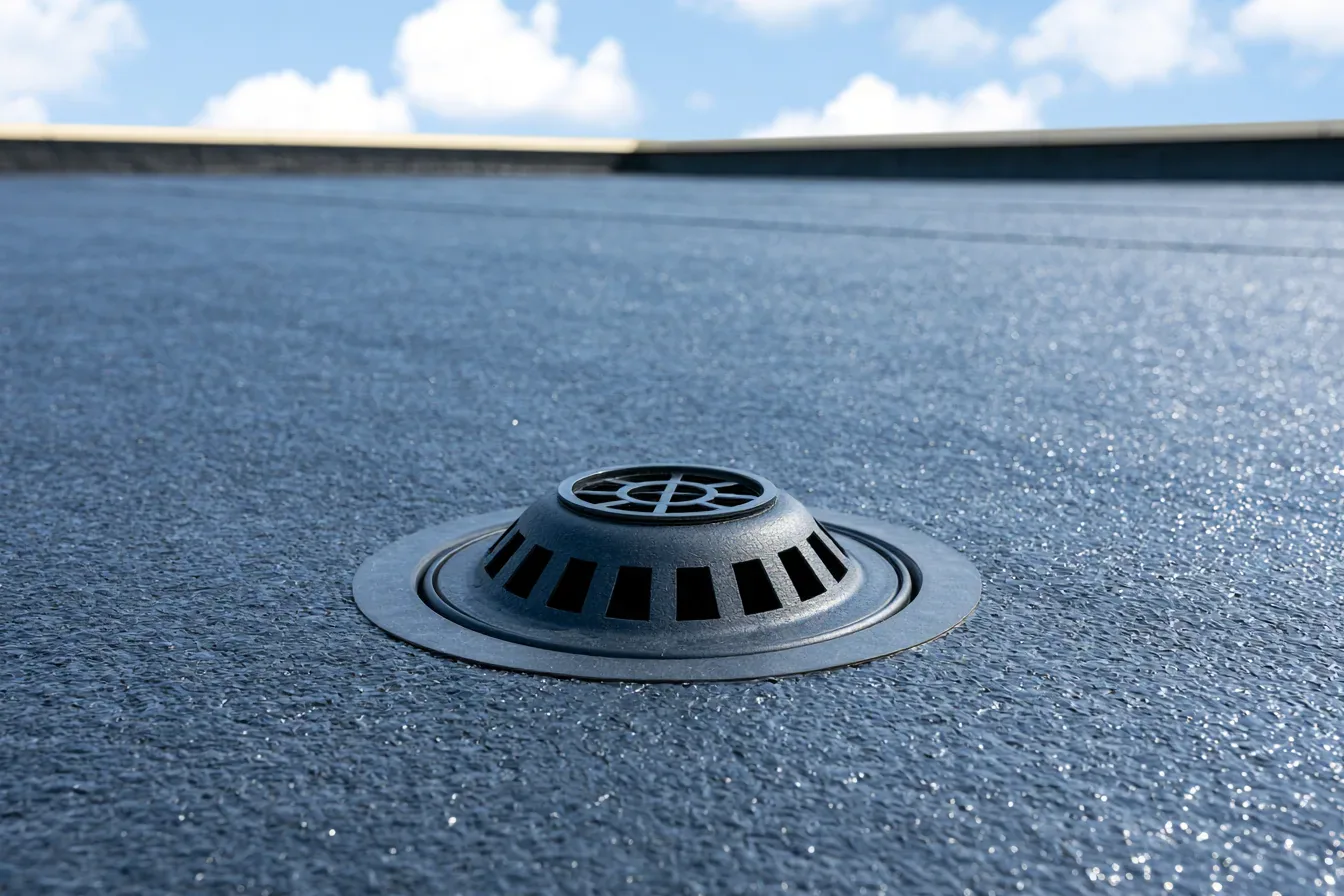
A blocked drain can extend water contact at a vulnerable seam or equipment flashing. We examine outlets, overflow arrangements and the roof elevations leading to them. A freely draining field and a persistent low pocket should not receive the same recommendation without investigation. Drain clearing can restore one condition; geometry changes may be needed for another. The roofing scope should identify the mechanism holding the water.
We connect drainage connection repairs with the planned assembly and completed roof height. Increasing insulation can change the relationship between the drain and surrounding field. The transition needs a deliberate detail before installation begins. Winter accumulation adds another reason to examine access to outlets and low points. The roof should remain maintainable without requiring technicians to cross vulnerable equipment connections to reach routine cleaning locations.
Critical Rooms Depend on Sound Layers
Soft areas or recurring leaks can indicate moisture damage beneath an otherwise intact membrane. We establish the condition of insulation and deck where the findings warrant investigation. A dry stable assembly with a bounded puncture presents a different repair threshold from widespread wet material. Concealed deterioration should be made part of the decision before a new surface is installed. Retained layers need a reason to remain.
Quincy's economic-development activity includes financial services, healthcare, biotechnology and robotics. Commercial property serving those activities can have varied equipment and operating demands. We assess the individual asset when comparing production-related roof requirements with data-operation needs. Bridgewater also has developed industrial areas along Elm Street and Scotland Boulevard. For computing space within an industrial asset, we examine the roof above the sensitive room separately from adjoining production and storage zones.
Daily Closure Sets the Work Boundary
Opening construction above sensitive equipment calls for a defined protection and closure plan. We assess the area that can be completed in suitable conditions, including detailed connections rather than only field installation. Curbs, walls and drain zones can require more work than open membrane. The removal boundary should allow those connections to be secured before the weather changes. A partially finished field does not protect an unfinished transition.
For property in South Quincy, the proposed sequence should connect access, equipment coordination and occupied-space protection with the roof's actual condition. Material handling and disposal also need to avoid unmanaged conflicts with required building operations. We identify those constraints before work begins. The owner can then compare repair and replacement through both the retained construction and the operating exposure created by each approach.
Completion includes examining repaired connections and the routes used by subsequent trades. A new roof can be damaged during equipment reinstatement if supports, sharp contacts or service paths are not addressed. We assess those interfaces as part of the construction sequence. The final arrangement should leave the assembly maintainable, with compatible future repair methods and clear access to the details that protect water-sensitive space.
Commercial Roofing Questions
Can cooling equipment remain running during roofing work?
The equipment arrangement and required tasks need assessment. We identify whether a curb, support or connection requires coordinated interruption and which nearby roof work can proceed under suitable protection. The plan should make those boundaries clear. We do not assume that a unit can be removed or remain untouched simply because the broader building needs continuous operation.
How do we prioritize a small leak above sensitive equipment?
Interior exposure can make a bounded defect an immediate service priority. We investigate the entry route, arrange suitable roof intervention and identify any further concealed damage requiring permanent work. The wider assembly is assessed separately. A localized urgent repair and a later renewal decision can be appropriate where the physical conditions support that distinction.
Does equipment redundancy remove the need for interior protection?
Roof work still needs a protection plan suited to the affected area. We assess water, debris and access exposure without assuming how the building's systems respond to interruption. The property team identifies the operating dependencies, while our construction assessment defines the roof tasks and closure requirements. Those two sets of information should be connected before removal starts.
What should distinguish replacement scopes above data operations?
Compare removal boundaries, concealed-material investigation, insulation, equipment interfaces and daily closure stages. Then compare how the work protects the rooms and systems below. A proposal that changes only the field membrane may leave deteriorated receiving material or vulnerable transitions in service. We explain those retained components so the owner can assess the complete construction.