Spray Polyurethane Foam Roofing in Quincy, MA
A dry interval between rain systems can be an installation constraint for spray foam, not simply an opening on the project schedule. In Quincy, MA, we assess receiving-surface moisture, application conditions and the time needed to protect new foam before defining the day's work. SPF roofing combines a formed insulating layer with protective coating. The two need to perform together. Exposed foam, unsuitable application conditions or a weak receiving surface can undermine the assembly even where the finished contour appears smooth.
We install and repair spray polyurethane foam roofs with attention to substrate condition, drainage and compatible protective treatment. A restoration decision starts by examining the existing foam and coating rather than assuming a new surface application will correct everything beneath it. Comparisons with silicone protective coatings and other compatible systems include the actual roof condition and the selected product's requirements.
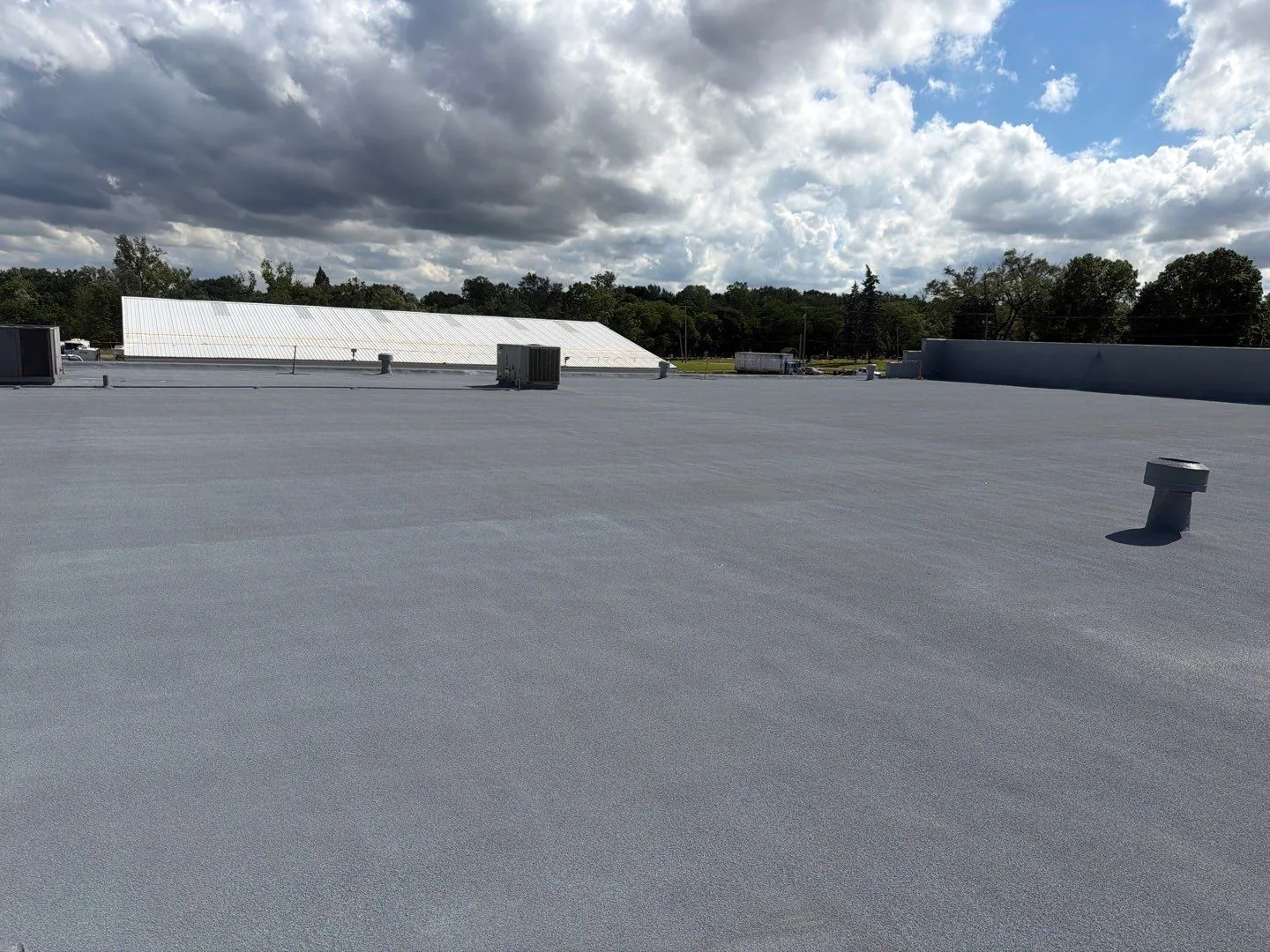
Keep foam protected from exposure
A thin or damaged protective layer can leave foam vulnerable to sunlight and physical wear. We examine coating coverage, cracks, punctures and concentrated damage beside service paths. The repair should address the affected foam as well as restore appropriate protection. Applying coating over deteriorated exposed material can leave a poor receiving surface and conceal the extent of damage. A clean appearance after application is not enough to establish a sound repair.
We assess the type of existing coating and its compatibility with proposed work. Suitable preparation, adhesion checks and product-specific application requirements affect the scope. A recoating interval should follow observed condition and the assembly's maintenance needs, rather than an unsupported promise of lifespan. Where the foam remains dry and serviceable, renewing its protective layer can be considered differently from reconstructing an area with damaged or wet material.
Map damaged foam before recoating
A soft or discolored patch can indicate damage that extends beyond the visible opening. We investigate the foam and the retained construction beneath it to establish the removal boundary. Water entry can affect local material while other roof areas remain serviceable. The owner needs that distinction before deciding whether to restore the surface or replace a wider portion of the assembly. A protective coating cannot return damaged underlying construction to its original condition.
For a roof moisture investigation, we select methods appropriate to the assembly and weather, then use physical checks where necessary. The findings guide repairs instead of merely producing a map of temperature differences. Removed areas need compatible reconstruction and a continuous protective finish. We explain whether the damage is bounded, whether the receiving construction is suitable and which adjacent details may have contributed to entry.
Form the water path deliberately
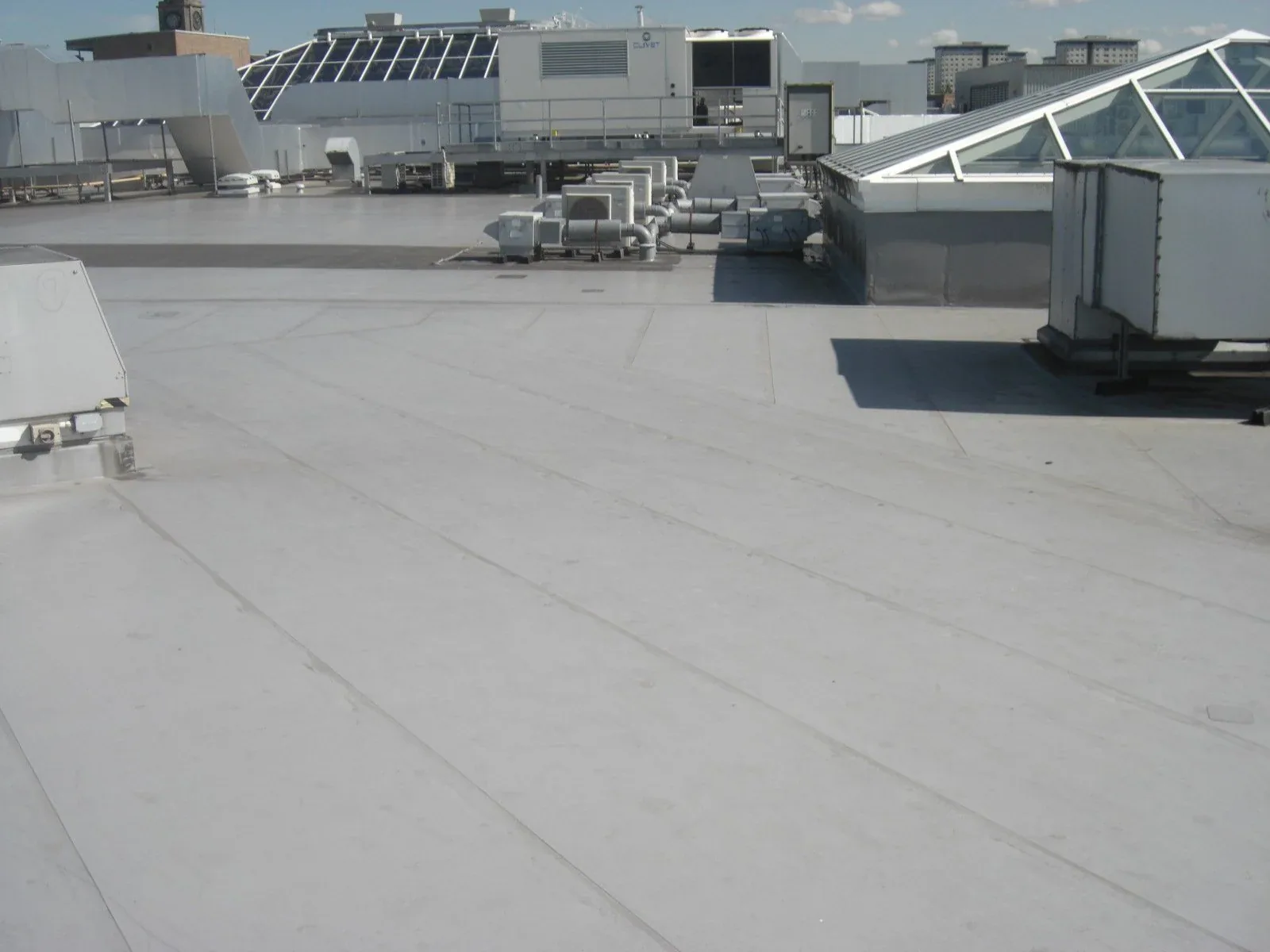
Spray-applied foam can be used to build a roof contour, but that capability requires deliberate slope and outlet planning. We assess low areas, drain positions and transitions before applying material. The finished surface should direct water without reducing necessary flashing clearance or creating pockets beside equipment. Adding thickness in the wrong location can shift ponding rather than eliminate it. The proposed contour needs to fit the roof's complete drainage arrangement.
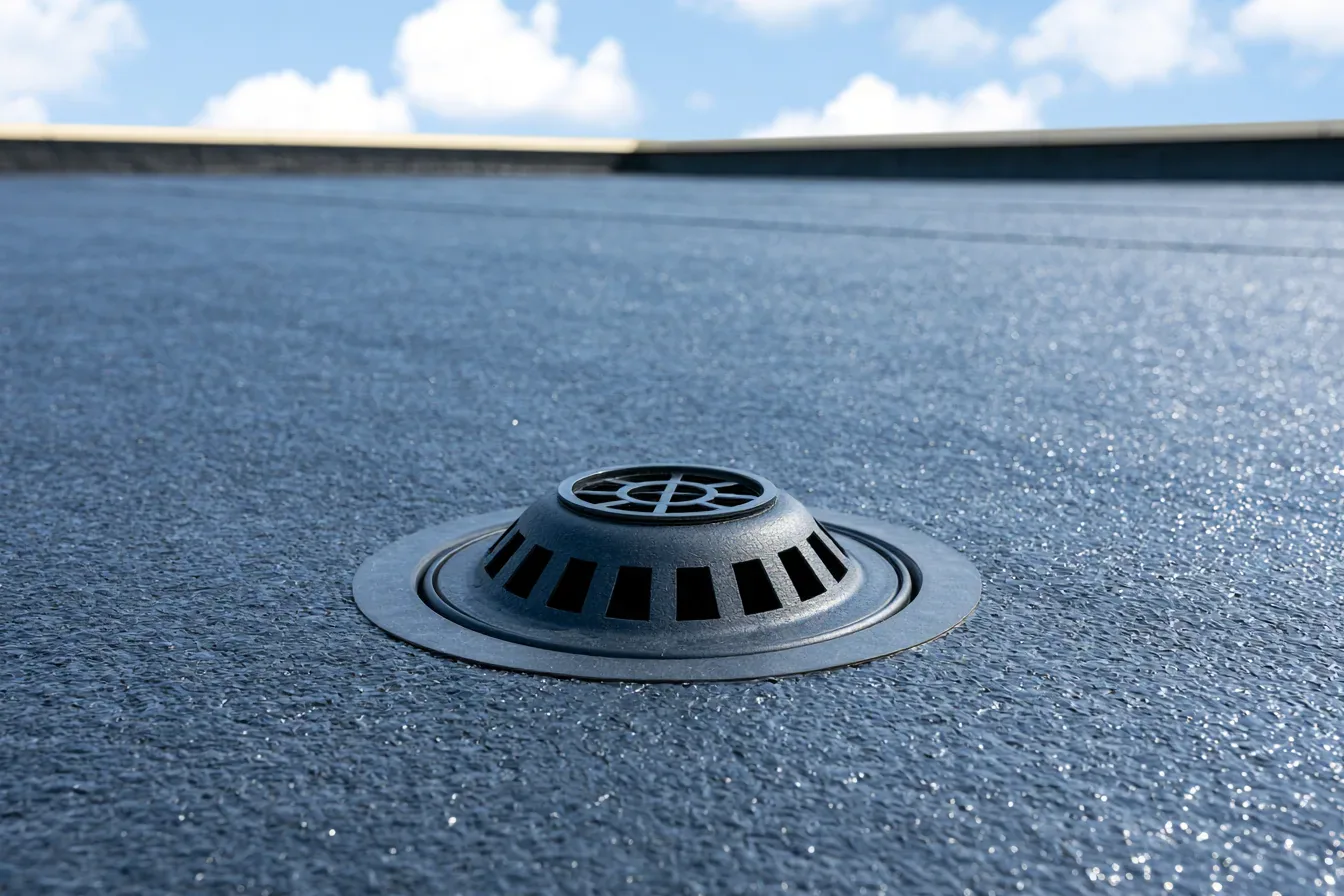
Quincy prepares for flooding, blizzards and nor'easters. Meltwater and sustained rain make the low points practical assessment priorities. We connect drainage corrections with the proposed foam profile and protective coating details. Outlet connections and overflow provisions still require suitable construction. A roof should not depend on coating choice alone to tolerate a drainage defect that can be corrected through the assembly.
Control wind and nearby activity
Wind can carry spray beyond the intended work area. We evaluate application conditions and the surrounding property before defining protection and work limits. Nearby vehicles, air intakes, equipment and occupied areas may require specific controls. The application should remain within suitable weather conditions for the selected materials. A schedule that ignores those conditions can expose adjacent property or compromise the receiving surface and applied foam.
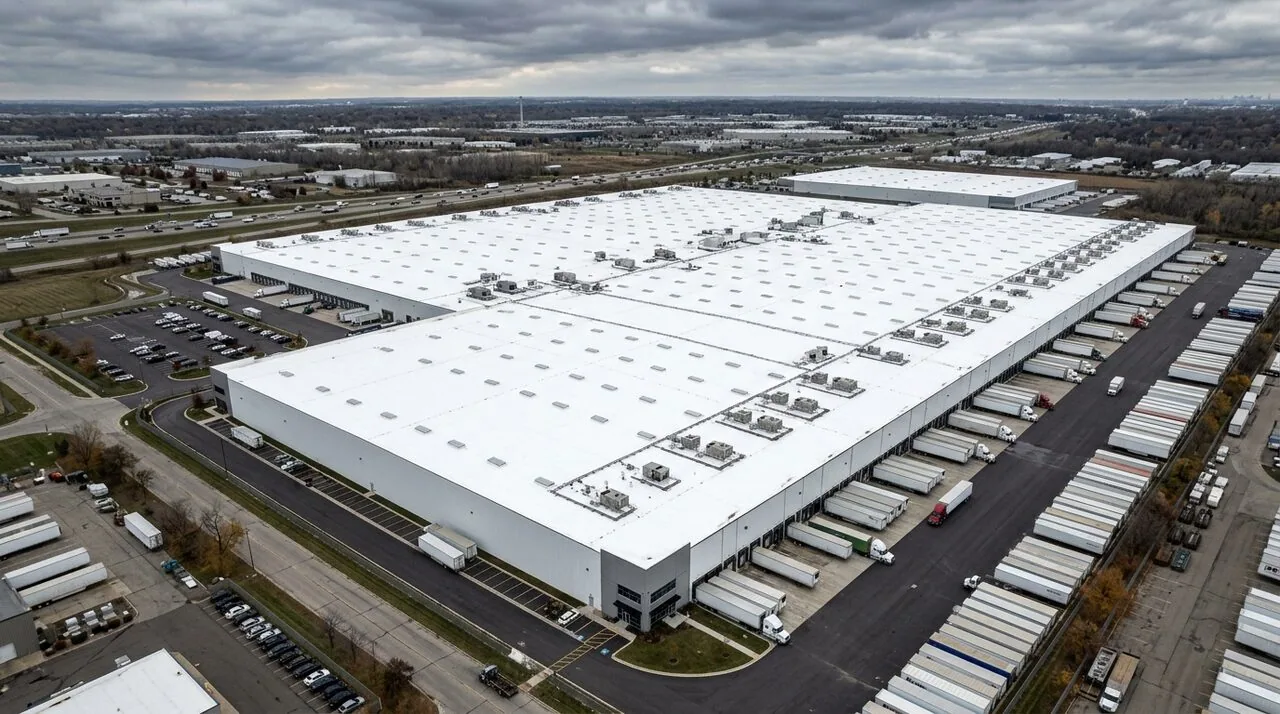
Avon Industrial Park includes developed business areas around Bodwell Street, Wales Avenue, Page Street and other industrial roads. On an operating industrial property there, delivery routes and exterior equipment can influence the protection arrangement during roof work. We assess the actual activities and neighboring exposure rather than assume the roof can be sprayed whenever a crew is available. For warehouse roofing, loading activity and open-air movement below can be relevant to application timing as well as roof access.
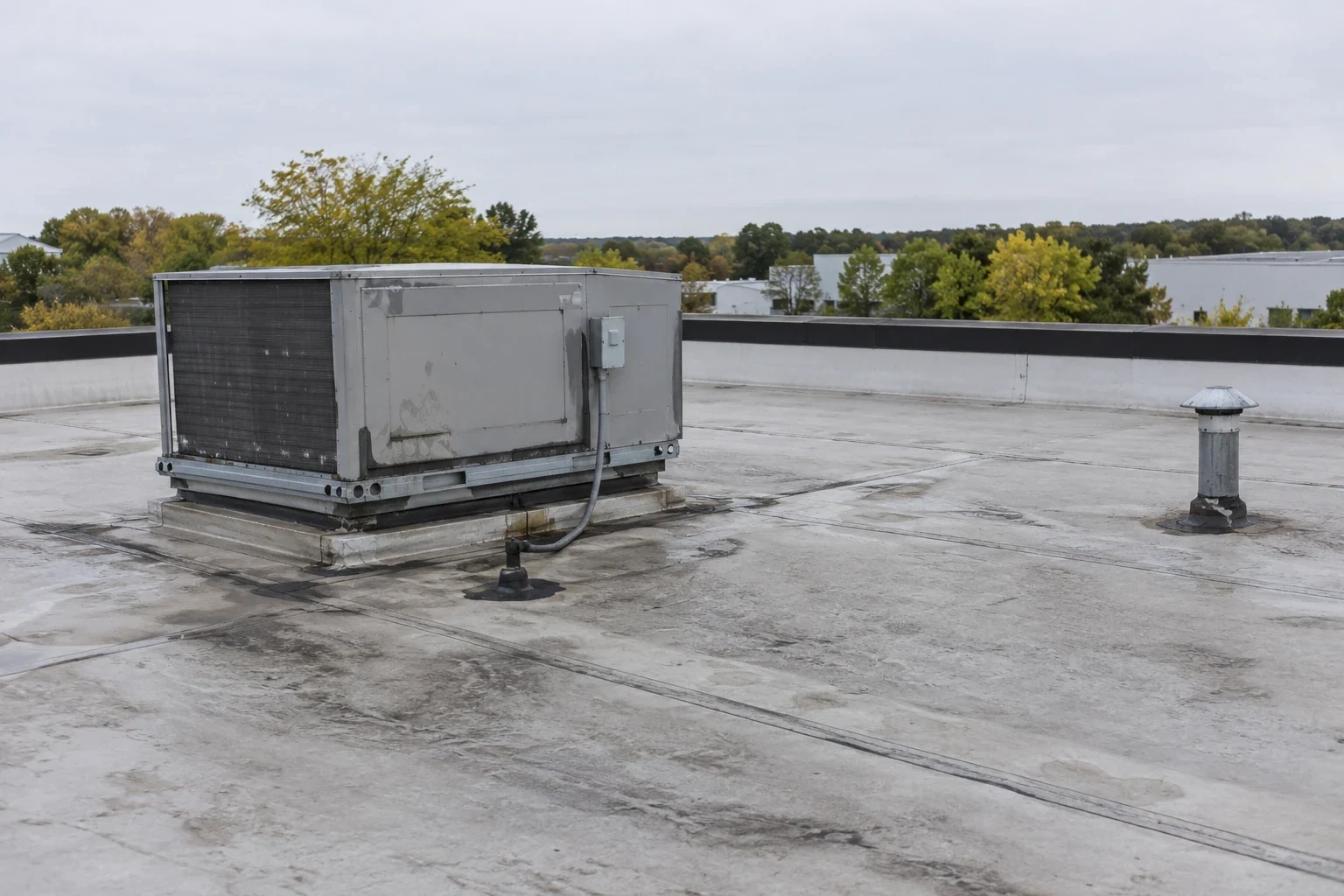
Air-intake protection needs coordination with the equipment's operating requirements. Blocking an intake without a workable arrangement can create an interior problem while the roof is being protected. We assess those interfaces before application, including which equipment must remain active and which can be shut down appropriately. Exterior storage and parked vehicles may also need relocation. The protection plan should correspond to the actual surrounding activity, not merely the dimensions of the roof surface being sprayed.
Compare foam with a changed assembly
Unsuitable retained roofing, wet insulation or unstable support can make a new foam application the wrong scope. We examine the receiving construction before deciding whether it can remain. Removing damaged material may lead to local foam reconstruction or to a different complete assembly. Those options should be compared on their actual insulation, attachment and detail requirements. A surface preference should not determine what deteriorated material stays beneath the work.
Bridgewater has industrial development around Elm Street and Scotland Boulevard with regional highway access. Buildings within those broad areas can present different roof contours and service needs. We compare a foam approach with a sheet-membrane assembly where the property supports either option. For work in Avon Industrial Park, the condition comparison includes equipment access, protective maintenance and the ability to provide suitable application conditions.
Daily closure matters because new foam needs the specified protective finish and completed transitions. We define application areas that can be brought to the appropriate stage within the available weather interval. Complex curbs and outlet zones can demand more detail time than unobstructed field. That difference influences the renewal sequence. The completed work should provide a maintainable assembly, with exposed or damaged foam areas repaired before routine rooftop service resumes.
Commercial Roofing Questions
Can we recoat SPF that has small exposed foam patches?
The exposed material needs examination before recoating. We assess deterioration, moisture and the condition of the surrounding foam, then remove or repair affected areas as appropriate. The protective system should bond to sound prepared material. Simply hiding a damaged patch beneath coating can leave a weak area in the completed roof.
Will extra foam thickness remove every ponding area?
Drainage design and controlled application establish the finished contour. We assess elevations, outlets and flashing clearance before deciding where added thickness is useful. Some problems also require drain or transition changes. Moving water into another low pocket is not a complete correction, so the proposed profile should be evaluated across the relevant roof area.
How does weather affect an SPF installation date?
Surface moisture, wind, temperature and the product's application requirements determine whether work can proceed suitably. We assess those conditions alongside the time needed for coating and detailing. An available crew date does not establish an appropriate application interval. The schedule should allow a completed, protected work area rather than force installation under unsuitable conditions.
When should foam roofing be replaced instead of restored?
Extensive damaged foam, unsuitable retained materials or unreliable support can justify a broader replacement scope. We establish the extent of moisture and deterioration before comparing restoration with removal. A sound dry assembly with worn protective coating presents a different decision. The recommendation should identify the components retained and the defects each option corrects.