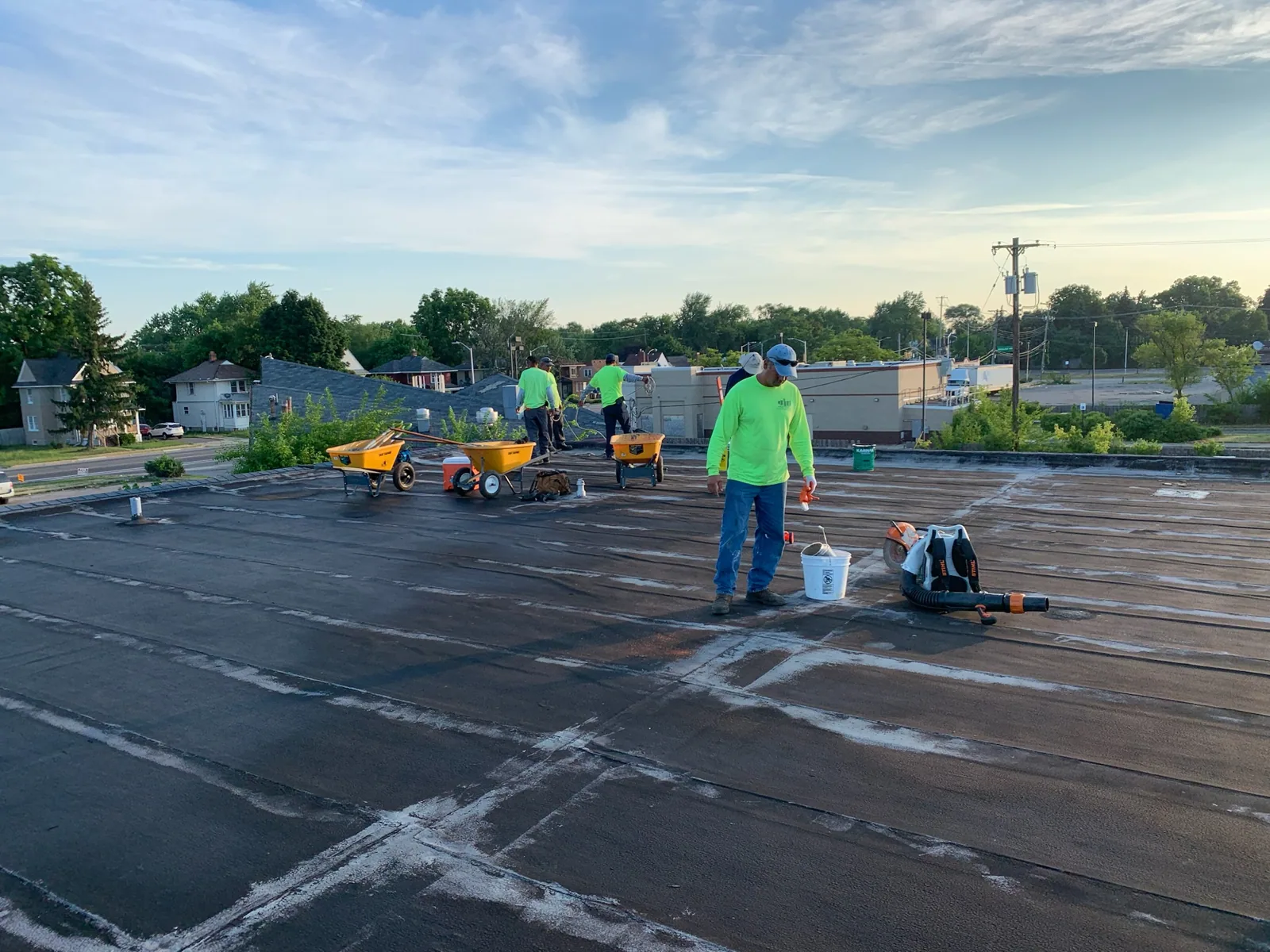
Commercial Roofing in Kingston, MA
Kingston's employment areas include Bassett Brook Park along Independence Road and industrial properties on Marion and Royson drives. Routes 3, 3A and 44 connect those areas to the region, helping an owner organize site visits. The road network does not diagnose a leak. We inspect the roof's actual membrane, edges, drains and penetrations, then compare what we see with interior reports and operating needs. The decision record distinguishes immediate service from concealed-condition testing and long-term renewal.
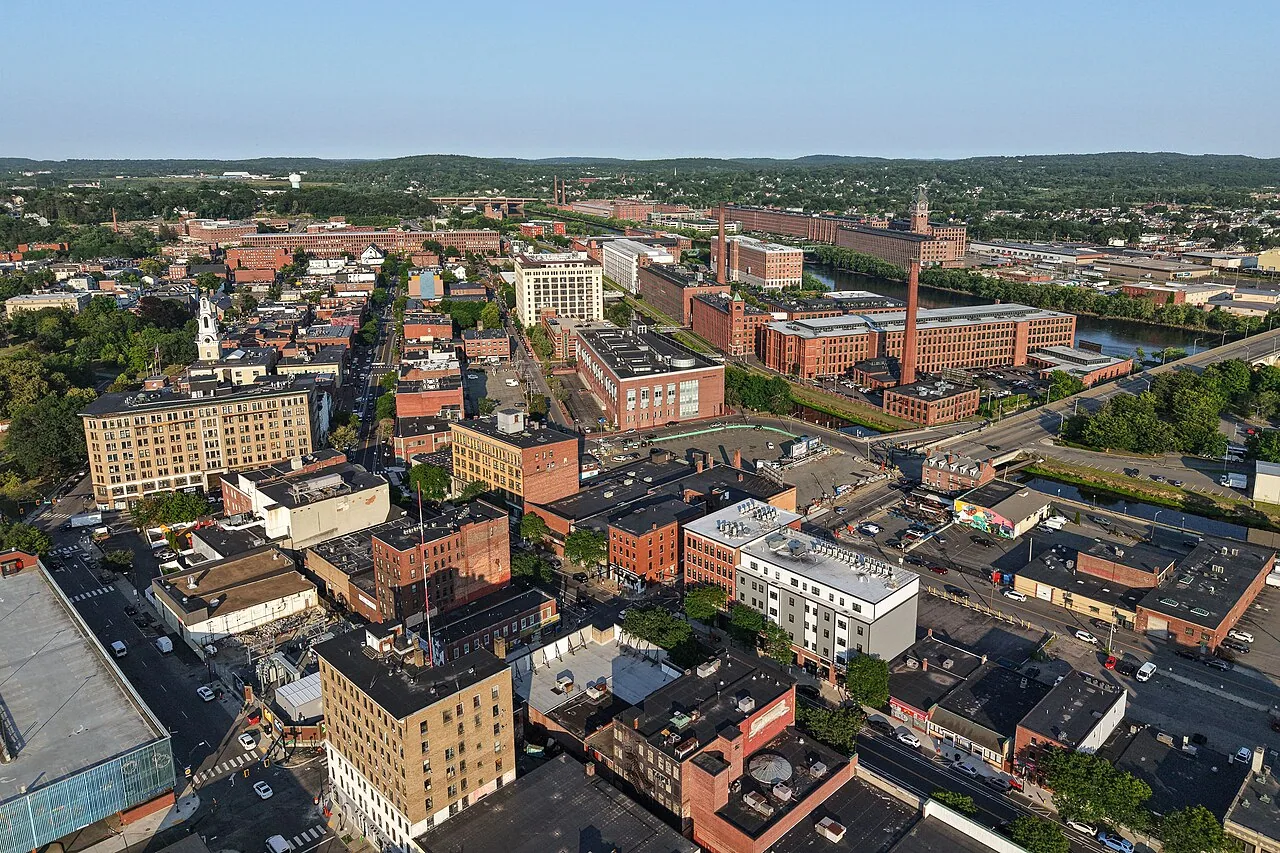
Map the Employment Areas
Bassett Brook Park is an employment area along Independence Road; separate industrial properties are found along Marion and Royson drives. Those locations can be scheduled together, but they should not share roof assumptions. We confirm the correct property entrance and service route, then note where loading, employee movement or deliveries cross the planned work area. The inspection records one assembly and one access plan at a time. A proven roof defect may need a commercial roof repair with compatible preparation.
Routes 3, 3A and 44 provide regional access to the employment properties. For a roof project, the owner still needs to identify a staging point, roof hatch, lift area and debris route. We confirm those controls with the site representative before material is dispatched. If a drive is shared or has a narrow delivery window, it becomes part of the sequence and the daily closure plan.
Inspect the Roof That Is Installed
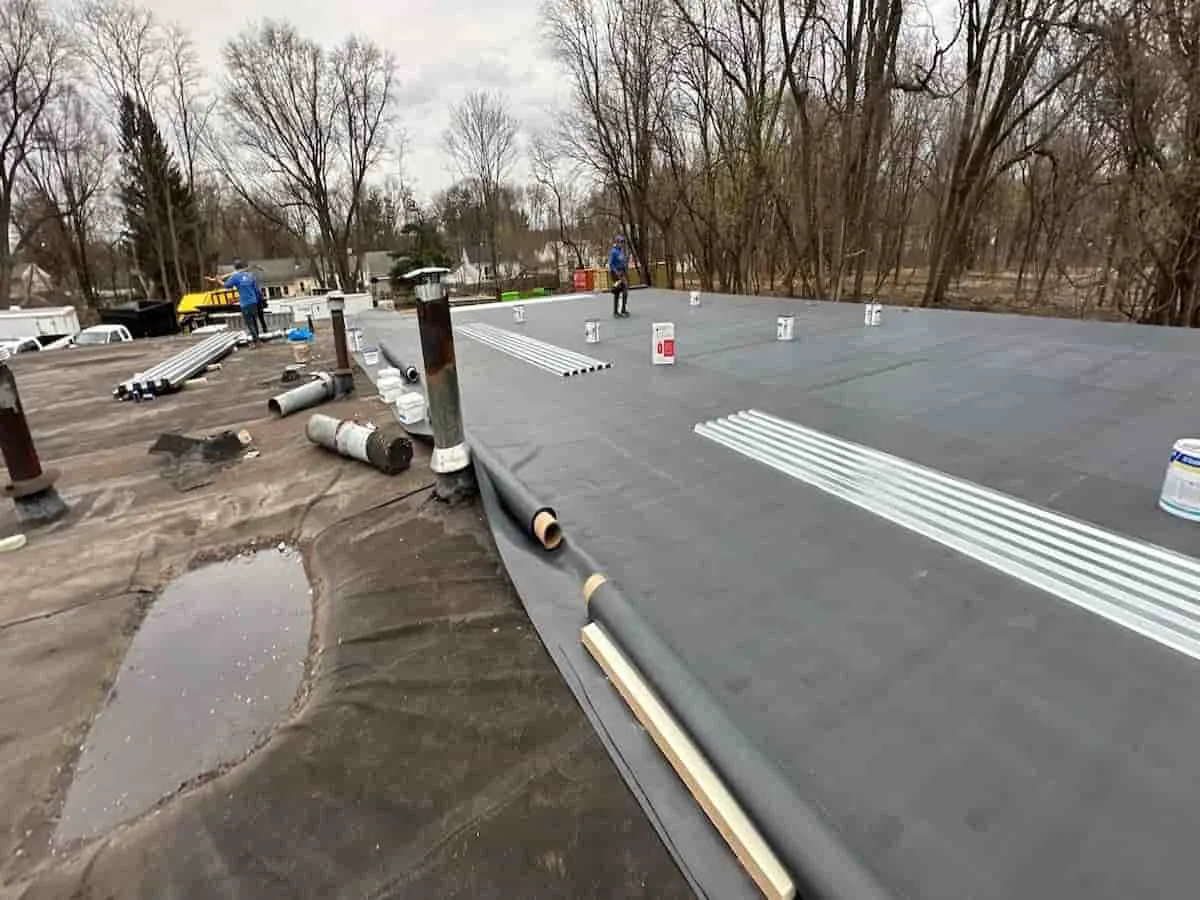
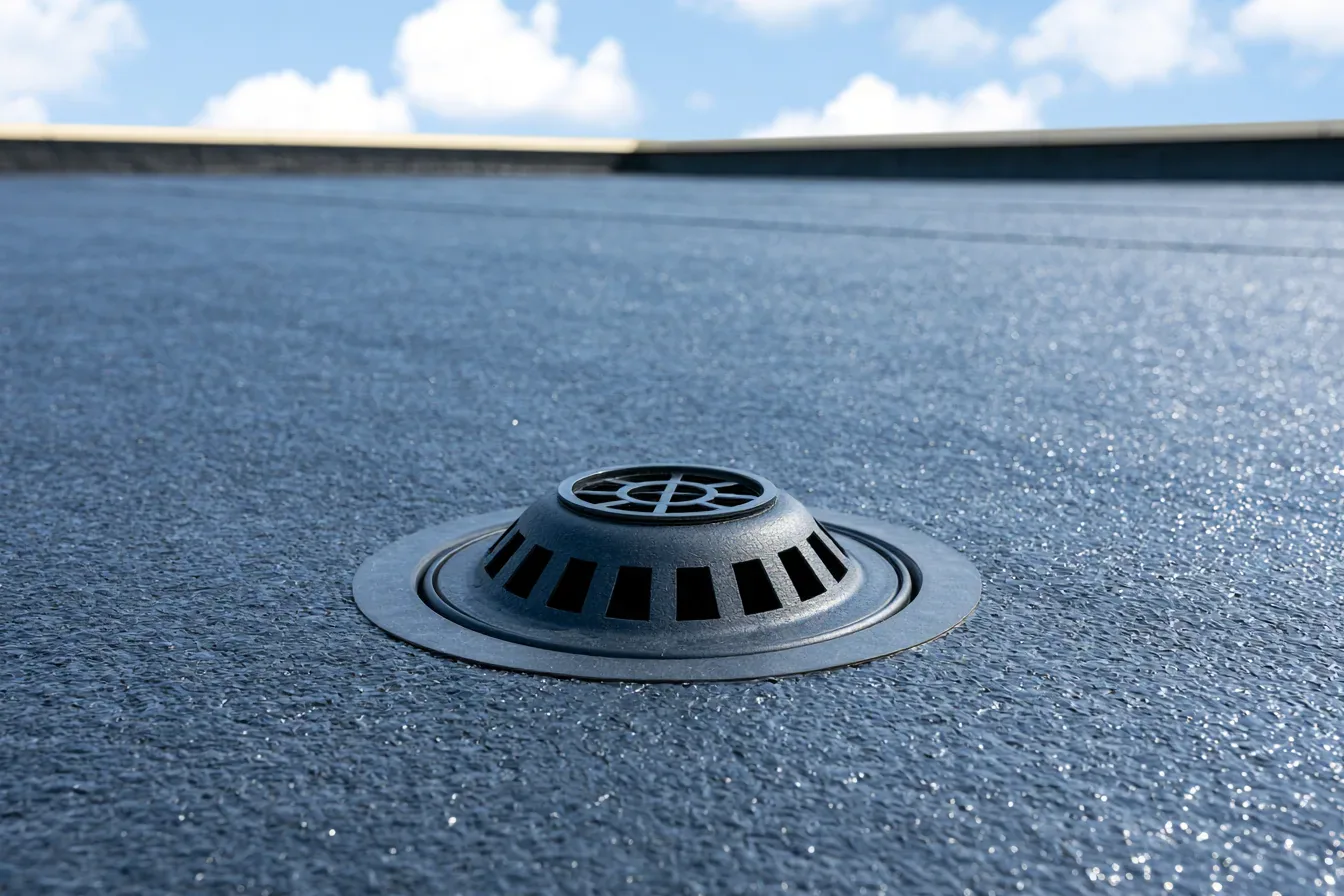
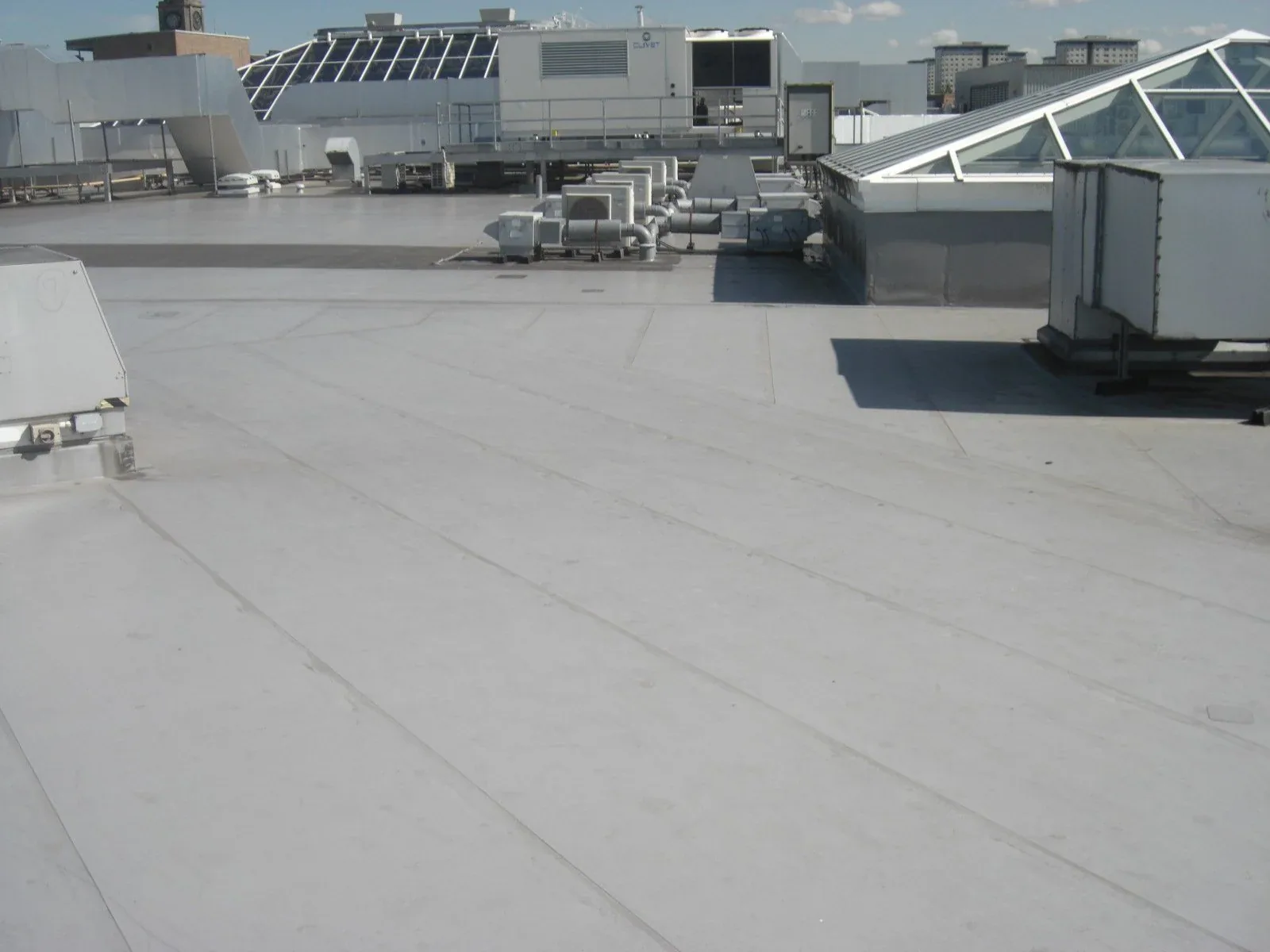
The district name does not establish roof age, layers or material. We inspect the membrane or metal assembly directly, recording laps, fasteners, coping, curbs, drain bowls and any visible patchwork. If a building has separate additions, each transition is reviewed because movement and drainage can differ from the main field. The condition report labels those areas instead of describing a campus or business area as one uniform roof. Outlet performance can be reviewed through drain and scupper repair.
A recurring leak can be caused by a detail far from the ceiling stain. We compare timing with slope, parapets, equipment curbs and roof drains, and note whether the interior evidence aligns with a visible opening. If the suspected area has no clear roof-side failure, a moisture survey or selective opening may help. The report states exactly what should be tested and what the test result would change.
Keep Deliveries Out of the Work Zone
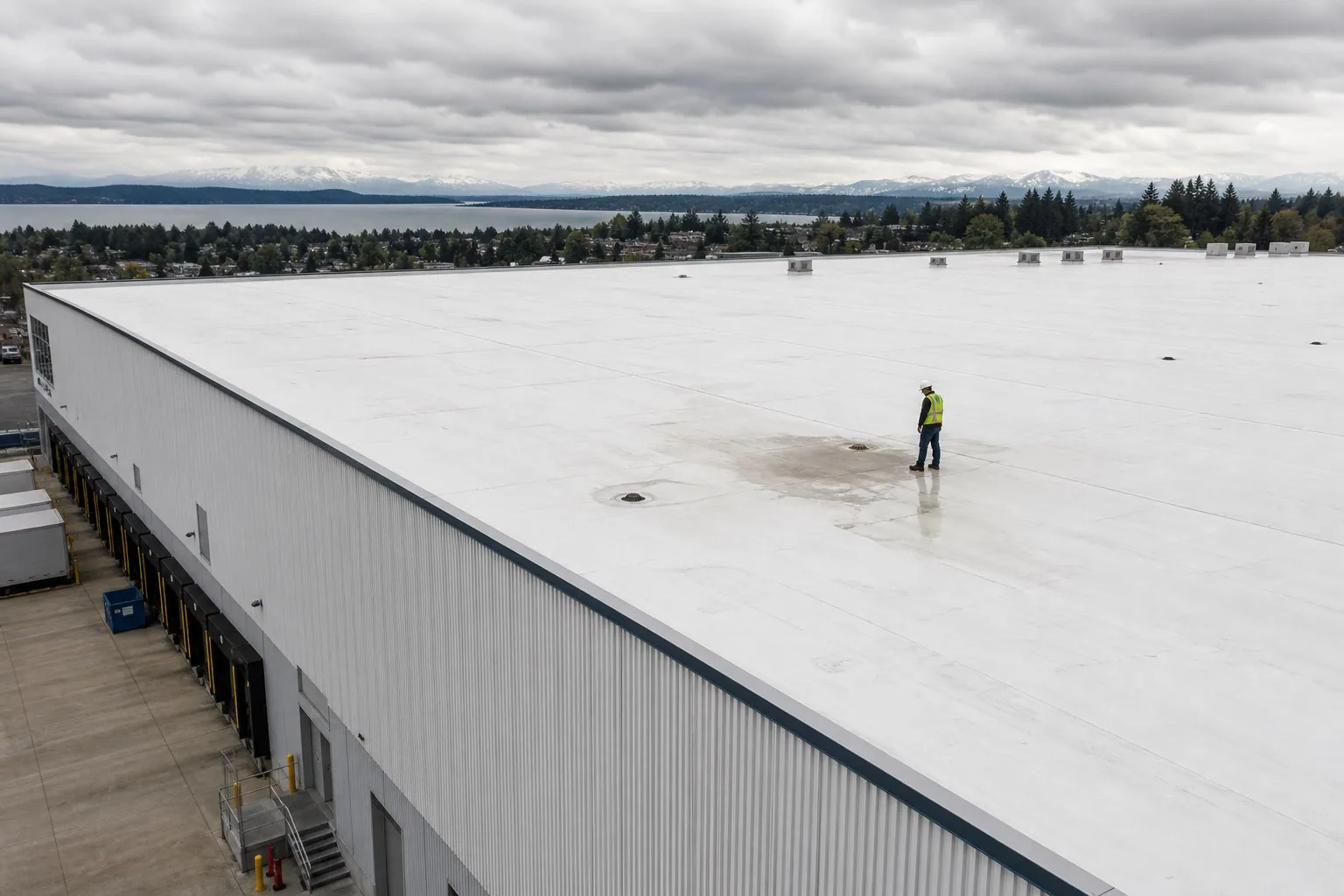
An industrial property can have deliveries or employees moving during roofing. We ask which operations continue and whether trucks need a clear turning route before placing materials. A barrier line should protect people below without blocking a loading entrance that remains in service. The property representative reviews the staging plan and the active roof zone, and the field team confirms those conditions when the workday begins. If readings show a broader pattern, a moisture survey can help define testing.
Equipment may require HVAC or electrical support before a curb or penetration is changed. We identify each trade dependency, then agree when a shutdown or escort is required. Roof sections are sequenced according to the assembly and forecast, with open areas secured before another zone starts. This gives operations a practical schedule and makes it clear which service path remains available while work proceeds.
Set Limits for Repair or Overlay
A localized seam or flashing repair may be enough when nearby material and insulation are dry and stable. Multiple failures, recurring water or confirmed moisture can point to a larger issue. We record the evidence for the repair edge and leave untested areas as questions. That allows the owner to correct a known defect and consider testing before deciding whether nearby material should be removed. The owner can weigh an overlay review against replacement planning after the layers are known.
An overlay can reduce tear-off when layer count, deck, moisture and final height permit. Replacement allows a broader review of substrate and insulation but requires more staging and temporary weather protection. A coating protects only a compatible, prepared surface. We compare those methods against the building's use and access, not the street or park it occupies. The recommendation identifies which condition controls the choice and which assumption still needs testing.
Keep Service History Attached to Location
A report is more actionable when each photo names a roof zone and the detail being discussed. We record supplied leak dates, describe visible changes and rank next steps by urgency. An unresolved moisture question remains separate until a survey or test opening answers it. When an owner returns to the same drain or curb in a later season, the prior image supports a direct comparison. Dated roof condition records connect a recommendation to photographs.
The owner may review Bassett Brook Park alongside the Marion and Royson drive properties for inspection timing. We retain each roof's own assembly, access map and service history. A later repair can be compared with its original photograph, and a renewal decision can be reviewed against what has changed. This protects the capital calendar from a broader claim than the building evidence supports. The same review fields can serve Bridgewater and Plymouth without blending access maps.
A multi-property owner may plan roof visits around production cycles, tenant changes or scheduled equipment maintenance. We can group logistics after the relevant site contacts confirm access, while retaining a separate work plan for each building. If access moves through a shared lane, the delivery time and lift area should be recorded before mobilization. That keeps the crew from arriving at a site where the agreed route is occupied or unavailable.
After each service call, a dated photograph can show whether a patch, curb detail or drain remains in the condition recorded at the prior visit. We identify any change and the next action it supports. If the roof remains stable, it can be monitored; if the same path opens again, additional testing or broader work can be considered. That stepwise record helps a property manager manage timing without turning one industrial area's history into another building's forecast.
That return visit should also account for the work completed by any separate contractor since the prior inspection. We ask the owner for current service records, compare the affected zone and note whether changed equipment or a new penetration intersects the earlier repair. If no such work occurred, that is recorded as owner-provided context, not as an inspection finding. The distinction helps explain why a roof detail changed and supports a cleaner decision about compatibility, warranty review or additional testing.
Commercial Roofing Questions
Do the regional routes set a delivery location?
Routes 3, 3A and 44 help locate the employment areas, but each property approves its own loading and roof access. We confirm the approach, staging point and debris path with the site contact before materials move.
Can multiple Kingston roofs be inspected in one visit?
Visits can be grouped by schedule, while every building receives its own roof-zone map and condition record. The district inventory identifies locations, not common roof construction. Separate access and assembly details remain attached to each property.
What should be tested before an overlay?
Layer count, moisture, substrate, drainage and finished height affect feasibility. We inspect and identify any unresolved condition that could change the decision. A survey or selective opening can define concealed moisture before the owner commits to an added layer.
How do industrial deliveries affect reroofing?
The property representative confirms truck windows, shared routes and any active receiving area. We place staging and barriers accordingly, then size daily removal so each section can be protected before the crew moves on. Equipment and trade dependencies are coordinated before roof details are opened.