Reflective Commercial Roof Installation in Quincy, MA
Solar heating can raise a roof surface well above the surrounding air temperature, making reflectivity a useful comparison during commercial renewal. In Quincy, MA, that choice still needs to account for winter exposure, insulation and the condition beneath the covering. We evaluate the whole assembly. A reflective surface changes how much sunlight the roof absorbs; its value to the building depends on how the roof and occupied space function together.
Commercial Roofing Quincy installs reflective commercial roofing and evaluates suitable restoration treatments. We compare the surface option with the existing layers, drainage and service demands. The asset manager should understand what the selected assembly addresses and which building conditions still need separate attention. Membrane color is a design consideration, not a substitute for restoring wet insulation or rebuilding failed flashing.
Compare the solar exposure
A reflective roof sends more incoming sunlight away from the surface than a darker, less reflective covering under comparable conditions. We also consider the material’s capacity to emit absorbed heat when comparing surface properties for the renewal. These properties can influence surface temperature and the roof’s heat contribution, but the result varies with the assembly, shade, building use and mechanical operation. We compare the proposed materials rather than predict a fixed reduction for every property.
Boston station normals include 14.1 days per year reaching at least 90 F, providing regional heat context for Quincy roof planning. During hot weather, the insulation and surface work together to affect heat transfer toward occupied rooms. We examine the actual roof exposure and the layers separating the surface from occupied rooms. Where the building is already renewing its roof, the reflective option can be evaluated alongside insulation, attachment and drainage so the owner sees a complete construction comparison.
Keep the thermal layers useful
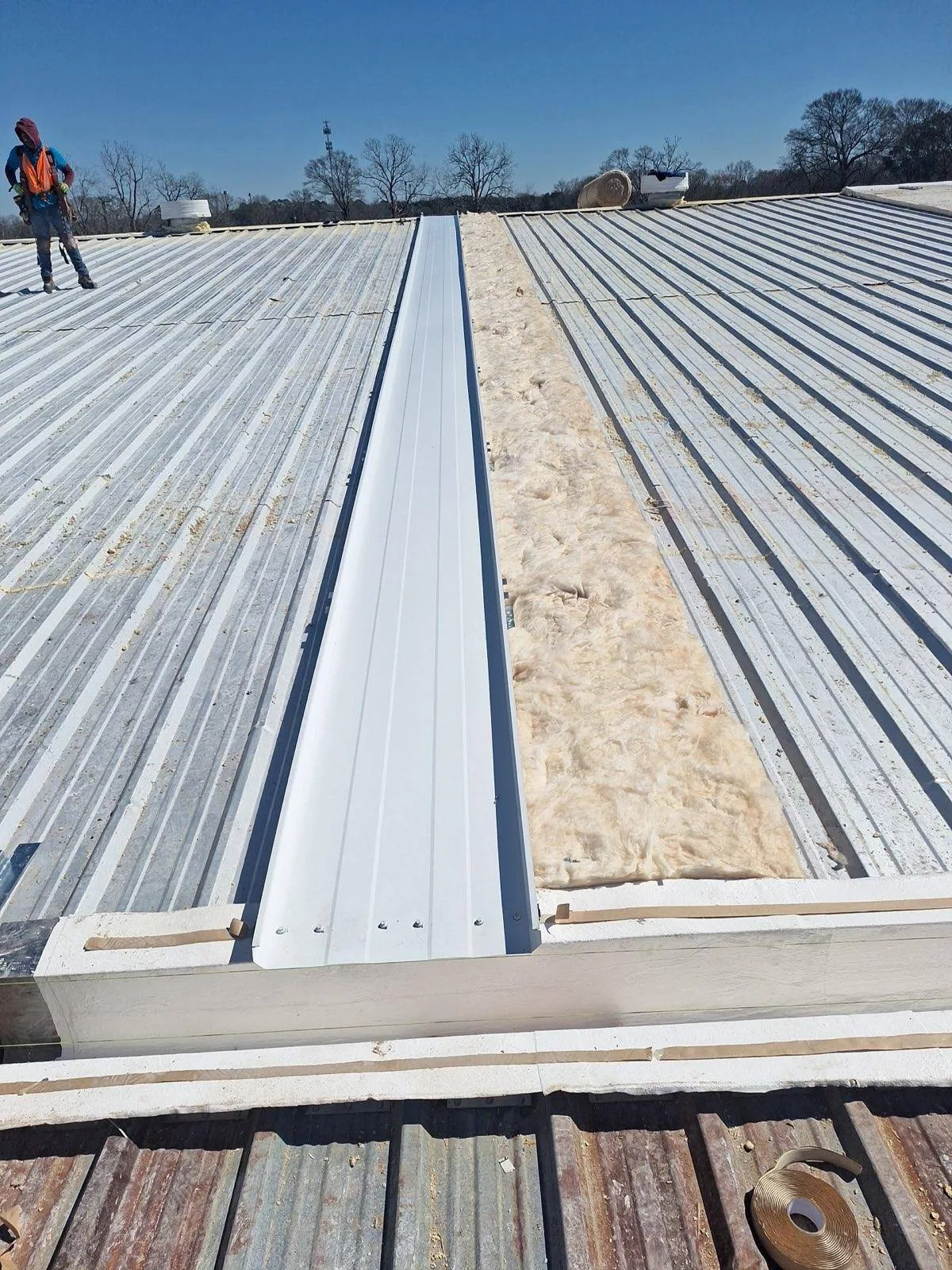
Wet or damaged insulation can undermine the roof’s thermal performance regardless of surface reflectivity. We investigate suspect areas and establish the removal needed before installing a new covering. The insulation build-up also affects curb height and outlet transitions. A reflective membrane laid over compromised construction leaves those problems beneath a brighter surface.
Insulation and cover-board design should be coordinated with the selected membrane and applicable project requirements. Interior humidity, air leakage and vapor movement can also affect moisture behavior within the assembly. We identify where that design needs appropriate evaluation. A roof comparison should account for the building’s year-round operation rather than treating summer surface temperature as its only exposure. Suitable layers, attachment and moisture control remain necessary for the finished roof to function as intended.
Select the maintainable surface
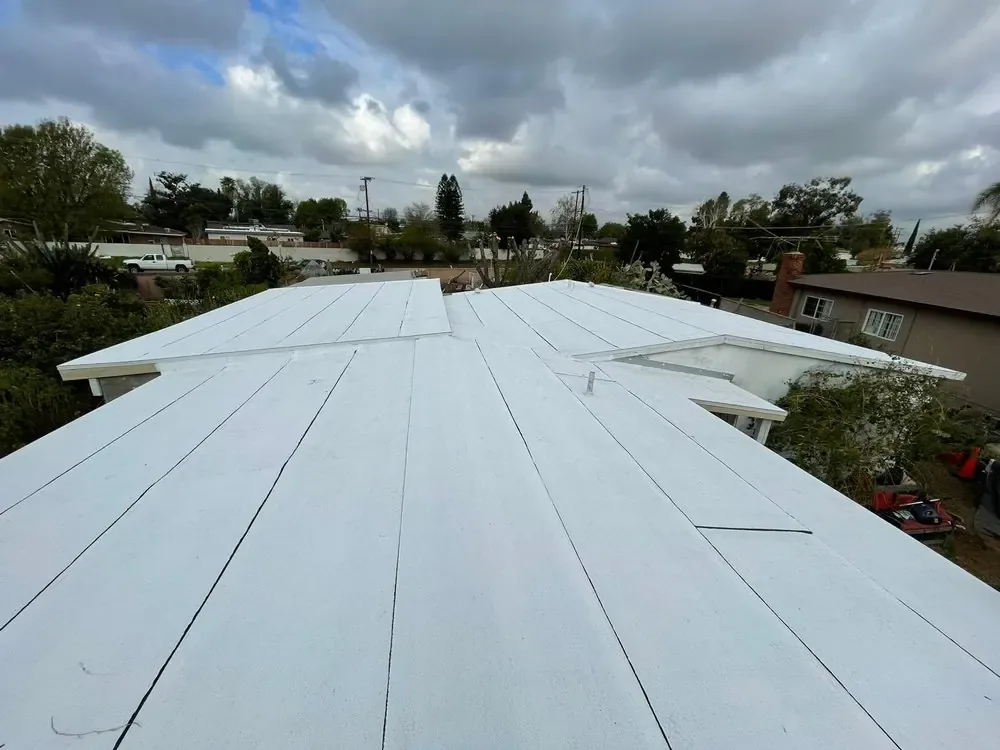
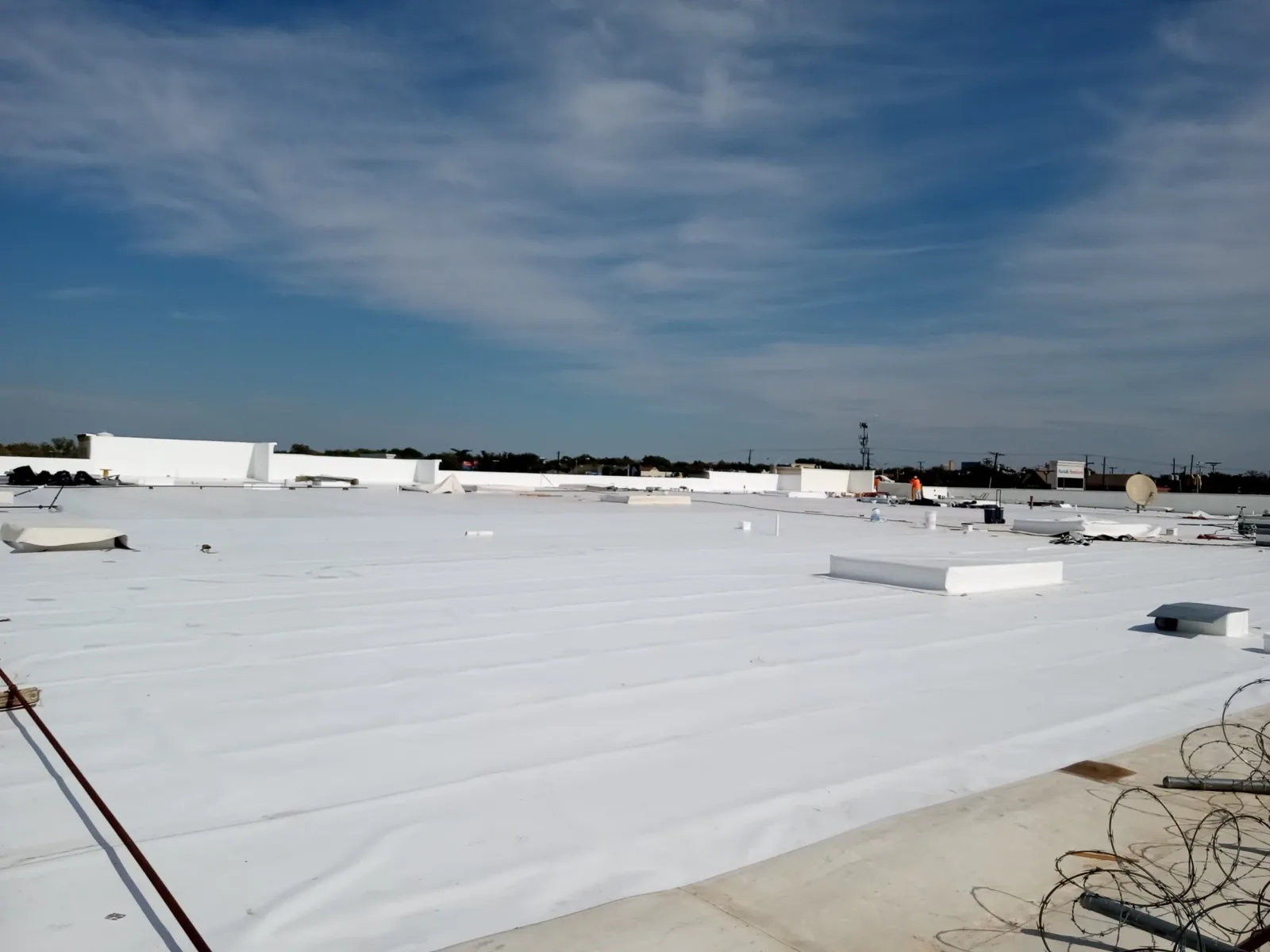
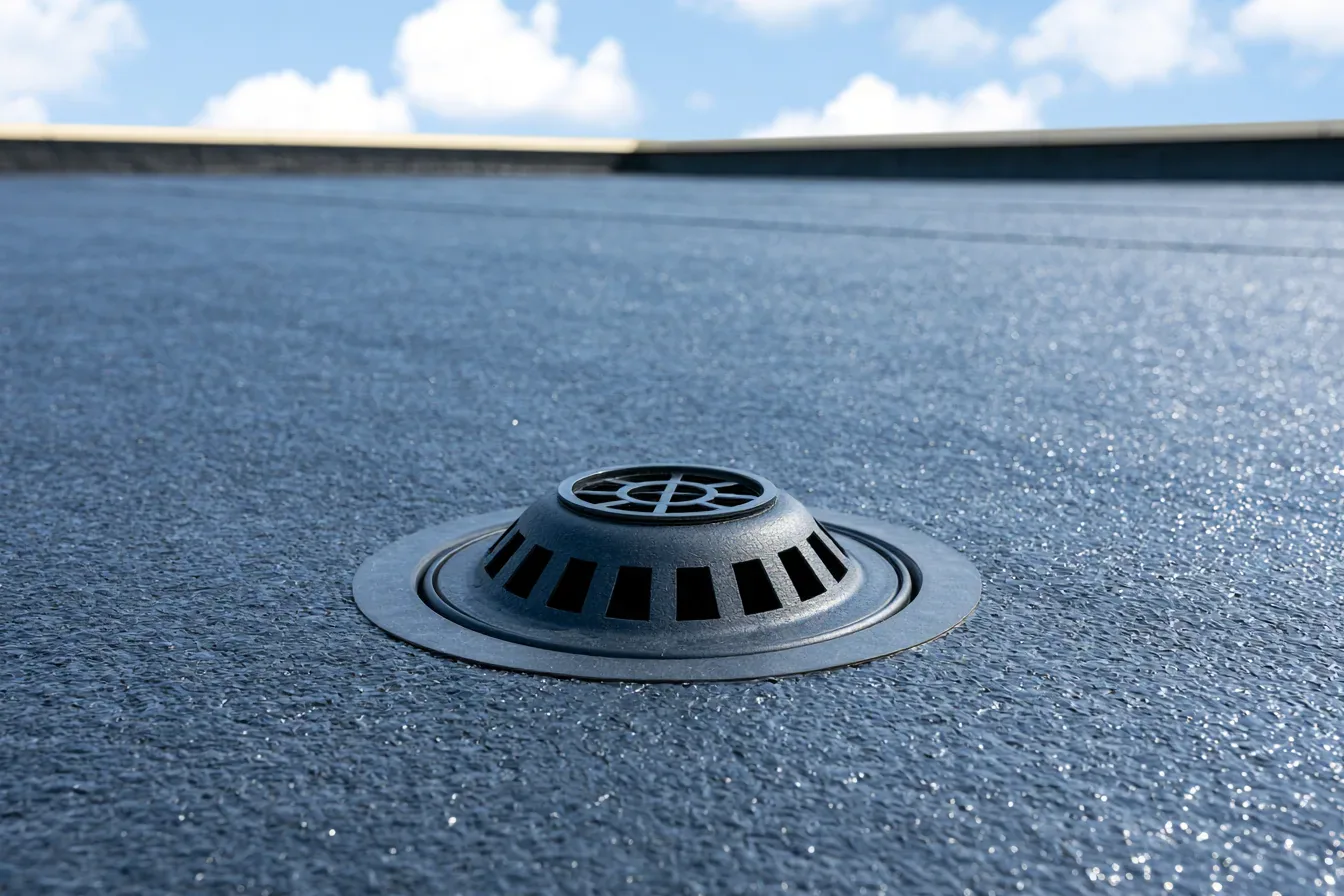
Reflective options can include thermoplastic membranes or suitable coating systems, each with different preparation and repair methods. A TPO assembly provides welded seams where the selected construction supports that system. PVC roofing may warrant comparison for particular operating exposures, subject to the product and detail requirements. The decision should consider the roof use and complete assembly instead of selecting solely by an initial color sample.
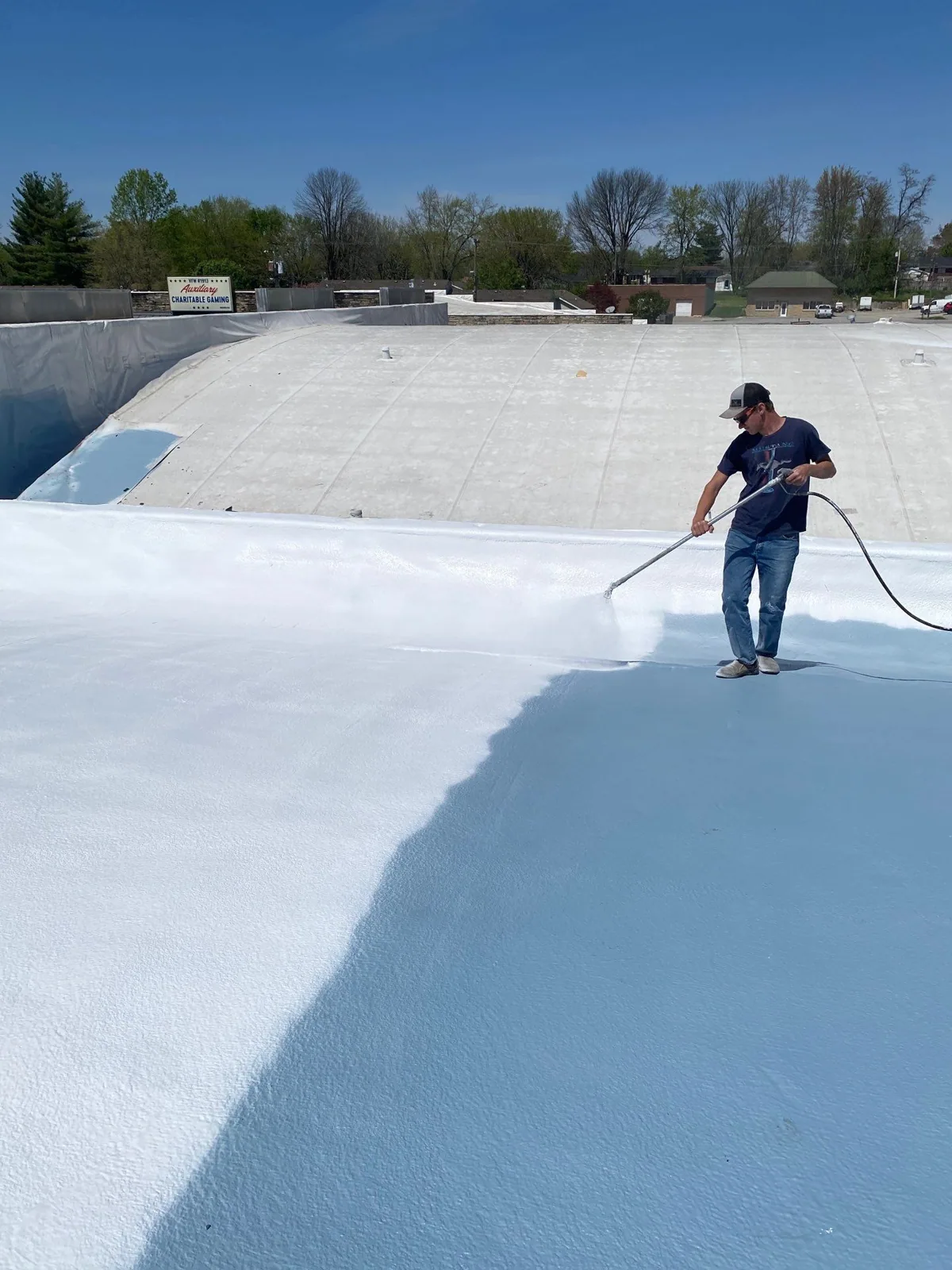
Some existing roofs can receive a reflective restoration treatment after suitable preparation and repairs. We assess substrate compatibility, moisture and adhesion before proposing that route. A coating is not equivalent to removing deteriorated layers and installing a new membrane system. The owner should be able to compare both options against the same findings, including how future repairs and rooftop traffic will be handled.
Resolve the remaining wet areas
Reflectivity does not change a blocked outlet or repair an open curb connection. We examine drainage and details as part of the installation assessment. Persistent water can affect the surface condition and the suitability of some treatments, so the selected materials need to match the actual exposure. Outlet work or tapered reconstruction may need to accompany the renewal.
Quincy’s preparedness concerns include winter storms and flooding. The roof must remain useful through thawing conditions as well as sunny weather. We coordinate drain and scupper corrections with the new finished surface and identify any higher insulation that changes flashing relationships. A cool-roof proposal should make those construction decisions visible. They affect water entry and remaining service even where the reflective material itself performs as specified.
Match the occupied property
Stoughton’s commercial properties include a technology-center mix of offices, retail, restaurants and housing. Those uses can create different operating schedules and indoor conditions within the same broad area. We examine the individual asset’s roof and mechanical demands before comparing reflective construction. An office renewal may prioritize equipment access and tenant protection, while a restaurant also needs material compatibility around discharge areas.
For an occupied office building, reflective roof installation may proceed alongside planned insulation or equipment work. The sequence should protect outdoor-air intakes and keep the opened area within a suitable weather closure plan. Near the junction of Route 3 with Interstate 93, South Quincy has office development at Crown Colony. Roof assessment there can connect reflective material selection with the office asset’s actual mechanical needs. We compare surface selection with the roof being renewed, its equipment layout and the restrictions needed to keep occupied rooms protected.
Preserve the working surface
Dirt, biological growth where present and equipment discharge can affect a reflective surface’s appearance and performance. We discuss suitable cleaning and maintenance methods for the selected system. Cleaning should protect the covering and its connections, with damaged details repaired before wash water can enter them. Roof traffic also needs appropriate routes and protection so routine mechanical visits do not puncture or abrade the new material.
The manager should retain the installed assembly information and compatible repair requirements. Later surface treatment must suit the membrane rather than assume any white coating can be applied over it. We also identify inspection priorities near outlets and equipment. A maintained reflective roof remains an assembly with seams, flashing and supports requiring attention. Its surface properties are useful within that construction, not a reason to postpone a moisture or attachment problem found during subsequent service.
Commercial Roofing Questions
Will a reflective roof reduce our building’s energy use by a fixed amount?
Building operation, insulation, equipment efficiency and actual exposure affect that result, so we do not assign a universal savings figure. We compare the roofing options and identify the assembly changes proposed. A building-energy assessment can evaluate a property-specific outcome where needed. The material decision should remain connected to thermal design, moisture condition and the operating use beneath the roof.
Can we make the existing roof reflective without replacing it?
A suitable existing assembly may be restored with a compatible treatment after preparation and repairs. We evaluate moisture, attachment, adhesion and details before recommending it. Deteriorated layers may need removal or broader renewal. The restoration option should identify what construction remains and what is corrected rather than offer a color change as a substitute for the roof work required.
How should summer performance be weighed against winter conditions?
Evaluate the complete assembly over the building’s year-round operation. We consider insulation, moisture control, drainage and the selected system’s requirements alongside reflectivity. A colder-season exposure does not remove the need for suitable flashing and outlet details. The comparison should show how the roof meets both thermal and weather-protection needs without reducing the decision to one season.
Does routine cleaning require a separate roofing review?
The cleaning method should follow the system’s requirements and account for damaged seams or penetrations that could admit wash water. We identify those conditions before maintenance proceeds. Contamination near exhaust equipment may need particular treatment. The manager should also keep cleaning and future repair materials compatible with the installed surface so upkeep does not disturb the assembly.