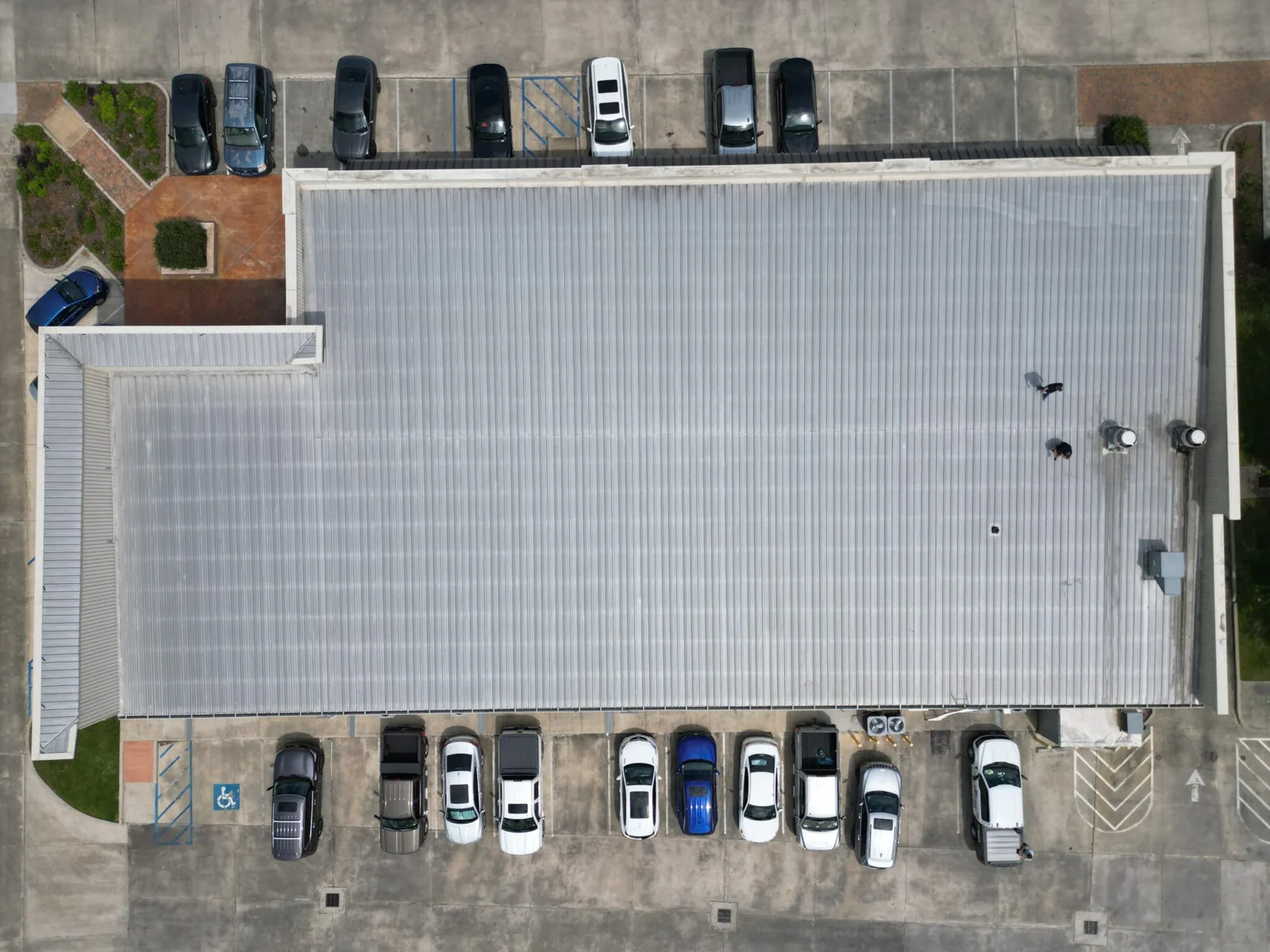
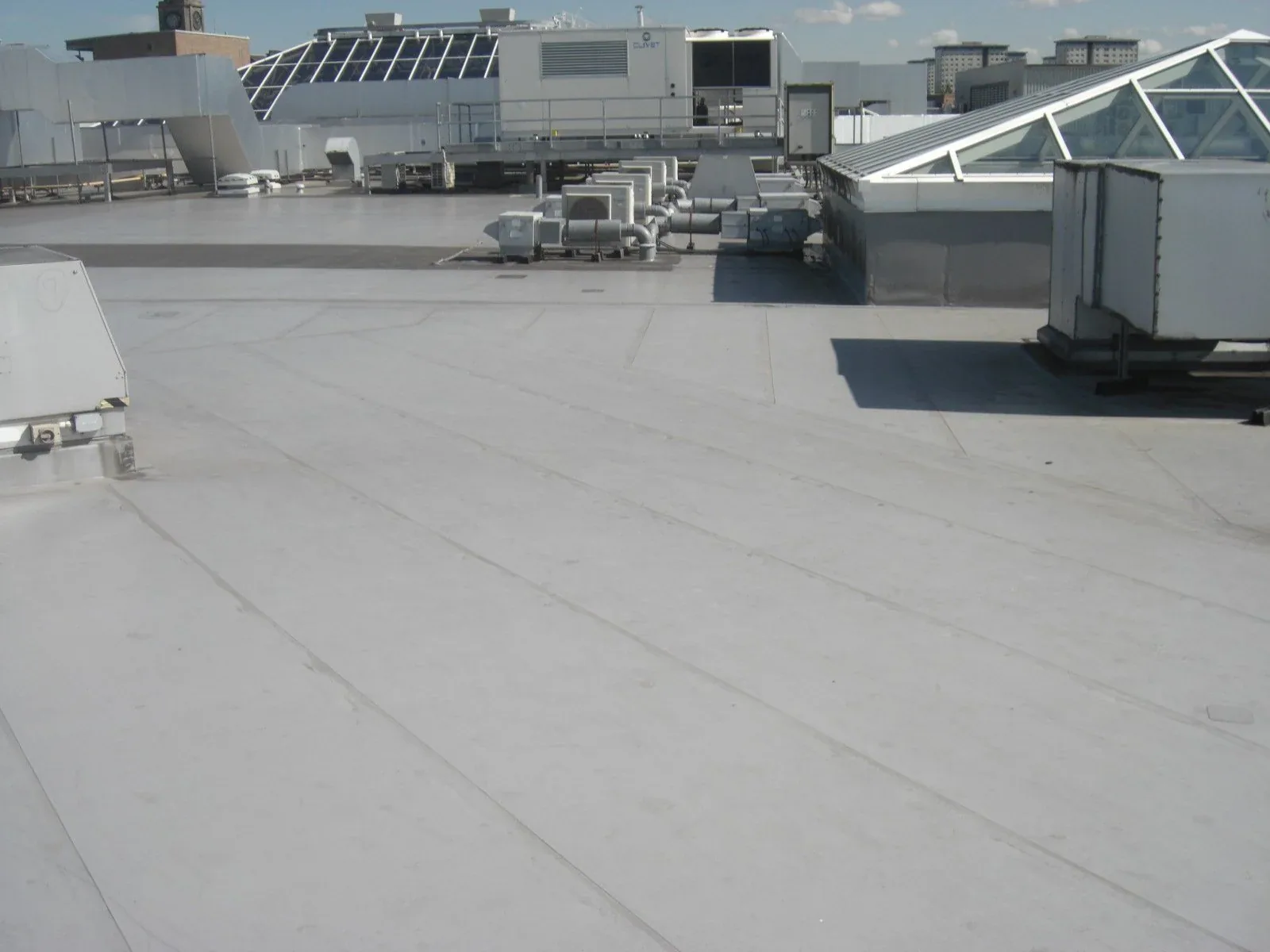
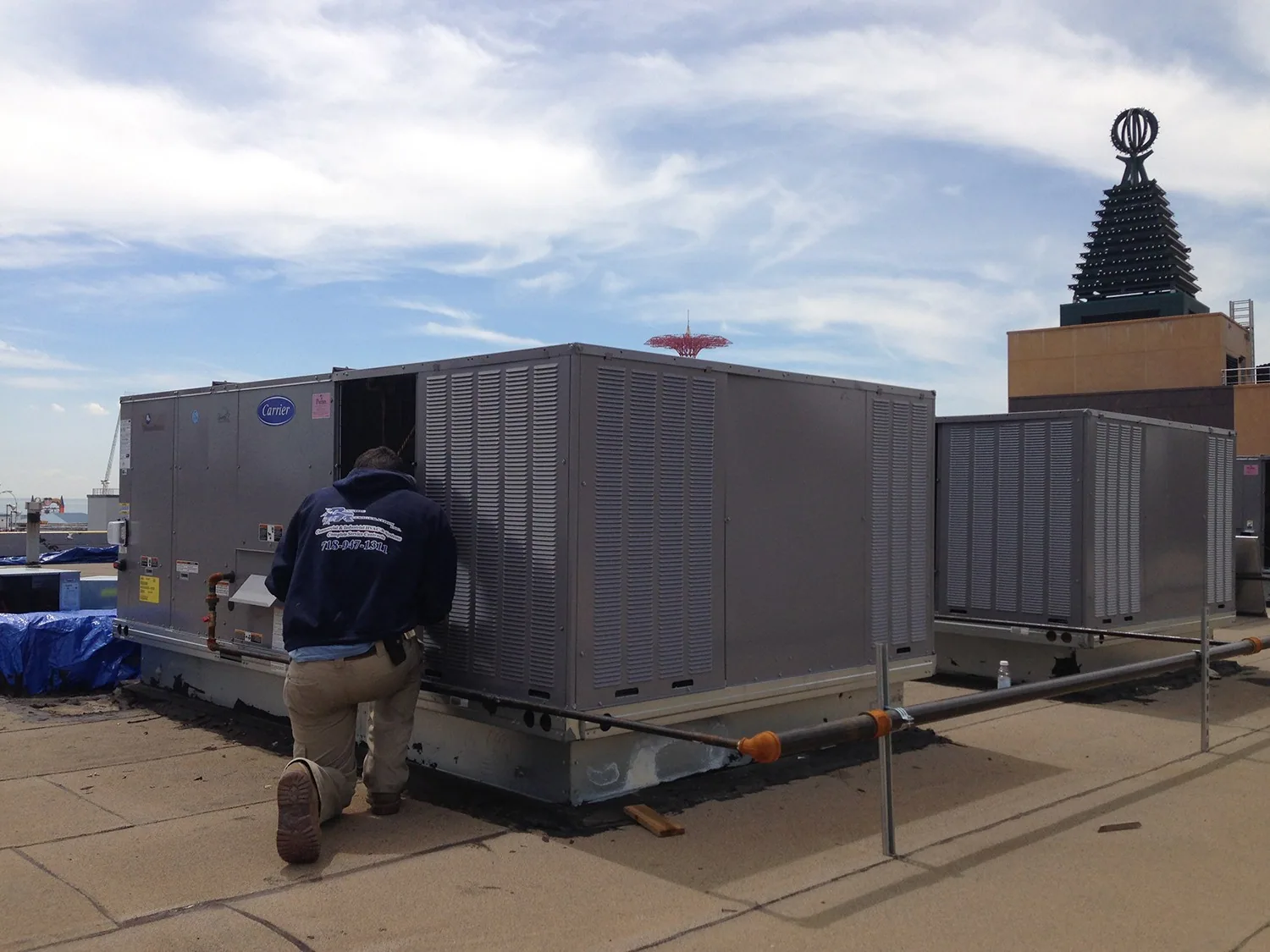
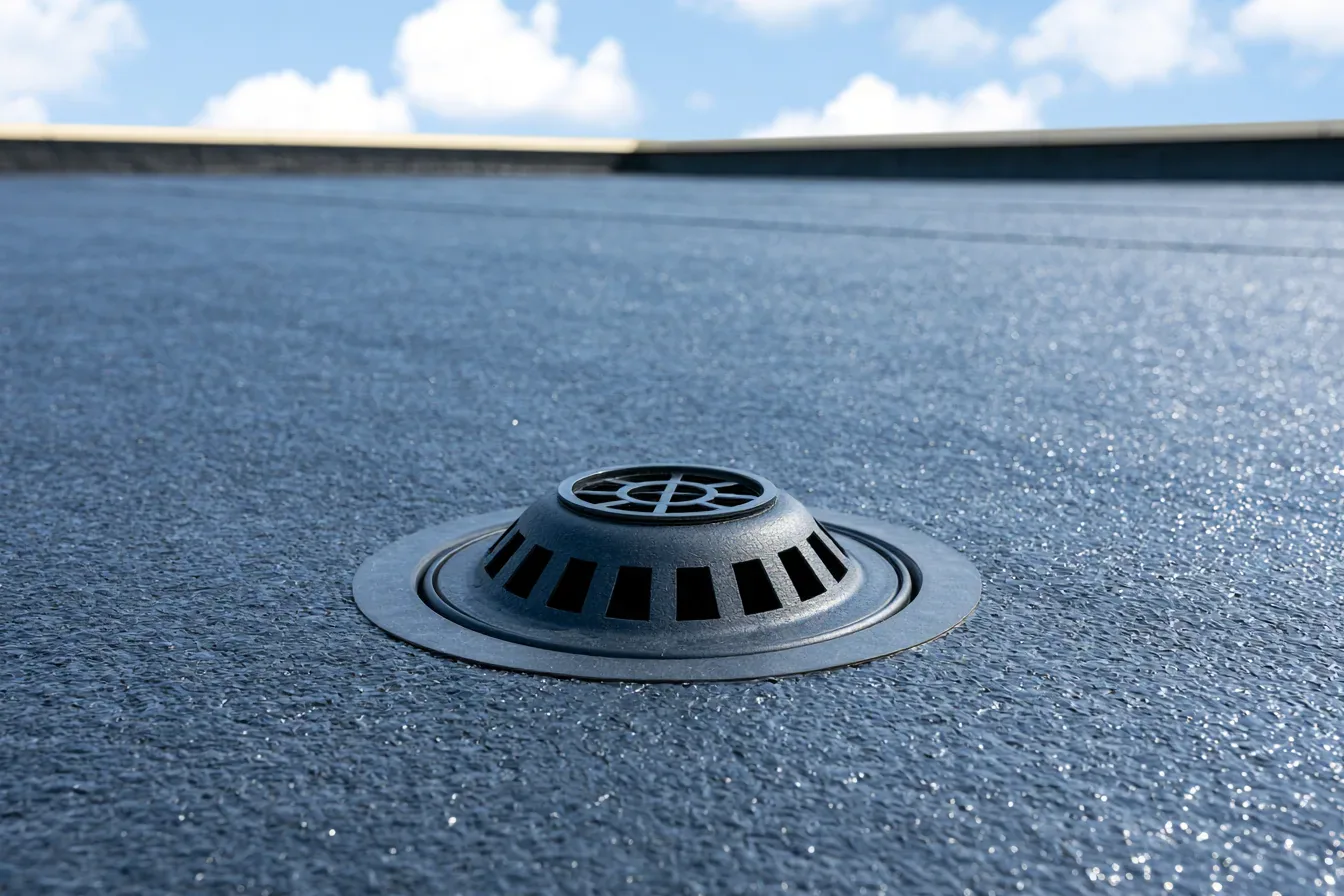
Solar-Ready Commercial Roofing in Quincy, MA
Snow collecting beside an array can change the route meltwater takes across the roof. Before solar equipment is placed on a Quincy, MA, commercial building, the roofing decision should examine that route alongside remaining service, attachment and access beneath the planned panels. We assess the existing assembly and the proposed interfaces. A roof that is difficult to repair after installation deserves a renewal comparison before equipment makes its field harder to reach.
Commercial Roofing Quincy prepares commercial roofs for coordinated solar installations and performs roofing work around existing arrays. We evaluate the membrane, insulation and details, then identify repairs or renewal needed before mounting. Structural and electrical design remain with the appropriate project disciplines. The roof scope addresses how the equipment meets the covering, how water moves and how future maintenance can be performed.
Compare the remaining roof service
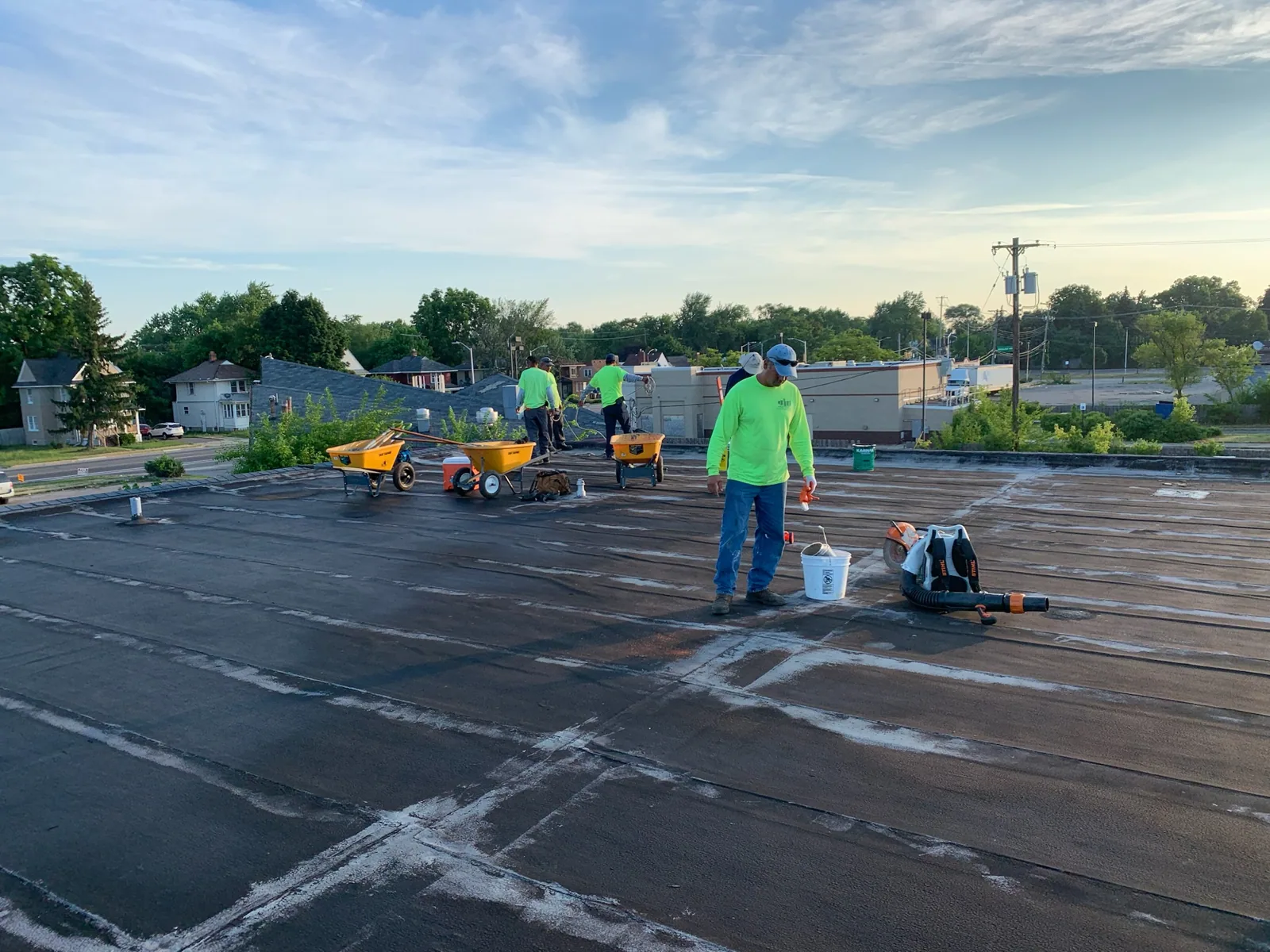
A deteriorating assembly beneath new panels can create an early need for removal and reinstallation of equipment just to reach the roof. We inspect seams, flashing, moisture indicators and attachment before the solar layout is finalized. The comparison should distinguish a serviceable roof needing localized work from one approaching broad renewal. Equipment placement should not conceal an unresolved condition that is likely to require access soon.
A pre-installation roof examination identifies accessible defects and further checks needed. Where moisture is suspected, testing with suitable confirmation points can help establish the affected insulation boundary. An age-based assumption is insufficient if the assembly has recurring wet areas or unstable retained layers. We explain the roof work needed before installation so the owner can compare it with the consequences of reaching the same material after the array is in place.
Resolve the mounting interface
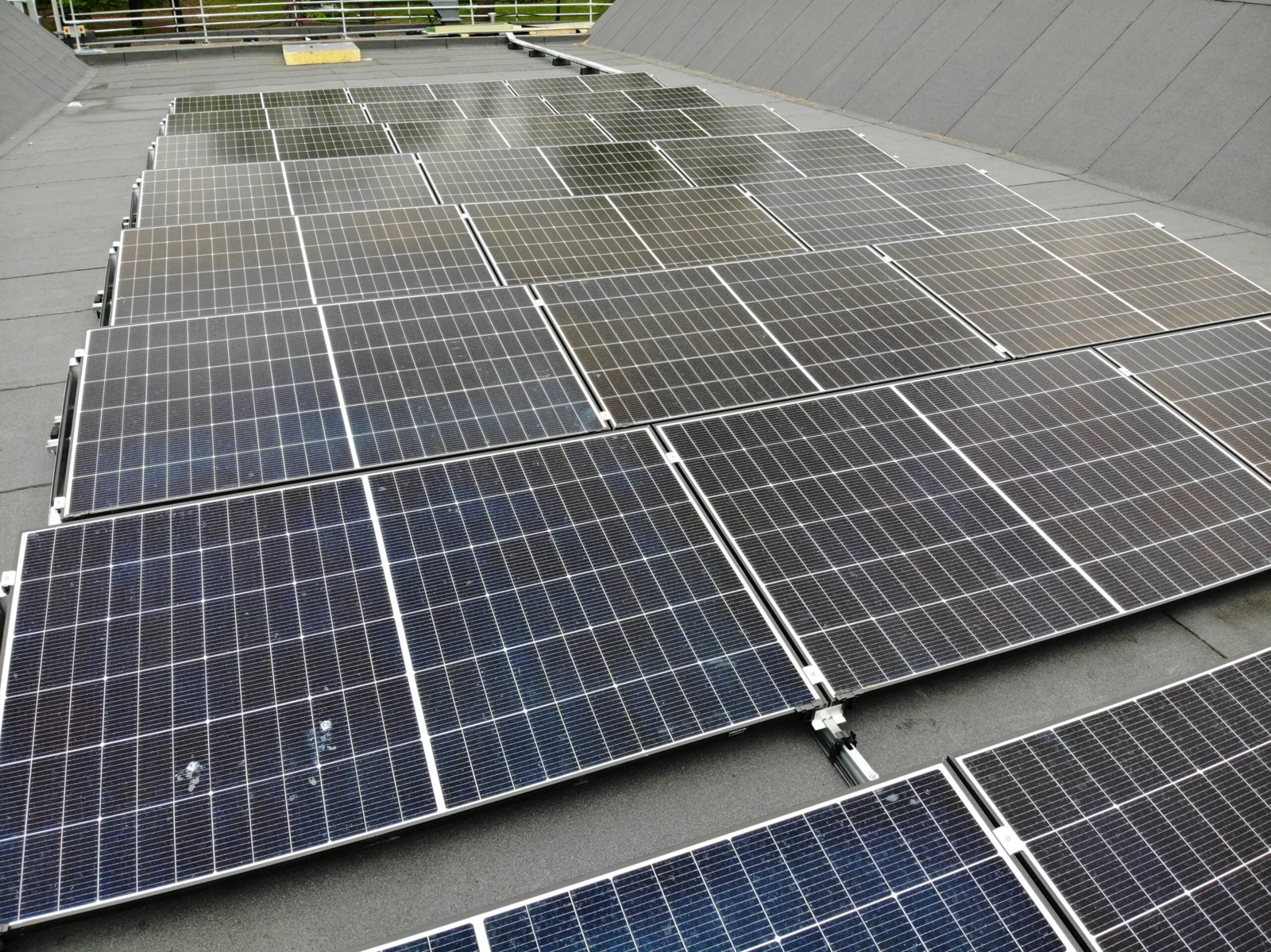
Solar mounting may use penetrations, ballasted arrangements or other engineered connections, depending on the project. Each approach affects the roofing detail differently. Penetrating mounts need compatible flashing and coordination with the load path to suitable structure. Ballasted equipment still requires evaluation of load, movement, contact protection and wind design. Keeping a fastener out of the membrane does not remove those requirements.
We coordinate roof support and interface details with the array designer and installation trades. Protective separation materials need compatibility with the membrane and should remain suitable as the equipment moves and is serviced. The construction plan also needs to identify how connections are inspected before panels limit access. A concealed attachment or flashing should be completed and evaluated at the right stage, not left for examination after the only practical access has been covered.
Leave the drainage route usable
Equipment bases and cable routes can interrupt runoff or collect debris near an outlet. We review the proposed layout against drains, scuppers and existing low areas. The array should preserve inspection and cleaning access, including the route used to reach overflow provisions. A drainage detail can be physically clear but operationally inaccessible if panels leave no workable service path.
Drainage correction before equipment placement may be needed where the existing geometry already holds water. Quincy prepares for blizzards and nor'easters, so the layout should account for winter service access and thawing runoff. Snow removal and structural snow-load concerns need appropriate evaluation within the project. We identify the roof connections and low areas affected by the planned array so the owner can resolve them before equipment makes those repairs more difficult.
Raising or adjusting the roof build-up can also affect mounting heights and perimeter details. Any planned taper or insulation change should be coordinated with the solar design. The finished water path needs to remain useful across those combined changes.
Complete renewal before the obstruction
A roof requiring replacement may be better renewed before the array is installed, with its mounting interfaces incorporated into the design. We compare replacement of the existing assembly with localized repair and the available service. The sequence should account for supports, penetrations and any equipment that needs lifting. It should also preserve a clear weather-closure arrangement while the roof is exposed.
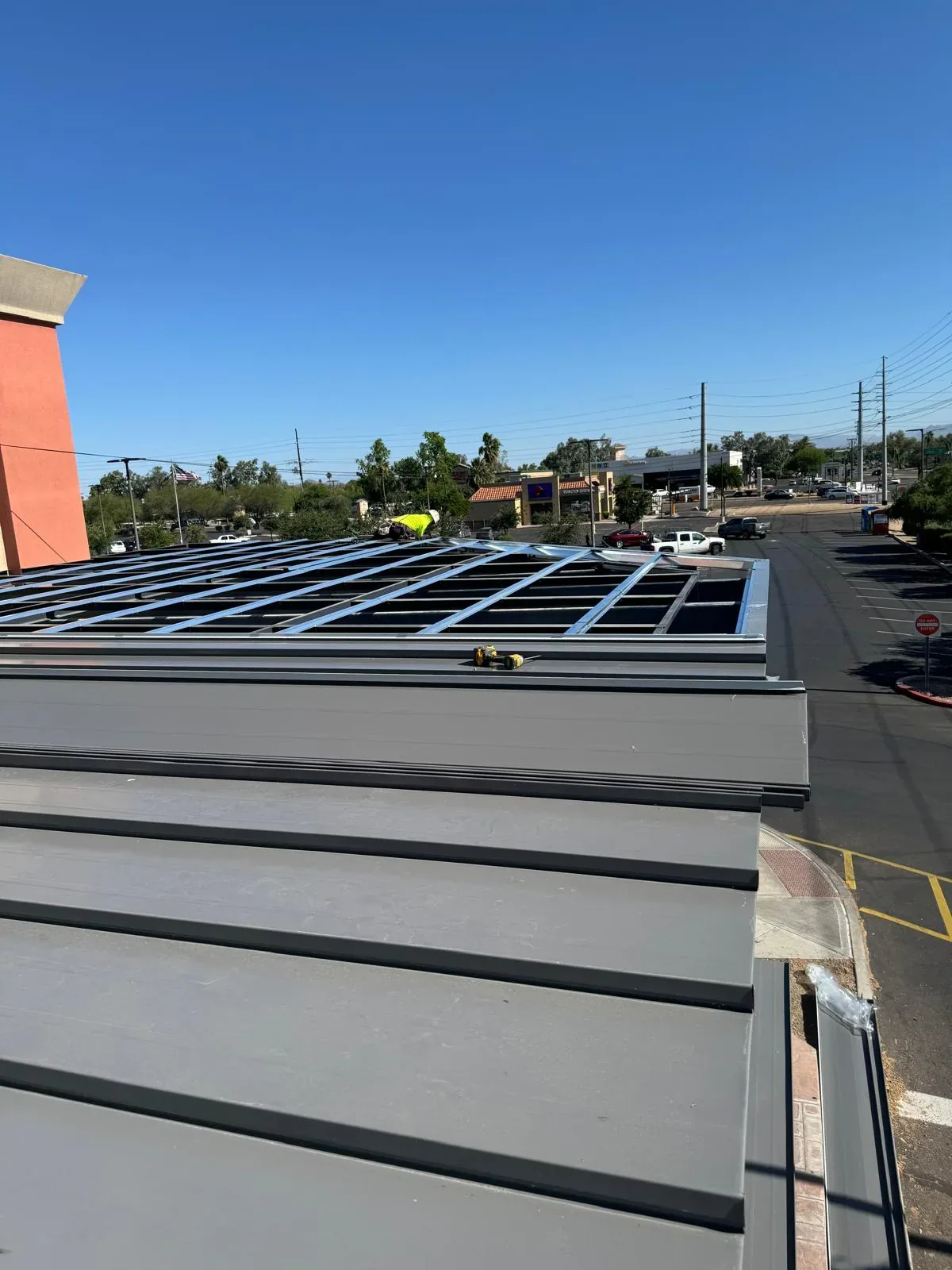
Standing-seam roof systems can offer different mounting possibilities, but clamp selection, panel movement and structural requirements still need the correct design. A panel connection should not be treated as suitable merely because it avoids a membrane penetration. We identify the roofing requirements and coordinate them with the mounting manufacturer and responsible designer. For existing arrays, safe electrical isolation and removal arrangements must precede roof work that requires access beneath the equipment.
Plan service above the occupied asset
Bridgewater’s industrial properties include employment areas at Bridgewater Industrial Park and Scotland Industrial Park. On an industrial asset, the array plan may need to preserve access to mechanical equipment serving production or storage. We examine the roof layout with those service routes in mind. Electrical and equipment work should not leave roofing repairs dependent on access that the installed panels prevent.
Quincy’s local business sectors include healthcare, biotechnology and robotics as well as financial services. Each occupied property can have different equipment and interior-protection needs during roof or array work. We coordinate the roofing sequence with the actual operating use, including outdoor-air intakes and rooms beneath planned penetrations. A solar-ready assessment should identify these construction needs early enough to inform the layout, rather than treat them as roof maintenance questions to be solved after energization.
Kingston also has industrial properties at Bassett Brook Park and along Marion and Royson drives. An array proposal on a property there needs the same early comparison of roof condition, equipment routes and future repair access.
Keep repair access in the layout
Panels, mounting rails and cable systems need service routes that leave the roof inspectable. We identify areas where a future seam or penetration repair could require equipment removal and discuss that implication before installation. The manager should retain the completed roof and mounting information together, so later trades know which connection can be disturbed and which protection is intended at contact points.
A roofing warranty, where applicable to the installed system, has requirements that need review before an unrelated array installation changes its assembly. We coordinate the roof details with those requirements without promising coverage for every modification. Periodic condition checks should then examine drainage, supports and access-route wear alongside the array’s own service. Solar equipment and roofing share the space, but both need a usable maintenance plan.
Commercial Roofing Questions
Should we replace the roof before installing the panels?
Compare actual remaining service with the difficulty of reaching the assembly after equipment is installed. We assess moisture, seams, attachment and details, then identify localized work or renewal where appropriate. A roof nearing broad deterioration may justify completing that work first. The decision should include the removal and reinstallation consequences of later roof access, not rely on age alone.
Does a ballasted array eliminate roofing risk?
It avoids some penetrating connections but introduces load, contact, movement and access questions that still need evaluation. We coordinate membrane protection and drainage with the engineered mounting arrangement. Structural and wind design remain essential. The roof assessment should identify how the equipment meets the covering and how those contact areas can be inspected after installation.
What access should remain beside drains under an array?
Leave a practical route for inspection, debris removal and repair, with the layout suited to the property’s safety and operating arrangements. We identify outlets, overflow provisions and persistent low areas during planning. A small visible gap may not provide workable access for the required task. Those needs should influence panel placement before the equipment prevents correction of an existing drainage problem.
Can roof repair proceed beneath an energized solar system?
Roof work requiring interaction with the array needs coordinated electrical safety and equipment arrangements from the responsible trades. We define the access and removal needed before the roofing sequence begins. Some repairs may be reachable outside the equipment, while others require more preparation. The project should establish that boundary rather than leave a roof crew to improvise beneath active electrical equipment.