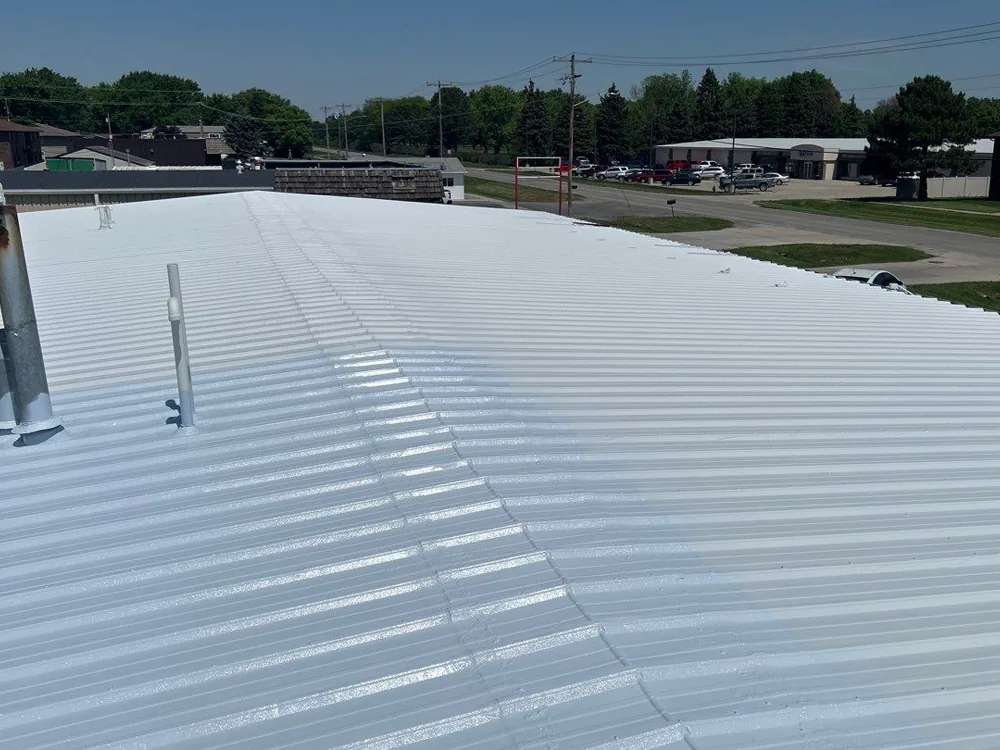
Commercial Heat and UV Roof Damage Repair in Quincy, MA
Cracking around a sun-exposed transition can require a different intervention from discoloration across an otherwise serviceable roof field. Commercial heat and UV damage assessment in Quincy, MA, should identify the material condition and physical connection before another finish is selected. We examine flexibility where relevant, surface integrity, joints and receiving construction. Appearance alone cannot establish whether local repair, restoration or wider removal is useful. The recommendation should connect the observed deterioration to the component that needs work.
Boston's regional 1991 to 2020 climate normal includes 14.1 days annually with highs of at least 90 degrees Fahrenheit. Sun-exposed areas need examination of surface integrity and the flexibility or joint movement relevant to the installed material. We assess the individual assembly and its actual condition before choosing construction. Heat exposure can accompany movement at a detail, while surface weathering can have a different repair threshold. Those findings should remain distinguishable for an owner comparing complete roof options.
Identify deterioration rather than color alone
A changed surface can reflect weathering, residue, an earlier treatment or another condition requiring examination. We inspect the installed material and determine how the finding affects receiving preparation and repair suitability. Not every appearance change establishes the same loss of useful construction. Where cracking, separation or other damage is found, the scope should identify its extent and boundary. A general faded-roof label is less useful than the specific component and material condition supporting the intervention.
The installed assembly matters. Membranes, coatings and metal finishes do not use one common restoration method. We assess material information and the physical receiving surface before recommending a compatible treatment. Previous coatings can affect adhesion or preparation, and contamination can need attention where it reaches the repair area. The final work should form a useful connection to the retained system rather than place a new surface over unsuitable receiving material.
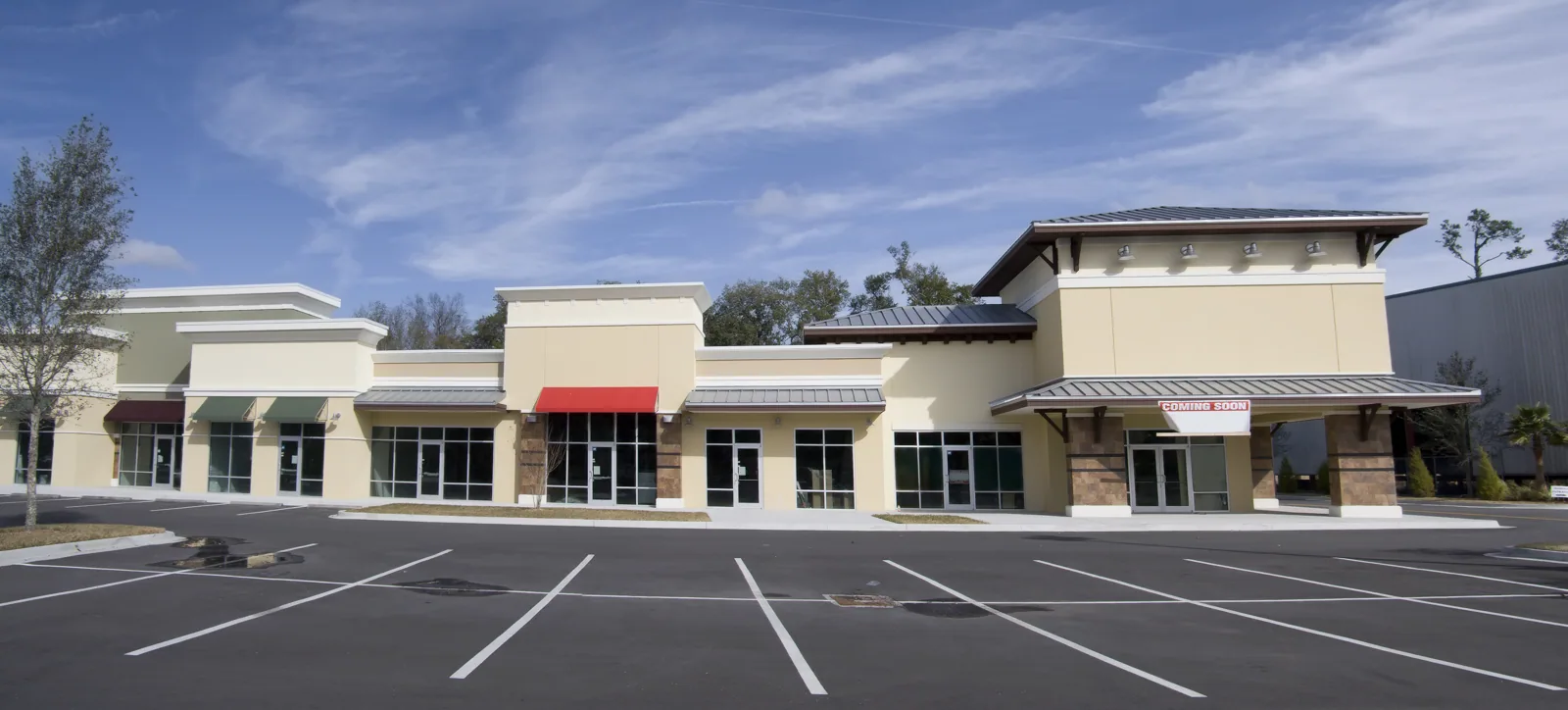
Stoughton's Technology Center includes office, commercial, retail, restaurant and residential uses. For requested work in Stoughton, a mixed-use roof can need assessment of equipment exposure and the occupied rooms beneath the relevant zone. We check those actual interfaces. A surface finish should be selected with the assembly and intended use in view, including any concentrated discharge or service contact that changes local conditions.
Examine the stressed connection before restoring the field
Temperature changes can contribute to movement between roofing and adjoining components. We examine a damaged joint with its restraint, receiving support and geometry considered together. A surface finish cannot correct an unstable support or make a constrained detail suitable by itself. The relevant correction should precede final waterproofing where it changes the connection. The repair needs to suit the components remaining in their intended positions.
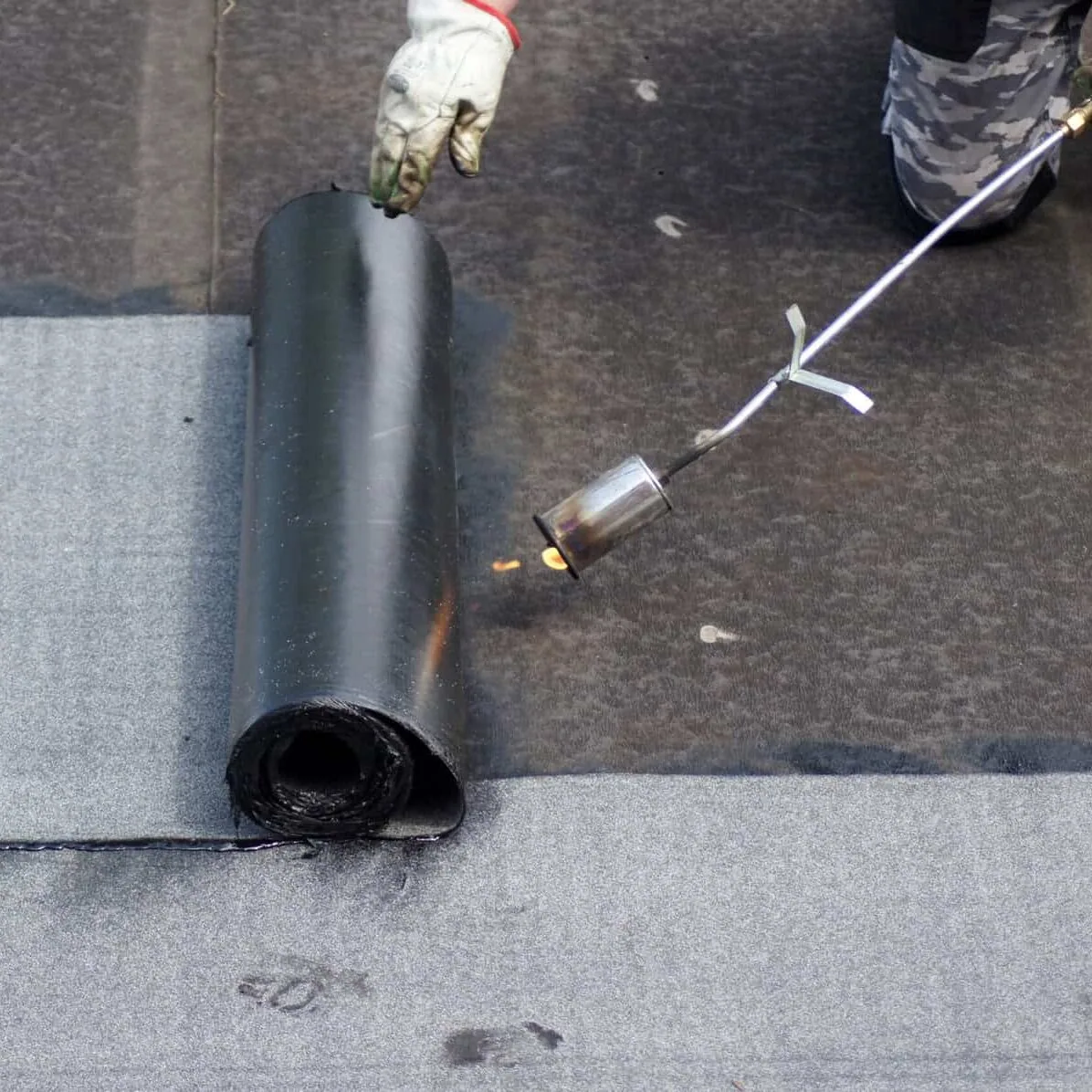
Seam reconstruction can restore a bounded joint where surrounding material supports compatible work. The assessment identifies joining method, preparation and local stress instead of treating every split with the same patch. If the membrane around a joint is unsuitable to remain, a wider receiving boundary can be needed. We describe that distinction through actual condition, avoiding both automatic whole-roof removal and an unsupported assumption that every opening is isolated.
Puncture and contact-damage repair can also be relevant where technician traffic affects weathered material. We examine the opening and route together before selecting closure or protection. A sharp contact should be corrected rather than left pressing into another repair. Compatible traffic arrangements should preserve drainage and access to details, without concealing damaged construction beneath a new obstacle.
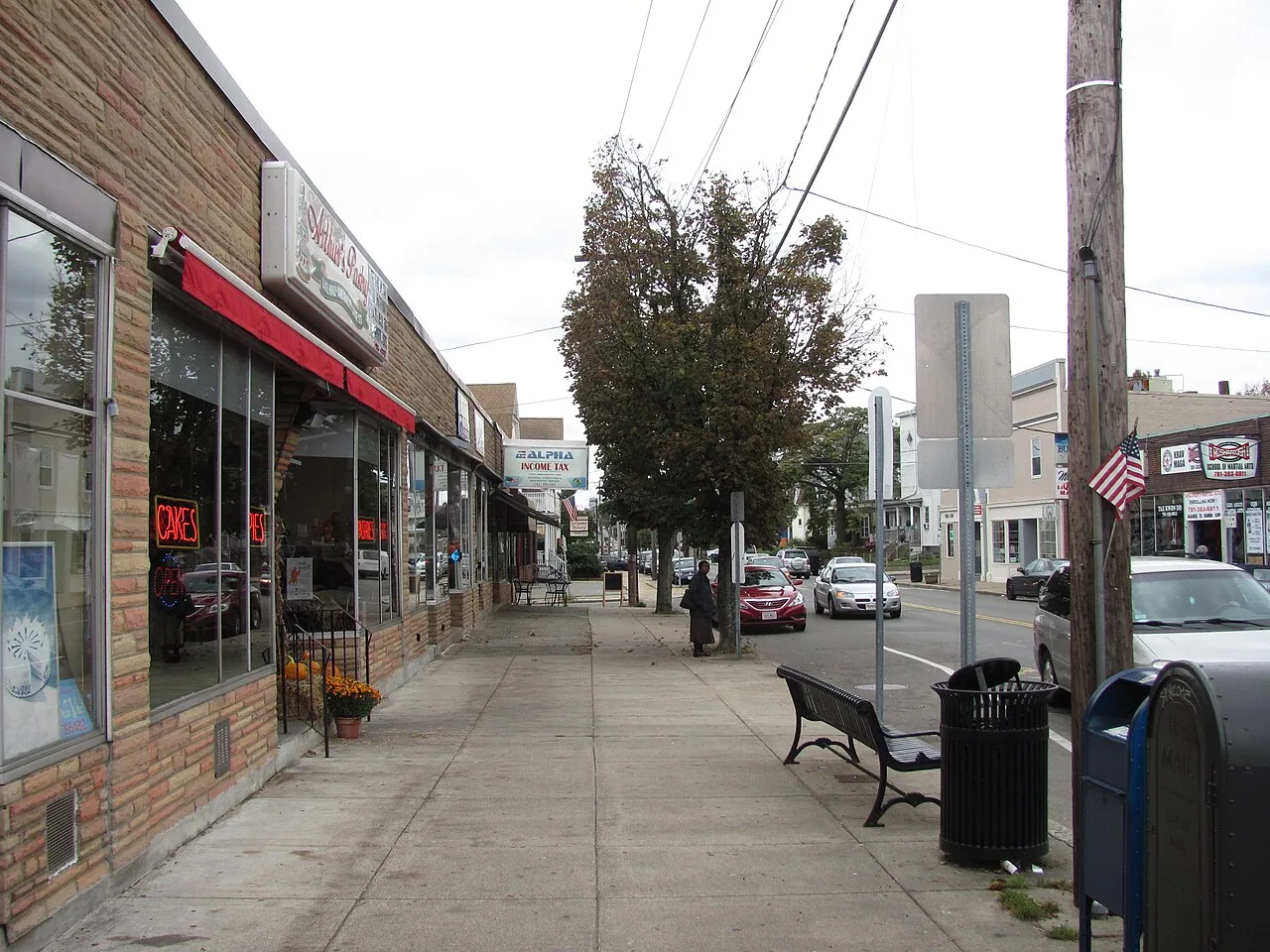
Milton has commercial activity in Milton Village and East Milton Square. At a requested property in those broader commercial settings, we examine the actual equipment and wall interfaces around the affected roof area. The operating interval should support receiving preparation and permanent closure. A convenient tenant schedule is useful only when the physical task can finish coherently within it.
Establish the receiving assembly for a new finish
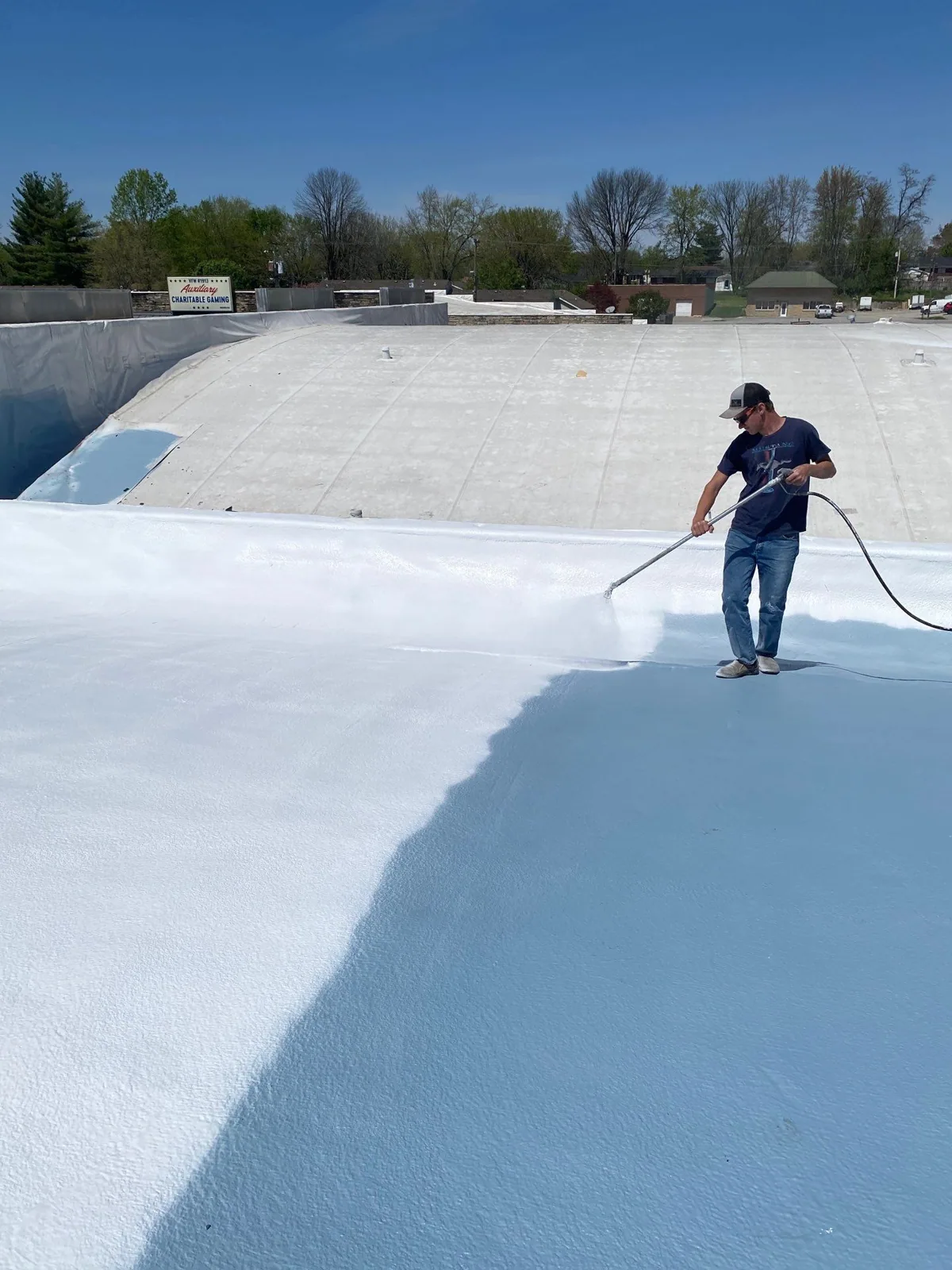
Roof coating restoration needs a suitable compatible receiving surface, stable details and useful retained layers. We examine those conditions before treating a coating as an alternative to removal. A new finish does not restore wet insulation or compromised attachment underneath it. The scope should identify preparation, damaged-detail work and the components retained, so the owner can compare the proposed restoration with reconstruction on the same physical basis.
Where acrylic coating construction is considered, the specific product and project conditions guide suitability and installation. We assess drainage, receiving material and required preparation rather than assign one finish to every weathered roof. The coating needs appropriate detail work as part of the assembly. A broad field treatment should not leave cracked or separated interfaces unresolved because their visible area is small.
Cool-roof options can be evaluated alongside repairability, thermal construction and the final material requirements. Reflective appearance does not establish the condition of the roof beneath it. We consider the proposed surface as one component, with insulation, attachment and drainage assessed where relevant. The owner should compare the finish with the layers beneath it, identifying suitable attachment and reconstructed details alongside the selected surface.
Compare retained layers and a secured repair boundary
Water admitted through deteriorated details can affect insulation beyond the visible surface damage. We select closer examination where concealed condition changes retention. The entry connection and damaged materials should be identified separately. A bounded repair on sound construction can differ from restoration involving wider removal. The scope should state what each approach retains and what receiving work makes its final connection suitable.
Replacement may be useful where distributed deterioration or unsuitable layers establish a broader construction need. A serviceable assembly can support a narrower comparison where project requirements allow it. We assess the physical findings rather than choose from the surface's appearance alone. Increased construction height also needs appropriate relationships to curbs, wall terminations and outlets. The renewed roof should not finish at constrained transitions created by its own added layers.
During work, suitable application conditions and detail completion effort determine a practical daily stage. A small equipment zone can need more preparation and closure than a larger open field. Occupied-room protection, intake arrangements and any support task need coordination before exposure is created. The stage should leave secured construction and useful runoff rather than depend on a later visit arriving before another weather interval.
After completion, vulnerable connections and outlets should remain reachable for inspection. Routine upkeep preserves the water route and removes loose objects where needed; repair restores damaged construction. The component description helps the owner distinguish those tasks and compare later observations with what was actually restored. Compatible technician-route protection can be useful where concentrated contact threatens the renewed assembly, without replacing the need to assess a new material defect.
Commercial Roofing Questions
Does faded roofing establish that replacement is needed?
Examine material integrity, joints and receiving construction before choosing the intervention. Appearance changes can have different effects on repair suitability. We identify the damaged component and extent, with closer examination where concealed layers matter. Local reconstruction, restoration and wider removal should be compared through the physical findings rather than a general color change alone.
Can a new coating correct a joint stressed by movement?
The movement and receiving connection need assessment first. An unstable support or constrained geometry can continue stressing new material. We identify the relevant correction and form compatible waterproofing after the interface is suitable. A field finish should not be treated as repair of an unresolved connection merely because it covers the surrounding surface.
What should establish suitability for coating restoration?
Assess the installed surface, preparation, drainage, attachment and retained layers. Compatible coating requires useful receiving construction and appropriate detail work. We distinguish those tasks from restoring wet boards or deteriorated support. The proposed assembly should identify what remains and how damaged interfaces are rebuilt, allowing a meaningful comparison with removal rather than surface treatment alone.
How should service traffic affect a weathered-roof repair?
Inspect the actual approach to equipment and contact at the damaged area. Sharp edges or concentrated routes can recreate a defect if left unchanged. We consider compatible protection while preserving drainage and inspectable connections. The repair should restore suitable material and address the contact arrangement, with new damage examined separately from routine upkeep.